MoneyGauge started as a personal project. I was frustrated with many finance apps that required sign-ups, asked for unnecessary permissions, showed constant ads, or locked useful features behind subscriptions.
All I wanted was a simple way to track my spending without distractions.
So I built a small app for myself — something clean, private, and easy to use. No accounts, no tracking, and no unnecessary permissions.
When a few friends started using it, they encouraged me to publish it so others could use it too.
And that’s how MoneyGauge ended up here.
Privacy Policy – MoneyGauge
Effective Date: 14 – 03 -2026
MoneyGauge was built with a simple idea: personal finance should remain personal.
The app helps users track income and expenses without complicated tools, unnecessary permissions, or hidden data collection.
Our approach is simple — your financial data belongs to you.
No Accounts, No Sign-Ups
MoneyGauge does not require users to create accounts, log in, or share personal details.
You can open the app and start tracking your expenses immediately.
Your Data Stays on Your Device
MoneyGauge does not collect, store, or transmit personal data.
All financial information such as income, expenses, and categories is stored locally on your device. The app does not upload or send this data to external servers.
No Unnecessary Permissions
MoneyGauge does not request access to contacts, location, photos, microphone, or other device permissions.
The app only focuses on helping you understand your spending.
No Tracking or Analytics
MoneyGauge does not use analytics tools, tracking scripts, or advertising networks.
Your usage of the app is not monitored or analysed.
Full Control
Since all data is stored locally on your device, you always remain in control.
If you uninstall the app, all stored data is removed automatically.
Future Updates
If future versions of MoneyGauge introduce features that require data collection, this privacy policy will be updated clearly.
Contact
If you have any questions regarding this privacy policy, you can contact:
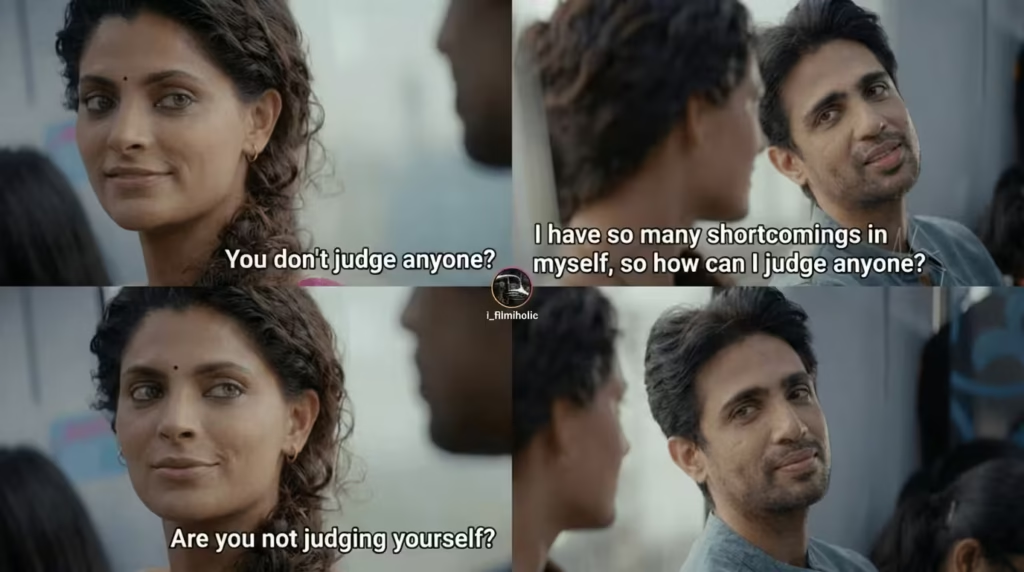
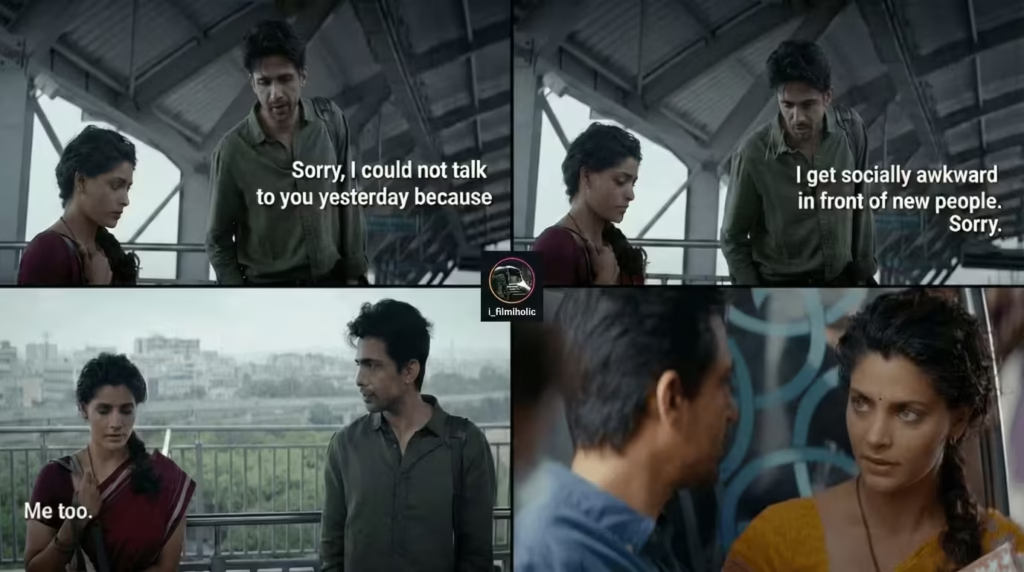
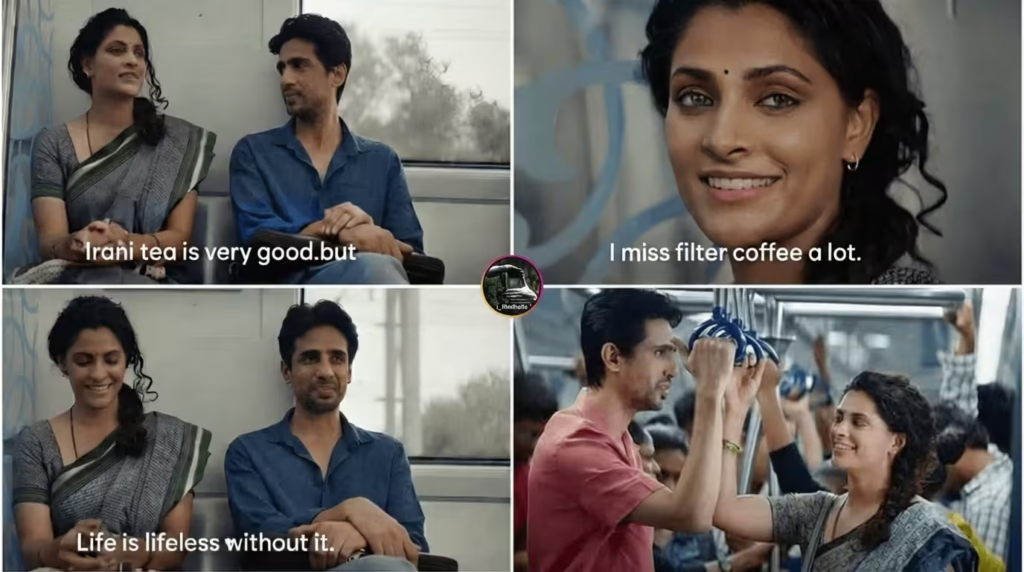
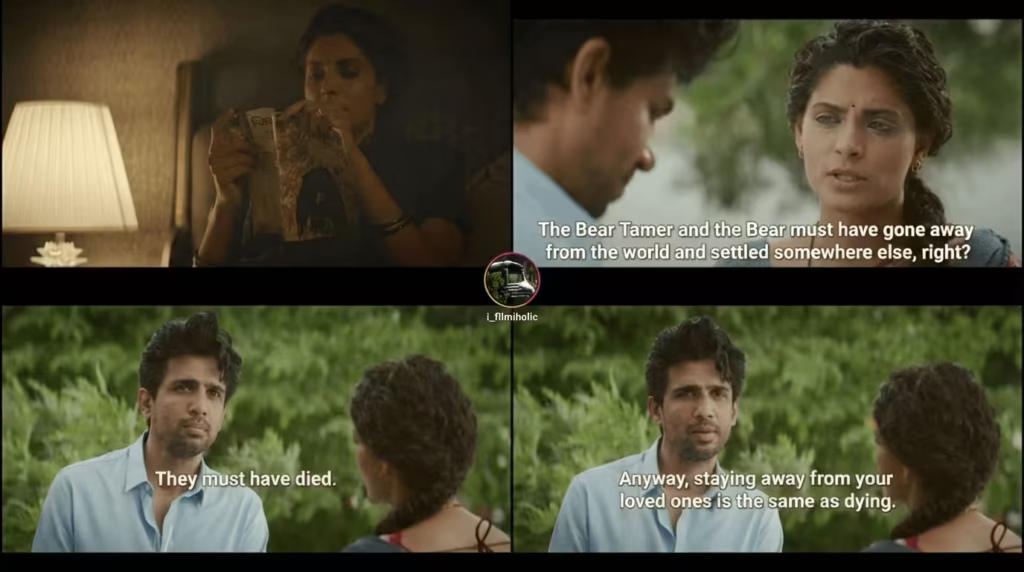
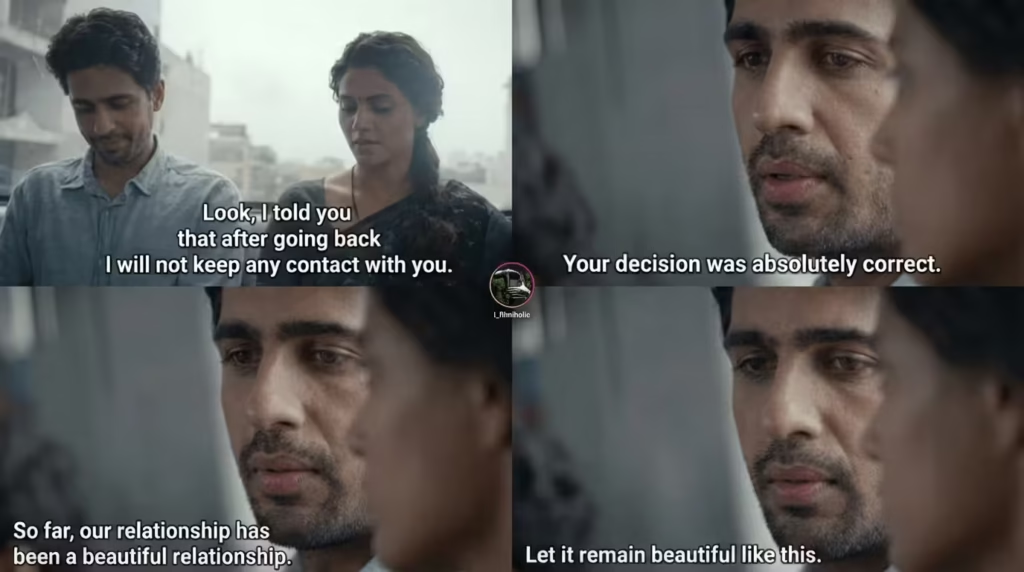
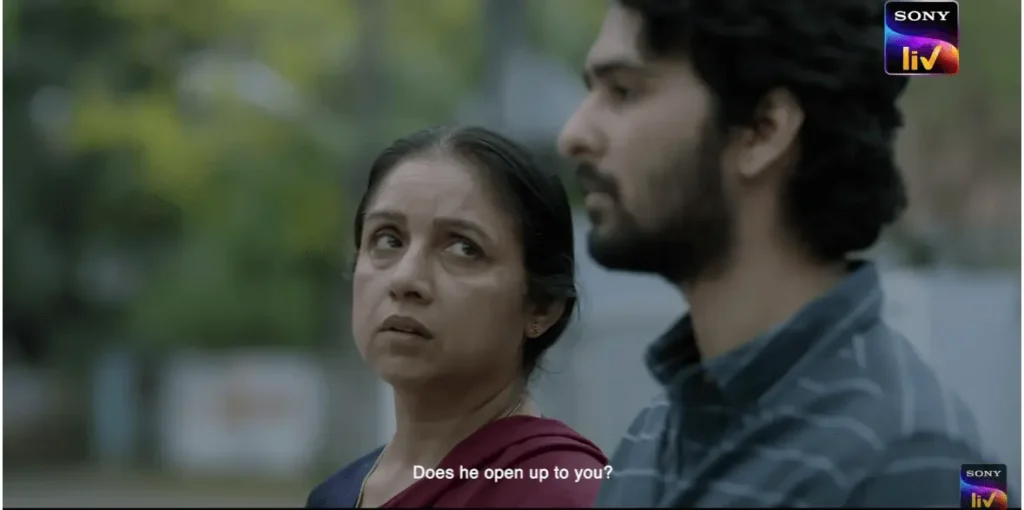
I’m in my early 30s. The age where life can look “fine” from outside, but still feel lonely inside. For me, all films are not for entertainment, some films entertain me. Some impress me. And then there are films that sit next to me—quietly—like a stranger on a morning metro, and somehow you end up telling them the truth about your life. That is what 8 A.M.Metro did to me. This is not a movie review, just sharing how I feel after watching 8 am metro directed by Raj Rachakonda, starring Gulshan Devaiah and Saiyami Kher based on Andamina Jeevitam by Malladi Venkata Krishna Murthy.
What the Film is Really About (not plot, the feeling)
Yes, the setup is simple: two married strangers meet on the Hyderabad Metro and build a bond through repeated, almost routine encounters. The film insists that not every man–woman connection must become romance, scandal, or tragedy—it can also become companionship with boundaries.
But emotionally, it’s about something more uncomfortable.
It’s about how a life can look “settled” from outside… and still feel unsettled inside. Job. Marriage. Babies. Routine. Yet something feels slightly misaligned.
Like everyone is travelling daily. But no one is really arriving.
It’s about grief that never got closure. Some grief doesn’t get a proper funeral. It’s half burned. Like sudden morning rain — it ruins your mood and disappears before anyone notices.
Anxiety and trauma that hides inside ordinary things (like travel, crowds, noise)
You can be surrounded by hundreds of people and still feel like you are the only one there. That kind of loneliness is not easy. It is scary.
More than anything, the film is about the human need to be seen: not desired or not judged, or not even looking for fixed. Just seen. Just see me and acknowledge it as it is.
The film slows the metro down (symbolically) so two people can actually listen—not just talk, but listen to silences too. It’s asking you to stop scrolling and stay present, which is almost radical now.
Why It’s a Good Movie (but not a great one)
1) It treats “talking” as action.
This is a dialogue-forward film where emotional movement happens through small revelations, not big twists. That’s why I felt the second half hits hard—the bond starts feeling earned, not forced
2) It makes poetry feel like therapy, not decoration.
How do you feel when you listen to old Kathakali sangeetham?
Or read a Gulzar poem?You don’t fully understand it. But you feel something shift inside.
This film and its music gives the same feeling.
This can be considered as a homage to Gulzar’s poetry, with verse acting like a moodboard for the characters’ inner states—almost like the film is translating emotions into language when the characters can’t.
3) Gulshan Devaiah & Sayami carries real emotional complexity
There is an unevenness in the film, it may not be everyone’s cup of tea, but all might agree, Gulshan’s performance is pure lit.. Gulshan does much of the heavy lifting, giving Pritam a layered, emotionally complicated center. I couldn’t see Gulshan, I was watching Pritam.
Saiyami’s performance is the film’s second biggest strength. She plays Iravati like someone who has trained herself to stay “normal” in public, even when something inside is shaking. Her strength is not a type of that urban girl’s confidence—it’s control, restraint, and the slow way she lets that control crack.
What I liked most is how she makes small things feel big: the hesitation before stepping in, the way her eyes search for safety, the tiny relief when she realizes she won’t be judged. As the film goes on, she doesn’t suddenly transform—she returns to herself, piece by piece. That is hard to act without overdoing it, and she mostly gets it right.
Why It’s Good, Not Great (Where it falls short)
1) The craft is uneven (but the heart is solid)
Some scenes feel a bit staged. A few lines sound like they were written first and lived later. And the look can feel closer to a TV-drama than a cinematic world. But the film’s emotional idea is strong enough that you stay with it.
2) It runs longer than it needs to.
I can also see why some people may get impatient. The film moves slowly. Sometimes too slowly 😉 A slightly tighter runtime would have helped. A tighter runtime would have made the emotional beats hit cleaner, without repeating the same mood.
3) It pulls back when things get complicated.
The film hints at messy consequences—social, personal, moral—but it chooses softness over impact. That choice keeps the film gentle, but also stops it from becoming truly great.
So yes: good, not great. But what it achieves emotionally is rare enough that you forgive the rough edges.
The Deep Emotional Layers (The Psychology Under the Sweetness)
1) The Metro as a “Safe Middle Space”
A metro is neither private nor chaotic; it is structured, timed, predictable, and governed by rules, and that predictability quietly becomes the emotional container in which this connection can exist without collapsing into intensity or dissolving into confusion.
In real life, when everything feels unstable, marriage, grief, identity, expectations, our nervous system looks for rhythm, and something as ordinary as catching the 8 a.m. train from the same platform, entering the same coach, and standing in the same pocket of shared silence can become a regulating ritual.
Predictability, repeatability, and boring days give us safety. As you get old, the more you seek for that safety.
The film understands this deeply. It turns what is usually a mechanical commute into a psychological holding space, almost like therapy without calling it therapy, where repetition does not mean boredom but safety.
The metro, in that sense, is not just transport; it has rules, time limits, and exits, emotions don’t spill out uncontrollably. They stay held. And when emotions feel held, people can speak honestly without feeling exposed.
2) Why Strangers Are Sometimes Easier Than Family
With family, you rarely walk into a room as just yourself; you walk in as a role that has been assigned to you long ago — son, husband, responsible one, difficult one, silent one — and every conversation already carries old memories, past fights, unspoken expectations, and things that were never fully resolved but never fully forgotten either.
With a stranger, that weight is missing.
You are not defending your past or protecting your image; you are simply responding to the present moment, and that lightness makes honesty easier because there is nothing to lose and nothing to prove.
That is why their connection feels believable. It is not driven by attraction or drama, but by something quieter — the comfort of being heard without being evaluated.
Sometimes what heals us is not a medication or soulmate or science, but the steady presence of someone who listens without turning your vulnerability into a verdict.
And that steadiness is easier to give when you are not carrying someone’s entire history on your back.
3) Literature as a Lifeline, Not Elitism
Pritam’s attachment to books and poetry could have easily felt like aesthetic posturing, but the film handles it with restraint, framing literature not as intellectual superiority but as emotional inheritance.
Pritam believes in books the way some people believe in prayers, while Iravati holds back, unsure whether words can really change anything, and slowly, through their conversations, the film begins to show how the loneliness of city life and the grief they never fully spoke about start surfacing in small, quiet ways instead of dramatic breakdowns.
What the film gently suggests is that sometimes words can do what even close relationships fail to do — they can sit with your pain without trying to correct it, argue with it, or turn it into advice.
A poem does not interrupt you. A book does not tell you to “move on.”
It simply says, someone else has stood where you are standing now.
And sometimes, that is enough.
In that way, poetry is not decoration; it is scaffolding.
Why You Should Watch It
Watch 8 A.M. Metro if you want a film that:
Treats kindness like something serious
Shows adult loneliness without mocking it
Makes friendship feel cinematic again
Leaves you a little softer than before
Don’t watch it expecting speed, twists, or a tight “plot engine.” This is a slow-burning conversation movie. The reward is emotional, not narrative.
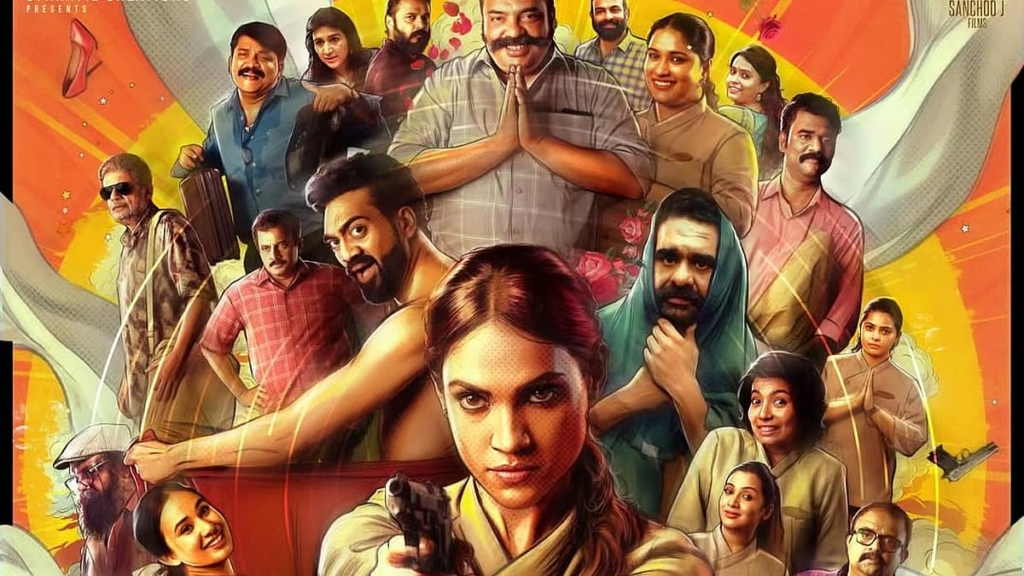
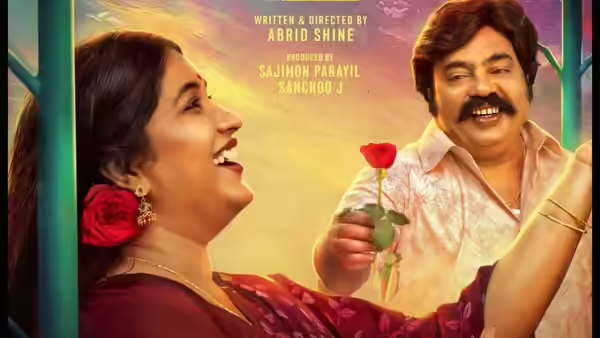
If you walked into SPA(2026) expecting a typical adult comedy or som thrills, you probably walked out feeling disappointed — but also thinking. And that’s exactly why I wrote this observations on Abrid Shine’s 2026 malayalam movie SPA. Spa quietly observes people. It holds up a mirror. And sometimes what we see in that mirror isn’t very comfortable. On the surface, it’s just a day inside a spa. But if you sit with it, you realise it’s one of the sharpest social satires Malayalam cinema has done in recent years….not about sex, but about hypocrisy, desire, and the gap between who we pretend to be and who we actually are.
This isn’t a typical movie review for Spa (2026). Think of it as trying to understand what Abrid Shine was really doing with this experiment.
The Rejection of Narrative: A Film Without a Graph
Spa is a film that, from its very first scene, tells you to abandon all preconceived notions of conventional cinema.
There is no three-act structure, no clear protagonist, no rising action, no central conflict, and certainly no neat resolution in the end.
Instead, Shine invites us into the closed, intimate world of a spa in Kochi, and for two hours, we become voyeurs, observing a series of episodic encounters that expose the raw, often uncomfortable, truths about desire, morality, and the hypocrisy that governs our society.
The spa itself becomes the main character.
This structure is very important because if the film followed one person’s story, we would focus on their drama. Even there is a director character who asks a therapist, “What is your story?” She says, “Our story is boring. We come, we do massages, we go — nothing exciting. But the people who come here make it exciting.” Abrid Shine follows the same philosophy here.
And slowly you realise: this isn’t about individuals. It’s about behaviour.
The film doesn’t just talk about hypocrisy. It shows it happening again and again until you can’t ignore it.
How SPA Flips the Male Gaze
When we think a bout a cinema with title, the first thought might be objectifying women with semi nudity and some jiggling moments in the dark rooms. SPA quietly flips that idea.
Here, the camera isn’t interested in objectifying women. The women are mostly fully dressed, calm, professional, and in control.
It’s the men who are exposed — physically and emotionally.
We meet a sawmill worker, a doctor, an artist, and even a film star, each bringing their own unique set of desires, insecurities, and moral contradictions into the therapy room.
They lie on massage tables, vulnerable, stripped not just of clothes but also of their social masks. The respected doctor, the tough officer, the intellectual poet — inside the spa they all look the same. Just men dealing with desire, insecurity, and ego.
The camera never sensationalises nudity. Instead, it observes behaviour.
That choice makes a big difference because the film isn’t trying to shock — it’s trying to study the male psyche.
And that’s where the satire becomes sharp. Let me explain that with few examples from Spa.
The Innocent Hypocrite
Mathan looks harmless, almost sweet. He’s inexperienced with women and slowly becomes emotionally attached to his therapist. He feels protective, like a “nice guy.”
But the irony is obvious. He’s still part of a system he might morally judge if it involved someone from his own family.
His innocence isn’t pure — it’s blind. And that’s what makes his character interesting. The conversation between Mathan and therpaist Riya is one of the peak moments in the cinema.
Unfortunately, society celebrates these type of characters as protectors. I am sure, after OTT release of Spa, Mathan will be celebrated in reels.
The Many Faces of Male Ego
Rahul Madhav’s character represents what you could call a fragile ego. He’s a film star who wants to be recognised but at the same time wants to stay anonymous, which perfectly shows the strange paradox of modern celebrity life.
He wants validation, but he’s also clearly afraid of being exposed, like his confidence is something he constantly has to perform rather than naturally feel.
Then there’s Srikanth Murali, who is usually seen in respectable roles like a doctor or advocate, but here he plays a character who is completely stripped of that public dignity.
His performance feels brave because it’s uncomfortable to watch, and in many ways, his character becomes the most direct reflection of what the film is really trying to say about hypocrisy and the gap between public image and private reality. Whole theatre went on shock when he said the word “Ecstacy!!!”
Dinesh Prabhakar’s character feels like a sharp satire of the so-called cultural elite. He comes in as a Malayalam poet carrying all that intellectual weight and sophistication, but slowly his strange and almost comical kinks start to show.
The film subtly shows how he uses his intellect almost like a mask to hide his basic desires, reminding us that education or artistic sensibility doesn’t automatically make someone morally superior — hypocrisy can exist just as easily behind polished words.
What Do the Women of SPA Represent? Professionalism Over Victimhood
Perhaps the most progressive and important choice Abrid Shine makes is in the portrayal of the women.
The film steadfastly refuses to make them victims. We are not given tragic backstories or forced to pity them.
As Radhika Radhakrishnan’s character powerfully states, “If those who seek these services do not have a moral conundrum, why should we?”
Shruthy Menon leads the pack with a commanding presence. She is a seasoned professional, handling difficult clients with a calm authority that comes from experience. She is not a victim; she is a manager.
Radhika Radhakrishnan, in a performance that showcases her incredible range, is the emotional anchor for many of the vignettes. Her ability to transition from gentle empathy with Mathan to righteous anger when a client crosses a line is remarkable.
This is the same actress who gave a deeply nuanced and vulnerable performance as the long-suffering mistress in Appan. In SPA, she sheds that vulnerability to embody a woman who is in complete control of her emotional and physical boundaries. The contrast proves her versatility and courage as a performer.
Is It a Happy Ending? A Sudden Break in a Carefully Constructed World
After building a quiet, character-driven tone, the film suddenly moves into an action-style climax.
Suddenly, new characters enter, and the film shifts into something that feels like a Kill Bill-style action sequence. The change is so abrupt that it feels slightly out of place.
For nearly two hours, the film carefully builds a realistic world… yes, it’s satirical, but it still feels grounded and observational. Then this sudden move into a spoofy, hyper-stylised climax feels almost like the film loses its confidence.
I felt Abrid Shine’s that choice feels contradictory because the whole film had earlier questioned the need for a traditional story arc in the first place.
Some viewers might interpret this ending as one final satirical comment on filmmaking itself, but emotionally it weakens the impact.
In the end credits, I love the way Abrid Shine roast those taglines “Family movie”, “Award Films”, “Artisctic Social Responsibility film”.
Why SPA is Must Watch Despite Its Flaws in Ending
Even with that uneven ending, SPA remains a bold film.
It trusts the audience to think instead of spoon-feeding emotions. Spa explores desire without judgement. It questions morality without preaching.
By reversing the gaze, presenting women as professionals, and showing repeated patterns of behaviour, the film creates a powerful commentary on society.
More than anything, it starts conversations. Because it asks us to look at ourselves without filters.
It challenges our ideas about morality and respectability. And most importantly, it proves that sometimes cinema doesn’t need a story — just observation.
If you’re willing to engage with it patiently, SPA becomes less of a movie and more of a reflection.
What is the real story behind Dhurandhar? In Dhurandhar several real characters are clearly inspired by real officers, gang leaders, and terror figures, even if their names and details are changed for the screen.
In this article, we break down Dhurandhar — separating cinema from history. We look closely at the Dhurandhar real story, decode the real characters behind the reel roles, and examine which incidents are rooted in fact and which ones are deliberately simplified or dramatized. Not to glorify or accuse — but to understand what the film is really saying beneath the action and patriotism.
Dhurandhar Real Characters: Who Played Whom?
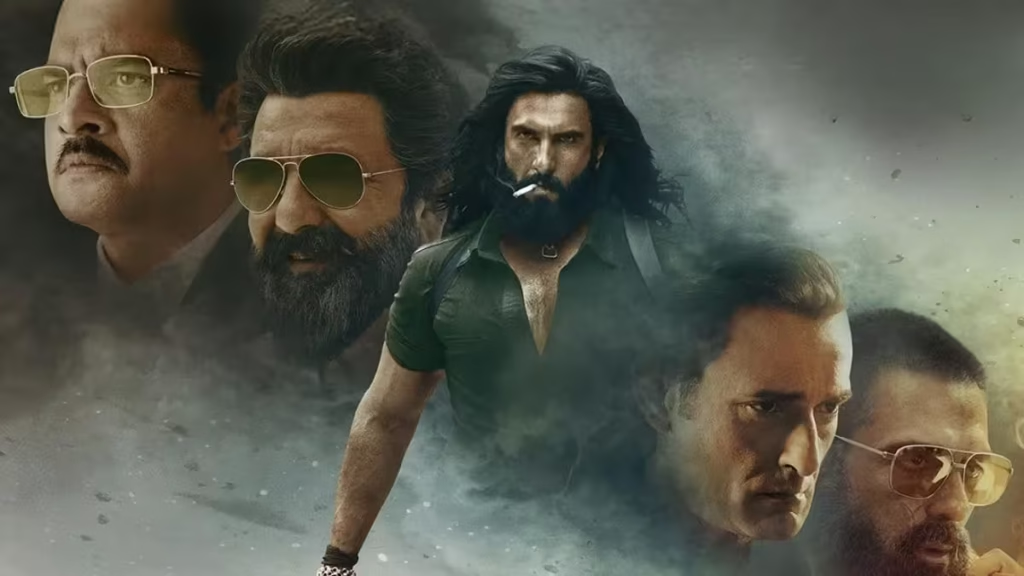
One of the strongest things Dhurandhar does is this: it doesn’t invent heroes and villains out of thin air. Most characters are shaped around real people who operated in the shadows — soldiers, gangsters, intelligence officers, and terrorists whose actions quietly shaped history. The names are changed, but the behaviour, ideology, and outcomes feel very familiar.
Let’s break down the Dhurandhar real characters and understand who they are actually inspired by.
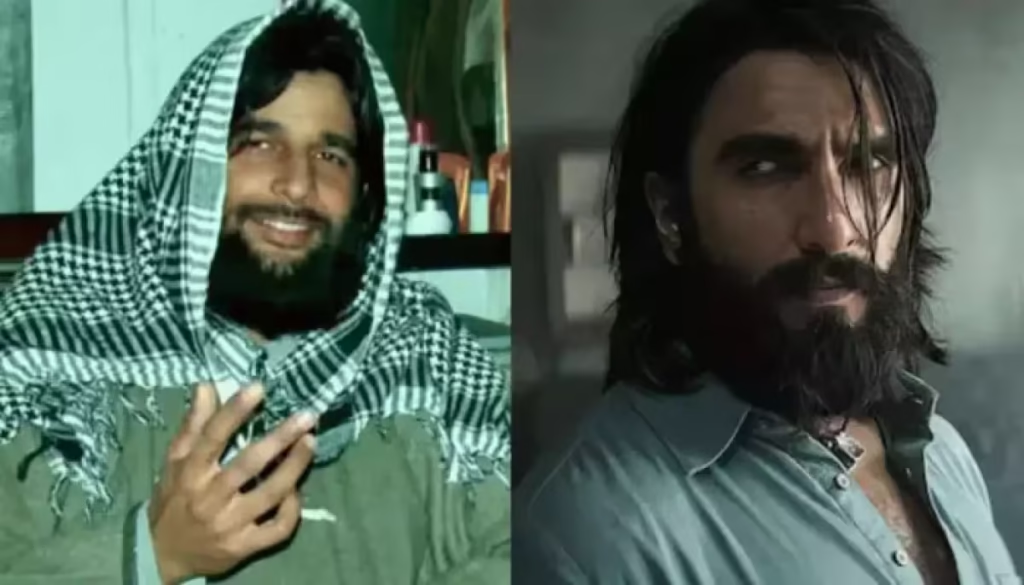
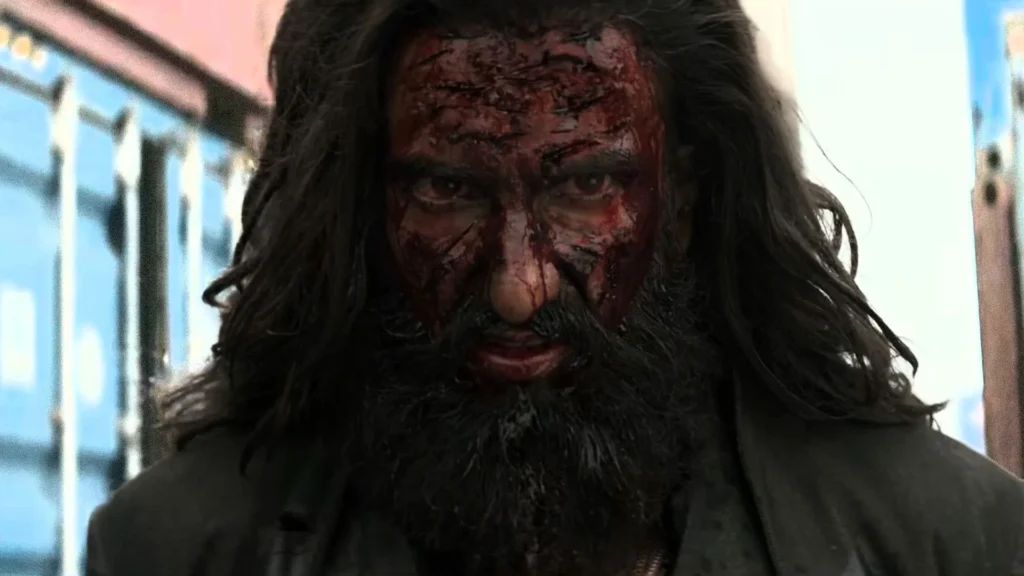
The reel character: Ranveer Singh plays a deep-cover RAW operative who lives with anger, patience, and restraint at the same time. He is not shown as a loud patriot or a chest-thumping hero. Instead, he is quiet, methodical, and willing to disappear into the enemy’s world if that’s what the mission demands. His goal is simple — correct what he believes was a national failure.
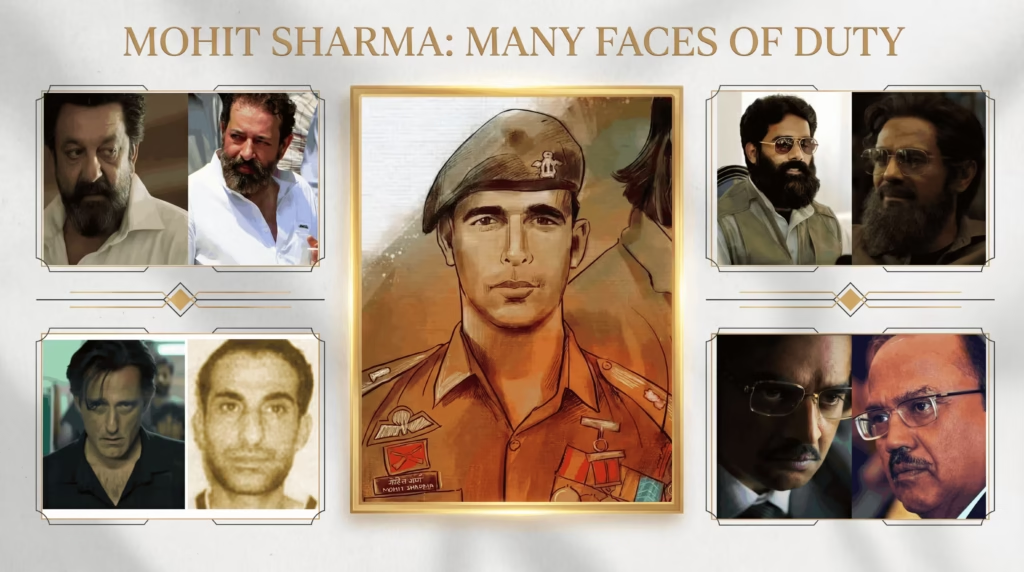
The real story behind it: This character draws clear inspiration from Major Mohit Sharma, one of India’s most respected special forces officers and an Ashok Chakra awardee.
Major Sharma infiltrated the Hizbul Mujahideen by taking on the identity of Iftikhar Bhatt. He lived among militants, earned their trust, gathered intelligence, and eliminated key terrorists from inside the network.
In 2009, during an operation in Kupwara, he was critically injured but continued fighting, saved two of his teammates, and killed four terrorists before being martyred. Dhurandhar doesn’t recreate his life exactly, but it captures the core idea — deep infiltration, moral isolation, and sacrifice without recognition.
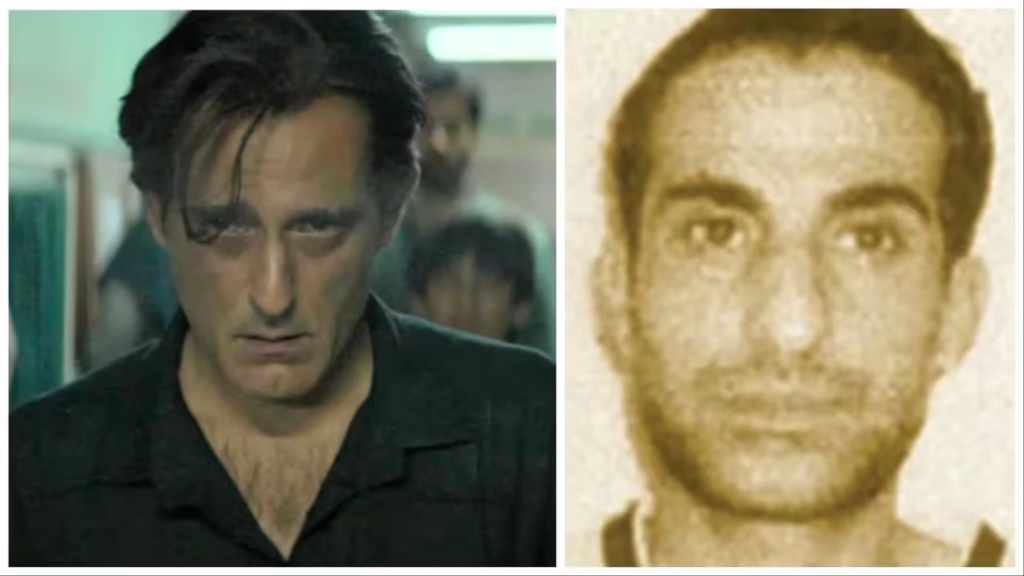
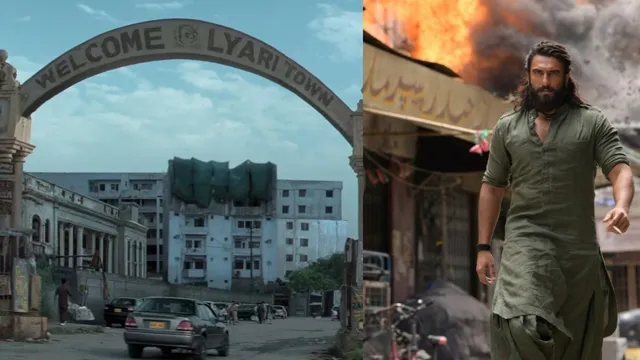
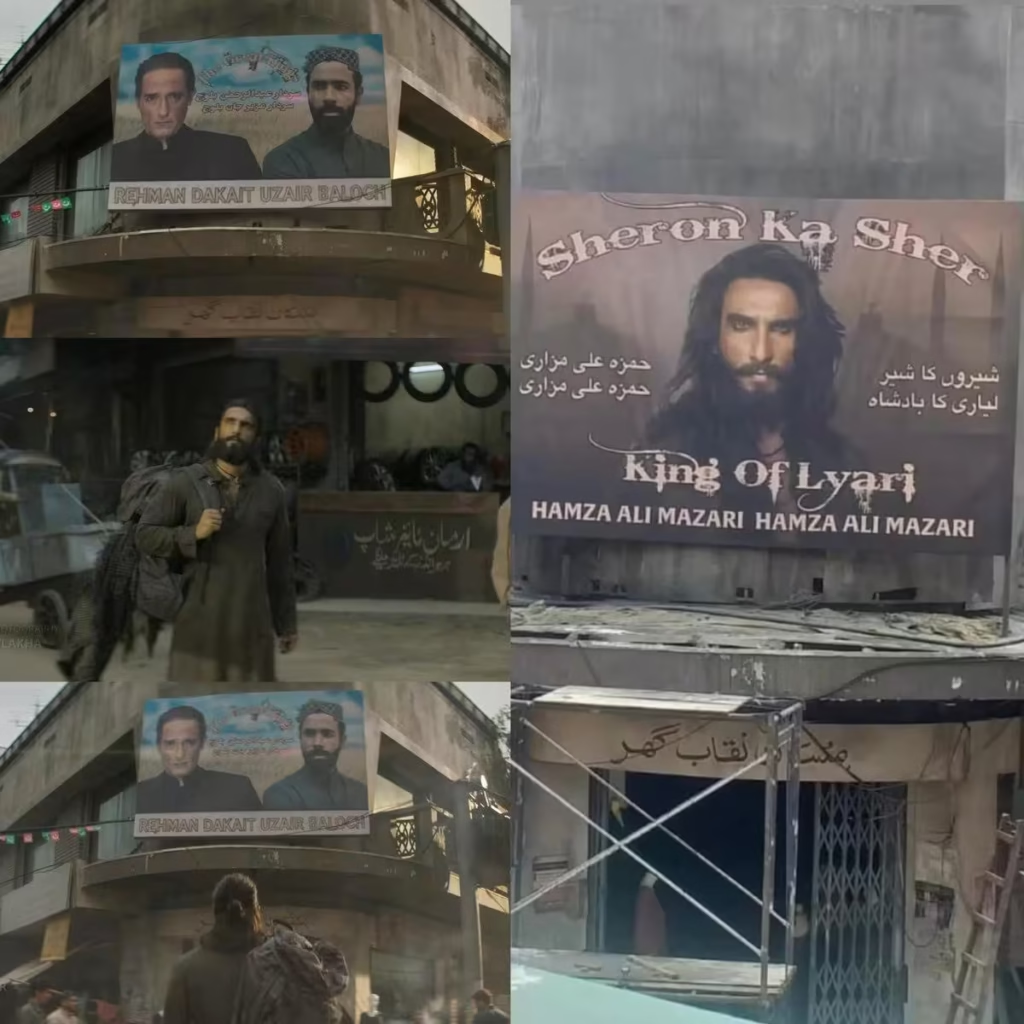
The reel character: Akshaye Khanna plays Rehman Dakait as calm, intelligent, and terrifyingly practical. He doesn’t shout. Doesn’t rush. He runs Lyari like a system — controlling crime, politics, and terror logistics as one operation. On the ground, he is the film’s most visible villain.
The real story behind it: Rehman Dakait was not fictional. His real name was Sardar Abdul Rehman Baloch, and he was one of the most feared gang leaders in Karachi. He rose from petty crime to running Lyari’s underworld, controlling extortion, kidnappings, arms, and protection rackets. For years, Lyari functioned almost like a parallel state.
Like in the film, he tried to move closer to legitimacy by forming the People’s Aman Committee and building political connections. His death in 2009, in a police encounter, remains controversial — many believe he outlived his political usefulness. The film stays close to this arc without naming names.
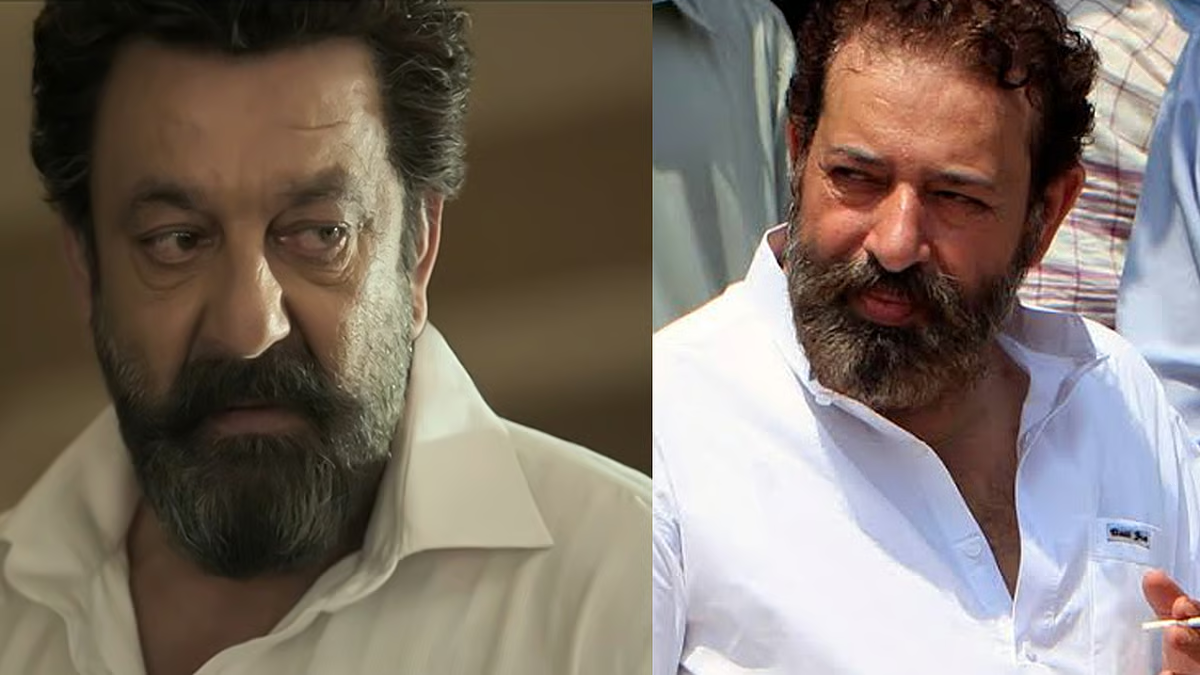
The reel character: Sanjay Dutt plays a hardened Pakistani police officer who is not aligned to gangs, terrorists, or ideology. His loyalty is only to order. He hunts everyone — criminals, extremists, and political pawns — making him dangerous and unpredictable for all sides.
The real story behind it: This character is almost a direct reflection of Chaudhry Aslam Khan, widely known as Pakistan’s toughest cop. As the head of Karachi’s anti-terror operations, he went after gangsters like Rehman Dakait and Taliban operatives with equal force.
He survived multiple assassination attempts. After a bomb attack on his home, his response was simple: “I will bury the attackers in the same rubble.”In 2014, he was killed in a suicide bomb attack. His death showed how deeply he had unsettled powerful networks.
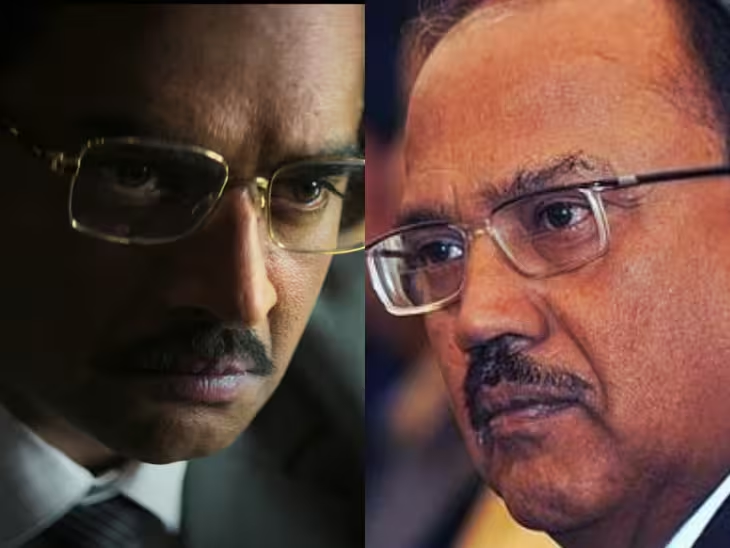
The reel character: Madhavan plays the strategist — not the man pulling the trigger, but the one deciding when the trigger must be pulled. He represents the shift in thinking inside India’s security establishment: from restraint to retaliation.
The real story behind it: The inspiration here is clearly Ajit Doval, India’s National Security Advisor and former RAW officer. Doval was directly involved in the IC-814 hijacking negotiations and later became the face of India’s aggressive counter-terror doctrine.
From surgical strikes to Balakot, his philosophy has been consistent — threats must be neutralised at their source. The film borrows his worldview more than his biography, using Madhavan’s character to voice that strategic shift.
The reel character: Arjun Rampal plays the invisible villain — the handler, not the foot soldier. He represents state-backed terror, using criminals and extremists as tools rather than allies.
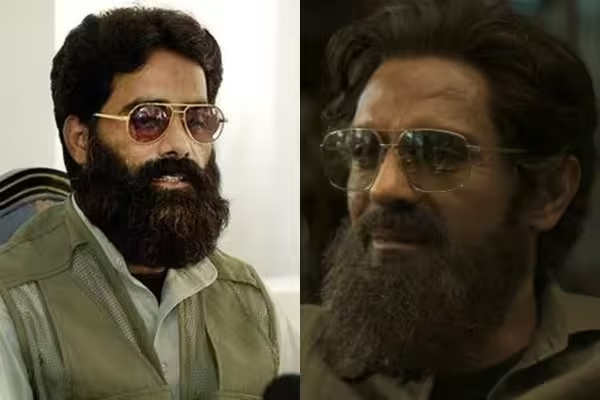
The real story behind it: This role is inspired by Ilyas Kashmiri, a former Pakistani soldier who became one of Al-Qaeda’s most dangerous operatives. He was linked to multiple terror plots, including the 2008 Mumbai attacks, and was considered a master of guerrilla warfare.
Once described as a successor-level figure to Osama bin Laden, Kashmiri was reportedly killed in a US drone strike in 2011. In Dhurandhar, his character symbolises the system that enables terror — not just the men who carry it out.
The Real Story vs the Reel Story of Dhurandhar
The IC-814 Hijacking (1999): The film opens with the humiliating memory of India releasing captured terrorists, including Masood Azhar, in exchange for the lives of passengers on a hijacked plane. This event serves as the protagonist’s core motivation—a national shame he is desperate to avenge.
Operation Lyari: A significant portion of the film is set in the volatile Lyari district of Karachi, a lawless region ruled by powerful gangs. This is not a fictional backdrop; it’s based on the real Lyari gang wars that held Karachi hostage for years.
Fact vs fiction: The emotional impact shown in the film is accurate. But the real event was far messier. Governments were under extreme pressure, options were limited, and every decision carried consequences. The film simplifies this into a clear moral trigger, while reality offered no clean answers.
The Heart of Democracy Under Siege: Parliament Attack (2001)
The real story: On December 13, 2001, five terrorists linked to Jaish-e-Mohammed attacked the Indian Parliament. Using a vehicle with fake security markings, they breached the complex and opened fire. The encounter killed nine security personnel and a gardener. All five attackers were neutralised.
The Dhurandhar version: The film does not recreate the attack in detail. Instead, it uses it as proof. In briefings and conversations, the Parliament attack is referenced as evidence that restraint had failed. That release in 1999 was followed by escalation, not peace.
This is where Madhavan’s character gains authority in the narrative. The old logic — patience, restraint, diplomacy first — is shown as outdated. The film positions this attack as the moment where covert retaliation becomes inevitable.
Fact vs fiction: The connection between Kandahar and later terror attacks is real. But history is rarely linear. The film compresses years of intelligence failures, global politics, and regional instability into a straight line to make its argument clearer. It’s a simplification — but a deliberate one.
The 26/11 Connection That Changes Hamza’s Mission
How 26/11 is Referenced in the Movie:
The 26/11 attacks become the emotional and moral catalyst for Hamza’s betrayal of Rehman Dakait. Here’s the pivotal moment:
Hamza discovers that the weapons supplied by Rehman Dakait to various terror groups were used in the 26/11 Mumbai terror attacks.
This revelation is deeply disturbing to Hamza because it shows that his mentor—the man he worshipped as the “Sher-e-Baloch” (Lion of Balochistan), who claimed to fight for Baloch upliftment through schools, hospitals, and jobs—was actually complicit in terrorism that killed innocent civilians in India.
The Breaking Point:
When Hamza witnesses Rehman celebrating with ISI chief Major Iqbal after the “success” of the 26/11 attacks, something inside him shatters. This is the moment when Hamza’s loyalty transforms into hatred.
He realizes that Rehman has betrayed not just India, but his own people—the Baloch community he claimed to serve. Rehman has become nothing more than a puppet of the ISI, using terror to advance Pakistan’s strategic interests.
The Moral Justification:
This discovery provides Hamza with the moral justification he needs to execute his mission. He’s no longer just following orders from Ajay Sanyal; he’s now driven by a personal vendetta. Rehman’s involvement in 26/11 makes him, in Hamza’s eyes, a legitimate target who deserves to die.
The Economic Jihad: The De La Rue Fake Currency Scandal
The real story: This is the least discussed, and arguably the most uncomfortable part of the film’s inspiration. For years, Pakistan’s ISI pushed high-quality counterfeit Indian currency into circulation. This wasn’t street-level forgery — these were “supernotes” almost impossible to detect.
The controversy deepened when allegations emerged that a British security printing firm, De La Rue, had supplied technology to both India and Pakistan.
Investigations later raised questions about decisions taken during the UPA era — monopoly contracts, ignored warnings, and extended agreements despite security concerns. The implication was disturbing: India’s economic security may have been weakened not only from outside, but also through internal policy failures.
In simple terms, fake currency funded terror, and systemic decisions allegedly made that easier.
The Dhurandhar version: The film strips this story down. It shows fake currency as a Pakistani operation run through gang networks and ISI handlers. The focus stays external. There is no mention of questionable contracts, corporate responsibility, or Indian administrative failures.
From a storytelling perspective, this makes the narrative cleaner. Villains stay on one side. The system remains intact.
Fact vs fiction: This is where the gap is widest. By avoiding the role of internal vulnerability, the film removes the most disturbing part of the real story.
The truth was not just about an enemy printing fake notes — it was about how fragile systems can be when oversight fails. Dhurandhar turns a story of institutional weakness into a familiar spy-versus-villain framework.
Dhurandhar Ending Explained: The Rise of a King, The Birth of a Monster
The Twist That Changes Everything: Who is Hamza Ali Mazhari?
Just as you’re processing Hamza’s ruthless ascent to power, the film delivers its most devastating blow. In the final moments, we learn the truth:
Hamza Ali Mazhari does not exist.
He is a carefully constructed identity, a mask worn by Jaskirat Singh Rangi, a death-row inmate from India.
Recruited by IB Director Ajay Sanyal (R. Madhavan), Jaskirat was given a new face, a new name, and a new life for a single purpose: to infiltrate Pakistan’s deepest terror networks and dismantle them from within. He is the ghost in India’s first-ever covert espionage operation of this scale.
This revelation is the key to the entire film. It reframes everything we’ve seen.
Hamza’s loyalty, his internal conflicts, his moments of brutality—they are all part of a deep-cover role played by a man who has sacrificed his very identity for his country.
The Ranveer Singh real identity Dhurandhar twist isn’t just a clever plot device; it’s a commentary on the profound psychological toll of espionage. To become the perfect monster, Jaskirat had to bury the man he once was.
The Ending Isn’t Victory — It’s Consequence
After eliminating Rehman and taking control of his empire, Hamza/Jaskirat (Ranveer Singh) is not shown celebrating power. Instead, he is disturbed.
He sees Rehman everywhere — in reflections, in silence, in memory. These are not literal ghosts. They are reminders.
He has become what he was sent to dismantle.
This is where Dhurandhar becomes uncomfortable. Jaskirat didn’t just defeat a system — he absorbed it. He now carries its violence, its logic, its moral weight. The mission succeeded, but the man did not remain intact.
The final moments push this further.
Hamza turns his attention to the real architect behind everything — Major Iqbal (played by Arjun Rampal), known within the system as “Bade Sahab.” The post-credits scene makes one thing clear: Dhurandhar Part 2 is not about expanding scale — it’s about escalation.
But the real conflict is internal.
Can Jaskirat continue this mission without fully losing himself? Or has he lived as Hamza for so long that there is no Jaskirat left to return to?
What Dhurandhar Is Really Saying
The ending of Dhurandhar does not celebrate triumph. It questions it.
The film asks something deeper than politics or patriotism: When a nation sends a man into darkness to fight monsters, what happens if he survives — but comes back as one?
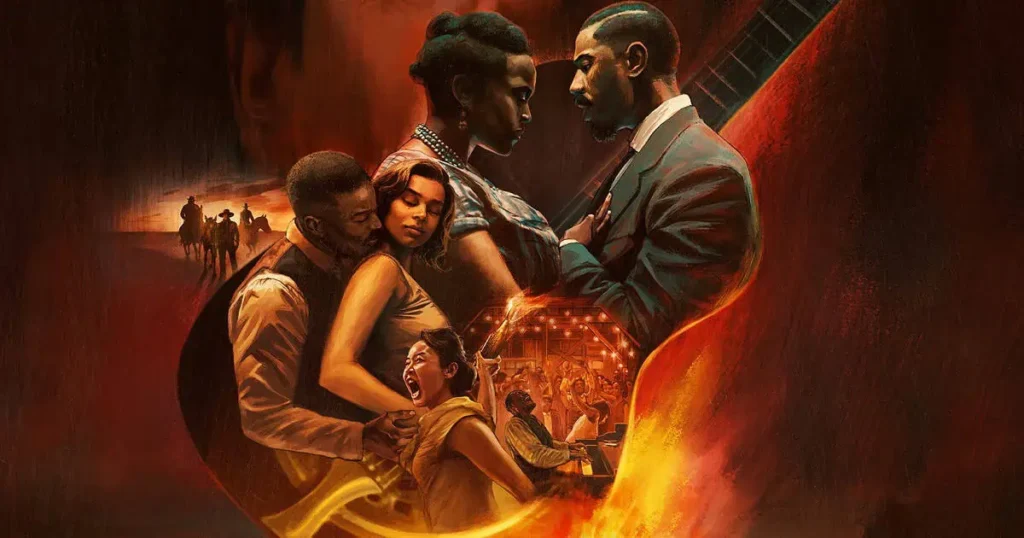
Ryan Coogler’s Sinners is one of those movies that doesn’t really end when the credits roll. On the surface, it’s a simple vampire film, but once you start pulling at the threads, you realise it needs a proper Sinners explained kind of discussion — especially the ending.
This is one of those films where the story is only half of what’s going on. The other half is hidden in small details, symbols, and choices the characters make. In this article, we’ll break down the ending, the post-credits scenes, the vampire rules, and the bigger meaning behind Sinners, not as a reviewer but as a fan.
[MASSIVE SPOILER WARNING: Do not read further if you haven’t seen the film.]
The Plot of Sinners: A Chronological Breakdown
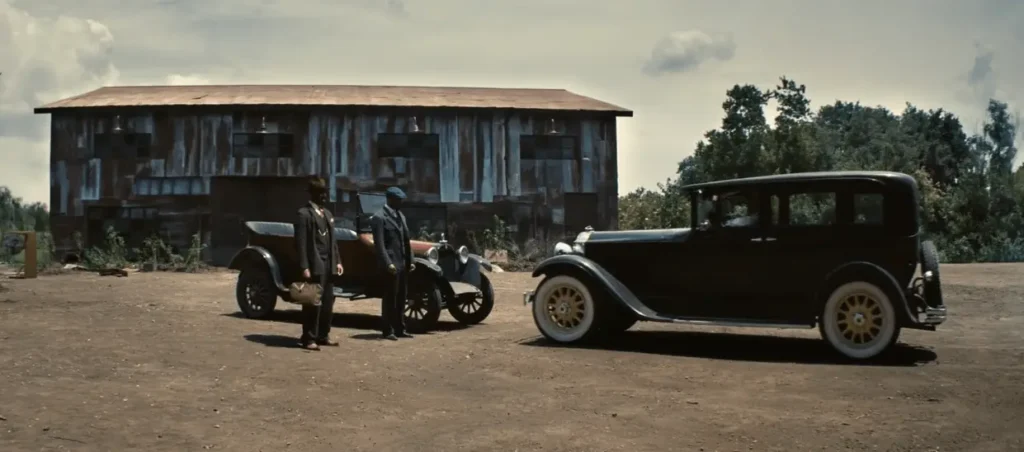
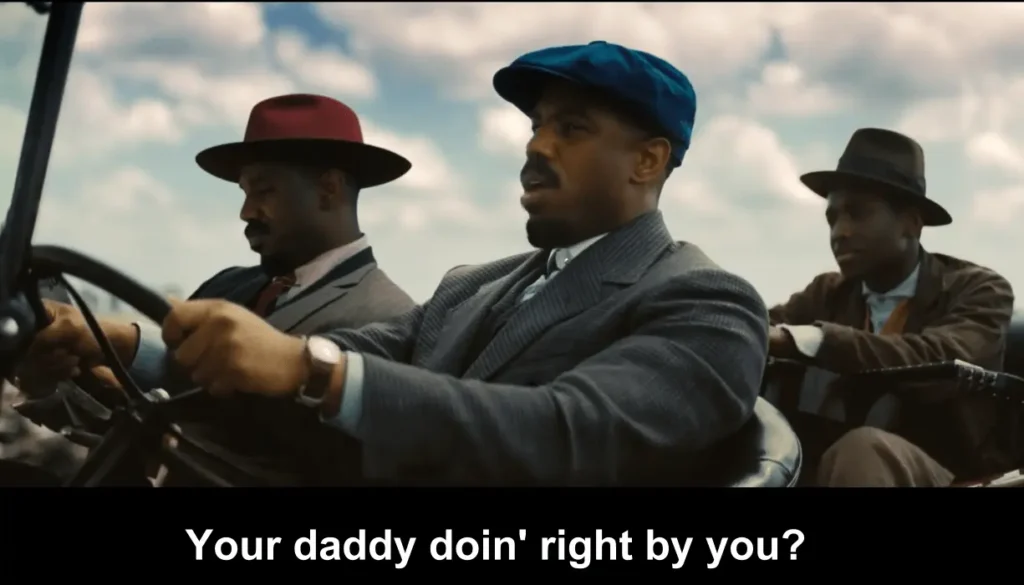
The story takes place in October 1932, in a small town in the Mississippi Delta. Twin brothers Elijah “Smoke” and Elias “Stack” Moore come back home after many years away. They have lived rough lives, worked with gangs in Chicago, and fought in World War I. Both are carrying a lot of anger, fear, and tiredness from that life.
They don’t come back to start trouble. They come back with one simple plan: to open a juke joint. A place where Black people can eat, drink, dance, and forget their problems for a few hours. They buy an old sawmill for this. The place has a dark past. It was once used by white supremacists as a “killing floor” where Black people were murdered. Now they want to turn that place into something alive.
Now the brothers are bringing in people for their juke joint.
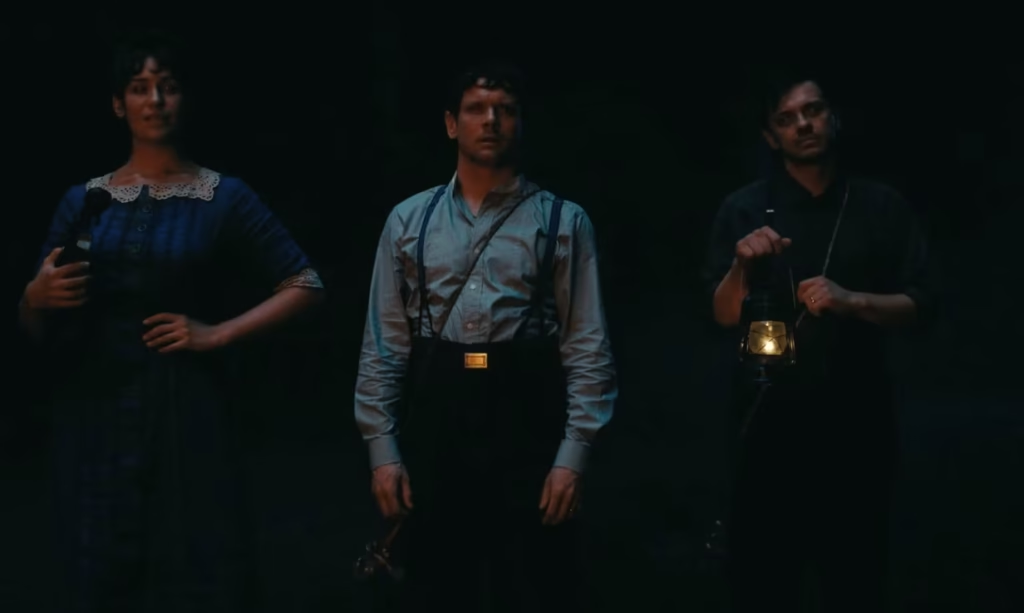
While all this is happening, something else is moving toward the town. An Irish vampire named Remmick has taken shelter with a local white family connected to the KKK. He slowly turns them into vampires too. When Sammie plays at the juke joint, his music does something strange. It feels like it opens a door between worlds. It attracts Remmick and his group.
The Characters: Who’s Who in Sinners
Before getting into the meaning and the ending, it helps to clearly understand who these people are and how they are connected. Sinners is not really a story about vampires first. It’s a story about a small group of people, their past, and the choices they make in one long night.
The Moore Family and Their Circle
At the centre of the story are the Moore family.
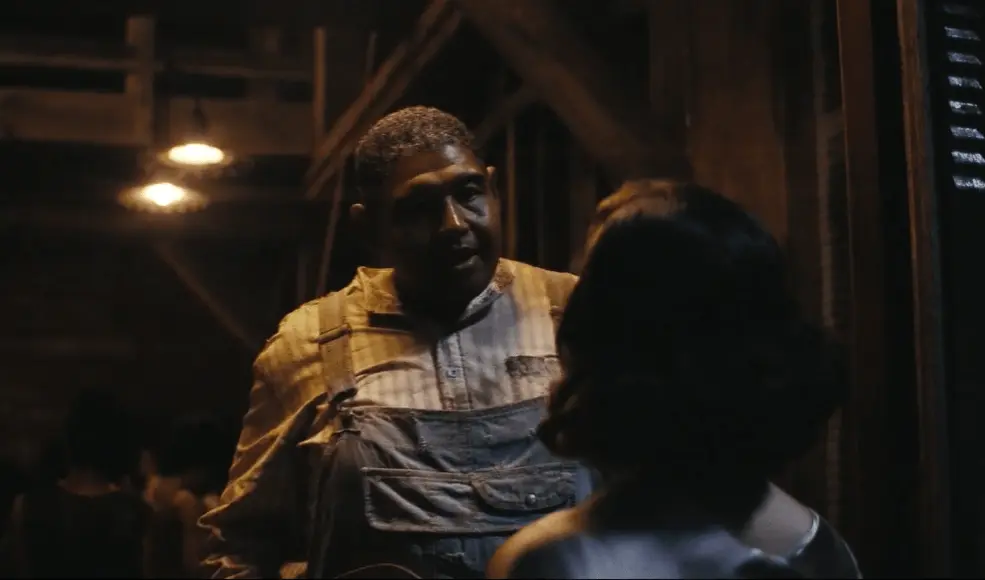
Elijah “Smoke” Moore and Elias “Stack” Moore are twin brothers. Sammie is their younger cousin. Jedidiah, Sammie’s father, is a strict pastor. Annie is Smoke’s wife.
Smoke and Stack grew up together, fought together in World War I, and later worked for Al Capone’s gang in Chicago.
Smoke & Stack : The Gears
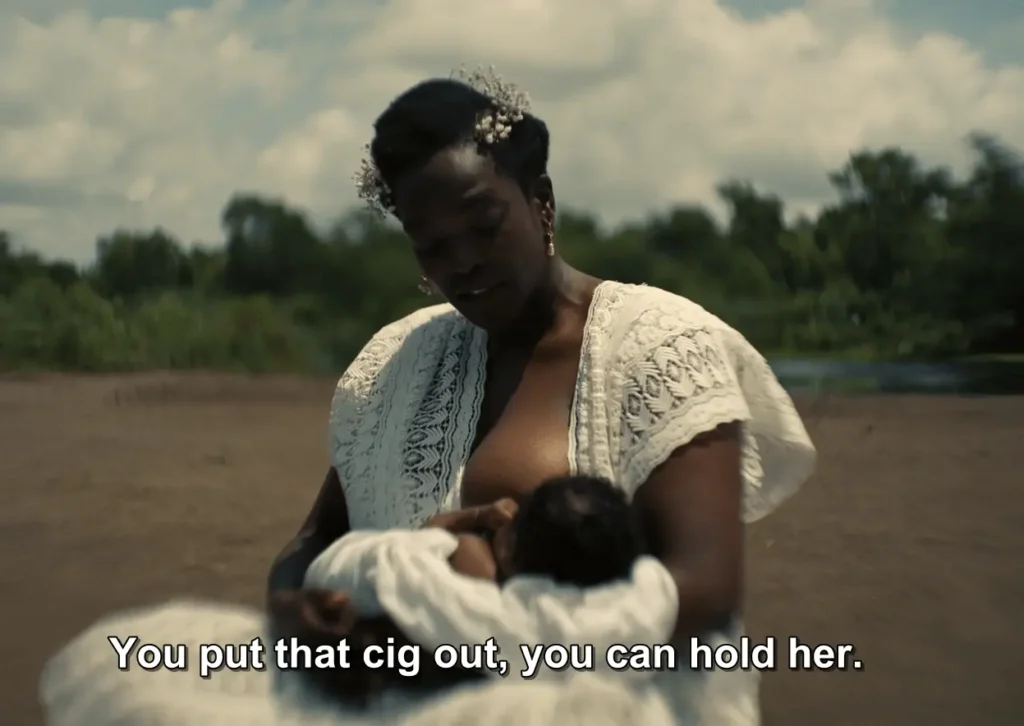
Smoke is the quieter and more thoughtful of the two. He is tired of violence and wants to build something that feels clean and honest. He is married to Annie, and they once had a baby who died. Smoke still carries that loss, and also the trauma of the war. His hands shake, and he cannot even roll his own cigarettes. Stack always does it for him. Smoke’s journey in the film is about slowly letting go of his violent “Smoke” identity and becoming Elijah again.
Stack is different. He is more emotional, more reckless, and more comfortable with violence. He also worked for Capone and fought in the war, but he seems less interested in leaving that life behind. He comes back partly to help build the juke joint, and partly because he wants to find Mary, the woman he loved before he left town.
Sammie Moore: The Heart of the Story
Sammie Moore is their young cousin. He is a gifted blues guitarist and the son of Pastor Jedidiah. He is caught between two worlds: his father’s church and his own love for music. He carries the guitar of Charley Patton, a legendary blues musician. Sammie is not just a performer in the film. His music is so powerful that it seems to open a door between worlds. He is the real heart of the story, and also the reason the vampires come.
Jedidiah, Sammie’s father, believes the blues is devil’s music and that it will destroy his son. He tries to stop Sammie from playing at the juke joint. In a dark way, his fears turn out to be right.
The Love Stories
There are two important relationships in the film.
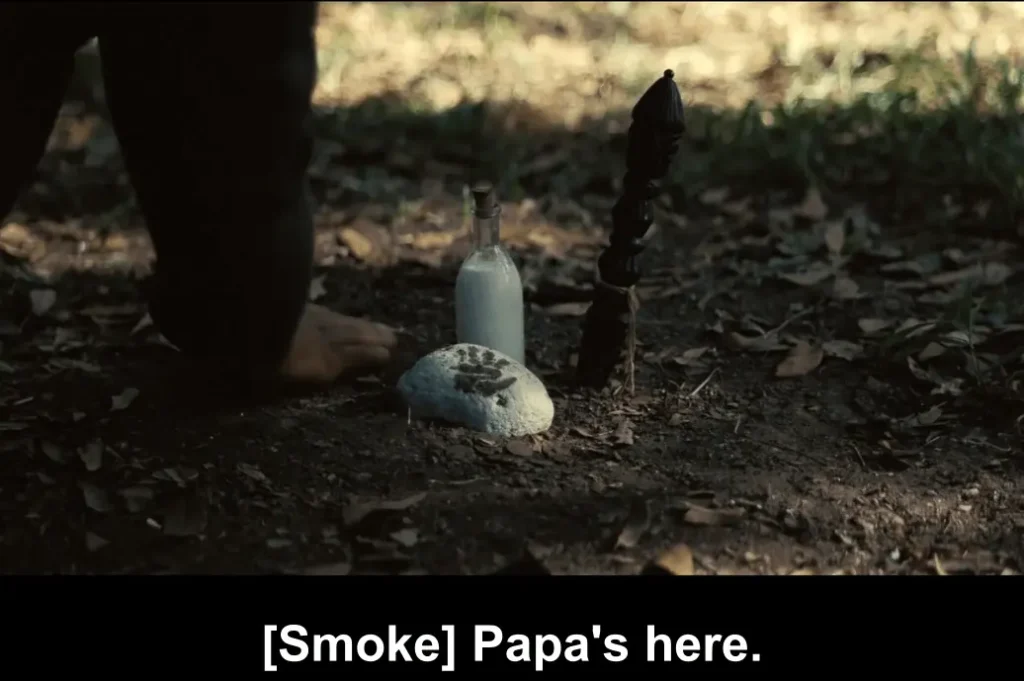
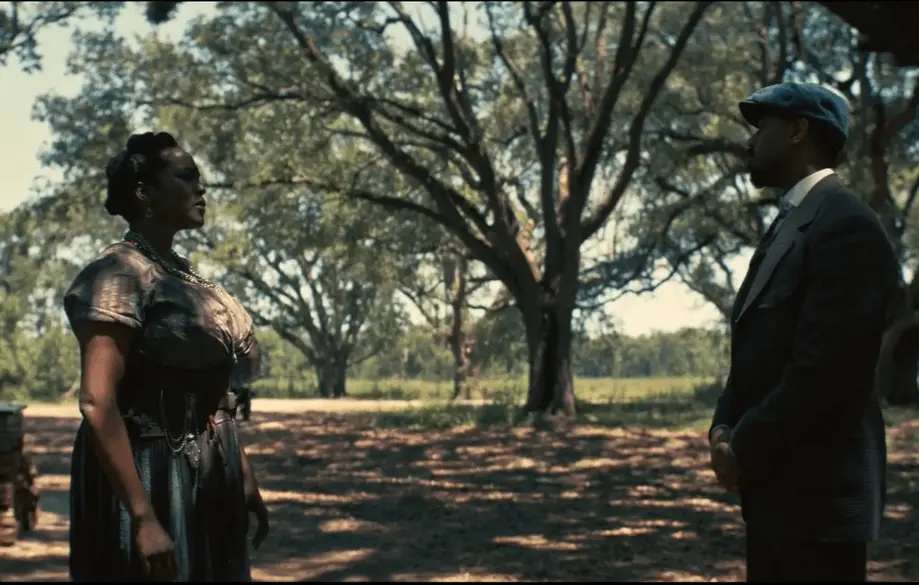
Smoke and Annie are husband and wife. They lost their baby, and that loss broke something in both of them. Annie still believes in Hoodoo and in spiritual protection.
Smoke has mostly lost his faith. Annie is the emotional and spiritual centre of the group. She understands the vampire rules and tries to protect everyone. Her death is what finally breaks Smoke and pushes him toward his final sacrifice.
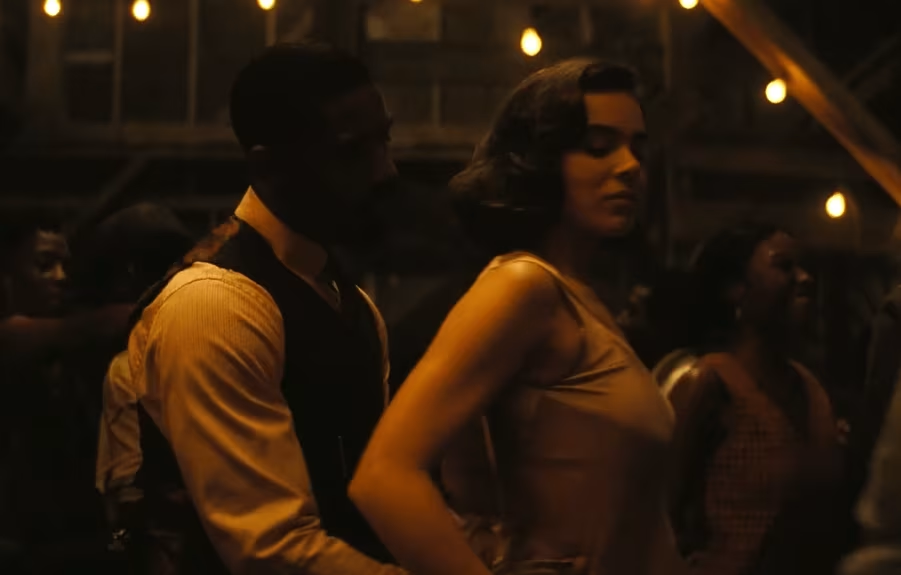
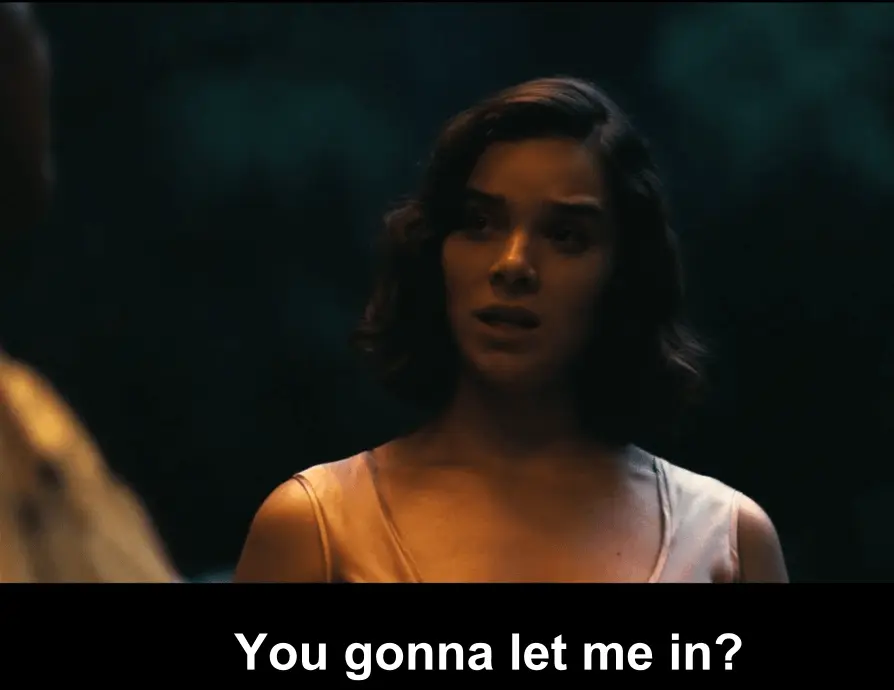
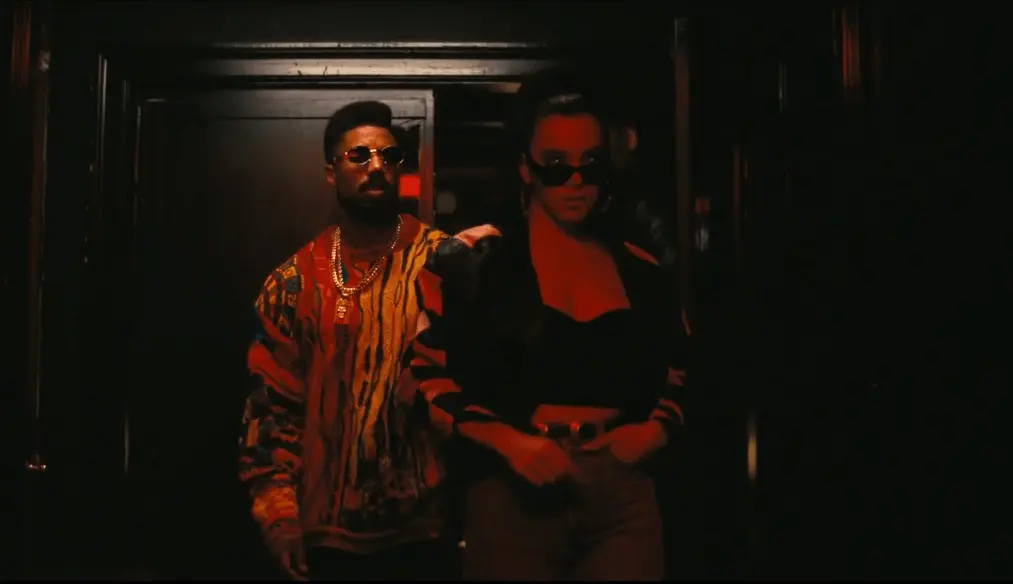
Stack and Mary were lovers before the twins left for Chicago. Mary waited for Stack for seven years and feels abandoned and bitter. When they meet again on the night of the juke joint opening, old feelings come back. Remmick turns Mary into a vampire, and Mary then turns Stack. In a tragic way, their love becomes the reason Stack is pulled into the vampire world. In the 1992 scene, we see that they are still together, still in love, but no longer human.
The Vampires
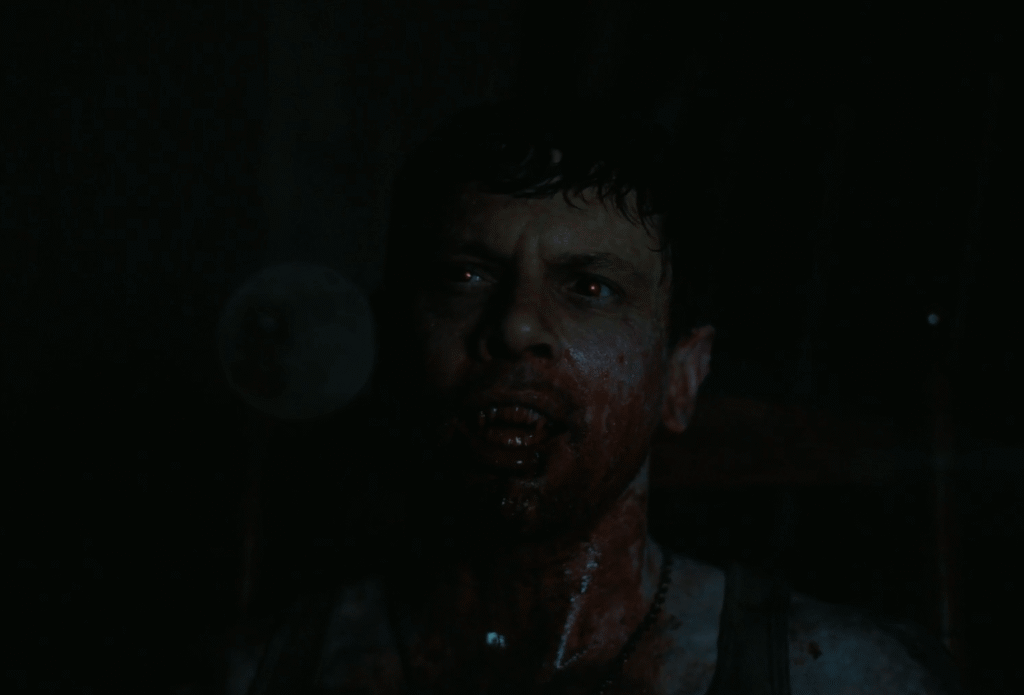
Remmick is the main vampire and the main villain. He is Irish and was once an immigrant who lost his own community and family. He understands what it means to be oppressed, but instead of standing with others, he chooses power. He is drawn to Sammie because Sammie’s music can cross the line between life and death. Remmick wants to use that power to see his own lost people again. His reason is human. His methods are monstrous.
Remmick turns the local Hogwood family (who are KKK leaders), Mary, and Cornbread. Mary then turns Stack. All of them become part of the same vampire group, connected by a kind of shared feeling or hive mind, but not dependent on Remmick to survive.
The Juke Joint Community
The juke joint is not just a building. It is a small community.
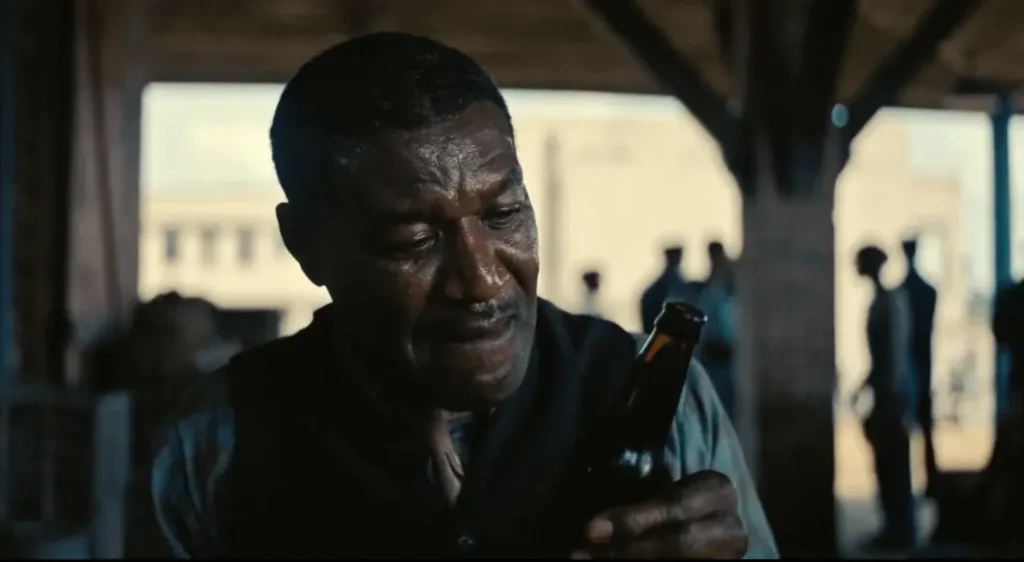
Delta Slim is an old and respected harmonica player. He represents the older generation of blues musicians. His presence gives the juke joint respect and meaning. He dies trying to protect others.
Pearline is a talented singer who is married, but still wants to perform. She represents the many women in blues history who had to balance family life and art. She is turned into a vampire during the attack.
Cornbread is the big, strong bouncer and security for the juke joint. He is loyal to the twins and one of the first people Remmick turns. His turning shows how fast the safe space is destroyed.
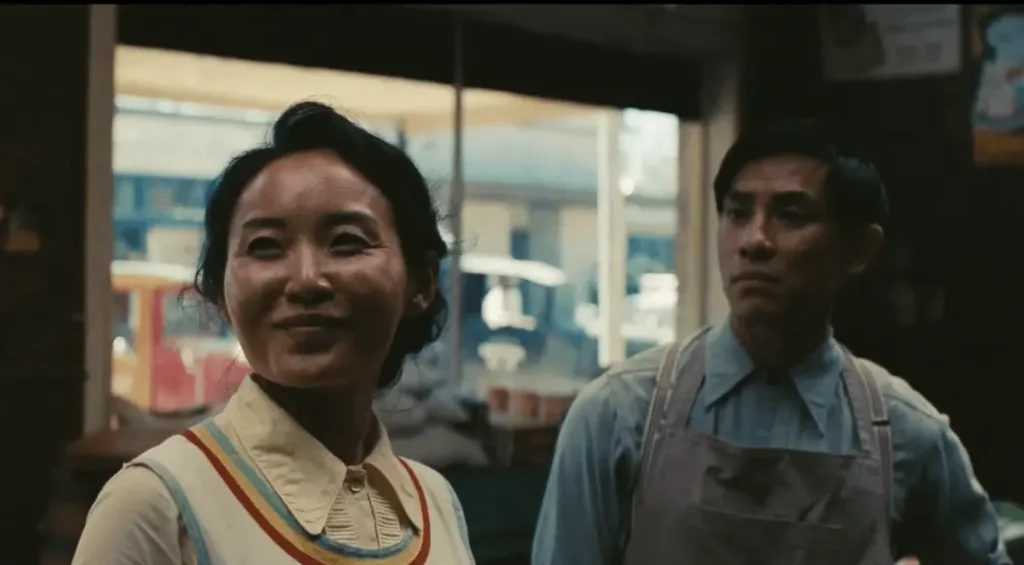
Grace Chow and Bo Chow are Chinese shopkeepers who run a grocery store. They are part of the real history of the Mississippi Delta, where Chinese immigrants often served Black communities when white businesses would not.
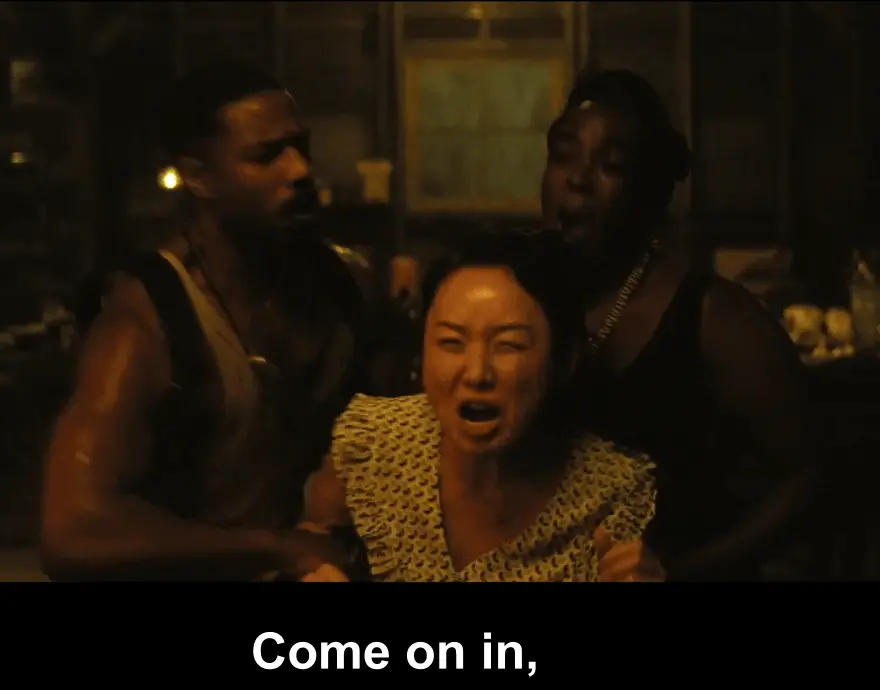
They have a daughter named Lisa. When the vampires threaten her, Grace invites them into the juke joint in anger and fear, breaking the protective barrier.
The Vampires and the Climax
The vampires, who cannot enter without an invitation, find their way in through betrayal.
Remmick turns Stack’s ex-girlfriend, Mary (Hailee Steinfeld), who then bites and turns Stack himself. The juke joint becomes a battleground. Smoke’s wife, Annie (Wunmi Mosaku), a Hoodoo practitioner, reveals the rules of these vampires: killing the head vampire (Remmick) won’t save the others, and they are connected by a hive mind.
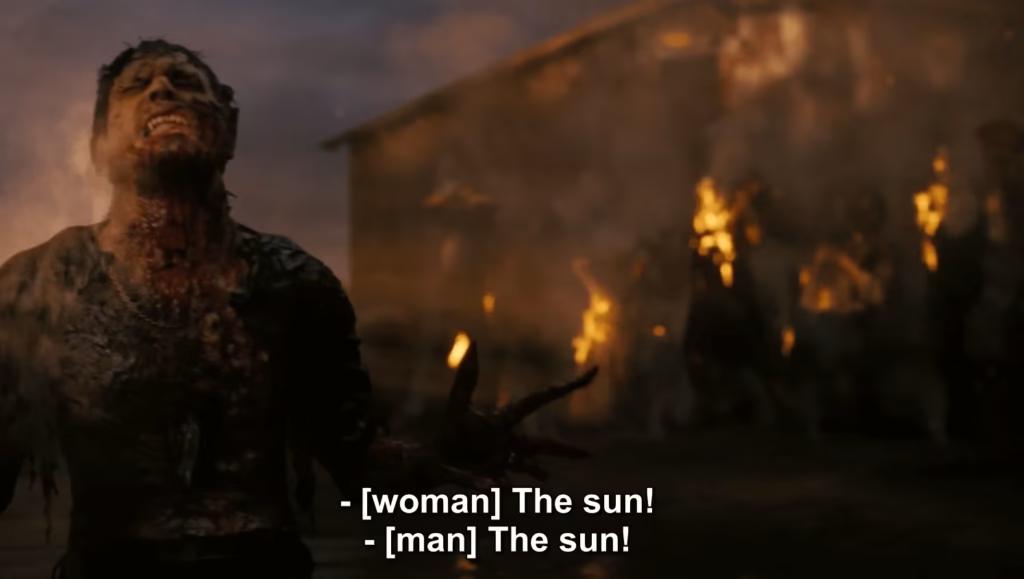
The climax is a brutal siege. Many are killed, including the heroic Annie. Smoke is forced to fight his own brother, Stack, but ultimately spares him. As the sun rises, the remaining vampires are incinerated. Smoke, having sent Sammie to safety, stays behind to kill the arriving KKK members. He succeeds but is fatally wounded.
In his final moments, he sees the spirit of Annie and their deceased child, who call him by his true name, “Elijah.” He drops his cigarette and joins them in a peaceful afterlife.
Sinners Ending Explained: What Happens to Smoke, Stack, and Sammie?
The ending of Sinners is not confusing because it is complicated. It is confusing because it is quiet, emotional, and not very comforting. The film does not give everyone the same kind of ending. Each of the three main characters walks away from that night with a very different fate.
Smoke’s Sacrifice and Ascent to “Elijah”
After the vampire attack, Smoke sends Sammie away to safety. He knows that if Sammie stays, he will die. Smoke then stays back to face the Hogwood family, who arrive at dawn to finish their planned attack.
Before fighting them, Smoke removes Annie’s protective charms. This is important. It means he knows he might not survive, and he accepts it. He is not trying to be lucky anymore. He is choosing to stand and protect what little is left.
Smoke manages to kill them, but he is badly wounded. He sits down, lights a cigarette, and slowly bleeds. In his final moments, he sees Annie and their dead child. Annie calls him by his real name, Elijah, not “Smoke.” This is the first time in the film that name really matters.
All through his life, he has been “Smoke,” a man shaped by war and violence. In the end, he stops being Smoke and becomes Elijah again. He puts out the cigarette so there is “no smoke on her” and goes with them. He does not survive, but he finally finds peace.
Stack and Mary’s Immortal Fate (The Post-Credits Scene)
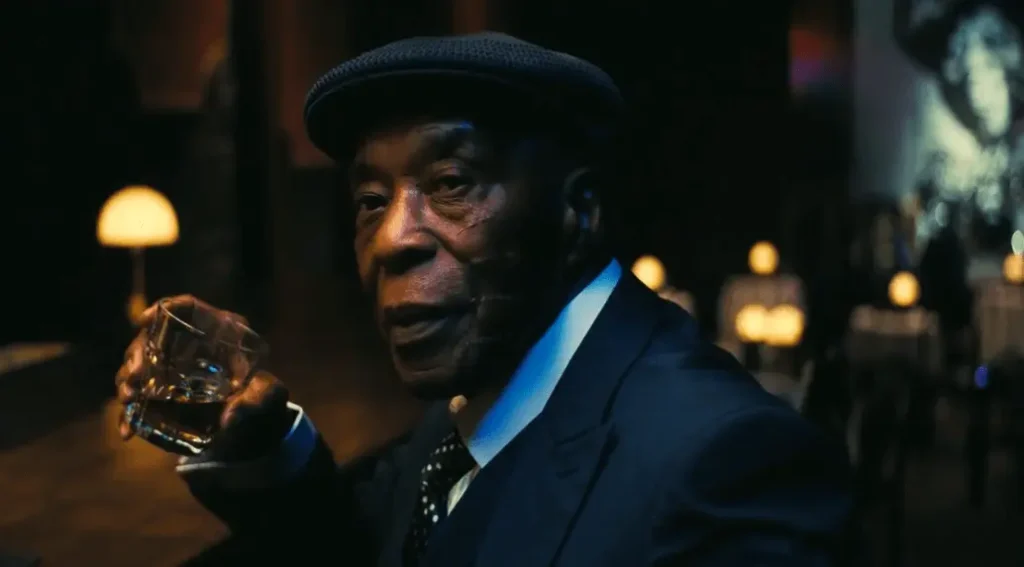
The first post-credits scene jumps to 1992. An elderly Sammie, now a legendary blues musician played by the iconic Buddy Guy, is performing in a Chicago club. In the audience are Stack and Mary, ageless and impeccably dressed. They are still vampires.
Stack does not die in the sun. After Smoke defeats him in the juke joint, he lets him go, but only after making him promise to leave Sammie alone forever. Stack keeps that promise.
Stack and Mary manage to escape into the shadows before sunrise. That is why they do not burn like the others.
That is why in the post-credits scene, we see them again in 1992. They are still vampires. They have not turned back into humans. But they are calm, well-dressed, and no longer feel like monsters.
By this point, Remmick is long dead, and the strange shared hunger that controlled them is gone. Over the years, they seem to have learned how to live with what they are. Stack still wears his “Stack” ring, which tells us something important: unlike Smoke, he has accepted this new identity instead of trying to escape it.
When they meet Sammie, they do not harm him. Stack explains that he kept his promise. They even offer Sammie immortality. Sammie refuses.
Sammie’s Choice: The Burden and Blessing of the Blues
Sammie survives, but he is forever haunted. He becomes the vessel for the story, carrying the music and the memory of that night. When Stack asks him about it, Sammie confesses that, despite the horror, it was “the greatest day of his life.”
This is the heart of the film. That day, for all its tragedy, was the only day they were truly free. They built a space for themselves, celebrated their culture, and fought for it. Sammie choosing to carry on with the blues, against his father’s wishes, is a testament to the resilience of his culture. The music is both his burden (it attracts monsters) and his salvation (it’s his identity and power).
The Deeper Meaning: Vampires, Blues, and Cultural Appropriation (Must Read)
Sinners uses the vampire genre as a powerful metaphor for cultural theft and historical trauma. This isn’t just a monster movie; it’s a story about America.
“To understand the Great Migration is to also understand for a long time our people’s home was the South. To migrate means to leave something behind.” – Ryan Coogler
The Vampires as Colonizers: Remmick and his group are not just here to drink blood. If that was the case, this would be a very simple vampire movie. They are here to take something.
They do not want to destroy Sammie’s music. They want to own it.
Remmick is not excited by Sammie because he is a good guitarist. He is excited because Sammie’s music can do something special. It can cross the line between life and death. It can call back memories, people, and worlds that are gone.
Remmick has lost his own people. He wants that connection back. But instead of building something of his own, he chooses the easier path: take it from someone else.
That is the real meaning of these vampires. They do not create. They only consume.
This is how cultural exploitation works in the real world too. Black music did not come from comfort. It came from work, pain, loss, and survival. Blues, jazz, rock, hip-hop — all of it came from lived experience. But again and again, someone else came, took it, cleaned it up, sold it, and walked away with the profit and the credit.
They enjoy the product. They do not carry the history.
That is exactly what Remmick is doing. He wants the power of the music without the life that created it.
The Power of the Blues: The film is Ryan Coogler’s love letter to the blues, inspired by his late Uncle James. The blues is the film’s lifeblood. It’s a force powerful enough to “pierce the veil” between life and death, to connect generations, and to attract gods and monsters alike. It represents the soul of the community, the one thing the vampires can’t create, only steal.
Unanswered Questions & Theories
Sinners leaves a few things open on purpose. Not because the story is incomplete, but because some parts are meant to stay a little uncomfortable and open to thought. Here are some of the biggest questions and the most likely answers.
Why are Stack and Mary so peaceful in the 1992 epilogue?
With Remmick’s death, the shared hunger and pressure of the hive mind is gone. Over the next 60 years, Stack and Mary learn to live with what they are instead of fighting it.
They are no longer driven by Remmick’s desperation, but by their own quieter, leftover humanity and their affection for each other. Stack also keeps his promise to Smoke and never goes after Sammie, which tells us that not everything human in him is dead.
Why didn’t Stack and Mary burn in the sun like the others?
The other vampires do not die because of shared pain. They die because of the sun. Stack and Mary simply escape into the shadows before sunrise.
Mary runs away after seeing Annie die, and Smoke spares Stack on the condition that he leaves Sammie alone. That is all that saves them.
Why is the movie called “Sinners”?
Because everyone is a sinner in someone’s eyes. Sammie is a sinner to his father for playing the blues.
Smoke and Stack are sinners for their criminal past.
Remmick is a sinner for his violence.
The film asks us to question who defines sin. Is it a sin to create art that the church deems demonic? Is it a sin to fight for your own freedom? The title challenges our black-and-white view of good and evil.
Is the film setting up a sequel?
Yes. The 1992 scene shows that Stack and Mary are still alive, still together, and fully comfortable with what they are. Their story is clearly not over, and the film leaves the door open to explore what kind of life they have been living all these years.
Hidden Details and Easter Eggs You Might Have Missed
Coogler packed the film with incredible details. Here are just a few:
Red vs. Blue: Smoke and Annie are consistently associated with the color blue, representing spirituality and wisdom (“haint blue” is a traditional color used to ward off spirits). Stack and Mary are linked to red, symbolizing blood, passion, and danger.
Wakanda Forever: In the church rafters, the crossed beams at the very top are a subtle tribute to Chadwick Boseman, forming the “Wakanda Forever” gesture.
The reason this detail is read as a tribute is because of Ryan Coogler’s personal history with Chadwick Boseman. Coogler and Boseman worked closely together on Black Panther, and Boseman’s death deeply affected him. Coogler has spoken before about how much Boseman meant to him not just as an actor, but as a person and as a symbol.
Smoke’s Shaking Hands: Smoke’s hands tremble throughout the film, a sign of his PTSD from WWI. It’s why he can’t roll his own cigarettes and Stack always does it for him. After Stack’s death, Smoke is forced to take a cigarette from a man he just shot.
Historical Nods: The film is rich with real history, from the role of Chinese grocers in the Delta to the origins of tamales in the region, brought by Mexican migrant workers.
The Point of This “Sinners Explained” Article
Sinners is a masterpiece of genre filmmaking, a thrilling and heartbreaking exploration of history, family, and the enduring power of art.
The film is about loss, about memory, and about what happens when someone takes something that does not belong to them and calls it their own. The real sin in this story is not breaking a religious rule. It is stealing a people’s culture, their voice, and their story.
The film ends with a simple idea: monsters can kill people, but they cannot kill what people leave behind. As long as the song survives, something true survives with it.
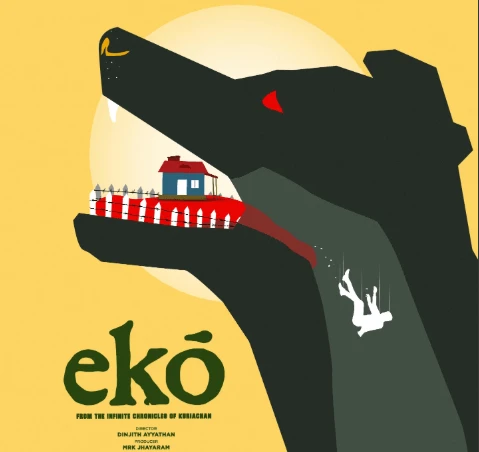
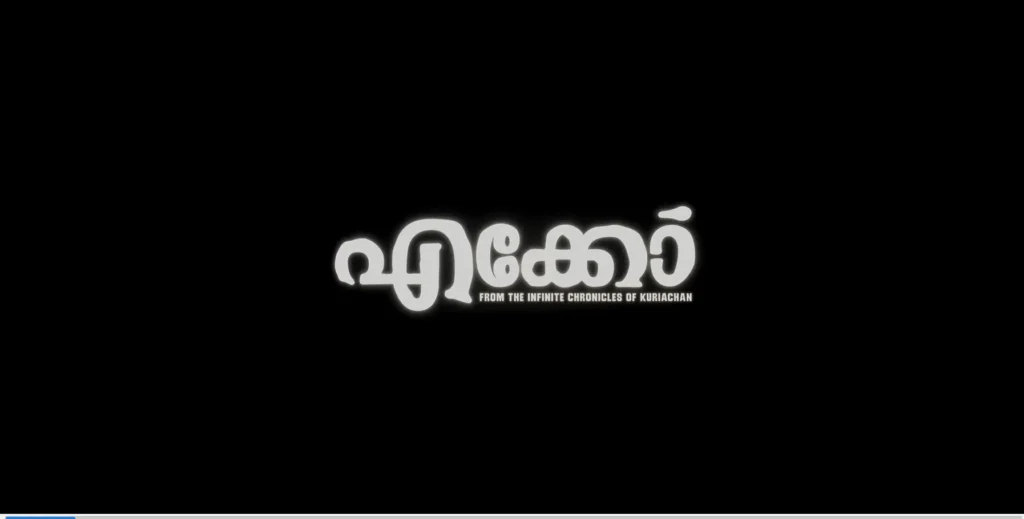
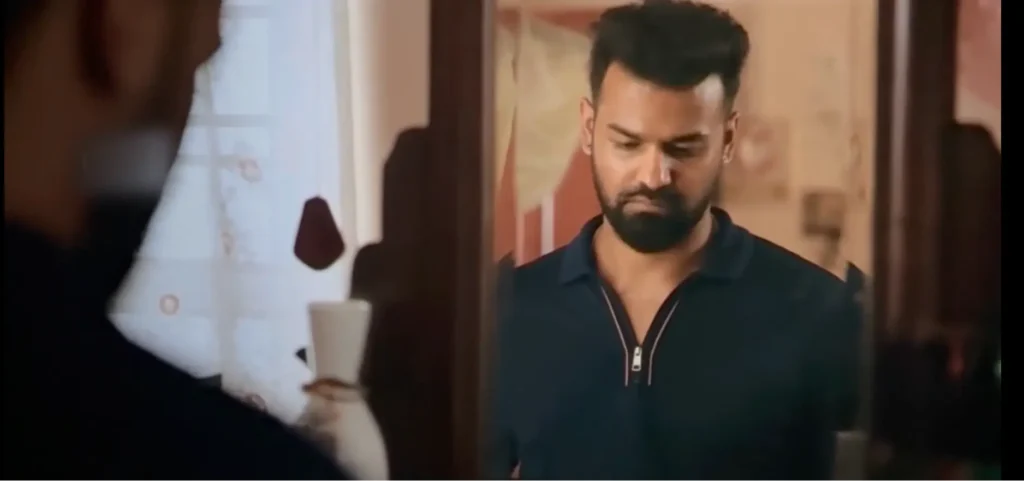
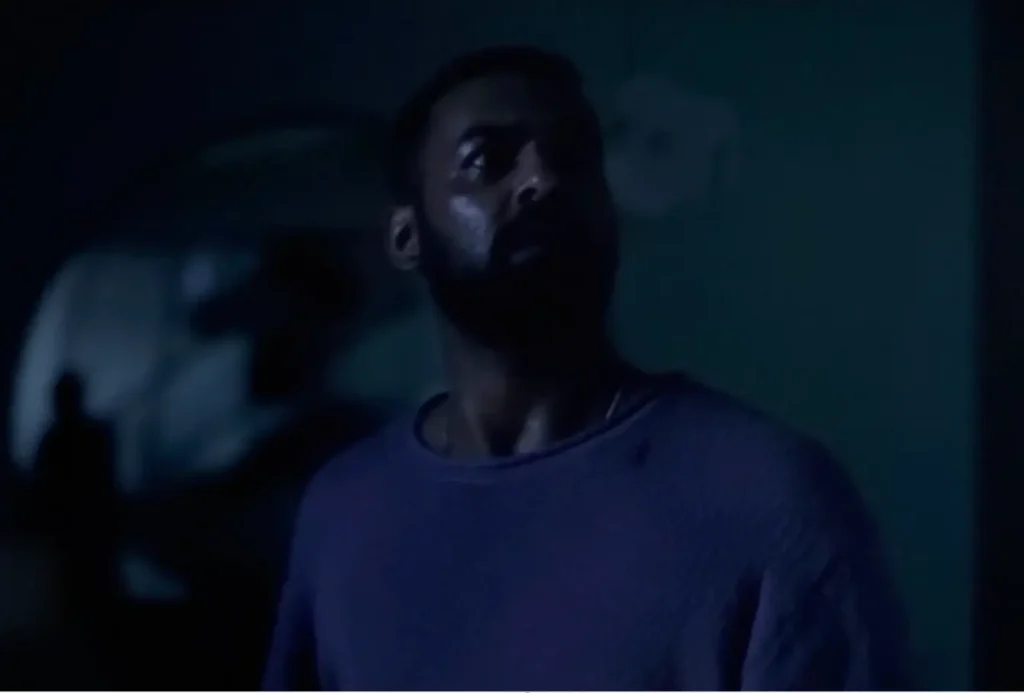
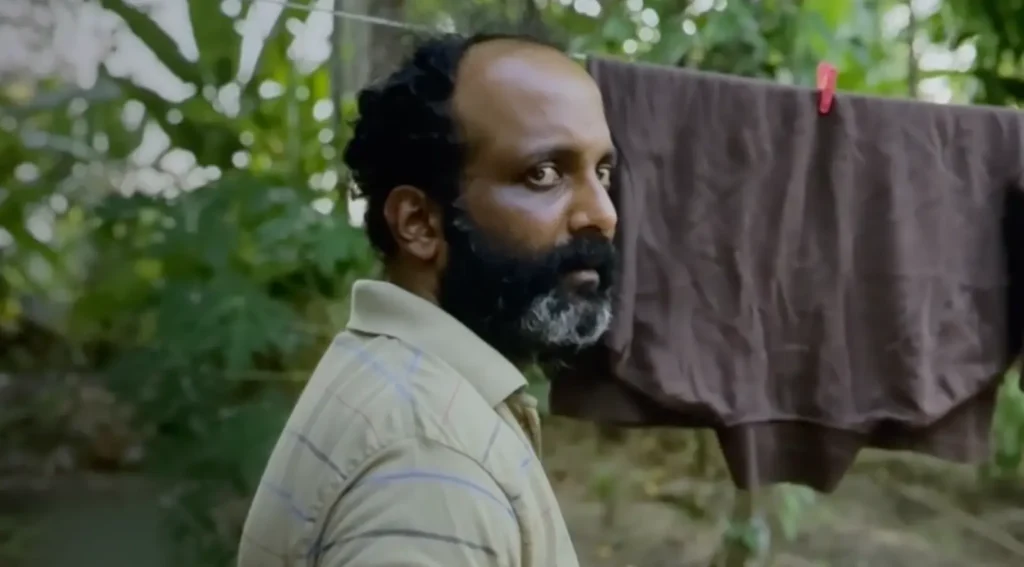
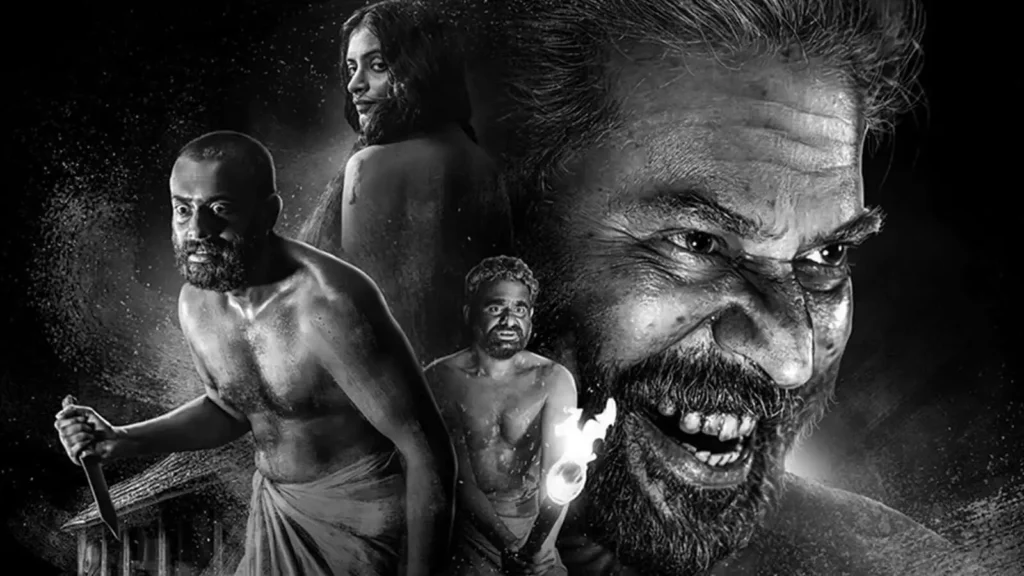
Dinjith Ayyathan – Bahul Ramesh, EKO is their third collaboration, after Kishkindha Kaandam and part of Bahul’s animal trilogy after Kerala Crime Files Season 2. And with Eko, it becomes clear that Bahul Ramesh is not interested in neat thrillers or clever twists. In both KCF and EKO, he is saying similar things- power that hides behind care, and loyalty that slowly erases free will. This article is not a “what happened in the climax” summary. This is an attempt to understand the psychology of Eko, decode its symbols, and explain the unanswered questions the film deliberately leaves behind.
Spoiler Alert: We will be explaining the entire movie, including the climax.
The World of Eko: A Story That Begins With Absence
The story begins with a void.
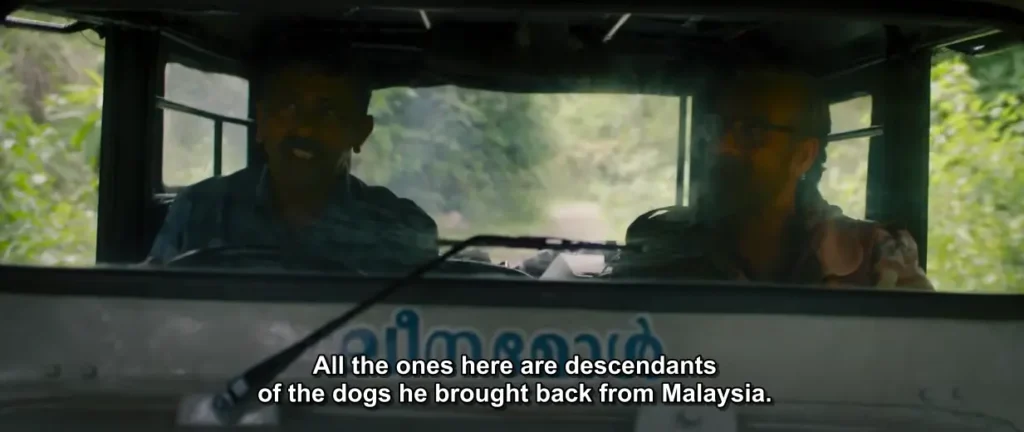
Kuriachan — a legendary dog breeder, trainer, fixer, manipulator — has been missing for six years.
What matters is this: Everyone is still orbiting around Kuriachan, even in his absence.
Some want revenge. Few want justice. Some want answers. And one person wants nothing except his master back.
That absence is the engine of Eko. Kuriachan may not be physically present for most of the film, but his control lingers everywhere — in people, in stories, in fear, and most importantly, in loyalty.
People, Dogs, and Masters: Understanding the Characters of Eko
1. Kuriachan (Saurabh Sachdeva)
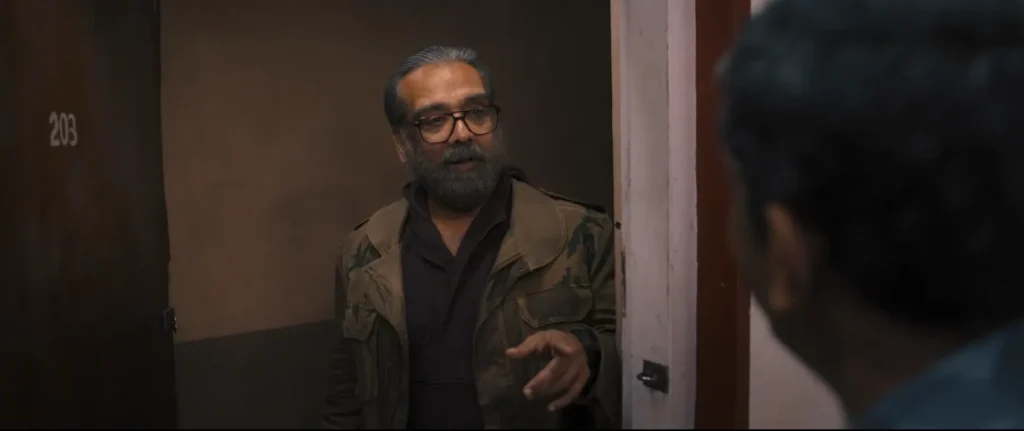
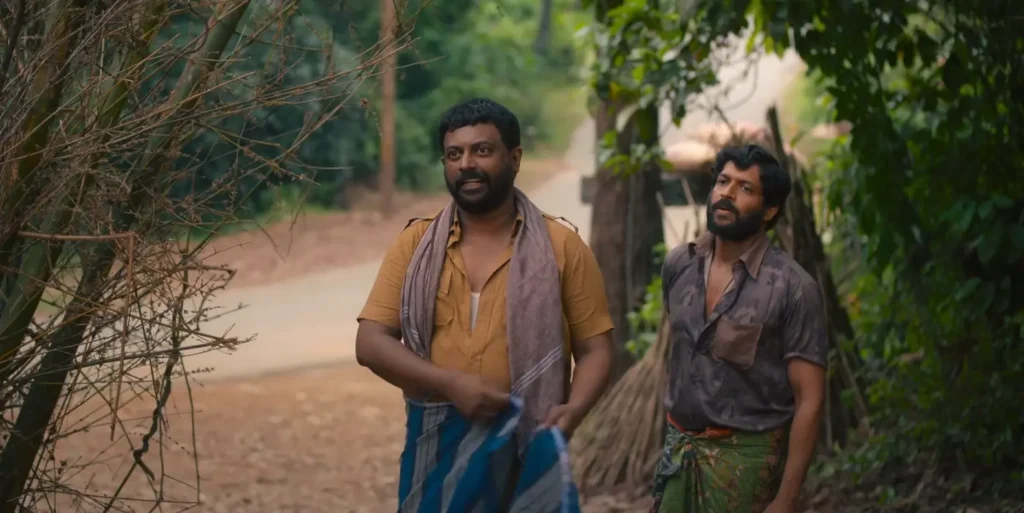
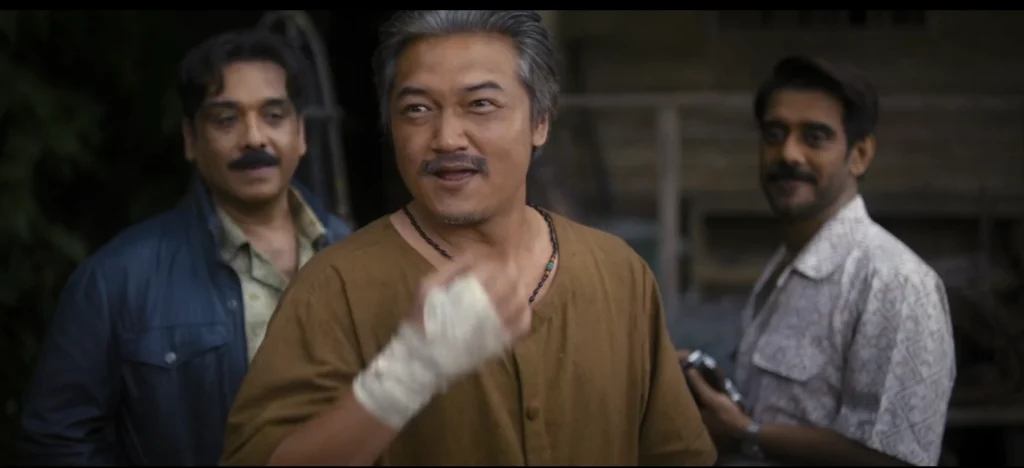
Who he is: A notorious dog breeder and trainer with a dark reputation. He is known for his exceptional ability to control dogs and has connections with police, army, and even Naxalites. He owns acres of hills near the Kerala-Karnataka border in a remote area called Kaattukunnu.
Relation to the story: He is the central mystery. The entire film revolves around his disappearance and the search for him. Everyone is looking for Kuriachan – some to find him, some to kill him, some to get answers.
Why he matters: Kuriachan is not just a dog trainer – he is a manipulator of both animals and humans. He treats people like dogs, training them for blind loyalty. He has multiple families, cheats people, and uses his cunning to escape consequences. His most loyal “dog” is not an animal but a human – Manikandan.
2. Mlaathi / Soyi (Biana Momin)
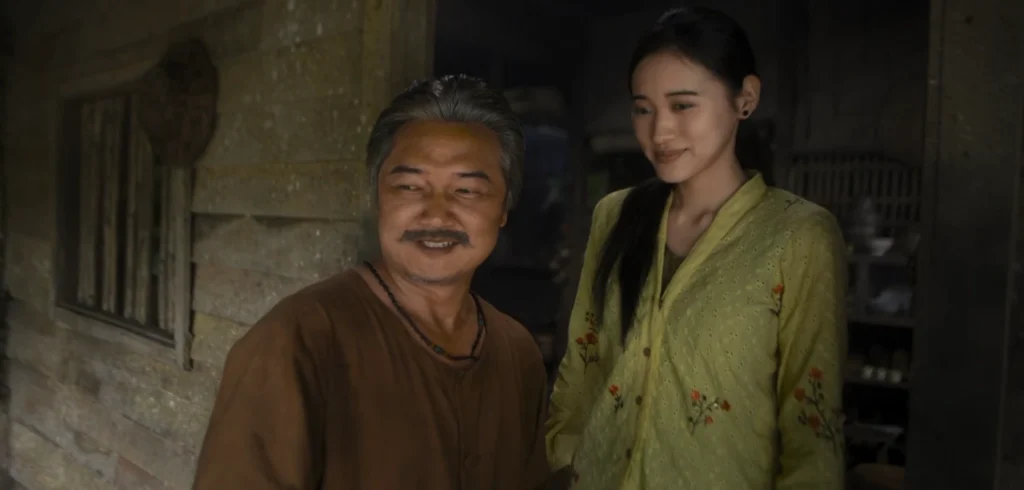
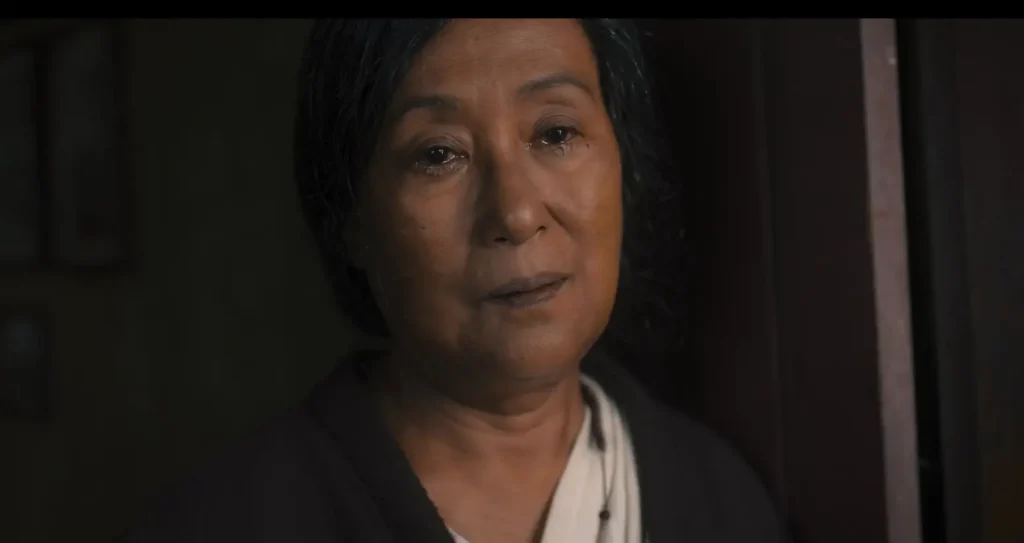
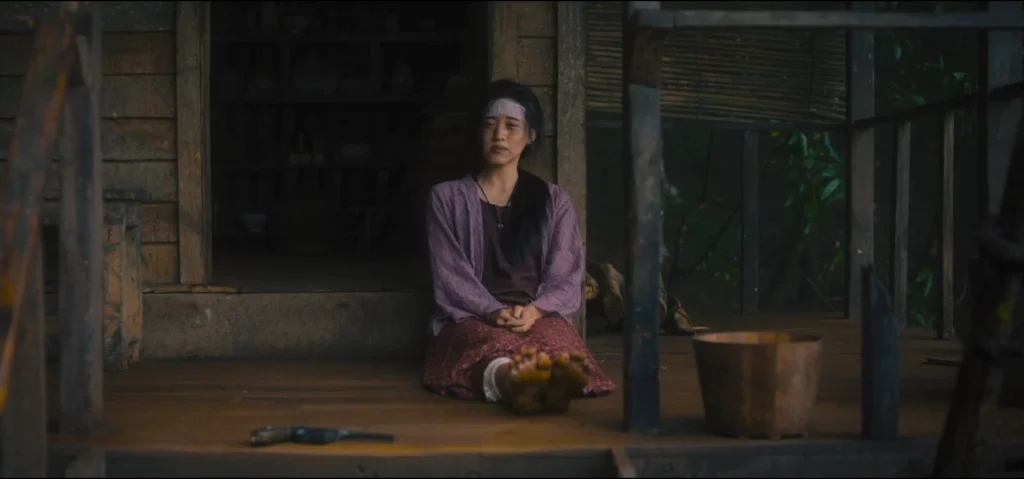
Who she is: Kuriachan’s Malaysian-born wife. Her real name is Soyi. She is an elderly woman living alone in Kuriachan’s isolated hill estate with her caretaker Peeyoos and the dogs.
Relation to Kuriachan: She is his wife, but their relationship is built on lies. Kuriachan manipulated her into marrying him after framing her first husband Yosiah in British Malaya during World War II. She believed Yosiah was dead, but he was actually imprisoned.
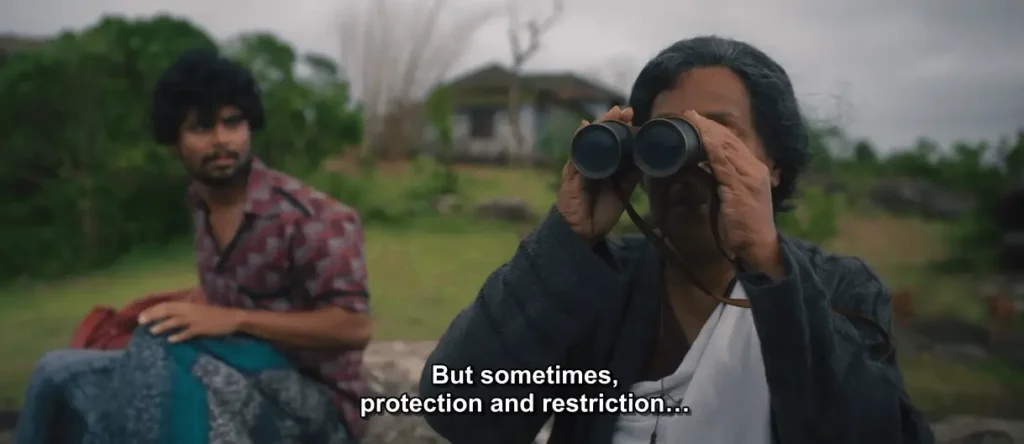
Her revenge: She doesn’t kill Kuriachan. Death would be too easy. She keeps him alive but imprisoned – the same “protection” that was actually “restriction” that she suffered under both her husbands.
3. Peeyoos / Manikandan (Sandeep Pradeep)
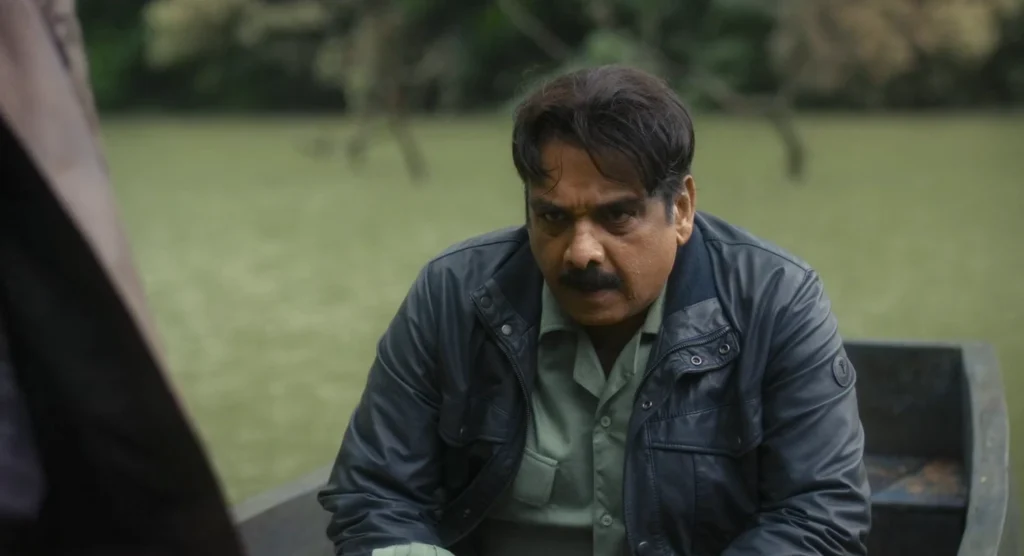
Who he is: The young caretaker living with Mlaathi Chedathi. But this is a lie. He is NOT the real Peeyoos. His real name is Manikandan – Kuriachan’s most loyal follower, his “human dog.”
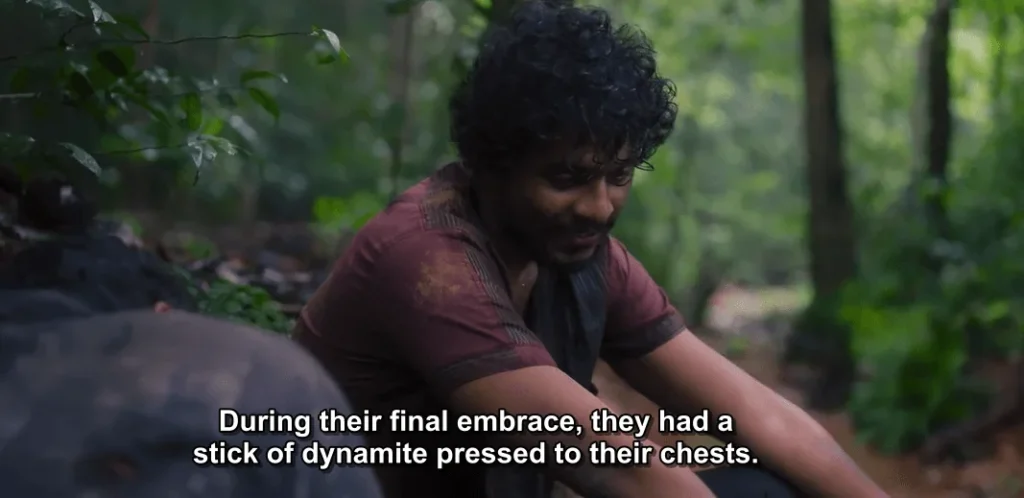
Backstory: Manikandan’s parents were Naxalites. They committed suicide by igniting a stick of dynamite while hugging each other. Young Manikandan witnessed their dead bodies. Kuriachan took him in after this trauma and molded him into a ruthless, blindly loyal enforcer.
Relation to Kuriachan: He is Kuriachan’s right-hand man. He has killed for Kuriachan. When Kuriachan disappeared, Manikandan came to Kaattukunnu disguised as “Peeyoos” (a caretaker Mlaathi’s children had arranged) to find his master. He sends money to the real Peeyoos to keep him quiet.
Why he is there: He is searching for Kuriachan. Unlike others who want to harm Kuriachan, Manikandan wants to find and rescue his master. He is the only truly loyal person to Kuriachan.
4. Mohan Pothan (Vineeth)
Who he is: A former close friend and associate of Kuriachan. He was recently released from jail after serving time for a crime Kuriachan framed him for.
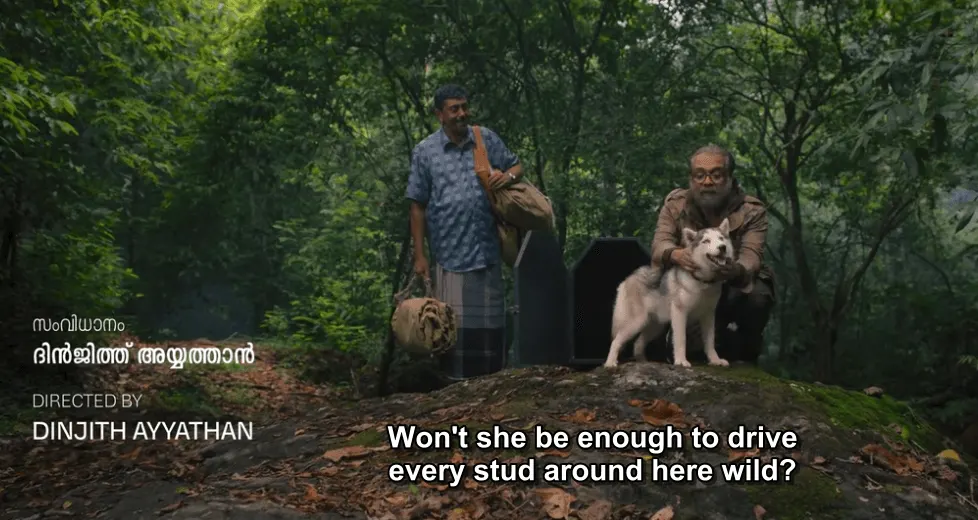
Why he is there: He comes to Kaattukunnu seeking revenge and also searching for a rare dog breed. He brings a female dog in heat, hoping to lure Kuriachan’s male dogs and through them, find Kuriachan. Also, it confirms whether the dogs are still under the control of their master or not.
What happens to him: Mohan visits Mlaathi and reveals the truth about Kuriachan’s betrayal – that her first husband Yosiah was not killed but imprisoned. This revelation triggers Mlaathi’s revenge. Later, Mohan is killed by dogs – pushed off a cliff. Mlaathi ordered this killing as revenge for his role in destroying her life in Malaysia.
5. The Navy Officer (Narain)
Who he is: A mysterious ex-Navy officer who arrives at Kaattukunnu searching for Kuriachan.
Relation to Kuriachan: The exact details are not revealed, but Kuriachan cheated or betrayed him in some way. He has a personal vendetta.
Why he is there: He wants to find Kuriachan, likely to confront or kill him. He represents one of the many people Kuriachan has wronged over the years.
6. The Two Truckers / Undercover Policemen (Binu Pappu, Ranjith Shekhar)
Who they are: Two men posing as loggers/truckers. They are actually undercover policemen hunting for Kuriachan.
Why they are there: To find and arrest Kuriachan.
What happens: Manikandan discovers their true identity and kills them to protect Kuriachan.
7. Appootty / Appunni (Ashokan)
Who he is: A local man in Kaattukunnu who knows Kuriachan and his history.
Relation to Kuriachan: He is loyal to Kuriachan, like a “loyal dog.” He helps hide information about Kuriachan and protects his secrets.
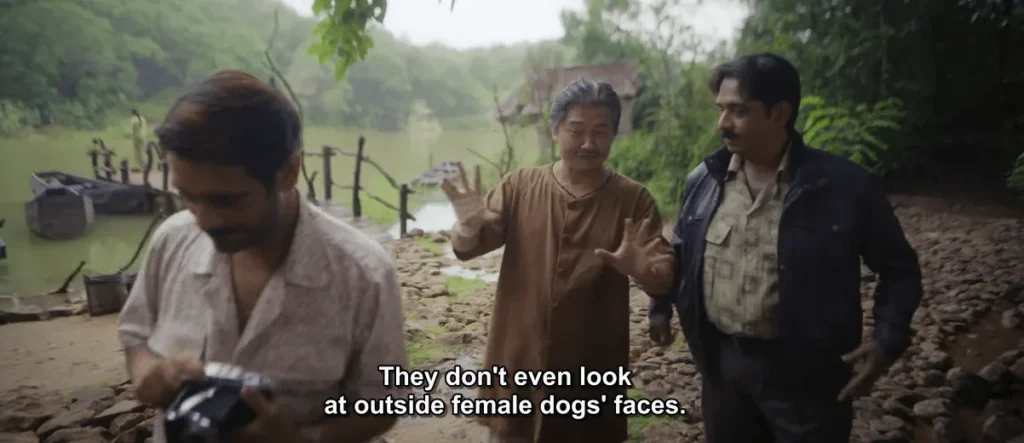
Why he matters: He provides exposition about Kuriachan’s legendary abilities with dogs. He also spreads the rumor that Mlaathi practices “Malayan black magic” – which is actually just villagers’ xenophobia. The truth is simpler: she controls the dogs through care and feeding.
8. Pappachan (Saheer Mohammed)
Who he is: Another local character who shares stories and information about Kuriachan.
Role: He helps build the mythology around Kuriachan – the “infinite chronicles” that everyone talks about but no one fully knows.
9. Yosiah
Who he was: Soyi’s first husband in British Malaya. He was a skilled dog trainer who trained rare breed dogs. His dogs were fiercely loyal to him.
The Malaysia Flashback: The First Prison
Soyi was married to Yosiah, a skilled dog trainer. His dogs were fiercely loyal, so loyal that they would not let anyone near her. On paper, this was protection.
In reality, it was a cage.
Soyi could not leave the house. The dogs would stop her. Her safety came at the cost of her freedom.
This is the first time Eko introduces its central idea: protection that removes choice is not kindness.
When Kuriachan and Mohan Pothan arrive by boat, the dogs sense danger immediately. They bark. Block access. They refuse to let Soyi step outside.
This is one of the film’s most important insights:
“No human can measure another human like a dog can.”
The dogs were not controlling Soyi. They were protecting her from Kuriachan.
Betrayal in Malaysia: Where Everything Breaks
Kuriachan wants two things:
Yosiah’s rare dogs
Soyi herself
With Mohan Pothan’s help, Kuriachan frames Yosiah for a crime. Yosiah is imprisoned. Kuriachan tells Soyi her husband is dead.
Heartbroken, isolated, and with no way out, Soyi accepts Kuriachan’s “rescue”.
This is not love. This is abduction disguised as salvation.
She is taken to India. To Kaattukunnu. From one prison to another.
The Lie That Sustained a Lifetime
For decades, Mlaathi lives a lie. Her marriage, her loyalty, her silence, all built on falsehood.
The truth is revealed by Mohan Pothan.
Vineeth as Mohan Pothan
Mohan is not a hero. He is not a saviour. Mohan is a man consumed by Karma. He gave ideas to Kuriachan to frame Yosiah, now Kuriachan betrayed him too, got him imprisoned, destroyed his life.
In his anger, Mohan tells Mlaathi the truth:
Yosiah was never dead. He was imprisoned. Kuriachan lied.
This revelation shatters Mlaathi. Her entire life with Kuriachan was built on a lie. He didn’t save her – he kidnapped her. He didn’t love her – she was just another trophy, another thing to control.
Her Patience is what we see next.
Mlaathi’s Revenge: How She Became The Master
Mlaathi does not confront Kuriachan. She does not scream. She does not seek sympathy.
Mlaathi, the seemingly powerless woman, begins her own hunt. She uses the one tool Kuriachan taught her to value above all else: loyalty.
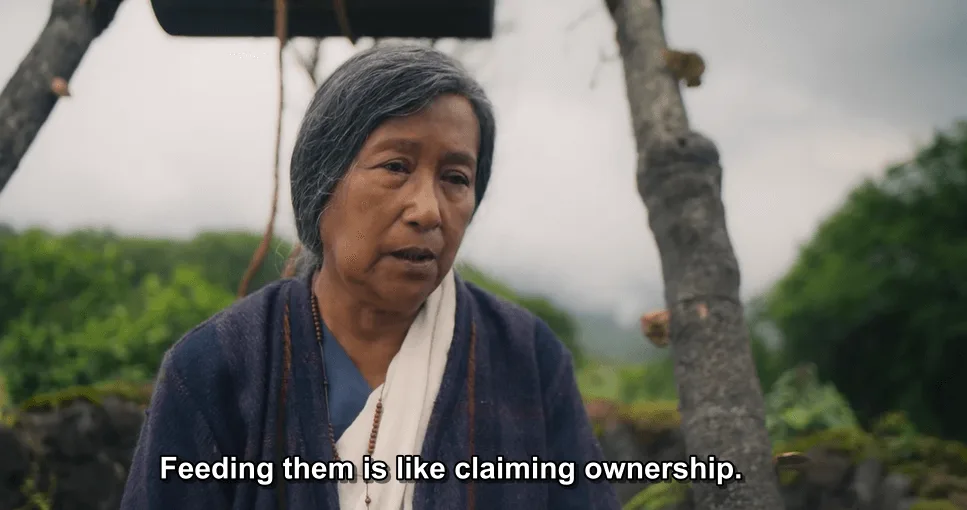
As she tells Peeyoos,
“Feeding the dogs is like claiming ownership.”
While Kuriachan was away with his mistresses and business, Mlaathi was quietly feeding his dogs, transferring their allegiance from their loud, absent master to their silent, present one. She became the unseen master.
Loyalty shifts.
Not suddenly. But completely.
When Kuriachan finally comes to hide in his secret cave, the trap is already set.
The dogs surround the cave. The dogs, now loyal to Mlaathi, become his jailers They do not let him leave.
Kuriachan is alive. But he is contained.
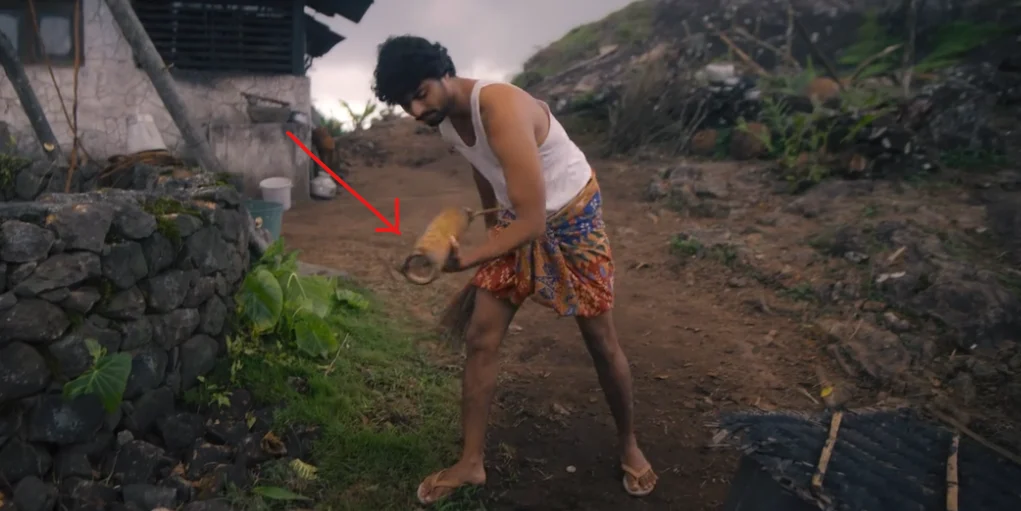
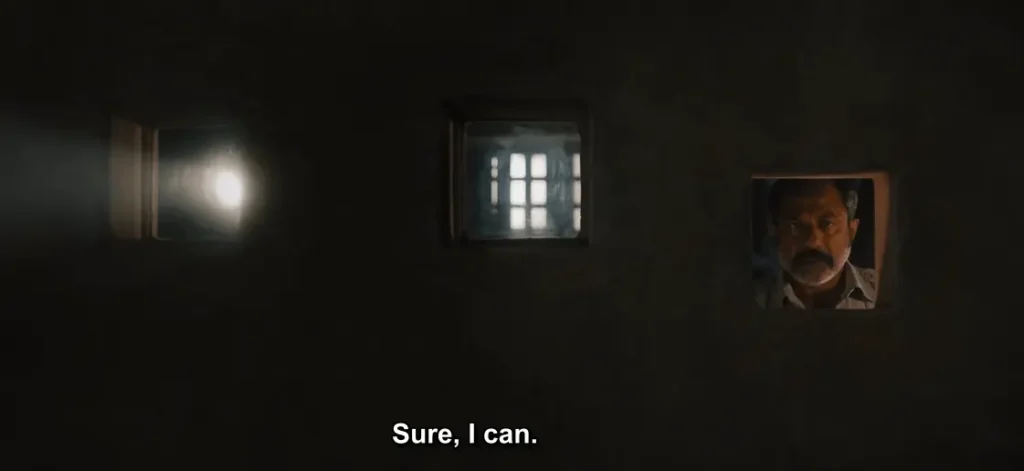
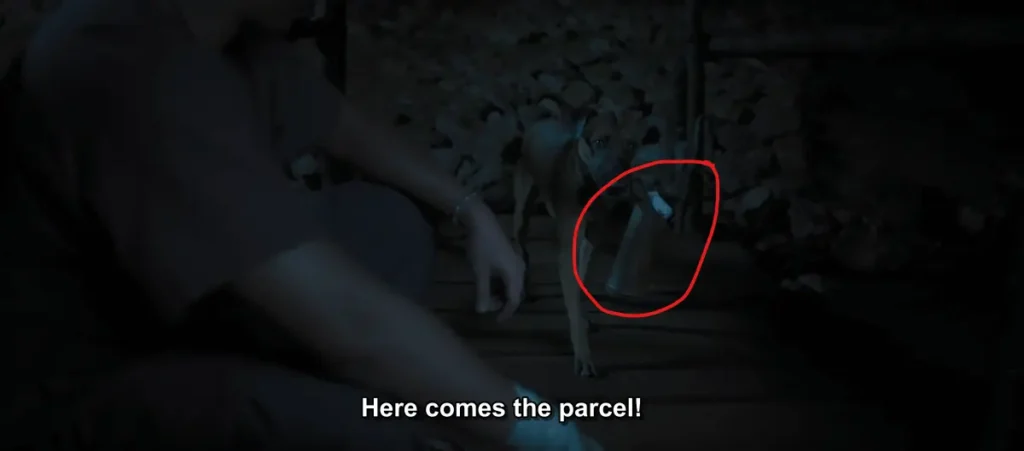
He is fed just enough to survive — through bamboo containers, delivered by dogs.
This is not revenge through violence. This is revenge through mirroring.
The same protection that imprisoned Soyi now imprisons Kuriachan.
The Central Theme: Protection vs Restriction
At its core, Eko is not about dogs, crime, or revenge.
It is about control disguised as care.
Protection, when imposed without choice, becomes restriction. Loyalty, when conditioned, becomes obedience. And obedience, when absolute, destroys identity.
Every major character in Eko exists somewhere on this spectrum.
The Loyal Dog: Who is Peeyoos?
While Mlaathi’s revenge unfolds, another drama plays out. The caretaker, Peeyoos, is not who he seems. He is Manikandan, Kuriachan’s most loyal disciple—his “human dog.”
Manikandan’s backstory is a tragedy. His Naxalite parents committed suicide with dynamite, leaving him an orphan.
Kuriachan took the traumatized boy and forged him into a ruthless weapon, what Kuriachan gave Manikandan was not healing.
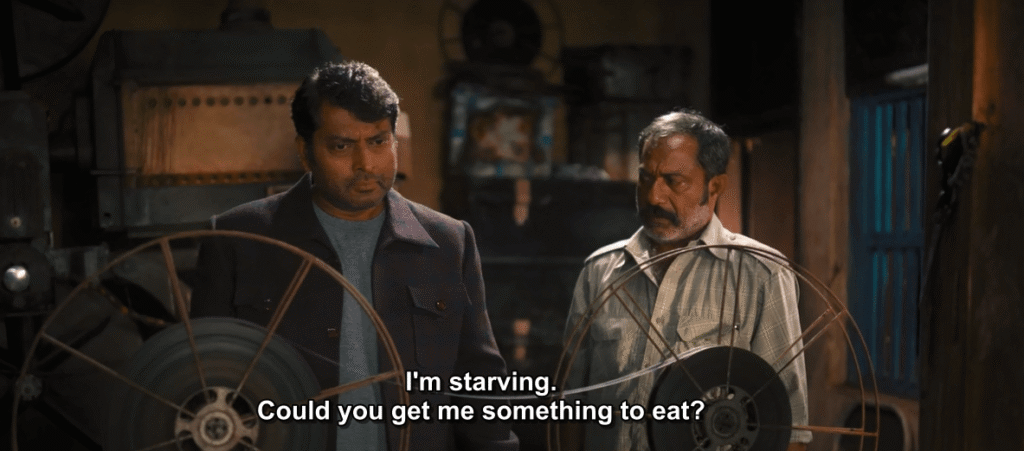
This is shown in a subtle way. While the Navy officer is showing the movie to Pappachan, we can hear a background voice-over from the film where a boy asks someone for food, and the other person offers him food.
It was purpose through obedience.
He is in Kaattukunnu disguised as a caretaker for one reason: to find Kuriachan.
Manikandan is the only one searching for Kuriachan out of pure, unwavering loyalty. He kills the undercover cops and, he is the one who removed the break cable and attempts to kill the Navy officer, all to protect a master he hasn’t seen in years.
The Ending Explained: Two Endings, One Truth
The climax of Eko is a masterclass in subtle storytelling, offering two interpretations that both lead to the same terrifying conclusion for Manikandan (disguised as Peeyoos).
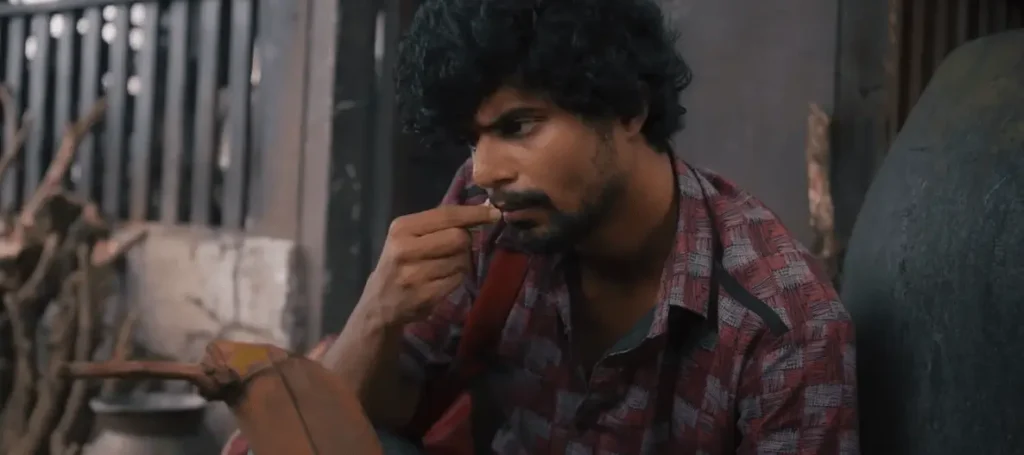
Manikandan discovers the bamboo container used to feed Kuriachan. He smells it, and the memory of the Malaysia flashback clicks into place.
The Bamboo Container: This is the most powerful symbol. It’s a direct visual echo of how Yosiah’s dogs fed him in Malaysia.
Mlaathi uses the very method of her first husband’s imprisonment to imprison her second.
In the climax, Manikandan checking Bamboo sticks and rice
He knows. He confronts Mlaathi, ready to force the truth from her. But her dogs surround him, a silent, growling wall of protection.
This is where the brilliance of Bahul Ramesh’s script shines. It’s not about what happens next, but what has already happened.
Ending 1: The Prisoner
In this interpretation, Kuriachan is still alive, trapped in the cave. Mlaathi is his eternal jailer. Manikandan is now trapped in a horrifying stalemate: the only person who knows his master’s location is the one person he cannot touch. He is frozen, a loyal dog with no master to serve, forced to live in the shadow of his master’s captor.
Ending 2: The Judge, Jury, and Executioner
This is the darker, more subtle ending, hinted at by a crucial visual clue. Throughout the film, we see 5-6 dogs around Mlaathi’s house.
5-6 dogs
In the final confrontation, 12 dogs appear.
An Army of dogs surrounding Manikandan
Where did the extra dogs come from? They are the guards from Kuriachan’s cave.
Mlaathi has called them back. Why?
1.Kuriachan is dead. Her revenge is complete. She may have finally poisoned his food. The guards are no longer needed.
2.She needs them to control Manikandan. Now that he knows the truth, he is a threat. She has summoned her full army to deal with him.
When Manikandan sees the expanded pack, his eyes fill with tears. He understands. His master is either dead or his fate is sealed, and Mlaathi is now demonstrating her absolute power. This is her checkmate. She has not only imprisoned Kuriachan but has now neutralized his most loyal follower, forcing him to witness her total victory.
The Doubts Eko Doesn’t Answer Directly
Why the Name Eko?
This can be interpreted in multiple ways-
In Japanese, it can mean “transfer of merit.” From Kuriachan to Mlaathi there is an absolute transfer of power.
In Sanskrit, it relates to “Ekam” or “one,” signifying that the dogs obey only one true master.
It also, of course, refers to the echo of Kuriachan’s past sins coming back to haunt him.
Who killed Mohan Pothan?
Mlaathi. She ordered the dogs to push him off the cliff. Her revenge was not just for Kuriachan, but for everyone who had a hand in her lifelong imprisonment, including his co-conspirator.
The film ends with this standoff. Mlaathi has won. Kuriachan is her prisoner forever or might be dead. Manikandan is neutralized. The Navy Officer has his answer but cannot act on it.
The hunter has become the hunted. The master has become the prisoner. The protector has become the jailer.
This is the echo – the “Eko” – of the past. What Kuriachan did to Soyi in Malaysia has come back to him in Kerala. The manipulation, the lies, the control – all of it echoes back as his punishment.
If you’ve seen Rahul Sadasivan’s Dies Irae, you know it’s not your usual horror movie. It doesn’t give you answers, it asks you to question. You come home, and the silence feels a little heavier. Here we are decoding the unanswered questions and symbols from Dies Irae..
Dies Irae is a story built on guilt, obsession, and the ghosts we create inside our own heads. Spoiler Alert: We will be explaining the entire movie, including the ending.
The Story: A Rich Brat, a Ghosted Girl, and a Stolen Hair Clip
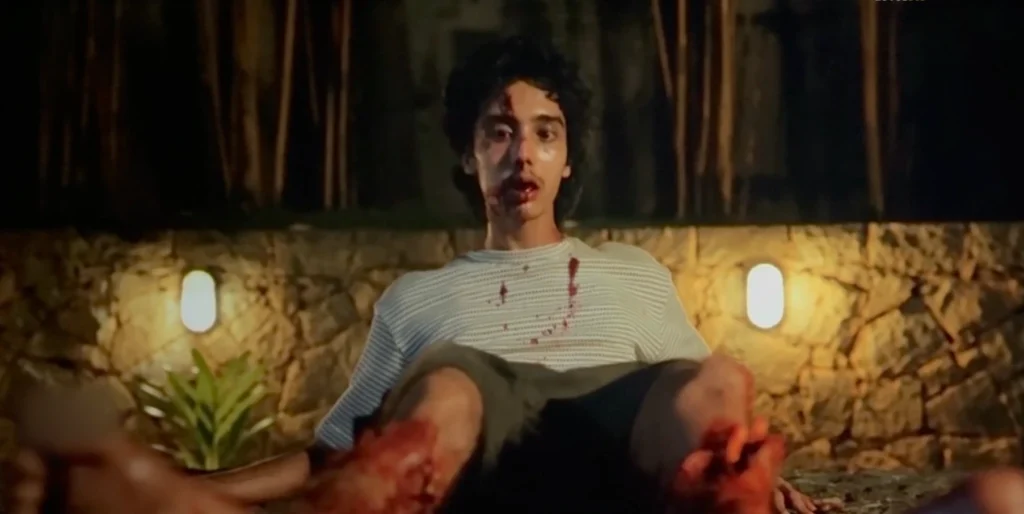
We meet Rohan (Pranav Mohanlal), a rich, self-absorbed guy living in a huge, empty mansion. He has everything — money, parties, friends — but cares about very little. His life is easy.
Then he hears about Kani (Sushmitha Bhat), a former classmate who has died by suicide. They had a brief fling, and he ghosted her. He gets a little worried. Did she leave a note? Could he be in trouble?
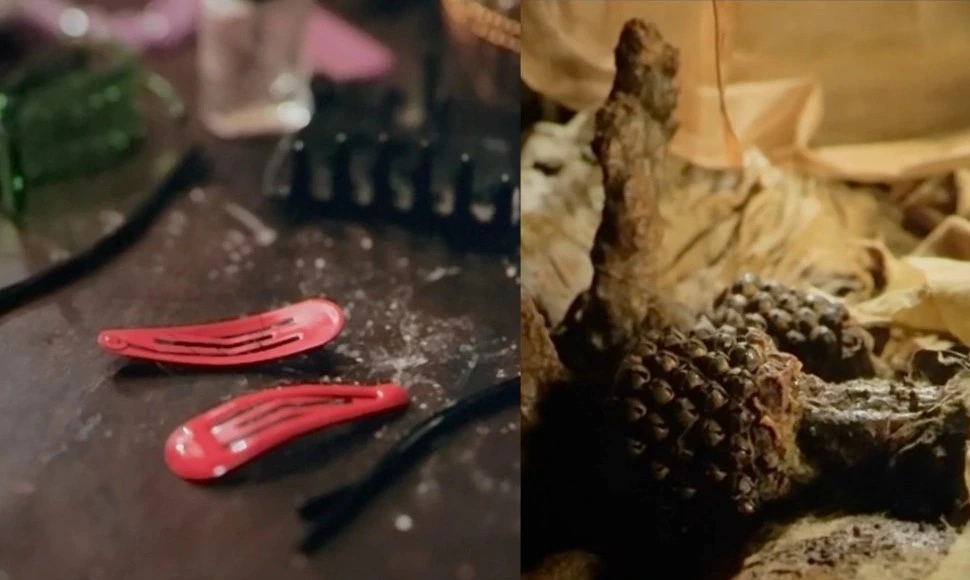
He goes to her house, not really to pay respects, but to check for anything that might incriminate him. While there, he sees her hair clips. He picks one up and takes it home.
It’s a small, thoughtless act. But it’s the mistake that unleashes hell.
The Haunting: Who is the Real Ghost?
Back in his mansion, strange things start happening. Rohan feels someone in his bed. He sees a dent in the mattress next to him. His hair is gently caressed, just like Kani used to do. And then there’s the sound — the faint, chilling jingle of anklets (chilanka).
At first, Rohan thinks it’s Kani. It makes sense, right? He wronged her, and now she’s back for revenge. But the haunting gets more violent. He is dragged, thrown, and attacked. This doesn’t feel like Kani.
This is where the film plays its first trick on you. As many fans on Reddit correctly pointed out, there isn’t one ghost in this story. There are two.
1 The Gentle Ghost: The one that caresses his hair. The one that feels like a sad memory. That’s Kani.
2 The Violent Ghost: The one that attacks him and Kani’s brother, Kiran. This is someone else entirely.
Rohan finally sees this violent spirit — a thin, terrifying man wearing the anklets. The mystery deepens. If it’s not Kani, then who is it? And why is he here?
The Investigation: Uncovering a Story of Obsession and Black Magic
Rohan, terrified, seeks help from Madhusudhanan (Gibin Gopinath), a contractor who has prophetic visions. Together, they dig into the mystery. They learn that Kani’s anklets are also missing. The ghost must be connected to both the hair clip and the anklets.
Their search leads them to a man named Philip — a quiet, strange man who was obsessed with Kani. He used to stare at her from a distance, but never had the courage to speak.
But the final piece of the puzzle is the most disturbing. Philip is the son of Elsamma (Jaya Kurup), the old woman who used to work as a domestic help in Kani’s house. And Philip is dead.
The Horrifying Truth: A Mother’s Love Turned Monstrous
Here is the full, dark story that Rohan and Madhusudhanan uncover:
Philip was dying of cancer. His mother, Elsamma, was heartbroken. Her prayers to God went unanswered, so she turned to a darker path. She decided that death would not be the end for her son.
Using her access to Kani’s home, she stole Kani’s belongings — her hair clip, her anklets. She performed black magic rituals to tie her son’s spirit to these objects. Her twisted idea was that if Philip couldn’t have Kani in life, he would be bound to her in death.
When Philip died, his mother didn’t bury him. She kept his decomposing body in a hidden room in her tiny, old house, with Kani’s anklets fused to his decaying feet. She was feeding a demon born from a mother’s desperate, monstrous love.
When Rohan took that hair clip, he didn’t just take an object. He took a cursed anchor, inviting Philip’s violent, obsessive spirit into his home.
The Climax: Fire, Wrath, and a Severed Leg
The final confrontation is pure chaos. Rohan and Madhusudhanan find Philip’s corpse. Elsamma, completely unhinged, attacks them with an axe. The corpse itself seems to come alive.
They realize they need to destroy the anklets to break the curse. But the anklets won’t come off the decomposed body. In a moment of desperation, Rohan cuts off the corpse’s leg, anklets and all, and throws it into a fire.
The spirit of Philip is banished in a blaze of fire and rage. The house burns down. It seems over.
The Ending Explained: You Can’t Escape Your Ghosts
The film is not just a simple revenge story. It’s a story of two very different kinds of hauntings happening at the same time.
Why Rohan Helped Elsamma?
Look at Elsamma (Jaya Kurup), Philip’s mother. She was a mother broken by grief. Her actions weren’t driven by logic, but by a desperate, maddening love for her dying son. She performed black magic and hid a corpse not because she was a monster, but because she couldn’t let her son go.
This is what makes her character so terrifying. She is both a villain and a victim. Her love is what creates the monster. She is a perfect example of how the film uses human emotion — not supernatural evil — as the true source of its horror.
This understanding is what makes Rohan help her in the end. There we see a helpless mother, and a matured Rohan.
Is Kani’s Ghost Still haunting Rohan?
This is the final, chilling twist of Dies Irae. Rohan escaped Philip, the ghost of obsession. But he can’t escape Kani, the ghost of his own guilt. He abandoned her, and that is a debt he now has to pay. The film ends with his scream of terror, realizing his haunting has only just begun.
Dies Irae means “Day of Wrath” in Latin. It’s about a final judgment. But in this film, the judgment doesn’t come from God. It comes from the people we hurt.
The true horror of Dies Irae is not the supernatural. It’s the idea that our actions create their own ghosts. And some ghosts don’t want to hurt you. They just want to sit with you, forever, to make sure you never forget.
So in the end, the film doesn’t ask us to forgive Rohan. It asks us to watch him face the consequences of his actions. And that’s what makes the horror so effective. We’ve all been Rohan at some point. We’ve all hurt someone and moved on without looking back. Dies Irae forces us to imagine what it would be like if we couldn’t move on. If the person we hurt came back and sat with us, forever.
The Unanswered Question: Why Was Kiran Attacked?
The movie never tells us why Philip’s ghost violently attacks Kani’s brother, Kiran..
Was Kiran secretly involved in Kani’s death? Did he do something to her? The film gives us no proof, but the attack feels too personal to be random. Philip’s ghost is focused. He attacks Rohan, the man who had a relationship with Kani. So why Kiran?
One theory is that Philip’s obsessive spirit was jealous of everyone in Kani’s life, including her own family. He wanted to possess her completely, and anyone who was close to her was a threat.
Another, darker theory can be that Kiran’s grief was complicated. Maybe he felt guilty about not protecting his sister, or maybe there was a family secret we never learn about. The ghost’s attack could be a punishment for something we, the audience, are not allowed to see.
The film’s refusal to answer this question is what makes it so brilliant. It leaves a space for us to wonder, to debate, and to feel uneasy. The horror isn’t in the answer; it’s in the not knowing.
The Chilanka and the Hair Clip: Cursed Objects or Emotional Anchors?
Small details often hold the biggest clues. If you listen to the chilanka (anklet) sound, it wasn’t the sound of someone walking or running. It was the sound of someone tapping their foot, like a dancer but not a dancer (no proper rhythm). This was Philip, a non-dancer, wearing the anklets of Kani, the dancer. It’s a creepy, perfect detail that shows how he is trying to become a part of her, even in death.
And then there’s the hair clip. Rohan steals it, and that’s what starts the haunting. He thinks if he returns it, the curse will break. But it doesn’t.
Because in the final scene, the hair clip is back on his bed. Kani’s ghost brought it back to him.
This confirms that these objects are not just cursed items from a typical horror movie. They are emotional anchors. They are physical representations of guilt and obsession. You can’t get rid of them by simply throwing them away. Because the feeling they represent is still inside you.
What Dies Irae Gets Right About Modern Horror
Most horror films today rely on jump scares, loud music, and CGI monsters. Dies Irae does the opposite. It uses silence, shadows, and human emotion. Dies Irae doesn’t try to shock you every five minutes. It tries to make you feel something deeper — guilt, regret, fear of your own actions.
This is what Rahul Sadasivan understands. Horror is not about the monster. It’s about the person running from the monster. And sometimes, the person and the monster are the same.
Dies Irae is not a film you watch for fun. It’s a film you watch to feel something uncomfortable, something real. And that’s why it works.
How Rahul Sadasivan Redefined Malayalam Horror — Explained
If you enjoy breaking down hidden clues, twisted endings, and unanswered questions, you’ll love these analyse of Rahul Sadasivan’s narrating style.
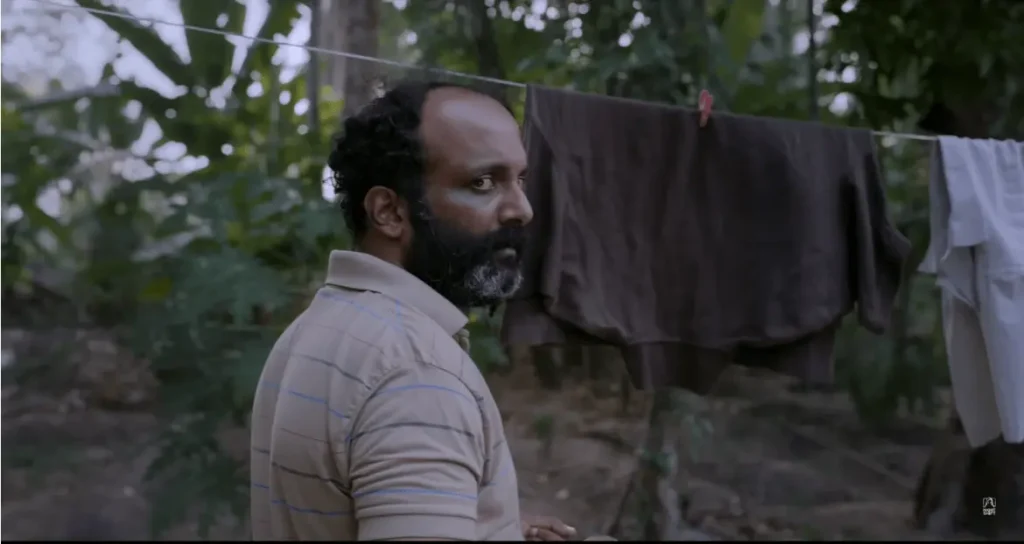
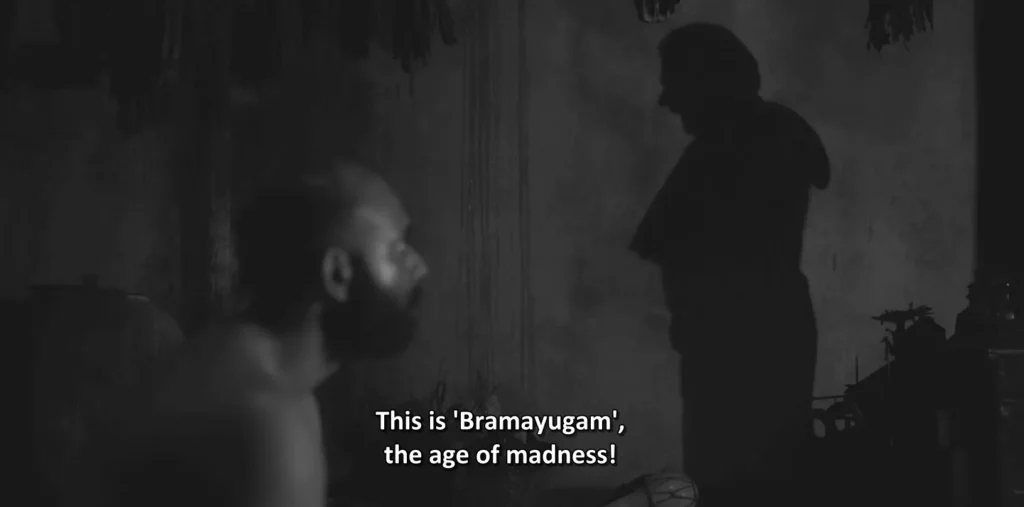
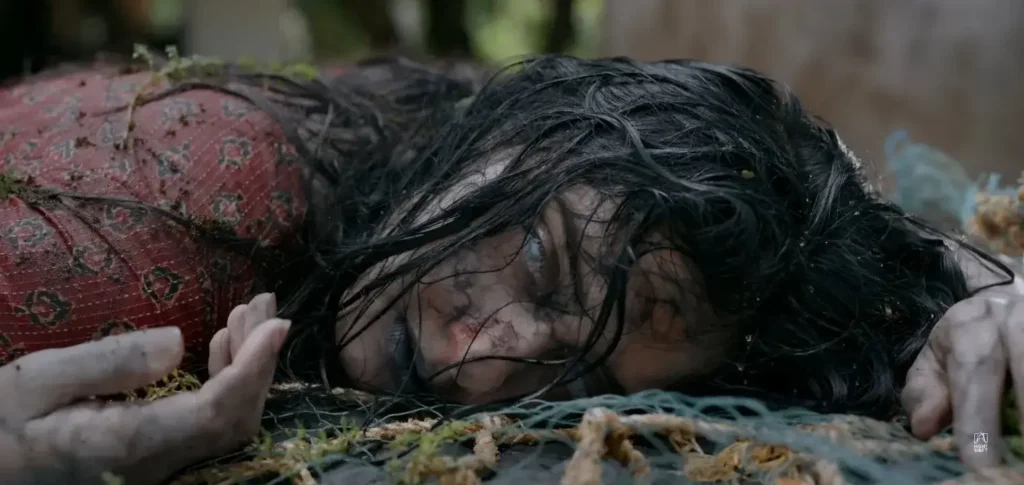
If you look at Bhoothakaalam, Bramayugam, and Dies Irae, you will immediately notice something different, this is not the usual horror. Rahul Sadasivan brings a new kind of fear into Malayalam cinema, one built on psychology, silence, and emotional depth. In this article, we decode his subtle filmmaking style by analysing Bhoothakaalam, Bramayugam, and Dies Irae in detail.
Hope you might have already notice what he avoids:
No exorcism drama
No psychiatrist or priest suddenly entering to “solve” things
No loud scare tricks
No “hero saviour” — even Madhusoodhanan in Dies Irae is scared like us.
They are stories of ordinary people trying to escape something that quietly follows them — sometimes from outside, sometimes from inside.
That is Rahul’s trick. He makes you uncomfortable slowly, using psychology, silence, and things we carry in our hearts but never speak about.
The House Matters More Than the Ghost
In most horror movies, the ghost is the hero. But in Rahul’s films, the house is the main force.
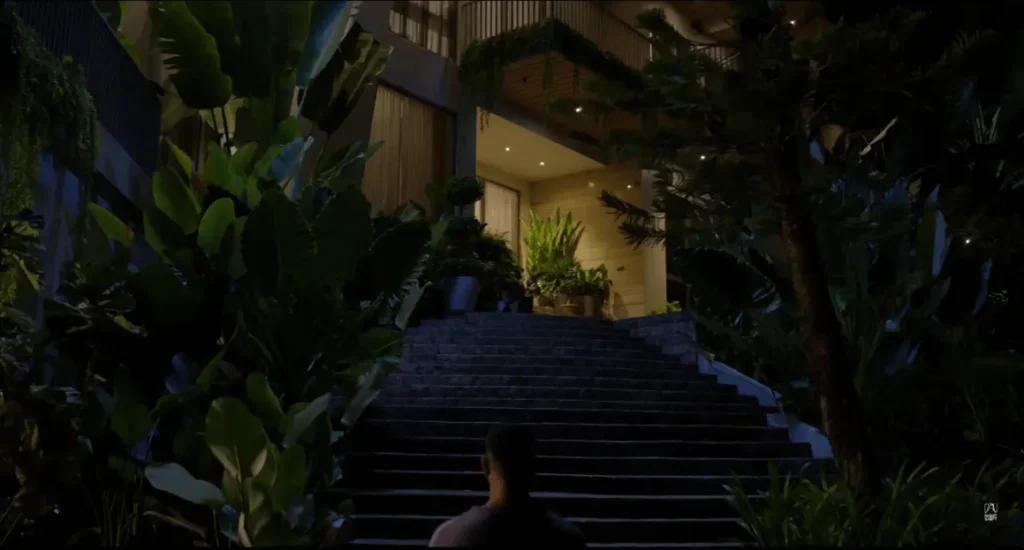
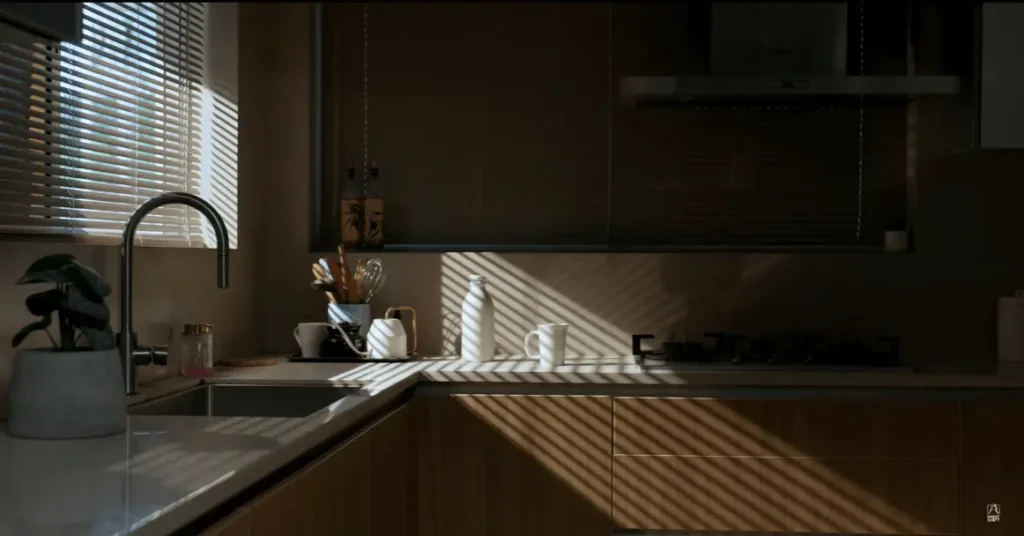
In Bhoothakaalam, that home feels suffocating, like sadness has settled there over years. And in Bramayugam, the old illam becomes a trap, holding secrets and power games. In Dies Irae, we have a modern luxury villa that still feels empty and cold.
Rahul uses everyday spaces — kitchen, bathroom, staircase, bedroom — and turns them into areas you suddenly notice more when you go home at night.
For visionary filmmakers, space is not just a backdrop — it becomes part of the emotion. Some directors use rooms, corridors, and silence better than dialogue.
For example, in In the Mood for Love, the narrow corridors and tight apartment hallways make us feel the unspoken tension between the characters. The walls almost hold their secrets.
In Billy Wilder’s The Apartment, the office floor and the lonely apartment show how crowded life can still feel empty. Even in Kubrick’s The Shining, long hotel hallways are enough to create anxiety before anything supernatural appears.
These films prove one thing: space can talk. It can show loneliness, fear, temptation, or pain without a single line of dialogue. Rahul Sadasivan uses this same idea in Malayalam horror.
He does not create a haunted house. He makes you think about your own house after the film ends. You go home and think, “Why does my house suddenly feel so quiet?”
His horror isn’t about the building; it’s about your relationship with your space.
Bhoothakaalam: The Cramped Apartment
Central Theme: Depression and the fear of mental health
Setting: Middle-class apartment in the midst of a bustling city (not an isolated mansion)
“I was very particular about the house, once the story and screen was completed. Since it’s a horror movie, and has paranormal elements, the house becomes a character, at one point. Instead of going for a cliché mansion or deserted bungalow, I wanted a house that seemed normal, in a relatable neighbourhood. Our requirement was a single storeyed house with three bedrooms.”
In Bhoothakaalam, the cramped spaces and minimal effects create a terrifying atmosphere.Whatever pain Vinu and Asha already have, the house quietly absorbs it, makes it heavier, and sends it back to them. So instead of getting better, they keep sinking deeper into fear and hopelessness..
Bramayugam: The 17th Century Mana
Central Theme: “Oppression is a cycle, it never stops”
The mana in Bramayugam acts as a physical manifestation of a corrupt power structure. It creates entrapment — the night lasts longer than the day, and the characters seem stuck in an endless time loop.
Dies Irae: The Luxury Villa
Central Theme: “when you have everything outside, the battle begins inside.” The film explores how emotional hunger inside us creates its own demons.
Setting: Villa that “screams luxury in every corner”
Function: The luxurious villa becomes a gilded cage, amplifying the protagonist’s profound sense of isolation despite (or because of) its opulence.
Also, you can see that there three different homes in Dies Irae
Rohan’s luxury villa
Kani’s home: A middle class home
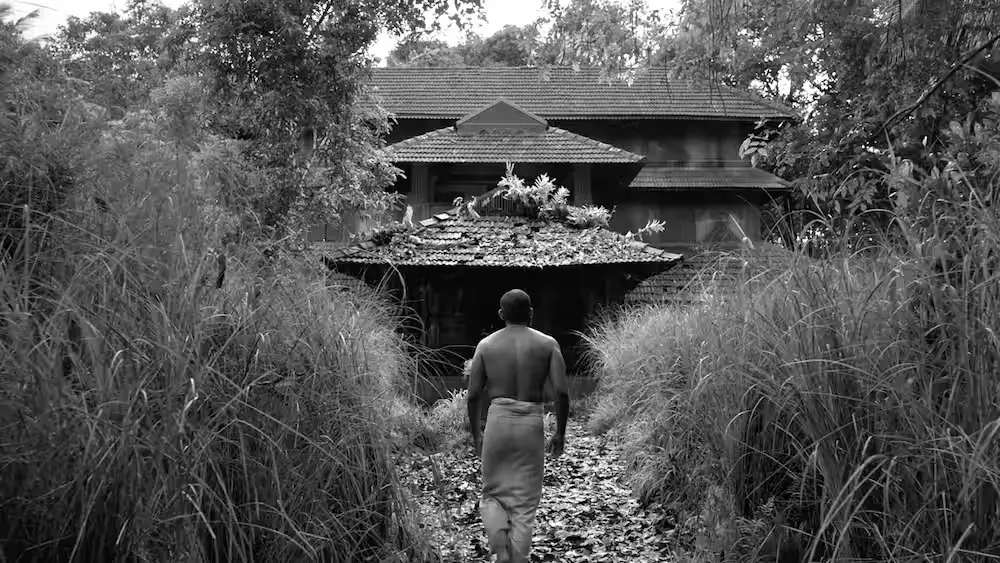
Eliamma (Jaya Kurup): A tiny old home made of wood and bricks.
In Dies Irae, each home carries its own ghost, no matter how big or small the space is. Rohan lives in a luxury villa, yet that house is the most haunted — not just by a spirit, but by guilt, ego, and his inability to face his own actions.
Kani’s middle-class home feels cursed to her family, not because of spirits, but because of grief and the emotional wound.
And then there is Eliamma’s tiny old house, where she feeds a demon. Three different homes, but the same truth: a house becomes haunted when the people inside cannot let pain go. Fear is not about walls or wealth — it follows who we are.
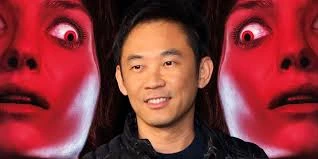
Rahul Sadasivan vs James Wan: Two Different Ways to Create Fear
Rahul Sadasivan doesn’t make “loud” horror. You won’t see sudden jump scares every few minutes or ghosts screaming into the camera. That style works for some films, but Rahul is not interested in shocking you for one second and moving on.
He wants something else — he wants the fear to sit with you. Not run at you. Just sit quietly, like a thought you can’t shake off.
This is very different from the James Wan school of horror. Wan builds fear like a roller-coaster — loud, fast, and engineered for instant reaction (Conjuring, Insidious can be examples). It works, no doubt, but sometimes those scares vanish the moment the lights come on. Rahul does the opposite. He doesn’t chase your heartbeat; he quietly gets into your head.
Rahul treats horror like a natural extension of life. Problems we don’t talk about, guilt we carry, sadness we ignore — he uses these emotions as real ghosts. And that’s why you feel uneasy. Not because something jumped at you, but because somewhere it feels real.
When Rohan talks about Kani to Madhu, you may connect with either Kani or Rohan.
When Asha and Vinu fight, you may think about your mother or your own past.
And when Potti says, “You can’t have a second chance,” we feel the pain of loss and oppression.
What Rahul Sadasivan’s Horror Really Talks About
On the surface, Rahul’s films look like ghost stories. But if you watch closely, there is always something deeper running underneath. The fear is just a tool — the real subject is what people quietly go through inside their minds.
The Ghost of Depression in Bhoothakaalam
In Bhoothakaalam, the haunting blends with mental health, trauma, and the weight of hopelessness. The central theme of Bhoothakaalam is depression and the fear surrounding mental health — generational trauma and emotional silence. The most powerful moment is Vinu’s fear — “the fear of our loved ones not understanding us.”
Two-thirds of Bhoothakaalam is drama about a clinically depressed mother and a troubled son’s dysfunctional relationship, and the remaining one-third focuses on haunted-house elements. You start wondering whether the ghost is real, or if it is grief taking shape.
Power, Isolation, and the Illusion of Equality in Bramayugam
In Bramayugam, the horror isn’t only about black magic or ancient curses. It’s about power — who controls it, who suffers under it, and how fear keeps systems running for generations.
The illusion is not the ghost; it’s the illusion of egalitarianism. Those who wish to keep you beneath them will first make you sit beside them like an equal, creating a false sense of equality. They use that feeling in you to establish themselves as the bigger person, to whom you owe gratitude for being treated “undeservingly” as equals. No offence to comrades or communists, but this illusion is something we have seen across revolutions in history.
Look at the song Adithyan Illathe — a cry for help, portraying the sorrow of bondage, sung exactly when planning to break free. Everything is connected. The victims are not waiting for an exorcist.
The Ghosts Made by Desire & Wrath, Not Spirits
And in Dies Irae, the supernatural mixes with guilt and emotional hunger in modern life. The film touches upon desire, obsession, and the wrath that follows.
Rahul simply shows people, their fears, and the world they live in. And when the supernatural enters that space, it doesn’t feel separate. It feels like it was always there, hiding behind the curtain of everyday life. That’s why his stories stay in your head — they talk about ghosts outside and the ghosts inside.
Also, in Dies Irae, I love the way Madhusoodhanan realises his abilities. It reminded me of Nolan’s Batman moments — Madhu discovering the strength he had long ignored, and rising in the second half to confront the evil.
A Team That Understands Rahul’s Vision
Rahul’s films look and sound the way they do not just because of him, but because he works with a team that understands his rhythm.
Cinematography: Shehnad Jalal
Rahul’s visual language works because of cinematographer Shehnad Jalal (alumnus of Satyajit Ray Film and Television Institute).
Shehnad and Rahul plan deeply before they shoot. They storyboard, visit locations together, and decide how silence, darkness, and stillness should look. Rahul’s VFX and animation background helps him visualise shots in advance — nothing is accidental.
That’s why in Bhoothakaalam, close-ups feel like someone breathing down your neck. In Bramayugam, the monochrome world looks like a folklore nightmare — like the pages of an ancient palm-leaf manuscript moving on screen. The mansion doesn’t feel like a set; it feels like a memory.
And small choices — like the low-angle shot of Mammootty’s shadow towering over another man — show how visual ideas come from trust and collaboration, not chance.
Sound & Silence: Christo Xavier and Team
Horror dies if sound is lazy. Rahul knows that. So does composer Christo Xavier, along with sound designers Jayadevan Chakkadath, M.R. Rajakrishnan, and Raja Krishnan.
I love the way they use Silence. Silence is not empty — it has weight.
Instead of constant scary music, sound arrives slowly. Sometimes all you hear is a hair clip snapping, a ghungroo, footsteps in another room. These sounds feel ordinary — and that’s why they make your stomach tighten.
That’s why scenes like the “passage of time” sequence in Dies Irae or a casual conversation turning chilling work so deeply — the sound pulls the floor from under you without warning.
Editing: Shafique Mohamed Ali
Finally, Rahul’s films hold tension because of editor Shafique Mohamed Ali. He doesn’t cut for speed — he cuts for mood.
Sometimes a scene stays longer than you expect. Sometimes it ends just before you feel safe again.
A scene from Dies Irae
Editing in horror is timing, and Shafique knows when to let silence stretch and when to snap it. That’s why Rahul’s films never feel rushed or broken — each moment lands.
AHorror Film That Follows You Home
Rahul Sadasivan isn’t trying to entertain you for two hours and send you home relaxed. His films don’t end when the credits roll. They quietly come with you.
You think about the house, the silence, the feeling that something was always there in the corner. Once you switch off your bedroom light, and suddenly the room feels a bit too still. You hear a sound from the kitchen, and for a second, you pause.
Bhoothakaalam
Not because you saw a ghost in the film — but because the film reminded you that fear doesn’t always scream. Sometimes it just waits.
That’s Rahul’s style: Not horror that tries to scare you. Horror that reminds you you are already scared — only you don’t talk about it.
Share your thoughts as comments.
Dies Irae Explained: The Ghosts We Create From Guilt
Dies Irae is a story built on guilt, obsession, and the ghosts we create inside our own heads. Here we are decoding the unanswered questions and symbols from Dies Irae..
Avihitham by Senna Hegde is a simple satirical film. Co-written with Ambareesh Kalathera. What makes it interesting is how it touches on female desire and infidelity, a theme that has often been explored in Malayalam cinema in very different ways. To understand this better, let’s look at how female desire is portrayed in Avihitham compared to Ore Kadal, a layered and emotionally complex film.
The movie opens with a striking quote: “They weigh us, they measure us, and then they decide our worth.”This line perfectly sums up the essence of the film.
A Scandal in the Dark: How Avihitham Unfolds
One night in Ravaneshwaram, Kasaragod district, the local loafer Prakashan (Ranji Kankol) spots two people secretly making out. From a distance, he recognises the man as Vinod (Vineeth Chakyar), who works at a flour mill.
He can’t see the woman’s face because of the darkness. Since the act happens near the house of Nirmala (Vrinda Menon), who lives there with her daughter and mother-in-law while her husband Mukundan (Rakesh Ushar), a carpenter, is away at work, Prakashan assumes she must be the woman.
What follows is an elaborate, supposedly foolproof plan by Prakashan and a group of men, including Nirmala’s husband and his family, to catch the lovers red-handed.
Avihitham’s treatment is similar to Senna’s previous flick Thinkalazhcha Nishchayam, but there, the climax hit hard, forcing us to introspect and empathise with the victims.
Here, due to weak writing and the absence of strong turning points, the audience may struggle to empathise with the secret lover or her choices. The flat narration and preachy, predictable dialogues at the end make it even weaker.
Characters That Speak Louder Than the Plot
Why someone enters an illicit affair is often reduced to a single reason — “the husband is not caring” — but I expected more nuance from a director like Senna Hegde.
That said, I liked how he wrote certain characters. For example, Tailor Venu concludes that the woman was Nirmala based purely on her body measurements, which he claims to calculate in darkness — cleverly echoing the opening line: “They weigh us, they measure us, and then they decide our worth.” Similarly, Prakashan’s voyeuristic pleasure and Mukundan’s blind trust in everyone except his wife add layers to the village dynamics. Senna builds the soul and core of Avihitham on a strong foundation, but the film loses its grip by the end.
Now, let me draw a parallel between Ore Kadal by Shyamaprasad and Avihitham. This might help explain why I find the climax of Avihitham more of a mockery than a solid, emotionally convincing moment.
(Read this only after watching Avihitham.)
The Climax That Missed Its Reflection
Senna Hegde is known for holding a mirror to small-town social structures with a dry, observational tone. But in this case, the way the film ends — with Geetha explaining her actions almost in a moral-preachy way — can feel like it’s trying to “justify” a personal choice that’s actually morally and socially complex.
Geetha is a housewife in Avihitham. She is married to Mahesh, a carpenter from a typical patriarchal community. He is a male chauvinist who believes women should obey and follow men. In their world, being expressive or caring is considered a sign of being “henpecked.” Geetha develops a love interest in Vinodh, a mill owner, and they begin meeting near the bathroom at night to have sex.
Director Senna Hegde justifies this relationship through Geetha’s dialogue in the climax, where she says Mahesh never cared about her feelings, never listened to her, and didn’t even allow her to watch her favourite TV serial. Vinodh, on the other hand, listened to her worries. In a preachy tone, the film ends with Geetha delivering a few lines explaining her actions — and then the story simply wraps up.
Why ‘Avihitham’ Climax Didn’t Work for Me
1. Patriarchal setup vs individual choice
Yes, Geetha’s husband Mahesh is portrayed as a classic patriarchal male, emotionally unavailable, controlling, and dismissive. That part is very real in many households. But patriarchy doesn’t automatically justify infidelity. What it explains is why she might feel suffocated, not why she must cheat.
The emotional neglect here sets the context, not the moral defence.
2. Emotional connection vs sexual escape
From what the film shows, Geetha’s relationship with Vinodh happens in secret, in a bathroom corner at night, repeatedly. There’s no serious conversation between them on screen beyond her venting.
That clearly points to a physical and emotional outlet, but more heavily leaning on sexual release and escapism than a deep, emotionally meaningful connection.
So when the film suddenly ends with a “justifying” monologue, it feels like it’s trying to frame lust as liberation, which isn’t automatically valid or convincing.
3. Problem with preachy justification
A stronger script would have let the act speak for itself or shown its consequences, instead of Geetha explaining it in a moralising way.
When the movie uses her explanation as the final word, it:
Silences other perspectives (e.g. the betrayal involved, Mahesh’s flaws notwithstanding).
Flattens the complexity of such relationships into a “good vs bad” binary.
Feels emotionally manipulative to the audience, telling us what to feel, instead of letting us decide.
The film clearly wanted to keep Geetha’s identity as the “surprise” element, which is probably why Senna avoided showing her perspective or building parallel emotional layers around her character.
But that choice comes at a cost, the climax ends up depending entirely on a preachy dialogue to justify her actions. If they didn’t want to reveal her directly, they could have still hinted at her emotional state through other female characters or parallel situations. That would have allowed the film to show the greyness of both characters and make the ending feel more earned and organic.
Orey Kadal’s Deepti vs Avihitham’s Geetha
Deepti’s Journey in Ore Kadal: Plot
Now let’s look at Ore Kadal, directed by Shyamaprasad and based on the Bengali novel Hirak Deepti by Sunil Gangopadhyay. Starring Mammootty as Nathan and Meera Jasmine as Deepti, the film explores how human desires and social realities often clash in messy, painful ways.
The story is about Deepti, a young housewife whose husband is struggling to make ends meet. Their life is full of financial stress and emotional distance. One day, she meets Nathan, an older social scientist who helps her during a tough moment. Slowly, their bond grows — but while Deepti starts to develop deep feelings, for Nathan it’s just a physical connection. This difference in how they see the relationship changes her life completely, pulling her into guilt, pain, and emotional turmoil.
This layered storytelling gives the film a quiet but powerful emotional weight, making it very convincing, even though Ore Kadal and Avihitham speak about similar themes in the end.
Avihitham vs Ore Kadal: A Question of Depth
1. Context vs depth
In Avihitham, Geetha’s affair with Vinod happens quickly, physically, in secrecy, and the script tries to justify it in one dialogue, framing it as “Mahesh didn’t care about me, but Vinod listened.” It simplifies a very complex human situation.
In Ore Kadal, Deepti’s relationship with Nathan is not just about physical desire. It begins with:
Economic and emotional vulnerability,
Intellectual awe,
Gradual internal transformation.
She doesn’t enter the relationship out of rebellion but is slowly pulled into a web of emotions, class dynamics, and personal longing.
This depth makes a huge difference in how we perceive her choices.
2. Character motivation
Geetha is reacting to her husband’s control and neglect. Her relationship is an escape, not an evolution. It is more lust and rebellion than layered love. Even the movie doesn’t give us more than a shallow justification.
Deepti is a woman crushed by economic dependence, class inferiority, and intellectual loneliness.
Nathan represents everything missing in her life: intellect, security, attention, and a kind of forbidden freedom.
Even when the relationship is exploitative in a subtle way, her emotional investment is genuine.
This is why you may felt empathy for Deepti but not for Geetha.
3. Filmmaking choices
Avihitham ends with a preachy justification, almost spoon-feeding the audience how to feel. It takes a moral stand: “she was right to do this because her husband was wrong.”
Ore Kadal does the opposite: it does not justify or condemn. It simply shows the consequences, love, guilt, loneliness, madness. It treats Deepti as a human being, not a symbol for rebellion or morality.
This subtlety gives viewers the space to think and feel.
4. Lust vs longing
In Avihitham, the relationship is framed around physical meetings in a corner at night. It never explores why she’s drawn to Vinod beyond “he listens.”
In Ore Kadal, Deepti’s longing for Nathan is shown through:
Her hesitation to meet him,
Her emotional dependency,
Her heartbreak when she realises he doesn’t love her. This isn’t just sexual, it’s a deep emotional entanglement.
This is why Deepti’s actions feel more tragic than immoral.
5. Why is my reaction different
I instinctively felt Geetha’s act was just about desire and rebellion, because the film gave me no real emotional bridge to her decision. But I felt Deepti’s act was understandable, even if not “right,” because the film made me walk through her inner world step by step.
I felt like Senna Hegde tries to explain; but Shyama Prasad reflects.
And that’s why Ore Kadal lingers in your head long after it ends, whereas Avihitham might leave a feeling of imbalance or superficiality.
Final Thoughts: Avihitham vs Orey Kadal
Now, I do agree, you can’t compare apples and oranges. You can’t put a black humour satire next to a complex, layered feature film. Yet, the reason I’m making this comparison is because of what I witnessed in the theatre.
Many people were openly abusing Geetha’s character; some even shouted, “slap her!” That clearly shows whatever Senna Hegde was trying to communicate didn’t connect with a large part of the audience.
If the intention was to create a mirror for society, then the writing needed to be more serious and layered. And that’s exactly where Ore Kadal becomes a good example. Avihitham is still running in theatres, while Ore Kadal is available to watch on YouTube, and both offer two very different ways of handling the same sensitive theme.
In one word, if I define Kantara: Chapter 1, it is a magnum opus. Louder and more prudent than the first Kantara. I would like to compare it to the Indian version of Apocalypto. Why?
The Apocalypto Parallel
Mel Gibson’s Apocalypto (2006) is more than just a survival thriller set in the Mayan world. In the film, nature feels harsh, but it plays by clear rules. If you’re strong and smart, you survive; if not, you don’t. Human systems, on the other hand, twist those rules.
Slavery, sacrifice, and the hunger for power create cruelty that doesn’t come from nature. The message is that people themselves end up corrupting what was once simple and balanced.
Kantara: Chapter 1 is built on similar lines. On one side, a human system backed by hunger for power and ego—people who believe everything in this world exists for them to hunt and feed, where bloodshed is a hobby.
On the other side, another set of humans who worship every element of nature. They believe the world is protected by gods who appear in the form of tigers, pigs, trees, and land. Kantara is the clash between these two sets of humans.
Tracing the Beginning
In Kantara, we saw Guliga and his power. Here, we are tracing its beginning. The film aims to explore how ancient beliefs, rituals, and conflicts started. It asks: Where does the divine or supernatural tradition come from? How did current struggles arise from those roots?
Spiritual or divine forces (through rituals, deities) are not separate from nature—they are entwined with it.
Kantara Chapter 1: Rishab Shetty’s Masterclass
Kantara is a masterclass by Rishab Shetty in world-building, balance between spectacle and story, and creating sync between character arcs and conflicts. The pacing and structure work beautifully for a big-budget entertainment-focused film.
Most importantly, some Telugu directors should learn from him that chanting Sanskrit hymns or just showing Shiva on screen is not how you set up emotional or spiritual resonance. Rishab nails it at its best. The way he established that spiritual and divine forces are not separate from nature—but deeply tied to it—is such a brilliant thought. Sarvam Khalidham Bramha
The World of Kantara and Bhoothaloka
The world of Kantara is inspired by the concept of Bhoothaloka. To understand Kantara Chapter 1, you need to know this tradition first.
In Tulu Nadu, a coastal area in Southern India, people still follow an old tradition called Daiva Aradhane or Bhoota Kola. It is a way of worshipping spirits through rituals, stories, music, and dance. These rituals act like a bridge between humans and the divine. This is the inspiration for Kantara.
Buta Kola
“Bhoota” is derived from the Sanskrit bhūta, meaning “spirit,” “past,” or “creature.” However, in Tuluva culture, a Bhoota is not a ghost but a guardian spirit, a powerful being worthy of reverence.
The Ritual of Bhoota Kola
A Bhoota Kola is a night-long ceremony where the spirit enters the human world through a performer. This performer, called a paatri, belongs to hereditary families like the Nalike or Pambada. From a young age, he is trained in dance, songs, and discipline to carry the spirit safely.
Before the ritual, the paatri purifies himself with fasting and celibacy. During the ceremony, his face is painted with bright designs, he wears a skirt of coconut leaves, brass anklets, and a tall headpiece. Music with drums and pipes fills the air.
The pāḍdana, an oral epic in Old Tulu, is sung to narrate the story of the spirit—its birth, deeds, and why it is worshipped there. As the song continues, the performer goes into trance, shaking and convulsing, until the spirit takes over his body. At that moment, villagers believe he is no longer human—he has become the Daiva.
A core belief is that these spirits were once living beings who walked the earth—heroes, ancestors, or animals of totemic importance. Some were human beings who died tragically fighting injustice. This makes the spirit world very personal and ancestral. Tuluvas believe that all people join Bhoothaloka after death. It is very similar to Kerala’s Theyyam concept. This is the answer to why Rishab Shetty’s character vanishes into Bhoothaloka in Kantara.
Guliga: The Enforcer Spirit
Among the hundreds of Daivas worshipped in Tulu Nadu, Guliga holds a position of prominence and fear. He is primal, powerful, and often violent—his role is to serve as the ultimate enforcer of divine law.
The Origin of Guliga
The pāḍdanas of Tulu Nadu tell us how Guliga was born. In Kailasa, the home of Lord Shiva, Goddess Parvati once brought Shiva a pile of ash. Inside was a strange stone. Shiva threw it away, and from that stone, Guliga was born.
From birth, he was wild. He had two unstoppable traits: endless hunger and violent fury. He tried to swallow the sun, drank Lord Vishnu’s celestial lake, and devoured the blood of elephants and horses. His hunger only stopped when Vishnu offered his own little finger to eat.
But Guliga’s ferocity was too much for the heavens. Vishnu sent him down to Bhoothaloka, the world of spirits. This was not just punishment—it was duty. Guliga was made the Kshetrapala, the guardian of the land, to protect boundaries and watch over people. His story explains why he is both feared and worshipped: a force of chaos tied to sacred purpose.
Guliga’s Role
Because of this, Guliga became the strict enforcer among the spirits. While Daivas like Panjurli protected prosperity and harvests inside the village, Guliga guarded the edges—fields, borders, and family lands. He punishes without mercy, sometimes with death. That is why people fear him but also trust him to uphold dharma.
Shrines for Guliga are simple: just an uncarved stone under a sacred tree. He is older than temples—raw and elemental.
Guliga Kola
The Guliga Kola is one of the most fearsome rituals. The paatri purifies himself, then transforms into Guliga with paint, costume, and dance. The performance is wild and violent—torches in hand, frenzied steps, terrifying presence. Unlike gentler Daiva rituals, Guliga Kola includes raw meat and blood from sacrificed chickens, symbolising his hunger.
When Guliga takes over the paatri, the entire village believes it is no longer a man before them, but Guliga himself—raging, punishing, and protecting.
The Many Faces of Guliga
Rudra Guliga – fierce form, punishing injustice.
Tantra/Mantra Guliga – linked to fire and esoteric rituals.
Kathale Guliga – Guliga of darkness and mystery.
Nethara Guliga – Guliga of blood and sacrifice.
Agni Guliga – Guliga of fire, with torch rituals.
Raja Guliga – royal form tied to justice and rule.
Rahu Guliga – the most violent, linked to chaos and eclipses.
These are not separate gods but different forms of the same primal energy.
The Deeper Meaning of Guliga
Guliga’s story is more than fear. He was born from stone and ash—raw matter, not life. His hunger is chaos itself, strong enough to swallow the sun. The gods did not kill him—they gave his chaos a purpose. He became guardian of the land, punisher of injustice, keeper of balance.
This reflects a deep Tulu idea: order is not built by destroying chaos, but by containing it, honouring it, and making it serve the community.
Chamundi: The Tiger Goddess of Tulu Nadu
Chamundi is another powerful Daiva in Tulu Nadu. She shows how local beliefs merged with big pan-Indian traditions. She is not just borrowed from Hindu scriptures—in Tulu Nadu, she blended with local spirits and became a unique guardian tied to forests and land.
From Chaundi to Chamundi
Long ago, people worshipped Chaundi, sister of Guliga, along with Jattiga and Rahu Guliga. She was one of the oldest Daivas of the land. Later, as Vedic and Puranic ideas spread, Chaundi was linked to Chamundi, a fierce form of Devi, the Mother Goddess. In Mysore, Chamundeshwari became the royal goddess. But in Tulu Nadu, Chaundi did not vanish—she blended with Chamundi, keeping her old roots while gaining new prestige.
Pilichamundi: Tiger and Goddess Together
The most famous form is Pilichamundi. Pili means tiger in Tulu, and Chamundi is her Sanskrit name. This fusion connects the tiger spirit of Tulu Nadu with the pan-Indian goddess.
Tulu Nadu once had dense forests where tigers threatened people, cattle, and crops. To turn fear into protection, people worshipped the tiger spirit. Over time, this spirit merged with Chamundi. This is ell established in Kantara Chapter 1, with the tiger sequences in the first half.
One pāḍdana says a tiger was born from an egg offered to Shiva and Parvati. The tiger killed Shiva’s cow, and instead of destroying it, Shiva sent it down to earth. There, it became a protector of the same cattle and crops it once harmed.
This theme—wild beings punished yet given purpose—is the same as Guliga and Panjurli.
Thus, Pilichamundi is not just Chamundi riding a tiger. She is the tiger and goddess fused into one. Local people preserved her Tulu name Pili, while linking her with the prestige of the Great Goddess. It was not replacement, but blending. That is why she remains one of the strongest Daivas today.
Final Word
Overall, Kantara: Chapter 1 is a magnum opus—with its visuals, themes, performances, and music. It goes beyond entertainment, bringing alive the ancient spirit world of Tulu Nadu. By blending myth, folklore, and cinema, Rishab Shetty has created India’s answer to Apocalypto, a tale where nature, spirit, and humanity are inseparably bound.
Kantara Chapter 1 is a must watch, and I am eagerly waiting for Chapter 2.