SPA Movie Analysis: More Than a Film, A Mirror to Our Hypocrisy

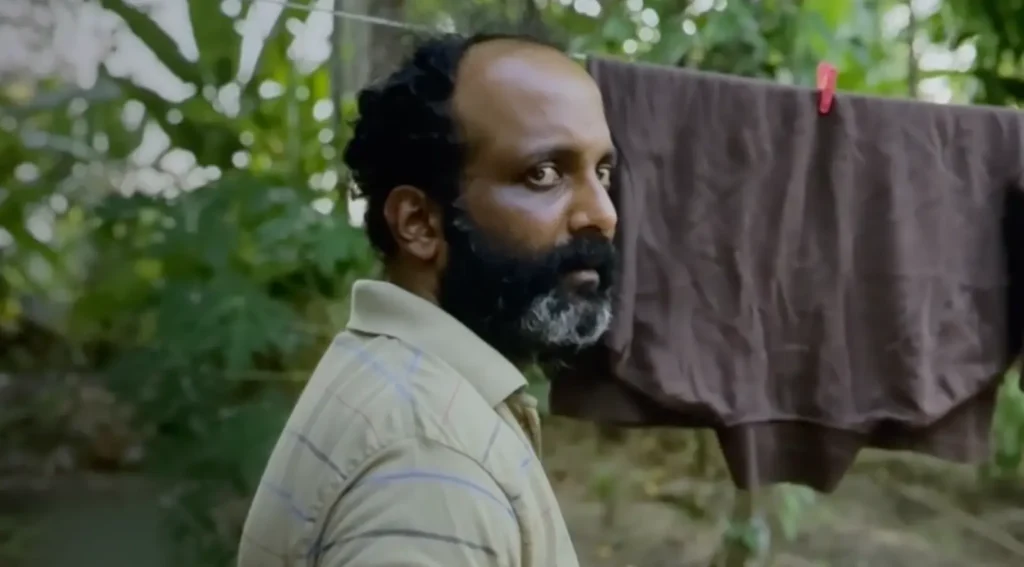
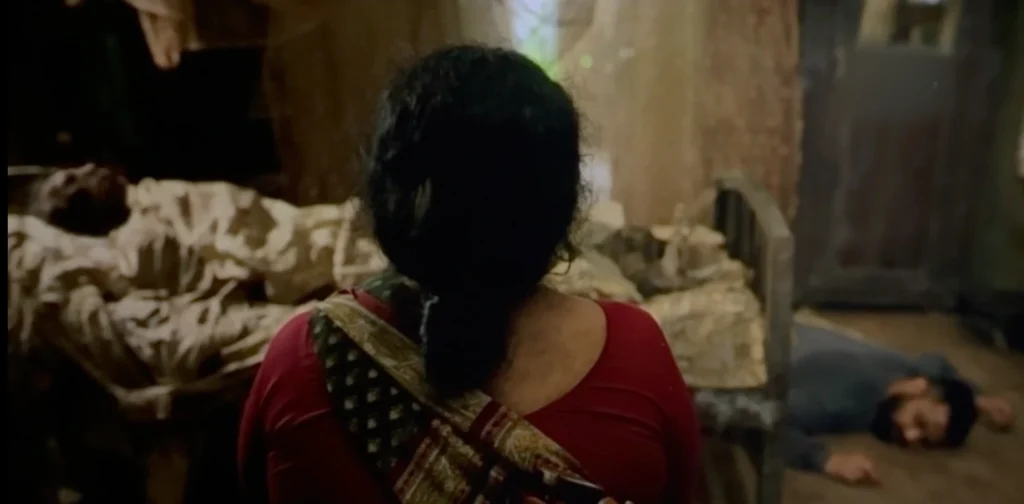
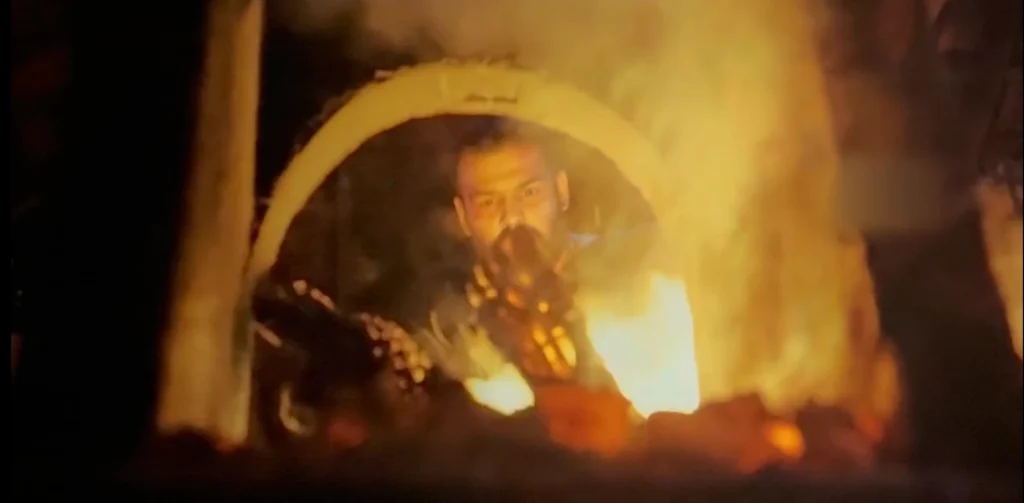
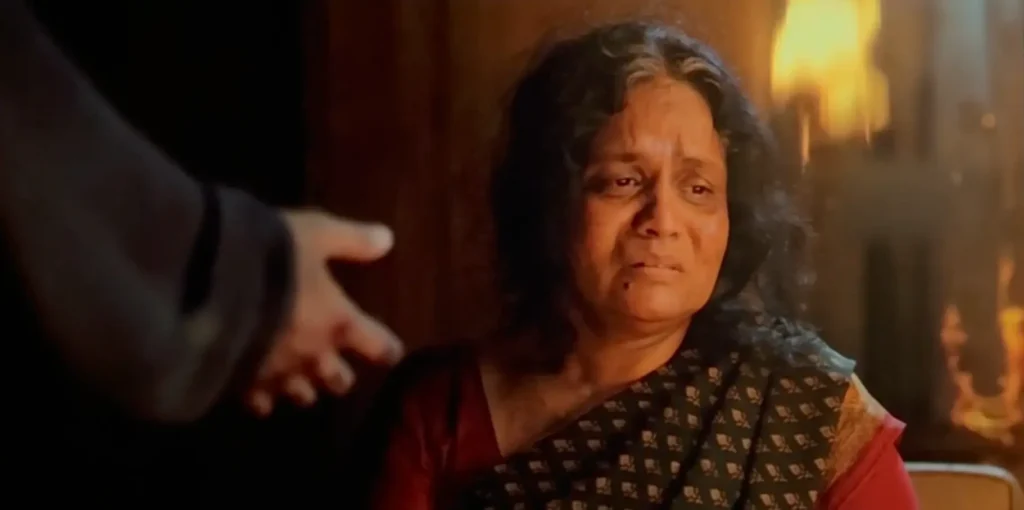
If you walked into SPA(2026) expecting a typical adult comedy or som thrills, you probably walked out feeling disappointed — but also thinking. And that’s exactly why I wrote this observations on Abrid Shine’s 2026 malayalam movie SPA. Spa quietly observes people. It holds up a mirror. And sometimes what we see in that mirror isn’t very comfortable. On the surface, it’s just a day inside a spa. But if you sit with it, you realise it’s one of the sharpest social satires Malayalam cinema has done in recent years….not about sex, but about hypocrisy, desire, and the gap between who we pretend to be and who we actually are.
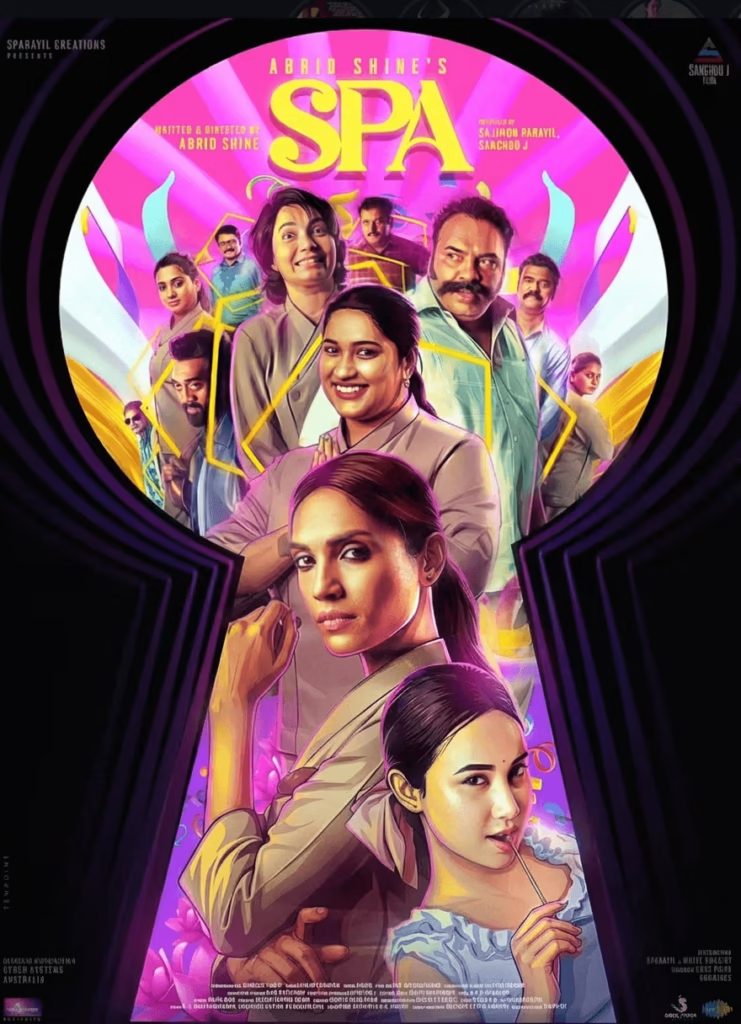
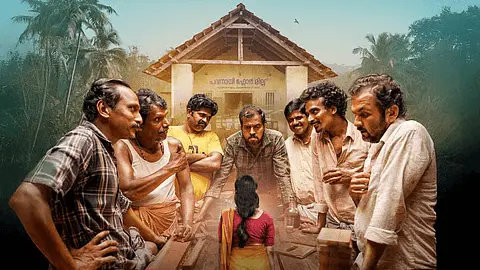
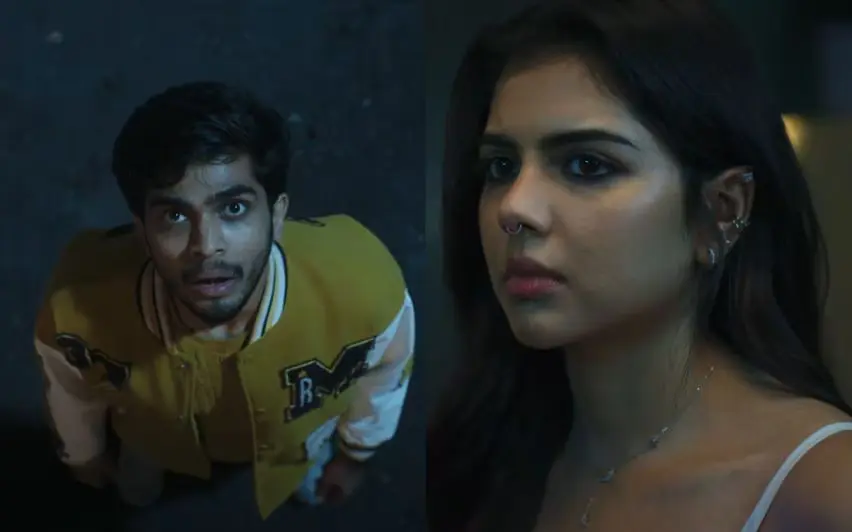
Spa movie postr akhil pillai

This isn’t a typical movie review for Spa (2026). Think of it as trying to understand what Abrid Shine was really doing with this experiment.

The Rejection of Narrative: A Film Without a Graph

Spa is a film that, from its very first scene, tells you to abandon all preconceived notions of conventional cinema.

There is no three-act structure, no clear protagonist, no rising action, no central conflict, and certainly no neat resolution in the end.

Instead, Shine invites us into the closed, intimate world of a spa in Kochi, and for two hours, we become voyeurs, observing a series of episodic encounters that expose the raw, often uncomfortable, truths about desire, morality, and the hypocrisy that governs our society.

The spa itself becomes the main character.

This structure is very important because if the film followed one person’s story, we would focus on their drama. Even there is a director character who asks a therapist, “What is your story?” She says, “Our story is boring. We come, we do massages, we go — nothing exciting. But the people who come here make it exciting.” Abrid Shine follows the same philosophy here.

And slowly you realise: this isn’t about individuals. It’s about behaviour.

The film doesn’t just talk about hypocrisy. It shows it happening again and again until you can’t ignore it.

How SPA Flips the Male Gaze

When we think a bout a cinema with title, the first thought might be objectifying women with semi nudity and some jiggling moments in the dark rooms. SPA quietly flips that idea.
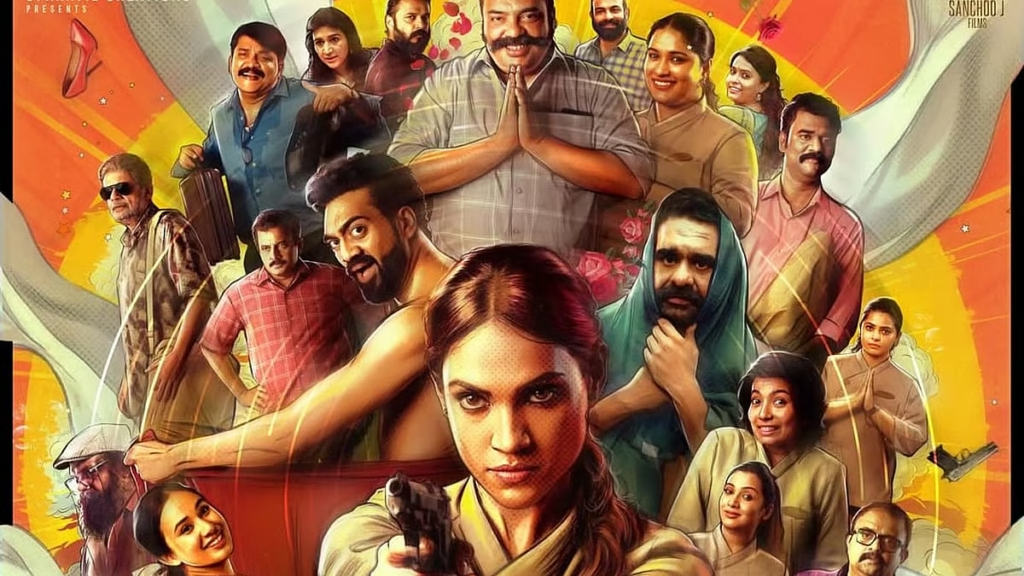
Here, the camera isn’t interested in objectifying women. The women are mostly fully dressed, calm, professional, and in control.

It’s the men who are exposed — physically and emotionally.

We meet a sawmill worker, a doctor, an artist, and even a film star, each bringing their own unique set of desires, insecurities, and moral contradictions into the therapy room.

They lie on massage tables, vulnerable, stripped not just of clothes but also of their social masks. The respected doctor, the tough officer, the intellectual poet — inside the spa they all look the same. Just men dealing with desire, insecurity, and ego.

The camera never sensationalises nudity. Instead, it observes behaviour.

That choice makes a big difference because the film isn’t trying to shock — it’s trying to study the male psyche.

And that’s where the satire becomes sharp. Let me explain that with few examples from Spa.

The Innocent Hypocrite

Mathan looks harmless, almost sweet. He’s inexperienced with women and slowly becomes emotionally attached to his therapist. He feels protective, like a “nice guy.”

But the irony is obvious. He’s still part of a system he might morally judge if it involved someone from his own family.
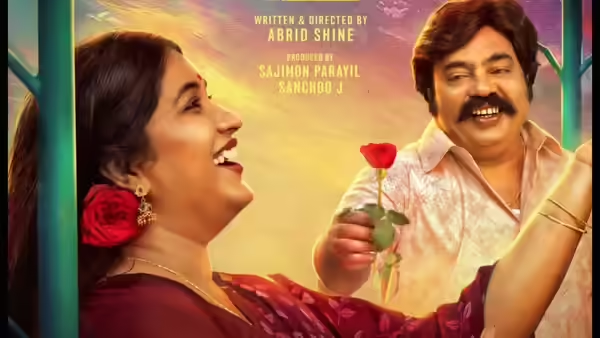
His innocence isn’t pure — it’s blind. And that’s what makes his character interesting. The conversation between Mathan and therpaist Riya is one of the peak moments in the cinema.

Unfortunately, society celebrates these type of characters as protectors. I am sure, after OTT release of Spa, Mathan will be celebrated in reels.

The Many Faces of Male Ego

Rahul Madhav’s character represents what you could call a fragile ego. He’s a film star who wants to be recognised but at the same time wants to stay anonymous, which perfectly shows the strange paradox of modern celebrity life.

He wants validation, but he’s also clearly afraid of being exposed, like his confidence is something he constantly has to perform rather than naturally feel.

Then there’s Srikanth Murali, who is usually seen in respectable roles like a doctor or advocate, but here he plays a character who is completely stripped of that public dignity.

His performance feels brave because it’s uncomfortable to watch, and in many ways, his character becomes the most direct reflection of what the film is really trying to say about hypocrisy and the gap between public image and private reality. Whole theatre went on shock when he said the word “Ecstacy!!!”

Dinesh Prabhakar’s character feels like a sharp satire of the so-called cultural elite. He comes in as a Malayalam poet carrying all that intellectual weight and sophistication, but slowly his strange and almost comical kinks start to show.

The film subtly shows how he uses his intellect almost like a mask to hide his basic desires, reminding us that education or artistic sensibility doesn’t automatically make someone morally superior — hypocrisy can exist just as easily behind polished words.

What Do the Women of SPA Represent? Professionalism Over Victimhood

Perhaps the most progressive and important choice Abrid Shine makes is in the portrayal of the women.

The film steadfastly refuses to make them victims. We are not given tragic backstories or forced to pity them.

As Radhika Radhakrishnan’s character powerfully states, “If those who seek these services do not have a moral conundrum, why should we?”
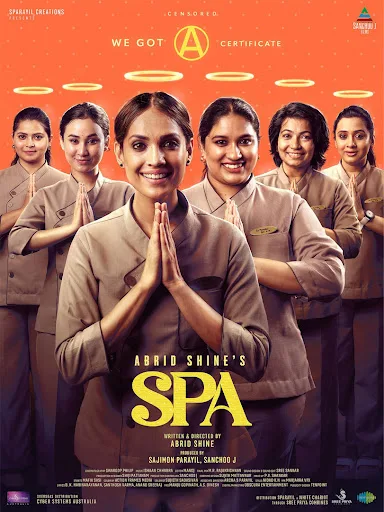
Shruthy Menon leads the pack with a commanding presence. She is a seasoned professional, handling difficult clients with a calm authority that comes from experience. She is not a victim; she is a manager.

Radhika Radhakrishnan, in a performance that showcases her incredible range, is the emotional anchor for many of the vignettes. Her ability to transition from gentle empathy with Mathan to righteous anger when a client crosses a line is remarkable.

This is the same actress who gave a deeply nuanced and vulnerable performance as the long-suffering mistress in Appan. In SPA, she sheds that vulnerability to embody a woman who is in complete control of her emotional and physical boundaries. The contrast proves her versatility and courage as a performer.

Even Rima Dutta as a calm, soft North Indian therapist, Sreeja Das as Betty, Poojitha Menon and Sree Lakshmi Bhatt as receptionists, Abee Suhana as Monica (as a model), Megha Thomas as sanskari mommy, all did their part well.

Is It a Happy Ending? A Sudden Break in a Carefully Constructed World

After building a quiet, character-driven tone, the film suddenly moves into an action-style climax.

Suddenly, new characters enter, and the film shifts into something that feels like a Kill Bill-style action sequence. The change is so abrupt that it feels slightly out of place.

For nearly two hours, the film carefully builds a realistic world… yes, it’s satirical, but it still feels grounded and observational. Then this sudden move into a spoofy, hyper-stylised climax feels almost like the film loses its confidence.

I felt Abrid Shine’s that choice feels contradictory because the whole film had earlier questioned the need for a traditional story arc in the first place.

Some viewers might interpret this ending as one final satirical comment on filmmaking itself, but emotionally it weakens the impact.

In the end credits, I love the way Abrid Shine roast those taglines “Family movie”, “Award Films”, “Artisctic Social Responsibility film”.

Why SPA is Must Watch Despite Its Flaws in Ending

Even with that uneven ending, SPA remains a bold film.

It trusts the audience to think instead of spoon-feeding emotions. Spa explores desire without judgement. It questions morality without preaching.

By reversing the gaze, presenting women as professionals, and showing repeated patterns of behaviour, the film creates a powerful commentary on society.

More than anything, it starts conversations. Because it asks us to look at ourselves without filters.

It challenges our ideas about morality and respectability. And most importantly, it proves that sometimes cinema doesn’t need a story — just observation.

If you’re willing to engage with it patiently, SPA becomes less of a movie and more of a reflection.
Dies Irae Explained: The Ghosts We Create From Guilt

If you’ve seen Rahul Sadasivan’s Dies Irae, you know it’s not your usual horror movie. It doesn’t give you answers, it asks you to question. You come home, and the silence feels a little heavier. Here we are decoding the unanswered questions and symbols from Dies Irae..

Dies Irae is a story built on guilt, obsession, and the ghosts we create inside our own heads. Spoiler Alert: We will be explaining the entire movie, including the ending.

The Story: A Rich Brat, a Ghosted Girl, and a Stolen Hair Clip

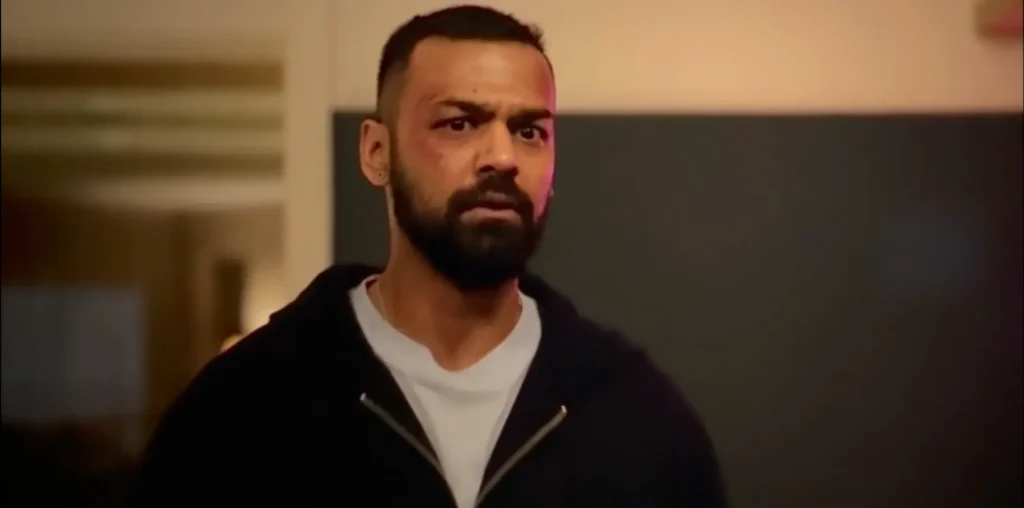
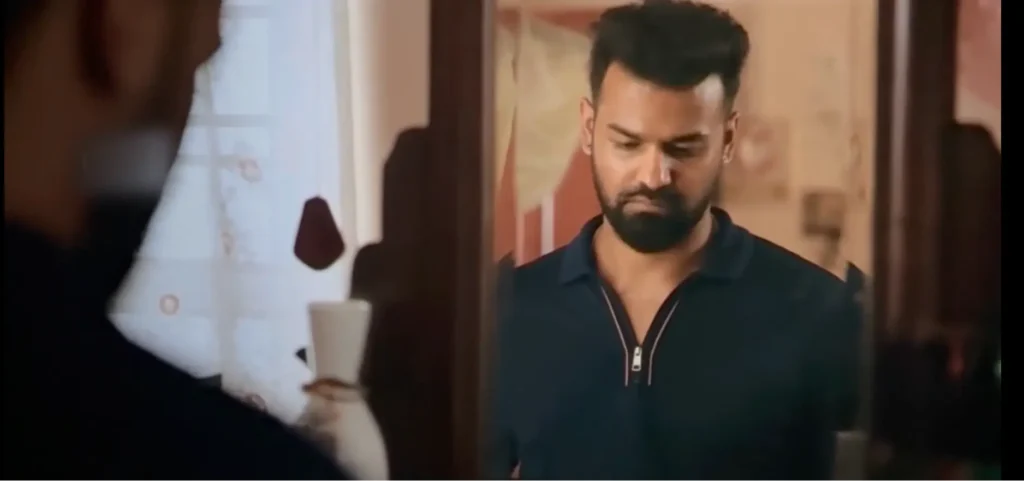
We meet Rohan (Pranav Mohanlal), a rich, self-absorbed guy living in a huge, empty mansion. He has everything — money, parties, friends — but cares about very little. His life is easy.

Then he hears about Kani (Sushmitha Bhat), a former classmate who has died by suicide. They had a brief fling, and he ghosted her. He gets a little worried. Did she leave a note? Could he be in trouble?

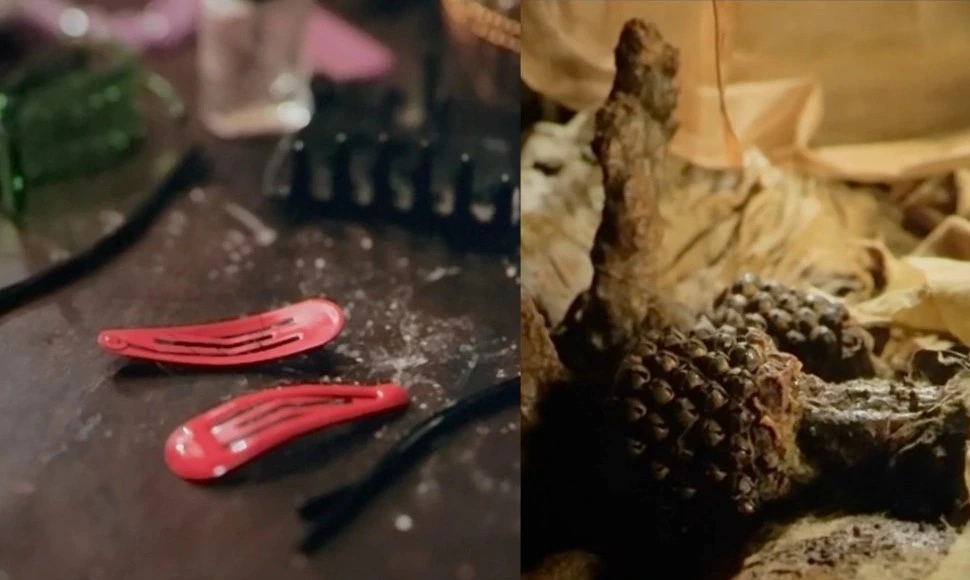
He goes to her house, not really to pay respects, but to check for anything that might incriminate him. While there, he sees her hair clips. He picks one up and takes it home.

 It’s a small, thoughtless act. But it’s the mistake that unleashes hell.

The Haunting: Who is the Real Ghost?

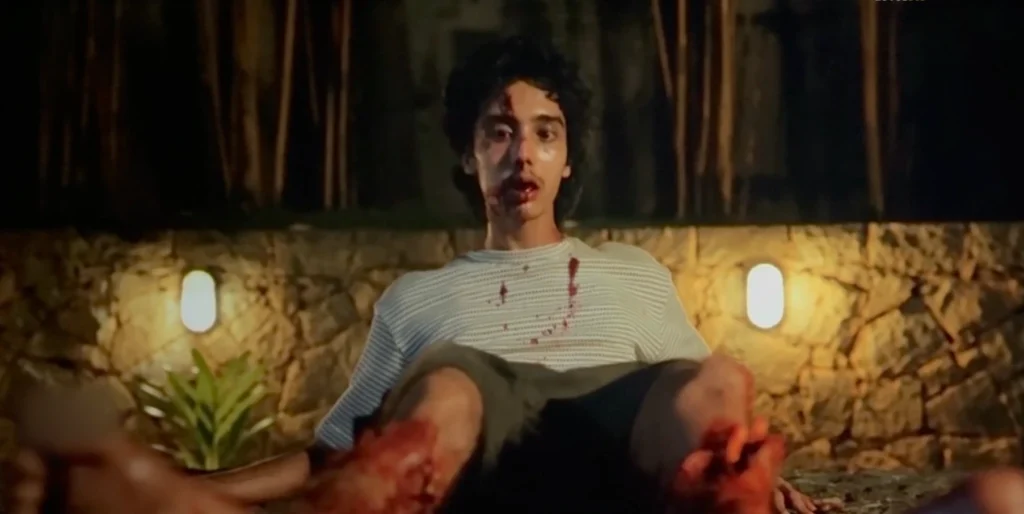
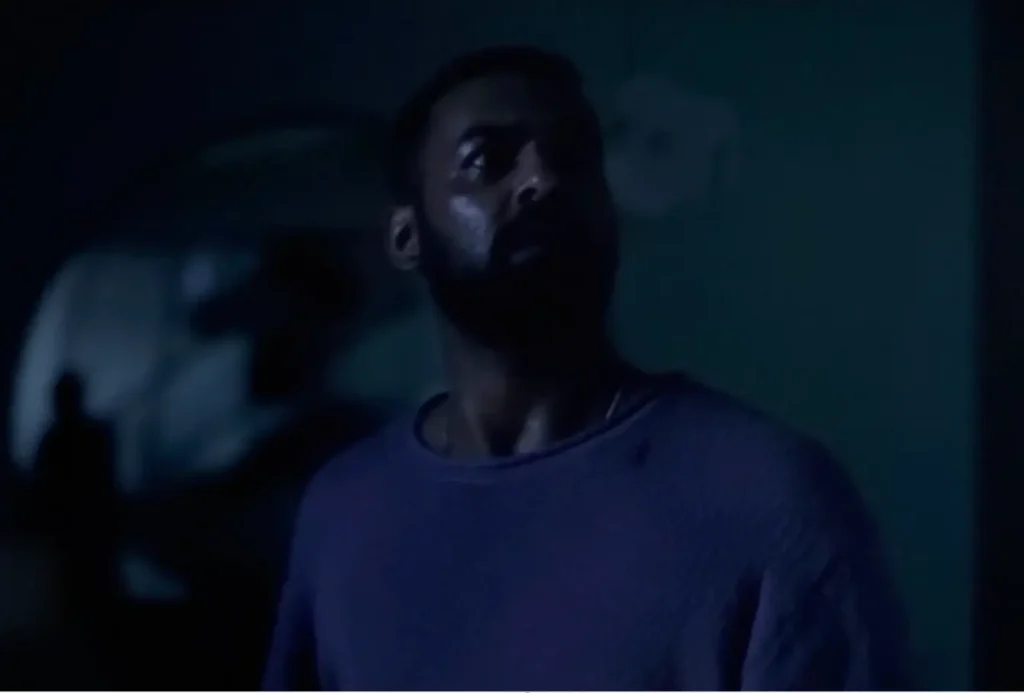
Back in his mansion, strange things start happening. Rohan feels someone in his bed. He sees a dent in the mattress next to him. His hair is gently caressed, just like Kani used to do. And then there’s the sound — the faint, chilling jingle of anklets (chilanka).

At first, Rohan thinks it’s Kani. It makes sense, right? He wronged her, and now she’s back for revenge. But the haunting gets more violent. He is dragged, thrown, and attacked. This doesn’t feel like Kani.

This is where the film plays its first trick on you. As many fans on Reddit correctly pointed out, there isn’t one ghost in this story. There are two.

1      The Gentle Ghost: The one that caresses his hair. The one that feels like a sad memory. That’s Kani.

2      The Violent Ghost: The one that attacks him and Kani’s brother, Kiran. This is someone else entirely.

Rohan finally sees this violent spirit — a thin, terrifying man wearing the anklets. The mystery deepens. If it’s not Kani, then who is it? And why is he here?

The Investigation: Uncovering a Story of Obsession and Black Magic

Rohan, terrified, seeks help from Madhusudhanan (Gibin Gopinath), a contractor who has prophetic visions. Together, they dig into the mystery. They learn that Kani’s anklets are also missing. The ghost must be connected to both the hair clip and the anklets.

Their search leads them to a man named Philip — a quiet, strange man who was obsessed with Kani. He used to stare at her from a distance, but never had the courage to speak.

But the final piece of the puzzle is the most disturbing. Philip is the son of Elsamma (Jaya Kurup), the old woman who used to work as a domestic help in Kani’s house. And Philip is dead.

The Horrifying Truth: A Mother’s Love Turned Monstrous

Here is the full, dark story that Rohan and Madhusudhanan uncover:

Philip was dying of cancer. His mother, Elsamma, was heartbroken. Her prayers to God went unanswered, so she turned to a darker path. She decided that death would not be the end for her son.

Using her access to Kani’s home, she stole Kani’s belongings — her hair clip, her anklets. She performed black magic rituals to tie her son’s spirit to these objects. Her twisted idea was that if Philip couldn’t have Kani in life, he would be bound to her in death.

When Philip died, his mother didn’t bury him. She kept his decomposing body in a hidden room in her tiny, old house, with Kani’s anklets fused to his decaying feet. She was feeding a demon born from a mother’s desperate, monstrous love.

When Rohan took that hair clip, he didn’t just take an object. He took a cursed anchor, inviting Philip’s violent, obsessive spirit into his home.

The Climax: Fire, Wrath, and a Severed Leg

The final confrontation is pure chaos. Rohan and Madhusudhanan find Philip’s corpse. Elsamma, completely unhinged, attacks them with an axe. The corpse itself seems to come alive.

They realize they need to destroy the anklets to break the curse. But the anklets won’t come off the decomposed body. In a moment of desperation, Rohan cuts off the corpse’s leg, anklets and all, and throws it into a fire.

The spirit of Philip is banished in a blaze of fire and rage. The house burns down. It seems over.

The Ending Explained: You Can’t Escape Your Ghosts

The film is not just a simple revenge story. It’s a story of two very different kinds of hauntings happening at the same time.

Why Rohan Helped Elsamma?

Look at Elsamma (Jaya Kurup), Philip’s mother. She was a mother broken by grief. Her actions weren’t driven by logic, but by a desperate, maddening love for her dying son. She performed black magic and hid a corpse not because she was a monster, but because she couldn’t let her son go.

This is what makes her character so terrifying. She is both a villain and a victim. Her love is what creates the monster. She is a perfect example of how the film uses human emotion — not supernatural evil — as the true source of its horror.

This understanding is what makes Rohan help her in the end. There we see a helpless mother, and a matured Rohan.

Is Kani’s Ghost Still haunting Rohan?

This is the final, chilling twist of Dies Irae. Rohan escaped Philip, the ghost of obsession. But he can’t escape Kani, the ghost of his own guilt. He abandoned her, and that is a debt he now has to pay. The film ends with his scream of terror, realizing his haunting has only just begun.

Dies Irae means “Day of Wrath” in Latin. It’s about a final judgment. But in this film, the judgment doesn’t come from God. It comes from the people we hurt.

The true horror of Dies Irae is not the supernatural. It’s the idea that our actions create their own ghosts. And some ghosts don’t want to hurt you. They just want to sit with you, forever, to make sure you never forget.

So in the end, the film doesn’t ask us to forgive Rohan. It asks us to watch him face the consequences of his actions. And that’s what makes the horror so effective. We’ve all been Rohan at some point. We’ve all hurt someone and moved on without looking back. Dies Irae forces us to imagine what it would be like if we couldn’t move on. If the person we hurt came back and sat with us, forever.

The Unanswered Question: Why Was Kiran Attacked?

The movie never tells us why Philip’s ghost violently attacks Kani’s brother, Kiran..

Was Kiran secretly involved in Kani’s death? Did he do something to her? The film gives us no proof, but the attack feels too personal to be random. Philip’s ghost is focused. He attacks Rohan, the man who had a relationship with Kani. So why Kiran?

One theory is that Philip’s obsessive spirit was jealous of everyone in Kani’s life, including her own family. He wanted to possess her completely, and anyone who was close to her was a threat.

Another, darker theory can be that Kiran’s grief was complicated. Maybe he felt guilty about not protecting his sister, or maybe there was a family secret we never learn about. The ghost’s attack could be a punishment for something we, the audience, are not allowed to see.

The film’s refusal to answer this question is what makes it so brilliant. It leaves a space for us to wonder, to debate, and to feel uneasy. The horror isn’t in the answer; it’s in the not knowing.

The Chilanka and the Hair Clip: Cursed Objects or Emotional Anchors?

Small details often hold the biggest clues. If you listen to the chilanka (anklet) sound, it wasn’t the sound of someone walking or running. It was the sound of someone tapping their foot, like a dancer but not a dancer (no proper rhythm). This was Philip, a non-dancer, wearing the anklets of Kani, the dancer. It’s a creepy, perfect detail that shows how he is trying to become a part of her, even in death. 

And then there’s the hair clip. Rohan steals it, and that’s what starts the haunting. He thinks if he returns it, the curse will break. But it doesn’t.

Because in the final scene, the hair clip is back on his bed. Kani’s ghost brought it back to him.

This confirms that these objects are not just cursed items from a typical horror movie. They are emotional anchors. They are physical representations of guilt and obsession. You can’t get rid of them by simply throwing them away. Because the feeling they represent is still inside you.

What Dies Irae Gets Right About Modern Horror

Most horror films today rely on jump scares, loud music, and CGI monsters. Dies Irae does the opposite. It uses silence, shadows, and human emotion. Dies Irae doesn’t try to shock you every five minutes. It tries to make you feel something deeper — guilt, regret, fear of your own actions.

This is what Rahul Sadasivan understands. Horror is not about the monster. It’s about the person running from the monster. And sometimes, the person and the monster are the same.

Dies Irae is not a film you watch for fun. It’s a film you watch to feel something uncomfortable, something real. And that’s why it works.

How Rahul Sadasivan Redefined Malayalam Horror — Explained

If you enjoy breaking down hidden clues, twisted endings, and unanswered questions, you’ll love these analyse of Rahul Sadasivan’s narrating style.

Avihitham vs Ore Kadal: How Malayalam Cinema Portrays Infidelity

Avihitham by Senna Hegde is a simple satirical film. Co-written with Ambareesh Kalathera. What makes it interesting is how it touches on female desire and infidelity, a theme that has often been explored in Malayalam cinema in very different ways. To understand this better, let’s look at how female desire is portrayed in Avihitham compared to Ore Kadal, a layered and emotionally complex film.

The movie opens with a striking quote: “They weigh us, they measure us, and then they decide our worth.” This line perfectly sums up the essence of the film.

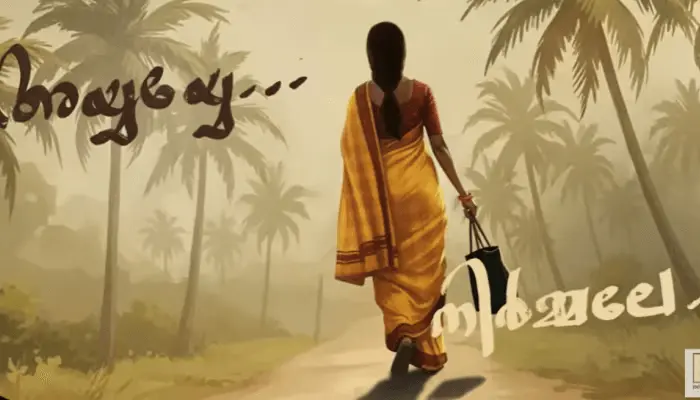
Avhitham Movie Poster

A Scandal in the Dark: How Avihitham Unfolds

One night in Ravaneshwaram, Kasaragod district, the local loafer Prakashan (Ranji Kankol) spots two people secretly making out. From a distance, he recognises the man as Vinod (Vineeth Chakyar), who works at a flour mill.

He can’t see the woman’s face because of the darkness. Since the act happens near the house of Nirmala (Vrinda Menon), who lives there with her daughter and mother-in-law while her husband Mukundan (Rakesh Ushar), a carpenter, is away at work, Prakashan assumes she must be the woman.

Avhitham Lyrical Song

What follows is an elaborate, supposedly foolproof plan by Prakashan and a group of men, including Nirmala’s husband and his family, to catch the lovers red-handed.

Avihitham’s treatment is similar to Senna’s previous flick Thinkalazhcha Nishchayam, but there, the climax hit hard, forcing us to introspect and empathise with the victims.

Here, due to weak writing and the absence of strong turning points, the audience may struggle to empathise with the secret lover or her choices. The flat narration and preachy, predictable dialogues at the end make it even weaker.

Characters That Speak Louder Than the Plot

Why someone enters an illicit affair is often reduced to a single reason — “the husband is not caring” — but I expected more nuance from a director like Senna Hegde.

That said, I liked how he wrote certain characters. For example, Tailor Venu concludes that the woman was Nirmala based purely on her body measurements, which he claims to calculate in darkness — cleverly echoing the opening line: “They weigh us, they measure us, and then they decide our worth.” Similarly, Prakashan’s voyeuristic pleasure and Mukundan’s blind trust in everyone except his wife add layers to the village dynamics. Senna builds the soul and core of Avihitham on a strong foundation, but the film loses its grip by the end.

Now, let me draw a parallel between Ore Kadal by Shyamaprasad and Avihitham. This might help explain why I find the climax of Avihitham more of a mockery than a solid, emotionally convincing moment.

(Read this only after watching Avihitham.)

The Climax That Missed Its Reflection

Senna Hegde is known for holding a mirror to small-town social structures with a dry, observational tone. But in this case, the way the film ends — with Geetha explaining her actions almost in a moral-preachy way — can feel like it’s trying to “justify” a personal choice that’s actually morally and socially complex.

Geetha is a housewife in Avihitham. She is married to Mahesh, a carpenter from a typical patriarchal community. He is a male chauvinist who believes women should obey and follow men. In their world, being expressive or caring is considered a sign of being “henpecked.” Geetha develops a love interest in Vinodh, a mill owner, and they begin meeting near the bathroom at night to have sex.

Director Senna Hegde justifies this relationship through Geetha’s dialogue in the climax, where she says Mahesh never cared about her feelings, never listened to her, and didn’t even allow her to watch her favourite TV serial. Vinodh, on the other hand, listened to her worries. In a preachy tone, the film ends with Geetha delivering a few lines explaining her actions — and then the story simply wraps up.

Why ‘Avihitham’ Climax Didn’t Work for Me

1. Patriarchal setup vs individual choice

Yes, Geetha’s husband Mahesh is portrayed as a classic patriarchal male, emotionally unavailable, controlling, and dismissive. That part is very real in many households.
But patriarchy doesn’t automatically justify infidelity.
What it explains is why she might feel suffocated, not why she must cheat.

The emotional neglect here sets the context, not the moral defence.

2. Emotional connection vs sexual escape

From what the film shows, Geetha’s relationship with Vinodh happens in secret, in a bathroom corner at night, repeatedly.
There’s no serious conversation between them on screen beyond her venting.

That clearly points to a physical and emotional outlet, but more heavily leaning on sexual release and escapism than a deep, emotionally meaningful connection.

So when the film suddenly ends with a “justifying” monologue, it feels like it’s trying to frame lust as liberation, which isn’t automatically valid or convincing.

3. Problem with preachy justification

A stronger script would have let the act speak for itself or shown its consequences, instead of Geetha explaining it in a moralising way.

When the movie uses her explanation as the final word, it:

  • Silences other perspectives (e.g. the betrayal involved, Mahesh’s flaws notwithstanding).
  • Flattens the complexity of such relationships into a “good vs bad” binary.
  • Feels emotionally manipulative to the audience, telling us what to feel, instead of letting us decide.

The film clearly wanted to keep Geetha’s identity as the “surprise” element, which is probably why Senna avoided showing her perspective or building parallel emotional layers around her character. 

But that choice comes at a cost, the climax ends up depending entirely on a preachy dialogue to justify her actions. If they didn’t want to reveal her directly, they could have still hinted at her emotional state through other female characters or parallel situations. That would have allowed the film to show the greyness of both characters and make the ending feel more earned and organic.

Orey Kadal’s Deepti vs Avihitham’s Geetha

Deepti’s Journey in Ore Kadal: Plot

Now let’s look at Ore Kadal, directed by Shyamaprasad and based on the Bengali novel Hirak Deepti by Sunil Gangopadhyay. Starring Mammootty as Nathan and Meera Jasmine as Deepti, the film explores how human desires and social realities often clash in messy, painful ways. 

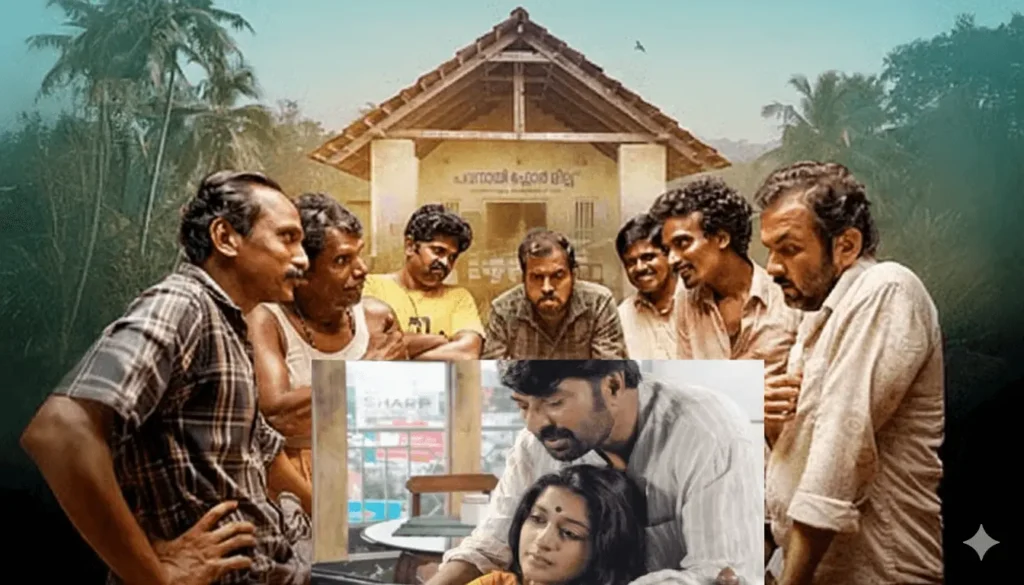
Orey Kadal Movie CharacterS

The story is about Deepti, a young housewife whose husband is struggling to make ends meet. Their life is full of financial stress and emotional distance. One day, she meets Nathan, an older social scientist who helps her during a tough moment. Slowly, their bond grows — but while Deepti starts to develop deep feelings, for Nathan it’s just a physical connection. This difference in how they see the relationship changes her life completely, pulling her into guilt, pain, and emotional turmoil.

This layered storytelling gives the film a quiet but powerful emotional weight, making it very convincing, even though Ore Kadal and Avihitham speak about similar themes in the end.

Avihitham vs Ore Kadal: A Question of Depth

1. Context vs depth

  • In Avihitham, Geetha’s affair with Vinod happens quickly, physically, in secrecy, and the script tries to justify it in one dialogue, framing it as “Mahesh didn’t care about me, but Vinod listened.”
    It simplifies a very complex human situation.
  • In Ore Kadal, Deepti’s relationship with Nathan is not just about physical desire. It begins with:
    • Economic and emotional vulnerability,
    • Intellectual awe,
    • Gradual internal transformation.

She doesn’t enter the relationship out of rebellion but is slowly pulled into a web of emotions, class dynamics, and personal longing.

This depth makes a huge difference in how we perceive her choices.

2. Character motivation

  • Geetha is reacting to her husband’s control and neglect. Her relationship is an escape, not an evolution.
    It is more lust and rebellion than layered love. Even the movie doesn’t give us more than a shallow justification.
  • Deepti is a woman crushed by economic dependence, class inferiority, and intellectual loneliness.

Nathan represents everything missing in her life: intellect, security, attention, and a kind of forbidden freedom.

Even when the relationship is exploitative in a subtle way, her emotional investment is genuine.

This is why you may felt empathy for Deepti but not for Geetha.

3. Filmmaking choices

  • Avihitham ends with a preachy justification, almost spoon-feeding the audience how to feel.
    It takes a moral stand: “she was right to do this because her husband was wrong.”
  • Ore Kadal does the opposite: it does not justify or condemn.
    It simply shows the consequences, love, guilt, loneliness, madness.
    It treats Deepti as a human being, not a symbol for rebellion or morality.

This subtlety gives viewers the space to think and feel.

4. Lust vs longing

  • In Avihitham, the relationship is framed around physical meetings in a corner at night. It never explores why she’s drawn to Vinod beyond “he listens.”
  • In Ore Kadal, Deepti’s longing for Nathan is shown through:
    • Her hesitation to meet him,
    • Her emotional dependency,
    • Her heartbreak when she realises he doesn’t love her.
      This isn’t just sexual, it’s a deep emotional entanglement.

This is why Deepti’s actions feel more tragic than immoral.

5. Why is my reaction different

I instinctively felt Geetha’s act was just about desire and rebellion, because the film gave me no real emotional bridge to her decision.
But I felt Deepti’s act was understandable, even if not “right,” because the film made me walk through her inner world step by step.

That’s the power of layered writing.

  • Avihitham: simplifies morality: “bad husband = justified affair.”
  • Ore Kadal: complicates morality: “broken woman → human desire → guilt, collapse, pain.”

I felt like Senna Hegde tries to explain; but Shyama Prasad reflects.

And that’s why Ore Kadal lingers in your head long after it ends, whereas Avihitham might leave a feeling of imbalance or superficiality.

Final Thoughts: Avihitham vs Orey Kadal

Now, I do agree, you can’t compare apples and oranges. You can’t put a black humour satire next to a complex, layered feature film. Yet, the reason I’m making this comparison is because of what I witnessed in the theatre. 

Many people were openly abusing Geetha’s character; some even shouted, “slap her!” That clearly shows whatever Senna Hegde was trying to communicate didn’t connect with a large part of the audience.

 If the intention was to create a mirror for society, then the writing needed to be more serious and layered. And that’s exactly where Ore Kadal becomes a good example. Avihitham is still running in theatres, while Ore Kadal is available to watch on YouTube, and both offer two very different ways of handling the same sensitive theme.

Lokah Chapter 1 (2025) Explained

So, you just finished watching Lokah: Chapter 1, and you might have questions. Who exactly are these immortals? Who is Dulquer, and what is he doing as a Ninja? And what’s with that surprise ARM–Maniyan connection at the end? This blog will walk you through the climax, explain the roles of Neeli, Chathan, and Odiyan, and highlight all the unanswered questions that set the stage for Chapter 2.

LOKAH CHAPTER 1 EXPLAINED

Lokah vs Minnal Murali: A Different Superhero Blueprint

We have Minnal Murali, our first superhero film from Mollywood. While Minnal Murali was a complete story about one hero’s origin, Lokah is designed as the first part of a larger film series. It introduces a new world and many characters to build a foundation for future stories.

Lokah: A Full Plot Summary (Spoilers)

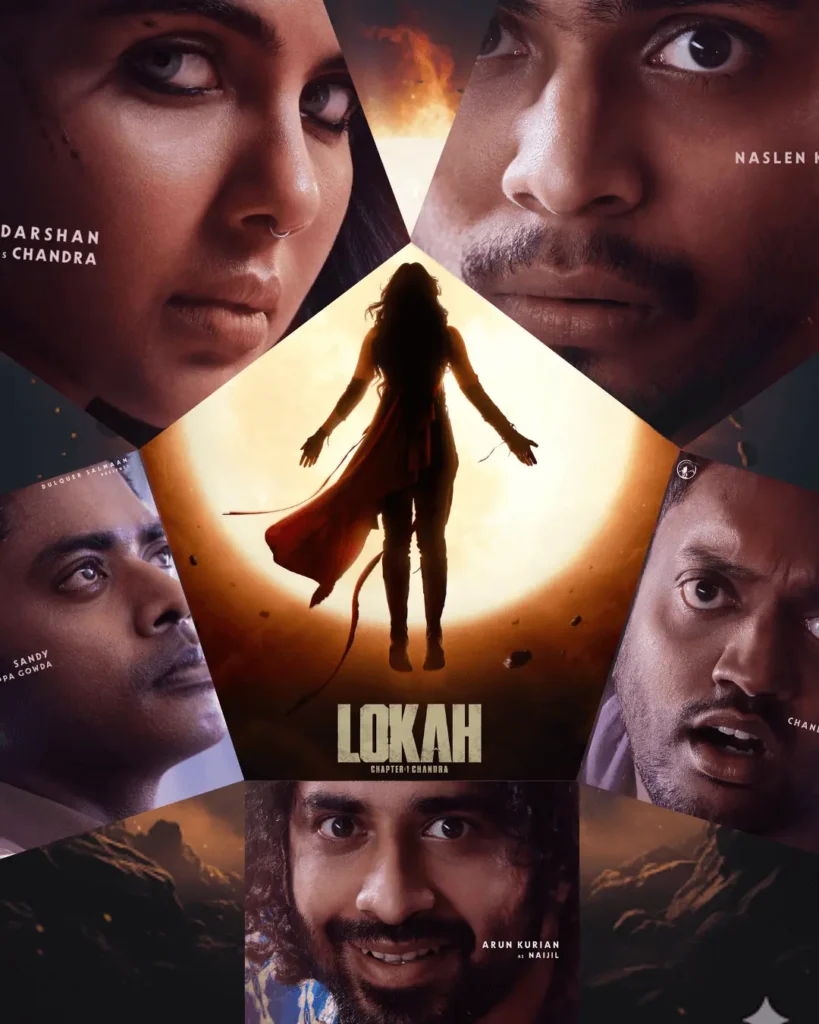
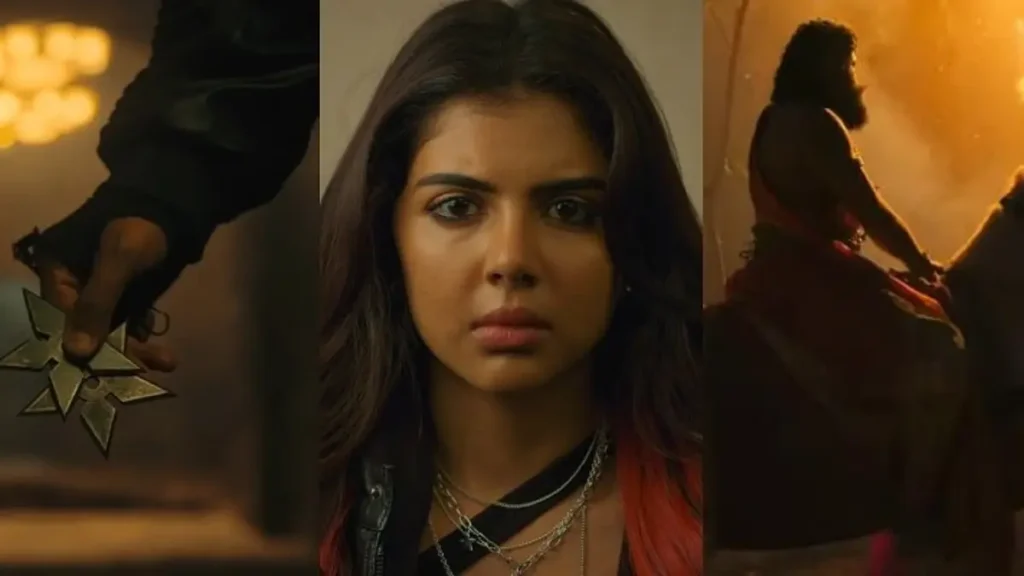
Nasleen as Sunny & Kalyani Priyadarshan as Chandrah (Neeli)

The story of Lokah Chapter 1: Chandra is an origin story that introduces the main character and her world.

  • The film is set in modern-day Bengaluru.
  • The central character is Chandra (Kalyani Priyadarshan), mysterious with a difficult past. She works night shifts at a café.
  • Living across from her are three unemployed men—Sunny (Naslen), Nijil (Arun Kurian), and Venu (Chandu Salimkumar). They notice her strange behaviour. Sunny develops a crush and curiosity about her.
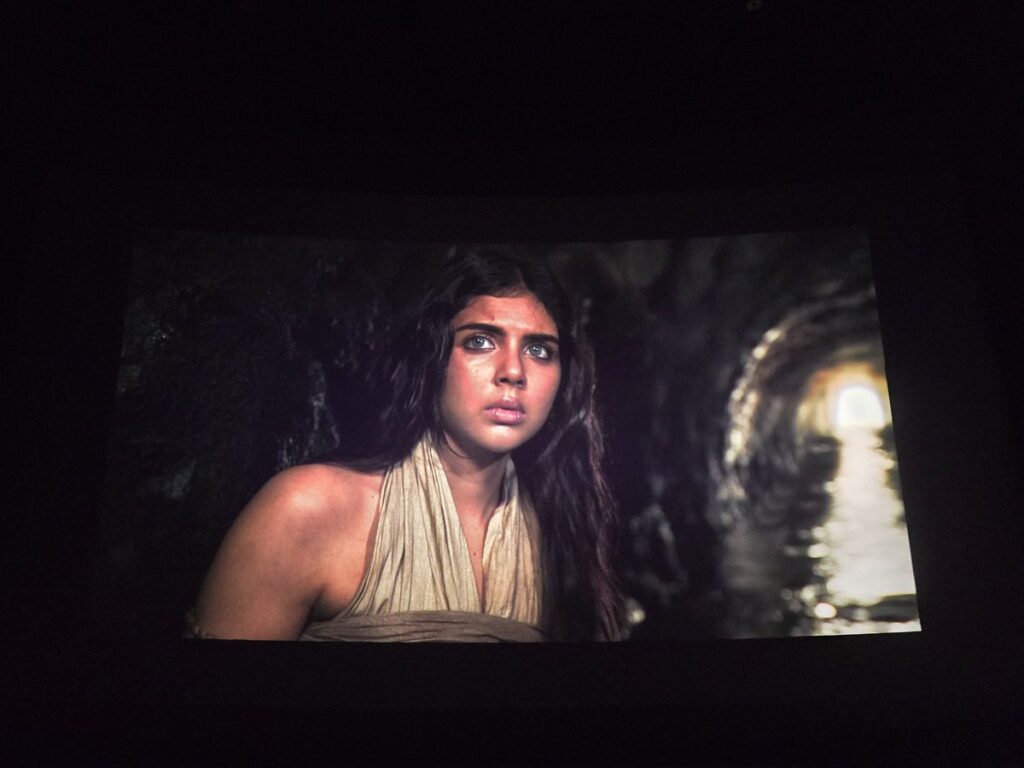
  • Chandra is revealed as a Yakshi called Kalliyankattu Neeli, inspired by Kerala folklore. In the myths, Neeli terrorised Panchavankadu and was impaled by Kadamattathu Kathanar.
  • In Lokah, Kathanar (Sunny Wayne) once impaled Neeli, but later he liberated her after realising she was a good spirit who was fighting against evil men. In modern times, his descendants run a secret hotel in Bengaluru where immortals gather. They are controlled by a supreme power called Moothon, whose identity remains unrevealed.
  • The conflict begins when Chandra’s co-worker is threatened by an organ trafficking gang. She steps in, revealing her superhuman powers.

Later, the director reveals glimpses of many other immortals—like Chathans, Tovino in the form of a magician in Bengaluru, and Dulquer Salmaan is playing the character of Odiyan (Ninja fighter).

Analysis of the Screenplay

The screenplay for Lokah was written by the director, Dominic Arun, with additional screenplay and dramaturgy by actress and writer Santhy Balachandran.

In 2017, when Tharangam came out, I thoroughly enjoyed it because of its narrative style and black humour. Even his short film Mrithyumjayam (a noir short film) worked for me.

Dominic Arun’s First Short Film

What went wrong with Tharangam was its racy screenplay and intricate plot that used non-linear sequences, animation, and split screens to create a dynamic viewing experience. But many felt it was too overwhelming and complex.

In Lokah, the film’s main plot is very simple. I felt the story did not have enough complexity. The script focuses more on introducing the world of Lokah and its many characters than on telling a complicated, self-contained story. This focus on world-building is a key part of its design as the first chapter of a franchise.

Moothon Glimpse from Lokah

Santhy Balachandran’s contribution to the screenplay is significant. Her work on dramaturgy suggests she helped shape the story’s structure and its mythological themes, ensuring the folklore elements were woven into the modern superhero narrative in a meaningful way. Her views on a patriarchal society are also layered in Lokah.

Santhy Balachandran in Lokah

How Lokah Uses the Superhero Formula

Superhero films typically follow the hero’s journey. Let me explain that  with my favourite superhero Batman:

  • Origin and Backstory – Bruce Wayne witnesses his parents’ murder.
  • Call to Action – He decides Gotham needs a protector.
  • Training or Preparation – Learns combat and stealth from the League of Shadows.
  • Initial Confrontation (Setback) – Faces Joker but suffers losses like Rachel’s death.
  • Low Point / Dark Moment – Bane breaks him and Gotham falls.
  • Final Battle and Transformation – Returns, defeats Bane, and finds a life beyond Batman.

Lokah follows a similar structure, but with non-linear narration.

Is Chandrah a Vampire? Why is she Immortal?

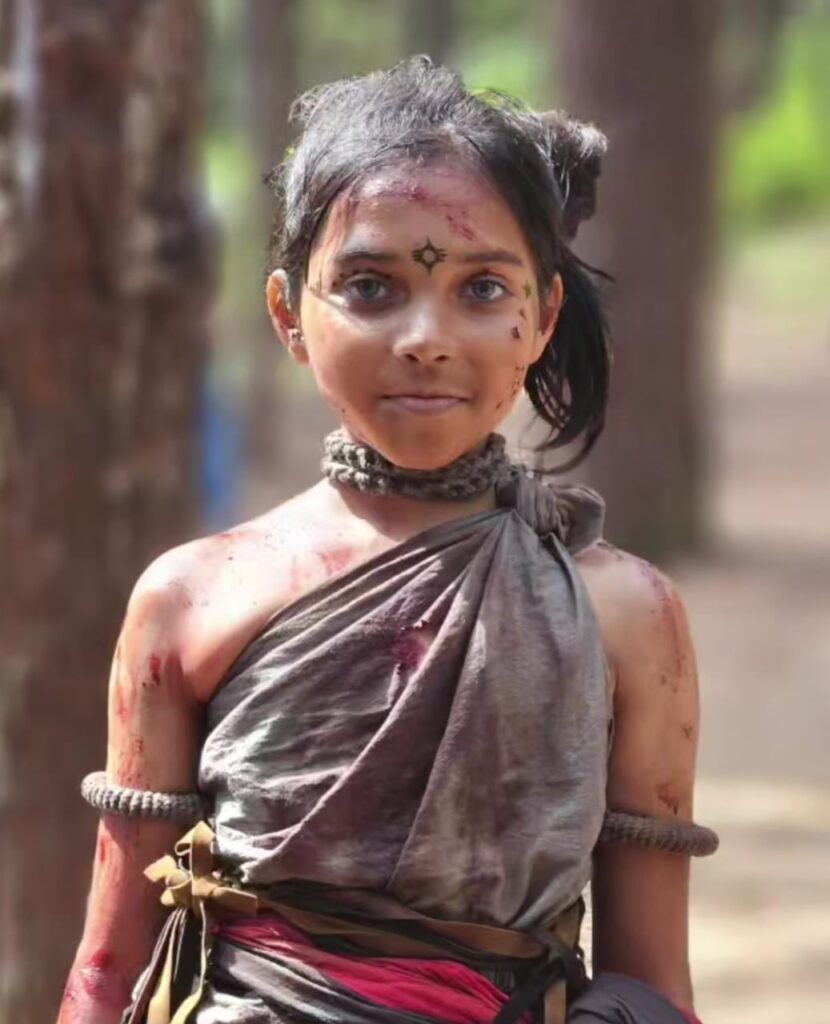
Chandra, as a child, was infected with a mysterious virus. She became a Yakshi, called Neeli. This is inspired by Aithihyamala, where Kalliyankattu Neeli was a Yakshi eventually liberated by a priest called Kadamattathu Kathanar.

But Santhy gives an alternate ending here: Neeli was not evil. Kathanar gave her freedom to do good, and she continued fighting evils across centuries, living on as an immortal.

Now in Bengaluru, she keeps a low profile and works night shifts. This is clearly inspired by vampire stories (Even chandra’s super speed is inspired from MCU Quick silver effect)—where someone bitten also becomes a vampire, avoiding sunlight as they age.

If you notice, during the Kiliye Kiliye song, Chandra enters Sunny’s house only after he invites her inside. This is just like the scenes in Sinners, where vampires can enter a home only if they’re given permission. That’s another hint that Chandra is actually a vampire.

People might ask: Why doesn’t Kalyani look old even after hundreds of years? The same reason—Santhy and Dominic Arun are portraying Kalyani’s character, Chandra, as a vampire-like immortal who was infected by a virus. Vampires reach maturity faster and then stop ageing.

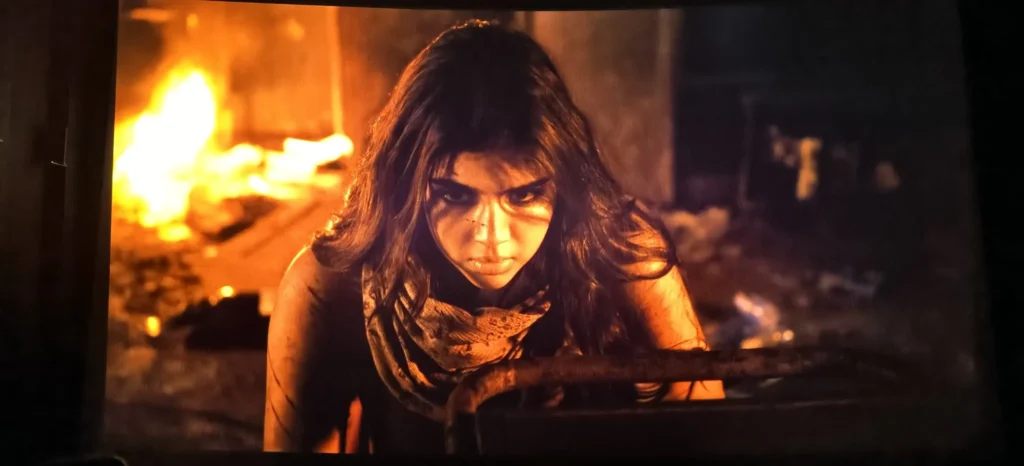
She confronts an organ trafficking gang. The editing by Chaman Chacko is brilliant here, along with the narrative style. A grandfather (played by Vijayaraghavan) tells the story of how a little girl became a Yakshi and fought against mercenaries of an evil king, while in parallel, the director shows us modern-day Neeli, aka Chandra, fighting against organ traffickers.

So the rise of Chandrah in the modern day and past is presented in parallel. It answers, how she became a vampire.

Who is the Goddess in the Cave

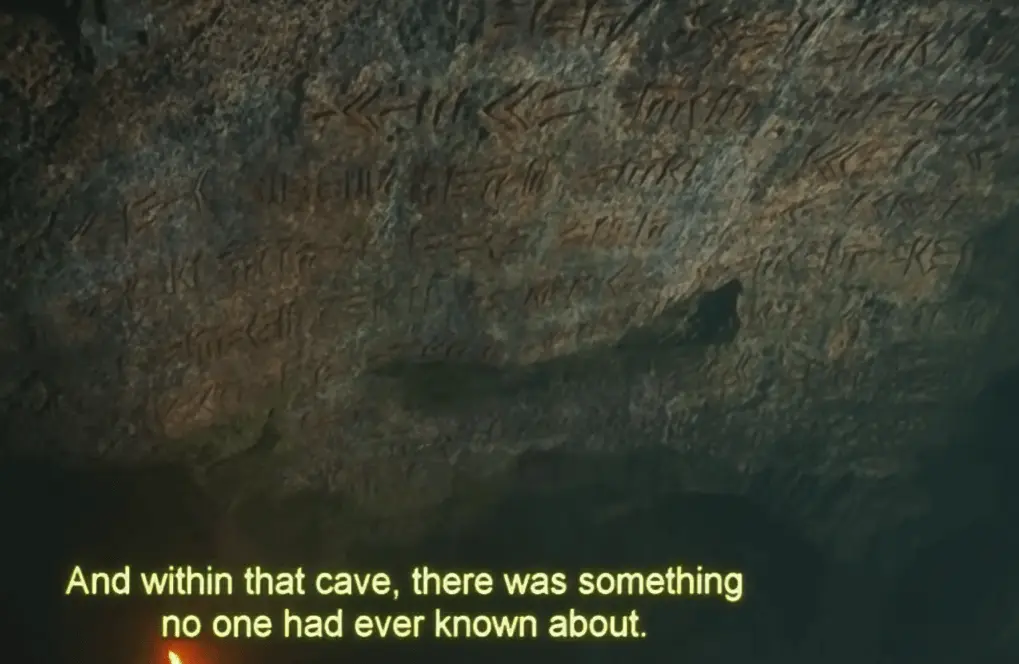
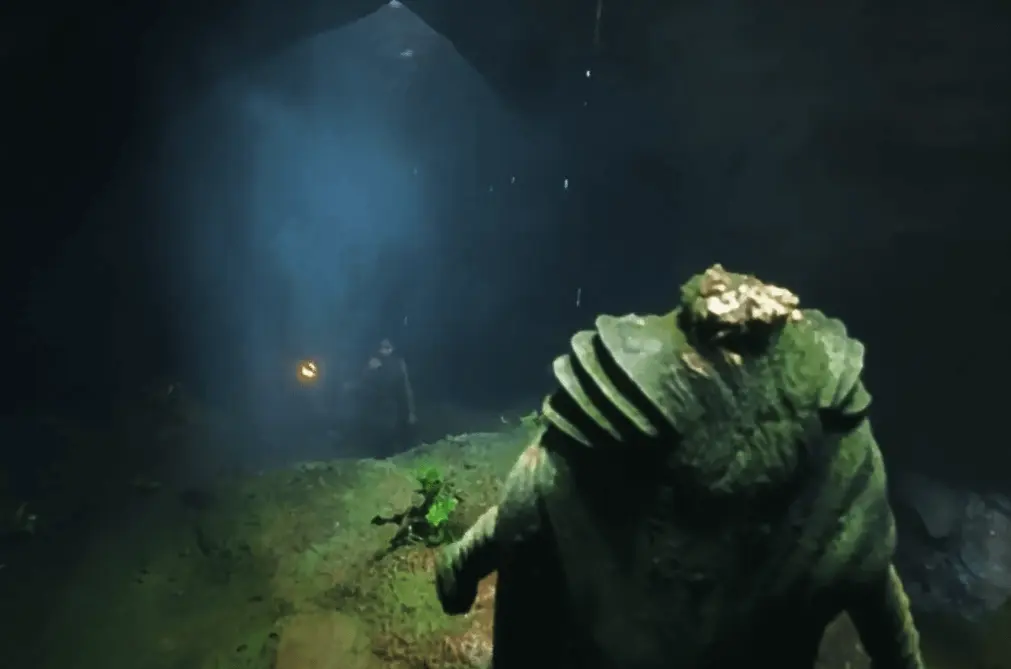
While explaining the flashback, we see child Neeli looking at a cuneiform text — the wedge-shaped script of ancient Mesopotamia — carved inside the cave.

This links the beheaded idol that Neeli sees to Ishtar, the Mesopotamian goddess.

14 Immortals & They Live Among Us Book

Vijayaraghavan’s character Daniel is revealed to be the author of the book They Live Among Us. He is researching 14 immortals who live among us. These include Maadan, Marutha (likely played by Santhy Balachandran or Ahana Krishna, since Marutha is a female spirit), Chathan (Tovino), Yakshi (Kalyani), Odiyan (Dulquer), and possibly Bhootham/Jinn (Soubin). This is my assumption, based on Aithihyamala.

Lokah Ending Explained: The Final Battle & Post-Credit Scenes

In the end, Neeli, aka Chandra, kills the villain. Like in old myths, immortals have a weak point—the heart. This mirrors how Kathanar once tied Neeli in the past, piercing a holy knife into her heart.

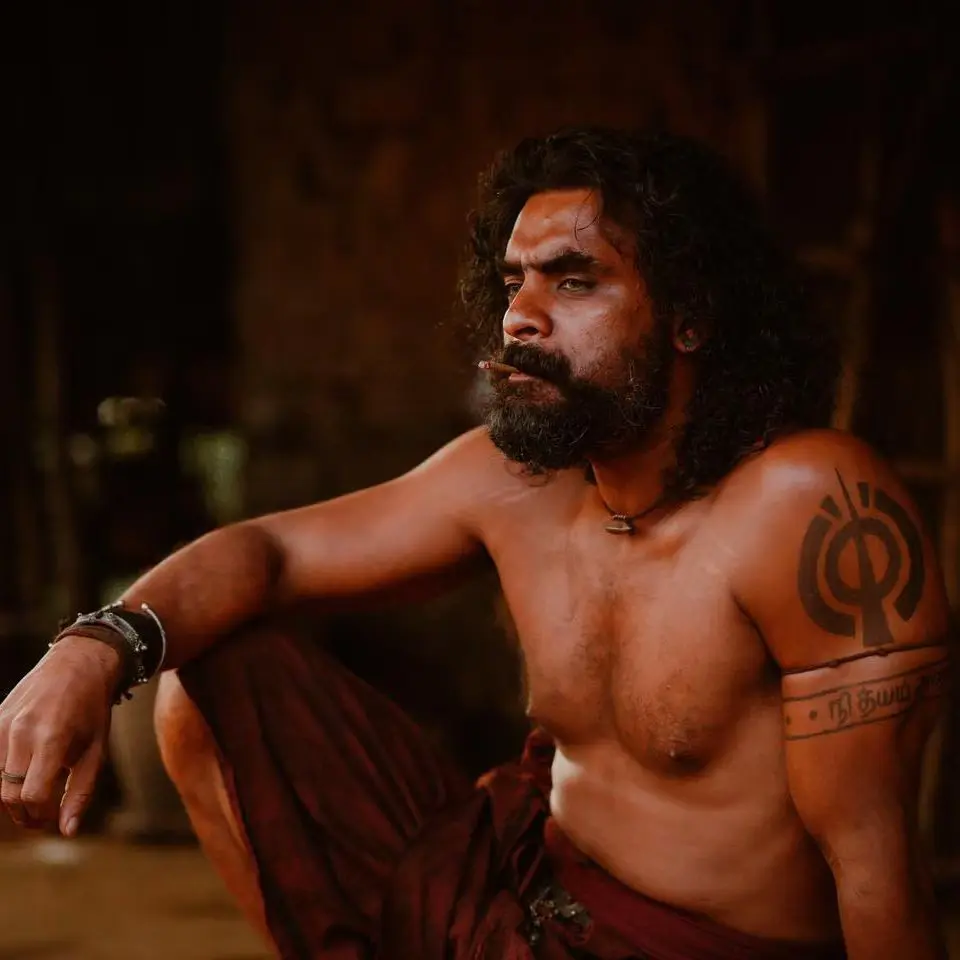
After that, we see Odiyan (Dulquer) killing a few gangsters at the hotel. Chronologically, this happens before Kalyani’s fight at the same hotel. Then we get Tovino’s character, Chathan, asking someone how he managed to find him. The reply is about a viral video, where Tovino—as a magician—performed the trick of tying a shoelace in Bengaluru.

Now if we look back, in the very beginning, Naslen’s character talks about this: “I am trying to tie my shoelace the way that magician did.” That line connects directly to Chathan’s reveal.

Then, the Guest (played by Vijay Menon) asks Chathan about a picture he received from some architects who explored a cave. The picture looks exactly like Tovino. Chathan explains that there might be nearly 389 Chathans in the world who look exactly the same as him.

And here comes the real connection in the second post credit scene: we are shown Maniyan’s picture (from the film ARM, where Tovino played a mysterious character named Maniyan).

Now it all ties together — Maniyan mostly lived in caves, and his death was mysterious. Maniyan moves fast, and we can see his magical powers, so it’s fair to assume he might be a form of Karimkutty Chathan or Theekkutti Chathan.

Maniyan Character from ARM

That’s where the movie ends, leaving us with the hint that Maniyan could also be one of these Chathans.

How Maniyan( ARM) Can Be A Chathan

As per mythology and folklore, when Lord Shiva and Parvati disguised themselves as Valluvan and Valluvathi, they had two children named Karuval(Goddess) and Kuttichathan. Another story says Lord Shiva’s encounter with a beautiful forest woman named Koolivaka led to the birth of Vishnumaya Kuttichathan.

So, in all popular stories, Kuttichathan is essentially a form of Shiva. Now, if you look at the Bhairava song in ARM, the entire song is about dualism. In Hindu mythology, Bhairava is Shiva’s most wrathful form.

That connection makes the logic correct: the makers can absolutely bring Maniyan into the world of Lokah. And if they do, it would be a powerful addition to the universe.

But the real question is this: if Maniyan is indeed a Chathan, will Listin Stephen (the producer of ARM) agree to make Maniyan part of the Lokah universe?

Cultural Innovation: Kerala’s Myths in a Superhero Template

This shows that the film relies heavily on the conventional superhero template for its plot progression, choosing not to innovate structurally.

But Lokah’s innovation is not structural or deconstructive—it is cultural. The film does not parody the superhero genre or fundamentally question the morality of its hero. Instead, its main contribution is cultural transposition.

It takes the largely American superhero template, adds vampire-like features, and grounds it in a specific non-Western mythological framework: the folklore of Kerala.

The central premise of the film—that immortal beings from these legends exist in today’s world—is summed up in one idea: They live among us.

And I’m happy this is not another poor imitation of a Hollywood superhero or vampire movie sprinkled with Sanskrit verses (which is mostly what Tollywood does).

The Immortals Explained: Who Are They?

Chandra = Kalliyankattu Neeli.

Chathan = Tovino’s Kuttichathan is a mischievous but powerful spirit. Some myths say that when Kuttichathan was killed and his body torn apart, every piece became a new Chathan. This explains why there are hundreds of Chathans. Karim Kuttichathan, Vishnumaya Kuttichathan, Pulakkutti Chathan, Neerkkutti Chathan and Theekkutti Chathan are the prominet ones.

Odiyan = Dulquer’s shape-shifting assassin. Odiyans were fighters. Their primary method was assassination through fear. The source of an Odiyan’s power came from a secret and gruesome ritual that created a magical oil called Pilla Thailam (literally, “child oil”).

Possibly others: Maadan, Marutha, Bhootham/Jinn.

Together, they form a clandestine immortal society that has lived among us for centuries.

Daniel’s Secret Motive (Fan Theory)

Vijayaraghavan’s Daniel is introduced as the author of They Live Among Us, writing under the pen name Joseph Dominic. At first, he looks like a researcher documenting immortals, but his actions raise bigger questions. Why does he meet Nachiappa, the infected police officer? He collect his blood, why? Why he is doing this research?

One possible theory is that Daniel’s obsession is personal, not academic. We see hints that his granddaughter suffers from a chronic illness. If true, Daniel’s entire research may not be about revealing immortals to the world — it’s about finding a cure.

If Lokah explores this, Daniel could become one of the most morally complex characters in the universe. A grandfather trying to save his family at any cost, even if it means reviving antagonists, experimenting with immortal blood, or breaking the balance between good and evil.

And if Moothon’s control is already pulling strings, maybe Daniel isn’t just researching — maybe he’s unknowingly working for the antagonists. That twist would make him less of a mentor figure and more of a tragic player caught between love for his granddaughter and manipulation by a greater power.

Too many Questions For Lokah Chapter 2

The ending leaves us with more questions than answers. If Maniyan is really one of the 300 Chathans, what does that mean for the larger Lokah universe? 

Who is Moothon? How many more immortals are hiding in plain sight? What was the mission Kalyani was trying to accomplish in the opening scene? Who is Ishthar?

Read About Moothon and his Link between Mesopotamian Dieties Here.

Is the organ trafficking gang leader Gajendran a reincarnation of the old evil king, since they look the same? 

Nishanth Sagar’s character Prakash says, “Even you are a daughter to Moothon!!”—what does that mean? Why did Neeli have to come to Bengaluru in the first place, and what was her motive? 

Did she already know about Gajendran’s organ trafficking and plan to kill him? And why is Dulquer’s Odiyan killing so many gangsters at the hotel?

These are questions that Lokah Chapter 1 doesn’t answer—but maybe it doesn’t need to. For now, it has given us Neeli, Chathan, and Odiyan. The rest of the story waits in the shadows.

For More Reviews and Analysis: click here

Su From So (2025) review: A 5-Star Film From Kannada

Su From So, directed by debutant J. P. Thuminad, is my favourite film of 2025 so far. Entertainment, art, aesthetics, writing, music, performances — I don’t even know which topic to start with. Every part of the film is top-notch.

I went to Sumathi Valavu expecting a clean horror-comedy but was disappointed by its cringe-fest. For Su From So, I walked in without even watching a trailer — and what a refreshing, fun ride it turned out to be!

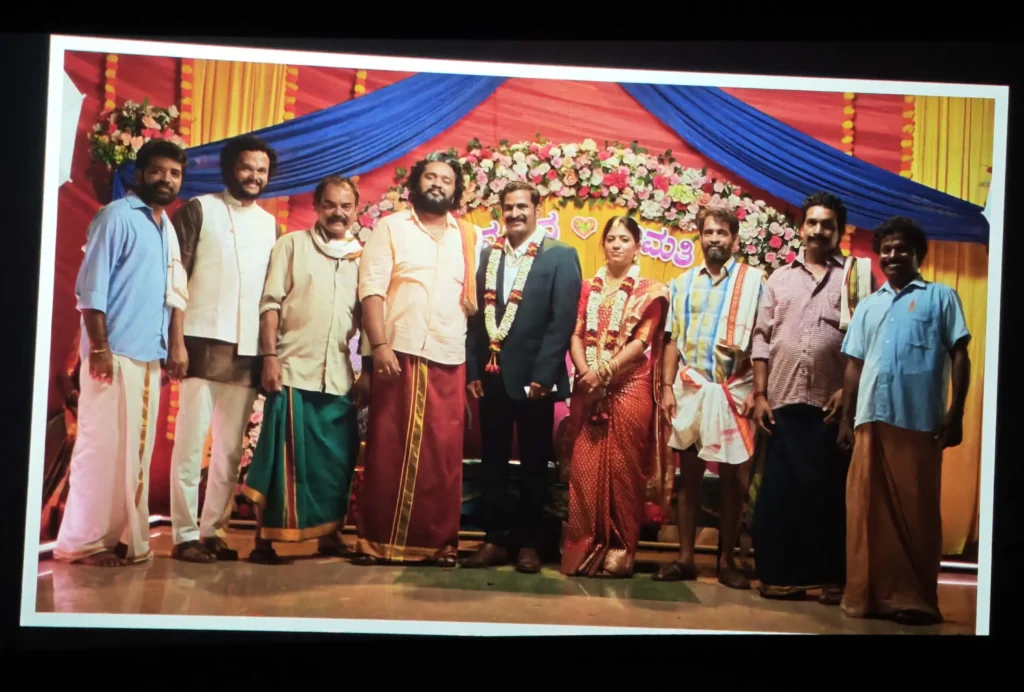
A shot from Su From So - marriage scene
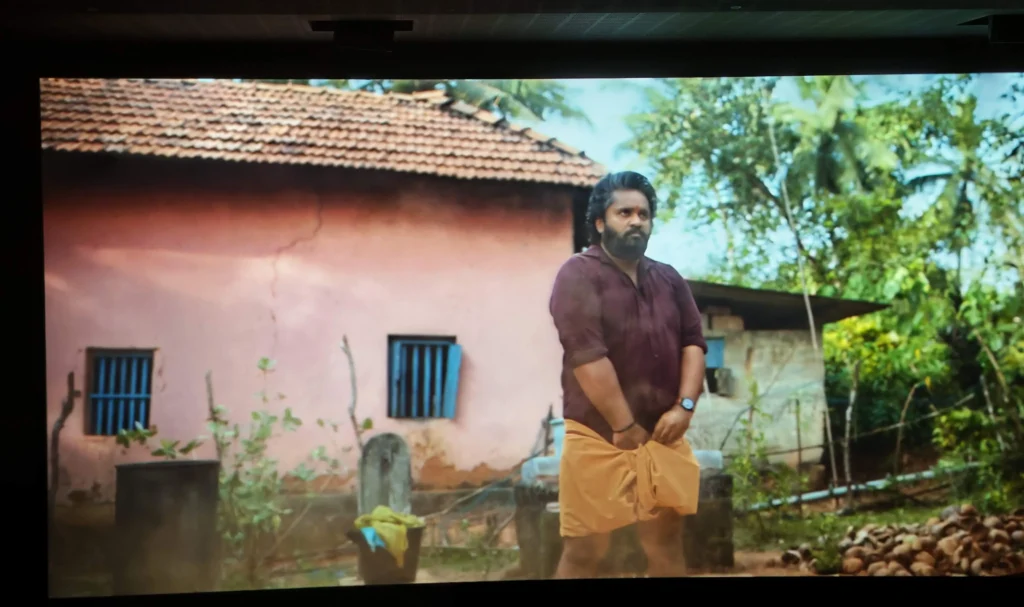
A shot from Su From So

The story takes place in a rural Karnataka village. Ravi Anna, a bachelor in his 40s, is the go-to person in the village, like our Lalettan in Balettan— even 50-year-olds respectfully call him Ravi Anna. Everyone looks up to him. Then there’s Ashoka, a painter who spends more time flirting and indulging in voyeurism. The film introduces a colourful range of characters surrounding these two.

The village believes that Ashoka is possessed by a ghost named Sulochana from Someshwara. What follows is a series of chaotic events, and the movie explores how the village reacts and tries to deal with it.

What stood out for me: The Writing

The most brilliant part of the film is its writing. It follows a cascading structure — chaos leading to more chaos — but everything is beautifully interconnected.

The director introduces all the characters through two village functions. The first function helps establish the cultural and spiritual beliefs of the village. A death is announced, the entire village community gathers for the rituals. That’s where the first spark flies — a subtle friction between Ravi Anna and Ashoka.

 Shaneel Gautham as Ravi Anna
Shaneel Gautham as Ravi Anna

In the second function, more characters are introduced. Then comes the big moment — Ashoka gets possessed. Once again, the director cleverly plants another trigger between Ravi and Ashoka, further deepening the chaos around the ghost and the possession.

Each event naturally flows into the next. Nothing feels forced. Every scene, every character matters. For example, there’s a dream sequence involving Ashoka’s sister. At first, it seemed like a typical horror filler, but later, it became crucial to another chain of events. That kind of thoughtful storytelling is rare. That’s what I like the most: everything & everyone is there for a reason.

Character Consistency & Detailing

One thing every screenwriter should learn from this film is how to write side characters with depth. Most films use them as fillers, but in Su From So, each character has a clear signature, a pattern of behaviour.

Take Prakash Thuminad’s character, Chandra, for example. He’s someone who enjoys the little things in life. He’s excited by experiences. In one scene, he carefully unties a chip packet because he doesn’t want to break it, he wants to enjoy it as it is. In another, he insists on having his glass filled to the brim, so he can sip it properly. He chooses orange soda over regular ones. These moments are funny, but they also make you feel like you’re watching a real person, not a character in the film. This is how films make you believe that you are seeing Auto Driver Chandra from a rural village in Karnataka, not an actor Prakash Thuminad.

Whether it’s Deepak Rai Panaje as Sathisha, Pushparaj Bolar as Bhaava, or especially Shaneel Gautham as Ravi Anna, each actor fully owns their character. Writing of Su From So helped them to leave a signature with his crafting.

Emotional Core without Melodrama

With a horror-comedy like this, it’s easy to turn the film into a series of laughs or scares. But what makes Su From So special is the emotional thread running through it. Without this layer, it would’ve felt like just another horror-comedy skit. But J. P. Thuminad ties the chaos to a meaningful message at the end — and that’s what makes the story stay with you.

The film makes you laugh, it startles you, it makes you whistle — and yes, maybe even shed a tear.

Sandhya Arakere and Raj B Shetty

Initially, I felt the women in the film were just filling space. But halfway through, Sandhya Arakere enters with a powerful character, and from that point, the film shifts its lens. Just like K. G. George explored the dark realities of village life in Kolangal (1981), Thuminad breaks the myth of “village innocence” and sheds light on domestic violence, abuses and privacy violations. That layer of social commentary is handled with subtlety and class.

Music & Sound: Elevations at its Peak

The music and sound mixing are another highlight. Whether it’s a celebration, a scare, or a fight — the score enhances every mood. Sumedh K and Sandeep Thulasidas (who composed the background score) deserve a standing ovation. Right from the opening frame, the audio experience pulls you into the world of Su From So.

Poster Su From So
Poster Su From So

Final Thoughts

I don’t even know how to describe the performances. Every actor, including Raj B. Shetty (who also co-produced the film), delivers with soul. Whatever J. P. Thuminad wrote, the actors brought to life with depth and honesty. The whole film feels fresh — a new kind of cinema that’s both intelligent and entertaining.

Even the poster design is beautiful and innovative. That sense of originality and detail continues till the final frame.

Su From So — 5/5.
Must-watch.