If you’ve seen Rahul Sadasivan’s Dies Irae, you know it’s not your usual horror movie. It doesn’t give you answers, it asks you to question. You come home, and the silence feels a little heavier. Here we are decoding the unanswered questions and symbols from Dies Irae..
Dies Irae is a story built on guilt, obsession, and the ghosts we create inside our own heads. Spoiler Alert: We will be explaining the entire movie, including the ending.
The Story: A Rich Brat, a Ghosted Girl, and a Stolen Hair Clip
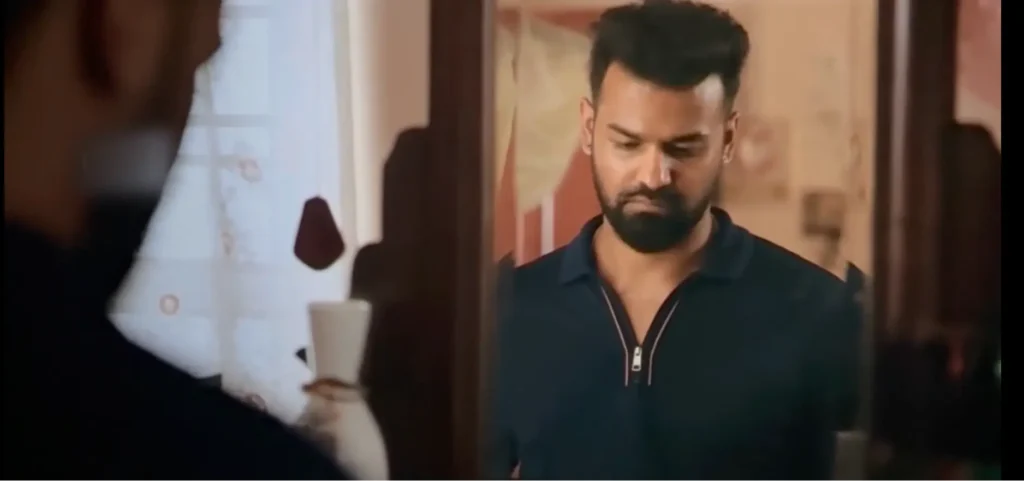
We meet Rohan (Pranav Mohanlal), a rich, self-absorbed guy living in a huge, empty mansion. He has everything — money, parties, friends — but cares about very little. His life is easy.
Then he hears about Kani (Sushmitha Bhat), a former classmate who has died by suicide. They had a brief fling, and he ghosted her. He gets a little worried. Did she leave a note? Could he be in trouble?
He goes to her house, not really to pay respects, but to check for anything that might incriminate him. While there, he sees her hair clips. He picks one up and takes it home.
It’s a small, thoughtless act. But it’s the mistake that unleashes hell.
The Haunting: Who is the Real Ghost?
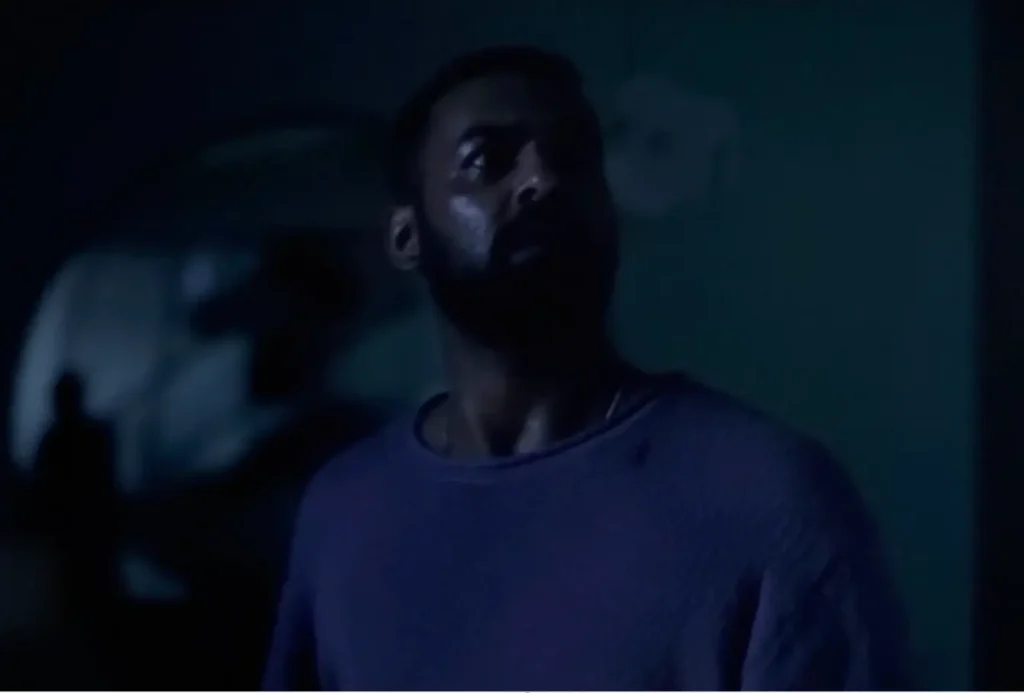
Back in his mansion, strange things start happening. Rohan feels someone in his bed. He sees a dent in the mattress next to him. His hair is gently caressed, just like Kani used to do. And then there’s the sound — the faint, chilling jingle of anklets (chilanka).
At first, Rohan thinks it’s Kani. It makes sense, right? He wronged her, and now she’s back for revenge. But the haunting gets more violent. He is dragged, thrown, and attacked. This doesn’t feel like Kani.
This is where the film plays its first trick on you. As many fans on Reddit correctly pointed out, there isn’t one ghost in this story. There are two.
1 The Gentle Ghost: The one that caresses his hair. The one that feels like a sad memory. That’s Kani.
2 The Violent Ghost: The one that attacks him and Kani’s brother, Kiran. This is someone else entirely.
Rohan finally sees this violent spirit — a thin, terrifying man wearing the anklets. The mystery deepens. If it’s not Kani, then who is it? And why is he here?
The Investigation: Uncovering a Story of Obsession and Black Magic
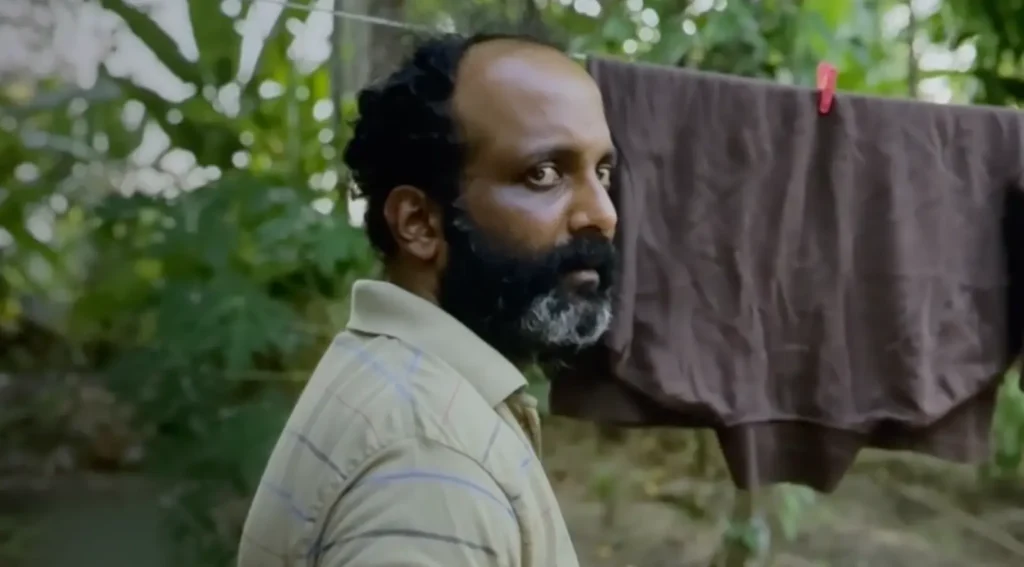
Rohan, terrified, seeks help from Madhusudhanan (Gibin Gopinath), a contractor who has prophetic visions. Together, they dig into the mystery. They learn that Kani’s anklets are also missing. The ghost must be connected to both the hair clip and the anklets.
Their search leads them to a man named Philip — a quiet, strange man who was obsessed with Kani. He used to stare at her from a distance, but never had the courage to speak.
But the final piece of the puzzle is the most disturbing. Philip is the son of Elsamma (Jaya Kurup), the old woman who used to work as a domestic help in Kani’s house. And Philip is dead.
The Horrifying Truth: A Mother’s Love Turned Monstrous
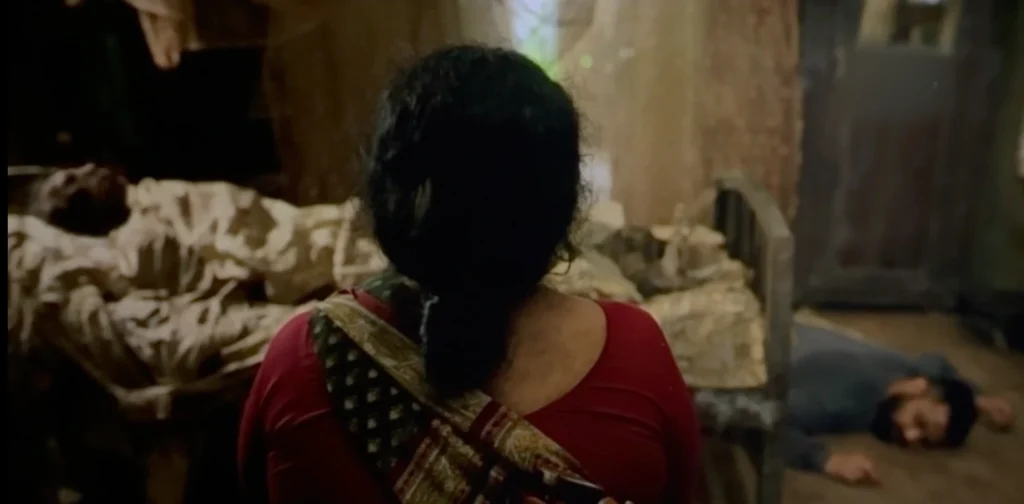
Here is the full, dark story that Rohan and Madhusudhanan uncover:
Philip was dying of cancer. His mother, Elsamma, was heartbroken. Her prayers to God went unanswered, so she turned to a darker path. She decided that death would not be the end for her son.
Using her access to Kani’s home, she stole Kani’s belongings — her hair clip, her anklets. She performed black magic rituals to tie her son’s spirit to these objects. Her twisted idea was that if Philip couldn’t have Kani in life, he would be bound to her in death.
When Philip died, his mother didn’t bury him. She kept his decomposing body in a hidden room in her tiny, old house, with Kani’s anklets fused to his decaying feet. She was feeding a demon born from a mother’s desperate, monstrous love.
When Rohan took that hair clip, he didn’t just take an object. He took a cursed anchor, inviting Philip’s violent, obsessive spirit into his home.
The Climax: Fire, Wrath, and a Severed Leg
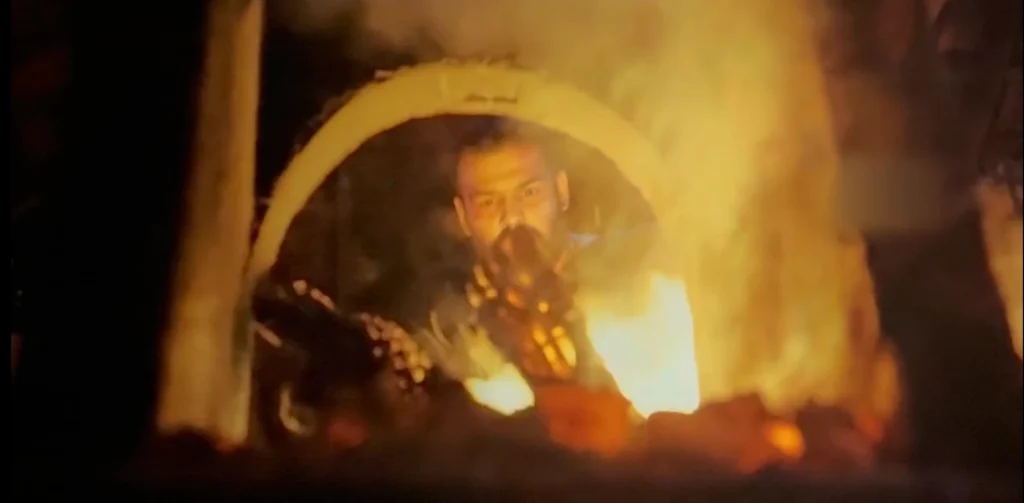
The final confrontation is pure chaos. Rohan and Madhusudhanan find Philip’s corpse. Elsamma, completely unhinged, attacks them with an axe. The corpse itself seems to come alive.
They realize they need to destroy the anklets to break the curse. But the anklets won’t come off the decomposed body. In a moment of desperation, Rohan cuts off the corpse’s leg, anklets and all, and throws it into a fire.
The spirit of Philip is banished in a blaze of fire and rage. The house burns down. It seems over.
The Ending Explained: You Can’t Escape Your Ghosts
The film is not just a simple revenge story. It’s a story of two very different kinds of hauntings happening at the same time.
Why Rohan Helped Elsamma?
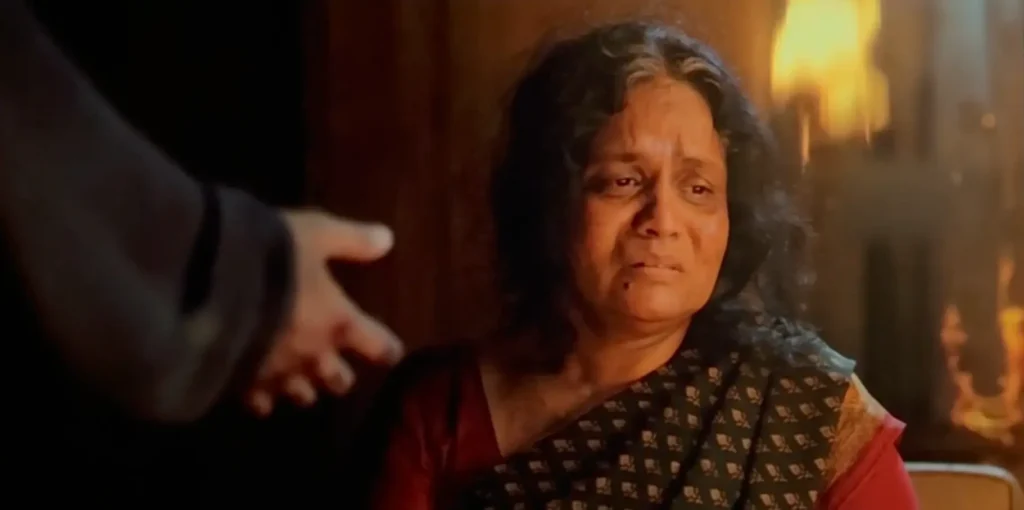
Look at Elsamma (Jaya Kurup), Philip’s mother. She was a mother broken by grief. Her actions weren’t driven by logic, but by a desperate, maddening love for her dying son. She performed black magic and hid a corpse not because she was a monster, but because she couldn’t let her son go.
This is what makes her character so terrifying. She is both a villain and a victim. Her love is what creates the monster. She is a perfect example of how the film uses human emotion — not supernatural evil — as the true source of its horror.
This understanding is what makes Rohan help her in the end. There we see a helpless mother, and a matured Rohan.
Is Kani’s Ghost Still haunting Rohan?
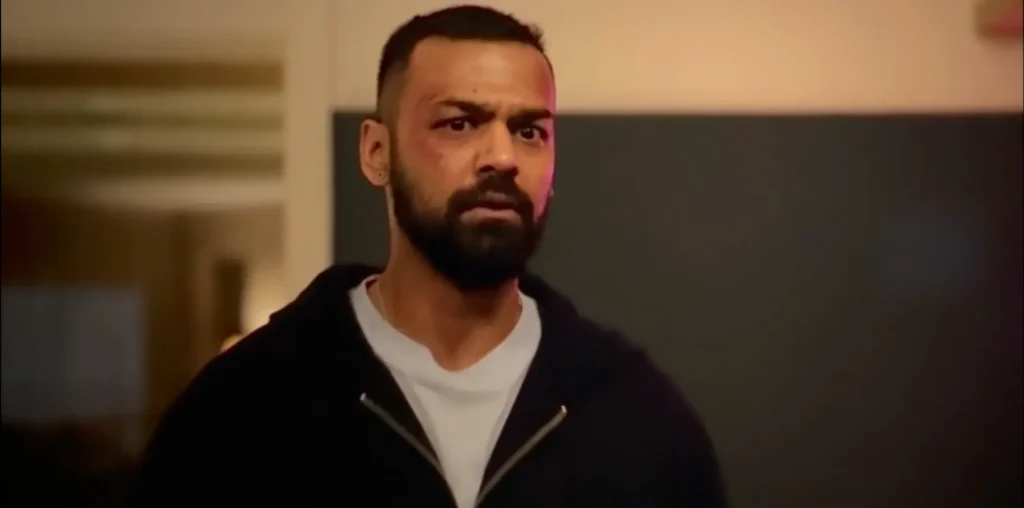
This is the final, chilling twist of Dies Irae. Rohan escaped Philip, the ghost of obsession. But he can’t escape Kani, the ghost of his own guilt. He abandoned her, and that is a debt he now has to pay. The film ends with his scream of terror, realizing his haunting has only just begun.
Dies Irae means “Day of Wrath” in Latin. It’s about a final judgment. But in this film, the judgment doesn’t come from God. It comes from the people we hurt.
The true horror of Dies Irae is not the supernatural. It’s the idea that our actions create their own ghosts. And some ghosts don’t want to hurt you. They just want to sit with you, forever, to make sure you never forget.
So in the end, the film doesn’t ask us to forgive Rohan. It asks us to watch him face the consequences of his actions. And that’s what makes the horror so effective. We’ve all been Rohan at some point. We’ve all hurt someone and moved on without looking back. Dies Irae forces us to imagine what it would be like if we couldn’t move on. If the person we hurt came back and sat with us, forever.
The Unanswered Question: Why Was Kiran Attacked?
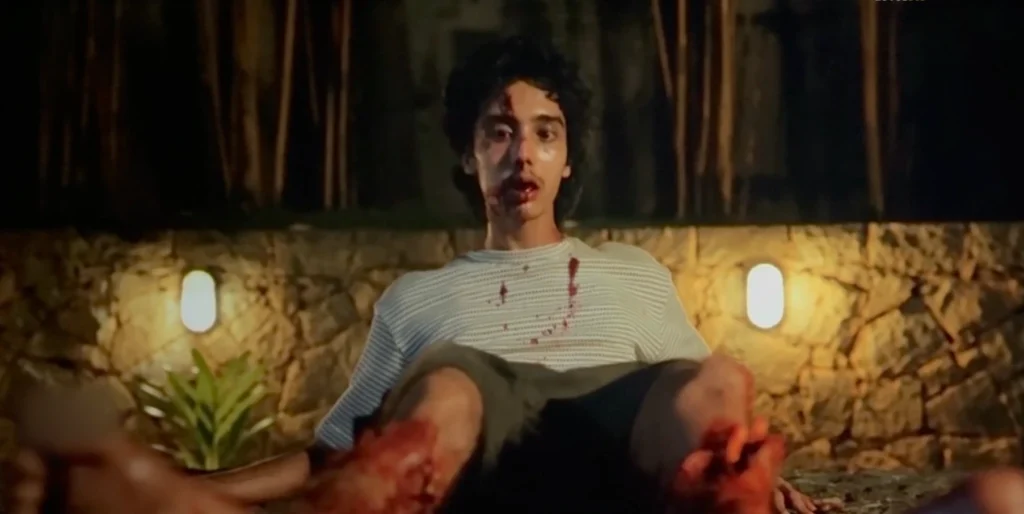
The movie never tells us why Philip’s ghost violently attacks Kani’s brother, Kiran..
Was Kiran secretly involved in Kani’s death? Did he do something to her? The film gives us no proof, but the attack feels too personal to be random. Philip’s ghost is focused. He attacks Rohan, the man who had a relationship with Kani. So why Kiran?
One theory is that Philip’s obsessive spirit was jealous of everyone in Kani’s life, including her own family. He wanted to possess her completely, and anyone who was close to her was a threat.
Another, darker theory can be that Kiran’s grief was complicated. Maybe he felt guilty about not protecting his sister, or maybe there was a family secret we never learn about. The ghost’s attack could be a punishment for something we, the audience, are not allowed to see.
The film’s refusal to answer this question is what makes it so brilliant. It leaves a space for us to wonder, to debate, and to feel uneasy. The horror isn’t in the answer; it’s in the not knowing.
The Chilanka and the Hair Clip: Cursed Objects or Emotional Anchors?
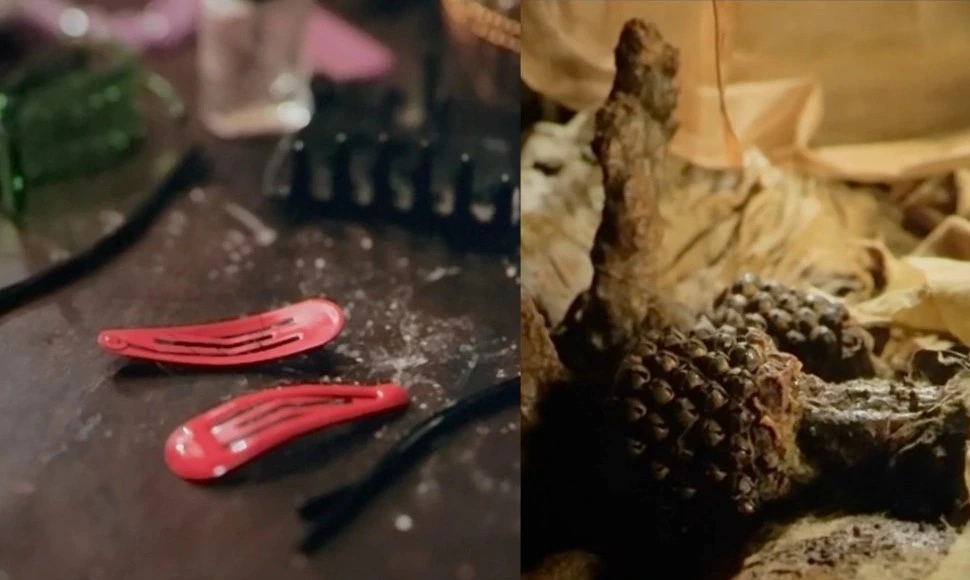
Small details often hold the biggest clues. If you listen to the chilanka (anklet) sound, it wasn’t the sound of someone walking or running. It was the sound of someone tapping their foot, like a dancer but not a dancer (no proper rhythm). This was Philip, a non-dancer, wearing the anklets of Kani, the dancer. It’s a creepy, perfect detail that shows how he is trying to become a part of her, even in death.
And then there’s the hair clip. Rohan steals it, and that’s what starts the haunting. He thinks if he returns it, the curse will break. But it doesn’t.
Because in the final scene, the hair clip is back on his bed. Kani’s ghost brought it back to him.
This confirms that these objects are not just cursed items from a typical horror movie. They are emotional anchors. They are physical representations of guilt and obsession. You can’t get rid of them by simply throwing them away. Because the feeling they represent is still inside you.
What Dies Irae Gets Right About Modern Horror
Most horror films today rely on jump scares, loud music, and CGI monsters. Dies Irae does the opposite. It uses silence, shadows, and human emotion. Dies Irae doesn’t try to shock you every five minutes. It tries to make you feel something deeper — guilt, regret, fear of your own actions.
This is what Rahul Sadasivan understands. Horror is not about the monster. It’s about the person running from the monster. And sometimes, the person and the monster are the same.
Dies Irae is not a film you watch for fun. It’s a film you watch to feel something uncomfortable, something real. And that’s why it works.
Nice article. At end Rohun felt guilty about Kani and says sorry for her in the mobile photo there by owning his deeds and guilt. So ideally it’s an acceptance of self, there by relieving himself of any guild.
Can you explain these
1. Why did Philip ghost not attack him when Rohun was cutting his leg
2. Rohun house key was with security guard and he was asked to safe guard house. I believe the security guard placed that hair clip thereby getting Kani back to Rohun home.
3. Kani brother role needs to be revisited
4. Leaving ending to fans perspective is good but to achieve that there needs to be proper story flow which I feel lacked lol bit.
Thank you,brother! I do agree with your point 4, Rahul purposefully added some lose ends I believe. It looks like a lazy writing mode considering his previous flicks.