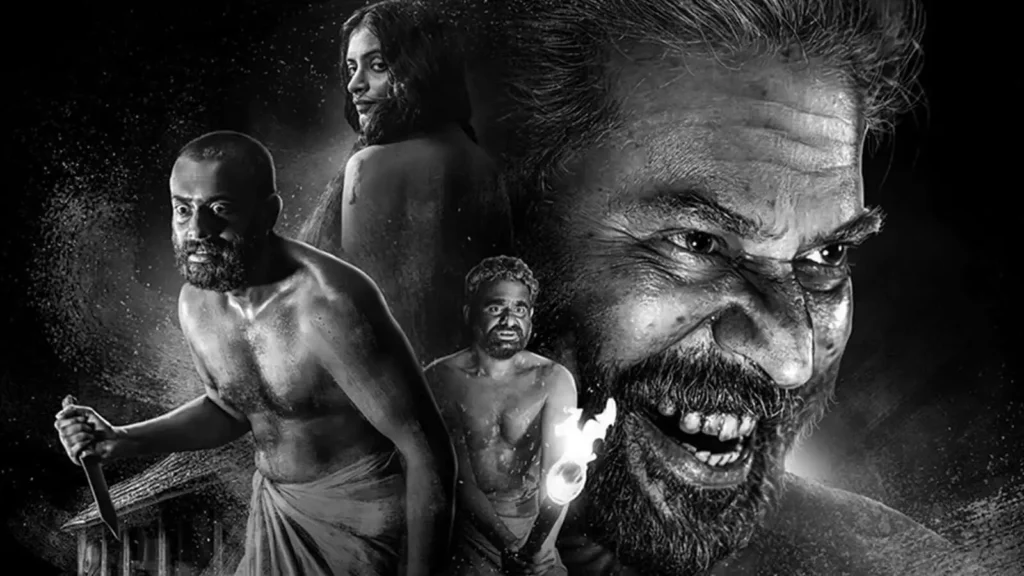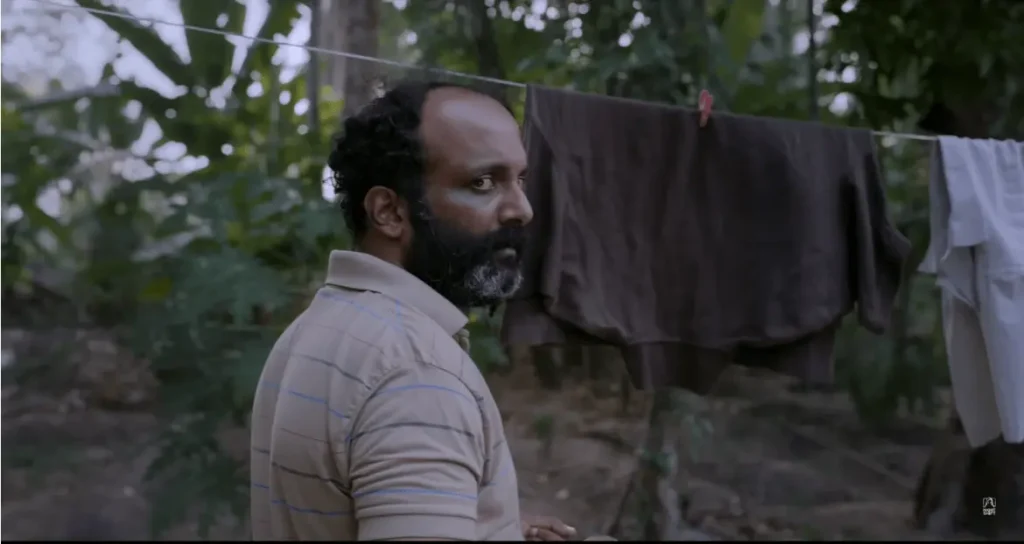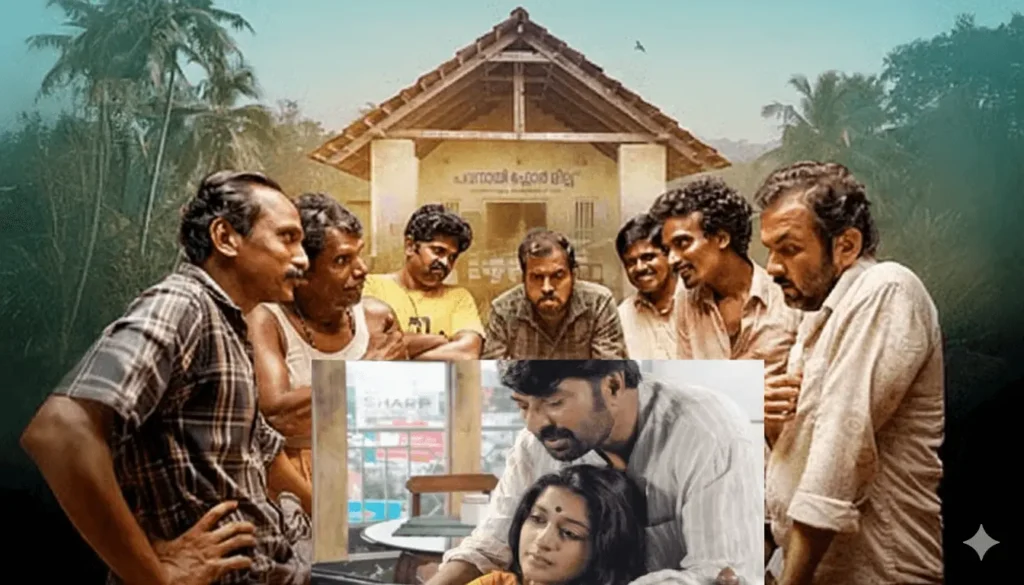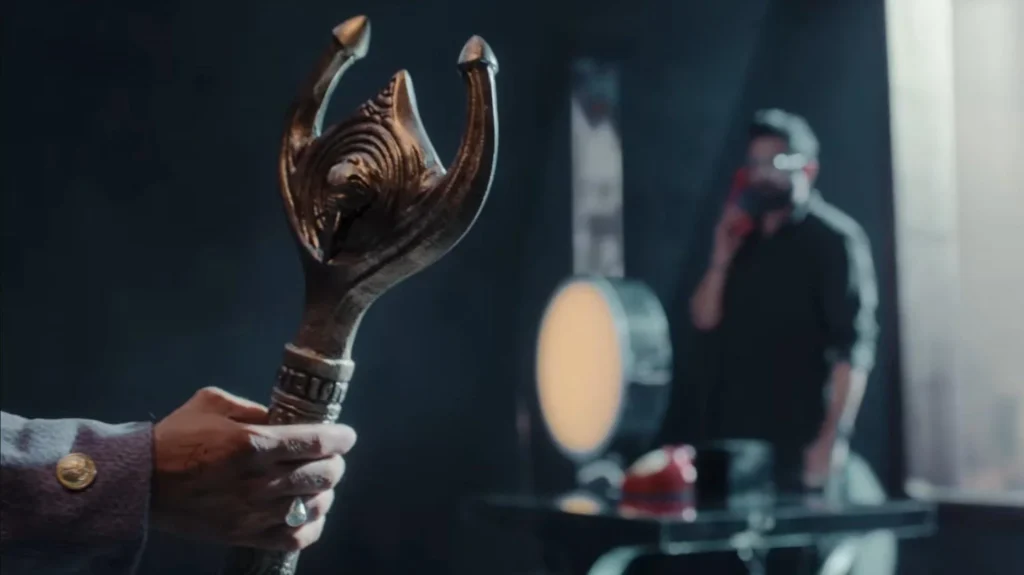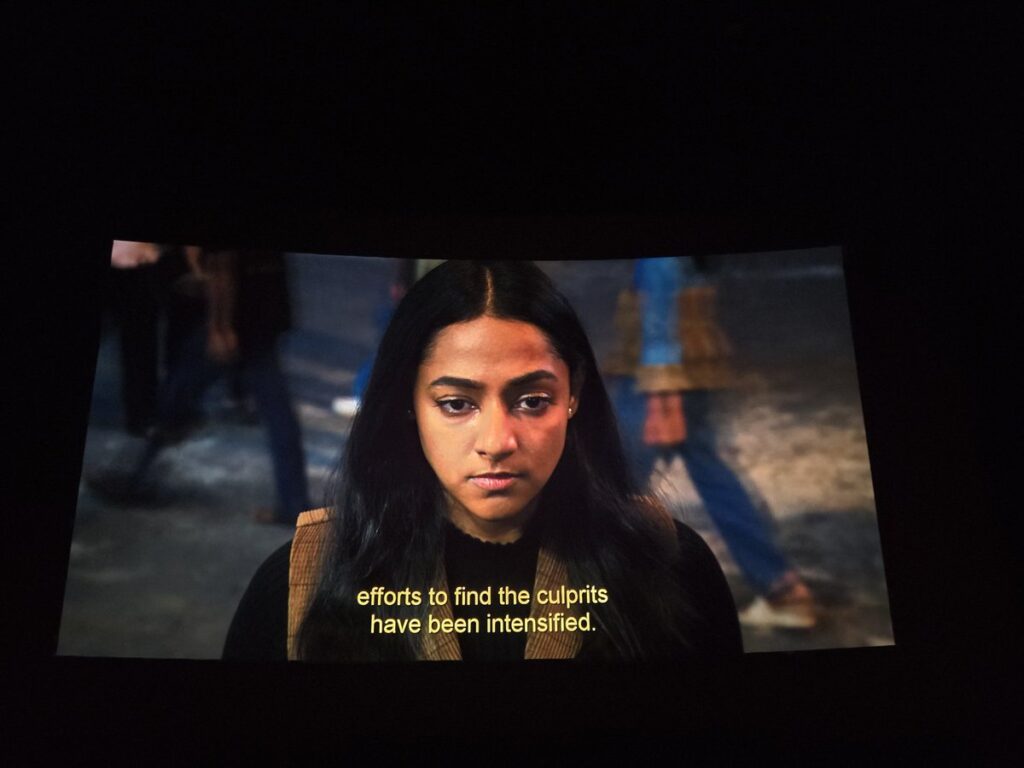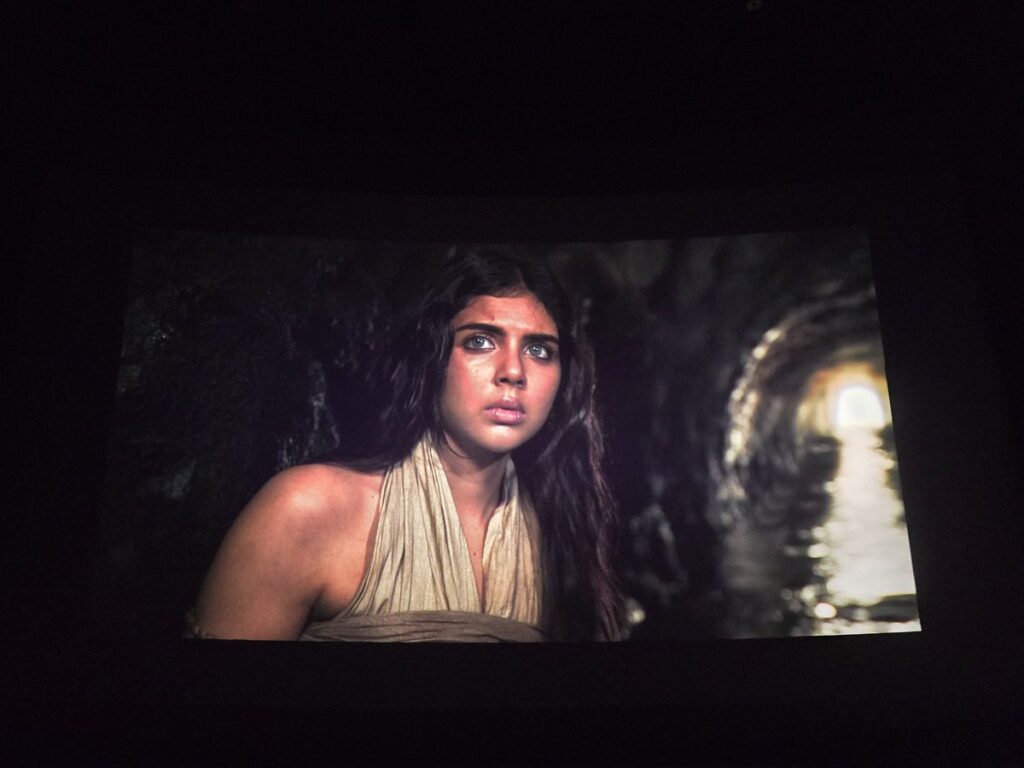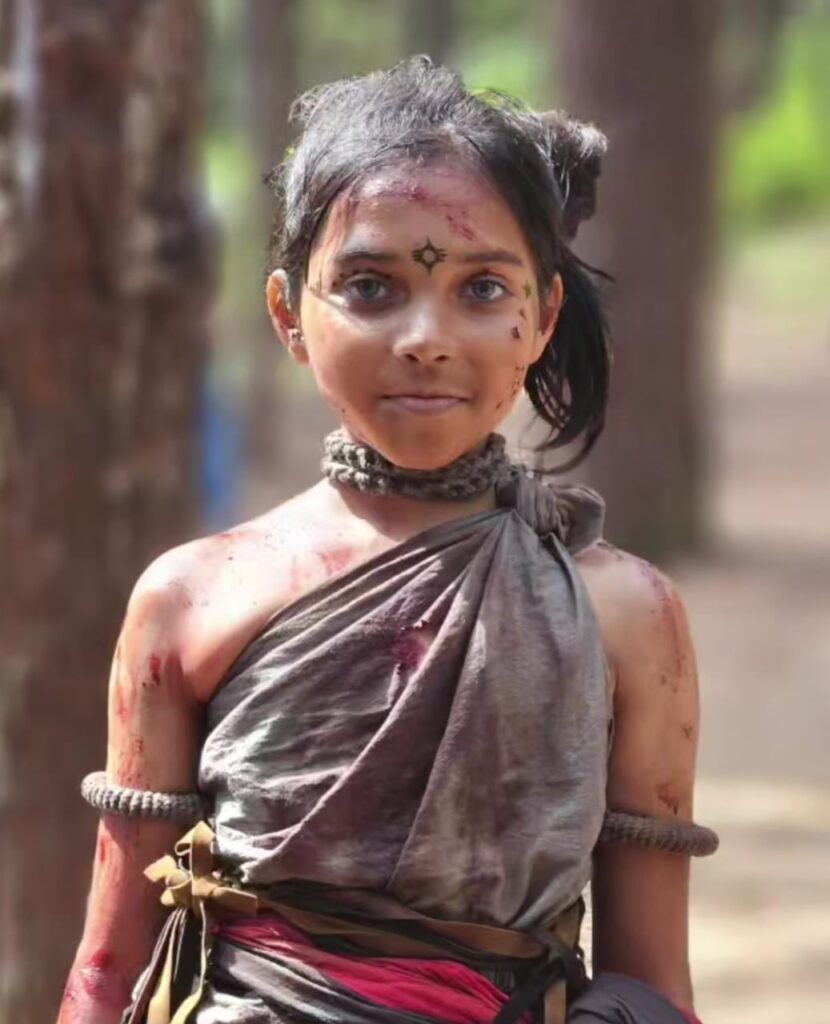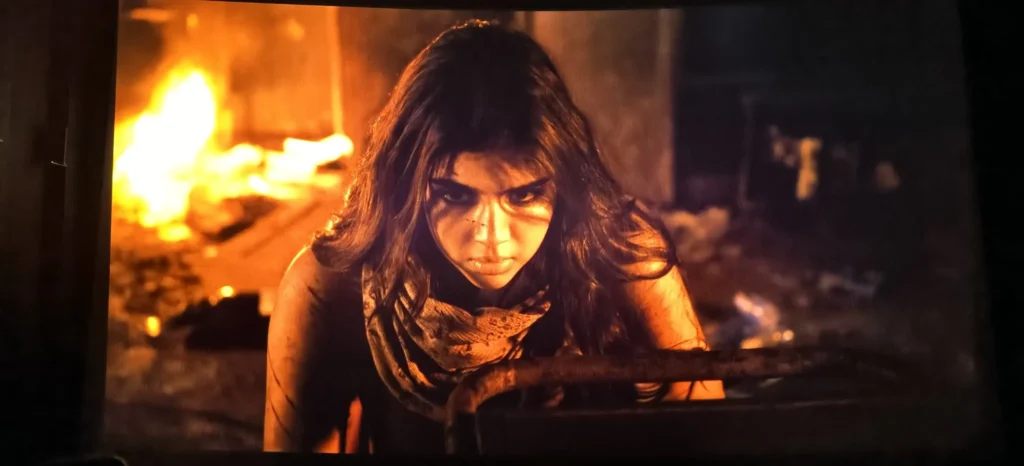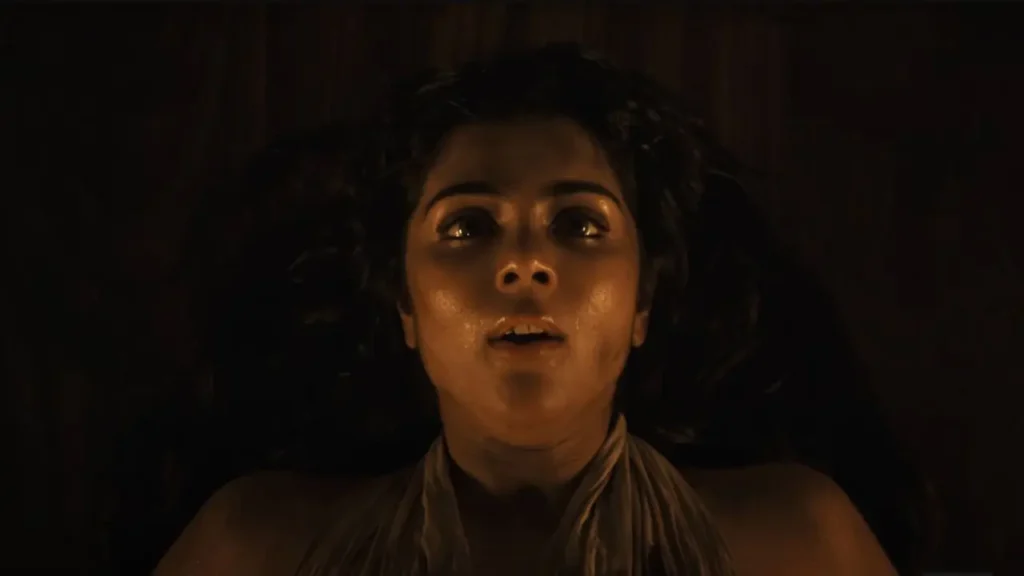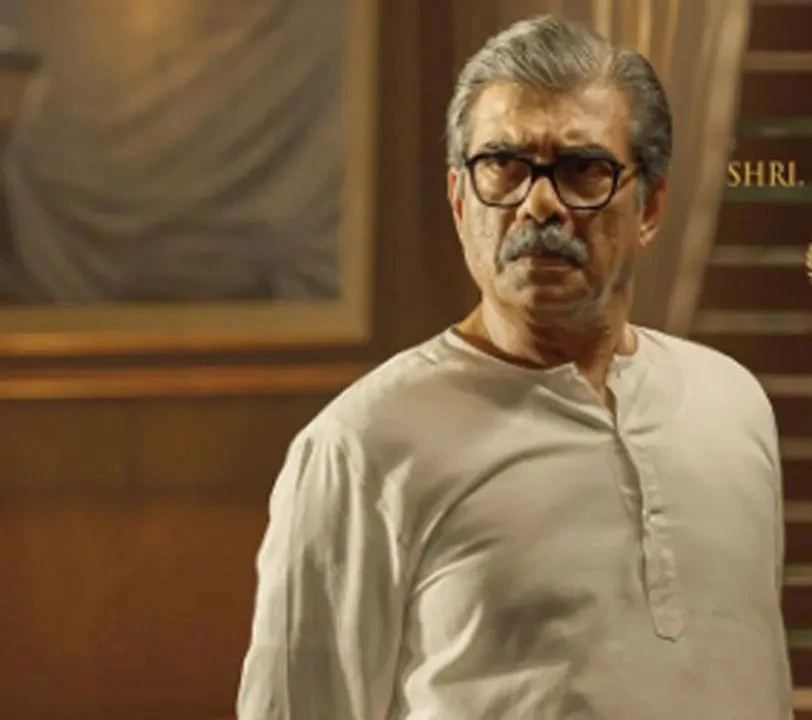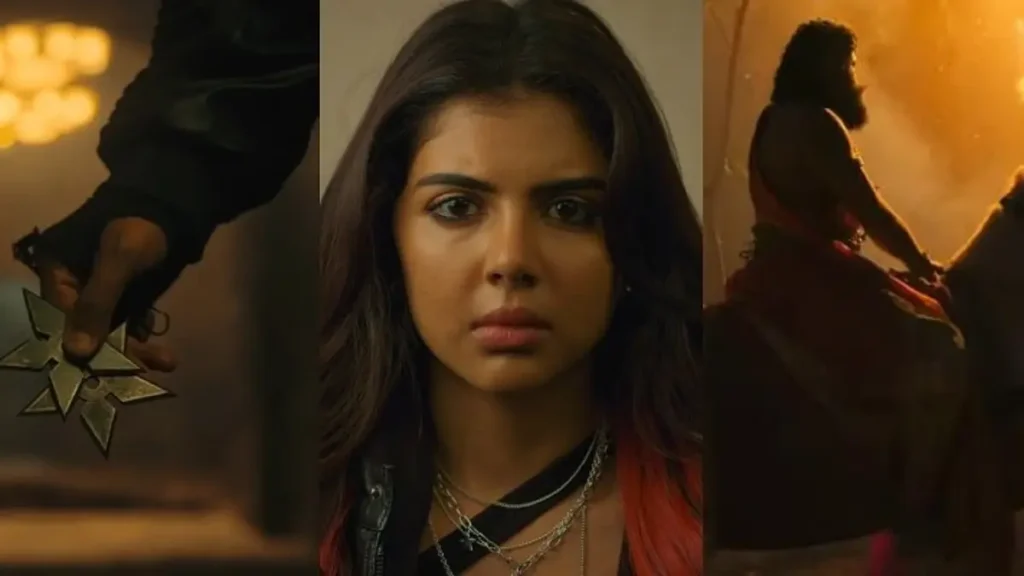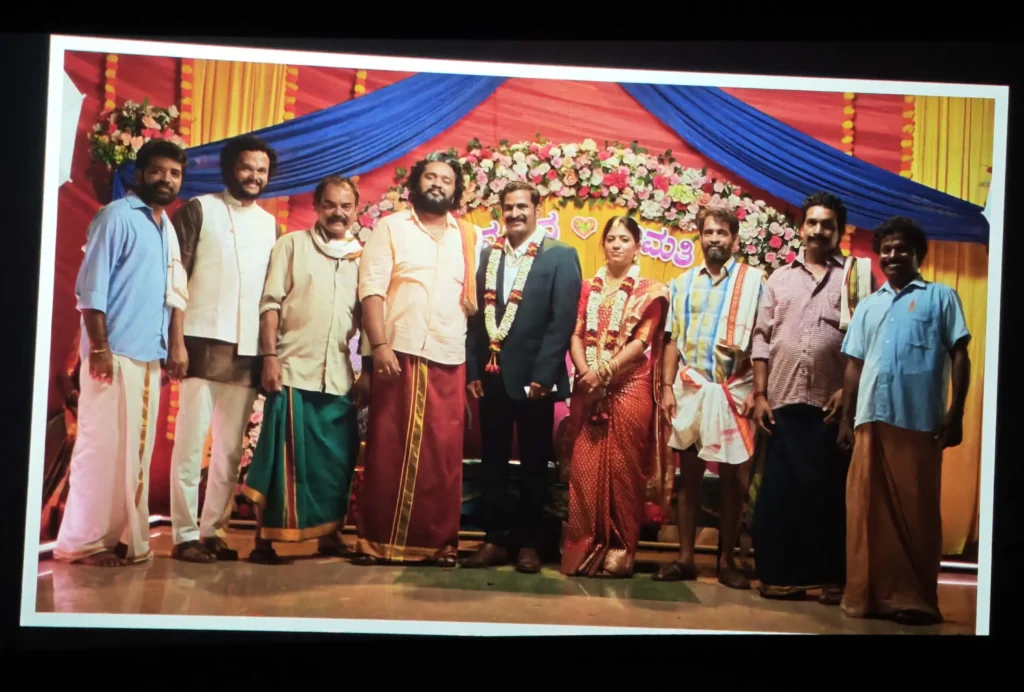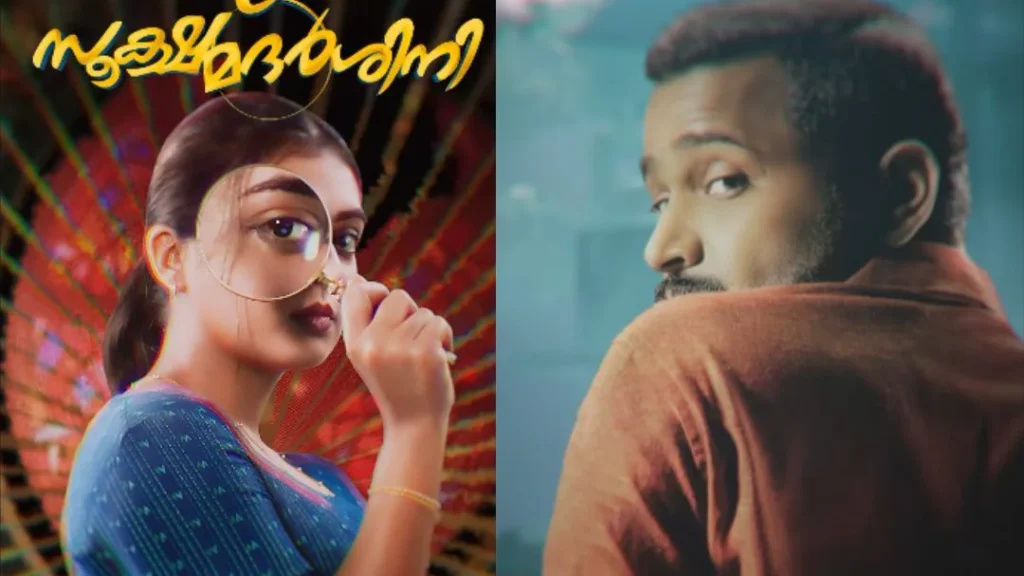
Eko Explained: The Hunter, The Hunted, and The Unseen Master

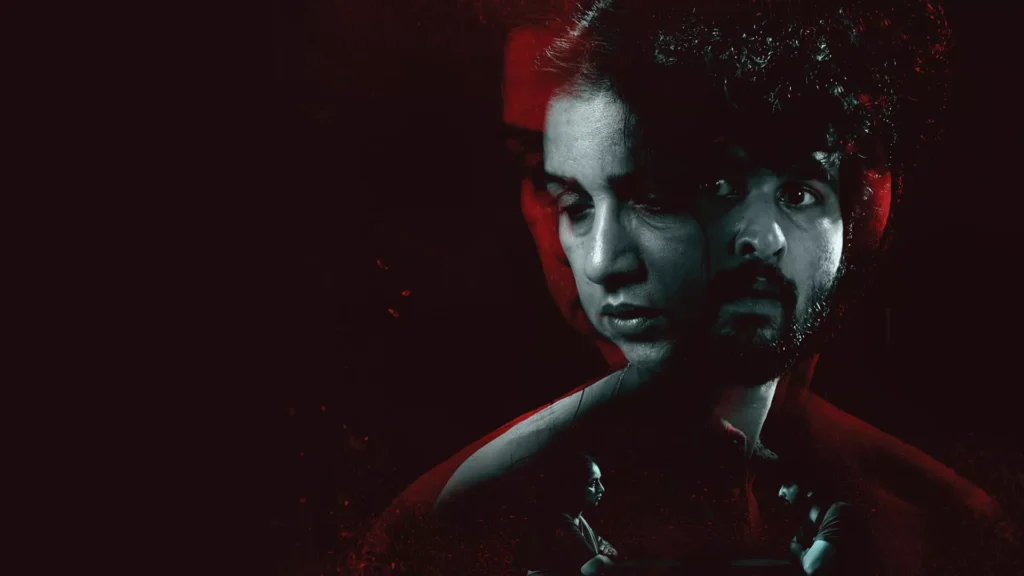
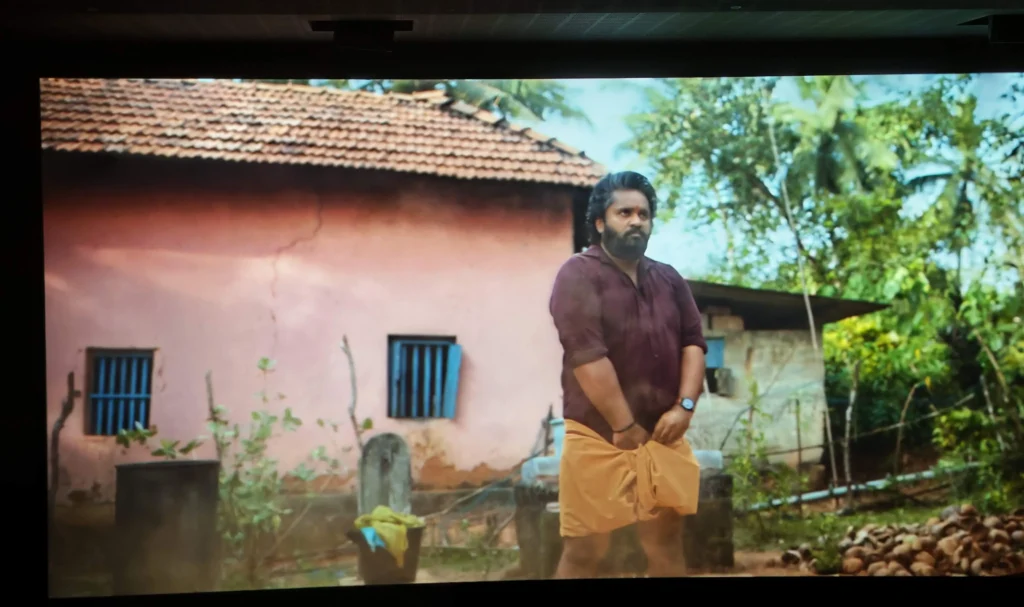
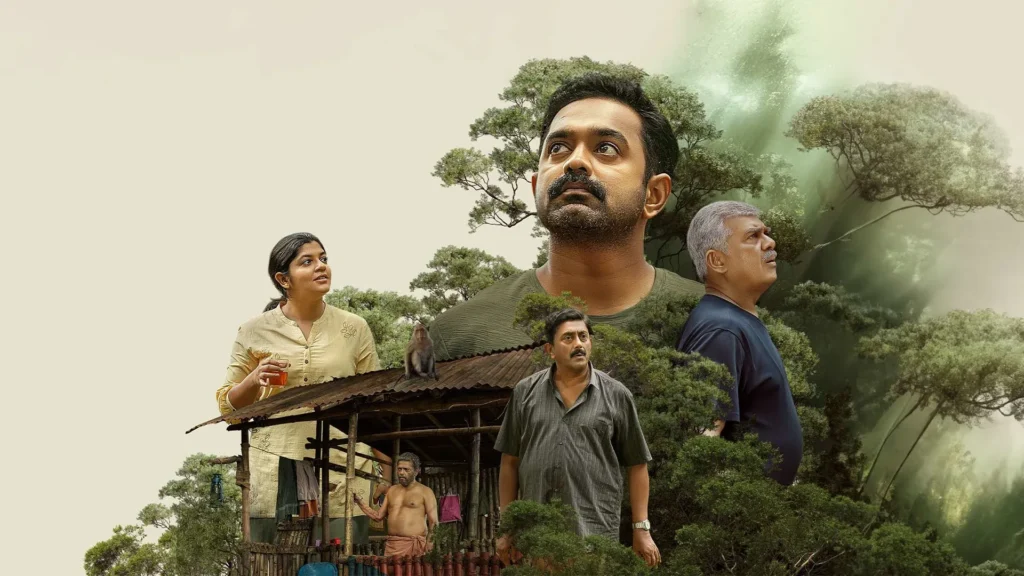
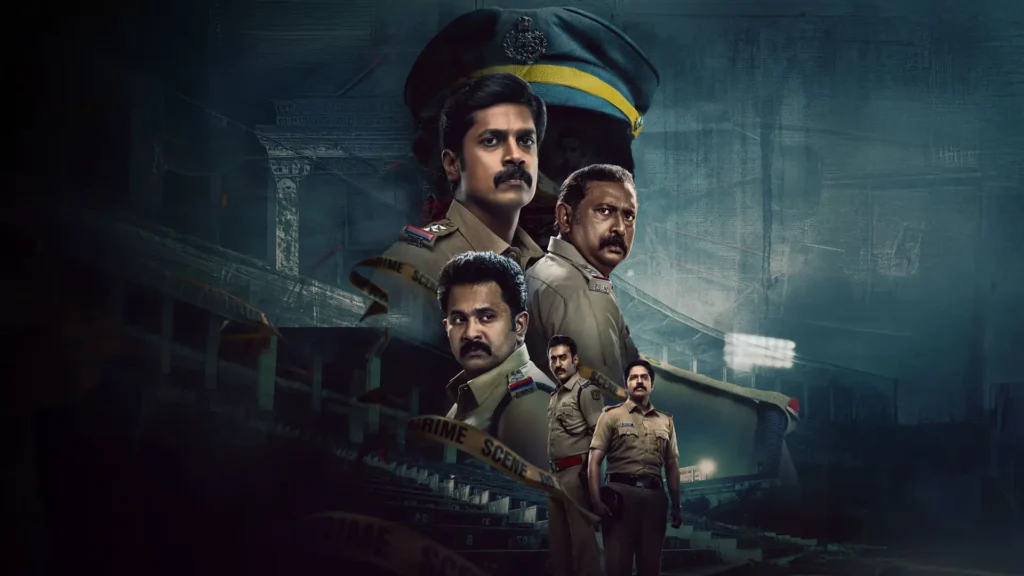
Dinjith Ayyathan – Bahul Ramesh, EKO is their third collaboration, after Kishkindha Kaandam and part of Bahul’s animal trilogy after Kerala Crime Files Season 2. And with Eko, it becomes clear that Bahul Ramesh is not interested in neat thrillers or clever twists. In both KCF and EKO, he is saying similar things- power that hides behind care, and loyalty that slowly erases free will. This article is not a “what happened in the climax” summary. This is an attempt to understand the psychology of Eko, decode its symbols, and explain the unanswered questions the film deliberately leaves behind.
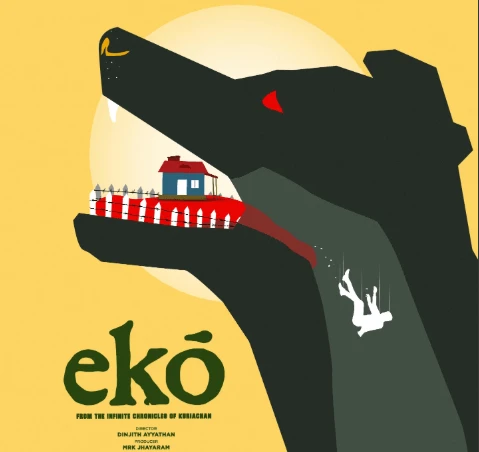
Spoiler Alert: We will be explaining the entire movie, including the climax.

The World of Eko: A Story That Begins With Absence

The story begins with a void.

Kuriachan — a legendary dog breeder, trainer, fixer, manipulator — has been missing for six years.

What matters is this:
Everyone is still orbiting around Kuriachan, even in his absence.

Some want revenge.
Few want justice.
Some want answers.
And one person wants nothing except his master back.

That absence is the engine of Eko. Kuriachan may not be physically present for most of the film, but his control lingers everywhere — in people, in stories, in fear, and most importantly, in loyalty.

People, Dogs, and Masters: Understanding the Characters of Eko

1. Kuriachan (Saurabh Sachdeva)
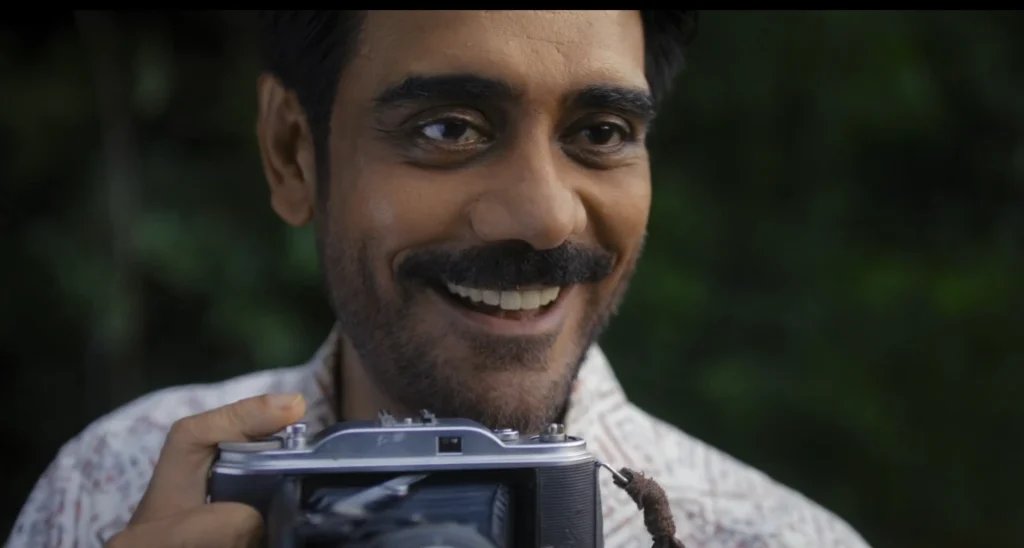
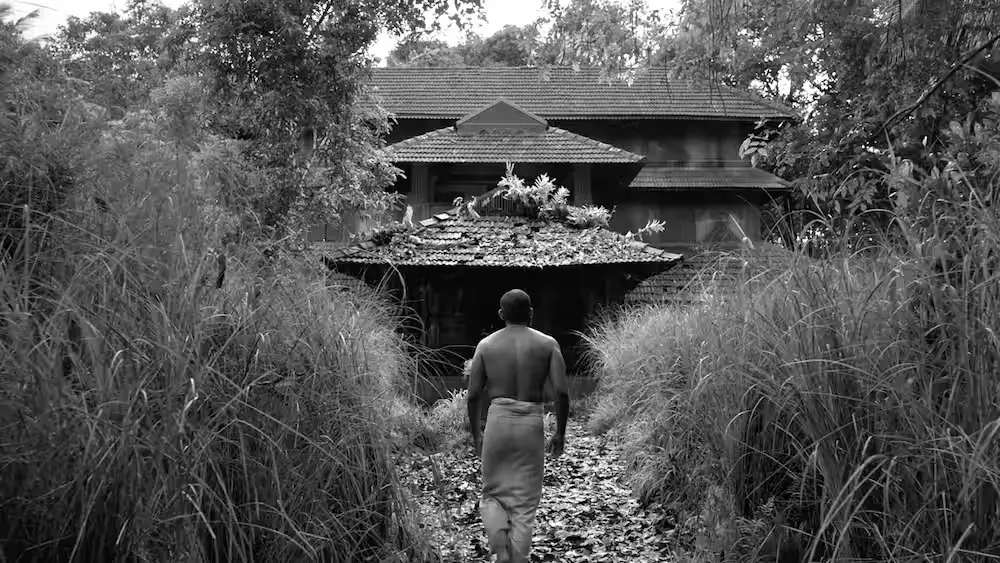
Who he is: A notorious dog breeder and trainer with a dark reputation. He is known for his exceptional ability to control dogs and has connections with police, army, and even Naxalites. He owns acres of hills near the Kerala-Karnataka border in a remote area called Kaattukunnu.

Relation to the story: He is the central mystery. The entire film revolves around his disappearance and the search for him. Everyone is looking for Kuriachan – some to find him, some to kill him, some to get answers.

Why he matters: Kuriachan is not just a dog trainer – he is a manipulator of both animals and humans. He treats people like dogs, training them for blind loyalty. He has multiple families, cheats people, and uses his cunning to escape consequences. His most loyal “dog” is not an animal but a human – Manikandan.

2. Mlaathi / Soyi (Biana Momin)
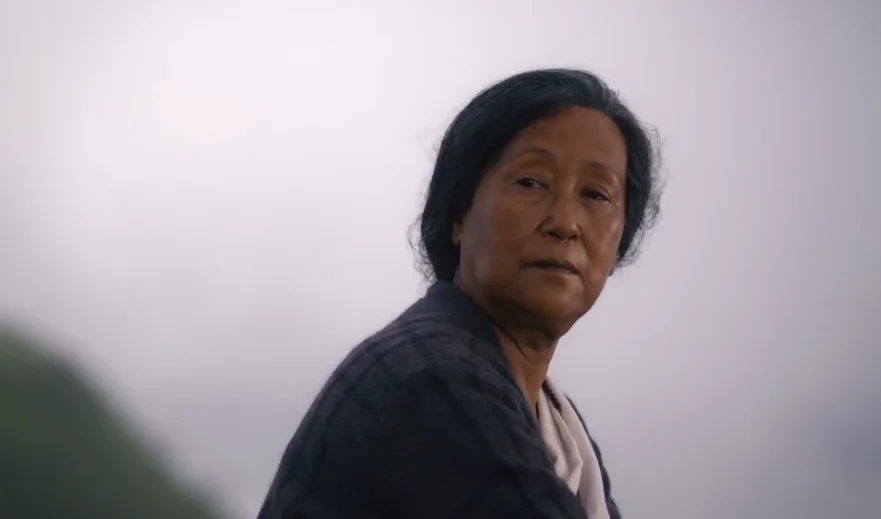
Who she is: Kuriachan’s Malaysian-born wife. Her real name is Soyi. She is an elderly woman living alone in Kuriachan’s isolated hill estate with her caretaker Peeyoos and the dogs.

Relation to Kuriachan: She is his wife, but their relationship is built on lies. Kuriachan manipulated her into marrying him after framing her first husband Yosiah in British Malaya during World War II. She believed Yosiah was dead, but he was actually imprisoned.

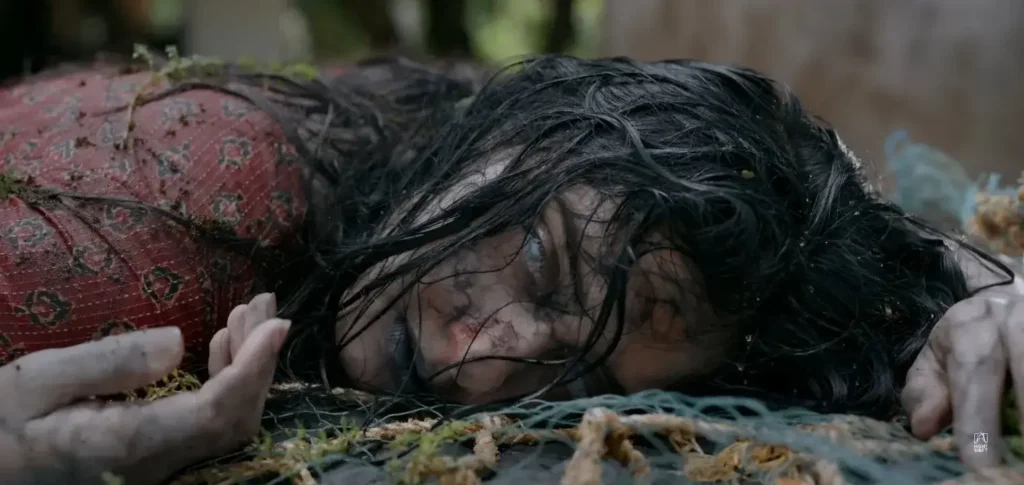
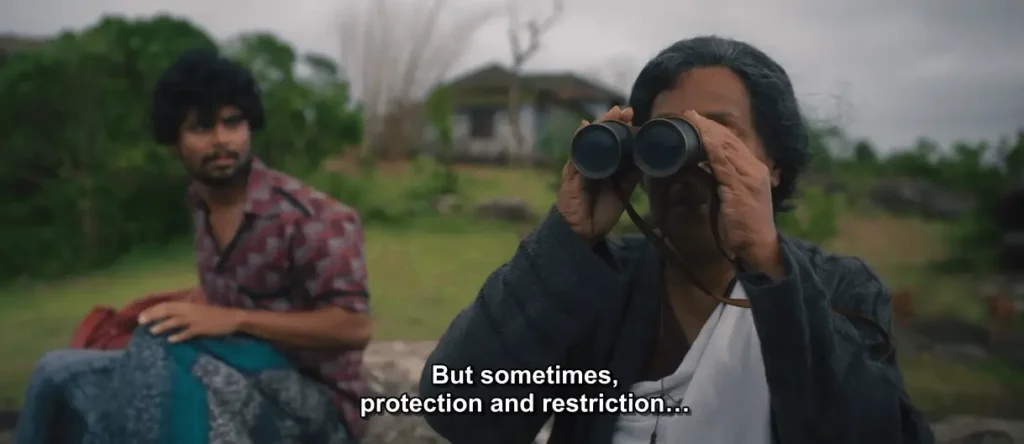
Her revenge: She doesn’t kill Kuriachan. Death would be too easy. She keeps him alive but imprisoned – the same “protection” that was actually “restriction” that she suffered under both her husbands.

3. Peeyoos / Manikandan (Sandeep Pradeep)
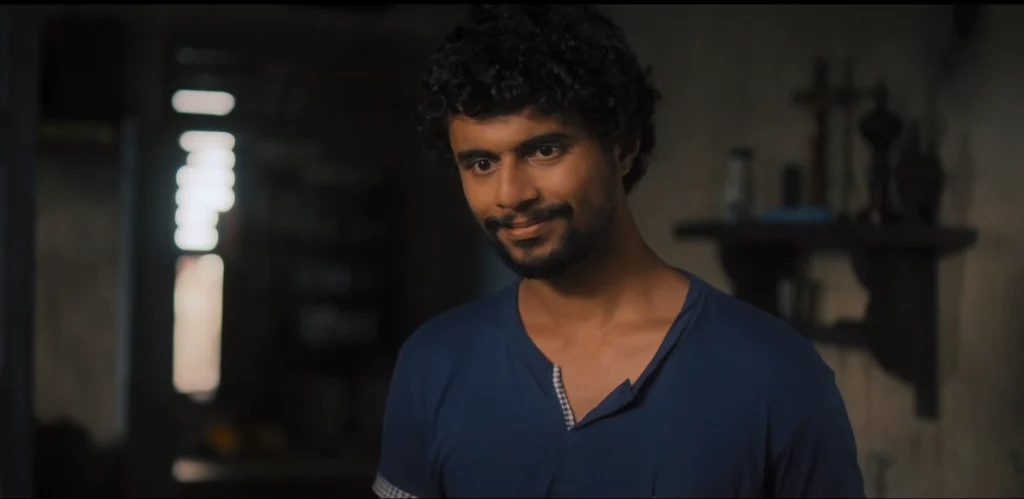
Who he is: The young caretaker living with Mlaathi Chedathi. But this is a lie. He is NOT the real Peeyoos. His real name is Manikandan – Kuriachan’s most loyal follower, his “human dog.”

Backstory: Manikandan’s parents were Naxalites. They committed suicide by igniting a stick of dynamite while hugging each other. Young Manikandan witnessed their dead bodies. Kuriachan took him in after this trauma and molded him into a ruthless, blindly loyal enforcer.

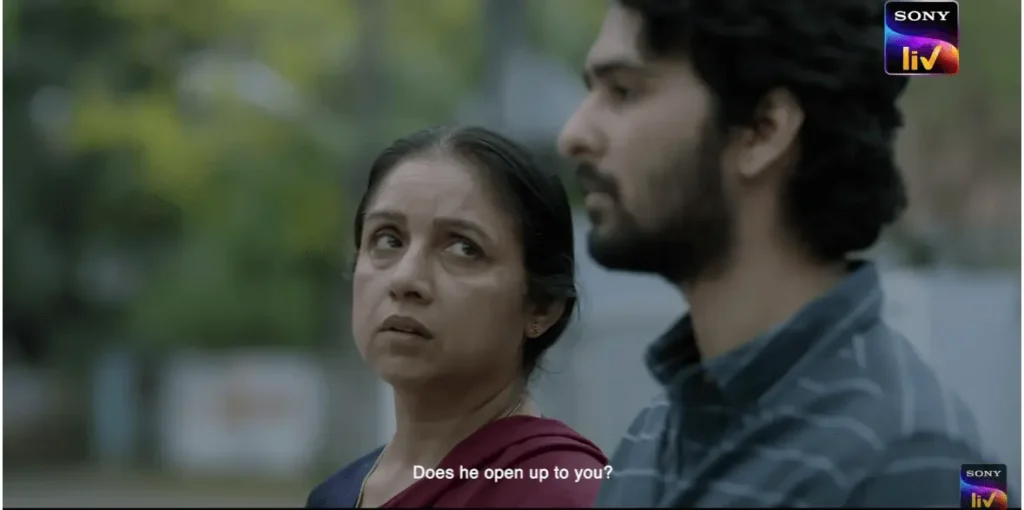
Relation to Kuriachan: He is Kuriachan’s right-hand man. He has killed for Kuriachan. When Kuriachan disappeared, Manikandan came to Kaattukunnu disguised as “Peeyoos” (a caretaker Mlaathi’s children had arranged) to find his master. He sends money to the real Peeyoos to keep him quiet.
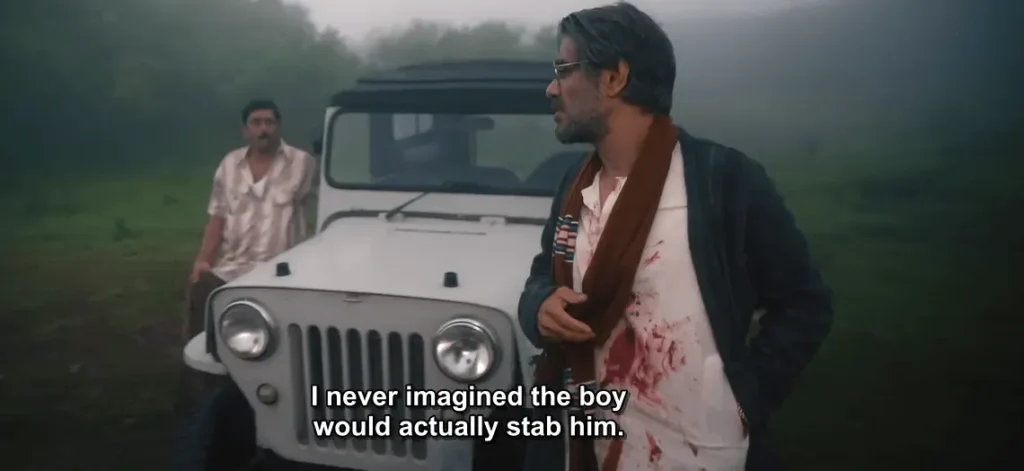
Why he is there: He is searching for Kuriachan. Unlike others who want to harm Kuriachan, Manikandan wants to find and rescue his master. He is the only truly loyal person to Kuriachan.

4. Mohan Pothan (Vineeth)
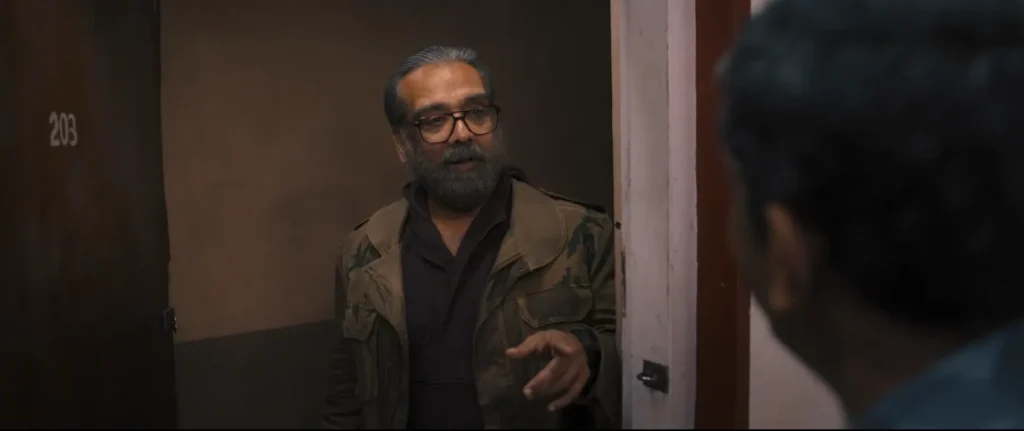
Who he is: A former close friend and associate of Kuriachan. He was recently released from jail after serving time for a crime Kuriachan framed him for.
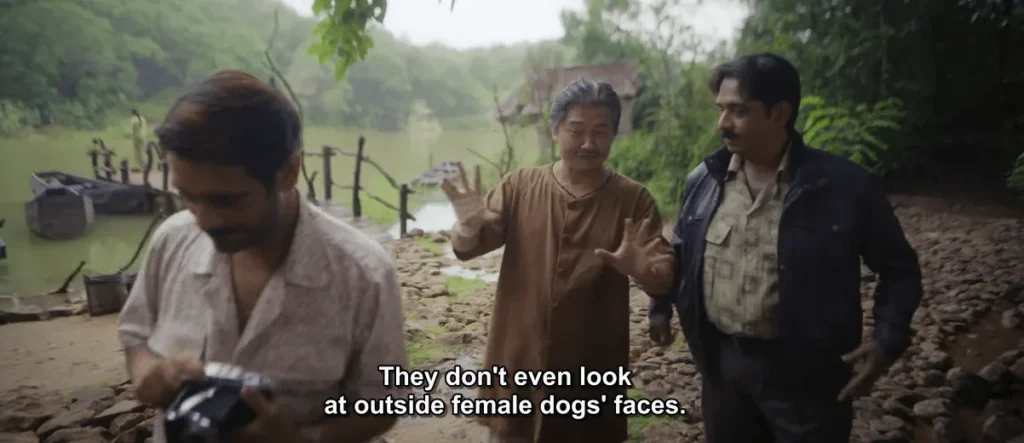
Why he is there: He comes to Kaattukunnu seeking revenge and also searching for a rare dog breed. He brings a female dog in heat, hoping to lure Kuriachan’s male dogs and through them, find Kuriachan. Also, it confirms whether the dogs are still under the control of their master or not.
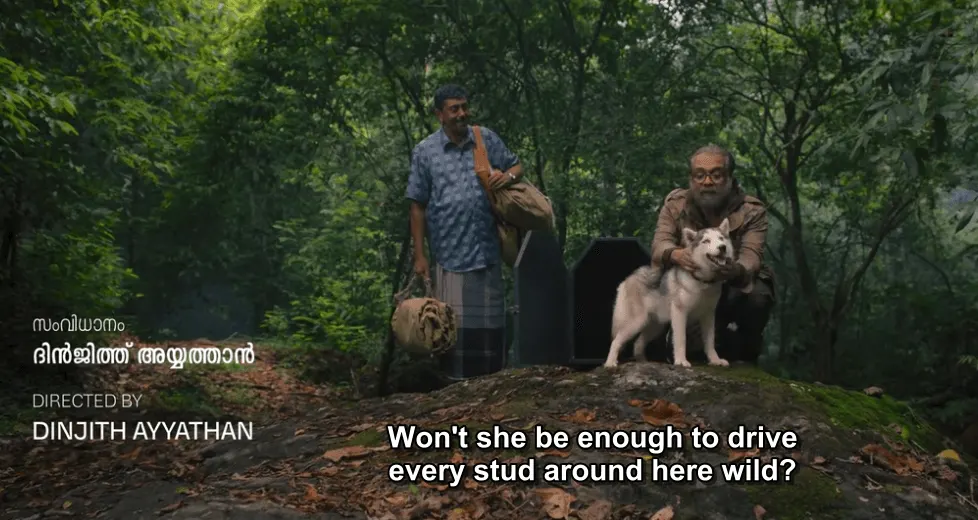
What happens to him: Mohan visits Mlaathi and reveals the truth about Kuriachan’s betrayal – that her first husband Yosiah was not killed but imprisoned. This revelation triggers Mlaathi’s revenge. Later, Mohan is killed by dogs – pushed off a cliff. Mlaathi ordered this killing as revenge for his role in destroying her life in Malaysia.

5. The Navy Officer (Narain)
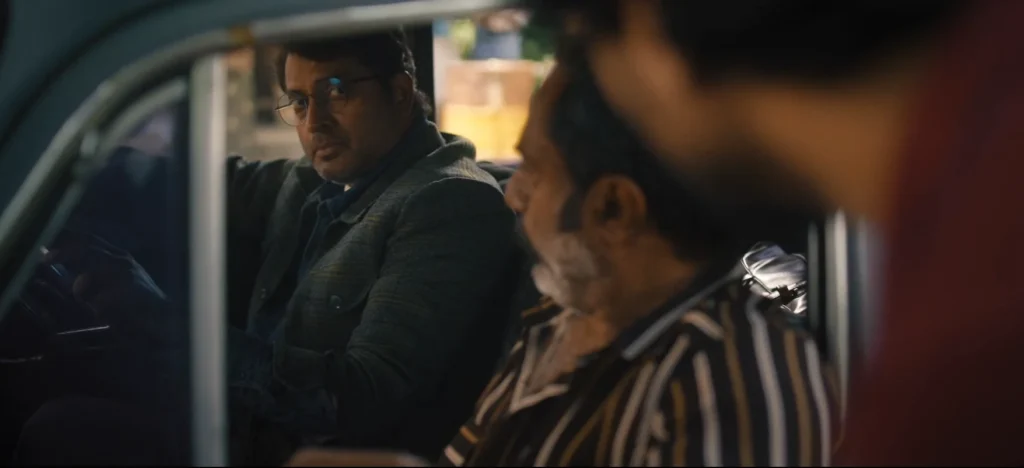
Who he is: A mysterious ex-Navy officer who arrives at Kaattukunnu searching for Kuriachan.

Relation to Kuriachan: The exact details are not revealed, but Kuriachan cheated or betrayed him in some way. He has a personal vendetta.

Why he is there: He wants to find Kuriachan, likely to confront or kill him. He represents one of the many people Kuriachan has wronged over the years.

6. The Two Truckers / Undercover Policemen (Binu Pappu, Ranjith Shekhar)
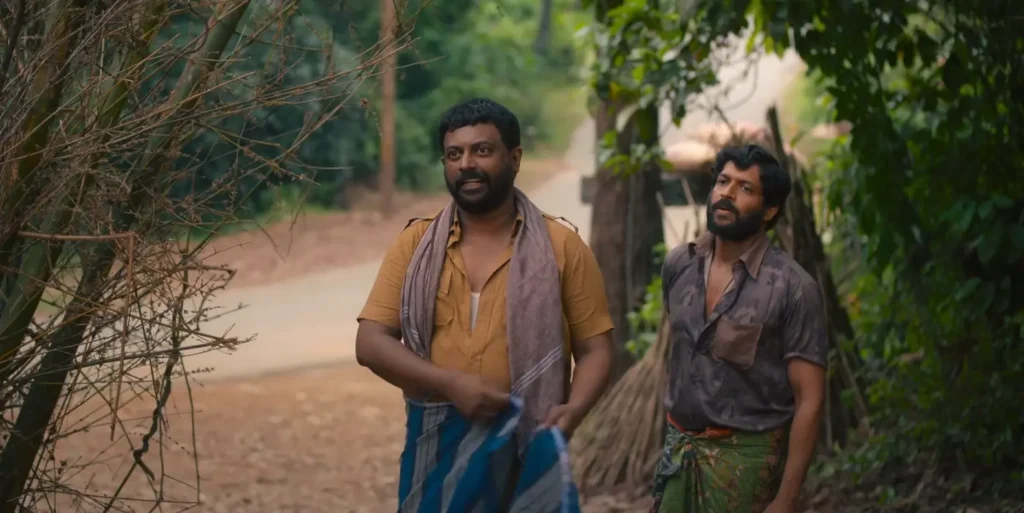
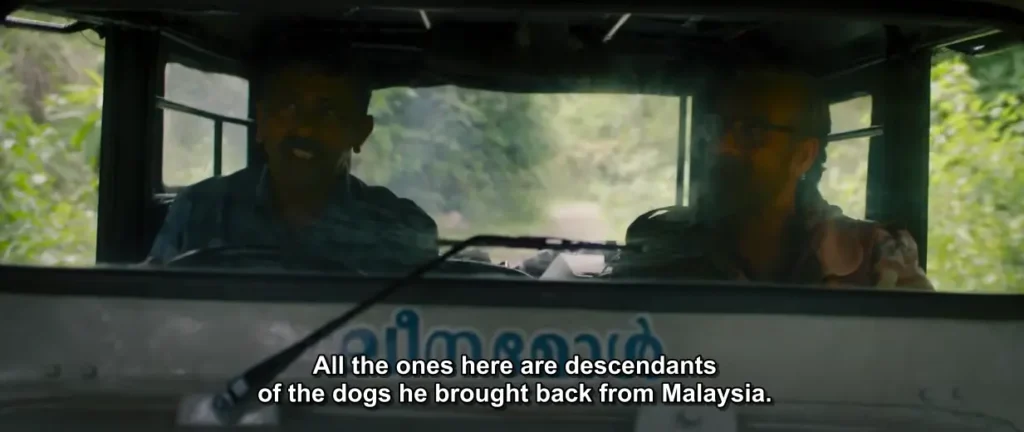
Who they are: Two men posing as loggers/truckers. They are actually undercover policemen hunting for Kuriachan.

Why they are there: To find and arrest Kuriachan.

What happens: Manikandan discovers their true identity and kills them to protect Kuriachan.

7. Appootty / Appunni (Ashokan)
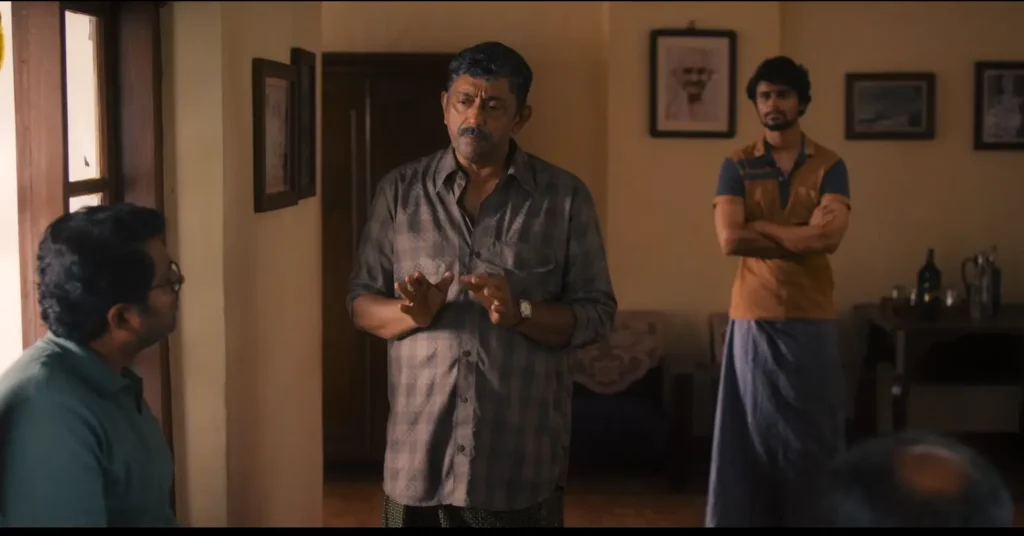
Who he is: A local man in Kaattukunnu who knows Kuriachan and his history.

Relation to Kuriachan: He is loyal to Kuriachan, like a “loyal dog.” He helps hide information about Kuriachan and protects his secrets.

Why he matters: He provides exposition about Kuriachan’s legendary abilities with dogs. He also spreads the rumor that Mlaathi practices “Malayan black magic” – which is actually just villagers’ xenophobia. The truth is simpler: she controls the dogs through care and feeding.

8. Pappachan (Saheer Mohammed)

Who he is: Another local character who shares stories and information about Kuriachan.

Role: He helps build the mythology around Kuriachan – the “infinite chronicles” that everyone talks about but no one fully knows.

9. Yosiah
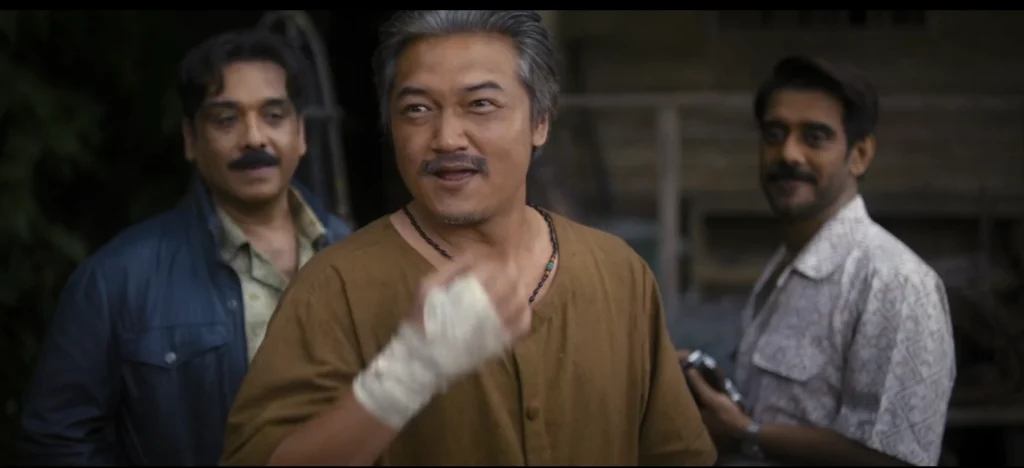
Who he was: Soyi’s first husband in British Malaya. He was a skilled dog trainer who trained rare breed dogs. His dogs were fiercely loyal to him.

The Malaysia Flashback: The First Prison
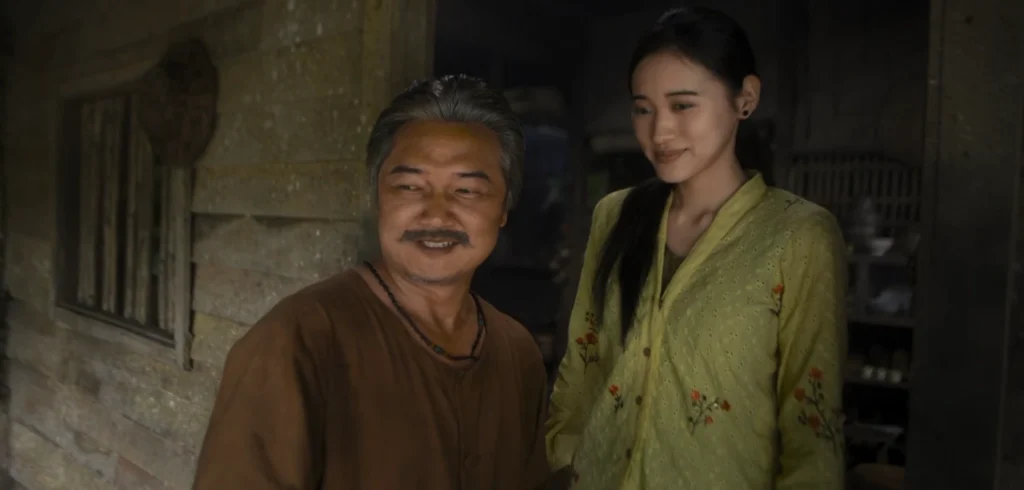
Soyi was married to Yosiah, a skilled dog trainer. His dogs were fiercely loyal, so loyal that they would not let anyone near her. On paper, this was protection.

In reality, it was a cage.

Soyi could not leave the house.
The dogs would stop her.
Her safety came at the cost of her freedom.

This is the first time Eko introduces its central idea:
protection that removes choice is not kindness.

When Kuriachan and Mohan Pothan arrive by boat, the dogs sense danger immediately. They bark. Block access. They refuse to let Soyi step outside.

This is one of the film’s most important insights:

“No human can measure another human like a dog can.”

The dogs were not controlling Soyi.
They were protecting her from Kuriachan.

Betrayal in Malaysia: Where Everything Breaks

Kuriachan wants two things:

  1. Yosiah’s rare dogs
  2. Soyi herself

With Mohan Pothan’s help, Kuriachan frames Yosiah for a crime. Yosiah is imprisoned. Kuriachan tells Soyi her husband is dead.

Heartbroken, isolated, and with no way out, Soyi accepts Kuriachan’s “rescue”.

This is not love.
This is abduction disguised as salvation.

She is taken to India. To Kaattukunnu.
From one prison to another.

The Lie That Sustained a Lifetime
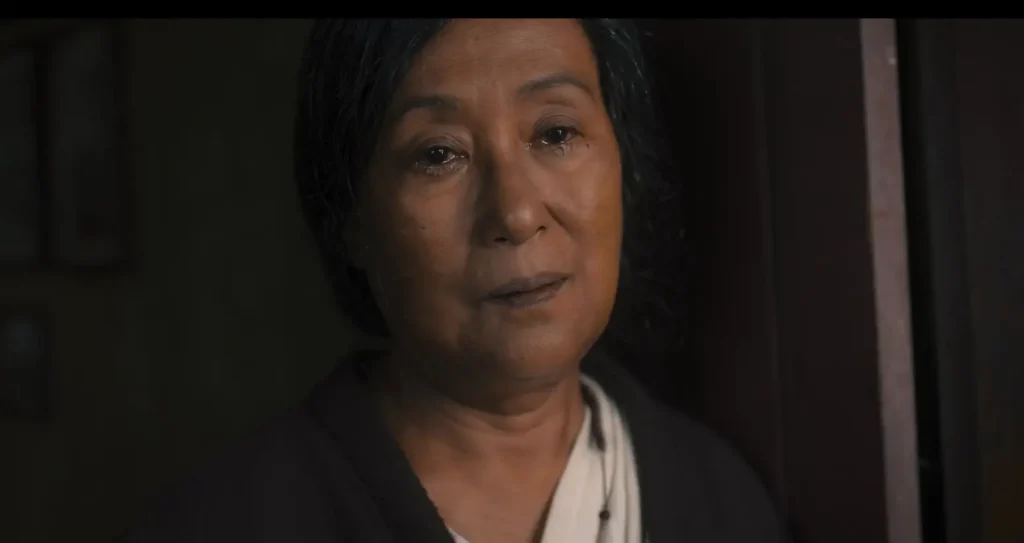
For decades, Mlaathi lives a lie.
Her marriage, her loyalty, her silence, all built on falsehood.

The truth is revealed by Mohan Pothan.

Vineeth as Mohan Pothan
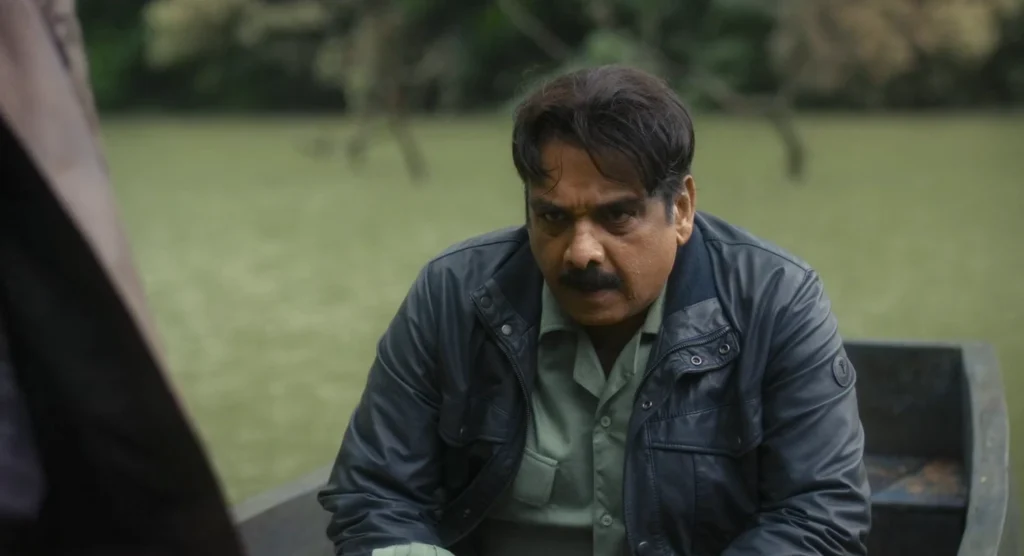
Mohan is not a hero. He is not a saviour. Mohan is a man consumed by Karma. He gave ideas to Kuriachan to frame Yosiah, now Kuriachan betrayed him too, got him imprisoned, destroyed his life.

In his anger, Mohan tells Mlaathi the truth:

Yosiah was never dead.
He was imprisoned.
Kuriachan lied.

This revelation shatters Mlaathi. Her entire life with Kuriachan was built on a lie. He didn’t save her – he kidnapped her. He didn’t love her – she was just another trophy, another thing to control.

Her Patience is what we see next.

Mlaathi’s Revenge: How She Became The Master

Mlaathi does not confront Kuriachan.
She does not scream.
She does not seek sympathy.

Mlaathi, the seemingly powerless woman, begins her own hunt. She uses the one tool Kuriachan taught her to value above all else: loyalty.

As she tells Peeyoos, 

“Feeding the dogs is like claiming ownership.” 
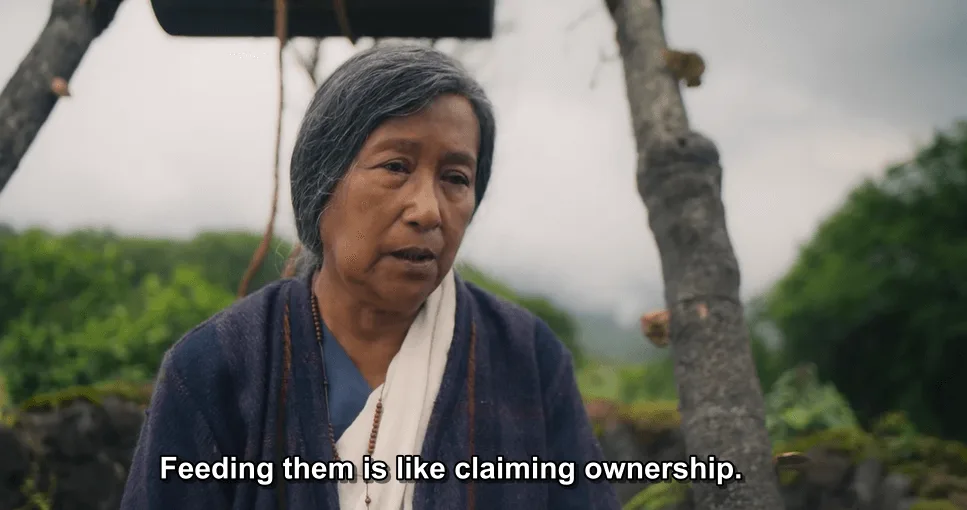
While Kuriachan was away with his mistresses and business, Mlaathi was quietly feeding his dogs, transferring their allegiance from their loud, absent master to their silent, present one. She became the unseen master.

Loyalty shifts.

Not suddenly.
But completely.

When Kuriachan finally comes to hide in his secret cave, the trap is already set.

The dogs surround the cave.
The dogs, now loyal to Mlaathi, become his jailers
They do not let him leave.

Kuriachan is alive.
But he is contained.
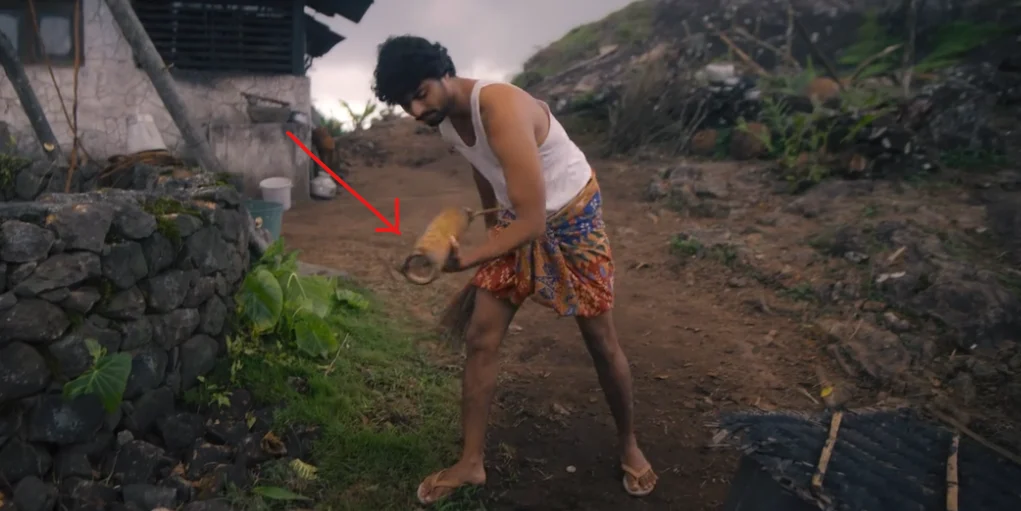
He is fed just enough to survive — through bamboo containers, delivered by dogs.

This is not revenge through violence.
This is revenge through mirroring.

The same protection that imprisoned Soyi now imprisons Kuriachan.

The Central Theme: Protection vs Restriction
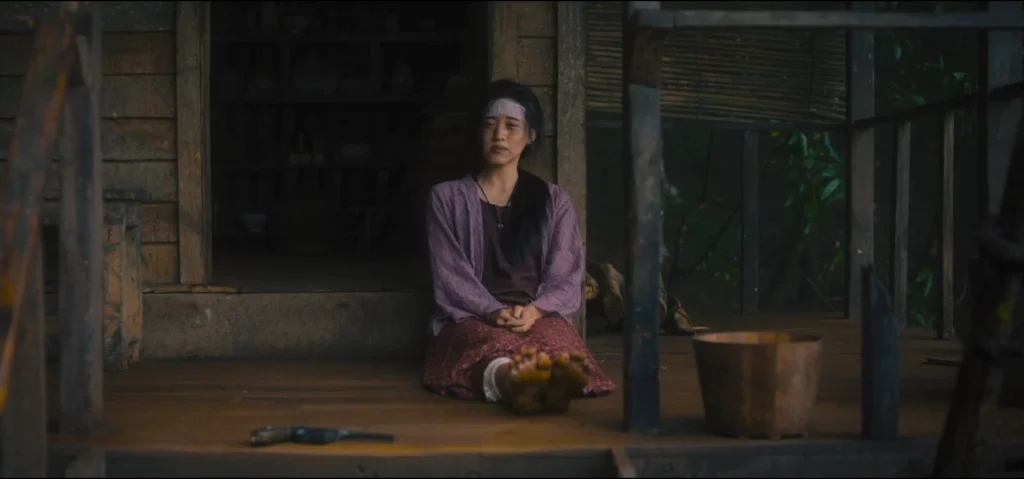
At its core, Eko is not about dogs, crime, or revenge.

It is about control disguised as care.

Protection, when imposed without choice, becomes restriction.
Loyalty, when conditioned, becomes obedience.
And obedience, when absolute, destroys identity.

Every major character in Eko exists somewhere on this spectrum.

The Loyal Dog: Who is Peeyoos?

While Mlaathi’s revenge unfolds, another drama plays out. The caretaker, Peeyoos, is not who he seems. He is Manikandan, Kuriachan’s most loyal disciple—his “human dog.”

Manikandan’s backstory is a tragedy. His Naxalite parents committed suicide with dynamite, leaving him an orphan. 
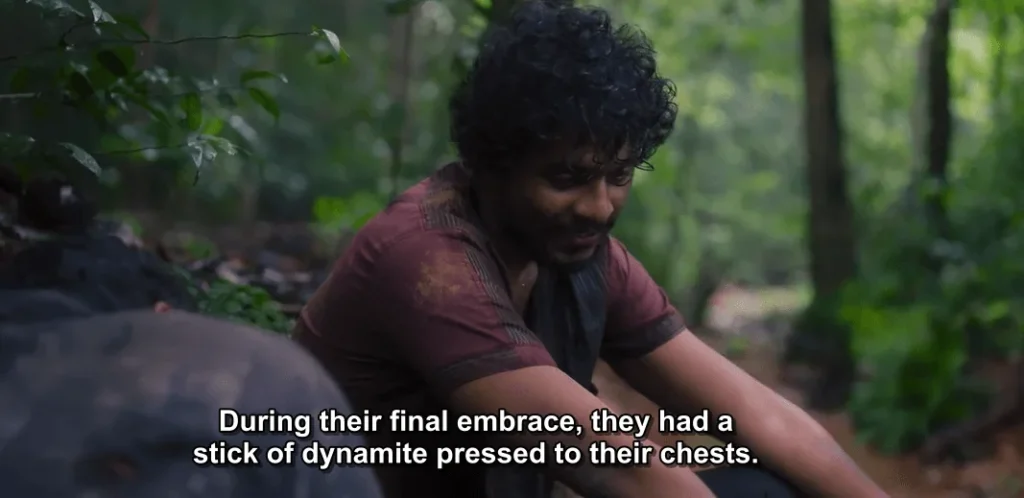
Kuriachan took the traumatized boy and forged him into a ruthless weapon, what Kuriachan gave Manikandan was not healing.

This is shown in a subtle way. While the Navy officer is showing the movie to Pappachan, we can hear a background voice-over from the film where a boy asks someone for food, and the other person offers him food.
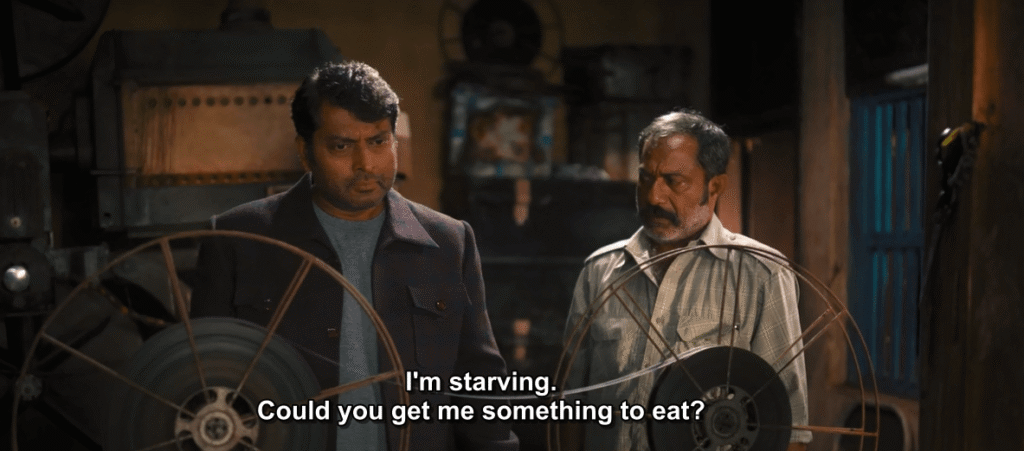
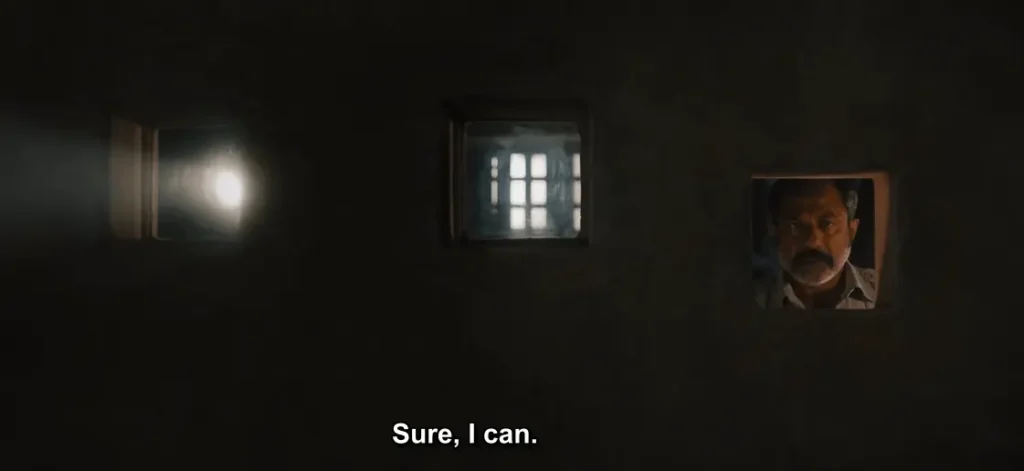
It was purpose through obedience. 

He is in Kaattukunnu disguised as a caretaker for one reason: to find Kuriachan.

Manikandan is the only one searching for Kuriachan out of pure, unwavering loyalty. He kills the undercover cops and, he is the one who removed the break cable and attempts to kill the Navy officer, all to protect a master he hasn’t seen in years.

The Ending Explained: Two Endings, One Truth

The climax of Eko is a masterclass in subtle storytelling, offering two interpretations that both lead to the same terrifying conclusion for Manikandan (disguised as Peeyoos).

Manikandan discovers the bamboo container used to feed Kuriachan. He smells it, and the memory of the Malaysia flashback clicks into place. 

The Bamboo Container: This is the most powerful symbol. It’s a direct visual echo of how Yosiah’s dogs fed him in Malaysia.
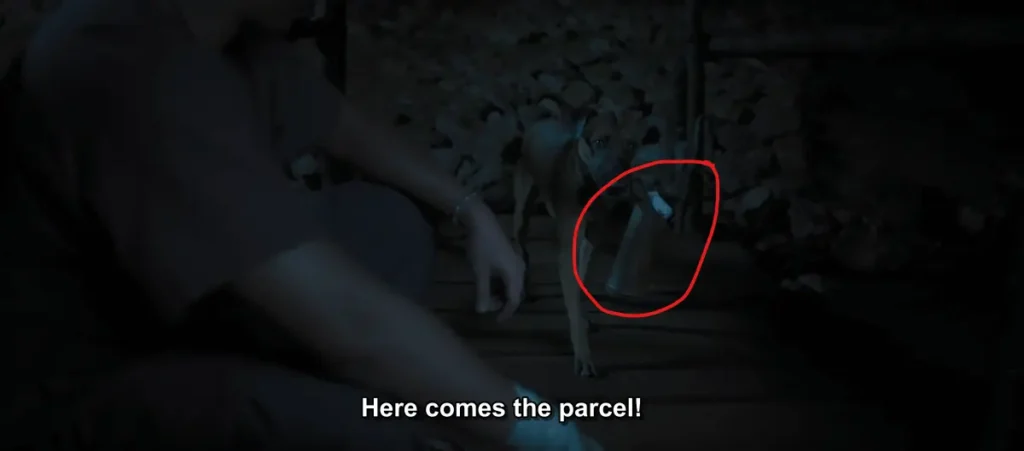
Mlaathi uses the very method of her first husband’s imprisonment to imprison her second.
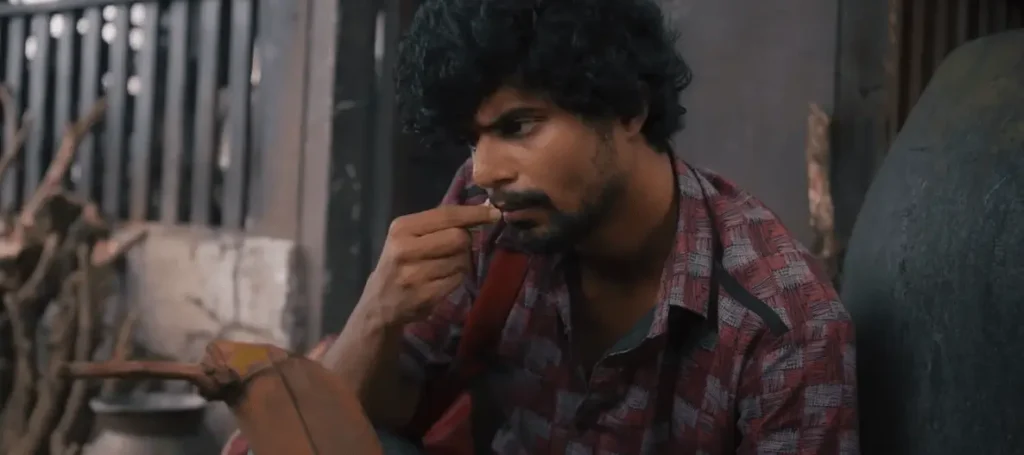
In the climax, Manikandan checking Bamboo sticks and rice

He knows. He confronts Mlaathi, ready to force the truth from her. But her dogs surround him, a silent, growling wall of protection.

This is where the brilliance of Bahul Ramesh’s script shines. It’s not about what happens next, but what has already happened.

Ending 1: The Prisoner

In this interpretation, Kuriachan is still alive, trapped in the cave. Mlaathi is his eternal jailer. Manikandan is now trapped in a horrifying stalemate: the only person who knows his master’s location is the one person he cannot touch. He is frozen, a loyal dog with no master to serve, forced to live in the shadow of his master’s captor.

Ending 2: The Judge, Jury, and Executioner
This is the darker, more subtle ending, hinted at by a crucial visual clue. Throughout the film, we see 5-6 dogs around Mlaathi’s house.

5-6 dogs

In the final confrontation, 12 dogs appear.
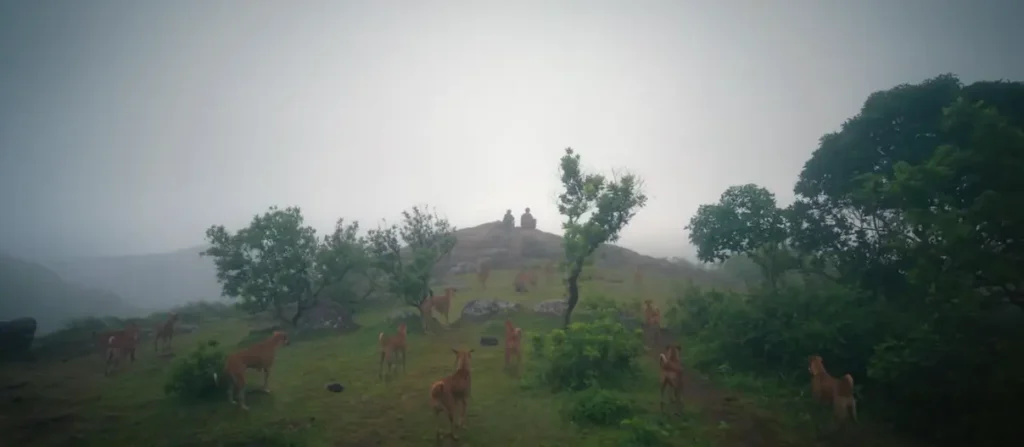
An Army of dogs surrounding Manikandan

Where did the extra dogs come from? They are the guards from Kuriachan’s cave.

Mlaathi has called them back. Why?

1.Kuriachan is dead. Her revenge is complete. She may have finally poisoned his food. The guards are no longer needed.

2.She needs them to control Manikandan. Now that he knows the truth, he is a threat. She has summoned her full army to deal with him.

When Manikandan sees the expanded pack, his eyes fill with tears. He understands. His master is either dead or his fate is sealed, and Mlaathi is now demonstrating her absolute power. This is her checkmate. She has not only imprisoned Kuriachan but has now neutralized his most loyal follower, forcing him to witness her total victory.

The Doubts Eko Doesn’t Answer Directly
Why the Name Eko?

This can be interpreted in multiple ways- 

In Japanese, it can mean “transfer of merit.” From Kuriachan to Mlaathi there is an absolute transfer of power.

In Sanskrit, it relates to “Ekam” or “one,” signifying that the dogs obey only one true master. 

It also, of course, refers to the echo of Kuriachan’s past sins coming back to haunt him.

Who killed Mohan Pothan? 

Mlaathi. She ordered the dogs to push him off the cliff. Her revenge was not just for Kuriachan, but for everyone who had a hand in her lifelong imprisonment, including his co-conspirator.

The Thought Eko Refuses to Let Go

Overall Eko is more than just a mystery thriller; it is a complex psychological drama that rewards patient viewing. I would say, it’s an extension of Kerala Crime Files Season 2, written by Bahul. You can see the similar character shades in Ambili, Ayyappan and Jaison.

The film ends with this standoff. Mlaathi has won. Kuriachan is her prisoner forever or might be dead. Manikandan is neutralized. The Navy Officer has his answer but cannot act on it.

The hunter has become the hunted. The master has become the prisoner. The protector has become the jailer.

This is the echo – the “Eko” – of the past. What Kuriachan did to Soyi in Malaysia has come back to him in Kerala. The manipulation, the lies, the control – all of it echoes back as his punishment.
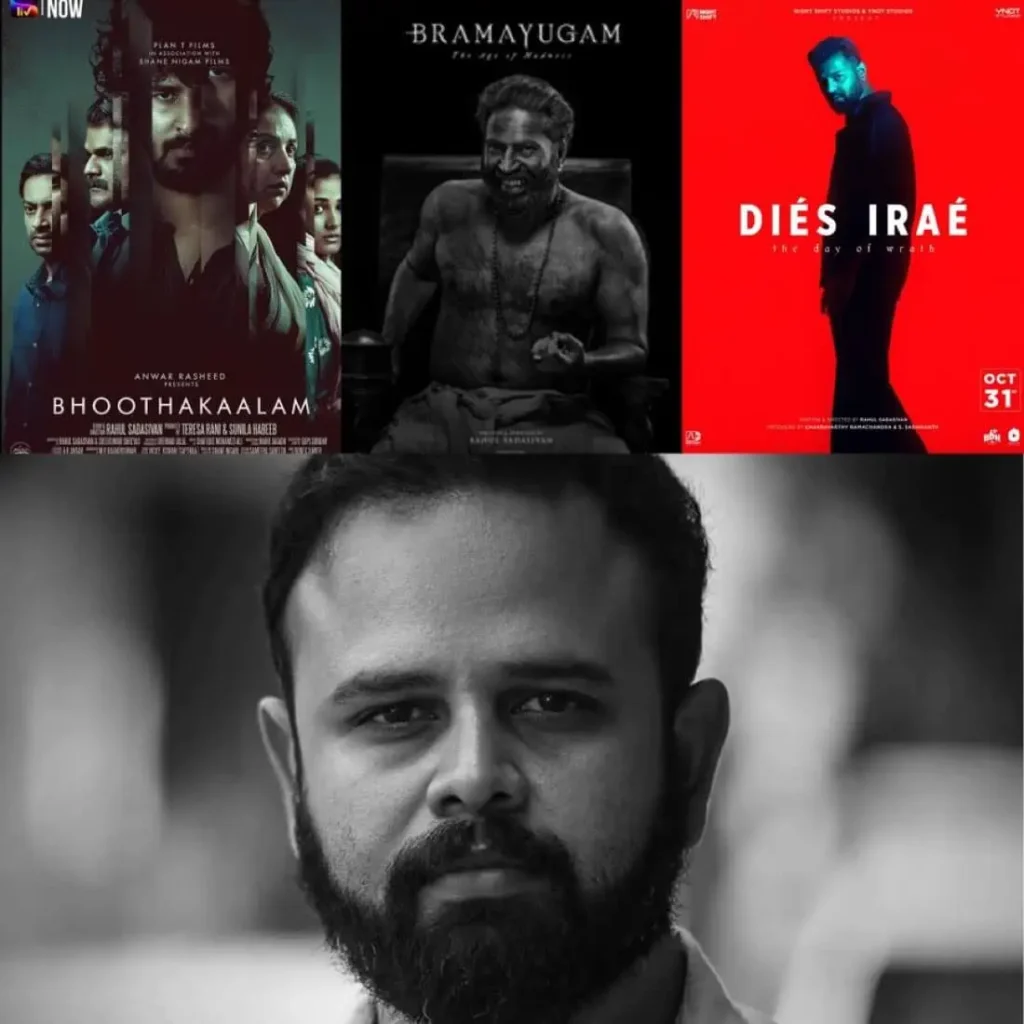

How Rahul Sadasivan Redefined Malayalam Horror — Explained

If you look at Bhoothakaalam, Bramayugam, and Dies Irae, you will immediately notice something different, this is not the usual horror. Rahul Sadasivan brings a new kind of fear into Malayalam cinema, one built on psychology, silence, and emotional depth. In this article, we decode his subtle filmmaking style by analysing Bhoothakaalam, Bramayugam, and Dies Irae in detail.

Hope you might have already notice what he avoids:

  • No exorcism drama
  • No psychiatrist or priest suddenly entering to “solve” things
  • No loud scare tricks
  • No “hero saviour” — even Madhusoodhanan in Dies Irae is scared like us.

They are stories of ordinary people trying to escape something that quietly follows them — sometimes from outside, sometimes from inside.

That is Rahul’s trick.
He makes you uncomfortable slowly, using psychology, silence, and things we carry in our hearts but never speak about.

The House Matters More Than the Ghost

In most horror movies, the ghost is the hero.
But in Rahul’s films, the house is the main force.

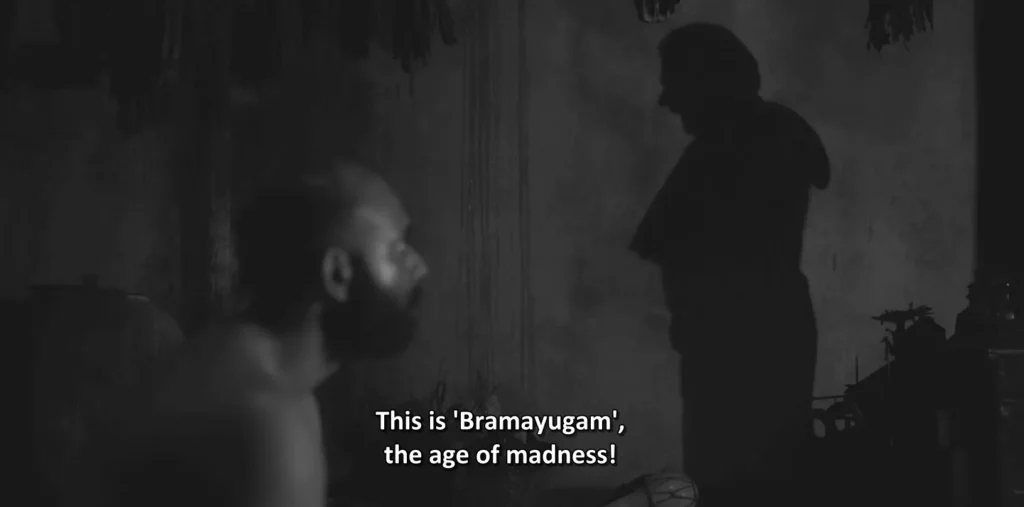
In Bhoothakaalam, that home feels suffocating, like sadness has settled there over years. And in Bramayugam, the old illam becomes a trap, holding secrets and power games.
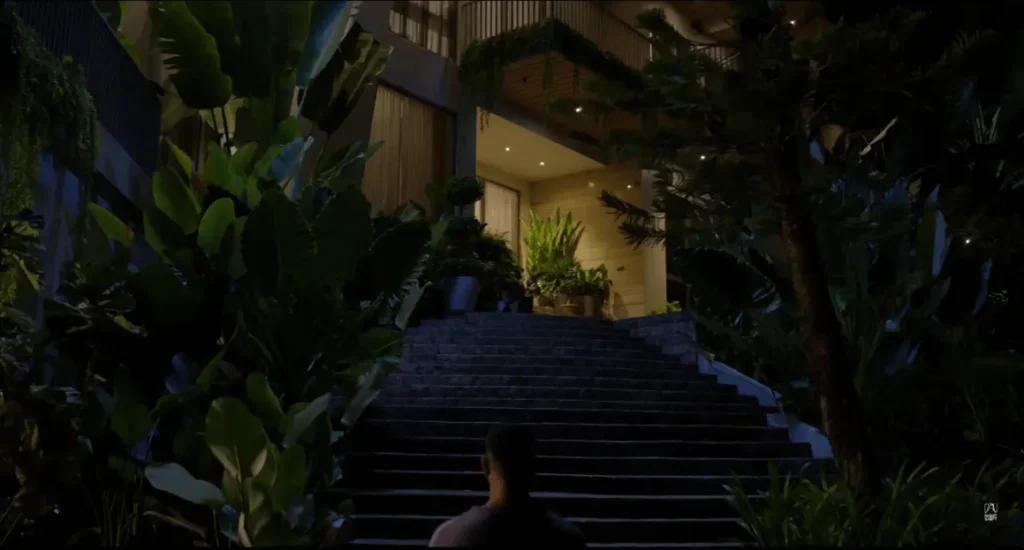
In Dies Irae, we have a modern luxury villa that still feels empty and cold.

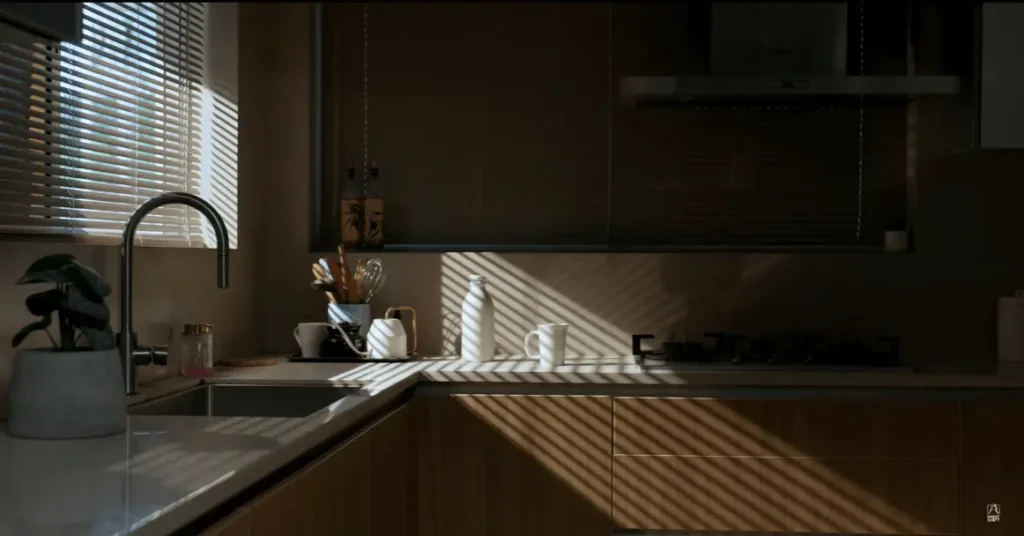
Rahul uses everyday spaces — kitchen, bathroom, staircase, bedroom — and turns them into areas you suddenly notice more when you go home at night.

For visionary filmmakers, space is not just a backdrop — it becomes part of the emotion. Some directors use rooms, corridors, and silence better than dialogue. 

For example, in In the Mood for Love, the narrow corridors and tight apartment hallways make us feel the unspoken tension between the characters. The walls almost hold their secrets. 

In Billy Wilder’s The Apartment, the office floor and the lonely apartment show how crowded life can still feel empty. Even in Kubrick’s The Shining, long hotel hallways are enough to create anxiety before anything supernatural appears. 

These films prove one thing: space can talk. It can show loneliness, fear, temptation, or pain without a single line of dialogue. Rahul Sadasivan uses this same idea in Malayalam horror. 

He does not create a haunted house.
He makes you think about your own house after the film ends. You go home and think, “Why does my house suddenly feel so quiet?”

His horror isn’t about the building; it’s about your relationship with your space.

Bhoothakaalam: The Cramped Apartment

Central Theme: Depression and the fear of mental health

Setting: Middle-class apartment in the midst of a bustling city (not an isolated mansion)

From Rahul Sadasivan’s interview (Times of India):

“I was very particular about the house, once the story and screen was completed. Since it’s a horror movie, and has paranormal elements, the house becomes a character, at one point. Instead of going for a cliché mansion or deserted bungalow, I wanted a house that seemed normal, in a relatable neighbourhood. Our requirement was a single storeyed house with three bedrooms.”

In Bhoothakaalam, the cramped spaces and minimal effects create a terrifying atmosphere. Whatever pain Vinu and Asha already have, the house quietly absorbs it, makes it heavier, and sends it back to them. So instead of getting better, they keep sinking deeper into fear and hopelessness..

Bramayugam: The 17th Century Mana

Central Theme: “Oppression is a cycle, it never stops”

Setting: Dilapidated, labyrinthine 17th-century mansion

The mana in Bramayugam acts as a physical manifestation of a corrupt power structure. It creates entrapment — the night lasts longer than the day, and the characters seem stuck in an endless time loop.

Dies Irae: The Luxury Villa

Central Theme: “when you have everything outside, the battle begins inside.” The film explores how emotional hunger inside us creates its own demons.

Setting: Villa that “screams luxury in every corner”

Function: The luxurious villa becomes a gilded cage, amplifying the protagonist’s profound sense of isolation despite (or because of) its opulence.

Also, you can see that there three different homes in Dies Irae

  1. Rohan’s luxury villa
  2. Kani’s home: A middle class home
  3. Eliamma (Jaya Kurup): A tiny old home made of wood and bricks.

In Dies Irae, each home carries its own ghost, no matter how big or small the space is. Rohan lives in a luxury villa, yet that house is the most haunted — not just by a spirit, but by guilt, ego, and his inability to face his own actions.

Kani’s middle-class home feels cursed to her family, not because of spirits, but because of grief and the emotional wound.

And then there is Eliamma’s tiny old house, where she feeds a demon. Three different homes, but the same truth: a house becomes haunted when the people inside cannot let pain go. Fear is not about walls or wealth — it follows who we are.

Rahul Sadasivan vs James Wan: Two Different Ways to Create Fear

Rahul Sadasivan doesn’t make “loud” horror.
You won’t see sudden jump scares every few minutes or ghosts screaming into the camera. That style works for some films, but Rahul is not interested in shocking you for one second and moving on.

He wants something else — he wants the fear to sit with you.
Not run at you.
Just sit quietly, like a thought you can’t shake off.

This is very different from the James Wan school of horror. Wan builds fear like a roller-coaster — loud, fast, and engineered for instant reaction (Conjuring, Insidious can be examples). It works, no doubt, but sometimes those scares vanish the moment the lights come on. Rahul does the opposite. He doesn’t chase your heartbeat; he quietly gets into your head.

Rahul treats horror like a natural extension of life.
Problems we don’t talk about, guilt we carry, sadness we ignore — he uses these emotions as real ghosts. And that’s why you feel uneasy. Not because something jumped at you, but because somewhere it feels real.

  • When Rohan talks about Kani to Madhu, you may connect with either Kani or Rohan.
  • When Asha and Vinu fight, you may think about your mother or your own past.
  • And when Potti says, “You can’t have a second chance,” we feel the pain of loss and oppression.

What Rahul Sadasivan’s Horror Really Talks About

On the surface, Rahul’s films look like ghost stories. But if you watch closely, there is always something deeper running underneath. The fear is just a tool — the real subject is what people quietly go through inside their minds.

The Ghost of Depression in Bhoothakaalam

In Bhoothakaalam, the haunting blends with mental health, trauma, and the weight of hopelessness.
The central theme of Bhoothakaalam is depression and the fear surrounding mental health — generational trauma and emotional silence.
The most powerful moment is Vinu’s fear — “the fear of our loved ones not understanding us.”

Two-thirds of Bhoothakaalam is drama about a clinically depressed mother and a troubled son’s dysfunctional relationship, and the remaining one-third focuses on haunted-house elements.
You start wondering whether the ghost is real, or if it is grief taking shape.

Power, Isolation, and the Illusion of Equality in Bramayugam

In Bramayugam, the horror isn’t only about black magic or ancient curses. It’s about power — who controls it, who suffers under it, and how fear keeps systems running for generations.

The illusion is not the ghost; it’s the illusion of egalitarianism. Those who wish to keep you beneath them will first make you sit beside them like an equal, creating a false sense of equality. They use that feeling in you to establish themselves as the bigger person, to whom you owe gratitude for being treated “undeservingly” as equals.
No offence to comrades or communists, but this illusion is something we have seen across revolutions in history.

Look at the song Adithyan Illathe — a cry for help, portraying the sorrow of bondage, sung exactly when planning to break free. Everything is connected. The victims are not waiting for an exorcist.

The Ghosts Made by Desire & Wrath, Not Spirits

And in Dies Irae, the supernatural mixes with guilt and emotional hunger in modern life. The film touches upon desire, obsession, and the wrath that follows.

Rahul simply shows people, their fears, and the world they live in. And when the supernatural enters that space, it doesn’t feel separate. It feels like it was always there, hiding behind the curtain of everyday life. That’s why his stories stay in your head — they talk about ghosts outside and the ghosts inside.

Also, in Dies Irae, I love the way Madhusoodhanan realises his abilities. It reminded me of Nolan’s Batman moments — Madhu discovering the strength he had long ignored, and rising in the second half to confront the evil.

A Team That Understands Rahul’s Vision

Rahul’s films look and sound the way they do not just because of him, but because he works with a team that understands his rhythm.

Cinematography: Shehnad Jalal

Rahul’s visual language works because of cinematographer Shehnad Jalal (alumnus of Satyajit Ray Film and Television Institute).

Shehnad and Rahul plan deeply before they shoot.
They storyboard, visit locations together, and decide how silence, darkness, and stillness should look. Rahul’s VFX and animation background helps him visualise shots in advance — nothing is accidental.

That’s why in Bhoothakaalam, close-ups feel like someone breathing down your neck. In Bramayugam, the monochrome world looks like a folklore nightmare — like the pages of an ancient palm-leaf manuscript moving on screen. The mansion doesn’t feel like a set; it feels like a memory.

And small choices — like the low-angle shot of Mammootty’s shadow towering over another man — show how visual ideas come from trust and collaboration, not chance.

Sound & Silence: Christo Xavier and Team

Horror dies if sound is lazy. Rahul knows that. So does composer Christo Xavier, along with sound designers Jayadevan Chakkadath, M.R. Rajakrishnan, and Raja Krishnan.

I love the way they use Silence.
Silence is not empty — it has weight.

Instead of constant scary music, sound arrives slowly. Sometimes all you hear is a hair clip snapping, a ghungroo, footsteps in another room. These sounds feel ordinary — and that’s why they make your stomach tighten.

That’s why scenes like the “passage of time” sequence in Dies Irae or a casual conversation turning chilling work so deeply — the sound pulls the floor from under you without warning.

Editing: Shafique Mohamed Ali

Finally, Rahul’s films hold tension because of editor Shafique Mohamed Ali. He doesn’t cut for speed — he cuts for mood.

Sometimes a scene stays longer than you expect.
Sometimes it ends just before you feel safe again.

A scene from Dies Irae

Editing in horror is timing, and Shafique knows when to let silence stretch and when to snap it. That’s why Rahul’s films never feel rushed or broken — each moment lands.

A Horror Film That Follows You Home

Rahul Sadasivan isn’t trying to entertain you for two hours and send you home relaxed. His films don’t end when the credits roll. They quietly come with you.

You think about the house, the silence, the feeling that something was always there in the corner. Once you switch off your bedroom light, and suddenly the room feels a bit too still. You hear a sound from the kitchen, and for a second, you pause.

Bhoothakaalam

Not because you saw a ghost in the film — but because the film reminded you that fear doesn’t always scream. Sometimes it just waits.

That’s Rahul’s style:
Not horror that tries to scare you.
Horror that reminds you you are already scared — only you don’t talk about it.

Share your thoughts as comments.

Dies Irae Explained: The Ghosts We Create From Guilt

Dies Irae is a story built on guilt, obsession, and the ghosts we create inside our own heads. Here we are decoding the unanswered questions and symbols from Dies Irae..

For more stories check here.


Avihitham vs Ore Kadal: How Malayalam Cinema Portrays Infidelity

Avihitham by Senna Hegde is a simple satirical film. Co-written with Ambareesh Kalathera. What makes it interesting is how it touches on female desire and infidelity, a theme that has often been explored in Malayalam cinema in very different ways. To understand this better, let’s look at how female desire is portrayed in Avihitham compared to Ore Kadal, a layered and emotionally complex film.

The movie opens with a striking quote: “They weigh us, they measure us, and then they decide our worth.” This line perfectly sums up the essence of the film.

Avhitham Movie Poster

A Scandal in the Dark: How Avihitham Unfolds

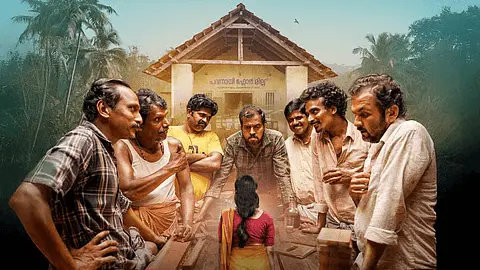
One night in Ravaneshwaram, Kasaragod district, the local loafer Prakashan (Ranji Kankol) spots two people secretly making out. From a distance, he recognises the man as Vinod (Vineeth Chakyar), who works at a flour mill.

He can’t see the woman’s face because of the darkness. Since the act happens near the house of Nirmala (Vrinda Menon), who lives there with her daughter and mother-in-law while her husband Mukundan (Rakesh Ushar), a carpenter, is away at work, Prakashan assumes she must be the woman.

Avhitham Lyrical Song

What follows is an elaborate, supposedly foolproof plan by Prakashan and a group of men, including Nirmala’s husband and his family, to catch the lovers red-handed.

Avihitham’s treatment is similar to Senna’s previous flick Thinkalazhcha Nishchayam, but there, the climax hit hard, forcing us to introspect and empathise with the victims.

Here, due to weak writing and the absence of strong turning points, the audience may struggle to empathise with the secret lover or her choices. The flat narration and preachy, predictable dialogues at the end make it even weaker.

Characters That Speak Louder Than the Plot

Why someone enters an illicit affair is often reduced to a single reason — “the husband is not caring” — but I expected more nuance from a director like Senna Hegde.

That said, I liked how he wrote certain characters. For example, Tailor Venu concludes that the woman was Nirmala based purely on her body measurements, which he claims to calculate in darkness — cleverly echoing the opening line: “They weigh us, they measure us, and then they decide our worth.” Similarly, Prakashan’s voyeuristic pleasure and Mukundan’s blind trust in everyone except his wife add layers to the village dynamics. Senna builds the soul and core of Avihitham on a strong foundation, but the film loses its grip by the end.

Now, let me draw a parallel between Ore Kadal by Shyamaprasad and Avihitham. This might help explain why I find the climax of Avihitham more of a mockery than a solid, emotionally convincing moment.

(Read this only after watching Avihitham.)

The Climax That Missed Its Reflection

Senna Hegde is known for holding a mirror to small-town social structures with a dry, observational tone. But in this case, the way the film ends — with Geetha explaining her actions almost in a moral-preachy way — can feel like it’s trying to “justify” a personal choice that’s actually morally and socially complex.

Geetha is a housewife in Avihitham. She is married to Mahesh, a carpenter from a typical patriarchal community. He is a male chauvinist who believes women should obey and follow men. In their world, being expressive or caring is considered a sign of being “henpecked.” Geetha develops a love interest in Vinodh, a mill owner, and they begin meeting near the bathroom at night to have sex.

Director Senna Hegde justifies this relationship through Geetha’s dialogue in the climax, where she says Mahesh never cared about her feelings, never listened to her, and didn’t even allow her to watch her favourite TV serial. Vinodh, on the other hand, listened to her worries. In a preachy tone, the film ends with Geetha delivering a few lines explaining her actions — and then the story simply wraps up.

Why ‘Avihitham’ Climax Didn’t Work for Me

1. Patriarchal setup vs individual choice

Yes, Geetha’s husband Mahesh is portrayed as a classic patriarchal male, emotionally unavailable, controlling, and dismissive. That part is very real in many households.
But patriarchy doesn’t automatically justify infidelity.
What it explains is why she might feel suffocated, not why she must cheat.

The emotional neglect here sets the context, not the moral defence.

2. Emotional connection vs sexual escape

From what the film shows, Geetha’s relationship with Vinodh happens in secret, in a bathroom corner at night, repeatedly.
There’s no serious conversation between them on screen beyond her venting.

That clearly points to a physical and emotional outlet, but more heavily leaning on sexual release and escapism than a deep, emotionally meaningful connection.

So when the film suddenly ends with a “justifying” monologue, it feels like it’s trying to frame lust as liberation, which isn’t automatically valid or convincing.

3. Problem with preachy justification

A stronger script would have let the act speak for itself or shown its consequences, instead of Geetha explaining it in a moralising way.

When the movie uses her explanation as the final word, it:

  • Silences other perspectives (e.g. the betrayal involved, Mahesh’s flaws notwithstanding).
  • Flattens the complexity of such relationships into a “good vs bad” binary.
  • Feels emotionally manipulative to the audience, telling us what to feel, instead of letting us decide.

The film clearly wanted to keep Geetha’s identity as the “surprise” element, which is probably why Senna avoided showing her perspective or building parallel emotional layers around her character. 

But that choice comes at a cost, the climax ends up depending entirely on a preachy dialogue to justify her actions. If they didn’t want to reveal her directly, they could have still hinted at her emotional state through other female characters or parallel situations. That would have allowed the film to show the greyness of both characters and make the ending feel more earned and organic.

Orey Kadal’s Deepti vs Avihitham’s Geetha

Deepti’s Journey in Ore Kadal: Plot

Now let’s look at Ore Kadal, directed by Shyamaprasad and based on the Bengali novel Hirak Deepti by Sunil Gangopadhyay. Starring Mammootty as Nathan and Meera Jasmine as Deepti, the film explores how human desires and social realities often clash in messy, painful ways. 

Orey Kadal Movie CharacterS

The story is about Deepti, a young housewife whose husband is struggling to make ends meet. Their life is full of financial stress and emotional distance. One day, she meets Nathan, an older social scientist who helps her during a tough moment. Slowly, their bond grows — but while Deepti starts to develop deep feelings, for Nathan it’s just a physical connection. This difference in how they see the relationship changes her life completely, pulling her into guilt, pain, and emotional turmoil.
This layered storytelling gives the film a quiet but powerful emotional weight, making it very convincing, even though Ore Kadal and Avihitham speak about similar themes in the end.

Avihitham vs Ore Kadal: A Question of Depth

1. Context vs depth

  • In Avihitham, Geetha’s affair with Vinod happens quickly, physically, in secrecy, and the script tries to justify it in one dialogue, framing it as “Mahesh didn’t care about me, but Vinod listened.”
    It simplifies a very complex human situation.
  • In Ore Kadal, Deepti’s relationship with Nathan is not just about physical desire. It begins with:
    • Economic and emotional vulnerability,
    • Intellectual awe,
    • Gradual internal transformation.

She doesn’t enter the relationship out of rebellion but is slowly pulled into a web of emotions, class dynamics, and personal longing.

This depth makes a huge difference in how we perceive her choices.

2. Character motivation

  • Geetha is reacting to her husband’s control and neglect. Her relationship is an escape, not an evolution.
    It is more lust and rebellion than layered love. Even the movie doesn’t give us more than a shallow justification.
  • Deepti is a woman crushed by economic dependence, class inferiority, and intellectual loneliness.

Nathan represents everything missing in her life: intellect, security, attention, and a kind of forbidden freedom.

Even when the relationship is exploitative in a subtle way, her emotional investment is genuine.

This is why you may felt empathy for Deepti but not for Geetha.

3. Filmmaking choices

  • Avihitham ends with a preachy justification, almost spoon-feeding the audience how to feel.
    It takes a moral stand: “she was right to do this because her husband was wrong.”
  • Ore Kadal does the opposite: it does not justify or condemn.
    It simply shows the consequences, love, guilt, loneliness, madness.
    It treats Deepti as a human being, not a symbol for rebellion or morality.

This subtlety gives viewers the space to think and feel.

4. Lust vs longing

  • In Avihitham, the relationship is framed around physical meetings in a corner at night. It never explores why she’s drawn to Vinod beyond “he listens.”
  • In Ore Kadal, Deepti’s longing for Nathan is shown through:
    • Her hesitation to meet him,
    • Her emotional dependency,
    • Her heartbreak when she realises he doesn’t love her.
      This isn’t just sexual, it’s a deep emotional entanglement.
This is why Deepti’s actions feel more tragic than immoral.

5. Why is my reaction different

I instinctively felt Geetha’s act was just about desire and rebellion, because the film gave me no real emotional bridge to her decision.
But I felt Deepti’s act was understandable, even if not “right,” because the film made me walk through her inner world step by step.

That’s the power of layered writing.

  • Avihitham: simplifies morality: “bad husband = justified affair.”
  • Ore Kadal: complicates morality: “broken woman → human desire → guilt, collapse, pain.”

I felt like Senna Hegde tries to explain; but Shyama Prasad reflects.

And that’s why Ore Kadal lingers in your head long after it ends, whereas Avihitham might leave a feeling of imbalance or superficiality.

Final Thoughts: Avihitham vs Orey Kadal

Now, I do agree, you can’t compare apples and oranges. You can’t put a black humour satire next to a complex, layered feature film. Yet, the reason I’m making this comparison is because of what I witnessed in the theatre. 

Many people were openly abusing Geetha’s character; some even shouted, “slap her!” That clearly shows whatever Senna Hegde was trying to communicate didn’t connect with a large part of the audience.

 If the intention was to create a mirror for society, then the writing needed to be more serious and layered. And that’s exactly where Ore Kadal becomes a good example. Avihitham is still running in theatres, while Ore Kadal is available to watch on YouTube, and both offer two very different ways of handling the same sensitive theme.

Lokah Chapter 1 (2025) Explained

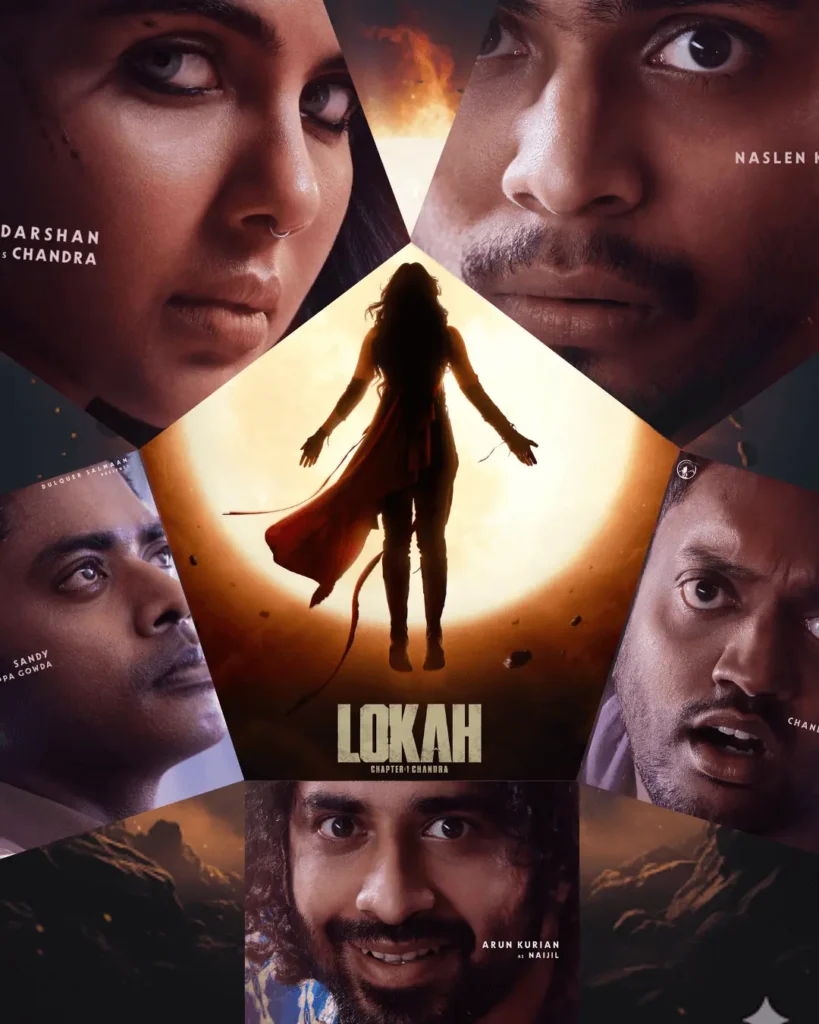
So, you just finished watching Lokah: Chapter 1, and you might have questions. Who exactly are these immortals? Who is Dulquer, and what is he doing as a Ninja? And what’s with that surprise ARM–Maniyan connection at the end? This blog will walk you through the climax, explain the roles of Neeli, Chathan, and Odiyan, and highlight all the unanswered questions that set the stage for Chapter 2.

LOKAH CHAPTER 1 EXPLAINED

Lokah vs Minnal Murali: A Different Superhero Blueprint

We have Minnal Murali, our first superhero film from Mollywood. While Minnal Murali was a complete story about one hero’s origin, Lokah is designed as the first part of a larger film series. It introduces a new world and many characters to build a foundation for future stories.

Lokah: A Full Plot Summary (Spoilers)

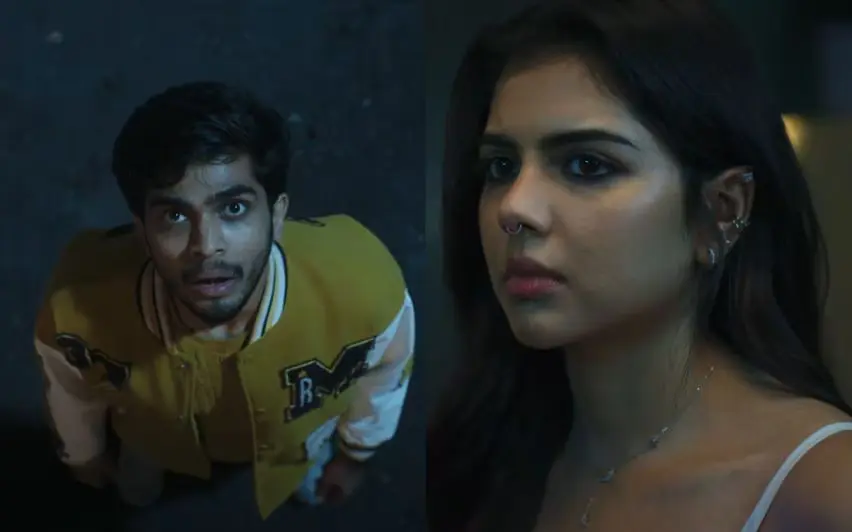
Nasleen as Sunny & Kalyani Priyadarshan as Chandrah (Neeli)

The story of Lokah Chapter 1: Chandra is an origin story that introduces the main character and her world.

  • The film is set in modern-day Bengaluru.
  • The central character is Chandra (Kalyani Priyadarshan), mysterious with a difficult past. She works night shifts at a café.

  • Living across from her are three unemployed men—Sunny (Naslen), Nijil (Arun Kurian), and Venu (Chandu Salimkumar). They notice her strange behaviour. Sunny develops a crush and curiosity about her.
  • Chandra is revealed as a Yakshi called Kalliyankattu Neeli, inspired by Kerala folklore. In the myths, Neeli terrorised Panchavankadu and was impaled by Kadamattathu Kathanar.
  • In Lokah, Kathanar (Sunny Wayne) once impaled Neeli, but later he liberated her after realising she was a good spirit who was fighting against evil men. In modern times, his descendants run a secret hotel in Bengaluru where immortals gather. They are controlled by a supreme power called Moothon, whose identity remains unrevealed.
  • The conflict begins when Chandra’s co-worker is threatened by an organ trafficking gang. She steps in, revealing her superhuman powers.

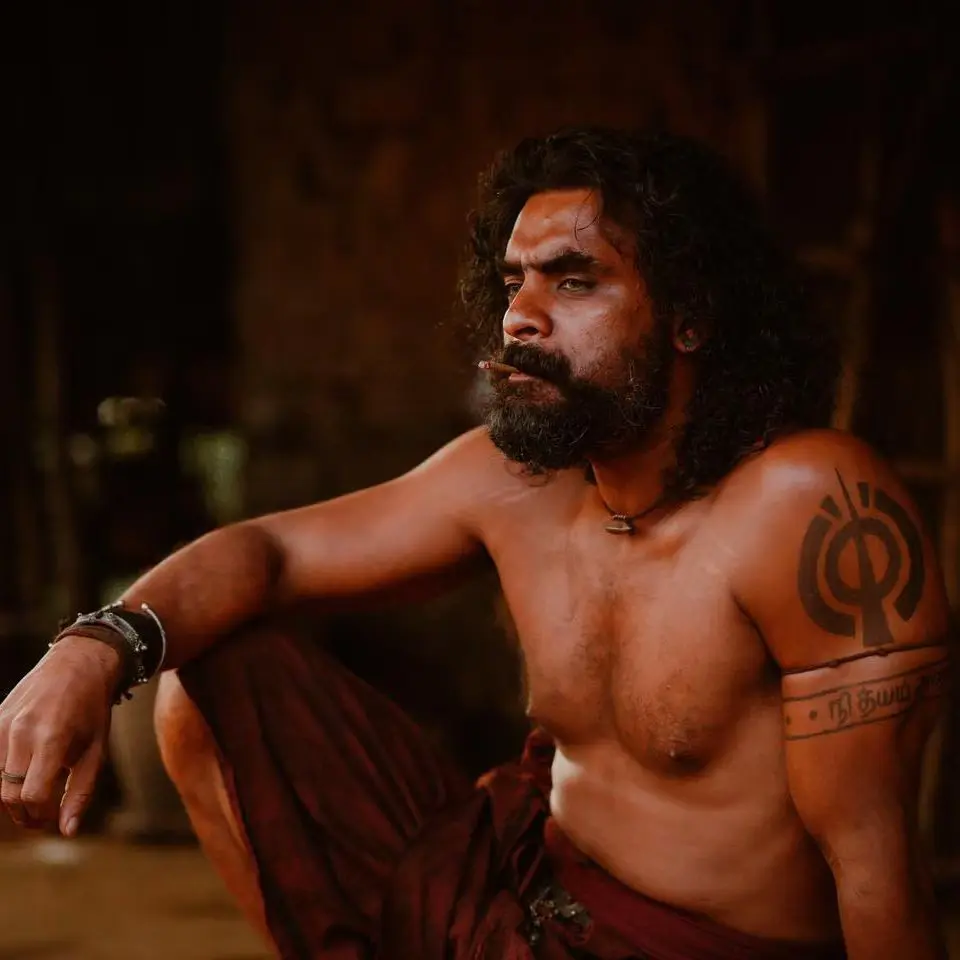
Later, the director reveals glimpses of many other immortals—like Chathans, Tovino in the form of a magician in Bengaluru, and Dulquer Salmaan is playing the character of Odiyan (Ninja fighter).

Analysis of the Screenplay

The screenplay for Lokah was written by the director, Dominic Arun, with additional screenplay and dramaturgy by actress and writer Santhy Balachandran.

In 2017, when Tharangam came out, I thoroughly enjoyed it because of its narrative style and black humour. Even his short film Mrithyumjayam (a noir short film) worked for me.

Dominic Arun’s First Short Film

What went wrong with Tharangam was its racy screenplay and intricate plot that used non-linear sequences, animation, and split screens to create a dynamic viewing experience. But many felt it was too overwhelming and complex.

In Lokah, the film’s main plot is very simple. I felt the story did not have enough complexity. The script focuses more on introducing the world of Lokah and its many characters than on telling a complicated, self-contained story. This focus on world-building is a key part of its design as the first chapter of a franchise.

Moothon Glimpse from Lokah

Santhy Balachandran’s contribution to the screenplay is significant. Her work on dramaturgy suggests she helped shape the story’s structure and its mythological themes, ensuring the folklore elements were woven into the modern superhero narrative in a meaningful way. Her views on a patriarchal society are also layered in Lokah.

Santhy Balachandran in Lokah

How Lokah Uses the Superhero Formula

Superhero films typically follow the hero’s journey. Let me explain that  with my favourite superhero Batman:

  • Origin and Backstory – Bruce Wayne witnesses his parents’ murder.
  • Call to Action – He decides Gotham needs a protector.
  • Training or Preparation – Learns combat and stealth from the League of Shadows.
  • Initial Confrontation (Setback) – Faces Joker but suffers losses like Rachel’s death.
  • Low Point / Dark Moment – Bane breaks him and Gotham falls.
  • Final Battle and Transformation – Returns, defeats Bane, and finds a life beyond Batman.

Lokah follows a similar structure, but with non-linear narration.

Is Chandrah a Vampire? Why is she Immortal?

Chandra, as a child, was infected with a mysterious virus. She became a Yakshi, called Neeli. This is inspired by Aithihyamala, where Kalliyankattu Neeli was a Yakshi eventually liberated by a priest called Kadamattathu Kathanar.

But Santhy gives an alternate ending here: Neeli was not evil. Kathanar gave her freedom to do good, and she continued fighting evils across centuries, living on as an immortal.

Now in Bengaluru, she keeps a low profile and works night shifts. This is clearly inspired by vampire stories (Even chandra’s super speed is inspired from MCU Quick silver effect)—where someone bitten also becomes a vampire, avoiding sunlight as they age.

If you notice, during the Kiliye Kiliye song, Chandra enters Sunny’s house only after he invites her inside. This is just like the scenes in Sinners, where vampires can enter a home only if they’re given permission. That’s another hint that Chandra is actually a vampire.

People might ask: Why doesn’t Kalyani look old even after hundreds of years? The same reason—Santhy and Dominic Arun are portraying Kalyani’s character, Chandra, as a vampire-like immortal who was infected by a virus. Vampires reach maturity faster and then stop ageing.

She confronts an organ trafficking gang. The editing by Chaman Chacko is brilliant here, along with the narrative style. A grandfather (played by Vijayaraghavan) tells the story of how a little girl became a Yakshi and fought against mercenaries of an evil king, while in parallel, the director shows us modern-day Neeli, aka Chandra, fighting against organ traffickers.

So the rise of Chandrah in the modern day and past is presented in parallel. It answers, how she became a vampire.

Who is the Goddess in the Cave

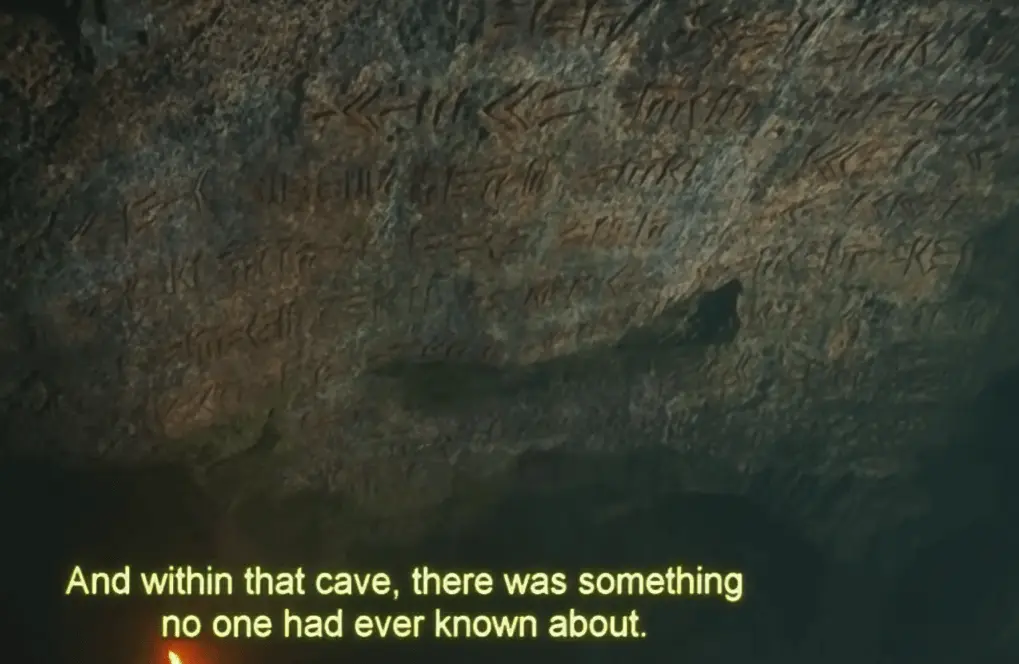
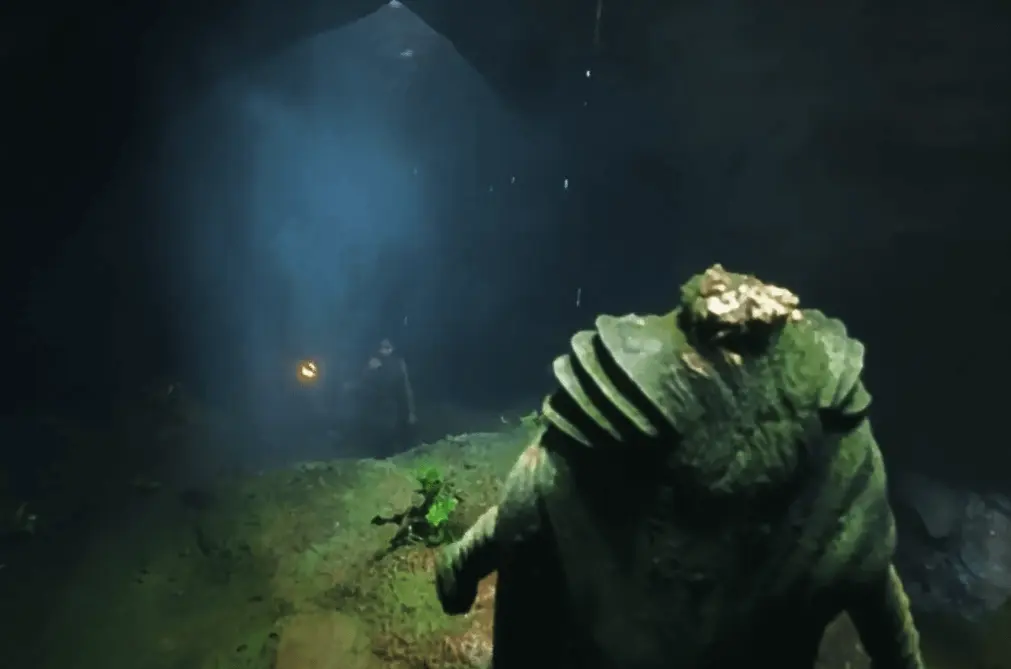
While explaining the flashback, we see child Neeli looking at a cuneiform text — the wedge-shaped script of ancient Mesopotamia — carved inside the cave.

This links the beheaded idol that Neeli sees to Ishtar, the Mesopotamian goddess.

14 Immortals & They Live Among Us Book

Vijayaraghavan’s character Daniel is revealed to be the author of the book They Live Among Us. He is researching 14 immortals who live among us. These include Maadan, Marutha (likely played by Santhy Balachandran or Ahana Krishna, since Marutha is a female spirit), Chathan (Tovino), Yakshi (Kalyani), Odiyan (Dulquer), and possibly Bhootham/Jinn (Soubin). This is my assumption, based on Aithihyamala.

Lokah Ending Explained: The Final Battle & Post-Credit Scenes

In the end, Neeli, aka Chandra, kills the villain. Like in old myths, immortals have a weak point—the heart. This mirrors how Kathanar once tied Neeli in the past, piercing a holy knife into her heart.

After that, we see Odiyan (Dulquer) killing a few gangsters at the hotel. Chronologically, this happens before Kalyani’s fight at the same hotel. Then we get Tovino’s character, Chathan, asking someone how he managed to find him. The reply is about a viral video, where Tovino—as a magician—performed the trick of tying a shoelace in Bengaluru.

Now if we look back, in the very beginning, Naslen’s character talks about this: “I am trying to tie my shoelace the way that magician did.” That line connects directly to Chathan’s reveal.

Then, the Guest (played by Vijay Menon) asks Chathan about a picture he received from some architects who explored a cave. The picture looks exactly like Tovino. Chathan explains that there might be nearly 389 Chathans in the world who look exactly the same as him.

And here comes the real connection in the second post credit scene: we are shown Maniyan’s picture (from the film ARM, where Tovino played a mysterious character named Maniyan).

Now it all ties together — Maniyan mostly lived in caves, and his death was mysterious. Maniyan moves fast, and we can see his magical powers, so it’s fair to assume he might be a form of Karimkutty Chathan or Theekkutti Chathan.

Maniyan Character from ARM

That’s where the movie ends, leaving us with the hint that Maniyan could also be one of these Chathans.

How Maniyan( ARM) Can Be A Chathan

As per mythology and folklore, when Lord Shiva and Parvati disguised themselves as Valluvan and Valluvathi, they had two children named Karuval(Goddess) and Kuttichathan. Another story says Lord Shiva’s encounter with a beautiful forest woman named Koolivaka led to the birth of Vishnumaya Kuttichathan.

So, in all popular stories, Kuttichathan is essentially a form of Shiva. Now, if you look at the Bhairava song in ARM, the entire song is about dualism. In Hindu mythology, Bhairava is Shiva’s most wrathful form.

That connection makes the logic correct: the makers can absolutely bring Maniyan into the world of Lokah. And if they do, it would be a powerful addition to the universe.

But the real question is this: if Maniyan is indeed a Chathan, will Listin Stephen (the producer of ARM) agree to make Maniyan part of the Lokah universe?

Cultural Innovation: Kerala’s Myths in a Superhero Template

This shows that the film relies heavily on the conventional superhero template for its plot progression, choosing not to innovate structurally.

But Lokah’s innovation is not structural or deconstructive—it is cultural. The film does not parody the superhero genre or fundamentally question the morality of its hero. Instead, its main contribution is cultural transposition.

It takes the largely American superhero template, adds vampire-like features, and grounds it in a specific non-Western mythological framework: the folklore of Kerala.

The central premise of the film—that immortal beings from these legends exist in today’s world—is summed up in one idea: They live among us.

And I’m happy this is not another poor imitation of a Hollywood superhero or vampire movie sprinkled with Sanskrit verses (which is mostly what Tollywood does).

The Immortals Explained: Who Are They?

Chandra = Kalliyankattu Neeli.

Chathan = Tovino’s Kuttichathan is a mischievous but powerful spirit. Some myths say that when Kuttichathan was killed and his body torn apart, every piece became a new Chathan. This explains why there are hundreds of Chathans. Karim Kuttichathan, Vishnumaya Kuttichathan, Pulakkutti Chathan, Neerkkutti Chathan and Theekkutti Chathan are the prominet ones.

Odiyan = Dulquer’s shape-shifting assassin. Odiyans were fighters. Their primary method was assassination through fear. The source of an Odiyan’s power came from a secret and gruesome ritual that created a magical oil called Pilla Thailam (literally, “child oil”).

Possibly others: Maadan, Marutha, Bhootham/Jinn.

Together, they form a clandestine immortal society that has lived among us for centuries.

Daniel’s Secret Motive (Fan Theory)

Vijayaraghavan’s Daniel is introduced as the author of They Live Among Us, writing under the pen name Joseph Dominic. At first, he looks like a researcher documenting immortals, but his actions raise bigger questions. Why does he meet Nachiappa, the infected police officer? He collect his blood, why? Why he is doing this research?

One possible theory is that Daniel’s obsession is personal, not academic. We see hints that his granddaughter suffers from a chronic illness. If true, Daniel’s entire research may not be about revealing immortals to the world — it’s about finding a cure.

If Lokah explores this, Daniel could become one of the most morally complex characters in the universe. A grandfather trying to save his family at any cost, even if it means reviving antagonists, experimenting with immortal blood, or breaking the balance between good and evil.

And if Moothon’s control is already pulling strings, maybe Daniel isn’t just researching — maybe he’s unknowingly working for the antagonists. That twist would make him less of a mentor figure and more of a tragic player caught between love for his granddaughter and manipulation by a greater power.

Too many Questions For Lokah Chapter 2

The ending leaves us with more questions than answers. If Maniyan is really one of the 300 Chathans, what does that mean for the larger Lokah universe? 

Who is Moothon? How many more immortals are hiding in plain sight? What was the mission Kalyani was trying to accomplish in the opening scene? Who is Ishthar?

Read About Moothon and his Link between Mesopotamian Dieties Here.

Is the organ trafficking gang leader Gajendran a reincarnation of the old evil king, since they look the same? 

Nishanth Sagar’s character Prakash says, “Even you are a daughter to Moothon!!”—what does that mean? Why did Neeli have to come to Bengaluru in the first place, and what was her motive? 

Did she already know about Gajendran’s organ trafficking and plan to kill him? And why is Dulquer’s Odiyan killing so many gangsters at the hotel?

These are questions that Lokah Chapter 1 doesn’t answer—but maybe it doesn’t need to. For now, it has given us Neeli, Chathan, and Odiyan. The rest of the story waits in the shadows.

For More Reviews and Analysis: click here

Su From So (2025) review: A 5-Star Film From Kannada

Su From So, directed by debutant J. P. Thuminad, is my favourite film of 2025 so far. Entertainment, art, aesthetics, writing, music, performances — I don’t even know which topic to start with. Every part of the film is top-notch.

I went to Sumathi Valavu expecting a clean horror-comedy but was disappointed by its cringe-fest. For Su From So, I walked in without even watching a trailer — and what a refreshing, fun ride it turned out to be!

A shot from Su From So - marriage scene
A shot from Su From So

The story takes place in a rural Karnataka village. Ravi Anna, a bachelor in his 40s, is the go-to person in the village, like our Lalettan in Balettan— even 50-year-olds respectfully call him Ravi Anna. Everyone looks up to him. Then there’s Ashoka, a painter who spends more time flirting and indulging in voyeurism. The film introduces a colourful range of characters surrounding these two.

The village believes that Ashoka is possessed by a ghost named Sulochana from Someshwara. What follows is a series of chaotic events, and the movie explores how the village reacts and tries to deal with it.

What stood out for me: The Writing

The most brilliant part of the film is its writing. It follows a cascading structure — chaos leading to more chaos — but everything is beautifully interconnected.

The director introduces all the characters through two village functions. The first function helps establish the cultural and spiritual beliefs of the village. A death is announced, the entire village community gathers for the rituals. That’s where the first spark flies — a subtle friction between Ravi Anna and Ashoka.

 Shaneel Gautham as Ravi Anna
Shaneel Gautham as Ravi Anna

In the second function, more characters are introduced. Then comes the big moment — Ashoka gets possessed. Once again, the director cleverly plants another trigger between Ravi and Ashoka, further deepening the chaos around the ghost and the possession.

Each event naturally flows into the next. Nothing feels forced. Every scene, every character matters. For example, there’s a dream sequence involving Ashoka’s sister. At first, it seemed like a typical horror filler, but later, it became crucial to another chain of events. That kind of thoughtful storytelling is rare. That’s what I like the most: everything & everyone is there for a reason.

Character Consistency & Detailing

One thing every screenwriter should learn from this film is how to write side characters with depth. Most films use them as fillers, but in Su From So, each character has a clear signature, a pattern of behaviour.

Take Prakash Thuminad’s character, Chandra, for example. He’s someone who enjoys the little things in life. He’s excited by experiences. In one scene, he carefully unties a chip packet because he doesn’t want to break it, he wants to enjoy it as it is. In another, he insists on having his glass filled to the brim, so he can sip it properly. He chooses orange soda over regular ones. These moments are funny, but they also make you feel like you’re watching a real person, not a character in the film. This is how films make you believe that you are seeing Auto Driver Chandra from a rural village in Karnataka, not an actor Prakash Thuminad.

Whether it’s Deepak Rai Panaje as Sathisha, Pushparaj Bolar as Bhaava, or especially Shaneel Gautham as Ravi Anna, each actor fully owns their character. Writing of Su From So helped them to leave a signature with his crafting.

Emotional Core without Melodrama

With a horror-comedy like this, it’s easy to turn the film into a series of laughs or scares. But what makes Su From So special is the emotional thread running through it. Without this layer, it would’ve felt like just another horror-comedy skit. But J. P. Thuminad ties the chaos to a meaningful message at the end — and that’s what makes the story stay with you.

The film makes you laugh, it startles you, it makes you whistle — and yes, maybe even shed a tear.

Sandhya Arakere and Raj B Shetty

Initially, I felt the women in the film were just filling space. But halfway through, Sandhya Arakere enters with a powerful character, and from that point, the film shifts its lens. Just like K. G. George explored the dark realities of village life in Kolangal (1981), Thuminad breaks the myth of “village innocence” and sheds light on domestic violence, abuses and privacy violations. That layer of social commentary is handled with subtlety and class.

Music & Sound: Elevations at its Peak

The music and sound mixing are another highlight. Whether it’s a celebration, a scare, or a fight — the score enhances every mood. Sumedh K and Sandeep Thulasidas (who composed the background score) deserve a standing ovation. Right from the opening frame, the audio experience pulls you into the world of Su From So.

Poster Su From So
Poster Su From So

Final Thoughts

I don’t even know how to describe the performances. Every actor, including Raj B. Shetty (who also co-produced the film), delivers with soul. Whatever J. P. Thuminad wrote, the actors brought to life with depth and honesty. The whole film feels fresh — a new kind of cinema that’s both intelligent and entertaining.

Even the poster design is beautiful and innovative. That sense of originality and detail continues till the final frame.

Su From So — 5/5.
Must-watch.

Kerala Crime Files Season 2 Review

After watching Season 1 of Kerala Crime Files, I wrote, “Written poor, but executed well.” Season 2 flips that statement. Read the Kerala Crime Files Season 2 review for more, No Major Spoilers ahead.

Trailer Kerala Crime Files Season 2

This time, Bahul Ramesh takes charge of the writing, and similar to Season 1, the story pulls you in from the very first episode. But not through flashy twists or over-the-top reveals—rather, through carefully crafted character layers, subtle cues, and emotional hooks. It’s no longer about “what happens next” but more about “who they are?”

Writing That Respects Its Characters

Bahul who previously wrote Kishkindha Kaandam, doesn’t rush to shock you. He builds tension by slowly revealing the people behind the plot. Take Shyju Bhai, the police officer assisting SI Noble. He’s not loud or dramatic—his brilliance lies in small gestures and quiet observations. And it’s exactly this subtlety that makes the show more gripping than many fast-paced thrillers.

If you’ve seen Kishkindha Kaandam, you might’ve noticed—except Aparna Balamurali (who represents the viewer), every character is cryptic, with layers that slowly unfold. Bahul uses the same approach here.

Kishkindha Kaandam Poster

Though it may look like an event-driven thriller on the surface, I found it to be more of a character-driven mystery. That’s rare in Indian web series. What Bahul has done here is borrow the stillness of indie crime films and blend it with procedural drama, adding emotional recall through visual and narrative cues.

CPO Ambili Raju (Indrans) and Ayyappan (Harisree Ashokan), though they don’t get much screen time, leave a lasting impact. Their characters are mysterious, quiet, and reveal themselves gradually with each episode.

Dogs, Details, and a Thematic Echo

If Kishkindha Kaandam used monkeys as a narrative metaphor, here Bahul uses dogs. They aren’t just background elements—they walk silently through every episode, tied to the story, the characters, and the trauma. There’s a murder, an investigation, and a childhood memory—all connected to a dog. Every thread feels intentional.

The way Bahul uses this thematic echo—repeating visuals of dogs, loyalty, bonds, and betrayal—to create emotional undercurrents is brilliant. It reminded me of The Banshees of Inisherin, where animals act as emotional mirrors. It also brought to mind Parinamam by M.P. Narayana Pillai, where dogs are used throughout the novel in a similar metaphorical way. I wouldn’t be surprised if Bahul has read that novel.

Another detail I appreciated: whenever a viewer might develop a doubt, the next scene often features a character voicing that very same question. It’s thoughtful writing that respects the intelligence of its audience.

Same Frame, Better Picture

Despite the change in writers, the overall structure of Season 2 mirrors that of Season 1: a murder, an investigation, and a reveal in the final episode.

Cast: Kerala Crime Files Season 2

In terms of execution, the framework isn’t radically different if you’re a fan of thrillers. Past and present intercut, truth revealed at the end—a Memento-style approach is present here, like Mystic River or our own Malayalam thriller Memories, where a past trauma anchors a current crime mystery.

Instead of revealing everything linearly, the plot is broken into modules—glimpses of childhood, the current investigation, and side character arcs (like Ayyappan, Ambili, and a few other characters). Each piece seems unrelated until the final episode, where they all snap together.

In Season 1, I felt the villain’s motive lacked depth. Here, the antagonist’s motive is much stronger, rooted in emotion and personal pain. By Episode 5, seasoned viewers might start solving the “why” and “how.” Episode 6 completes the puzzle by revealing the “who.”

Abdul Wahab’s music plays gently in the background but rises at the right moments—it complements the scenes rather than dominating them. Jithin Stanislaus’ cinematography, especially in the night sequences, adds mood and shadow to the mystery. 

As for performances, Indrans and Harisree Ashokan deliver some of their best, despite their limited screen time. Aju Varghese and Lal maintain the same chemistry and tone from Season 1, adding consistency to the evolving story. Together, the team elevates this season beyond expectations.

Final Verdict

Kerala Crime Files Season 2 is still a slow burn, but this time, the fire feels intentional. The emotional weight is stronger. The characters are deeper. The motive is real. And the writing? It finally respects the audience.

What To Watch on OTT: March 14, 2025

What are the OTT releases this week? With so many releases across platforms, unfortunately, I couldn’t find many great options for you this week, since most releases are average; if you have time, try Ponman (Malayalam) or Kaadhal Enbadhu Podhu Udamai (Tamil) Why I Pick That; scroll down to read more.

March 15, 2025 OTT Releases

Ponman (2025): A Gritty Drama That Goes Beyond the Gold

📺 Streaming on: JioStar
🎬 Director: Jyothish Shankar
Cast: Basil Joseph, Lijomol Jose, Sajin Gopu, Anand Manmadhan

Ponman Trailer

Plot & Highlights

This is not just another film about dowry; Ponman doesn’t preach; it shows; it makes you feel the pain; finally, it’s your judgement, not the writer’s. 

Gold dealer Ajesh lends gold for a village wedding in Kollam. However, the reluctant bride, Steffi, is not ready to return the gold after the marriage. The story takes a tragic turn when Mariano (Sajin Gopu), her husband, confronts Ajesh.

❤️ Basil Joseph shines —far from his comfort zone
❤️ A realistic, layered take on dowry, without cliché melodrama or preachiness
❤️ Well-written screenplay with gripping moments set in unexpected places
A slow-burn that demands patience

My Opinion: Ponman doesn’t just criticise a system—it immerses you in it, making you see its victims and perpetrators as flawed, complex individuals. A smartly written, must watch film, considering the impact it is worth more than just its weight in gold.

Ramam Raghavam (2025): A Gritty Tale of Family, Betrayal & Redemption

📺 Streaming on: Sun NXT
🎬 Director: Dhanraj Koranani
Cast: Dhanraj Koranani, Samuthirakani, Satya, Pramodini, Harish Uthaman, Sunil, Mokksha

Plot & Highlights

Raghava (Dhanraj Koranani) is stuck in life, making one bad decision after another. His father, Ramam (Samuthirakani), tries to guide him, but the gap between them only grows. One day, Raghava does something shocking, changing everything. From there, the film becomes a tense battle of emotions and consequences.

❤️ A raw, intense family drama that doesn’t sugarcoat emotions
Misses the emotional depth needed to fully connect with Raghava’s journey
Some characters feel underdeveloped, limiting their impact

My Opinion: Ramam Raghavam takes a complex moral dilemma and presents it in a brutal, unfiltered way. While the execution stumbles, the film stays with you—especially in its haunting final act. Can give it a try if you have time.

Kaadhal Enbadhu Podhu Udamai (2025): A Bold Step for Queer Cinema

📺 Streaming on: Tentkotta
🎬 Director: Jayaprakash Radhakrishnan
Cast: Lijomol Jose, Anusha Prabhu, Rohini, Vineeth, Deepa, Kalesh Ramanand

Trailer

Plot & Highlights

Kaadhal Enbadhu Podhu Udamai isn’t just about love; it’s about how society decides who deserves it.

When Sam (Lijomol Jose) reveals she is in love with Nandhini (Anusha Prabhu), her mother Lakshmi (Rohini) and father Devaraj (Vineeth) struggle to accept it. The film focuses on their hypocrisy, their contradictions, and the silent pain of those forced to justify their existence.

❤️ A rare Tamil film that puts queer identity at the centre
❤️ Rohini delivers a stunning performance as a mother caught in conflict
Sam and Nandhini’s relationship feels underdeveloped
At times, the film feels more like a debate than a story

My Opinion: Kaadhal Enbadhu Podhu Udamai is not perfect, but it’s important. It doesn’t just argue—it demands to be heard. A much-needed step for Tamil cinema, even if it leaves you wishing for a deeper, more personal look at its queer leads.

2K Love Story (2025): A Forced Take on Friendship That Lacks Heart

📺 Streaming on: Aha Tamil
🎬 Director: Suseenthiran
Cast: Meenakshi Govindarajan, Jagaveer, Bala Saravanan

2k Love Story Trailer

Plot & Highlights

Can a man and a woman just be friends? 2K Love Story sets out to prove they can, but instead of exploring their bond naturally, it forces the message with clichés and weak storytelling.

Karthik (Jagaveer) and Moni (Meenakshi Govindarajan) run a wedding planning business together. Despite being constantly thrown into situations where love could bloom, they stick to their “friends forever” pact. But when a new person enters their lives, their friendship faces the ultimate test.

❤️ A refreshing idea that challenges relationship stereotypes
Tries too hard to be progressive, but lacks emotional depth
Tonally confused—part love triangle, part comedy, but never compelling
Shallow character development makes it hard to care about their struggles

My Opinion: 2K Love Story wants to be different but ends up feeling staged and empty. Friendship deserves a better story, one with real emotions—not just a forced message. 

Emergency (2025): A Selective Retelling of History

📺 Streaming on: Netflix
🎬 Director: Kangana Ranaut
Cast: Kangana Ranaut, Anupam Kher, Shreyas Talpade, Satish Kaushik, Mahima Chaudhary

Plot & Highlights

Kangana Ranaut plays Indira Gandhi, recreating the events surrounding the 1975 Emergency. While the film captures key moments—the power struggle, the political arrests, and the press censorship—it often feels like a highlight reel rather than a layered exploration. Indira’s strengths are downplayed, her insecurities exaggerated, and her adversaries glorified, creating an uneven narrative.

❤️ Kangana delivers a powerful performance, capturing Indira’s intensity
❤️ Cinematography and music elevates the storytelling
More a political statement than a balanced biopic
Key historical events feel oversimplified or conveniently left out
Fails to provide a nuanced take on Indira’s political journey

My Opinion: Emergency is ambitious but one-sided. While Kangana shines as Indira, the film picks and chooses its facts to fit a narrative rather than offering an honest portrayal. Watch it for the performances, but don’t expect the full picture.

Vanvaas (2025): Nana Patekar Shines in a Predictable Tearjerker

📺 Streaming on: Zee5
🎬 Director: Anil Sharma
Cast: Nana Patekar, Utkarsh Sharma, Khushboo, Simratt Kaur, Ashwini Kalsekar, Rajesh Sharma

Vanvaas Trailer

Plot & Highlights

A familiar story of an aging father abandoned by his children, Vanvaas follows Deepak Tyagi (Nana Patekar), a man battling memory loss and betrayal. Left alone in Varanasi, he finds an unlikely ally in Veeru (Utkarsh Sharma), a small-time crook with a heart of gold.

The film sticks to the Baghban-style formula, where the noble parent suffers, the children are heartless, and the saviour arrives in the form of a selfless outsider. While it tugs at the emotions, the storytelling feels outdated and exaggerated.


❤️ Moments of poetic monologues add emotional weight
❤️ Visually rich with glimpses of Varanasi’s culture
Predictable, melodramatic, and overly theatrical
Utkarsh Sharma struggles to match Nana Patekar’s intensity
One-dimensional characters with little depth

My Opinion: Vanvaas is powered by Nana Patekar’s presence, but the film itself feels like a relic of the past. It has moments of emotion, but the outdated storytelling and forced drama hold it back. Watch it if you love old-school family dramas, but don’t expect surprises.

Moana 2 (2025): A Visual Spectacle, But an Unnecessary Voyage

📺 Streaming on: JioHotstar
🎬 Directors: David Derrick Jr., Jason Hand, Dana Ledoux Miller
Cast: Auliʻi Cravalho, Dwayne Johnson, Hualālai Chung, Rose Matafeo, David Fane

Moana 2 Trailer

Plot & Highlights

Moana is back on the seas, but this time, the waves aren’t as thrilling.

When her ancestors warn her about an ancient storm god’s curse, Moana (Auliʻi Cravalho) sets out on a mission they failed—to reunite the islands and restore balance. Unlike her first solo journey, she’s joined by a crew of fellow islanders, along with the ever-charismatic Maui (Dwayne Johnson).

❤️ Visually stunning, with breathtaking ocean landscapes
❤️ Kakamora pirates steal the show in their brief screen time
Lacks the emotional depth of the first film
Music fails to match the magic of the original soundtrack

My Opinion: Moana 2 is beautiful to look at, but it lacks the soul that made the first film special. While kids might enjoy the adventure, it feels like Disney is just trying to keep the franchise afloat. Not a disaster, but definitely not smooth sailing.

For more updates on movies and theatrical releases, click here.

Officer On Duty (2025)-First Half Hooks, Second Half Cooks

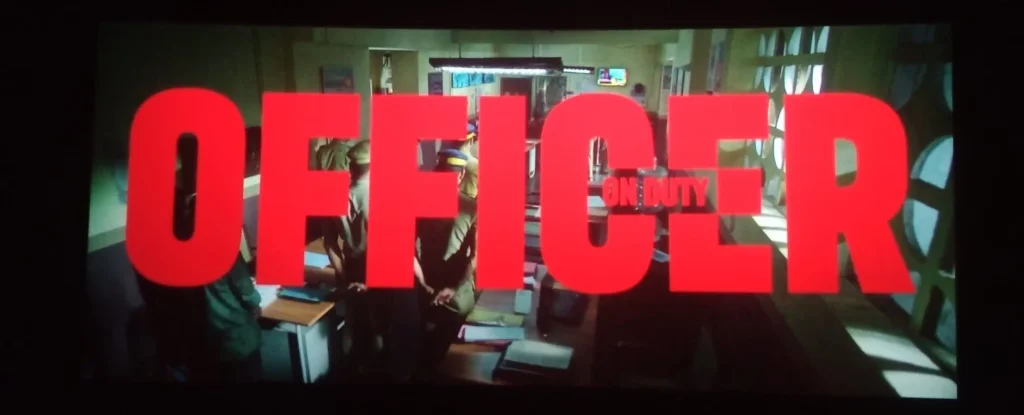
Directed by Jithu Ashraf, Officer On Duty is built on writer Shahi Kabir’s signature investigative thriller framework. If you’ve seen Joseph or Ela Veezha Poonchira, you know what to expect—meticulously crafted police procedural scenes, morally grey officers, and layered storytelling. That was my only reason for watching Officer On Duty, hoping for another gripping police procedural. But this time, there’s a shift. 

OFFICER on Duty Title Card

No Nonsense, Straight to the Case

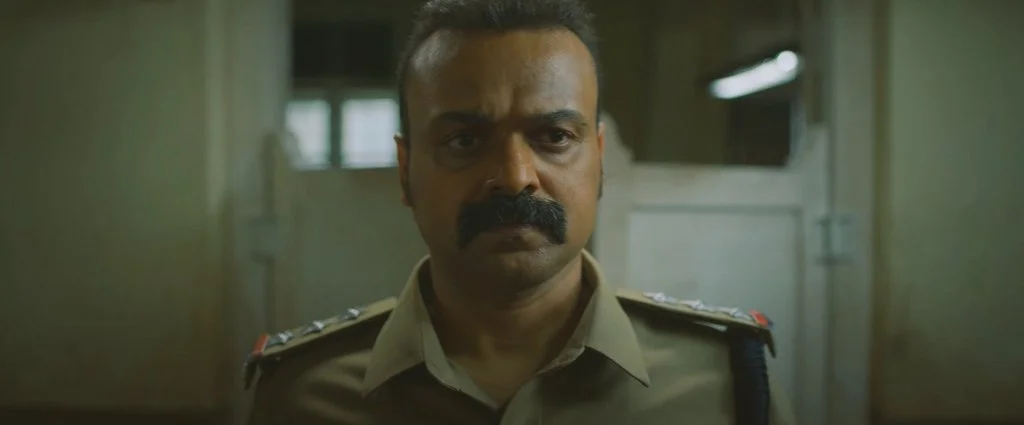
As expected, there’s no unnecessary drama. Within five minutes, the film is on track. It kicks off with a chilling prologue before shifting to the introduction of CI Harishankar (Kunchacko Boban). I have to appreciate Kunchacko for approving an intro scene where his character harasses a pregnant woman—not something most stars would dare to do. Mollywood continues to stand apart in its willingness to portray morally grey characters, even with leading actors.

The story follows DYSP Harishankar, who is demoted to CI after physically assaulting his senior officer. He’s battling psychological trauma, and on his first day as CI, he gets assigned a counterfeit gold case. But this small case unexpectedly leads him to something much bigger—something connected to his own past. The way Shahi Kabir sets up these connections using the plant and payoff technique is brilliant.

First Half – Packed with Suspense & Character Depth

A major strength of the first half is how it establishes Harishankar’s character. We get to see his shades—his flaws, his aggression, and his vulnerabilities. Sure, there are a few unnecessary moments like Muthumani’s ‘chocolate hero’ commentary or Priyamani’s repetitive domestic scenes, but overall, the first half keeps us engaged, slowly building curiosity for what’s next. Foreshadowing in the writing plays a big role in keeping us hooked.

Second Half Too Much Drama, Too Many Compromises

Shahi Kabir has a pattern. His second halves usually shift into family drama or emotional conflicts (Joseph, Ela Veezha Poonchira). So, I was expecting that. But in Officer On Duty, the shift felt too drastic. There’s a lot of cinematic drama, and while that might help at the box office, it also dilutes the soul of the film.

The biggest issue? Character inconsistency. Harishankar in the first half and Harishankar in the second half feel like two different people. It’s as if the film forgets its grounded realism and switches into a supercop action thriller. Thankfully, Kunchacko Boban’s performance smooths over some of the rough edges. He carries the weight of the transformation with conviction, but it’s still hard to ignore how much the tone changes.

Repetitive Writing – Fridging and the Same Old Cop Tropes

I have to ask—why are writers so obsessed with ‘fridging’ female characters in investigative thrillers? The idea that a woman must suffer to motivate the hero is overused and outdated. And why is every troubled police officer a failed family man dealing with a divorce? We’ve seen this formula so many timesan emotionally broken cop, a family crisis, and in the end, a personal stake in the case. It’s predictable if you watch thrillers often.

Officer On Duty Trailer

What Worked – Technical Brilliance & Performances

If Kunchacko Boban is the emotional anchor of the film, Jakes Bejoy is the soul. His background score elevates the tension and keeps the narrative gripping. In fact, it was Bejoy and Kunchacko who made this film worth watching for me, not the screenplay.

Kunchacko, as Harishankar, is completely convincing. His haunted eyes, his rough exterior, and the visible trauma in his body language make the character believable. He put in the effort, and it shows.

Kunchako Boban CI Harishankar

Technically, the film shines. Roby Varghese Raj’s cinematography and Chaman Chacko’s editing set the perfect dark, intense tone. The action sequences are well-executed, especially considering the film’s production scale. The mortuary fight and climax sequences were particularly well-shot, making the brutality feel raw but not excessive.

Final Opinion – From ‘What’s Next?’ to ‘Here We Go Again

Officer On Duty starts off as an exciting investigative thriller, making us wonder, “What’s next?” But by the end, it turns into a supercop action film, filled with predictable twists, overused tropes, and cinematic hero moments for the whistles and cheers.

Does it deserve to be a super-hit? Yes.
Does it work as a solid thriller? Not for me.
I had high expectations from Shahi Kabir, but this time, it felt like he chose commercial appeal over storytelling depth.

Watch it for Kunchacko Boban and Jakes Bejoy. Just lower your expectations if you’re looking for a realistic thriller.

Bromance Movie review

Bromance (2025) – A Comedy That Almost Works

Directed by Arun D Jose, Bromance follows his familiar formula of making youth-centric films, as seen in Jo & Jo and 18+. Here there is a slight shift.

How do you make a comedy film? There are many ways, but in Malayalam cinema, the popular ones are Priyadarshan-style slapstick, dark humour, everyday observational comedy like Premalu, or deadpan delivery, where the humour comes from an actor’s serious and emotionless reactions—like Biju Menon’s humour characters.

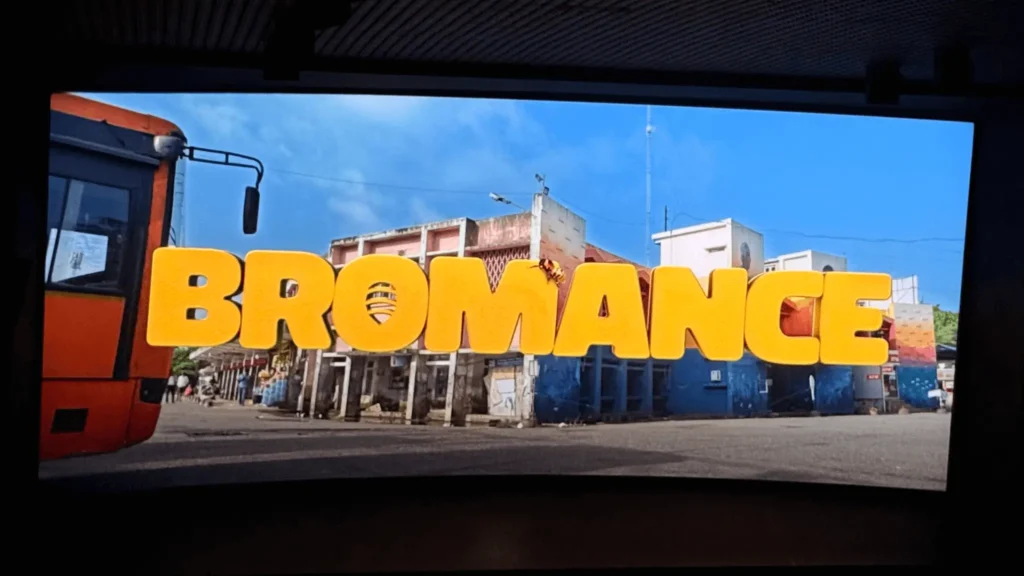
Bromance Movie Title Card

Written by Thomas P. Sebastian and Raveesh Nath, Bromance (2025) tries to blend all these styles here and there. But does it work? Only in the second half.

A Cliché Bromance Setup with a Predictable Plot

The movie begins with a cliche Setup. The elder brother, Shinto, is the responsible one, while the younger brother, Binto, is the reckless slacker. As expected, Shinto takes care of Binto, even funding his rave parties.

Then comes The Inciting Incident—Shinto goes missing. This leads to the introduction of characters from Shinto’s world: his ex-girlfriend (Mahima Nambiar), his best friend (Arjun Ashokan), a rowdy (Kalabhavan Shajon), and an ethical hacker (Sangeeth Prathap).

The rest of the movie is about how this mismatched gang tries to solve the case.

Weak Emotional Depth and Character Motivations

The writers attempt to create comedy through contrast—placing Arjun Ashokan’s calm, timid character alongside Mathew’s hot-headed young man. But it doesn’t work.

Over-the-top humour isn’t everyone’s cup of tea, and it’s tough to pull off. When we see Manavalan or Dasamoolam Dhamu, we don’t think about logic—we just enjoy the humour because their caricatured personalities are established from the beginning. Here, when Mathew and Sangeeth Prathap go over the top, it feels annoying, clichéd, or like forced cringe comedy.

Another issue is the forced emotional beats. The bond between the brothers isn’t developed organically. Some scenes, like a social media bullying victim taking revenge and saying, “I will share this video with my daughter,” felt completely out of place.

The way the team comes together for the mission also feels unconvincing—why are they all risking it? The writing could have been sharper, with better confrontations to make this an exciting screwball comedy thriller. Instead, it ends up feeling like a missed opportunity. Some side characters also feel force-fitted into the story.

Does that mean the film isn’t entertaining? A big No!!!

Second Half Brings the Laughs

Despite all the friction in the first half, the second half is decent. There are genuinely funny moments, especially with Arjun Ashokan, Mahima Nambiar, and Kalabhavan Shajon. They bring energy, presence, and great comic timing.

Since the climax and story are predictable, what surprised me was Arjun Ashokan’s over-the-top performance in the second half.

After Romancham, he proves once again that he can handle humour as well as serious roles—he is a perfect actor to create comedic incongruity. I hope more directors explore this side of him. Similarly, Kalabhavan Shajon’s one-liners and Mahima’s screen presence made the second half more enjoyable.

Bromance Movie Poster

Cinematography & Music: Stylish And Matches the Vibe

Cinematographer Akhil George does a decent job in maintaining the vibrant, youthful visual style, it helped us matching the vibe. The night scenes and party sequences are well-shot, adding a stylish touch, and elevated the film beyond its script’s limitations.

Music by Govind Vasantha follows a familiar template—while it complements the film’s mood, there are no memorable tracks that stand out. The background score does help in setting the comedic tone, but it lacks freshness.

Bromance had the potential to be a great comedy thriller but ends up being just an okay entertainer.

The humour is hit-or-miss, the writing could have been tighter, and some characters feel unnecessary. However, if you can sit through the uneven first half, the second half has enough fun moments to make it worth a watch.

For more reviews and OTT updates, check here.

Sookshmadarshini: A Thriller That Almost Hits the Mark

Sookshmadarshini might not feel entirely fresh, as it draws inspiration from various past works like Manhattan Murder Mystery (1993), In for a Murder (2021), and The Woman in the Window (2021), among others.

The story revolves around Priya, a microbiologist living happily with her husband and child. One day, her neighbour Manuel returns to his hometown with his mother, and from the very beginning, Priya senses something odd about him. The movie follows Priya’s observations and findings as she tries to uncover the mystery surrounding Manuel and his actions.

Trailer Sookshmadarshini

Sookshmadarshini sets out to be a compelling thriller, focusing on the “what” and “why” rather than the typical “whodunnit.” However, the lack of emotional depth and character development undermines its potential, leaving it a missed opportunity in the genre.

Priya’s Motivation: A Missed Opportunity for Emotional Depth

Priya’s skepticism toward her neighbour is established, but the why behind it isn’t developed well. She goes to extremes to uncover the truth, but the film struggles to make her motivations compelling. This disconnect diminishes the audience’s emotional engagement with her investigation.

In Manhattan Murder Mystery, Carol (played by Diane Keaton) is a housewife who becomes suspicious of her neighbour after the sudden death of his wife. The film builds Carol’s character through her curiosity, natural charm, and relentless energy.

Diane Keaton as Carol

Carol’s amateur sleuthing feels authentic because the narrative gives her relatable motivations: she’s bored with her life and eager to prove her intuition is right.

Another good example is character Anna Fox from The Woman in the Window (2021), the protagonist, is an agoraphobic psychologist who becomes obsessed with the lives of her neighbours. Anna’s character is layered: her psychological struggles, unreliable narration, and tragic backstory make her a flawed but relatable protagonist. The audience doesn’t just follow her investigation—they understand her pain and inner conflict, which adds emotional weight to her discoveries.

Writers should have added some emotional layers to Priya, like Anna’s struggles in The Woman in the Window, to create a stronger connection with the audience.

The Art of Distraction: Sookshmadarshini

Every mystery thriller works well when its distractions are crafted effectively. Writers often sprinkle events or characters to divert the audience’s attention from the actual clues. Take Kishkinda Kaandam as an example: the Maoism, the jungle, and Jagadeesh’s character—all serve as distractions. However, a clever writer always leaves the right hints, so when the truth is revealed, the audience can connect the dots they initially missed. That’s where the brilliance of a thriller writer truly shines.

Title Card: Sookshmadarshini

In Sookshmadarshini, the writers incorporated distractions and left clues for the audience. But by the end, you might wonder: was all this necessary? Was it exaggerated? The climax feels like a forced attempt to deliver a twist, making the payoff less satisfying.

A little more research could have made it better. For example, do you get notifications on Instagram when a random person (someone who doesn’t follow you or whom you don’t follow) sends you a message? I believe it mostly goes to message requests. That’s where the writers were in a rush to close the loop.

Casting and Tone Issues: Sookshmadarshini

While Basil does a commendable job portraying Manuel’s suspicious behaviour, his inherent charm works against the narrative. The audience doesn’t naturally hate or distrust him as they should.

Nightcrawler TRAILER

In contrast, performances like Jake Gyllenhaal’s eerie and unsettling portrayal of Louis Bloom in Nightcrawler (2014) or Vineeth Sreenivasan’s morally ambiguous Adv. Mukundan Unni in Mukundan Unni Associates ensure that the audience feels both repelled and fascinated. A similarly calculated casting choice for Manuel could have significantly amplified the tension.

Additionally, Nazriya is not entirely convincing as Priya—a super-observant, Lady Holmes-like housewife. Her portrayal feels more like her past characters, such as Jeena in Neram or Pooja in Om Shanthi Oshana. This lack of transformation dilutes the experience, especially in a genre where mood and atmosphere are critical.

Take, for example, Sharafudheen. In Bougainvillaea and Hello Mummy, his contrasting performances highlight how an actor can completely transform their mannerisms and attitude, creating a clear distinction between characters.

Even a static shot from either film would showcase the depth of his acting. This kind of immersion helps the audience bond with the character. Unfortunately, Priya’s character in Sookshmadarshini doesn’t achieve this, making it difficult to separate Nazriya’s performance from her previous roles.

Sookshmadarshini: Final Thoughts

Despite its flaws, Sookshmadarshini does manage to deliver a decent final act. The editing, especially in the climax, stands out, with smooth intercuts that effectively build tension and excitement while revealing the mystery. The background score complements these moments well, adding to the suspense.

While the screenplay takes some cinematic liberties, particularly in the second half, it might answer many of your WHY’s by the final twist. The seemingly distracting elements throughout the film make sense when viewed in hindsight, offering a sense of coherence to the overall narrative.

In the end, Sookshmadarshini succeeds in keeping the audience intrigued, even if it stumbles in emotional depth and character development. It’s a decent thriller that might not break new ground but manages to hold attention, especially in its well-executed final moments.

Share your thoughts as a comment.

Read about this week’s OTT Releases here.