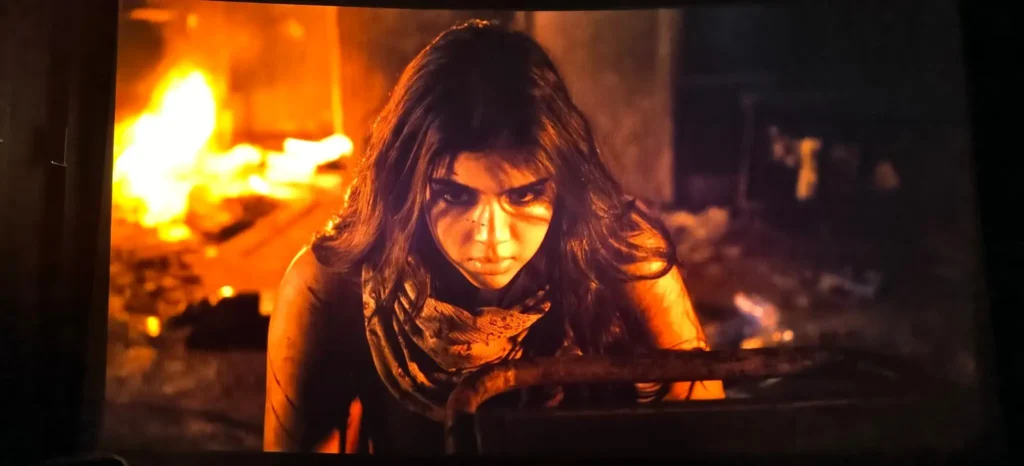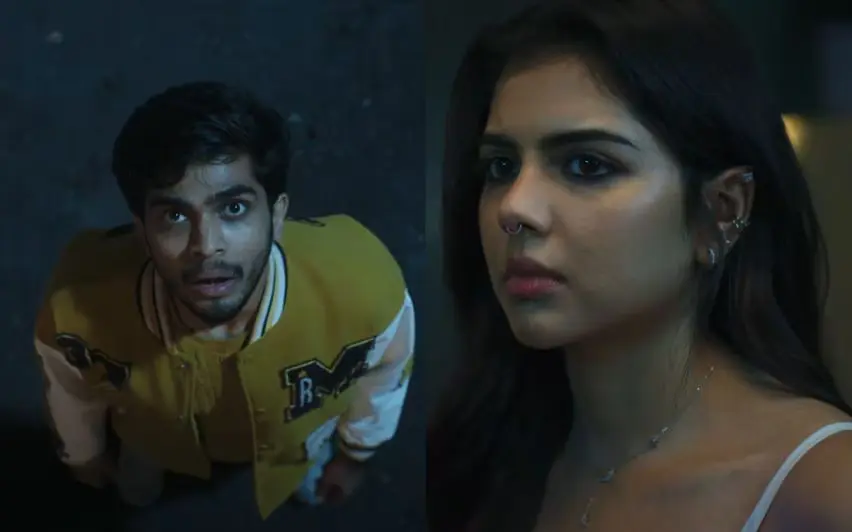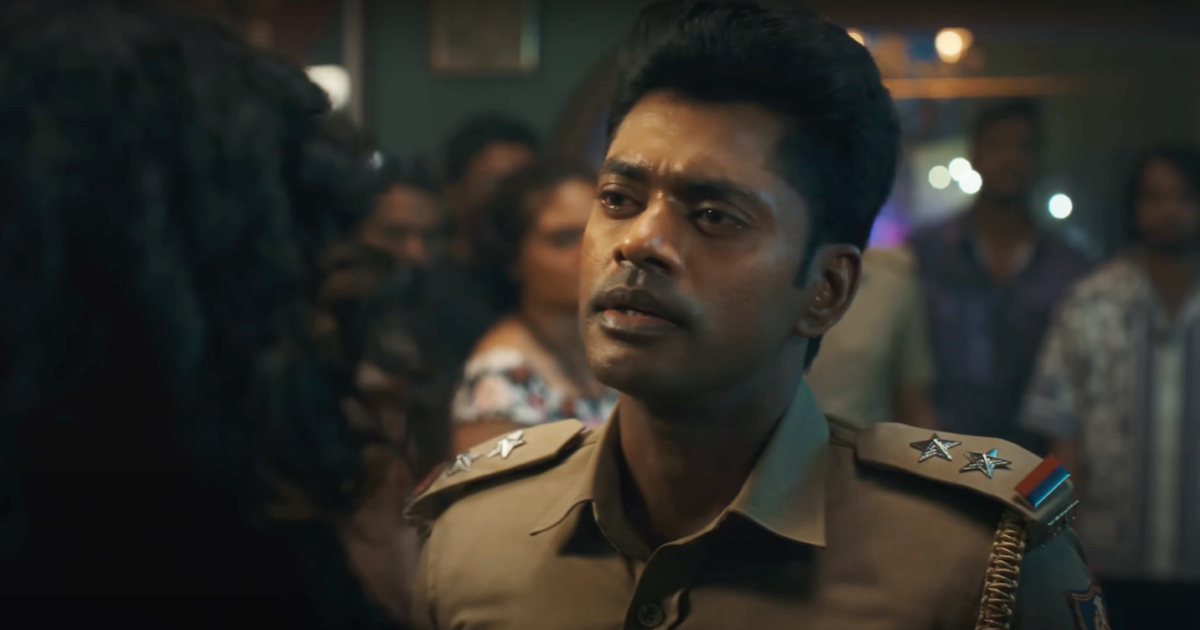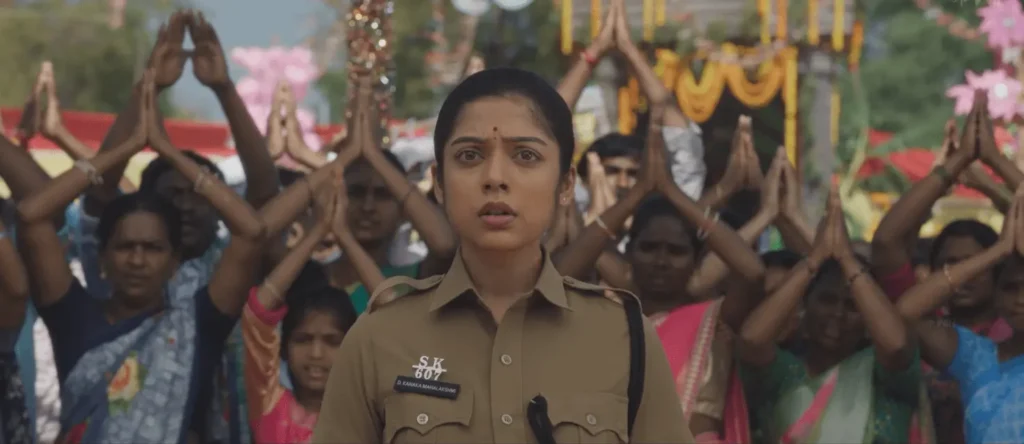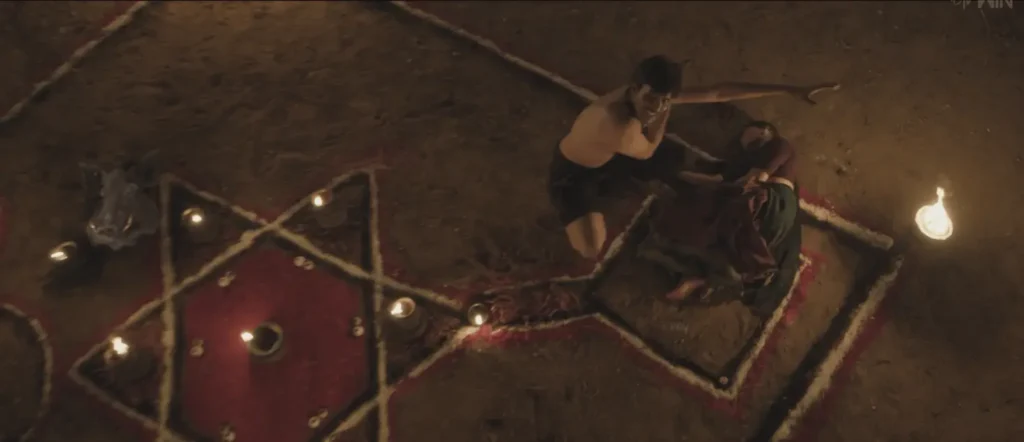
Coolie Review: Big Cast, Bigger Budget, But No Magic

There’s a saying: “Don’t rest on your laurels.” That’s exactly what I was thinking after watching Coolie. This is not my review for the Coolie movie, but rather an opinion or sharing the disappointment of a fan.

I like Lokesh Kanagaraj as a director, he has brought several innovative tactics in narration over the years. For example:

  • In Kaithi, we saw a fight sequence with an old vibing song.
  • In Vikram, Agent Tina’s reveal and the way he kept such surprises for action sequences.
  • Leo’s most celebrated title card.
  • He studies his heroes and takes the best gestures or mannerisms from their past films.
  • He popularised the now-famous machine gun sequence.
  • His signature of introducing a big figure as a villain in the climax and keeping the ending open for a sequel.

All of these were fresh and entertaining when they were new. But what happens if everything repeats? Then it becomes cliche, not surprise. That’s the major problem with Lokesh Kanagaraj’s Coolie.

Rajinikanth and the Risk of Repeating Himself

The same point applies to Rajinikanth as well. In Jailer, he brought in stars from different industries and each entry surprised us. There were adrenaline-pumping moments. But if the same tactic is repeated, the surprise is gone and it becomes predictable.

When Shivraj Kumar entered in Jailer, we clapped and whistled — credit to Nelson’s brilliance in narration for keeping such a high moment as a surprise. But in Coolie, when Upendra entered, Anirudh’s music did the magic, yet viewers had already predicted it: ‘Oh, it’s Upendra’s entry now.

A movie is a manipulative art, like magic. If you can’t manipulate the viewer, you won’t entertain the viewer.

Plot Summary: Coolie

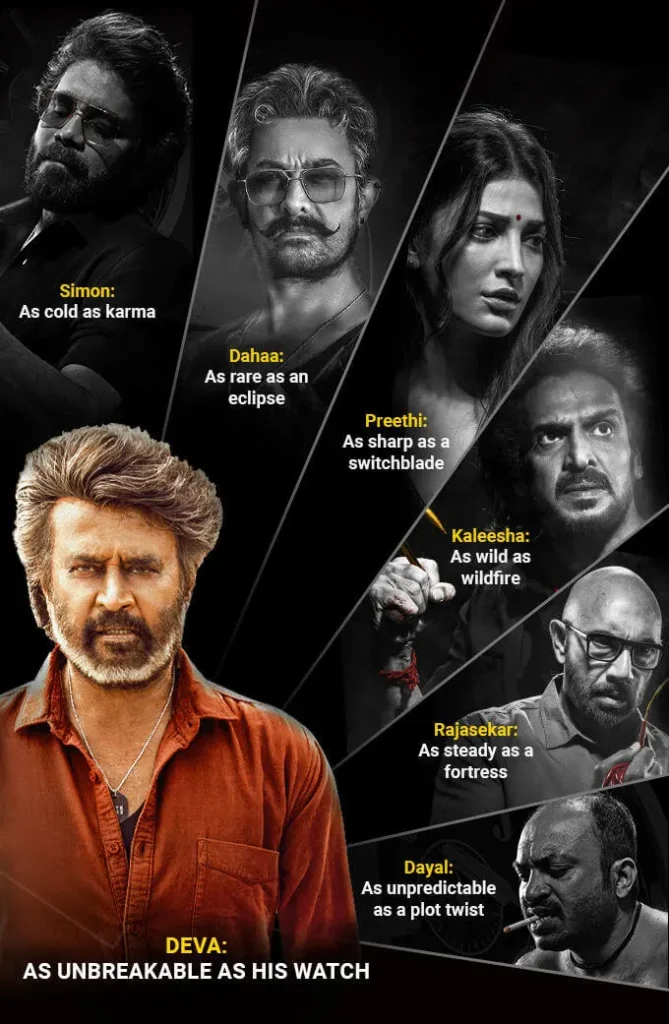
Rajashekhar (Sathyaraj) is murdered. He was working with Simon (Nagarjuna) and Dayal (Soubin Shahir). But Simon didn’t kill Rajashekhar — in fact, he wanted him alive. Deva (Rajinikanth), Rajashekhar’s old friend, starts digging into the murder, accompanied by Rajashekhar’s daughter Preethi (Shruti Haasan).

Who killed Rajashekhar? Why does Deva care so much about him? How is Simon related to Deva? Who is Deva really? The rest of the film answers these questions.

A Big Test for Lokesh Kanagaraj, Not Rajinikanth

I genuinely believed this was a big test — and not for Rajinikanth (who tried and passed almost everything as a superstar) — but for Lokesh as a filmmaker.

After Leo, which faced more backlash than praise even from his own fans, Coolie seemed like the film where he needed to prove what he had learned and improved.

Not just in creating big ‘moments,’ but in handling a full story with emotional depth while still giving the high-energy action. Sadly, that didn’t happen.

Missteps in Execution

Maybe he was under pressure. But was the “Monica” song required? No. Was it rightly placed? No. I felt a friction during that song. Once the viewer gets into the world of a movie, they shouldn’t be disconnected.

The best example is Kaithi — from beginning to end, we are in its world. No unwanted songs or melo-scenes. We don’t think about logic; we’re hypnotised by the maker. That’s the magic of a good film.

In Coolie, things appear abruptly or are predictable. Either we disconnect and think, “How’s that possible?” or we predict what’s going to happen next.

Then why? The commercial aspect. The ‘Monica’ song and Pooja Hegde were for promotion, the star cast was there for the hype — everything was pivoted towards the ₹1000 crore mark.

The director forgot the art; it became a business. In business, we scale up what worked best, but that doesn’t work in art. In art, it’s boring.

Casting Choices

Nagarjuna shouldn’t have signed for this film — nowhere did I feel it did justice to his potential. Aamir Khan tried to be a Rolex-like presence and somewhat excelled, but instead of enjoying his mass dialogues or charisma, you may find yourself thinking, “Wait! What? How’s that possible?”
Honestly, I felt Shruti Haasan was miscast, and even that role was not required at all. Many scenes turned cringey or overly melodramatic, which spoiled the momentum of a high-voltage action thriller.

Shruti’s performance and dialogues made it worse. I feel her accent and dialogue delivery could have been better, and her Tamil needs more fine-tuning. Her expressions have also felt repetitive, we saw a similar ‘Preethi’ in Salaar, and I think that’s where we disconnected with Coolie’s Preethi.

Soubin Shahir, Nagarjuna, Rachita Ram, and Upendra were top-notch. Rajinikanth’s aura, as usual, shone through. But Rajini should step away from the predictable superstar pattern.

In Jailer, he surprised the audience by playing a grandpa role with minimal action and emotional weight in the end. That shade of Rajini was refreshing. Now, he’s repeating the same mode in Coolie. Maybe the commercial aspect outweighed the creative risks. They’re minimising risk by underestimating the audience’s taste.

Technical Strengths, Highs and Lows

Girish Gangadharan’s cinematography and Anirudh Ravichander’s music are the best aspects of Coolie. These two elements keep you excited even when the writing falls flat.

Yes, Coolie has the “mass” elements.

  • The interval block is great.
  • Upendra’s screen presence and entry were good.
  • Aamir’s entry created some hype.
  • Soubin Shahir had whistle-worthy moments.

But show us something beyond high-beat music, blood, and slo-mo swag. Make the audience feel something they didn’t expect walking in. Subvert a little. Surprise a lot.

If you’ve taken two years (and Lokesh reiterates how much of his life he’s given to this film) and asked us to expect less, then you’d better be sitting on something worth way more.

Will Coolie Hit ₹1000 Crore?

I don’t think so. The one-line idea of Coolie is excellent — a decent thriller scope was there:

An old friend investigating the murder of his friend, revealing secrets piece by piece, with the audience gradually understanding who Deva really is.

A John Wick–style narration, where the fear and elevation come from how others react to the hero rather than the hero elevating himself, that was possible. Unfortunately, it doesn’t happen here. Instead, we get appa sentiment, paasam, a dance number, an unwanted love track or son track, and a cliched climax entry and twist.

Final Verdict

Is this the worst Lokesh Kanagraj film? No, but he didn’t learnt from his mistakes. Why Anurag Kashyap, why Sanjay Dutt, why Madonna and those rushed flashback sequences? This is what I was thinking while watching Leo, and similar thoughts here as well.

Overall, Coolie is a spoiled opportunity. Its core theme is overweighed by the burden of its high budget, superstar castings, and ends up as a mediocre high-budget film.

However, Thalaivar’s signature swag with Anirudh’s BGM — especially in the de-aged flashback scenes — and the last 15 minutes with Upendra’s entry will impress. It might make you feel it was partially worth it, but not a total win.

Go for it to celebrate Rajinikanth’s 171st film and 50 years in the film industry. But don’t expect a Kaithi or Vikram kind of experience — just Thalaivar swag and the celebration of Thalaivar’s 50 years.

Read more Reviews and Film Stories Here

Salakaar HotStar Web Series Explained

Some spy thrillers dig deep into intelligence networks, geopolitics, and human psychology. I expected Salakaar, as an Indian version of Spy Game where a veteran spy saving a prodigy. But Salakaar looks like a ultra-pro max “tribute to NSA Ajit Doval.” and tastes more like a rushed, below-average drama trying to look serious. Here is my review and story explanation for Salakaar.

The only thing that saves this from being a complete disaster? Its runtime. 5 episodes of ~30 minutes. Let’s break it down episode by episode. Heavy spoilers ahead, and let me tell you, reading this will help you save almost 3 hours.

Episode 1: Cemeteries, Tuition Teachers, and Top Secrets

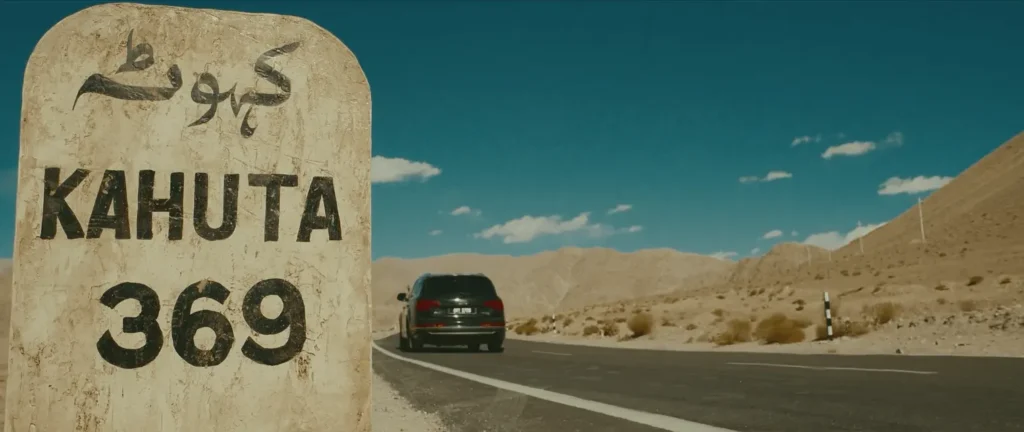
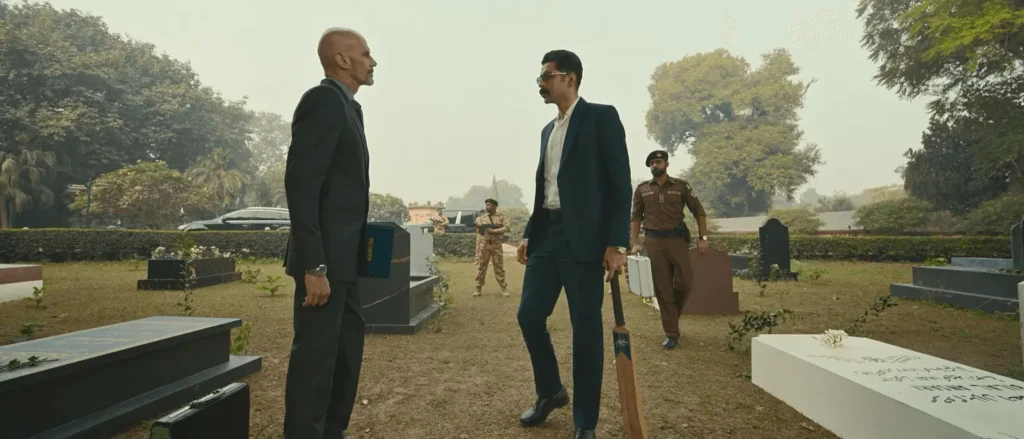
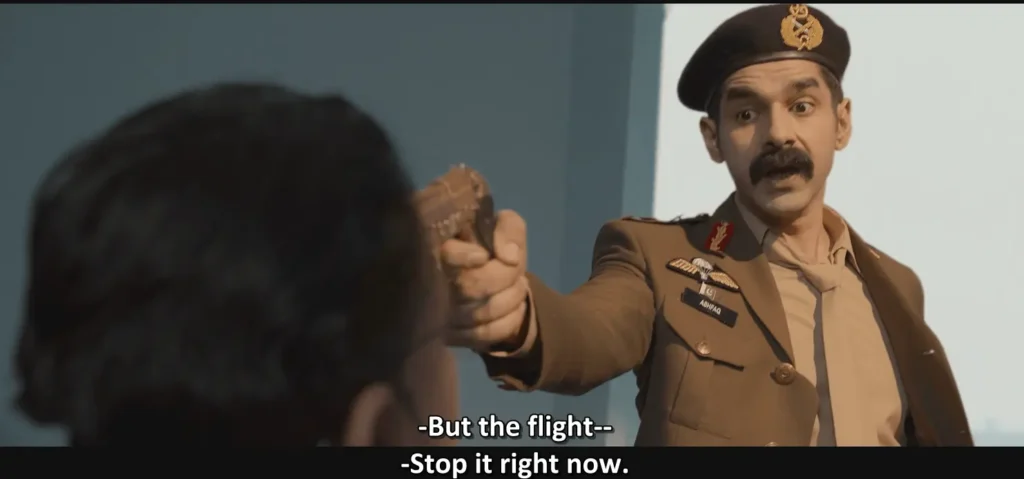
Series start in Abbottabad, Pakistan, 2025. Colonel Ashfaq, who seems to have walked straight out of a shampoo ad, meets a foreigner in a graveyard. “Death can be a beautiful reminder of how precious life is,” he says. The foreigner hands over “Project Kahuta” files and gets killed immediately. Welcome to the world of Salakaar.

Next scene: Physics tuition teacher Mariam (Mouni Roy) is teaching Ashfaq’s son. But guess what? She’s actually Shrishti Chaturvedi, an Indian agent, romancing her way into classified documents. She scans the Kahuta project files after a cosy moment with the Colonel.

Mouni Roy

R&AW chief Paresh Parulkar gets this data and wants to dig deeper—but he doesn’t have access to the 1978 case file linked to this. Why? Because only two people outrank the R&AW chief: the PM and the National Security Advisor (NSA). And guess what? NSA wrote the file. Ufff..romanchification goosebump moment!!!

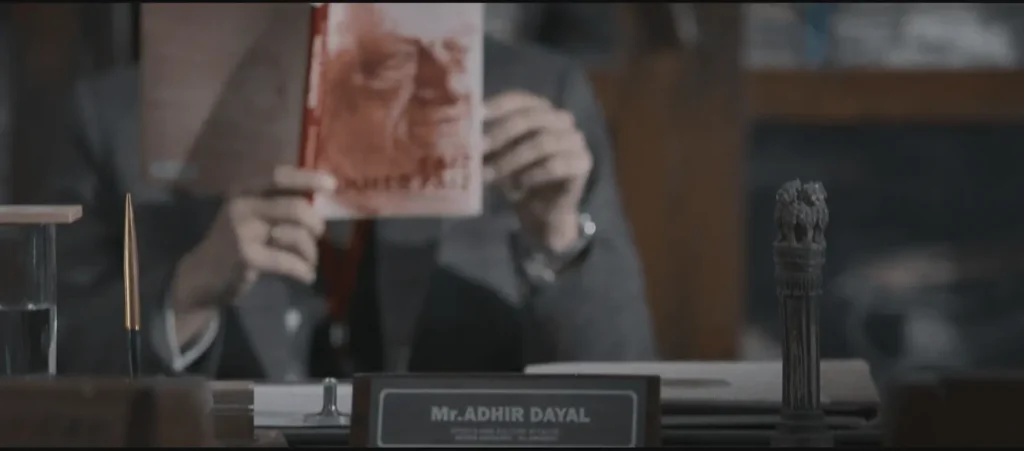
Now we have Naveen Kasturia as Adhir Dayal — the man, the myth, the Salakaar.

Episode 2: Flashback to 1978 – Pakistan, Kids, and a Dinner with Zia

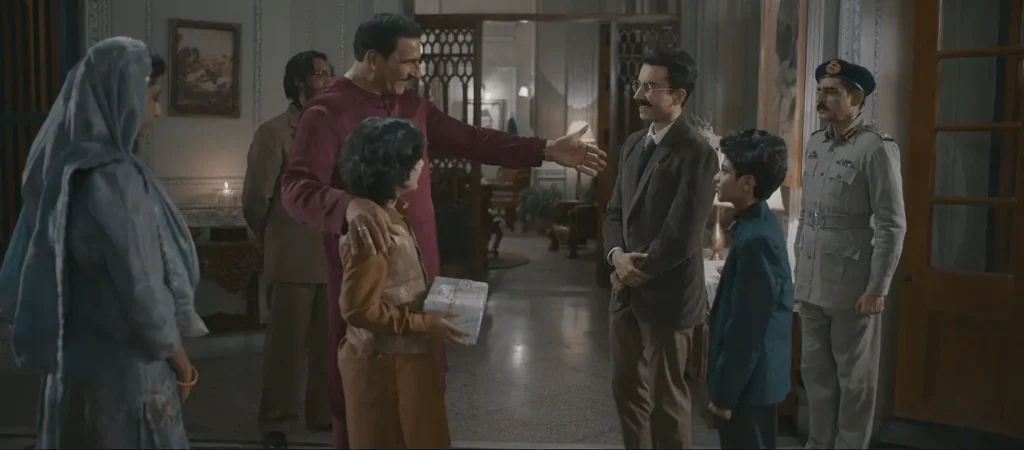
Adhir Dayal (NSA Chief) takes us back to 1978. R&AW had sent him to Pakistan to stop their nuclear ambitions. To build trust, he orchestrates a kidnapping attempt on Zia-ul-Haq’s grandson and then saves him heroically — classic self-created crisis marketing. His son Bharat and Zia’s grandson are classmates.

Zia is impressed and invites Adhir to dinner. Slowly, Adhir wins his way in. Meanwhile, we learn that:

  • Ashfaq (the 2025 Colonel) is Zia’s grandson.
  • Mariam is the granddaughter of Jyoti Chaturvedi, Adhir’s old colleague at the Indian Embassy.

Adhir steals data from nuclear scientist Rahmat Agha and learns about Pakistan’s enrichment efforts at Kahuta. The episode ends with Colonel Ashfaq taking Mariam to Kahuta, hinting at a “surprise.”

Surprise indeed.

Episode 3: Déjà Vu Drives the Plot

Adhir, now the NSA, is tracking Mariam’s journey through the same route he once took 40 years ago. Past and present timelines run in parallel.

Ashfaq tells Mariam: “An Indian spy ruined my grandfather’s Kahuta dream. I will revive it.”
Yes, the revenge plot is now personal.

Adhir Dayal Introdution at Embassy

Meanwhile, in 1978, Adhir infiltrates Kahuta disguised as a Pakistani officer and takes photos.

In the present, Mariam is unknowingly following the same path. This setup could have been exciting—but it’s ruined by predictable writing and cartoonish execution.

At this point, the show is trying to be serious but slips into Power Rangers territory with the emotional depth of a soap ad.

Episode 4: China Scared, Zia Triggered, NSA Unstoppable

Now it gets hilarious.

NSA Adhir threatens Chinese officials. Yes, the National Security Advisor of India walks into a room and scares off Chinese bureaucrats like a school principal scolding kids. They silently walk out.

Then he says, “Activate three best agents. I’m going to Pakistan myself.”

Jyoti on deathbed
Jyoti on deathbed

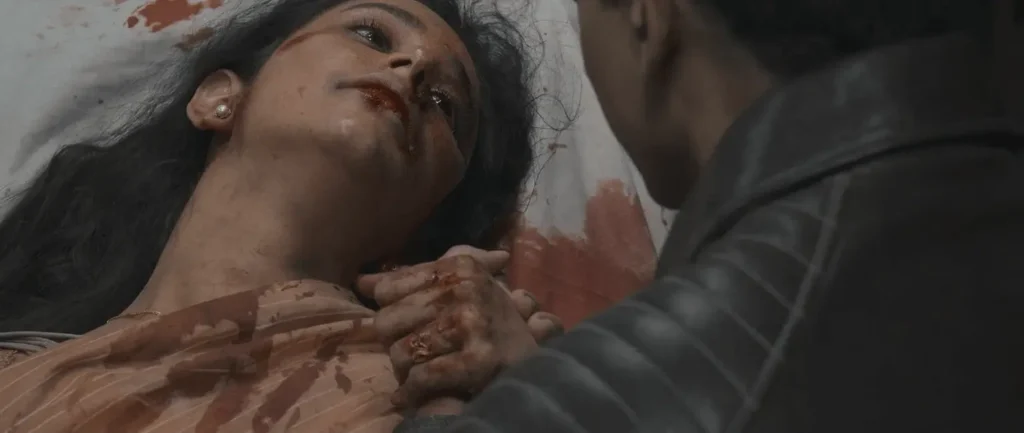
The drama returns to 1978. We see Jyoti Chaturvedi (Mariam’s grandmother) being tortured by Zia’s team. Why? Because Zia’s men honey-trapped the Indian embassy head and found leaks. Jyoti refuses to give in.

Adhir had promised to protect her family. But Jyoti dies in a very filmy, slow-motion shot. I miss that bgm like kanave kanave (composed by Anirudh)

NSA Adhir remembers it all. Grief? Not really. Instead, our action-hero NSA breaks into the house of Zia’s right-hand man Mohsin and kills him in cold blood. Alone. No backup. Just pure Bollywood vengeance. An Indian spy entering a military personnel home and killing everyone and escaping without leaving any trace.

Episode 5: Acid Water, Master Plans, and the Flight Captain Reveal

We now meet a Dr Kalam-like character who guides Adhir in sabotaging the Kahuta nuclear plant. Plan? Pump acidic green water into the cooling system.

Adhir puts on a Pakistani officer’s uniform, walks in casually, and pulls off the sabotage. He escapes, obviously.

Back in the present, Mariam is in trouble. Colonel Ashfaq finds out she’s a spy. She runs to the airport. Colonel blocks the runway at gunpoint. “Abort take-off!” he screams.

But plot twist — the flight captain is none other than NSA Adhir himself.
He says: “We’re ready to depart. We won’t abort.” ufffff romanchification again.

Mic drop. Plane takes off. Mission accomplished.
Salakaar keeps his promise to protect Jyoti’s bloodline.

Final Thoughts: Salute or Spoof?

Salakaar wanted to be a tribute to  NSA Ajit Doval, I believe. It ended up as a fan-fiction fantasy. It sacrifices realism for pace, throws subtlety out the window, and treats complex geopolitics like a college drama script.

Watch it for:

  • Naveen Kasturia brings conviction to a ridiculous role.
  • Cinematography is brilliant — Hotstar never cuts corners on visual quality.
  • Short runtime — 2.5 hours across 5 episodes is digestible.

Skip it for:

  • Webseries is not grounded, not even on sky, it’s on another planet, made by an Ajit Doval fanboy.
  • Mukesh Rishi as General Zia is cartoonishly menacing but fun to watch.
  • Writing is lazy, predictable, and full of gaping holes.

This could’ve been India’s Argo. Instead, it’s a PowerPoint tribute to a living legend, turned into a spy parody.

Watch it if you like spy stories with no logic but lots of style and ultra pro max heroism.
Skip it if you want realism, depth, or originality.

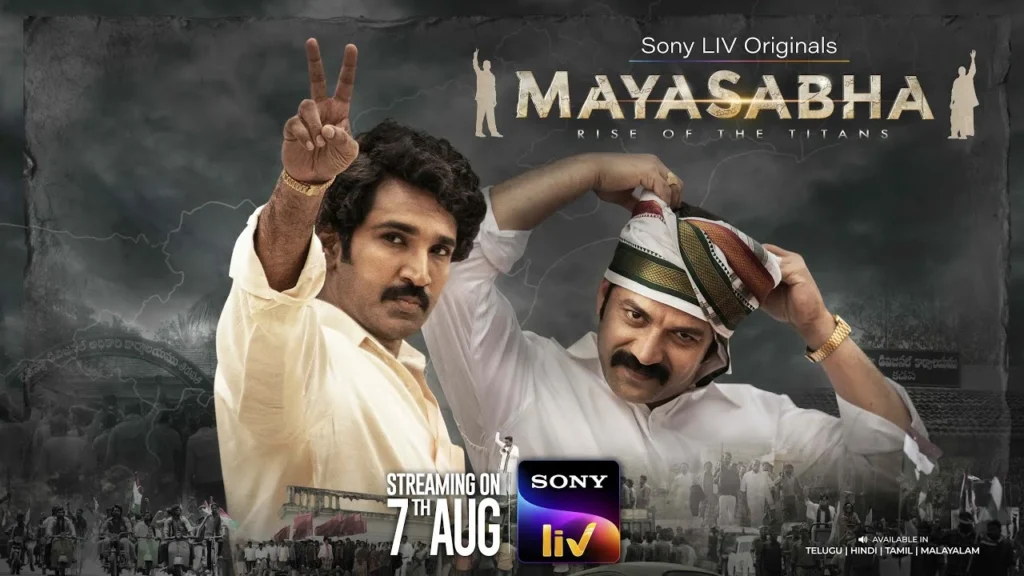
Read Maayasabha (SonyLiv from July 7, 2025) Review Here.

Mayasabha Web Series Review: Great Performances, Weak Writing

Created by Deva Katta, known for Prasthanam and Vennela, Mayasabha from SonyLiv follows the rise of two fictional leaders — Krishnama Naidu (played by Aadhi Pinisetty) and Rami Reddy (played by Chaitanya Rao Madadi) — and how they grow from students to state leaders. The show also stars Sai Kumar as RCR, Divya Dutta as Prime Minister Iravathi Basu, Ravindra Vijay as Pothineni Ramesh, and Tanya Ravichandran as actress Anu Harika. Here is my detailed Mayasabha Review.

Mayasabha Trailer Poster

But let’s not kid ourselves. This isn’t fiction.

Based on True Political Events in Andhra Pradesh

Who are the real characters in Mayasabha?  If you know Andhra Pradesh politics, you’ll spot the references instantly:

  • RCR (Sai Kumar) is clearly inspired by NTR.
  • Krishnama Naidu mirrors Chandrababu Naidu.
  • Rami Reddy is the show’s take on YS Rajasekhar Reddy.
  • Iravathi Basu and her son Sandeep Basu resemble Indira Gandhi and Sanjay Gandhi.
  • Anu Harika’s arc feels like a nod to actress Jayaprada, including her early dance career and political ties. When she was a teenager, she performed a dance at her school’s annual function. A film director in the audience offered her a three-minute dance number in the Telugu film Bhoomi Kosam (1974).
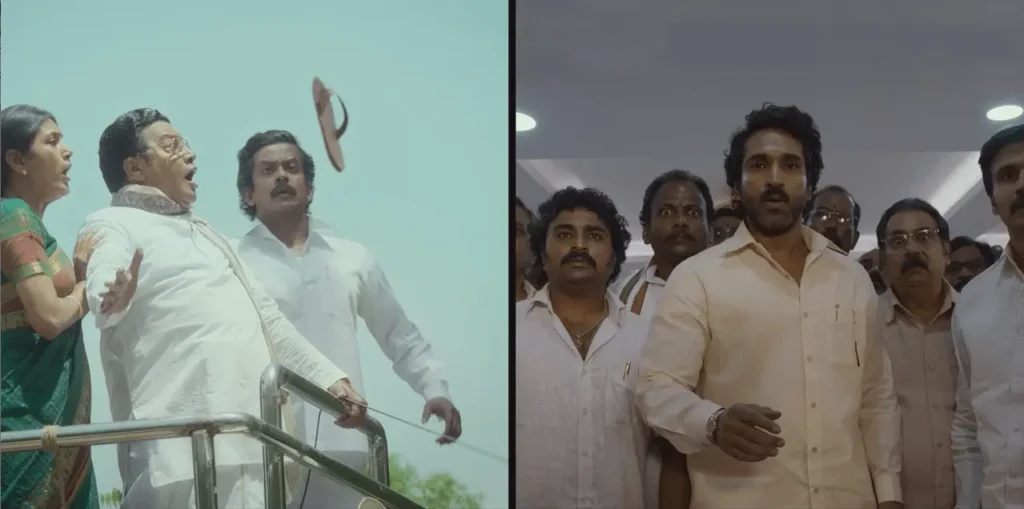
A shot from Mayasabha

The series ends with an event which exactly resembles the Viceroy Hotel episode , where slippers were thrown at Lakshmi Parvathi and NTR was ousted from his own party, are recreated almost frame by frame — though names are changed.

Mayasabha Plot: The Rise of Naidu and Rami Reddy

The story begins with Krishnama Naidu, a PhD student from Narsipalli, helping farmers in his hometown by threatening middlemen — in a diplomatic way, of course. Meanwhile, Rami Reddy, the son of faction leader Shiva Reddy, is disgusted by his father’s violent politics and leaves Pulicherla to study in Bellary.

From there, we follow:

  • Student politics, where Krishnama plans to contest elections using strategic caste alliances — and a cabaret dance show (yes, really).
  • Rami Reddy’s fan wars in college, defending Telugu film stars, leading to cow dung being thrown on posters and eventual expulsion.
  • Emergency declared in India, vasectomy drives led by Sandeep Basu, and public resistance led by Rami Reddy.
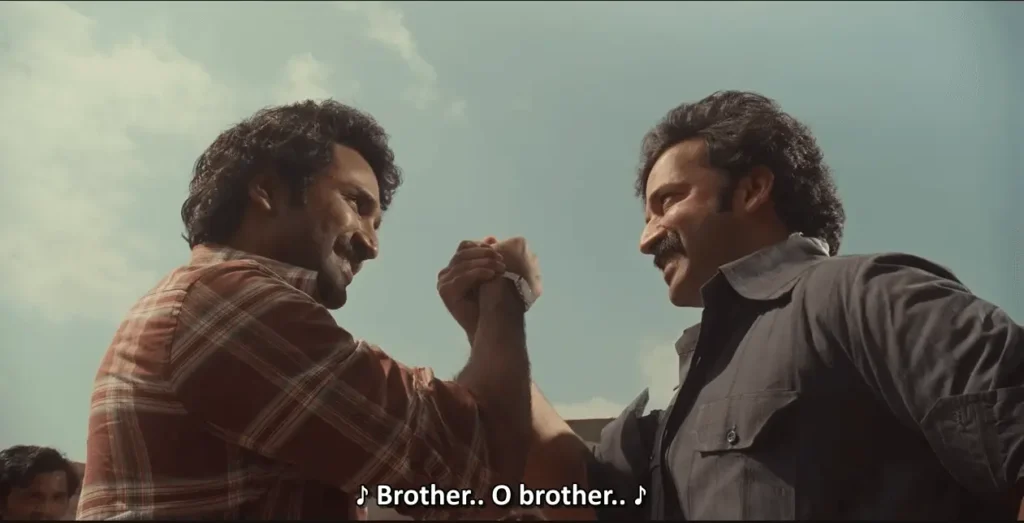
  • The alliance between Krishnama and Rami Reddy, their entry into politics under Sandeep Basu’s mentorship.
  • Friendship turning into rivalry, when Rami Reddy feels sidelined for being a goon’s son.

The series ends with the rise of RCR as a mass leader, his friction with Iravathi Basu, the betrayal by Krishnama Naidu, and the political fallout. The final few episodes closely resemble TDP’s internal war, NTR’s downfall, and the power shift to Chandrababu Naidu.

Performances & Technical Aspects

  • Aadhi Pinisetty as Krishnama Naidu brings seriousness and political sharpness.
  • Chaitanya Rao delivers an emotional and intense Rami Reddy.
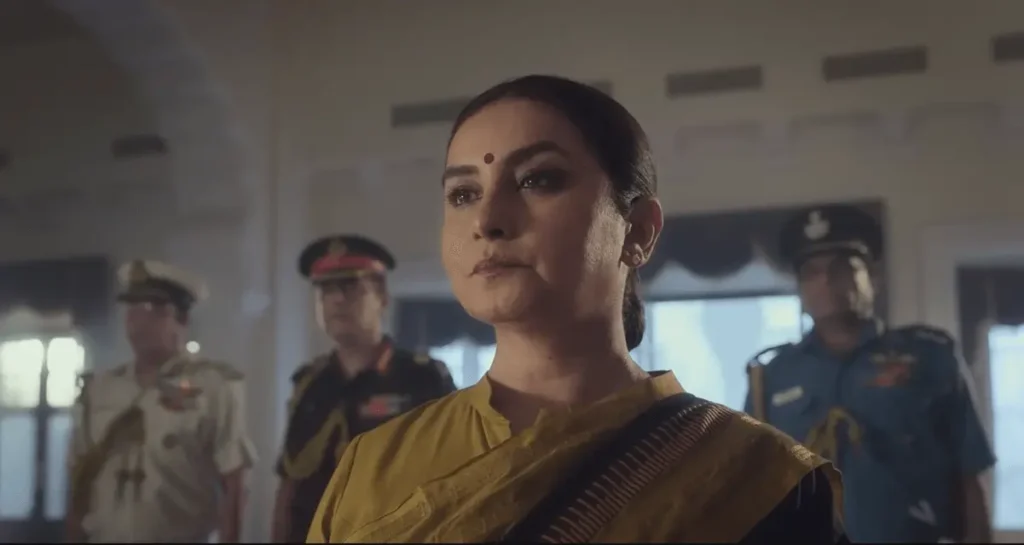
  • Divya Dutta shines as Iravathi Basu — probably the most believable character in the whole show. Her screen presence is 5/5
  • Sai Kumar as RCR fits the larger-than-life image but gets limited screen time.
  • The music by Shakthikanth Karthick is decent — helps set the mood without being intrusive.
  • The cinematography and period detailing (1975–1995) look polished.
  • Tanya Ravichandran did her part well with a song and some scenes here and there.

But Here’s the Problem: Everyone’s a Saint

The writing is where Mayasabha falls flat. For example, at one point, the hero tries to win a college election with a cabaret dance by heroine—because in Mayasabha, that’s peak political strategy. Democracy in Mayasabha runs on item numbers and glorifying scenes.

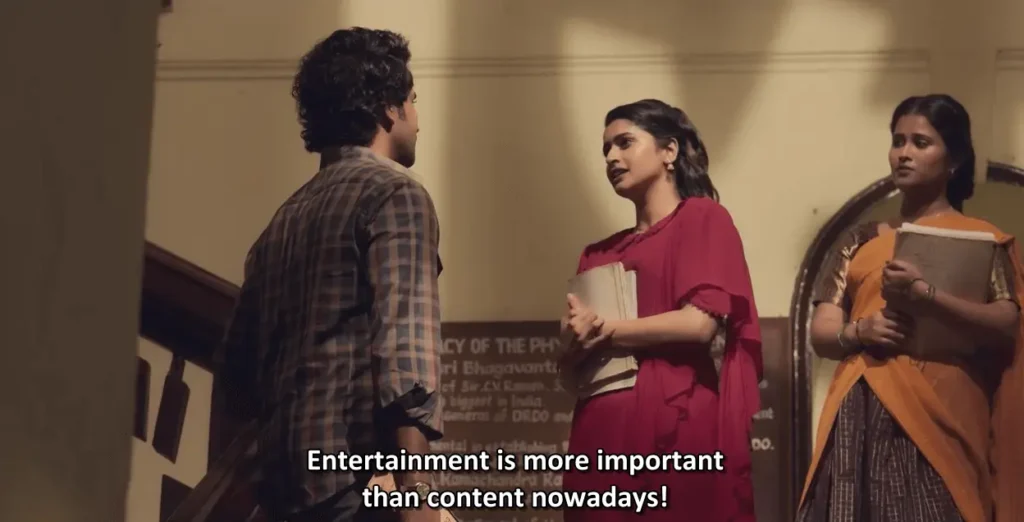
There’s a scene where the heroine says, “People value entertainment more than content. To sell content, the cover page is important.” I’m convinced Deva Katta believes in this too.

For a political series, it lacks grey characters. Krishnama Naidu is always clever and selfless. Rami Reddy is kind-hearted and community-driven. Every major character on the “hero” side acts like a noble soul who’s doing politics only for the people.

This kind of whitewashing feels awkward — especially in a show that clearly draws from real-life political betrayals, caste alignments, and power games.

Let’s be real: In politics, no one climbs the ladder without ambition. But Mayasabha shows its main men as idealists, while anyone who opposes them is either corrupt, emotional, or forgotten.


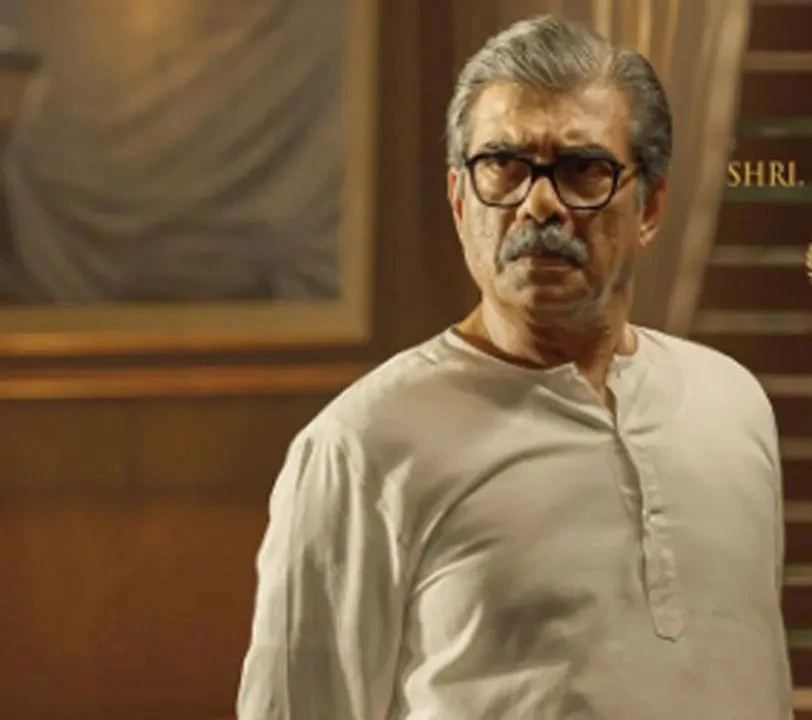
Divya Dutta as Ira Basu in Mayasabha

Final Verdict: Mayasabha(2025) Review

If you’re watching Mayasabha as a fictional drama, it may keep you engaged for a while. But if you know Telugu politics, you’ll likely find it one-sided, preachy, and borderline fan service. It looks like a fictional retelling, but walks and talks like a strategically polished biopic series.

Mayasabha Review Verdict: 2.5 out of 5

Watch it for the performances — but skip it if you’re expecting sharp, realistic political writing. At the end of the day, even great acting can’t save a story that refuses to show humans as humans — especially in politics, where no one’s a saint.

Read More Reviews Here

Su From So (2025) review: A 5-Star Film From Kannada

Su From So, directed by debutant J. P. Thuminad, is my favourite film of 2025 so far. Entertainment, art, aesthetics, writing, music, performances — I don’t even know which topic to start with. Every part of the film is top-notch.

I went to Sumathi Valavu expecting a clean horror-comedy but was disappointed by its cringe-fest. For Su From So, I walked in without even watching a trailer — and what a refreshing, fun ride it turned out to be!

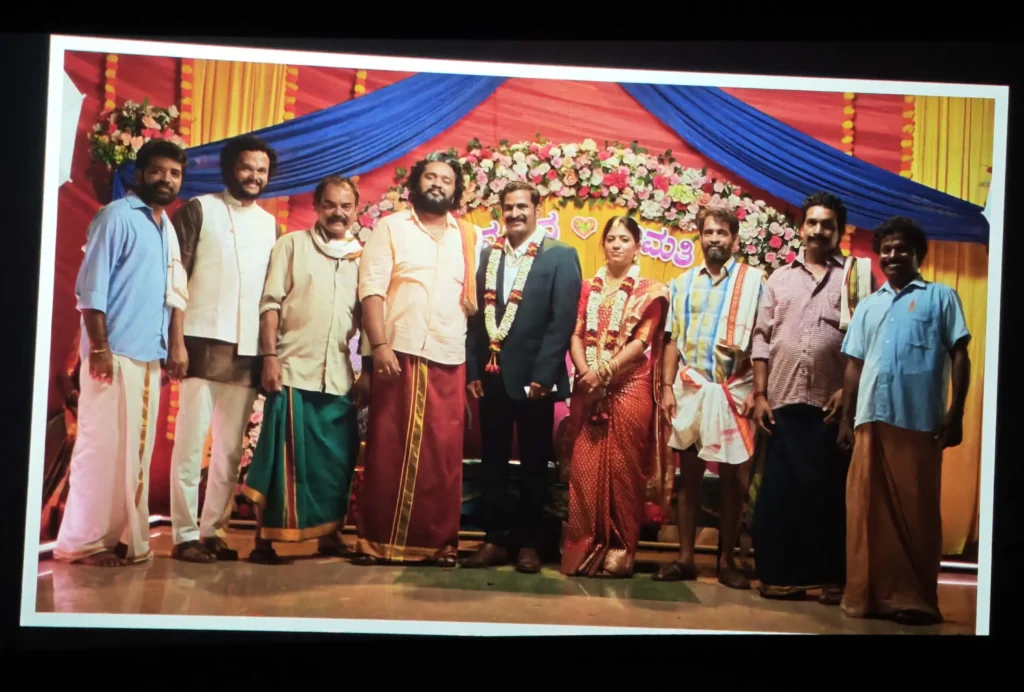
A shot from Su From So - marriage scene
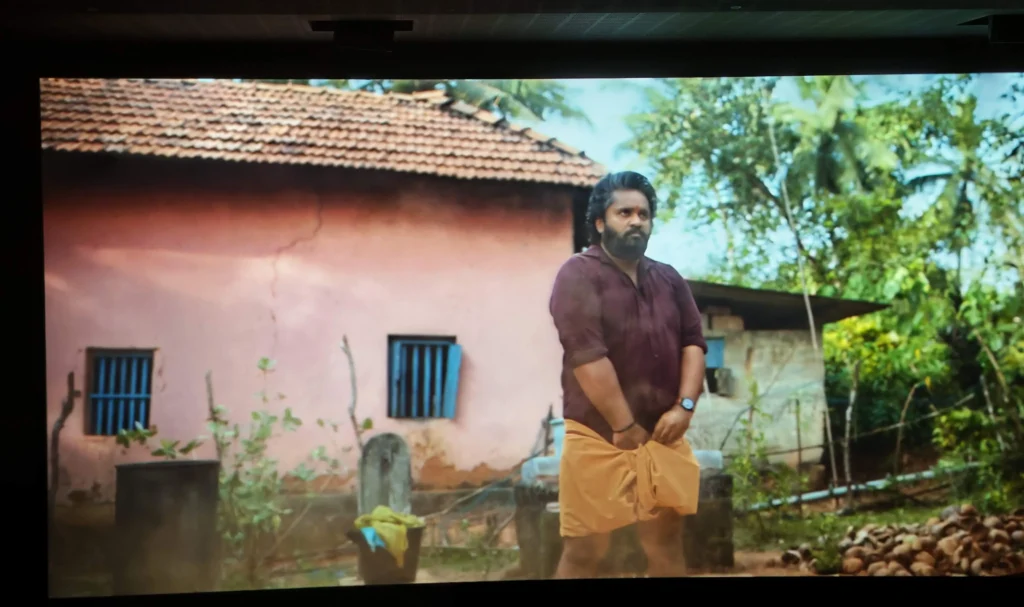
A shot from Su From So

The story takes place in a rural Karnataka village. Ravi Anna, a bachelor in his 40s, is the go-to person in the village, like our Lalettan in Balettan— even 50-year-olds respectfully call him Ravi Anna. Everyone looks up to him. Then there’s Ashoka, a painter who spends more time flirting and indulging in voyeurism. The film introduces a colourful range of characters surrounding these two.

The village believes that Ashoka is possessed by a ghost named Sulochana from Someshwara. What follows is a series of chaotic events, and the movie explores how the village reacts and tries to deal with it.

What stood out for me: The Writing

The most brilliant part of the film is its writing. It follows a cascading structure — chaos leading to more chaos — but everything is beautifully interconnected.

The director introduces all the characters through two village functions. The first function helps establish the cultural and spiritual beliefs of the village. A death is announced, the entire village community gathers for the rituals. That’s where the first spark flies — a subtle friction between Ravi Anna and Ashoka.

 Shaneel Gautham as Ravi Anna
Shaneel Gautham as Ravi Anna

In the second function, more characters are introduced. Then comes the big moment — Ashoka gets possessed. Once again, the director cleverly plants another trigger between Ravi and Ashoka, further deepening the chaos around the ghost and the possession.

Each event naturally flows into the next. Nothing feels forced. Every scene, every character matters. For example, there’s a dream sequence involving Ashoka’s sister. At first, it seemed like a typical horror filler, but later, it became crucial to another chain of events. That kind of thoughtful storytelling is rare. That’s what I like the most: everything & everyone is there for a reason.

Character Consistency & Detailing

One thing every screenwriter should learn from this film is how to write side characters with depth. Most films use them as fillers, but in Su From So, each character has a clear signature, a pattern of behaviour.

Take Prakash Thuminad’s character, Chandra, for example. He’s someone who enjoys the little things in life. He’s excited by experiences. In one scene, he carefully unties a chip packet because he doesn’t want to break it, he wants to enjoy it as it is. In another, he insists on having his glass filled to the brim, so he can sip it properly. He chooses orange soda over regular ones. These moments are funny, but they also make you feel like you’re watching a real person, not a character in the film. This is how films make you believe that you are seeing Auto Driver Chandra from a rural village in Karnataka, not an actor Prakash Thuminad.

Whether it’s Deepak Rai Panaje as Sathisha, Pushparaj Bolar as Bhaava, or especially Shaneel Gautham as Ravi Anna, each actor fully owns their character. Writing of Su From So helped them to leave a signature with his crafting.

Emotional Core without Melodrama

With a horror-comedy like this, it’s easy to turn the film into a series of laughs or scares. But what makes Su From So special is the emotional thread running through it. Without this layer, it would’ve felt like just another horror-comedy skit. But J. P. Thuminad ties the chaos to a meaningful message at the end — and that’s what makes the story stay with you.

The film makes you laugh, it startles you, it makes you whistle — and yes, maybe even shed a tear.

Sandhya Arakere and Raj B Shetty

Initially, I felt the women in the film were just filling space. But halfway through, Sandhya Arakere enters with a powerful character, and from that point, the film shifts its lens. Just like K. G. George explored the dark realities of village life in Kolangal (1981), Thuminad breaks the myth of “village innocence” and sheds light on domestic violence, abuses and privacy violations. That layer of social commentary is handled with subtlety and class.

Music & Sound: Elevations at its Peak

The music and sound mixing are another highlight. Whether it’s a celebration, a scare, or a fight — the score enhances every mood. Sumedh K and Sandeep Thulasidas (who composed the background score) deserve a standing ovation. Right from the opening frame, the audio experience pulls you into the world of Su From So.

Poster Su From So
Poster Su From So

Final Thoughts

I don’t even know how to describe the performances. Every actor, including Raj B. Shetty (who also co-produced the film), delivers with soul. Whatever J. P. Thuminad wrote, the actors brought to life with depth and honesty. The whole film feels fresh — a new kind of cinema that’s both intelligent and entertaining.

Even the poster design is beautiful and innovative. That sense of originality and detail continues till the final frame.

Su From So — 5/5.
Must-watch.

Kingdom Review – Great Visuals, But Emotionally Thin

Gowtam Tinnanuri’s Kingdom, starring Vijay Deverakonda, Bhagyashri Borse and Satyadev, arrives with the promise of a high-adrenaline action drama wrapped in stylish visuals. But overall, I felt it misses the one thing that holds it all together: emotional impact. Here’s my review of Kingdom (2025). Let’s break it down.

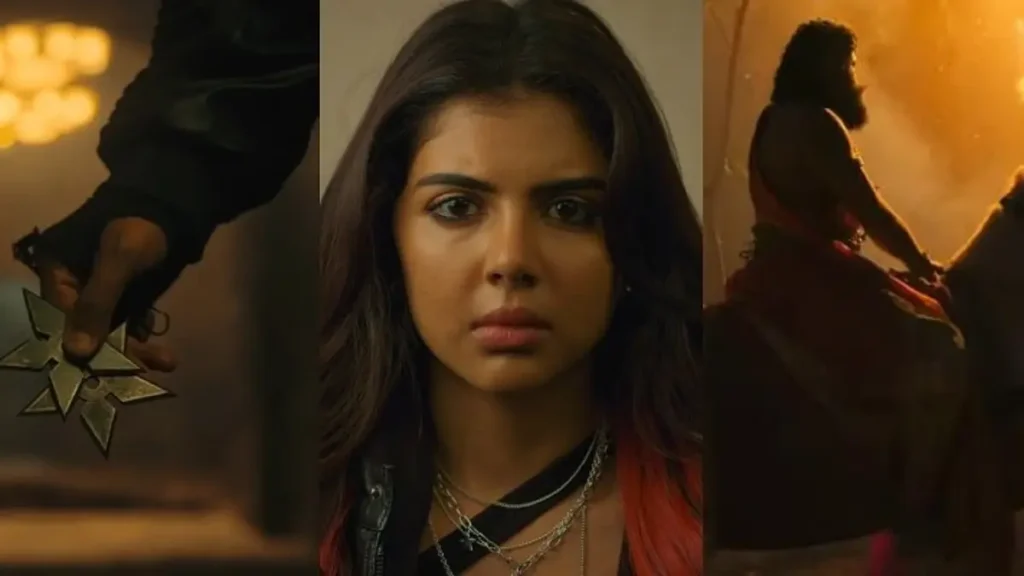
Kingdom 2025 Poster
Kingdom 2025 Poster

Plot Summary: A Spy Story Tied to Brotherhood

Soori (Vijay Deverakonda) is a rural police constable from Andhra, who finds himself caught in the middle of a high-stakes spy mission. As the mission unfolds, he learns it connects to his long-lost brother Siva (Satyadev). What starts as a spy mission is later becomes personal. And this brotherly bond — forms the core.

Sounds like it could be intense, right? It should’ve been.

A shot from Kingdom 2025

First Half: Stylish, But Emotionally Hollow

The film opens with a visually striking British-era setup. Within minutes, you know this is going to be a well-shot movie. Cinematographers Jomon T. John and Girish Gangadharan make every frame look polished and premium.

Once the plot gets going—especially in the first hour—the narration starts to feel flat. The issue, I felt, is in how the emotional beats are handled. There are scenes meant to establish Deverakonda’s Soori as a determined character, and later the director introduces his emotional trigger—his pain and desperation to find Siva. But the way it unfolds feels either too predictable or underwhelming. It’s the kind of moment where you go, “Oh… that’s it?”

Take, for instance, the scene where the brothers smuggle gold from the Navy. The setup feels too convenient. You’re left wondering, “Wait, was it really that easy?” Instead of clever plotting or tension, it comes across like the writer just went with the first idea that popped up.

I felt the film missed a major opportunity. If they had brought in a more impactful star or given Satyadev’s character (Siva) a stronger arc—maybe even played it like a subtle Godfather-style rise—the story could’ve had more gravity. It had the core ingredients, but it needed a little more time to simmer.

Even the villain angle, with a gang operating out of Sri Lanka, feels like a recycled subplot from a dozen action films. Some tension is there. But no freshness. You stay watching because the visuals are neat and the actors are giving it their all — but the writing doesn’t support them with the best.

A Scene from Kingdom 2025

Second Half: Better, But Still Familiar

The second half picks up a little, especially once Satyadev’s character gets more screen time. There’s one Gory scene that works better than expected. And the moment Satyadev got elevation in that scene. Pure Goosebumps guaranteed from then on. For a moment, it feels like the film’s about to enter beast mode.

And if you haven’t seen international cult films like City of God (The idea of “escaping the system” but still being trapped by it), Incendies, or Nolan’s Batman series — Kingdom might surprise you more. Some sequences, especially the prison fight and emotional twists, carry strong inspiration. For casual viewers, these moments land hard. For filmiholics, though, they’ll feel familiar — maybe too familiar.

The climax, though, sticks the landing. Neatly designed and emotionally tighter than the rest of the film. You finally feel that rush the genre promised.

Final Thoughts

Kingdom is a massy action flick, but not with the emotional depth or innovative thoughts that the story demands. It’s held together by two strong performances, first-rate visuals, Anirudh music and occasional goosebump moments.

Gowtam Tinnanuri keeps the core story focused, but the emotional payoffs don’t really hit like his previous film Jersey did.

Still, the sincerity shows. There’s no overstuffing; I can see that they trimmed down Bhagyashri’s scenes, love track, etc. Just a stylish attempt at telling a cliched story sprinkled with Myth, Crime & Guilt. You won’t feel bored, I believe.

Kingdom (2025) Review Rating: 3/5
Watch if you enjoy stylish dramas with moments that echo bigger films — even if they don’t go as deep.

Hari Hara Veera Mallu Review

Mandala Murders Review

Mandala Murders 2025 Explained

If your brain feels fried after finishing Mandala Murders, you’re not alone. But what makes us interested in this series is the Myth and Crime. The core concept is brilliant, unfortunately not the execution. So here I will explain what happened in Mandala Murders (2025).

We remember unfinished tasks more than completed ones. When shows leave questions dangling — “Who is Yasth?”, “What’s the real motive?” — our brain loops it until we find closure.

So here’s the explanation, what happened in Charandaspur? Who are Ayasthis? Are they real or fiction?

The World of Mandala Murders – Ayasthis, Energy, and the Cult of Yasth

Let’s start from the very beginning.

There’s a small, eerie town called Charandaspur — the kind of place where people still whisper about curses and disappearances. Somewhere deep in the Varuna forest nearby, a secretive group of women called the Ayasthis live in hiding. Locals see them as witches. But they see themselves as something else — the chosen ones of a mysterious energy god named Yasth.

Now here’s where it gets mad interesting.

The Ayasthis believe that energy can’t be created or destroyed, only redirected. So if someone dies… maybe their life energy can be pulled back. Revived. Rechanneled. They’ve built a strange machine that can supposedly do that — bring the dead back to life. Why they built it? Who Built that? We need to wait till Episode 7.

The Thumb Theory

Throughout the show, we see people placing their thumb on this mystical machine to ask for miracles. But here’s the catch:

Giving your thumb = asking Yasth for help.
But Yasth doesn’t just help out of kindness. He takes something in return.
Not from you directly — but someone close to you. A life. A body part. A price.

So if you asked for your son to return… maybe he ends up dead later.
You asked for political power… someone loses their legs.
You can’t track it logically — but someone, somewhere, pays.

Now imagine this happening for years. Quietly. One person at a time.
Until suddenly — a pattern emerges.

That’s where the show begins.

In the Past: Ayasthis & Their End

75 years before the murders began, a woman named Nandini (a scientist) arrived in Charandaspur with her husband, Anant, a corporate man trying to set up a nuclear plant in the forest area. Locals were uneasy — the forest wasn’t just green land, it was sacred to the hidden group known as the Ayasthis. The place is Ayasthal, which Rukmini and her cult believe Yasth made it himself years ago.

Ayasthis believe, if something happen to Ayasthal, they should revive Yasth.

One night, Rukmini went to Nandini’s home and warned her about the consequences of destroying their place.

Why Nandini Built The Device

Rukmini wasn’t an ordinary cult head. She was calm, sharp, and spoke in riddles that made dangerous sense. 

Rukmini told Nandini about Yasth, a powerful evil power. She showed her the Book of Prediction, and it was written by yasth during his first incarnation in the earth.

Then she dropped a chilling line:

“Book mentioned about Nandini”

If charandaspur seeks to destroy Ayast shrine, Yasth will be reincarnated, and Yast will be created by the very same woman who took part in destruction” of Ayast

Then came the real shocker.

Rukmini said Yasth also written, that woman has three traits, the traits are:

  1. She will be an Engineer or a Scientist.
  2. She will be pregnant.
  3. She will be a widow.

Nandini laughed. “I’m not a widow.”

Moments later, someone rushed in — Anant had died in an accident.

Now rattled, Nandini turned to the Ayasthi ideology for answers. She agreed to build the device Rukmini described. She thought she was creating something for humanity — a scientific invention to bring people back from death.

But she didn’t know Rukmini had a hidden agenda.

Rukmini never wanted the device for people. She wanted to use it to bring back Yasth — and unleash destruction across the world.

By the time Nandini realised the truth, it was too late. The body — stitched from various parts — was almost complete. The device was working.

Nandini made one last move.
She destroyed the body they had built. Burned it. Damaged the ritual. Then the villagers arrived, already stirred by fear and whispers of black magic. They torched the place, hoping to end it all.

But Rukmini escaped — and took the device with her.

The ritual failed. Yasth didn’t rise. But the blueprint survived.

Back to the Present – The Murders Begin

Now in the present day, ritualistic murders begin again in Charandaspur.

Bodies are turning up stitched, deformed, missing parts. First it’s Abhishek, a journalist. Then others — teachers, politicians, cult members. Each body seems to be missing something:

  • Torso
  • Hands
  • Legs
  • Head

CBI officer Rea Thomas is assigned to investigate. She’s sharp, emotionless on the outside, haunted by past trauma. But she has no idea she’s directly linked to everything.

Meanwhile, ex-cop Vikram Singh finds that his mother (Vasudha) and aunt (Urmila) disappeared years ago on the same night his brother Pawan died. All clues point back to Varuna Forest.

The Thumb Was Not The Price

As Rea and Vikram investigate, they uncover the miracle logic:

  • People used to visit Ayasthis and place their thumb on the machine, asking for miracles.
  • In return, someone close to them or themselves would suffer — die, disappear, lose something.
  • The thumb wasn’t the price. Life was.

For example:

  • Abhishek used the device to kill his mistress’s husband.
  • Birju asked for his lost son Awadesh to return.
  • Leela asked to save his sons — in return, a death followed.

Over time, a pattern forms. All current victims are linked to someone who made a wish in the past.

Sujay, Vijay, and Ananya’s Politics

Two gangsters, Sujay and Vijay, were suspected of killing Abhishek. But they’re being framed by their political rival Ananya Bhardwaj — Vikram’s sister-in-law, wife of the bedridden leader Jayaraj.

Turns out, Ananya is slowly clearing her path to power:

  • She frames Sujay and Vijay.
  • Hires a nurse to act as his mistress and gets Jayaraj paralysed with poison.
  • Removes all political threats in her way.

But behind her ambition is something much older and darker.

Kalindi, Jimmy Khan, and the Ritual Puzzle

Rea and Vikram uncover the truth about Kalindi, the murdered teacher — she was once close to the Ayasthi cult.

Kalindi wasn’t just the wife of a teacher — she had deep ties with the Ayasthi cult. Long ago, she was connected to Rukmini and the original belief system. She wasn’t a believer exactly, but she knew how the system worked. She knew the rituals, the symbols, the sacrifices.

Kalinidi and her assistant, Maithili, trapped all these people in Aysthi’s sacrifice. Ananya’s PA Vyankat, is Maithili’s adopted son, and Maithili helped him to survive.

Vyankat escaped from Killer by sacrificing Awadesh, Birju’s son.

In the end, Kalindi herself sacrificed her head for Yasth.

And before she died, Kalindi left behind clues.

A set of eight metal circles — each representing a different part of the Mandala.

These weren’t just decoration. They were keys.

Hidden inside her wardrobe, each piece would later be used to unlock the Yasthal, the sanctum where Yasth could be resurrected.

Along with Jimmy Khan, a folklore researcher, they begin decoding the Mandala symbols found at every murder site.

Each murder Ayasthi cult is doing for a body part:

  • Head of a teacher (Kalindi)
  • Hands of sinners (Vijay – Sujay)
  • Legs of Servant’s Child (Awadesh – Son of Birju)
  • Face of a princess (Kavitha , wife of Vikram)
  • Torso of a voyeur (Abhishek, Cosuin of Vikram)
  • Blood of someone who escaped death (Vikram)

One by one, these pieces are being collected to recreate Yasth, just like before.

Jimmy’s grandfather, decades ago, had figured this out and led the mob attack on Ayasthis. That’s what we saw in Episode 1.

The Jimmy Khan Connection

Enter Jimmy Khan — a history researcher, symbol decoder, and grandson of the man who led the mob attack on Ayasthis 75 years ago.

Jimmy steps in to help Rea and Vikram understand what these symbols actually mean. He figures out:

  • The symbols aren’t random — they form a Mandala of Sacrifice.
  • Each murder is connected to a specific body part — and a specific sin or sacrifice tied to the Ayasthi machine.
  • His grandfather tried to stop this ritual decades ago, but it was never fully destroyed.

Rea’s True Identity

Rea begins having dreams — a mysterious woman, always repeating, “Save my son’s life.”

She later learns:
That woman isn’t her imagination.
It’s her grandmother.
Nandini.

Yes — Rea is Nandini’s granddaughter, she born after Nandini decided to help Rukmini.

Suddenly, everything makes sense.

The murders, the device, her connection to Charandaspur — this isn’t just a case. This is her family’s unfinished business.

Nandini was killed by Rukmini

Who is the Killer? Who is the New Rukmini?

In the final twist, it’s revealed that the new mastermind behind everything…
is Ananya Bhardwaj.

Yes — the politician.
She’s Rukmini’s granddaughter.

Ananya is not chasing power for elections.
She’s finishing what Rukmini started:
Resurrecting Yasth.

The killer — the one collecting the body parts — is Aaditi Pohankar, selected as the “ultimate warrior” of the Ayasthi legacy. 

She passed Kalindi’s test and is now fulfilling the prophecy.

Final Showdown: Rea vs Killer

Ananya brings Vikram to Yasthal — the ancient sanctum — to complete the ritual. Vikram’s blood is the final ingredient: someone who escaped death.

But Rea arrives, guided by Nandini’s visions.

She fights the ultimate warrior. Destroys the ritual.

The Real Miracle: Vikram’s Mother and Her Missing Case

In the middle of all the murder boards, occult symbols, political plotting, and scientific devices, there’s one quiet voice that never left the forest:

Save my son’s life…

That voice was Vasudha — Vikram’s mother.
A woman who once carried her dead son Pawan’s body into Varuna Forest, hoping for a miracle.

Let’s rewind.

The Night That Broke Her

20 years ago, Vikram’s younger brother Pawan died in a tragic accident. That same night, Vasudha, heartbroken and desperate, disappeared from home. She was last seen going into the forest with Pawan’s body.

And that was it.
She was gone, along with Urmila (Vikram’s aunt)— no one knew where, or why.

But now, through Birju and Urmila’s memories, we learn the truth.

Vasudha reached the Ayasthi machine. She placed her thumb, asked to Yasth “Save my son” And the Ayasthi logic kicked in — a desire was registered.

But Yasth couldn’t bring back Pawan — because, according to Rukmini, once a soul leaves the body fully, it cannot return. The request was technically impossible.

But they couldn’t reject the wish either.

So instead… they kept Vasudha alive under custody.

She became a “frozen prayer” — a living vessel of an unfulfilled desire.

Her constant chant — “save my son’s life” — echoed inside the forest for two decades, like a glitch in the Ayasthi system.

Why the Ritual Couldn’t Be Completed in the End: Climax Explained

Now here’s the most important bit.

Rukmini’s ritual to bring back Yasth needed:

  • The correct body parts.
  • The correct blood.
  • And clean karmic pathways — meaning all past sacrifices and desires had to be fully processed.

But Vasudha’s wish was still hanging.

She asked for Pawan’s life, and Yasth didn’t deliver.
So the cycle was incomplete.
That one loose end — that unfulfilled request — became the error in the code.

And when Rea arrived, she unintentionally fulfilled Vasudha’s wish — not by reviving Pawan, but by saving Vikram’s life in the final battle.

Suddenly, the wish was no longer unfulfilled.
The loop closed. The chant stopped.
Yasth no longer had the justification to rise.

Nandini was killed by Rukmini. Now, Nandini’s granddaughter, Rea, killed Ananya (Rukmini’s granddaughter) and took revenge.

No more miracles. No more deaths.
Just closure would have been better, they made a tailend showing Aditi Pohankar, that this might continue with a season 2.

So who is the killer in Mandala Murders?

It is Moksha (Ultimate Warrior from Ayasthi Community) played by Aditi Pohankar.

Who is that surprise Villain ?

That is Ananya Bharadwaj played Surveen Chawla

Is Varuna forest real? or Ayasthis real?

No, everything is fiction, and unfortunately couldn’t even build a great on screen world as well.

5 Must Watch Series If You Like the Mandala Murders Theme

The story of Mandala Murders — with its secret societies, mystical devices, body-part rituals, and hidden ancestry — may sound uniquely Indian. But this kind of genre-bending, brain-twisting, cult-infused mystery has global roots.

SeriesCountryCore Themes
DarkGermanyTime loops, generational trauma, secret cult
The OAUSAAlternate dimensions, experiments, prophecy
1899USA/GermanySymbolism, death, simulation, trauma
Sacred GamesIndiaMyth meets crime, religious cults, politics
AsurIndiaMythological symbolism, serial killings
Webseries List

Mandala Murders follows the same global formula — but gives it an Indian spine, layered with energy theory, cult worship, thumb sacrifices, and generational guilt.

Read more about Asur here.

Mandala Murders Review: Myth, Madness, and Murder

After Asur, Paatal Lok, and a dozen dark-toned “let’s-explain-symbolism-in-flashbacks” series, Mandala Murders created by Gopi Puthran is the new entry. Set in the fictional town of Charandaspur, we follow detectives Rea Thomas (Vaani Kapoor) and Vikram Singh (Vaibhav Raj Gupta) as they peel back layers of ritualistic killings, ancient secret societies, and Vikram’s mother’s 20 years old missing case.

Mandala Murders Review Poster
Mandala Murders Poster

On paper, it sounds spicy: a mix of mythology, crime, and occult. But the real question is — does it land, or does it just pretend to be deep?

Direction, Tone, and Storytelling

Gopi Puthran (Mardaani 2) co-directs with Manan Rawat, and The concept is BRILLIANT.
Ayasthis, Mandala sacrifices, energy-as-currency, and ancient tech to revive a god? That’s like Dan Brown meets Asur meets Sacred Games — with a female-led cult.

At first glance, Mandala Murders promises a unique blend: a serial killer thriller wrapped inside a mythological conspiracy. The idea is bold, no doubt. But when it comes to execution—direction, scripting, and pacing—it often struggles to hold the weight of its own ambition.

You’ll keep waiting for that one twist that justifies the build-up — whether it arrives, we’ll see. In my opinion, there are many twists, but everything is predictable for someone who watches thrillers.

The tone sometimes gel with Asur’s vibe, but doesn’t fully commit. — technically correct, emotionally meh. What should feel like high-stakes investigation often ends up looking like disconnected scenes stitched together.

Performances Review: Mandala Murders

The cast does its job partially. Vaani Kapoor as Rea brings sincerity to a layered character, but the writing doesn’t offer enough depth. Eventually, her screen presence falls flat. At no point did I feel convinced she was a brilliant investigative officer.

Vaibhav Raj Gupta (Vikram)’s arc starts strong but ends up confused and falls flat.

Surveen Chawla as a cunning Lady Macbeth looks good on screen, but she couldn’t make an impact in the end.

Too many characters are introduced without space to breathe.

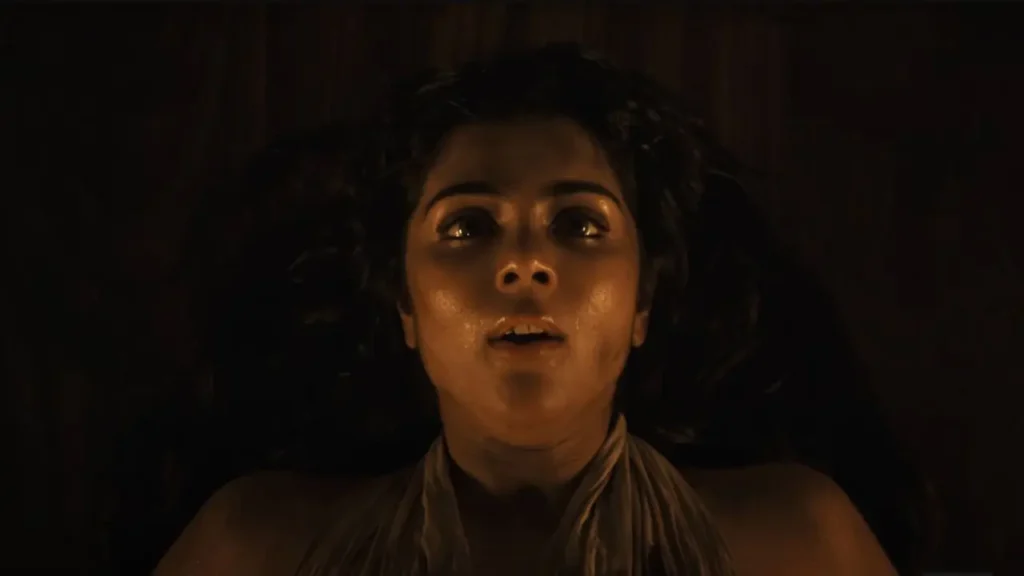
Shriya Pilgaonkar, dressed in a red sari and walking through flames, gets more emotion across in one still frame than some leads do in the whole episode.

Mandala Murders Performances Review
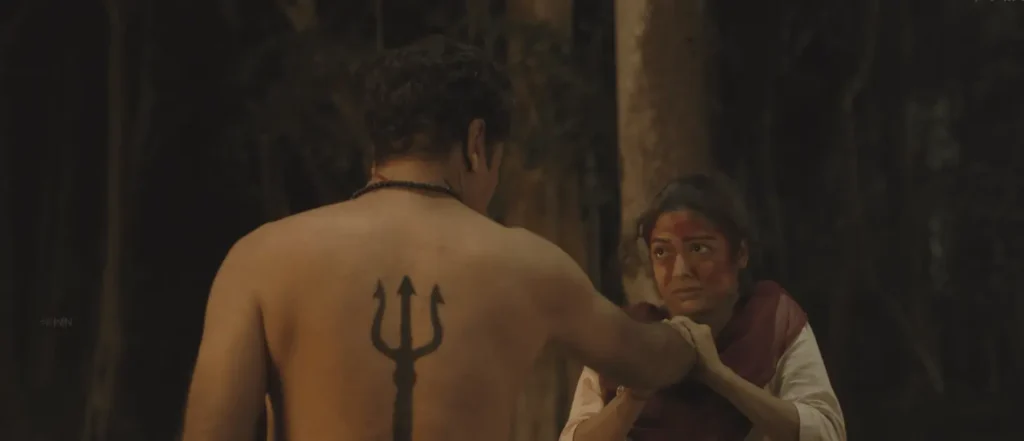
Scene from Mandala Murders

The myth angle — Mandala, rituals, prophecies — is interesting if you like symbolic stories. But if you’re expecting a fast-paced crime thriller with sharp writing and clever twists, you might be disappointed. This isn’t that kind of show. It leans more on mystery and mood than tight investigation or smart reveals.

What Works in Mandala Murders

  • The core idea of Ayasthis, rituals, and body-part-based resurrection is genuinely original.
  • There are occasional moments of brilliance—especially when the show reflects on grief, belief, and sacrifice.
  • The female-driven power structure in the cult is a refreshing take, rarely seen in Indian thrillers.

What Doesn’t

  • World-building falls flat.
    The Ayasthi lore is interesting, but it’s not built with enough clarity. We’re told a lot, but shown very little.
    For example, how Jimmy decodes the Mandala symbols is never explained properly—it feels like magic, not intelligence.
  • No real investigative hook.
    This is supposed to be a murder mystery, but there’s no standout moment of detective brilliance. The CBI investigation moves more like a background commentary than the central driver.
  • Pacing is thin and stretched.
    Instead of unfolding gradually with suspense, the plot throws twist after twist—making it hard to stay emotionally connected. It often feels like a series of “what’s next” moments, not “why did this happen?”

Final Verdict

Mandala Murders had the potential to be a genre-defining series—blending Indian myth with modern crime. But in trying to do too much, it ends up delivering less than it could. It’s not a bad show—it just needed sharper writing, better world-building, and a stronger spine to hold its wild ideas together.

Mandala Murders is streaming now on Netflix.

Hari Hara Veera Mallu Review : This Week’s Biggest theatrical release

Hari Hara Veera Mallu Review – Kalyan Fights, Fans Clap, But the Film Fumbles

After years of delays and a lot of expectations, Hari Hara Veera Mallu, starring Pawan Kalyan, finally hits theatres. Directed by Krish Jagarlamudi (with A. M. Jyothi Krishna completing the later portions), this period action-adventure tries to blend myth, rebellion, and heist — but ends up somewhere in the middle. In short, this is my review for Hari Hara Veera Mallu. No spoiler detailed review ahead.

Pawan Kalyan & Nidhi Agerwal during HHVM Promotions

First Half: A Glimpse of Promise

For those searching for a quick Hari Hara Veera Mallu plot summary — the film is about Veera Mallu, a Robin Hood-like figure tasked with stealing the Koh-i-Noor diamond from Mughal emperor Aurangzeb. Sounds exciting, right? And for the first half, it is.

The first half carries the stamp of Krish Jagarlamudi’s storytelling. There’s decent world-building, with grand sets like the Kollur kingdom and Machilipatnam port. The Charminar fight sequence and other action set pieces hold up. MM Keeravani’s background score lifts several scenes, adding emotional weight even when the story itself takes its time to kick in.

Fans around me cheered ( even me 😉 ). There’s some pace, some mass moments and a lot of whistles— it works just enough.

Second Half: Where the Wheels Come Off

This is where the trouble begins — especially for those expecting consistent storytelling or strong visuals.

The VFX issues in Hari Hara Veera Mallu are hard to ignore. From visible green screens (even in hair strands!) to horse chases that look straight out of an old PC game — it’s rough. You can feel the change in direction too. The second half clearly shifts gears under A. M. Jyothi Krishna’s handling, and the patchwork shows.

The film begins to drag. Scenes feel like filler. Important dialogues feel rushed or oddly dubbed. Zero emotional pull. It’s mostly missing the aura of the first half.

HHVM movie Poster
HHVM movie Poster

Characters & Technicals Review: HHVM

  • Pawan Kalyan’s new movie is carried by… well, Pawan Kalyan. His screen presence does a lot of heavy lifting, even when the material is uneven.
  • Bobby Deol is strong in his limited screen time. But a lot more is saved for Part 2.
  • Nidhhi Agerwal’s Panchami starts off promising with her adorable screen presence, but fades into the background.
  • Cinematography by Gnana Sekhar VS and Manoj Paramahamsa adds period texture, especially in the first half. But again, the visual effects drag it down.
  • MM Keeravani’s score is one of the film’s consistent strengths, especially during action sequences.

Final Thoughts

If you’re a Pawan Kalyan fan, this film has moments. If you’re looking for a tight period action film with emotional depth, this won’t fully satisfy.Despite its strong cast and bold ambition, Hari Hara Veera Mallu ends up as a scattered epic — visually grand in parts, but emotionally underwhelming. And no, it didn’t really need a Part 2 for this pacing.

Read more movie reviews and recommendations here.

Kerala Crime Files Season 2: Why, How, and Climax Explained

The best thing about Kerala Crime Files Season 2, written by Bahul Ramesh and directed by Ahammed Khabeer, is its subtle treatment. This blog breaks down the Kerala Crime Files Season 2 ending scene by scene and explains the climax sequence and the true motive behind Ambili’s missing case.

Unlike most detective thrillers that follow the clichéd template of a long lecture at the end by the detective (which often makes you feel like watching only the climax would’ve been enough), this series does the opposite. Watching just the final episode won’t help you understand the story or solution.

⚠️ If you haven’t seen the web series yet, please don’t continue reading.

The Setup: Ambili, Ayyappan, and the Ring

Ambili is a CPO at a Trivandrum local station. He is a shady, corrupted police officer, but people respect him—mainly because he doesn’t accept bribes directly. Instead, he involves and supports criminals to avoid larger chaos. This is established in an early scene where he’s escorting an accused to court. The accused keeps abusing him on the way, but Ambili remains silent. Minutes later, a few goons enter the bus and assault the accused—showing Ambili’s quiet power.

Even Ambili paid the restaurant bill, showing his character integrity.

Indrans as CPO Ambili (Episode 1, character establishment scene)

Ayyappan is a thief who loves animals. In the past, he met Ambili, who helped clear his charges and got him a job at a government dog shelter. Ambili even made him marry his own ex-wife.

But Ambili is a dominant personality. Though he helps people, he keeps them indebted. Ayyappan eventually realises this, and he even says that Ambili treats him like a chained dog—only unchaining him when he needs something done.

The Crime That Triggered It All

Ayyappan once mediated a quarrel between Mithilaj and Aji over a quarry issue. Mithilaj felt betrayed in the compromise. Seeing this, to compensate for that, Ambili connected him with two criminals from Kasaragod for a forgery attempt in Bengaluru.

Mithilaj explaining to CI KUrian (Lal)

When Bengaluru police began their investigation, they traced the crime back to Kasaragod and arrested the two. They revealed Ambili’s and Mithilaj’s names. Now Ambili was trapped. The Bengaluru police demanded a ₹20 lakh bribe to remove their names from the records.

Ambili turned to Ayyappan for help.

The Dog, the Ring, and Jaismon’s Trauma

If you’re wondering who killed Ambili in Kerala Crime Files Season 2 and why the climax felt ambiguous, here’s a detailed scene-by-scene explanation.

Jaismon, the antagonist, appears properly only in episodes 1 and 6. In the rest, we see his childhood snippets.

Jaismon’s childhood

Jaismon’s father, a mentally unstable petty thief, was also an animal lover. He once brought home a black dog—this dog is shown in Jaismon’s childhood flashbacks. Jaismon formed a deep bond with it. In one instance, when his father was bitten by a snake and no one dared go near him, it was the dog that stayed by his side as he died. This emotional imprint shaped Jaismon’s attachment to dogs.

Jaismon’s pet dog

Years later, Jaismon becomes a dog trainer. In one episode, we see his dog, Terry, suffering from Alzheimer’s and cognitive decline. During a museum inspection related to a robbery, Terry goes out of control, bites Jaismon, and accidentally swallows a pin and an antique ring.

Terry englufing a pin from the museum

The vet, suspicious, takes an X-ray and finds something odd alongside the pin. She checks the museum’s CCTV footage and begins to piece things together. Ayyappan, now working as the vet’s driver, assists her.

X Ray showing pin & ring

The vet decides not to operate due to the risk, leaving the ring inside Terry. But Ayyappan learns about the ring from the Vet doctor and informs Ambili.

What Was Ambili’s and Ayyappan’s Plan?

Ayyappan had already informed Ambili about Terry swallowing the ring. That’s why, in a key scene, when Ayyappan asks Ambili, “What should we do now?” Ambili responds, “You told me about it yourself.” It clearly shows that Ambili had already connected the dots and was counting on Ayyappan to do the job.

When Ayyappan mentions, “I have to go to Thrissur tomorrow,” Ambili immediately replies, “Exactly. Thrissur (Dog shelter) is where we need to do it.” — referring to the plan of killing Terry and retrieving the ring.

However, there’s a shift in Ayyappan’s tone. During their argument, Ayyappan says that everything he has done until now was out of will, but this time, he can’t — because he loves dogs.

This emotional hesitation is not random. Earlier, the director had already established Ayyappan’s bond with the animals in a sequence where he’s seen feeding dogs with visible affection and care.

The Betrayal

Desperate for the money, Ambili forces Ayyappan to kill the dog and retrieve the ring. Meanwhile, Jaismon gets approval to adopt Terry from the dog shelter. But the night before the adoption, Ayyappan kills the dog and takes the ring.

To cover it up, the authorities quietly bury the dog, listing it as a natural death. However, the vet reveals the truth to Jaismon.

Jaismon decides to take revenge.

The Disappearance and the Clues

Episode 6 opens with Aju Varghese (SI Manoj) narrating what happened next. Ayyappan sells the ring in Coimbatore and collects the money. On his way back to Kerala, he goes missing.

In Episode 1, Ambili’s visit to Kottarakara

Ambili’s cybercell friend reveals that Ayyappan’s phone was active in Ernakulam between the 19th and 21st. On the morning of the 21st, the number was traced in Trivandrum—exactly when Ambili was there. Later that day, both Ambili and the phone signal moved to Kottarakkara, where Ambili had gone to escort an accused to court. After returning to Trivandrum, the phone’s location also shifted back. This matching travel pattern suggests that the kidnapper was closely tailing Ambili.

Ayyappan likely revealed Ambili’s name under pressure. Jaismon, posing as a friend of Ayyappan, might have handed over the money to Ambili to make the revenge plan believable. Ambili then passed the money to the Karnataka police, and that’s the same money recovered by Aju Varghese later during a patrol.

And from the Karnataka Police, Aju Varghese unveiled the motive behind Ambili and Ayyappan.

The Shocking Truth

Jaismon killed both Ayyappan and Ambili and fed their bodies to stray dogs near Central Stadium. The case takes a turn when a dog vomits a human finger, leading the police to investigate the area.

This is foreshadowed in Episode 5, where Aju Varghese casually mentions to CI Kurian about cases where bodies were disposed of by feeding them to dogs.

DNA testing confirms that the flesh and blood samples belong to Ayyappan and Ambili.

From the vet doctor’s & Jeo Baby (Dog shelter in-charge) confession, police identified the missing piece, why Jaismon killed Ambili and Ayyappan.

Why Didn’t the Doctor Report the Ring to the Authorities After Her Research?

This is a common doubt, but the show actually addresses it subtly.

When CI Kurian (played by Lal) asks her about it, the vet clearly explains her reasoning. Her priority was the well-being of the dog, Terry. The dog was already in a fragile state, and performing surgery in that condition could have been life-threatening.

She feared that any official report might lead to the government approving euthanasia for the dog, considering its health and aggression issues. So, she chose silence — not out of negligence, but out of compassion.

Also, it’s important to clarify that neither Ayyappan nor Ambili were involved in the museum robbery itself. That incident was carried out by a Bihari gang.

Kerala Crime Files S2 Climax Explained

When the police reach Jaismon’s home, we can see that the power is gone; then they find him hanging from a ceiling fan, and the fan is static. It looks like suicide. But when the power returns, the fan starts rotating, revealing the body is still warm, and he could be alive.

SI Noble acts quickly and saves Jaismon.

Lacking solid evidence, the police later planted evidence at Jaismon’s home to close the case.

In the final moments, while police bring Jaismon to the stadium for evidence validation, the same stray dogs from the stadium area runs to him and shows clear affection. It’s a quiet but powerful visual cue—subtly confirming that Jaismon was indeed present there and had fed the bodies to the dogs. A show-don’t-tell approach, but enough to close the loop for attentive viewers.

Kerala Crime Files Season 2 Review

After watching Season 1 of Kerala Crime Files, I wrote, “Written poor, but executed well.” Season 2 flips that statement. Read the Kerala Crime Files Season 2 review for more, No Major Spoilers ahead.

Trailer Kerala Crime Files Season 2

This time, Bahul Ramesh takes charge of the writing, and similar to Season 1, the story pulls you in from the very first episode. But not through flashy twists or over-the-top reveals—rather, through carefully crafted character layers, subtle cues, and emotional hooks. It’s no longer about “what happens next” but more about “who they are?”

Writing That Respects Its Characters

Bahul who previously wrote Kishkindha Kaandam, doesn’t rush to shock you. He builds tension by slowly revealing the people behind the plot. Take Shyju Bhai, the police officer assisting SI Noble. He’s not loud or dramatic—his brilliance lies in small gestures and quiet observations. And it’s exactly this subtlety that makes the show more gripping than many fast-paced thrillers.

If you’ve seen Kishkindha Kaandam, you might’ve noticed—except Aparna Balamurali (who represents the viewer), every character is cryptic, with layers that slowly unfold. Bahul uses the same approach here.

Kishkindha Kaandam Poster

Though it may look like an event-driven thriller on the surface, I found it to be more of a character-driven mystery. That’s rare in Indian web series. What Bahul has done here is borrow the stillness of indie crime films and blend it with procedural drama, adding emotional recall through visual and narrative cues.

CPO Ambili Raju (Indrans) and Ayyappan (Harisree Ashokan), though they don’t get much screen time, leave a lasting impact. Their characters are mysterious, quiet, and reveal themselves gradually with each episode.

Dogs, Details, and a Thematic Echo

If Kishkindha Kaandam used monkeys as a narrative metaphor, here Bahul uses dogs. They aren’t just background elements—they walk silently through every episode, tied to the story, the characters, and the trauma. There’s a murder, an investigation, and a childhood memory—all connected to a dog. Every thread feels intentional.

The way Bahul uses this thematic echo—repeating visuals of dogs, loyalty, bonds, and betrayal—to create emotional undercurrents is brilliant. It reminded me of The Banshees of Inisherin, where animals act as emotional mirrors. It also brought to mind Parinamam by M.P. Narayana Pillai, where dogs are used throughout the novel in a similar metaphorical way. I wouldn’t be surprised if Bahul has read that novel.

Another detail I appreciated: whenever a viewer might develop a doubt, the next scene often features a character voicing that very same question. It’s thoughtful writing that respects the intelligence of its audience.

Same Frame, Better Picture

Despite the change in writers, the overall structure of Season 2 mirrors that of Season 1: a murder, an investigation, and a reveal in the final episode.

Cast: Kerala Crime Files Season 2

In terms of execution, the framework isn’t radically different if you’re a fan of thrillers. Past and present intercut, truth revealed at the end—a Memento-style approach is present here, like Mystic River or our own Malayalam thriller Memories, where a past trauma anchors a current crime mystery.

Instead of revealing everything linearly, the plot is broken into modules—glimpses of childhood, the current investigation, and side character arcs (like Ayyappan, Ambili, and a few other characters). Each piece seems unrelated until the final episode, where they all snap together.

In Season 1, I felt the villain’s motive lacked depth. Here, the antagonist’s motive is much stronger, rooted in emotion and personal pain. By Episode 5, seasoned viewers might start solving the “why” and “how.” Episode 6 completes the puzzle by revealing the “who.”

Abdul Wahab’s music plays gently in the background but rises at the right moments—it complements the scenes rather than dominating them. Jithin Stanislaus’ cinematography, especially in the night sequences, adds mood and shadow to the mystery. 

As for performances, Indrans and Harisree Ashokan deliver some of their best, despite their limited screen time. Aju Varghese and Lal maintain the same chemistry and tone from Season 1, adding consistency to the evolving story. Together, the team elevates this season beyond expectations.

Final Verdict

Kerala Crime Files Season 2 is still a slow burn, but this time, the fire feels intentional. The emotional weight is stronger. The characters are deeper. The motive is real. And the writing? It finally respects the audience.