Lucky Baskhar: Why it’s the Best From Venky Atluri

If I were to define Lucky Baskhar in one word, it would be “cathartic.”  Cathartic means nothing but that moment where you say, “My name is Maximus Decimus Meridius…” Lucky Baskhar follows the same path—the story of a middle-class bank employee who can’t even afford three pav bhajis from the streets of Mumbai, who becomes a billionaire in a couple of years. It’s not a one-man-show movie like Sivaji the Boss or Padayappa; rather, the credit must be shared between the team: Venky Atluri, Dulquer Salmaan, Nimish Ravi, and G.V. Prakash.

Title Card: Lucky Baskhar

A High Octane Narrative by Venky Atluri

Honestly speaking, I don’t like preachy movies, so I was a little hesitant about this Venky Atluri venture. I expected it to be a better version of Vijay Devarakonda and Parasuram’s Family Star.

Family Star Trailer

However, Venky surprised me with a well-balanced narrative filled with twists and turns. The thriller shade of the movie overpowered its middle-class hero glorification and preachy dialogues. Even the way he portrays some harsh truths is so classy and straight to the point—for example, dialogues like “I am not bad; I’m rich.”

Venky Atluri introduce his scenes like it’s from a pressure pump, building up tension in the audience and then with a twist, a sudden release—again, repeating this throughout the script until the climax. Normally, this pattern could make you bored, and by the climax, people might not feel the impact since they may start predicting things. But here, Venky shows brilliance in scripting; he covers up Baskhar’s cunningness with family drama and emotions so that the script ensures the audience won’t be skeptical about Baskhar’s actions. When Baskhar says, “It’s just begun,” he really means it. The second half shifts into top gear with family sentiments, thrills, emotions, and suspense.

A Con Thriller for Family Audience

So overall, Venky Atluri’s script is more like a Con thriller, with every other element acting as a cover-up. Another point I like about the script is that money laundering or stock market scams are not that easy to comprehend for a layman unless you are a fan of web series like Scam.

Scam 1992 Trailer

Here, Venky cleverly adds some overlapping shots where supporting characters explain things for you, so Baskhar’s sly moves become comprehensible even for those unfamiliar with the nuances of finance.

Dulquer Salmaan: Heart of the Film

It’s hard to imagine any other actor ( from Tollywood) pulling off this role with the ease Dulquer Salmaan does. His “boy-next-door” charm and physique make him a relatable character. DQ’s biggest plus is his “boy-next-door” look and physique.

Dulquer’s recent characters from TollyWood

His chest or arms aren’t like balloons, and he doesn’t have the headweight of a star. When he is humiliated, crying, we see a helpless middle-class family man, someone we know.

There’s a shot where he cries in the bathroom after almost losing everything—his dignity, his hope, his vehicle—and then switches with a smile. His ability to switch between helplessness and resilience ensures we empathise with his character. Venky’s objective of coating cunningness with innocence and justifying fraudulence with helplessness succeeds due to Dulquer’s screen presence and ease of acting.

Another big plus of Dulquer is he’s a great narrator. The movie progresses with DQ breaking the fourth wall and narrating, which is the icing on the cake.

Nimish Ravi’s Authentic Cinematic World

Cinematographer Nimish Ravi brilliantly captures the essence of 1990s Mumbai. Nowhere does the setting feel artificial, with the grey walls, crowded streets, and vada pav stalls giving an authentic backdrop.

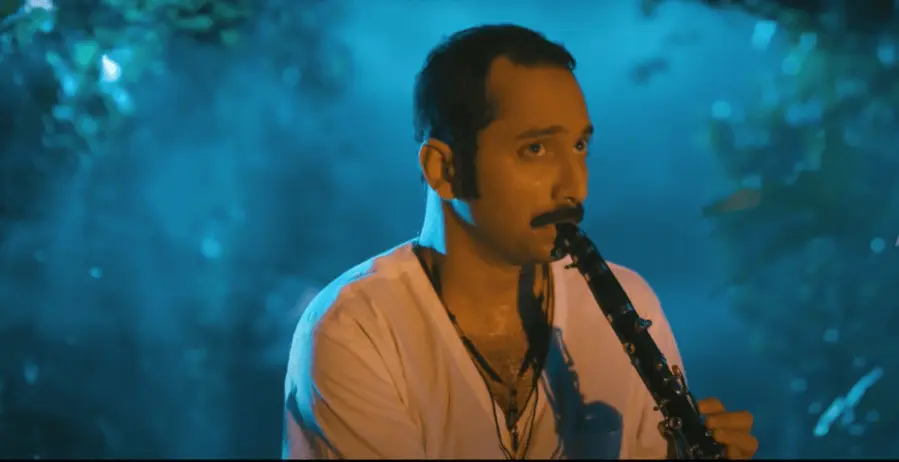
Scene from Lucky Baskhar

In a period drama, the biggest challenge is making the setting believable. Nimish & Art team did a decent job here. It’s 1990s Mumbai, not because of some film posters but because of Nimish Ravi and art director Banglan (the art director of DQ’s Kurup).

G.V. Prakash Kumar’s Score – The Magic Touch

Pick any high or low moment in the film—when Baskhar faces an insult from a moneylender, or when he does a ₹6 million shopping spree and walks in slow motion—GVP makes sure you don’t have time to think about logic; just enjoy the magic on screen with your ears open. :). 

GVP’s music keeps viewers entranced, amplifying the emotional highs and lows without letting them pause to question or be a detective to predict what’s next.

A Strong Role for Meenakshi Chaudhary

When it comes to the beautiful Meenakshi Chaudhary, I’m personally so happy to see her in a prominent role rather than roles where she’s just serving coffee to the hero or dancing with some uncles. 

Ted talk: Dr Meenakshi Chaudhary

Her character, Sumathi, is strong, independent, and inspiring. It was well-written, and there are many scenes where she scores as an emotional anchor for Baskhar.

A Story That Resonates with the Middle-Class Dreams

Lucky Baskhar touches every middle-class man out there, and Venky successfully sells his dreams to that set audience. Overnight success with minimal consequence and a happy ending—what else does an average viewer want for satisfaction, at least for a day?

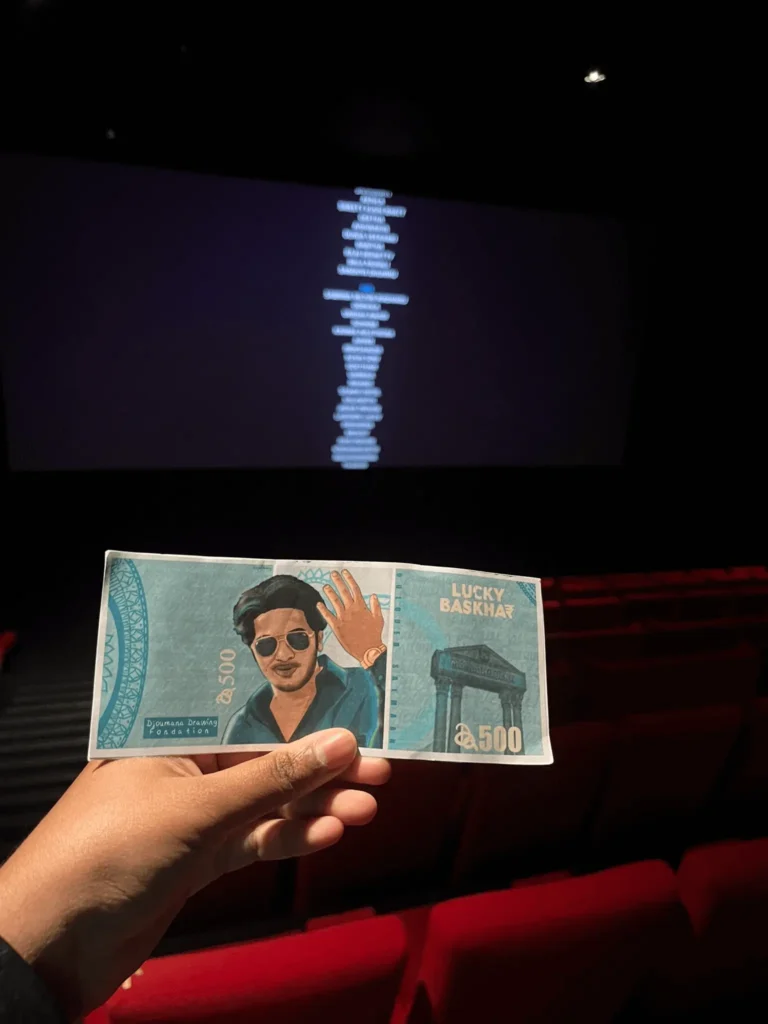
Image credits: @djmn_drawing

I appreciate how Venky shifts the perspective from “Fortune comes with risk” to “Fortune sustains when you know where to stop.” Most fortunes fall when people overestimate luck as skill.

Final Thoughts

In a world where only 2 million Indians (out of 1.428 Billion) belong to the high-income group (according to a 2021 Research report), Lucky Baskhar is bound to be a blockbuster.

It serves as a catharsis for everyone dreaming of overnight fortunes. Considering director Venky Atluri’s previous flicks like Vaathi or Rang De, in my opinion, Lucky Baskhar is the best.

Check out this week’s OTT releases here

Level Cross Explained: Breaking Down the Characters and Symbolism

Level Cross, 2024 Malyalam thriller directed by Arfaz Ayub, from Jeethu Joseph School, presents an intricate web of human emotions, twists, and symbolic visuals. If you walk away from the film with an open-ended climax or confusion, then you should read this; here I am explaining the ending of Level Cross along with the metaphors.

The film’s multi-layered story and subtle hints invite deeper exploration. This post might change how you see it, and you might play it again. If you’ve already decoded the hidden details, see if I’ve captured your observations as well.

1. The Opening and Setting as a Reflection of the Psyche

The film’s opening sets the tone, describing the setting as a space beyond time and reality. The film begins with a statement that the setting is “beyond time and space.”

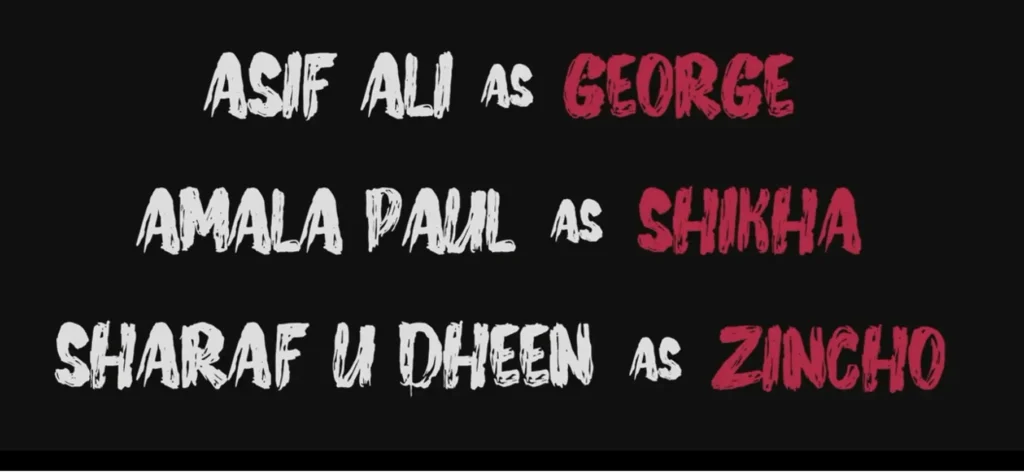
The barren desert where Raghu (Asif Ali) serves as a gatekeeper is not just a remote landscape—it mirrors the emptiness and isolation within his psyche. The film asks viewers to question whether the events they see are real or delusions born from Raghu’s mind.

2. The Delusions and the Donkey: A Hint of False Narratives

In the initial phase, Raghu talks to a donkey, but we never see the animal from a shared point of view. The donkey seems to exist only in Raghu’s mind. Amala Paul’s character (Shikha) looks for with Asif Ali is talking but finds nothing, confirming it is imaginary. This suggests that Raghu is experiencing delusions.

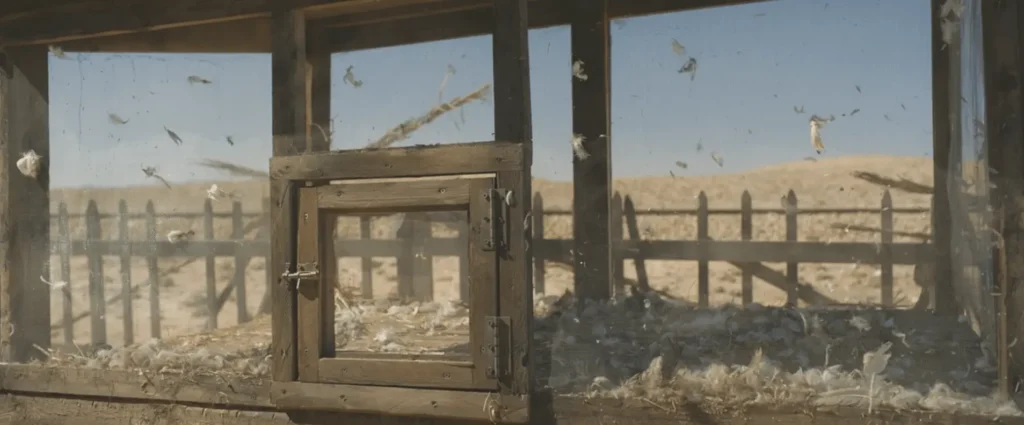
Raghu claims he has goats and hens, but we never see them. The cages are empty, and the only trace of animals is a few feathers. 

However, we do glimpse a dead cattle, which might belong to the original Raghu. This creates further doubt about Raghu’s stories, hinting that the life he describes is not entirely his own.

Psychotic individuals often create alternate realities to escape guilt, trauma, or self-loathing. The audience is never sure if events are real, symbolic, or figments of Raghu’s imagination—reflecting how fractured his sense of reality has become.

3. Medals: A Grim Tally of Murders

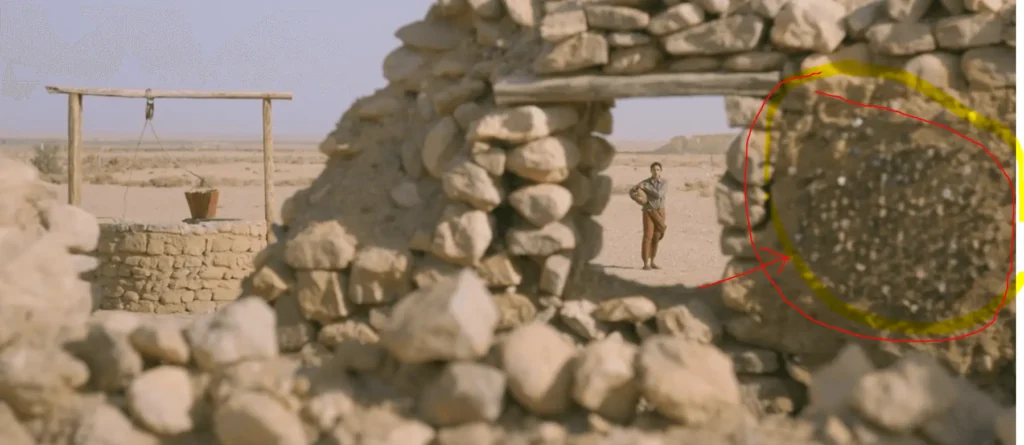
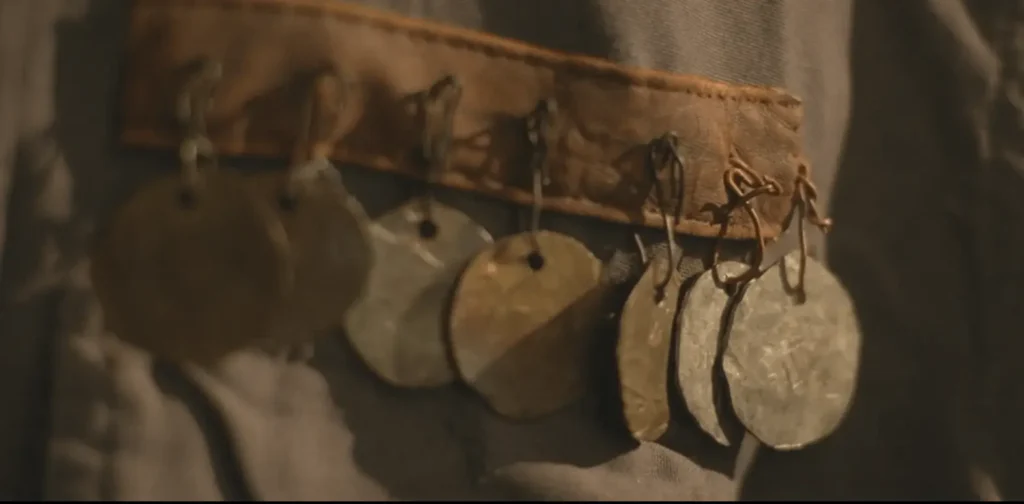
The medals Raghu wears on his shirt and pins on the wall near the well represent the people he has killed. During the title credits and in the end while Shikha carry water, We can see many medals over the wall at the ghost village, that hints Raghu aka George might have killed many in that village.

Then there are five medals on his shirt. In the final scene, we can see 7 medals, that means seven victims by the end: his ex-girlfriend, her husband, their two children, Zincho, Chaithali (Shikha), and possibly the real Raghu (Indrans).

Two of the medals have new copper wires, suggesting recent additions to his list of victims. This visual clue hints that Raghu’s killing spree has continued over time and each medal represents a victim.

4. Chaithali and Zincho: Competing Narratives

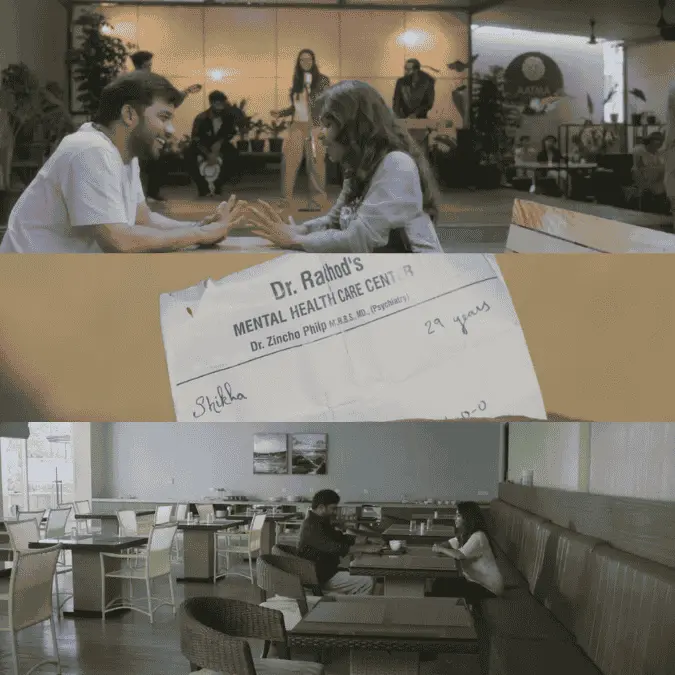
Shikha tells Raghu that she is a psychiatrist and is escaping from her drug addict abusive husband Zincho. Later, Zincho claims that Shikha was his psychiatric patient, a dangerous psychopath, and a drug addict.

Both stories are suspicious, leaving the audience to wonder which version is true.

This narrative ambiguity makes it difficult to trust any character completely.

The Virtual image of Zincho while Shikha narrating her version

If you observe closely when Shikha narrates the story, we can see people in the frame, and it’s more lively. When Zincho narrates the story the frames are empty and dry.

5. The Real Raghu: A Stolen Identity

It is implied that Asif Ali’s character (George) killed the real Raghu (Indrans) and took over his life as a gatekeeper. The life he describes—living with his mother, farming, and rearing animals—might actually belong to the original Raghu.

This adds another layer of deception to the story, making it clear that George aka Raghu has been living a stolen life.

6. Upside-Down Monster: Raghu’s Transformation

Asif Ali tells Amala Paul about an upside-down monster that once terrified the nearby village, forcing the residents to flee. Later, when She sees Asif Ali at the well, the camera angle is upside down, hinting that Raghu himself might be the monster. 

This idea is reinforced in the post-credit scene, where the inverted camera perspective suggests that the monster now resides within Raghu.

The upside-down angles in these scenes hint at a dissociative mental state. Dissociation is a psychological defence mechanism where an individual detaches from reality to cope with trauma or guilt.

The monster that walks upside down could symbolise Raghu’s fractured self—his transformation from a man seeking redemption into a murderer. This shift suggests the collapse of identity under the weight of unresolved emotional trauma.

7. The Final Confrontation and Betrayal

When Zincho finds Shikha and tries to take her away, Raghu helps her escape by killing Zincho. However, Raghu later discovers a medical prescription in Zincho’s pocket, confirming that Shikha lied—she was the dangerous one. Enraged by her betrayal, Raghu kills Shikha and buries both her and Zincho.

Finally, he kept that prescription along with Raghu’s ID card. The next shot is the addition of two new medals. This act marks the completion of his transformation into a cold-blooded killer. And the movie ends with an inverted frame.

That final inverted perspective, suggests that Raghu (now revealed as George) has accepted the monster within. The monster is not an external being but the manifestation of his guilt, regret, and emotional scars.

This aligns with Carl Jung’s concept of the shadow self—the darker side of one’s personality that must be confronted and integrated to achieve wholeness. Raghu’s failure to confront his shadow leads to his full transformation into the very monster he feared.

The Psychopath and the Sociopath: Raghu and Shikha’s Psychological Profiles

The characters of Raghu and Shikha present traits of two distinct psychological conditions—psychopathy and sociopathy. Shikha (if Zincho’s version of events is true) exhibits traits of a psychopath: calculated, manipulative, and devoid of empathy.

On the other hand, Raghu’s emotional outbursts, impulsive killings, and need for emotional validation align more with sociopathic tendencies. Their relationship highlights the blurred lines between love and manipulation, sanity and madness.

The Real Story of Level Cross: My POV

George, begins his story with a series of brutal murders. He kills his ex-girlfriend, her husband, and their two children in a fit of rage. After committing these murders, he escapes and assumes a new identity. 

It is implied that he encounters the real Raghu, a gatekeeper working at a remote level crossing, and kills him to take over his life and role. After Raghu, he might have killed many in the village. 

At present, living in isolation as George, George hides from society, carrying the weight of his crimes and sinking into emotional emptiness.

Despite his psychological struggles, he maintains his monotonous existence as a gatekeeper in the barren desert, haunted by loneliness and regret.Then one day he met Shikha, and the rest is what we are seeing.

George’s desire for a normal life shines briefly when he meets Shikha aka Chaithali, but her betrayal leaves him with no hope, pulling him deeper into madness and violence.

Final Thoughts: The Thrill of Decoding the Layers

Level Cross may not offer the dramatic payoff of more conventional thrillers, but it delivers a uniquely unsettling experience. The film’s exploration of unreliable memories, emotional scars, and inner demons reflects the complex nature of the human psyche.

While the narrative oscillates between different perspectives, leaving some viewers frustrated, it also opens the door to deeper engagement.

So, was Raghu always the monster, or did circumstances turn him into one? Share your thoughts—perhaps, like the film itself, your interpretation will add another layer to this fascinating story.

Related Articles:

Merry Christmas: A Tale of Yadhoom, Love, and Mystery

Lust Stories 2 : Struggling to Keep the Lust Alive

Saripodhaa Sanivaaram: Vigilante or Vendetta?

What I like most about Trivikram Srinivas is how he connects mythological stories with mass masala movies. He often places his heroes in the roles of Vishnu, Rama, or Krishna, making them feel like incarnations of these divine figures. In Saripodhaa Sanivaaram, Vivek Athreya followed a similar approach.

Saripodhaa Sanivaaram Title card

Have you heard the story of Narakasura?

Narakasura was a powerful and evil demon king, the son of Bhudevi (Mother Earth) and Varaha, an avatar of Lord Vishnu. Despite his divine origins, Narakasura was notorious for his wickedness and cruelty. He ruled the kingdom of Pragjyotisha, where he terrorized people and killed many innocents.

His power and arrogance grew so immense that even the heavens were disturbed by his actions.

Finally, Lord Krishna decided to fight Narakasura. However, Narakasura had a boon that only his mother could kill him. Krishna, knowing this, allowed Satyabhama, who was an incarnation of Bhudevi, to take the lead in the battle.

Plot: Saripodhaa Sanivaaram

Saripodhaa Sanivaaram begins with this story, and throughout the movie, Naani keeps referring to it. In a way, S. J. Suriyah represents a modern-day Narakasura, Sokulapalam is a modern-day Pragjyotisha, and Surya and his girlfriend Charulatha can be seen as Krishna and Satyabhama.

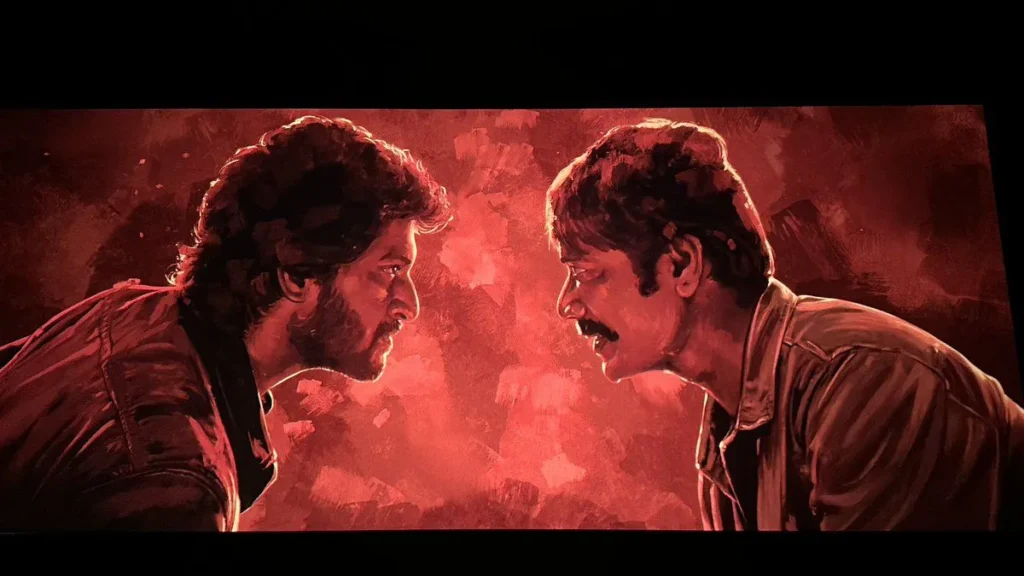
Nani vs S J Suriyah Face Off from Sanivaaram

But there is one difference, Krishna empowers others to take action against injustice but Suriya is different, when he witnesses injustice, he does not let it go.

Why You Should Try This Movie

This movie is packed with all the elements that make for commercial success in Tollywood and Kollywood: mother sentiment, father sentiment, sister sentiment, and a hero saving a community from oppression or vigilantism. A hero introduction setup where he fights against injustice. You’ll experience intense cat-and-mouse games between the villain and the hero.

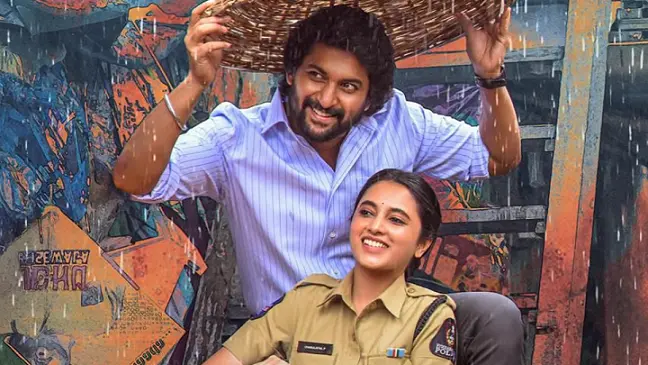
Nani & Priyanka Mohan

But what’s most impressive is that Vivek Athreya proves you don’t need to rely on showing the actress’s navel, a mass item song, or a foreign set song to create a mass action flick. Even though it’s a mass entertainer, Vivek Athreya keeps a minimalist approach, ensuring that you won’t get bored with cliches. In one line, Saripodhaa Sanivaaram is a middle-class Chathrapathi or a Vikramarkudu on a low budget.

A Domino Game and Athreya’s 6 Chapters

I feel like Vivek Athreya, as a writer, took inspiration from films like Tamil Maaveran and various Hollywood movies. He segmented Saripodhaa Sanivaaram into six chapters: the prologue, the turn, the knot, the crossroads, hide and seek, and redemption. It’s almost as if Vivek Athreya is trolling mass-action fans, sarcastically asking us, ee formula Saripodhaa? (Isn’t that enough?).

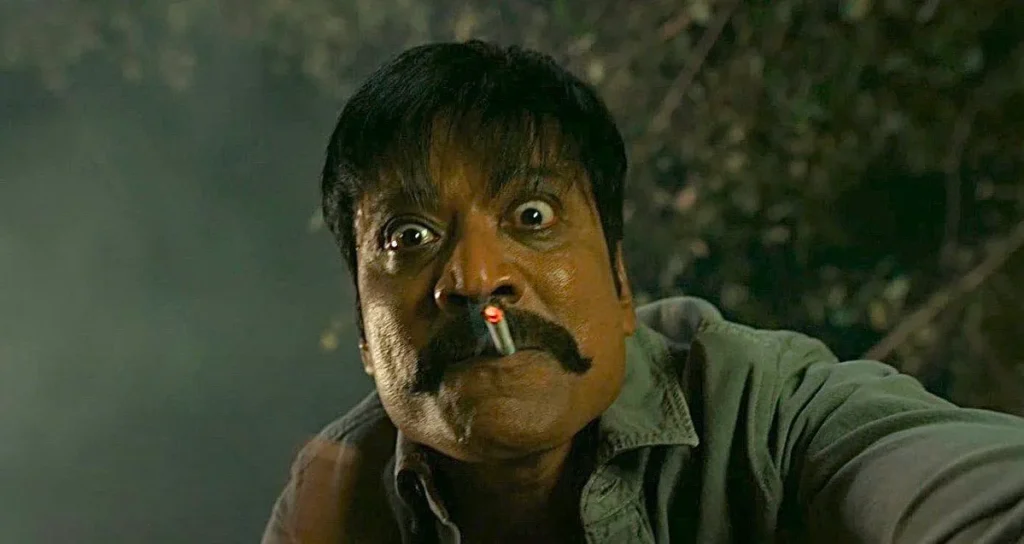
S J Suriyah as C I Daya

He established Suriyah (Nani) with subplots, Charulatha (Priyanka Mohan) with an open-ended past, and Daya (S J Suriyah) laced with dark humour and a dysfunctional family plot, all of which set the stage for a fire show.

The way Vivek wrote the script is like a domino effect—each event triggers the next, and each character drives an event. It’s beautiful to witness the script evolve so rhythmically.

Performances & Cast

When it comes to performances, Abhirami’s portrayal of the mother was deeply touching and reminded me of Simran in Kannathil Muthamittal, especially those moments at the beach, and some elements from  Bhanupriya of Chathrapathi.

Sai Kumar, the millennium’s angry young man, plays a father struggling to pacify his angry young son. There wasn’t much for a veteran like Sai Kumar to do, aside from a few bass voice narrations.

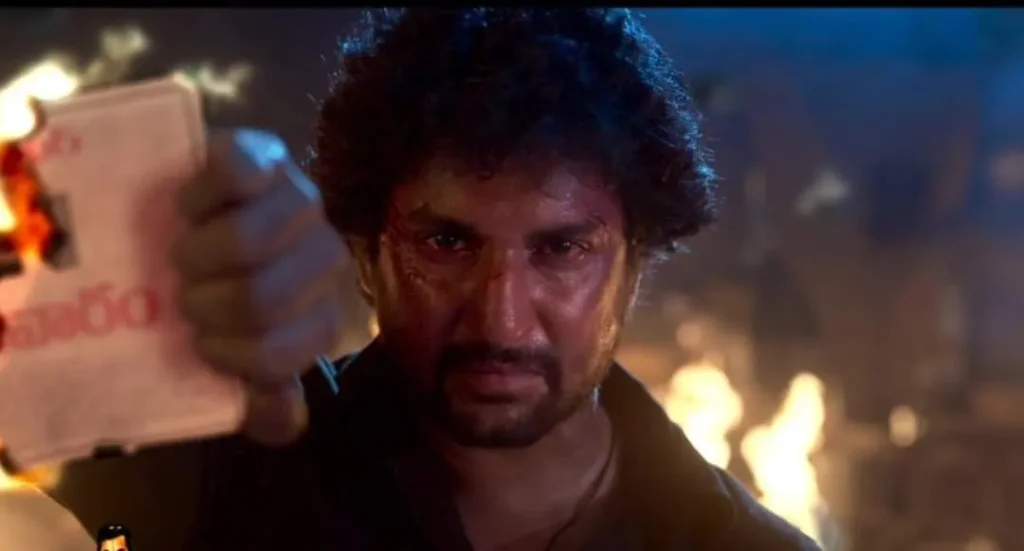
Nani as Suriyah

S. J. Suriyah and Nani played their characters brilliantly, convincingly portraying their utterly chaotic and distressed lives. Both are going through pain triggered by siblings—one suffering because of his brother, the other troubled by his sister.

Murli Sharma and Ajay Ghosh’s characters were icing on the cake with the perfect touch of humour to the film with their mannerisms and timing.

S J SUriyah speech at Saripodhaa Sanivaaram pre-release event

However, Priyanka Mohan’s character didn’t quite convince me. As S. J. Suriyah mentioned during the pre-release event of Saripodhaa Sanivaaram, Priyanka was too cute even as a constable. Her makeup, costume, and body language felt more like a hero’s pillion rider. I wish she had played a more prominent role, similar to what we see in the Narakasura story.

Jakes Bejoy: The Master of Elevation

Last but not least, Jakes Bejoy is the one who ensures you won’t dig too much on logic. Instead, you’re completely sucked into Athreya’s world, where no poor man uses social media or mobile cameras. For every question that pops into your head, Vivek’s writing will push you to another event, and Jakes Bejoy’s BGM will scream loud, and shut your curious mind, keeping you on track.

Saripodhu Ee Sanivaram

Finally, it’s technically a Vivek Athreya vigilante story, but I believe it’s actually a Vivek Athreya revenge story—a revenge against the Telugu audience who made his Ante Sundaraniki a flop. Now, he’s screaming loud to you: Saripodhaa Ee Sanivaram! (Is this Saturday enough??) I believe people are saying a big yes! Ee saari assalu bore kottaledhu.

Related Articles

Aattam, Who Is The Culprit: Ending Explained

Aattam Movie explained and find the culprit
Refer to this image for a better reading experience.

If you ask me, which is the brilliant Malayalam film from the 2024 first quarter, I would say it’s Aattam. Aattam is a 2024 Malayalam suspense chamber drama. Penned by debutant director Anand Ekarshi, Aattam navigates through the politics of gender dynamics, patriarchy, situational morality & selfishness in humans, within a theatrical setting. If you have seen this movie, most viewers ask a question: Who is the culprit in Aattam. Let me explain the layers of Aattam first, and if you are impatient, the answer is Sudheer.

Plot Overview

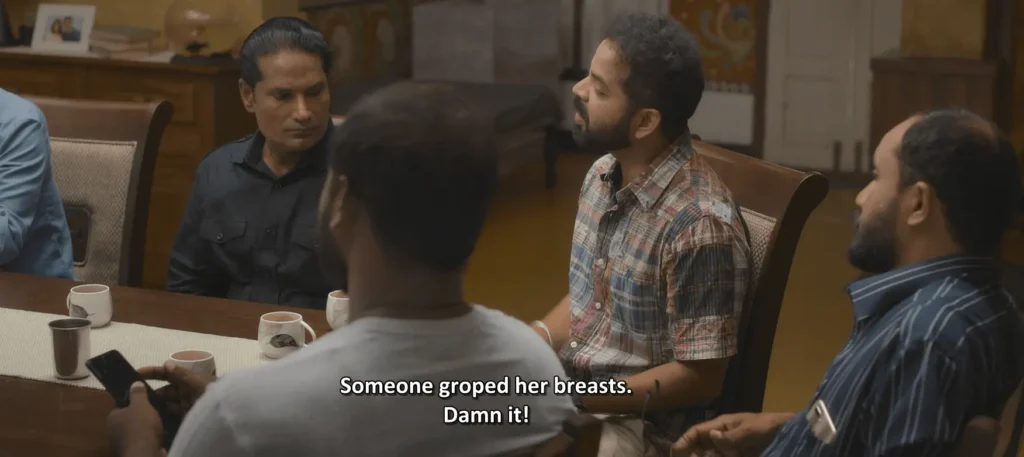
Aattam is a thriller of accusation and betrayal set against the backdrop of a theatre troupe. The plot circles around Anjali, the group’s only female actor, levelling charges of sexual harassment against a newly joined popular movie star in their team.

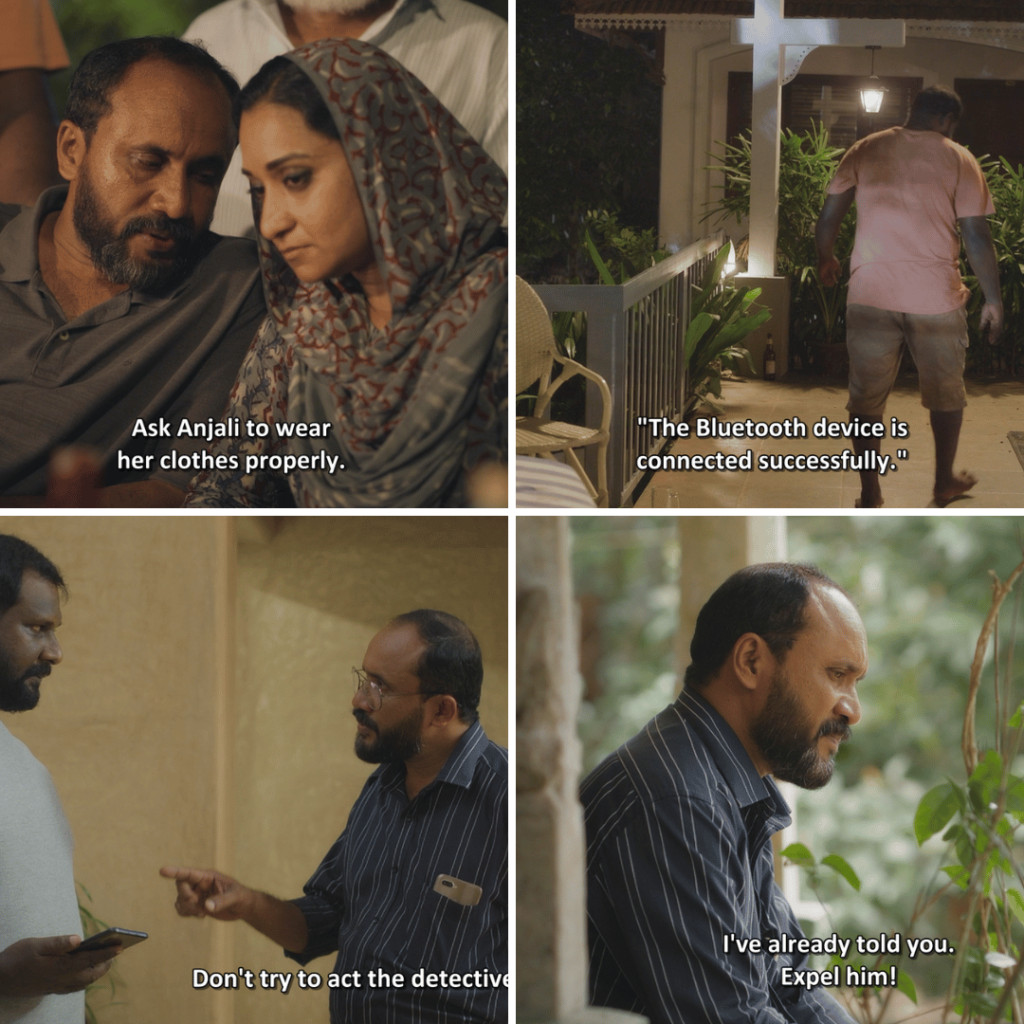
A scene from Aattam
A scene from Aattam

What starts as a straightforward allegation soon spirals into a complex web of deceit, manipulation, and shifting loyalties, especially when the proposal of a European tour throws the troupe into moral disarray.

The narrative cleverly employs a classic whodunit structure, yet the way it unveils the innate biases and hypocrisy of its characters is what makes it interesting.

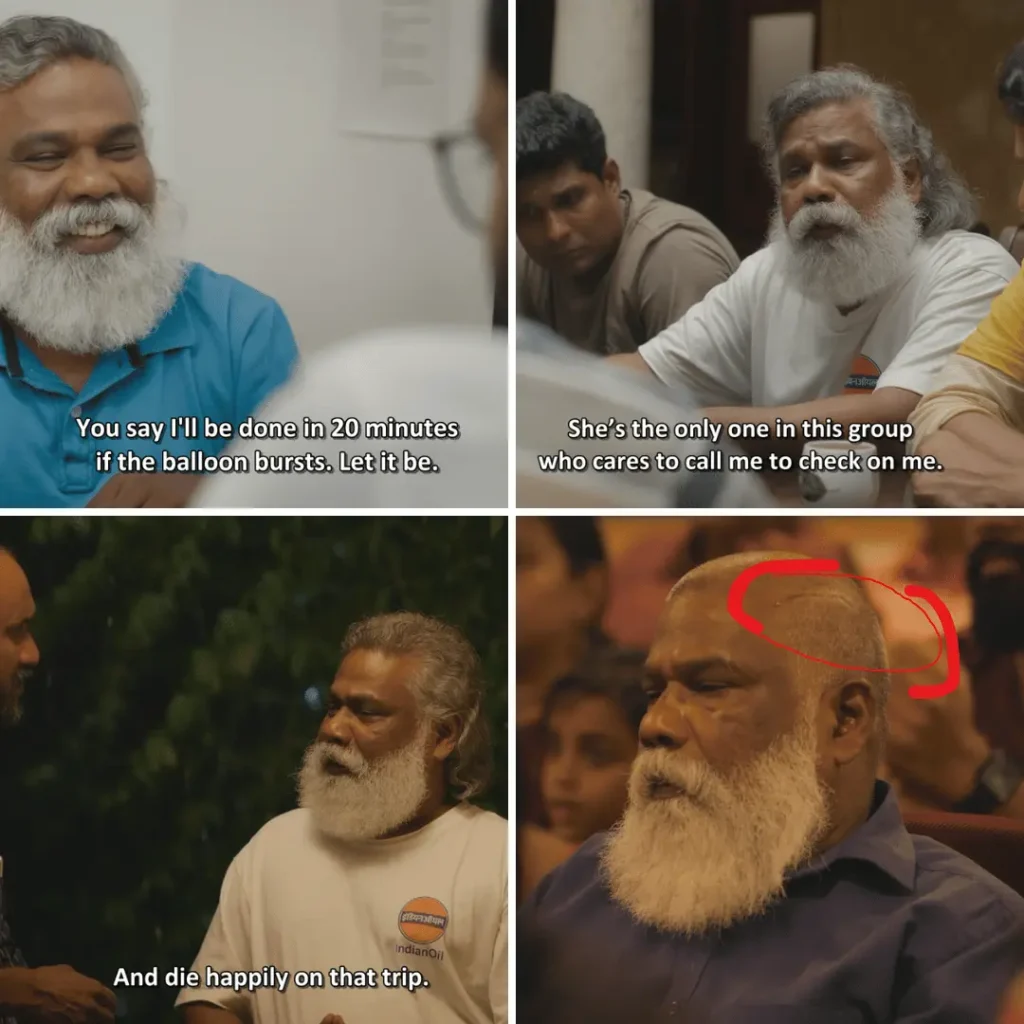
How Aanand, wrote each character is truly admirable; for example, the character Aji (the eldest among them): Aanand constructed the character through micro interactions (mentioning phone calls, his mannerisms, etc).

A scene from Aattam
Transformation scenes of Aji from Aattam

At the same time, Aji’s transformation didn’t go well (someone who doesn’t care about dying suddenly willing to compromise on himself so that he can go to Europe is a bit forced, in my opinion). And all this was just so that he could say what he said at the end.

Finding The Culprit & Theme of Aattam #Whodunnit  

Aattam is not about Whodunnit; by the end of the film, if you are just curious to know Whodunnit, then I would say this film is not for you. This film is not about the sinner; rather, it’s about the sin.

It’s like wondering if Teddy Daniels in Shutter Island chooses to live in a lie or faces the truth in the end. The real question isn’t what reality he picks. It’s about Teddy reaching a point where he prefers peace over constant torment, regardless of whether his world is real or made up. So, he makes a choice that might lead him to a lobotomy, showing he’d rather forget than live with the pain.

A scene from Shutter Island

The movie is sprinkled with so many minor flaws in human interactions, be they judgmental, generalisation based on experience, selfishness, hypocrisy, vigilantism, patriarchal mindset, social influence, arrogance, or demeaning others.

A scene from Aattam
A scene from Aattam

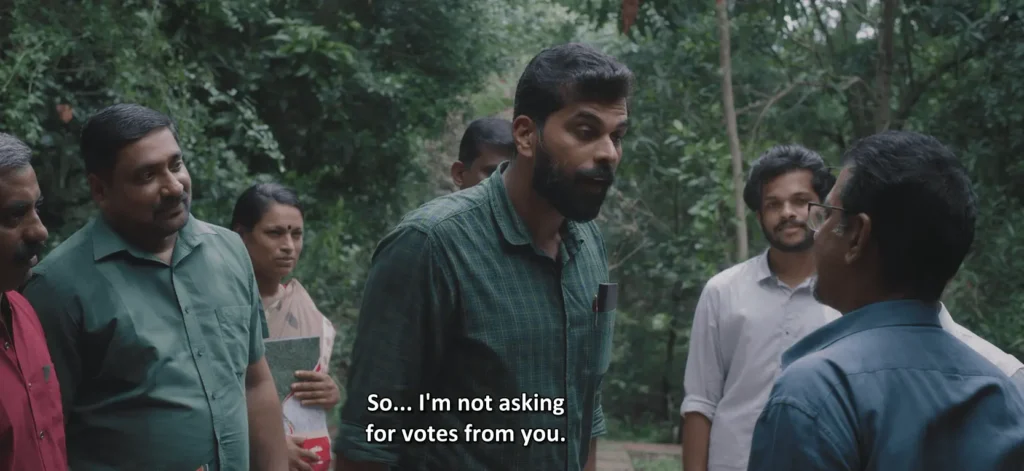
Even in the way he shows patriarchal ideologies in all layers of society, for example, there is a scene where a politician requests Madan’s vote, saying, Come and vote for me with the same finger that you have voted for my father.

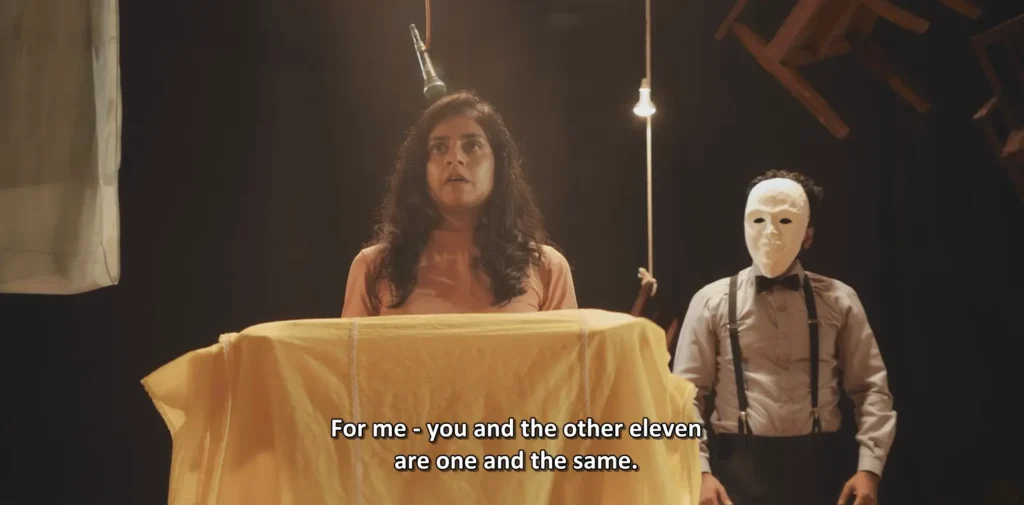
By the end, when Anjali says: “നീ ആരാണെന്ന് എനിക്കറിയണ്ട. നീയും ആ 11 പേരും തമ്മിൽ ഇന്നെനിക്ക് ഒരു വ്യത്യാസവുമില്ല”

Climax scene from Aattam

The director Anand Ekarshi summarises the movie there. But if you are curious to find the culprit from Aattam, I will help you. Scroll down straght to the last sub-heading.

12 Angry Men v/s Aattam

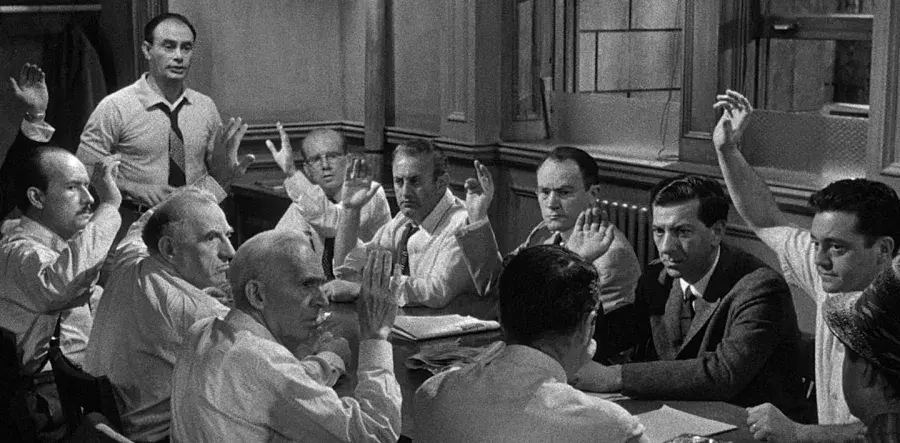
Aattam is very similar to the classic 12 Angry Men, be it the style, theme, and narration. It’s evident that Aanand Ekarshi is highly inspired by 12 Angry Men.

The film 12 Angry Men exemplifies many social psychology theories. This tense, compelling film, features a group of jurors who must decide the guilt or innocence of the accused.

12 Angry men scene
12 Angry Men

Initially, eleven of the twelve jurors vote guilty. Gradually, through heated discussion, the jurors are swayed to a not-guilty decision. Upon examination, the film highlights social psychology theories in areas of conformity, attitude change, and group processes.

Don’t you think it’s the same structure that Anand is following here?

When the inverter stops working, everyone leaves the house and steps outside due to the heat. Later, when it starts to rain, everyone rushes inside the house. These 2 scenes are one of the few scenes in which background music can be heard.

I think the director Anand Ekarshi wants to emphasise these 2 scenes, to show how we change our stance depending on the situation. The whole team was sure about throwing out Shajon’s character initially, but when the London Trip was introduced, everyone changed their stance.

Climax scene from 12 angry men movie
A scene from 12 Angry Men

A similar scene you can see from 12 Angry Men, where they open the windows because it’s too hot inside, and they open up the windows.

This shows that we humans change our stands as per our needs. This is where, I thought it would have been great if there were a couple of women who initially stood with Anjali and then turned their backs after the European trip offer came, It would better show that most people are hypocrites, not just men.

Attitude Change and Persuasion in the First Half

The central route to persuasion is all about logic and reason. It’s where you convince someone by using strong arguments, evidence, and facts to back up your position.

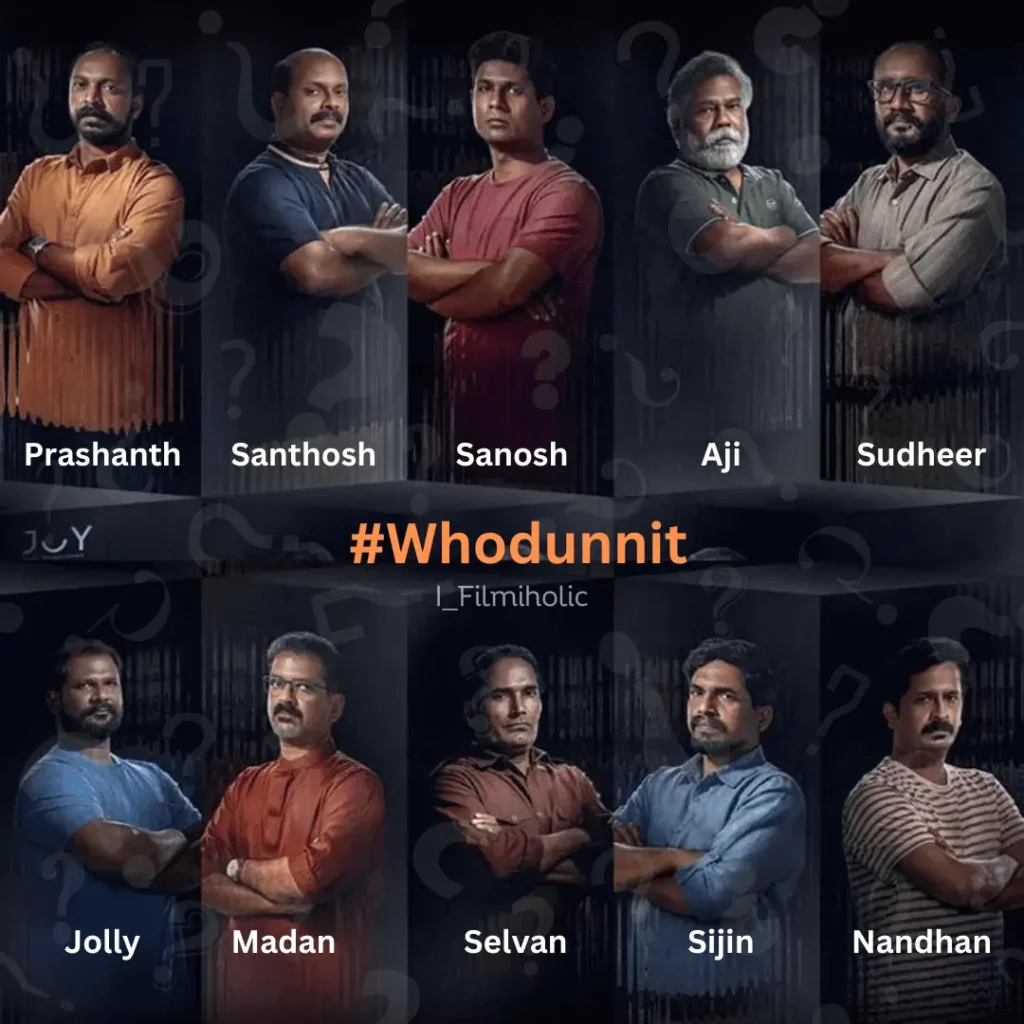
In the first half, you can see that Madan, Sijin, Jolly and Santosh are doing this.

For example, Sijin asks Madan: “What exactly did she tell you”, or Jolly asks: “So it happened not when she was awake”

Peripheral v/s Central persuasion from AATTAM
Peripheral v/s Central persuasion

The peripheral route of persuasion is the opposite of the central route. It’s a shortcut to influencing someone, relying on indirect cues and associations rather than strong arguments.

It targets our emotions and biases, and doesn’t require much effort from the audience to process. Vinay, Aji, Nandan, Sudheer, and Selvan are following this route.

For example when Nandan says: “He will do it, he always shares bawdy jokes”. or Selvan says: ” A sober mind wouldn’t do such things, it happened becuase they were drunk”. Through the use of non-factual, environmental cues, the sick gentleman utilises the peripheral route to persuasion.

Another important factor is Social loafing. It describes a situation where people exert less effort when working in a group compared to working alone. It’s like slacking off a bit because you think others will pick up the slack.

Prashanth and Jolly are in that stage, where they are slacking off with excuses.

And by the end of the first half, you can see group polarisation.

Imagine you and your friends are discussing a movie. Some might initially like it a little, some might be neutral, and a few might dislike it. Through discussion, those who liked it a little might become more enthusiastic, and those who disliked it might become even more critical. This is group polarisation.

Vinay brilliantly polarised everyone in one direction, by the end of the first half.

Moral Disengagement in The Second Half

Throughout Aattam, you are going to witness a few complexities in human behaviours like Moral Disengagement and Hypocrisy.

What is moral disengagement?

Moral disengagement is basically a fancy way of saying someone talks themselves into believing ethical rules don’t apply to them in a specific situation. It’s a psychological process that lets people act unethically without feeling bad about it.

Moral Disengagement from AATTAM
Moral Disengagement

Moral justification: Coming up with reasons why their actions are good, even if they aren’t. In Aattam, how conveniently the characters brought different reasons after they got to know about the European trip.

Observe how Selvan, Madan, Aji and Jolly. For instance, Jolly, the silent guy in the first half is aggressive and says “Just swallow the story in the whole”.

Moral Disengagement from AATTAM

Euphemistic labelling: Using nicer words to downplay the seriousness of their actions. For example when Madan talks about “Tactile Halluccination” he is trying to nullify her arguments in a sweeter way compared to Santhosh and Sijin.

Discrediting the victim: This involves downplaying the harm caused to the victim or portraying them as deserving of the negative consequences.

For example, Selvan saying about Anjali’s drinking habit, Prashant talking about her relationship with a married man, Sijin talking about her relationship, even addressing her as “Set-up”.

Disregarding or minimising consequences: This involves downplaying the negative outcomes of the action. For example, Vinay saying Anjali ” No one did anything to you, let’s believe it like that.”

I really love that scene where Anjali asked the question to vinay: “If it’s not Hari, who was it? , no one raised this question”. this is where the brilliance of the script, in the beginning, everyone was talking about the punishments, but when they realised it’s not Hari and one among them, they conviniently went through the moral disengagement and forgot the whodunnit part.

Who Is The Actual Culprit: Aattam Ending Explained

If you really want a culprit, let me share some thoughts:

In the final scene of the movie, in Anjali’s drama, the culprit confesses while Anjali is holding a yellow cloth. There is only one character in the whole movie who is wearing a yellow dress. Is that the culprit? 

That’s not a rational finding, right?

Okay, one more theory:

Anjali said, there was an intense perfume smell. Guys who fell in the pool won’t have that intense smell.

Jolly, Sudheer, Prashanth and Vinay were the people who didn’t fall in the pool.

Let’s eliminate Vinay, since, he is her lover. Jolly was busy with his video call and was disturbed, so let’s eliminate him.

Now either it should be Prashanth or Sudheer. Sudheer and Prashanth are the ones who got disturbed while hearing this, and went out for smoking.

I believe it’s Sudheer. WHY?

During that party, Sudheer was disturbed by seeing Anjali’s cleavage, that disturbance can be an arousal as well. Sudheer tried to hide the evidence in the first half, without any rationality. Near to the climax, while Jolly is showing the screenshot to others, Sudheer acts like he is seeing the first time. He was in a hurry to establish Hari as the culprit. He consistently avoided involving the police.

Sudheer's key scenes from Aattam which proves that he is the culprit of Aattam
Sudheer’s key scenes from Aattam

Being a smoker, Sudheer knew that Hari kept cigarettes in his car. He likely stole the car keys before the other person retrieved them.

Additionally, Sudheer watched pornography just before the incident. that was revealed later. Madan is asking why Nandhan went to Shajitha’s room, if we place Sudheer in Nandhan’s place, we have an answer: Sudheer might have gone there to see his wife and might have seen Anjali.

So, I believe it’s Sudheer. But let me remind you that the essence of film is not #Whodunnit

“നീ ആരാണെന്ന് എനിക്കറിയണ്ട. നീയും ആ 11 പേരും തമ്മിൽ ഇന്നെനിക്ക് ഒരു വ്യത്യാസവുമില്ല” 👌 { “I don’t need to know who you are. You and those 11 people are all the same to me today.” – Anjali }

Read more movie reviews and analysis here.

8 Movies Which Explain the Ancient Greeks’ Four Types Of Love

The history of Valentine’s Day dates back to the fourth century, when Pope Gelasius 1 declared February 14th as St. Valentine’s Day. So let me introduce the four types of love from Greek philosophy.

1️⃣ Experience: Four Types of Love

Without experiencing the many forms of love, we’ll always feel a little empty.

The ancient Greeks possessed a complex understanding of love that still holds relevance today.

Their lexicon included four distinct types of love: Agape, Eros, Philía, and Storge.

Examples for Four Types of love
Movies Which Share The Experiences

Four Types of Love: Greek Philosophy

❤️Agape denotes a selfless, unconditional love that extends beyond personal desire and encompasses the well-being of others.

It’s selfless, puts others first, and doesn’t expect anything in return. Imagine helping a stranger without expecting thanks, volunteering, or donating to a cause. I hope you have seen the movie Schindler’s List or Malyalam movie 2018.

2018 Trailer

❤️Eros, on the other hand, represents a passionate, romantic love driven by physical attraction and desire.

The “butterflies-in-your-stomach” experience. It’s passion, intense attraction, and physical desire. Think that first crush, the romantic spark, or the thrilling excitement of new love. Think of a movie like Chunking Express or Njan Gandharvan.

Njan Gandharvan teaser

❤️Philía describes a deep, platonic love rooted in mutual respect, shared interests, and genuine friendship.

Experience that “best friend forever” companionship . It’s built on friendship, shared interests, mutual respect, and understanding. Think movie nights with your buddies, deep conversations with an old friend, or the camaraderie of a sports team. Hope you have seen When Harry Met Sally or kannada movie Katheyondu Shuruvagide.

Katheyondu Shuruvagide Trailer

❤️Finally, Storge denotes a familial or parental love that is instinctual and unconditional.

Think the bond between parent and child, the unconditional love you have for your siblings, or the close connection with your grandparents. Hope you have seen the animated movie CoCo (2017) or tamil movie Peranbu.

Peranbu Trailer

Experiencing all these four types of love is vital for a fulfilling life, as it nourishes and enriches our emotional well-being.

Beginning of a Lifelong Romance

We should strive to evoke these emotions in others and elevate them for one another to create a more loving and empathetic society. These four types of love explains the nuances of love. By understanding the nuances of love, we can cultivate stronger, more meaningful relationships that enrich our lives and the lives of those around us.

So, go forth and experience the four types of love — agape, eros, philía, and storge — and embrace the diversity and depth that life has to offer. And remember, if all else fails, a little laughter can go a long way in matters of the heart.

As Oscar Wilde once said, “To love oneself is the beginning of a lifelong romance.”

So, experience all four types of love, evoke it in one another, and elevate it for one another. That’s the key.

2️⃣ Pain & Redemption

At the core of any transformative experience is the element of pain and suffering. Love, in particular, is known for its ability to inspire profound changes in individuals.

The reason for this is simple: transformation requires the shedding of one’s old self, and this shedding process can be painful. In fact, some of the most significant changes we experience are born out of great suffering.

Movies Which explain the Pain

This is why love demands that we surrender ourselves to a little bit of suffering. Whether it’s the pain of rejection, the agony of heartbreak, or the discomfort of vulnerability, these experiences are necessary to spur on the kind of transformation that love offers.

Suffer For It

And it’s not just romantic love that requires this level of surrender. If we truly love our work, our art, or our craft, we must be willing to suffer for it. We must be willing to endure the long hours, the uncertainty, and the setbacks that come with any creative pursuit.

But it’s not just about enduring suffering for the sake of transformation. We must also take the time to reflect on our journey, to understand why we’re here, who we are, and why it matters. Only by embracing the transformative power of love, and by surrendering to the suffering it demands, can we hope to unlock our full potential.

Redemtpion

And so, as we embark on this journey of love and transformation, let us remember that it is not a path for the faint of heart. But if we are willing to take that deep breath and plunge headfirst into the abyss, we may just emerge on the other side, transformed and ready for whatever comes next.

And as the philosopher Friedrich Nietzsche once said, “What does not kill me makes me stronger.”

So, let us suffer a little, and emerge stronger, wiser, and ready to love again.

I recommend you watch Masaan (2015) , Tamasha (2015), La La Land (2016).

3️⃣ Slow & Steady: Mean it

Love is not a commodity that we can buy, nor is it a game that we can play. Love is something that we give, and it’s a reflection of who we are.

Most importantly, it’s a verb, not a noun, it’s an action.

As the ancient Greek philosopher Plato once said, “At the touch of love, everyone becomes a poet.”

Love inspires us to be creative, kind, and compassionate, and it can elevate our lives to new heights. However, if we don’t mean it, we risk losing it all.

Fake it ’til you make it

There’s a famous saying that goes, “Fake it ’til you make it,” but when it comes to love, that’s a dangerous game to play. You can’t fake love, and you can’t substitute it with anything else. As the American author H. Jackson Brown Jr. once said, “Love is when the other person’s happiness is more important than your own.”

If we don’t mean it, we risk hurting ourselves and the people we care about.

So, how can we mean it?

Well, it starts with being honest with ourselves and others. We need to be clear about what we want and what we’re willing to give.

We need to be vulnerable and open to the possibility of rejection, knowing that it’s part of the process.

And we need to be patient and persistent, knowing that love takes time to grow and blossom.

Lunchbox & RBDJ: Indian Movies

Remember, genuine love is not something that we can fake or substitute. It’s a precious gift that we give and receive, and it requires us to be true to ourselves and others.

As the American singer-songwriter John Legend once said, “Love is not just a verb, it’s you looking in the mirror.” So, let’s be honest, vulnerable, patient, and persistent, and let’s mean it.

I would recommend movies like The Lunchbox (2013), Call Me by Your Name (2017).

Read about How you should read the film: The Lunchbox

So love your Partner. Love your friends, Love your family, Love your life, Love your job.

Your Love liberates your inner strength, and that’s the beauty of it.

So, how was your Valentine’s Day?

Me?

I had a busy day doing some Ad shoot and campaign management for the marketing.

But tonight, after seeing multiple stories and statuses in my SM feeds, I decided to write something on this.

❤️None of us belong here and there’s not enough time. Let’s Live. Love. Learn and Liberate❤️

The Lunchbox vs. Photograph: Ritesh Batra’s Parallel Narratives

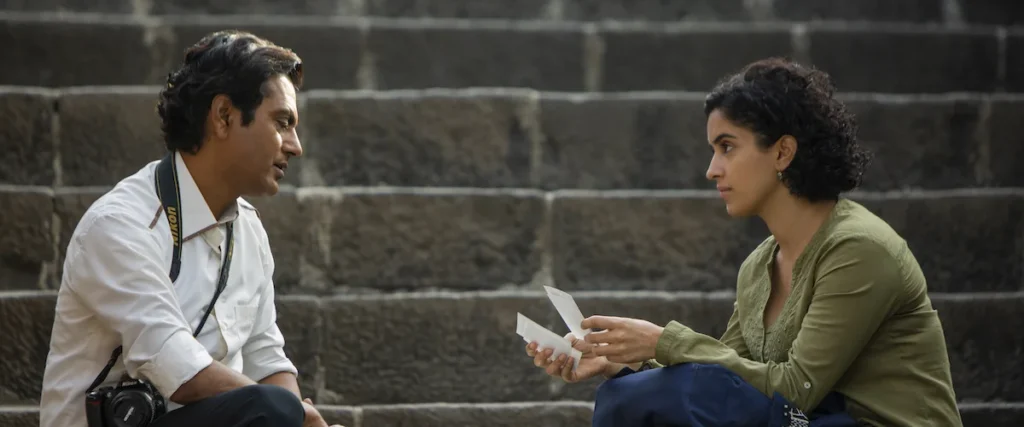
Ritesh Batra took 6 years to release his second Hindi film, Photograph, after my favourite film, The Lunchbox. This time he explained the story of two obedient individuals, Miloni (Sanya Malhotra), who is studying to become a chartered accountant, and Rafi (Nawazuddin Siddiqui), a street photographer. Let’s see how Batra crafted a different movie from the same set of characters, elements, and geography that he used in The Lunchbox. In essence, both films are narrating the same crux.

Photograph Trailer

Miloni meets Rafi at the Gateway of India in Mumbai, where she allows him to take her photograph. Unfortunately, her family calls her away before he can give it to her in an envelope. Later, circumstances make Rafi ask Miloni to act as his girlfriend while his grandmother (Farrukh Jaffar) visits. She agrees, leading to the formation of an unexpected connection between them. Nawazuddin Siddiqui and Sanya Malhotra perfectly match the film’s gentle mood, expressing much through subtle body language, the setting, and their eyes.

“Years from now, when you look at this photo, you’ll feel the sun on your face, wind in your hair and hear all these voices again. Or it’ll all be gone. Gone forever.”

 – Rafi in Photograph (2019)

Two Parallel Rays From Different Sources

Miloni and Rafi have different backgrounds, yet they are moving in parallel in the same direction. Photograph explained this journey in The Lunchbox style. They both are not sailing in life for what they want; rather, they are living for others. They are obedient people who have followed whatever has been told to them

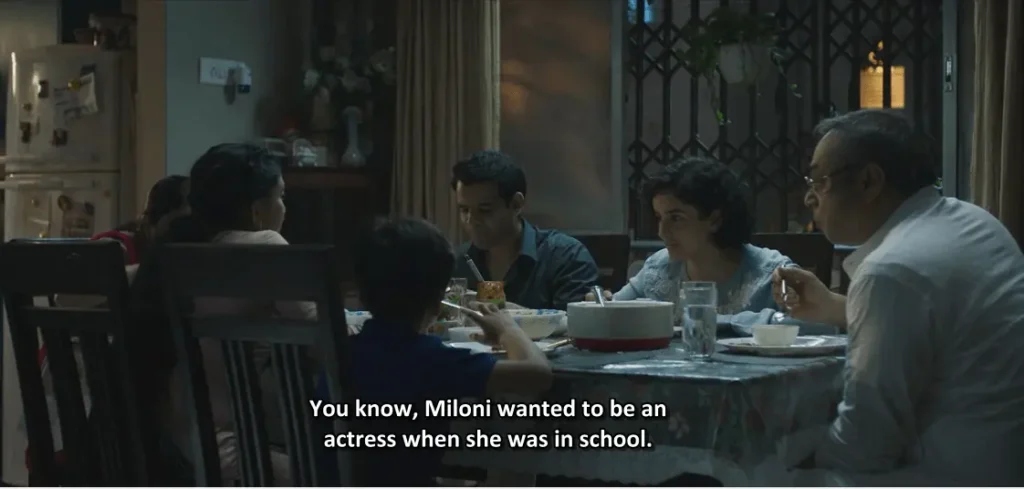
Miloni was always obedient to her parent’s choices. There is a scene where, during dinner, her family members say that Miloni wanted to become an actress before her family pushed her to study accounting. and her father is surprised. She wears what her family thinks looks good on her. She doesn’t even have a favourite colour in her life. Miloni conforms to her family’s expectations, donning attire they find appealing. 

Similarly, Rafi’s life is dedicated to his family’s well-being. He toils away, shouldering the heavy burden of his village home’s debt and single-handedly covering his sisters’ wedding costs. His unwavering commitment extends to fulfilling his grandmother’s desires without hesitation. His nights remind me of Saajan from The Lunchbox. Both are isolated in their own islands.

Symmetry happens From Asymmetries

The movie describes Rafi & Miloni both living for the sake of their family by killing their smiles; they were on the stage of life where they forgot their smile and were going through a monotonous life. In Rafi’s photographs, Miloni is finding her smile, which she lost in between.

At the post office, while sending off a money order, the clerk gently nudges Rafi to consider his own needs for once, suggesting he keep a little money for himself. “Keep some for yourself too, Rafi Bhai,” she advises. Rafi’s life is a testament to selflessness and familial devotion, painting a portrait of a man who lives not for himself but for the ones he loves.

Contrast in two characters: The position, brightness, and frame are louder than my words

Miloni and Rafi face similar challenges, though their lives began very differently. Miloni comes from a Hindu, upper-middle-class urban family, while Rafi is Muslim and from a lower-middle-class family. Their differences are stark, not just in their religious backgrounds but also in their skin tones and how they dress.

There are even moments in the film where people comment on Rafi because Miloni looks so different from him. Yet, at their core, they are the same: both are kind, empathetic, and lonely yet surrounded by people. Rafi is like a gulab jamun, and Miloni is like a rasgulla—both are sweet, yet distinct to those around them.

As the relationship between Miloni and Rafi unfolds, Photograph explained their progression from strangers to connected souls.

Being the Slave of Own Past

A smile

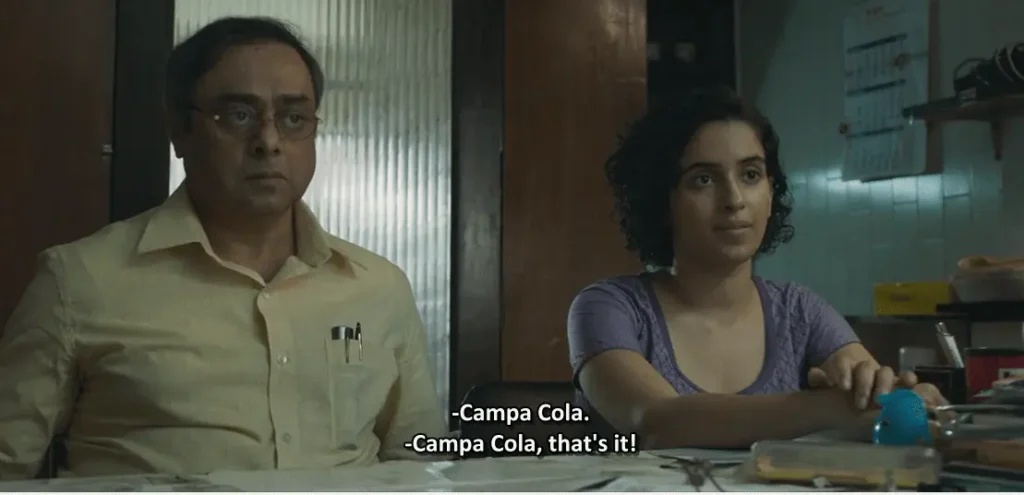
Miloni seems to live in her past, reminiscing about her childhood. She inquires about farm life from her maid and shares with Rafi her fond memories of drinking Campa Cola with her grandfather. There’s a scene where a doctor remembers her as a young, adventurous lady, visiting with her grandfather, Campa Cola in hand.

A smile again

Even in a matchmaking scene, when a man asks Miloni where she would like to live, she answers, “A village.” Surprised, he asks her what she would do there. She tells him, “I will do farming in the morning and take a nap in the afternoon“. Rafi, on the other hand, feels stuck due to his duties.

Who Do Not Move, Do Not Notice Their Chains

As their relationship develops, Miloni and Rafi start to move away from their obedient roles towards rebellion, each in their own way. What disappoints me is that, like Batra’s previous film, The Lunchbox, Photograph also ends with an open ending, leaving us wondering what happens next.

In the middle of the movie, when Rafi and Miloni go to a movie theatre, a rat runs over Miloni’s feet, making her uncomfortable. This scene quickly cuts to Miloni’s study table.

Initially, we don’t see what happens after the movie theatre incident. Ritesh Batra saves this crucial scene for the end, where they have a brief chat, Miloni asks him, “Don’t you want to continue the movie?” and Rafi says, “I know the rest of the story. They will fall in love, but because of their backgrounds, they won’t be together.”

The open ending of ‘Photograph,’ explained as a choice by the director The director wants us to follow the story in a linear style until the ending scene. Here, it becomes clear that both Rafi and Miloni understand their backgrounds and social status and that they are unlikely to end up together in this society. After recognising this reality and their probable future, they decide to go with the flow without saying it out loud.

Nostalgia is an Illusion

The story brings back memories with its use of public phone booths and the classic kaali-peeli taxis, even though smartphones and online cab services are common now. It feels like the story was meant for the last decade. Because of this, while the movie becomes nostalgic, it might not seem as relevant today.

I noticed something similar in Sriram Raghavan’s “Merry Christmas.” There is a dialogue in Photograph where a cola factory worker says: “Our country is big, but its memory is short.” But Photograph will definitely make sure to recall your memories.

Photographs are Footprints

Another notable aspect of the film is the frequent focus on characters’ feet, especially Miloni’s. When she feels nervous, the film often shows her feet moving restlessly.

Since Miloni doesn’t share her thoughts out loud and stays quiet, these shots of her feet help show she’s feeling nervous.

It seemed meaningful that the gift Miloni receives from Rafi’s grandmother is a pair of anklets, perhaps suggesting a wish for her to express her feelings more loud.

Parallel World, Parallel Events

The world of Photograph is not different from the one in The Lunchbox. Both films incorporate traditional elements like letters and photographs in an era dominated by text messages and selfies. The main characters exist in a state of isolation amidst the bustling life of Mumbai, where everyone else seems to be in a rush, and they are left hoping for a change.

In both movies, loneliness plays a critical role, almost acting as a character itself. Both stories gradually evolve after an accidental encounter, forming unexpected friendships and ambiguous relationships among the main characters.

A mix-up with a lunchbox initiates a classic letter-writing romance between Ila (Nimrat Kaur) and Saajan (Irrfan Khan) in The Lunchbox. Similarly, a random meeting at the Gateway of India sparks an impromptu romance between Rafi and Miloni. In each story, there is a noticeable age difference between the male and female leads, highlighting their distinct contrasts.

Same Templates, Different Emotions

Ritesh Batra employs familiar cinematic techniques in both The Lunchbox and Photograph. The Lunchbox starts with imagery of two trains moving in opposite directions, while Photograph captures traffic flowing similarly.

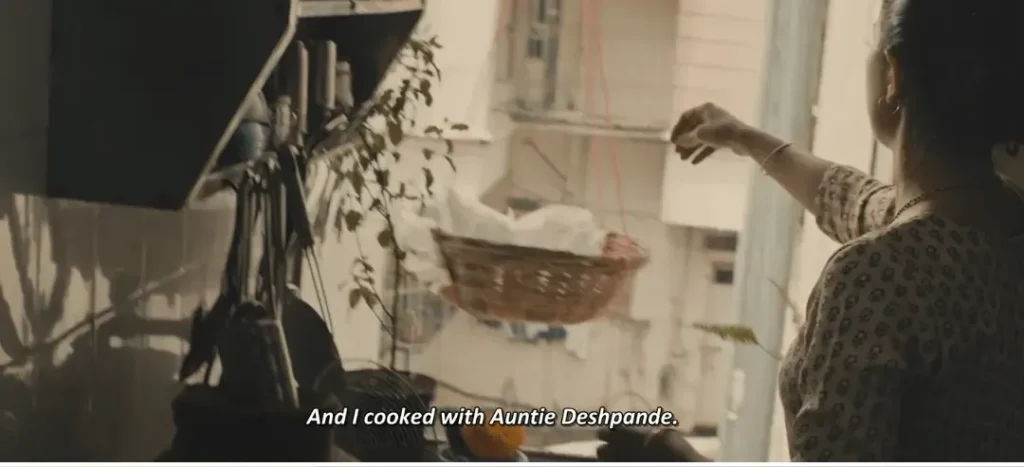
Notably, in The Lunchbox, we hear Deshpande Aunty’s voice without seeing her, and only glimpse the exterior of Ila’s father. Similarly, in Photograph, Rafi’s interactions at the post office feature only the voice of the postal worker, whom we never see, yet who seems to know him well and speak like a well-wisher.

Batra’s way of intensifying emotional scenes diverges from the age-old Kurosawa technique of using close-up shots of face gestures. He emphasises voices over facial expressions.

In Photograph, Batra effectively uses auditory elements multiple times. For example, the woman on the bus questioning Miloni about appearing on a billboard for Miloni’s coaching centre remains unseen.

The introduction of Miloni’s teacher delays showing his face until the scene nearly ends. When a potential suitor’s parents visit Miloni, everyone’s face, except Miloni’s is blurred. Additionally, in the scene where Rafi encounters the Campa Cola manufacturer, the factory setting is blurred, focusing on Rafi from behind, while the background sounds and music convey the scene’s essence.

Same Characters, Same Elements

In The Lunchbox, Ila says Deshpande Uncle always stared at the ceiling fan because he thought his life depended on it. Deshpande Aunty bought an inverter to keep the fan on forever. In Photograph, we also see and hear the ceiling fan a lot. Even after the very first scene of Rafi, it cuts to a ceiling fan. The movie shows some scenes as if we are looking down from where the fan is. Tiwari Ji took his own life with the fan.

In The Lunchbox, Saajan writes that he spent his whole life standing in trains and buses, and he will have to stand even when he is dead as there are no horizontal burial plots left and only vertical burial plots are being offered.

In Photograph, you can see a similar viewpoint from Rafi, he complains to Miloni about the hurry-burry of people in Mumbai. Even Batra added a symbol for the rat-race life of Rafi and his friends. The door of Rafi’s house opens upwards, making it feel like he is living in a box.

Even the elements of death and those haunting narrations are similar in The Lunchbox and Photograph. A woman jumps along with her daughter and commits suicide in The Lunchbox; In Photograph, it’s Tiwari ji, who commits suicide by hanging over the ceiling fan. Even there is a scene where Rafi’s friend Zakir comments over Tiwari Ji, “No one gets peace in Mumbai, not even in death”.

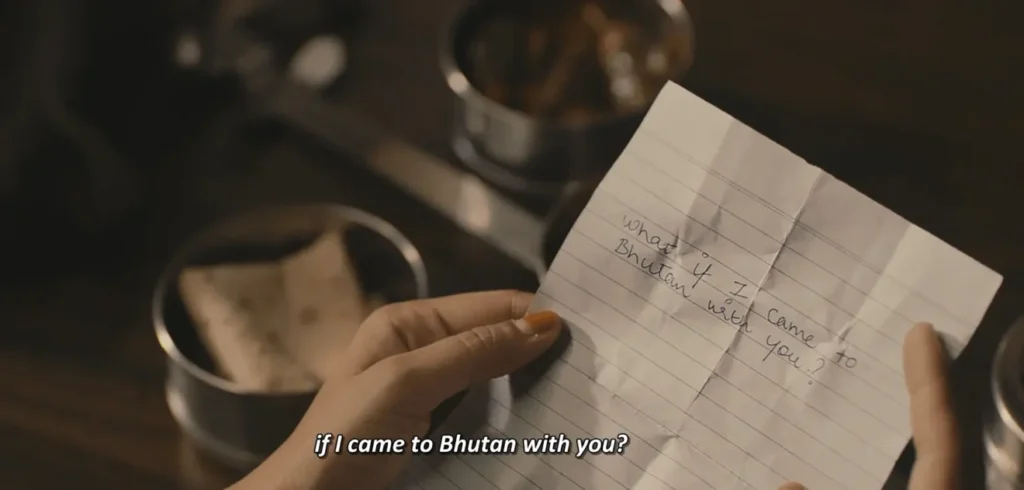
Even the utopian dreams of lead characters are nearly the same in The Lunchbox and Photograph. In the Lunchbox, it’s Ila and her desire to move to Bhutan for happiness.

In Photograph it’s Miloni’s desire to live in a village. They are yearning to move out of the cubicle life of bustling cities. Miloni connected more with people who came from villages, whether it was her maid or Rafi.

Photograph: A Pause Button

Even sometimes, I felt that Miloni was an extended version of Ila’s daughter in the Lunchbox. Mostly, Miloni’s character is inert in the movie, which makes it difficult to read her motivations. For instance, Miloni agrees to play Rafi’s girlfriend, but the film never explains her reasons for doing so.

Ritesh Batra beautifully packed Nostalgia or “those good old days,” in every frame of The Lunchbox and Photograph. The Lunchbox depicted old TV shows, radio shows, video cassettes, and letters. Photograph shows Campa Cola, softies, kulfi, kaali-peeli taxis, money orders, old theatres, and post offices.

 “I think we forget things if we have no one to tell them to,”

Saajan (The Lunchbox)

Perhaps this is the reason Ritesh Batra includes such nostalgic elements in his movies. By doing so, he leads us down a path where we too revisit our own childhood memories alongside him. Nostalgia becomes even more delightful when we have someone to share those memories with and look back on the times that will never return.

Read more about the Lunchbox here.

Animal Explained: Dissecting the Hidden Philosphies and Patriarchal Ideologies

Sandeep Reddy Vanga’s Animal is streaming on Netflix with 3 hours and 24 minutes of adrenaline pumps. This is not a review, but rather an analysis of the propaganda art and politics of Animal. So, this blog contains spoilers, and if you haven’t watched it yet, skip this.

After Arjun Reddy (2017) and Kabir Singh (2019), two films about a sexually desperate misogynistic doctor with anger issues and Preeti obsession, director Sandeep Reddy Vanga returns with Animal. This time, it’s about a toxic patriarchal chain-smoking engineer obsessed with his father.

Animal movie explained
Animal Movie Poster

The crux of the story is a son protecting his father from animals in an animal park. Despite the script being imbued with his palaeolithic view of human instincts, Sandeep Reddy Vanga managed to infuse it with high adrenaline action, music, and a bloodbath. In essence, the hero is a carnivorous animal in human form, devoid of sin, vision, or empathy, driven only by instincts.

I thoroughly enjoyed the film, although I disagree with a few of Sandeep Reddy Vanga’s perspectives. This film is a commendable mass entertainer.

How Sandeep Ignites the Adrenaline Rush With Animal

Sandeep Reddy Vanga brilliantly incorporates elements that have recently succeeded in commercial movies. Bringing in a weapon dealer, adding a massive gunfight scene, and retro songs like Roja, Punjabi DJ songs & Jamal Jamaloo, created high moments in theatres and on Instagram as well.

The cold-blooded revenge arc, fatherly sentiments, and nationalism (the weapons are made in India scenes) are well-placed. Surprises, such as the bystander-turned-traitor twists and the double climax, the 2-hour (so-called) street fight in the end (a reminiscent of Thallumala) the list is long. The high-adrenaline music is another highlight. Kudos to the long list of music directors from Harshavardhan Rameshwar, Jaani, Vishal Mishra, Shreyas Puranik, Manan Bhardwaj to last but not least: A. R. Rahman.

Forgot to add, the climax scene, inspired by Rolex, is particularly notable. Fans of Leo, Jawan, Pathan, and Arjun Reddy will find Animal a high-adrenaline theatre experience.

Animal’s Anthropology Class & Thrills from the Start

The movie begins with a narration, swiftly moving to a school episode of Ranvijay (Ranbir Kapoor) showcasing his love for his father. One of my favourite scenes follows, filled with A.R. Rahman’s Roja background score, where Ranvijay is now a college boy. The film transitions seamlessly to love at first sight.

Sandeep Reddy Vanga acts like an anthropologist, sharing perspectives on the evolution of poetry. These insights could be used to promote a whey protein brand or a fitness centre. He then progresses Ranvijay’s character arc to highlight his prejudiced and narcissistic nature.

Sandeep Reddy & His Art of Crafting a Predatory Protagonist

Sandeep Reddy Vanga meticulously wrote this character. Ranvijay cries only once in the entire movie. He never shows his vulnerabilities; even when he informs his sister about her husband’s death, he immediately consoles her by suggesting a remarriage. He consoles his wife by stating that happiness is a choice, and there’s a scene where he enjoys biryani made from human flesh (though Sandeep Reddy Vanga doesn’t explicitly show this). With all these elements, Sandeep tells you how umpathetic Ranjvijay is.

I appreciate Sandeep Reddy Vanga’s meticulous crafting of dialogues for Ranbir Kapoor. Ranbir’s dialogues always reflect an animal mindset, like his comments on business expansion or his various lectures. When Ranbir talks about patience and his fights with schoolmates, it reminds me of predators on Animal Planet. Sandeep Reddy Vanga’s portrayal of his hero as a tiger is contrasted with a more dog-like loyalty, treating others as subservient. Sandeep Reddy Vanga has a knack for highlighting character flaws, like Ranvijay’s.

The Subservient Female Roles in Animal Explained

Sandeep Reddy Vanga doesn’t give much importance to female characters like Geethanali, Zoya, or even Reet. They are portrayed as subservient to their male counterparts. Geethanali’s quick fall in love with Ranvijay, perhaps influenced by watching Arjun Reddy, is an example of this. Similarly, Zoya is depicted as submissive to Ranbir’s character. What is most disturbing is that Zoya is even ready to lick his feet for his love.

Rashmika Mandanna & Ranbir Kapoor from Animal

Unfortunately, Sandeep Reddy Vanga’s skill seems solely invested in building the character of Ranvijay. When it comes to the character arc, it only moves in one direction, continually ascending. I believe actions should have consequences, but nothing Ranvijay does in Animal seems to have any.

Sandeep’s Reply for Concerns Around Sexuality, Violence, and Gender Equality

Sandeep Reddy Vanga also tries to counter criticisms of male chauvinism. He addresses consent by having Ranvijay touch Geethanali’s feet and give a lecture on the importance of women in the Paleolithic era.

Ranbir kapoor and Rashmika Mandanna from Animal

If there’s a problem with him slapping her, this time let her slap him. If there are issues with domination and masculinity, let her come to his home, kiss him in front of everyone, and let him praise her physique. He addresses body shaming by giving a spiritual lesson on pubic hair.

If there’s a problem with adult content and gory scenes, let’s have a three-hour blood bath with nudity and discussions of sexual fantasies.

What I really like is the idea of recording the moanings of their first lovemaking and using it to calm his angry wife, that was truly a wow! what an idea moment 🙂 .

So, in simple words, this movie entertains the majority with ease. I was expecting a Tarantino style but got an ultra-mode RGV style. Raw violence, sex, and obsession await you in this movie, sprinkled with a few good father-son sentiments.

The climax scene, with two sons fighting for their father’s honour and love, battling with emotions, and a background song echoing their family connection, made the whole theatre dark and silent without any mobile screen light or murmurs. That’s the power of bringing raw emotions to the screen.

From Ranbir to Tripti Dimri: Explaining Performances from Animal

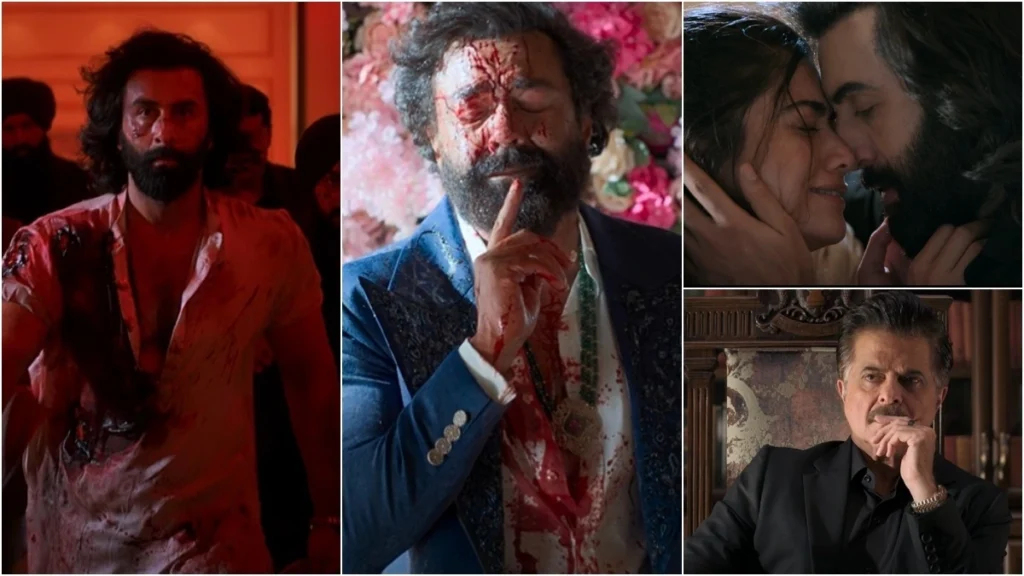
Ranbir Kapoor, Bobby Deol, Rashmika Mandanna and Anil Kapoor from the Animal movie
Ranbir Kapoor, Bobby Deol, Rashmika Mandanna and Anil Kapoor from the Animal movie.

Regarding performances, Ranbir Kapoor establishes himself as a superstar with Animal. Sandeep Reddy Vanga did justice to Bobby Deol fans, though I expected more from Bobby Deol. My surprise was Tripti Dimri, whose screen presence was mind-blowing despite limited screen time. Charu Singh and Anil Kapoor did their parts as Ranbir’s parents with ease. Saurabh Sachdeva delivered a killing performance as Bobby Deol’s brother, especially in the climax. Rashmika gave a decent performance, possibly her best since Kirik Party

Why is it Animal ? Animal Explained

Let me explain my views on why the film is called Animal by Sandeep Reddy.

The film explores the more primal, instinctual aspects of human nature, as shown in how Ranbir celebrates his heart surgery and how Abrar releases his pain of loss. In Sandeep Reddy Vanga’s Animal park, the lead male characters operate based on the pleasure principle, seeking immediate gratification. The climax fight is reminiscent of the survival of the fittest theory, living in a world where the law of nature prevails.

In this movie, after Papa, SWASTIK is the most highlighted word. It’s their family business, indicating a blend of traditional values and a darker quest for power (Nazi approach).

The tagline of Swastik, “Power, Progress & Victory”, is repeated by Ranvijay during his oath of vengeance. As per psychologist Carl Jung’s concept of the shadow, this tagline could be seen as manifestations of Ranvijay’s shadow, where his animalistic traits (aggression, dominance, the pursuit of power) are embraced and externalised as his personal and corporate ethos.

Animal & Sandeep Reddy Vanga’s Propaganda Art

Regarding opinions, my friend argued,

How conveniently do we forget that Scorsese used slow-motion and rousing soundtracks for despicable characters in ‘Goodfellas’ and ‘Casino’, and when Sandeep Reddy Vanga does an extreme Indian version of that, it’s suddenly ‘glorification’?

Robert De Niro & Martin Scorsese

As a die-hard fan of Scorses, I feel Martin Scorsese never portrayed Travis Bickle or Jimmy Conway as heroes, nor did he justify their actions. His characters dealt with consequences, unlike in Sandeep Reddy Vanga’s Ranvijay. This is where Sandeep Reddy Vanga falls short as a responsible artist. I believe he is obsessed with certain ideologies and celebrates and promotes them through his movies. Scorsese’s Raging Bull highlighted male insecurity in 1980. Can we expect such a film from Sandeep Reddy Vanga?

Toxic masculinity is a propaganda tool for promoting patriarchal beliefs. Ranvijay’s words to his sister about killing any of her choices he dislikes, and his actions as a school kid stepping in with a gun to protect his sister, and delivering a lecture to his father suggest a patriarchal mindset. That’s where he fails to responsibly handle his craft.
Read about the Yadhoom philosophy & Sriram Raghavan’s Merry chritmas here.

Merry Christmas: A Tale of Yadhoom, Love, and Mystery

Merry Christmas, directed by Sriram Raghavan, is a beautiful film, especially if you like slow-paced yet engaging movies like the Before trilogy. Merry Christmas uniquely blends the romantic drama of Wong Kar Wai with the suspenseful elements of Hitchcockian noir thrillers.

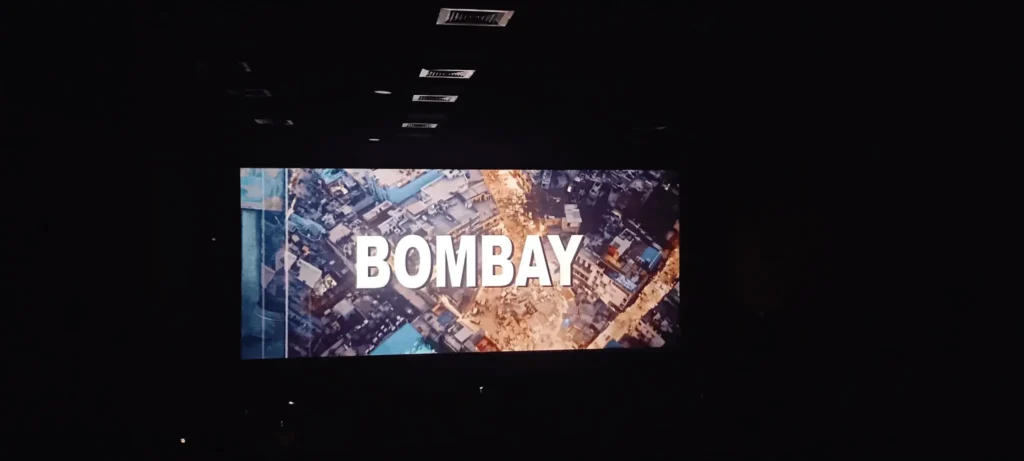
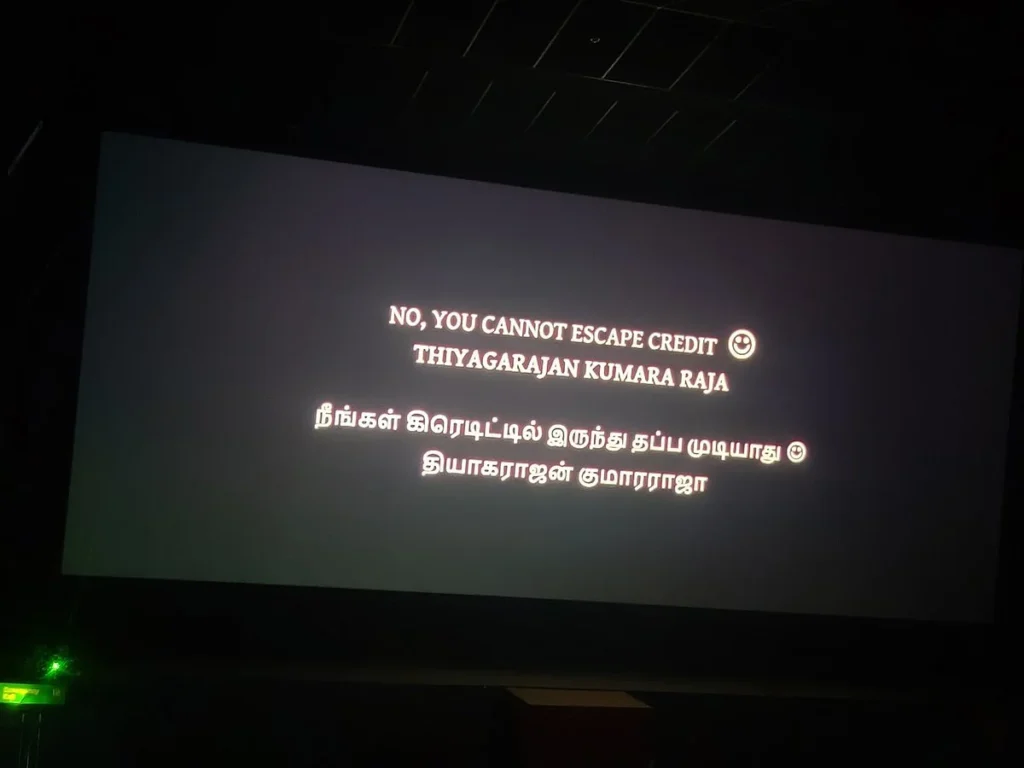
Merry Christmas Title Credit

In essence, it’s reminiscent of Thiyagarajan Kumararaja’s Ninaivo Oru Paravai, which seamlessly fuses these two elements. It’s not surprising that the director, Sriram Raghavan, mentioned Thiyagarajan Kumararaja as an inspiration.

Retro Charm & A Mood For Love, Sprinkled with Witty Black Humour

Merry Christmas begins with a note saying, ‘When Mumbai was known as Bombay.The film takes place in Bombay during the 1970s and makes you feel nostalgic.

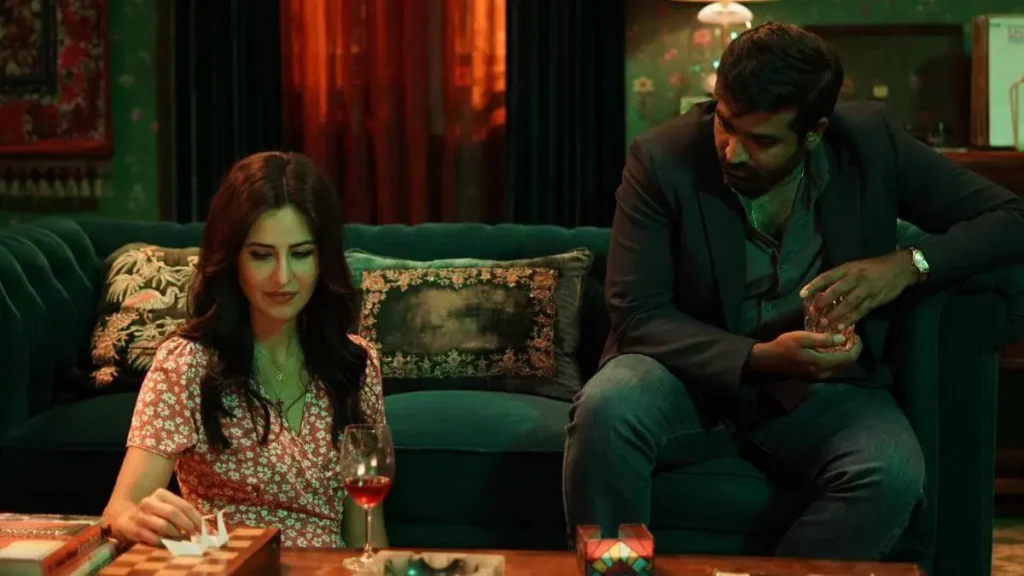
The colours, music, and songs in the film are sync with the era and make the experience even better. The story revolves around Albert (Vijay Sethupathi) and Maria (Katrina Kaif). Two souls wandering in the neon-lit lanes of Bombay, whose lives intersect in a serendipitous Christmas encounter.

Merry Christmas Title Card

It’s more of like a O.Henry short story; whatever you are reading and imagining in the first half will get a 180 degree shift in the later half. 

The movie’s pacing is deliberate, slowly building up to a climax. If you are expecting a thriller like Andhadhun, you may get disappointed. Merry Christmas is a cute black comedy.

Perfect Blend of On Screen & Off Screen Efforts

Vijay Sethupathi is outstanding in his role. Watching him dance with Katrina Kaif, who is famous for dance numbers like Chikni Chameli,’ is a treat for the fans of both. You can’t help but be drawn in by Vijay’s cute dance performance.

The film’s homage to the bygone era of Bollywood, Vivaldi’s ‘Four Seasons’, background score by Daniel B George, all these adds layers to its storytelling, makes ‘Merry Christmas’ more than just a movie set in the 70s. It feels like it truly belongs to that time.

Scenes from Merry Christmas

Cinematographer Madhu Neelakandan deserves a special applause for meticulously capturing the essence of the setting, focusing on even the smallest details. The vibrant red-blue-green colour palette that fills each frame is so catchy and sync with the moments. However, the close-up shots of Katrina Kaif are a bit of a letdown. Personally, I felt that these moments were jarring, as Katrina seemed to struggle with conveying the subtlety of emotions required for these shots.

Sriram Raghavan’s Yadhoom: A Merry Christmas with Self-Discovery

Sriram Raghavan’s Merry Christmas not only shines with performances but also with its intriguing scripting.The movie looks at ‘Yadhoom’ moments – those instances of clarity and realisation of one’s true purpose in life.

Tamil veteran actor Rajesh plays a kind man who took care of Albert’s mother, Celine, before she passed away. He also looks after her apartment. He gives Albert a bottle of homemade wine called Yadhoom.

But what does Yadhoom mean?

Rajesh explains it like this:

‘We spend our lives working, raising families, and doing other things. But we’re all waiting for a special moment. When that moment comes, it’s like you suddenly know what you’re supposed to do. That’s what Yadhoom is about.

Merry Christmas (2024)

Sriram Raghavan carefully places his characters right before the Yadhoom moments in their lives. He shows us how they find out who they are and what they want.

Before he starts his night adventure Albert reads a quote “Night is Darkest Before The Dawn”, this blend with the eastern version of Yadhoom philosophy where challenges and sufferings lead to self-realisation. Hope you have watched Lion King which beautifully portrayed this philosophy.

Albert’s return to Bombay is more than just a trip. It’s a journey through his past and into his own heart. The idea of Yadhoom is key in the movie.

The characters of Albert and Maria are skillfully crafted to evolve towards this Yadhoom realisation. Their interactions, laden with yearning and a sense of lost time, gradually lead them to their respective Yadhoom moments.

Complementary Yadhoom Arcs

The characters, Albert and Maria, are created in a way that Maria is skeptical, fragile and is more sure of her motivations than her decisions, while Albert is almost too careful, yet easy going.

Katrina Kaif & Vijay from Merry Christmas

There is a dialogue from Albert: “I’ve left a lot of things unfinished in life, but never a bottle of chilled beer,”. These complementary arcs in their behaviour is what makes them complete in the end while talking about the agony of remorse and awaiting. 

Sriram Raghavan’s storytelling is subtle, he cleverly uses the festive atmosphere of Christmas to create a striking contrast with the deep self-reflection experienced by his characters. This contrast serves to highlight their personal growth. Initially burdened by their pasts and uncertainties, Albert and Maria evolve throughout the film. They move from being individuals weighed down by life’s complexities to people who gradually come to embrace the concept of Yadhoom.

Yadhoom, Albert and Maria: Philosophical Layers in Merry Christmas

Merry Christmas is more than just a black comedy on screen. It introduces us to the deep ideas of some philosophies.

Katrina Kaif & Vijay Sethupathi playing Flying Wish Paper Swan

Existentialism

For example, the film reflects existentialism. This is the belief that people must create their own meaning in a world that doesn’t have a clear purpose. Albert and Maria are characters struggling to escape their past and the truth, and in the end, they use what happens in their lives to make their own meaning and purpose for their present.

Stoicism

The film also shows ideas from Stoicism. Stoicism consists of wisdom, justice, courage, and moderation.

This ancient philosophy teaches that people should accept what happens in their lives and use these experiences to grow and become better people. We see this in how Albert and Maria deal with their past and how they change to find their purpose. In the climax there is a shot where Maria burns a Teddy and keeps two fish in the flush tanks. The way that night ends was narrated beautifully by Sriram and captured elegantly. by Madhu Neelakantan.

Even there is an instance were, Albert talks about Violence, he says: “Violence is better than the sufferings from non-violence”. This reminds me of Dharma philosophy.

In summary, ‘Merry Christmas’ is not just a black comedy thriller but a philosophical journey that resonates with the heart and mind. Echoing the essence of trendy Ikigai, Existentialism, Dharma,and all other such philosophies, Merry Christmas inspires us to explore our own paths, encouraging us to find our unique place in the world.

Read more reviews and get updates here.

Why ‘The Lunchbox’ More Than Just a Love Story

Whenever someone inquires about my favourite romantic films, my mind categorises them into ‘pre-The Lunchbox’ and ‘post-The Lunchbox’ eras. Before experiencing The Lunchbox, it was ‘10 Things I Hate About You’ and ‘Kandu Kondein Kandu Kondein,’ but not any more. 

In the Mood for Love and As Good As It Gets are my favourites from the post-Lunchbox era. This transformative journey commenced with a simple, unassuming film from 2013 directed by Ritesh Batra—‘The Lunchbox.’

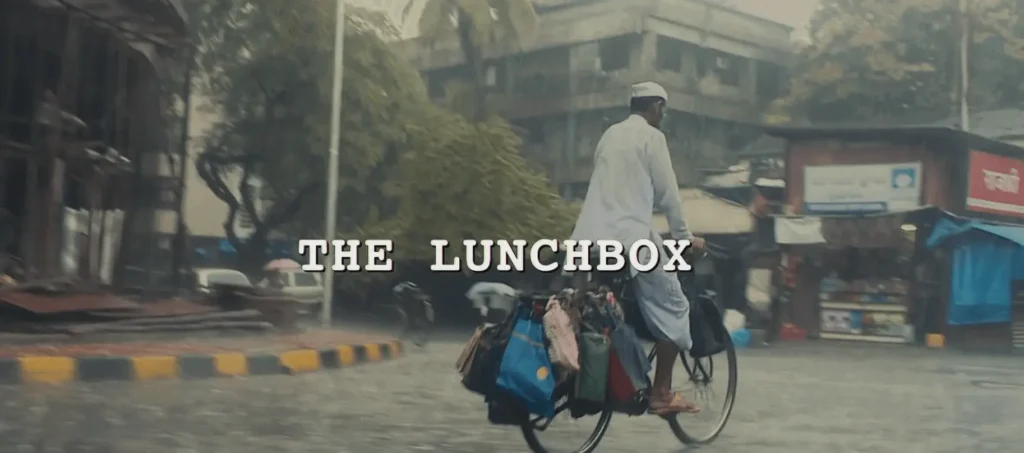
The Lunchbox: Title Card

The Lunchbox: A Lens into Realism

This movie is not just for a weekend entertainment; it offered me a fresh lens through which I could explore the nuanced, unspoken dialect of human connections.

The movie is set in the bustling life of Mumbai, home to the renowned dabbawalas and their near-perfect lunch delivery system. However, an unusual mix-up one day led a dabbawala to exchange lunchboxes, it became the link for an unexpected companionship between Saajan Fernandez and Ila.

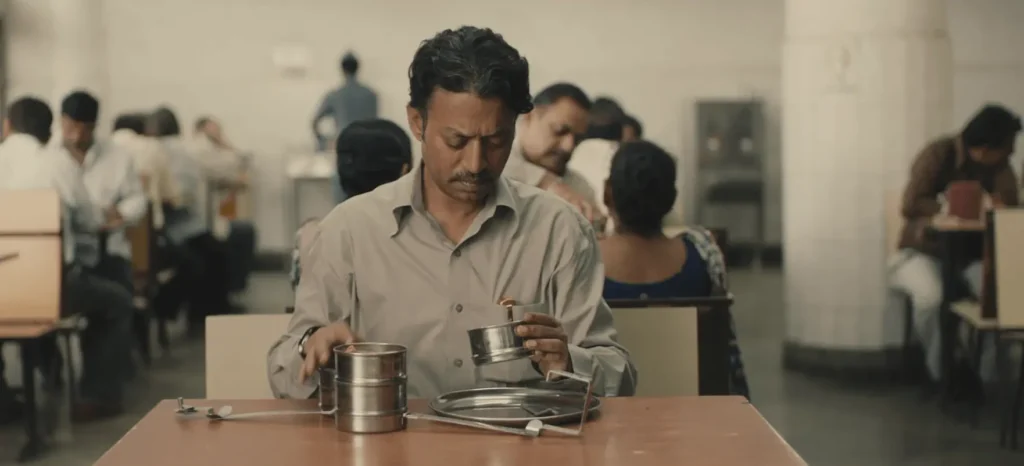
Irfan Khan as Saajan in The Lunchbox

As an accountant on the brink of retirement, Saajan’s character reflects every scene with an air of melancholy that resonates with anyone who has ever gone through loneliness once.

Saajan’s routine commute to work begins with a Mumbai urban bus ride, accompanied by a stop at his late wife’s grave before heading to his mundane accountant job.

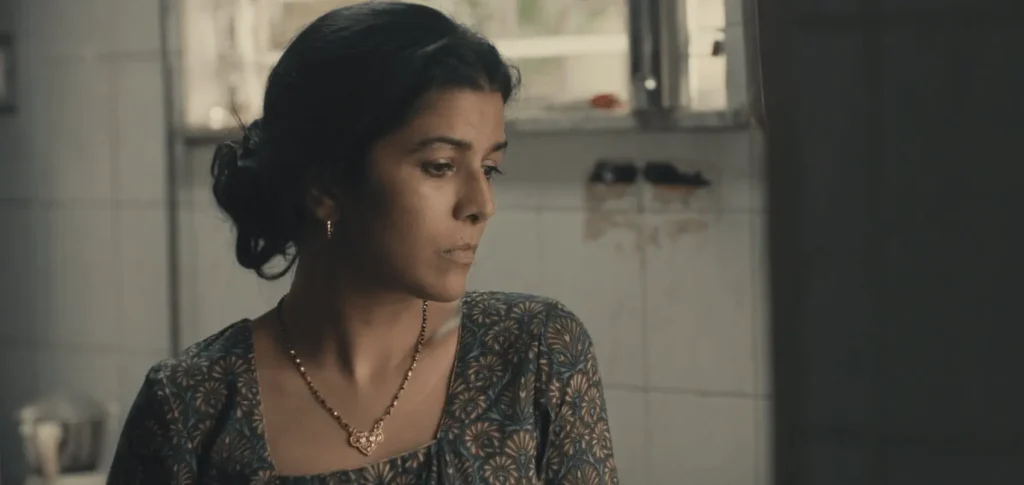
Nimrat kaur as Ila in The Lunchbox

On the other hand, we have Ila. Movie begins with Ila, a housewife who tries to get her husband’s attention by making tasty lunches for him. She thinks the way to a man’s heart is through his stomach. Her neighbor, Deshpande aunty, helps her out with recipes, joking that her husband will build her a Taj Mahal after tasting the food. Ila sends a lunchbox to her husband’s office using a dabbawala.

From Salty to Sweet: The Beginning

When fate humorously redirects Ila’s delicious lunchbox to Saajan, Saajan’s response to the first meal is precisely what you’d expect from a lonely accountant uncle – “Dear Ila, the food was very salty today.”

That’s all he has to say about the meal Ila put her heart into. However, this complaint marks the beginning of a unique bond between two lonely souls. Here begins the beautiful tale of ‘The Lunchbox’.

What follows is a series of letters exchanged between Saajan and Ila.

Saajan’s letters give a glimpse into his life and the changing world around him, like when he mentions,

“Life is very busy these days. There are too many people and everyone wants what the other has. Years ago you could find a place to sit on the train every now and then but these days it is difficult…When my wife died she got a horizontal burial plot. I tried to buy a burial plot for myself the other day and what they offered me was a vertical one. I spent my whole life standing in trains and buses and now I will have to stand even when I am dead.”

This newfound mode of communication allows them to open up in ways they hadn’t with anyone else before.

This is where I want to tell you, ‘The Lunchbox’ isn’t merely a story of romantic inklings; it’s just one layer of it.

Why The Lunchbox is More Than a Romantic Film

The Lunchbox is a film that explores a wide range of human emotions and relationships through its simple but powerful storytelling. It’s not just a love story between Ila and Saajan. It’s also a story about several characters who are searching for comfort and connection in their mundane loneliness.

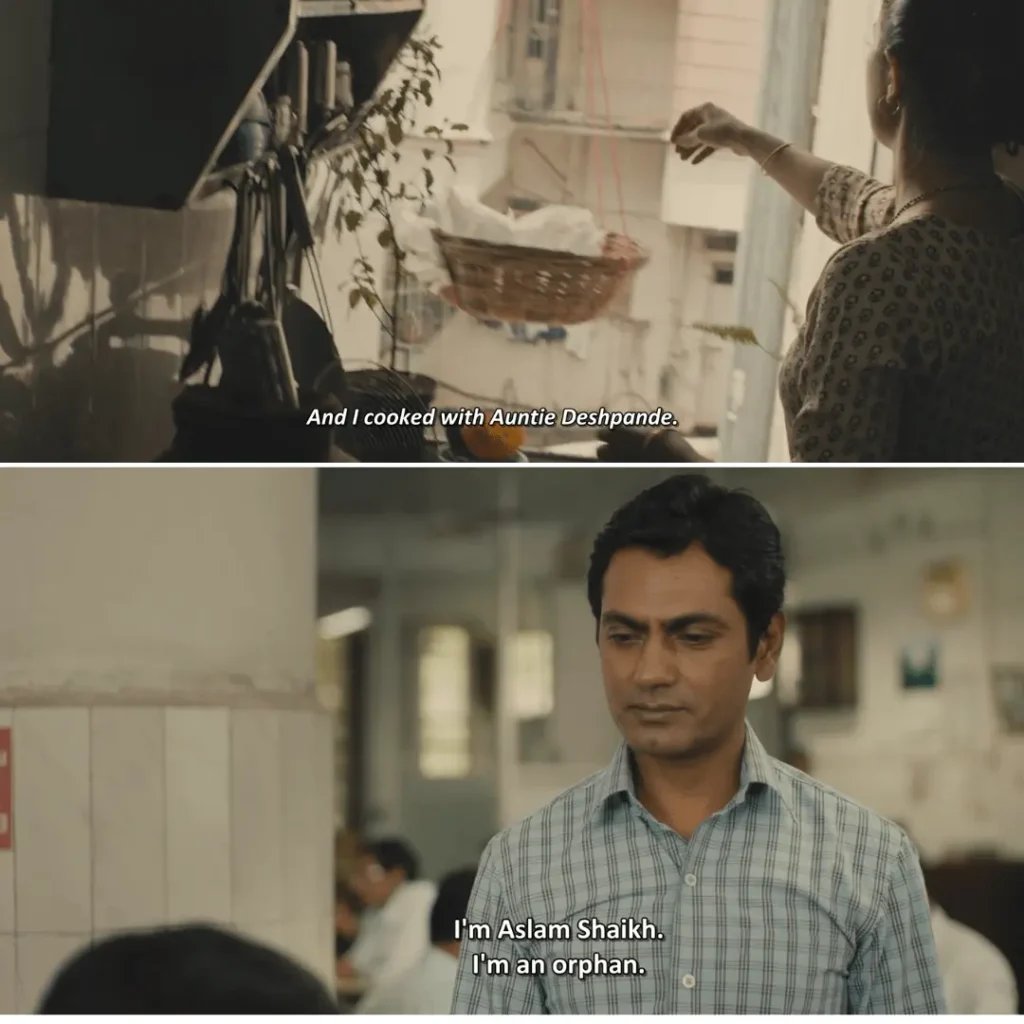
Every character in ‘The Lunchbox’ has a touch of loneliness. Ila is trying hard to bring back the missing spark in her marriage; Saajan, a sad widower stuck in the same office job for over thirty-five years without even a friendly chat with his office neighbor; Aslam, the orphan seeking familial bonds; and the Deshpande couple, each lost in their own realm of silence. Even young Yashvi, Ila’s daughter, seems quiet and serious throughout the movie. Something not common for a child of her age.

Sonakshi Sinha as Pakhi in Lootera

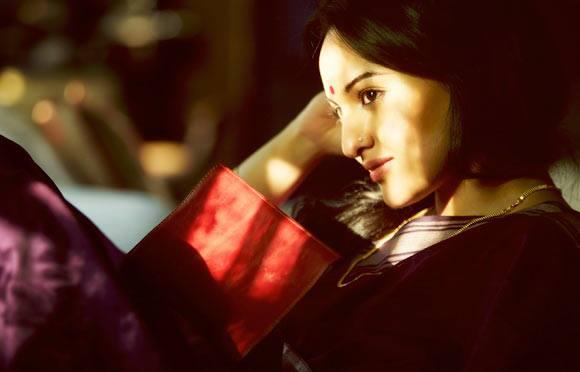
Maybe this is the same reason, why I am obsessed with the characters of ‘Lootera’ and there Pakhi resonates with the same echo of solitude.

What Lies Beyond Romance in The Lunchbox?

Lens 1

There are multiple instances where The Lunchbox proves that it’s talking about human connections, a deep bond that’s formed between people when they feel seen and valued—not a curious attraction or mere romance.

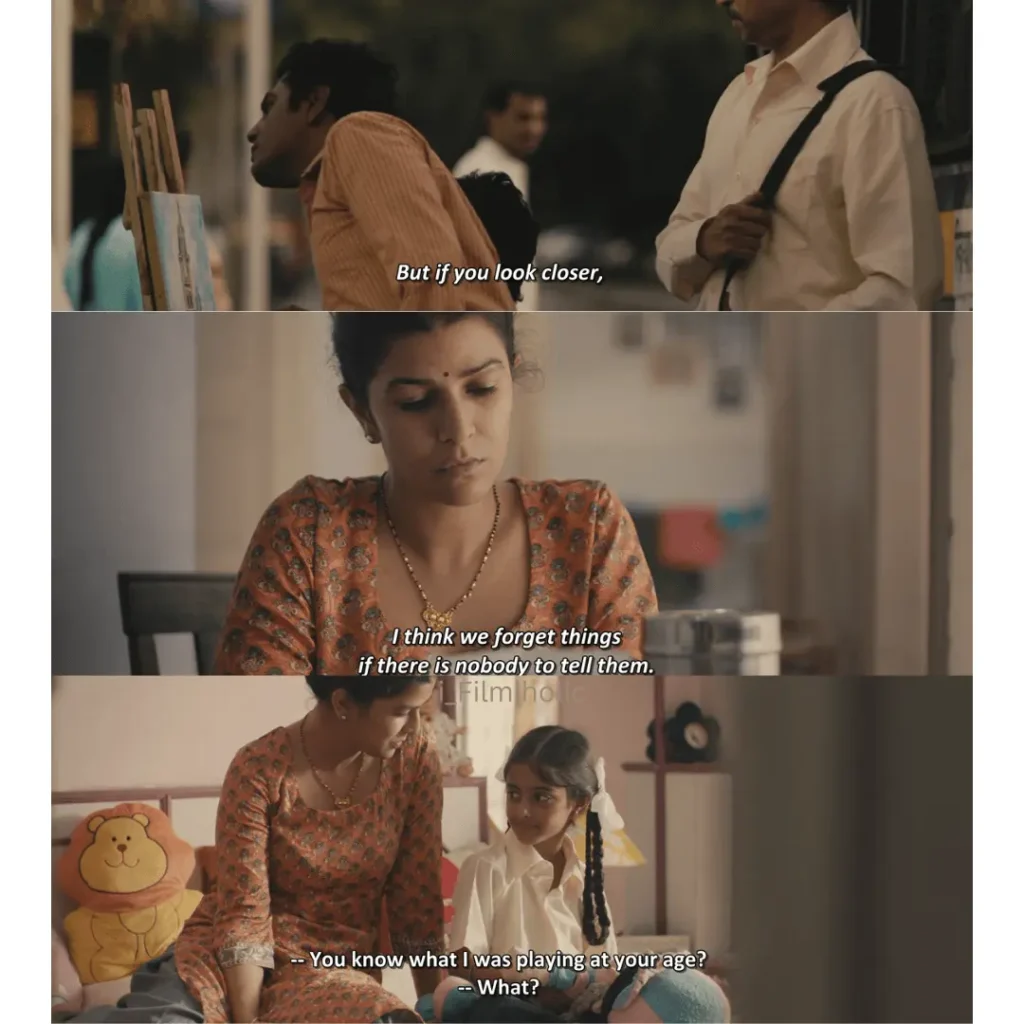
One line from Saajan beautifully captures the underlying theme of his and Ila’s shared bonding: “I think we forget things if we have no one to tell them to.” This simple line tells us about the deep need we humans have for connection. It also shows how good it feels to find someone to share our everyday moments with, whether they’re boring or happy. Aslam, Deshpande Aunty, Saajan, and Ila are all looking for this kind of connection.

Just like Ila is searching for a new spice to rekindle her husband’s affection, each character is searching for something missing in their lives, and that missing piece is a bond to share!

In addition, look at the vegetable Ila chosen for her delicious dishes. Bitter Guard, Baby pumpkin aka Tinde & even Brinjal —could be a metaphor for their unconventional life choices, or maybe it seems like a gentle reflection of narrative’s core, where bitter experiences pave the path to the sweet essence of companionship, understanding, and perhaps a subtle hint of romance as well.

Lens 2

The Lunchbox is a film that celebrates the unity and diversity of the human connections. The characters in the film come from different shades of life though they are connected beautifully like a string of pearls.

Saajan’s poetic observation is a beautiful example of this. In a scene, Saajan explains his reflections on a painter’s works, “I felt like stopping to look at a painter’s works. All his paintings are exactly the same but when you look close, real close, you can see that they are different, each slightly different from the other…”

After that letter, Ila is sharing her memories with her daughter.

He sees himself in one of those paintings; he compares people to paintings, noting that they may all seem similar at first glance, but when you look closely, you can see the unique differences that make each individual special.

This is exactly what you are seeing in the film. In one angle, they all are same. But if you look close, you will see the differences.

Aslam is a Muslim, Saajan is a Christian, and Ila is a Hindu. Saajan writes in Queen’s English, I never heard someone referring to a ‘Brinjal’ as an ‘Aubergine’ and Ila replies in Hindi.

Deshpande Aunty and Ila share a deep emotional bond, even though they do not have a visual connection. This is because they are both able to sense and understand each other’s feelings.

Here communication goes beyond language, diversities, and limitations; it’s tapping into the essence of human connection.

The Lunchbox and its Painful Romance

In the romantic parts, Saajan’s sadness really hits you when he opens up to Ila, saying that he can only dream through her young hopes. He mentions, “No one buys yesterday’s lottery ticket.” This is a honest way to say that his own dreams are fading away.

But Saajan’s thank you to Ila is really heartwarming. He tells her, “You are young, you can dream. And for some time you let me into your dreams and I want to thank you for that.” You can really feel that he means it.

As the story moves on, Saajan sees that life still has more for him to experience. This part leaves you smiling with hope.

The movie gently encourages us to find the sweetness in the bitter, to look beyond the ordinary, and to appreciate the simple joys that life places in our everyday lives.

In doing so, The Lunchbox is not just a movie; it is a gentle nudge to appreciate the unspoken, the unexpressed, and the unnoticed nuances of human connections around us. In the beginning of the movie, we see Saajan’s neighbour, a young girl, closing the window on him, but by the end, that same little girl is waving at Saajan, and Saajan smiles back.

Reheating The Lunchbox: A Cliched Angle on the Ending

The ending of The Lunchbox really a debatable topic. The internet is full of explanations on climax interpretations. At first, I liked open endings but not recently, since, it confuses us.

Here are my two cents on The Lunchbox ending.

A part of me, maybe the pessimist Akhil, thinks that Ila might have given up and ended her life. When she took off her jewellery, it reminded me of the lady who jumped from the terrace to find peace (news in the movie).

Positive Akhil looks into Deshpande Aunty tells Ila that she was able to clean a running fan. Could this news have given Ila the courage to clear up her own life’s messes? Will the train bring Fernandez to Ila before she leaves? I hope so, deeply.

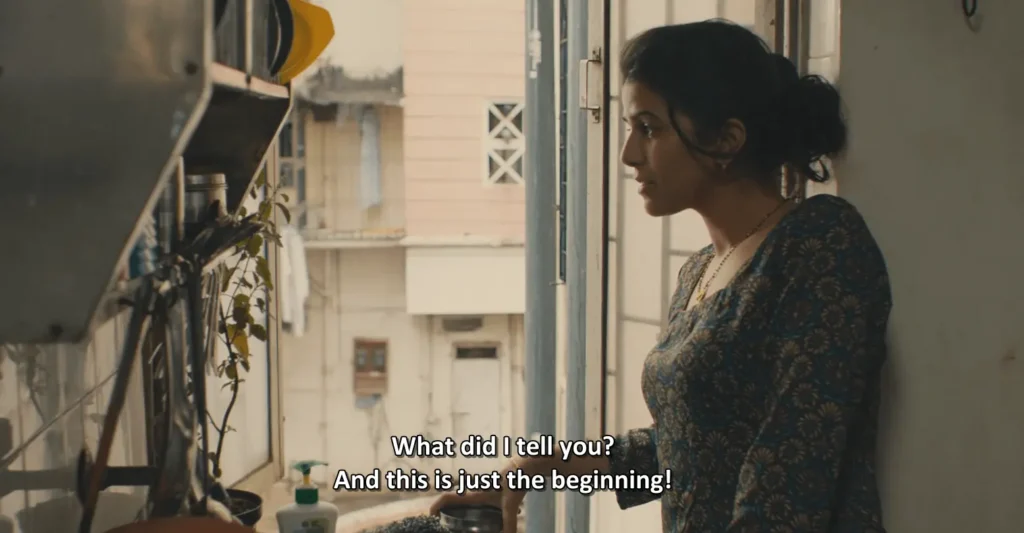
Window scene from The Lunchbox

The Lunchbox tells the stories of people tied together by thin strings of chance: a dabbawala’s mistake, voices across the old walls of a worn building, a basket dropped from one window to another. A lonely man and his letters, a housewife and her delicacies… Through life’s unsure moments, they all found relief in a unexpected bonds, and in the midst of loneliness, sparks of connection showed up, warming the hearts stuck in life’s endless give and take.

The Lunchbox is an experience about the simple everyday interactions between people that make a difference.  Experience it!

Read more perspectives and movie recommendations here.

Psychology of Baby (2023): What You’re Not Seeing

Since its OTT release, the Telugu movie Baby (2023) directed by Sai rajesh Neelam, has been the talk of the town. Viral reels and memes are flooding social media with taglines such as “it’s a message to the new generation” and “it’s the reality of our present generation.But is this film really a mirror to contemporary relationships, or is it propagating outdated social norms and stereotypes? Let’s try a detailed analysis.

Baby telugu movie poster
Baby Telugu movie poster

If you haven’t seen the movie yet, please watch it here, or read the story here.

Is It Really a Love Story?

On the surface, Baby (2023) appears to be a love story, but is it really? It seems to perpetuate outdated notions from the 80s and 90s, where a woman’s character is judged based on her attire or lifestyle choices.

Remember how Neelambari was portrayed in the movie Padayappa? Or consider the characters of Vani Vishwanath in Malayalam cinema, and similar examples in the Telugu industry with second heroines in movies.

Just like them, Vaishnavi is subjected to a set of unfair expectations and judgements.

Questionable Messages

One of the alarming messages that Baby seems to deliver is that stalking is acceptable behaviour. Vaishnavi finds herself in a situation where she accidentally kisses Viraj. Though she realises her mistake and apologises, Viraj continues to stalk her, disregarding her repeated refusals.

Anand, on the other hand, is portrayed as a possessive lover. While he does make sacrifices for Vaishnavi, such as gifting her a phone, these actions are often more about him than about her. His possessiveness often overshadows other critical aspects of his life, like his relationship with his mother.

Scenes from Baby(2023)

The film appears to be whitewashing the male characters while darkening Vaishnavi’s character to an extreme extent. But why?

The Psychology Behind Audience Reactions

The mass audience seems to empathise more with Viraj and Anand, while vilifying Vaishnavi. This bias might be rooted in traditional gender roles and social norms that unconsciously influence our judgement. Vaishnavi’s character challenges these norms or mindsets that our typical audience has, thereby eliciting a stronger negative reaction from the audience.

The film’s commercial success and viral scenes beg the question: why are people resonating with it? It’s not necessarily because the film portrays reality, but perhaps because it confirms existing biases and beliefs. This is where I believe directors and script writers should be more responsible and try to make some differences instead of following the masses.

The film taps into the general scepticism around modern relationships & choices, packaging it as the real story of this generation, when, in fact, it might be perpetuating harmful stereotypes and norms.

Why Do Mass Audiences Hate Vaishnavi, not Viraj?

In my opinion, Viraj is the real antagonist of the movie, and he is the real villain. Still, people hate Vaishnavi. Why?

Traditional Gender Roles and Expectations

In our culture, traditional gender roles often portray women as the moral compass in romantic relationships. They want every woman to be like Sita, but men can be Krishna or Rama, depending on the hero. If Pawan Kalyan does the same thing in Badri or Jr. NTR does the same thing in Brindavanam, it is considered to be mass or cute. But when Vaishnavi does it in Baby, it is considered to be cheating.

Narrative Focus

The story primarily revolves around Vaishnavi’s choices and their consequences, making her actions the driving force behind the emotional turmoil. This focus naturally makes her more of a target for audience scrutiny compared to Viraj, who appears more as a reaction to her choices than as an instigator. This is where I felt, the script writer could have done a better job instead of spreading more toxicity.

Moral Ambiguity

Viraj isn’t portrayed as a clear-cut villain. He’s attracted to Vaishnavi and pursues her, but it’s Vaishnavi who hides her relationship status, thereby enabling Viraj’s advances. He does make a problematic move by threatening to release their kissing video, but this comes after he feels deceived.

Social Norms and Masculine Privilege

Viraj’s actions may be viewed less critically due to societal norms that often excuse or overlook male indiscretions in romantic pursuits. As I said before, many superstars have already done this multiple times on reel & real, but people are ready to accept it.

Why is Baby a Blockbuster and Going Viral, irrespective of its theme and toxicity?

The Pull of Confirmation Bias

One reason for the film’s massive success could be attributed to confirmation bias, a psychological tendency to seek, interpret, and remember information that confirms our pre-existing beliefs. Baby (2023) seems to validate certain societal norms and judgements, making it appealing to a large audience that finds their beliefs reinforced. This is alarming, even in 2023, the majority believe in it.

Emotional Highs and Lows

From a cinematic standpoint, the film employs effective storytelling techniques that take the audience on an emotional rollercoaster. High arousal emotions, whether positive or negative, are more likely to be shared; this is known as the emotional contagion theory. Scenes that evoke strong emotions—like anger towards Vaishnavi or sympathy for Anand and Viraj—are more likely to go viral.

The Impact of Social Media Algorithms

Let’s not underestimate the power of algorithms in shaping public opinion. Content that triggers strong emotional responses gets shared and commented on more, which gives it higher visibility on social media platforms. This creates a feedback loop in which the more a scene or character is discussed, the more visibility it gains, leading to a self-perpetuating cycle of virality.

The Bystander Effect in Digital Spaces

The ease with which people can share their opinions online paradoxically creates a digital bystander effect. Many might disagree with the portrayals and messages in the film but assume that someone else will voice these concerns. Meanwhile, those who agree with the film’s messages are more likely to share and propagate its content, thus contributing to its blockbuster status.

Baby (2023) is entertaining for youngsters, but it also reinforces harmful stereotypes about women and men. Its popularity shows that filmmakers need to be responsible rather than merely echoing societal biases.

For more movie analysis and suggestions, click here.