Constable Kanakam: Season 1 Review & Explained

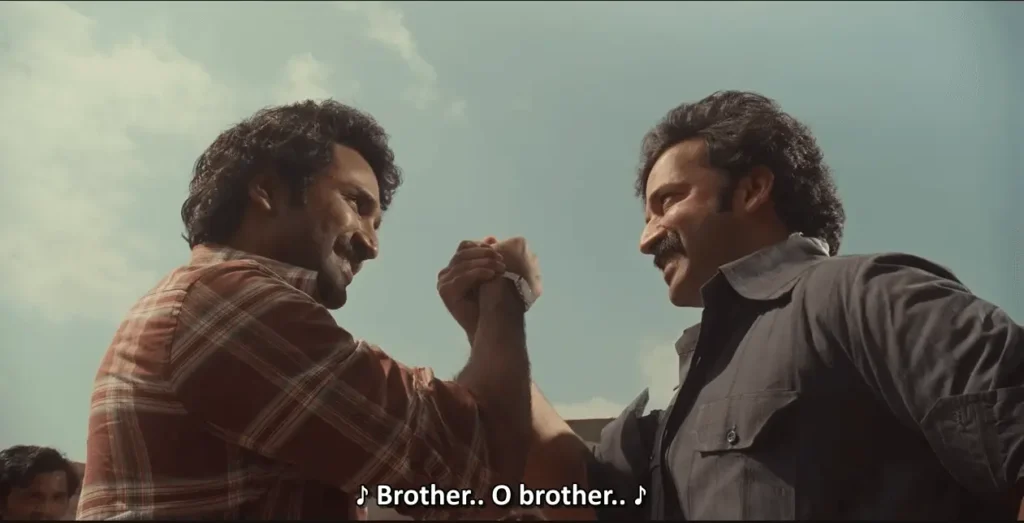
Constable Kanakam streaming on ETV Win, directed by Prasanth Kumar Dimmala starts with a promising idea — a rural village near a mysterious forest, a series of missing girls, and a constable (Varsha Bollamma) trying to connect the dots. The story thread is genuinely gripping, with the right mix of folklore, temple traditions, and a murder mystery that builds well towards a solid ending. Here is my detailed review of Constable Kanakam starring Varsha Bollamma.

title card of constable kanakam

Overused Templates & Poor Execution

“A serial killer with a childhood trauma” – oh, not again!!!! Unfortunately, that’s what waiting for you in Constable Kanakam.

The making is below average, with poor CGI & cliched lazy writing that breaks the immersion. Character establishments feel cliched, and the psycho backstory with childhood trauma is something we’ve seen too many times before. The attempts at showing women empowerment are there, but instead of feeling natural, they look force-fitted and artificial.
climax scene constable kanakam

Technicals & Performances

Cinematography (Sriram Mukkapati)
The camera work is neat, especially in capturing the rural landscapes, temple shots, and forest sequences. The visuals create the right mood for a village mystery, even when the making elsewhere feels average.

Editing (Madhav Kumar Gullapalli)
One of the strongest aspects of the series. The pacing is sharp, transitions are smooth, and even the reveal sequences are stitched well. Without this editing, the show could have felt much slower.

Music (Suresh Bobbili)
The background score feels familiar, often reminding us of Saripodhaa Sanivaaram OST. Instead of bringing originality, the music leans heavily on cinematic tropes. It supports the scenes but no freshness.

Performances

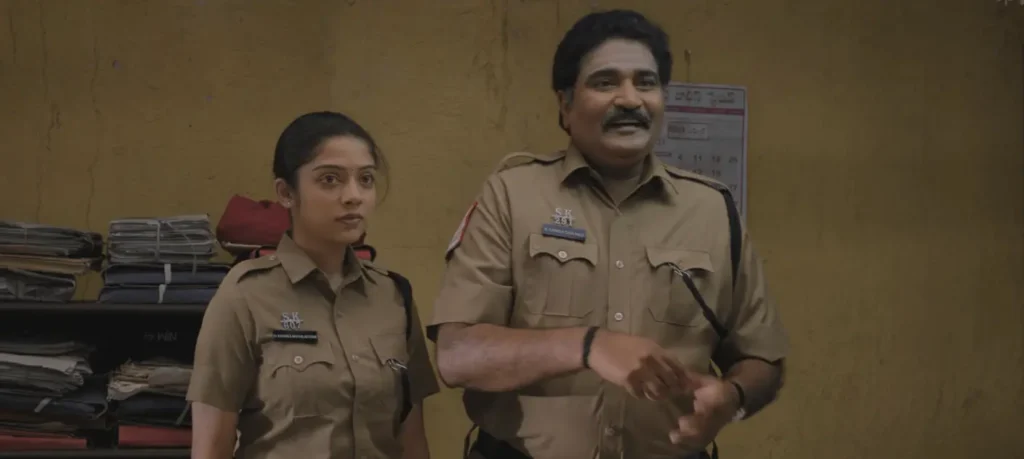
Varsha Bollamma is impressive, balancing innocence and determination in her role as Kanakamahalakshmi.
varsha bollamma & Rajiv Kanakal in a  scene constable kanakam

Srinivas Avasarala plays the president with controlled menace, good presentations at the climax portions.

Rajeev Kanakala once again slips into the zone of a helpless man, but his overused expressions make it feel repetitive.

The supporting cast — Ramana Bhargava, Megha Lekha, Sunny Naveen — are serviceable but don’t leave a lasting mark.

Constable Kanakam Explained (Spoilers Ahead)

For those who want the full breakdown — here’s the story in detail:

Adavigutta, Constable Kanakam and Missing Cases

Kanakamahalakshmi (Varsha Bollamma) works as a constable in a small village that sits on the edge of the dense Adavigutta forest.

The place is steeped in old beliefs and is watched over by a centuries-old temple, where the respected village president also holds authority. But beneath the quiet rural life — young girls keep going missing, villagers believe there is something wrong with Adavigutta.
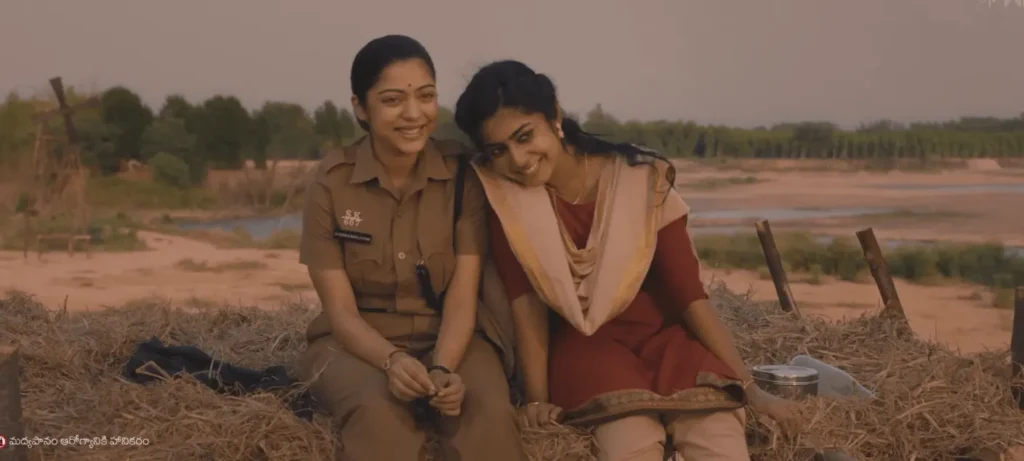
When Kanakam’s best friend Chandrika disappears, Kanakam realises this is no ordinary case. She decides to dig deeper, uncovering secrets buried in both the forest and the faith that governs the village.

What do crows and Sanjeevani sticks have to do with it?

On her night duty at the Adavigutta checkpost, Kanakam notices an unusual number of crows circling the area. She learns that their nests hide Sanjeevani sticks, rare items linked to old rituals. Someone has been cutting down these nests, collecting the sticks, and using them for tantrik practices.
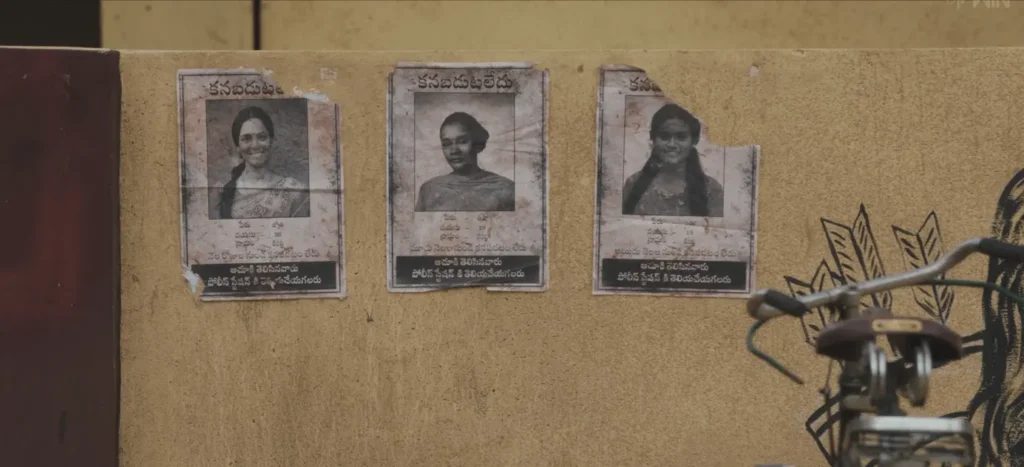
The deeper she looks, the clearer the pattern becomes. Every time a girl disappears from the village, it’s a full moon day. The time when such tantrik is believed to be most powerful.
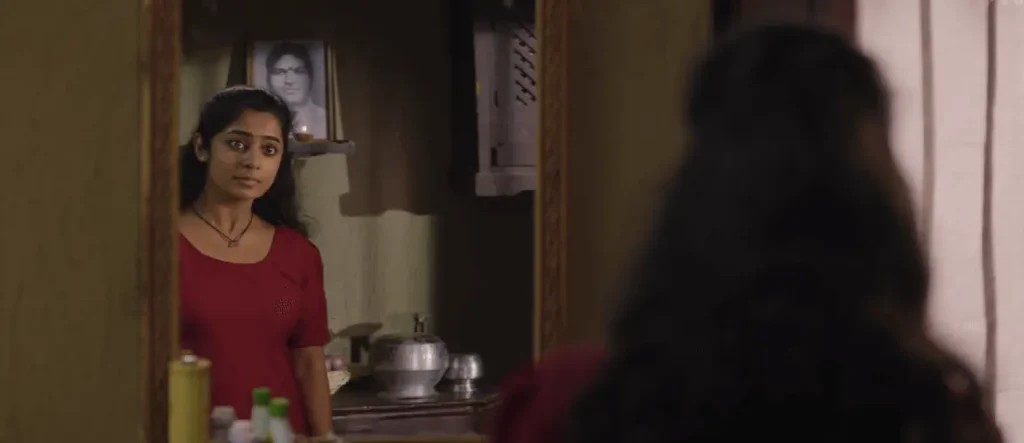
This realisation shifts the case completely. It’s no longer just about missing girls — Kanakam is staring at a connection between black magic, missing case of Chandrika, and Adavigutta’s secrets.

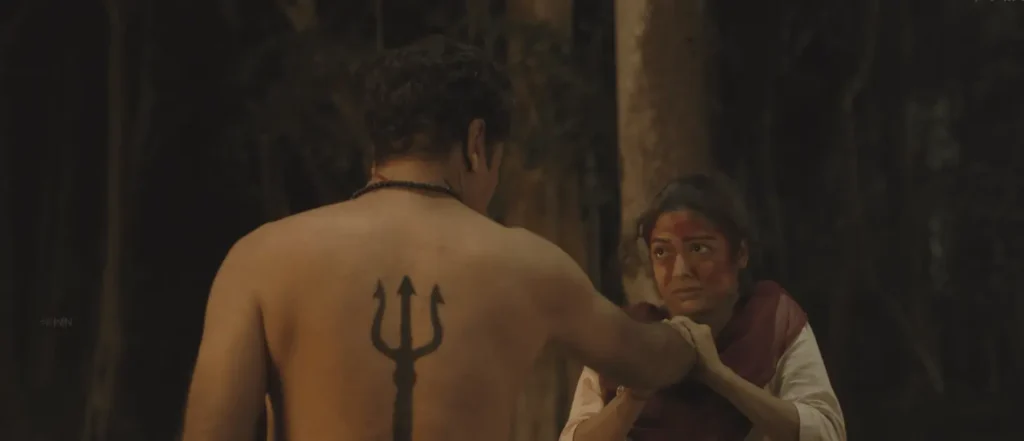
Who is the man with the Trishul tattoo?

A witness says he saw a man doing black magic in Adavigutta forest, and on his back was a Trishul tattoo. Kanakam starts chasing this lead. First, she meets the old tattoo artist Bakthuraalamma, asking if she ever drew such a tattoo. The old woman denies it straight away.

Next, Kanakam checks a villager covered in tattoos from head to toe — but he doesn’t have the Trishul either. Still restless, she goes to the jatra festival, because that’s when most men walk shirtless. She scans the crowd, but again finds nothing.
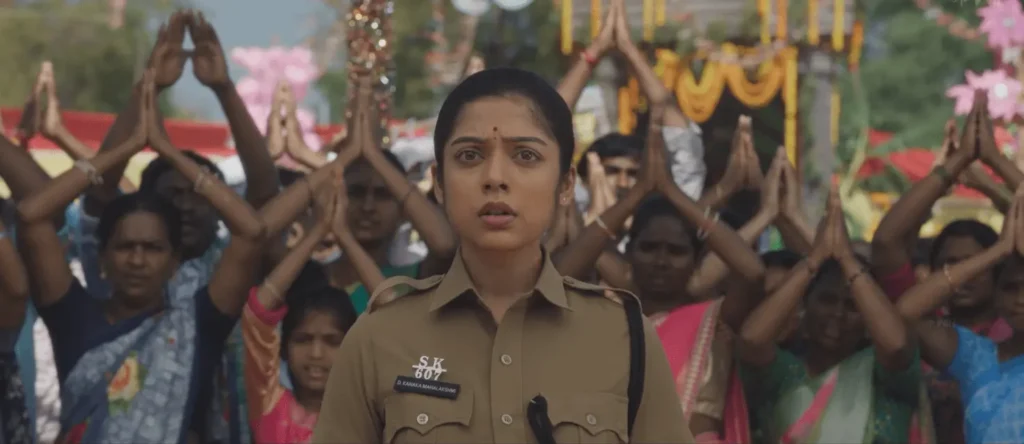
Just when it feels like a dead end, something catches her eye — a snake coiled around a Trishul. The image rings a bell. She remembers seeing the exact same picture once in a doctor’s file back in the village.

Who Is Vikram Singh? Is he the Killer?

The file belongs to Dr.Hanumanth Rao, who redirects her to Vikram Singh, an ex-military man in Delhi.

Vikram explains that after surviving a terrorist attack at Kedarnath, his 25-member unit all got Trishul tattoos as a tribute to Lord Siva.

But in the group photos, one man is missing — the cook. He was from the South and known for making Mandasa Kova sweets. That one missing soldier’s description connects back to Mallibabu, a village chef who also practices tantrik rituals.

The Final Act: Adavigutta Mystery

Kanakam goes back to Adavigutta, following her trail of clues. She doesn’t expect to meet the president there, but suddenly he appears in front of her. For a moment she is shocked — because a temple priest had once said the sweets Mandasa Kova for rituals came from the president himself. That link makes everything fall into place.
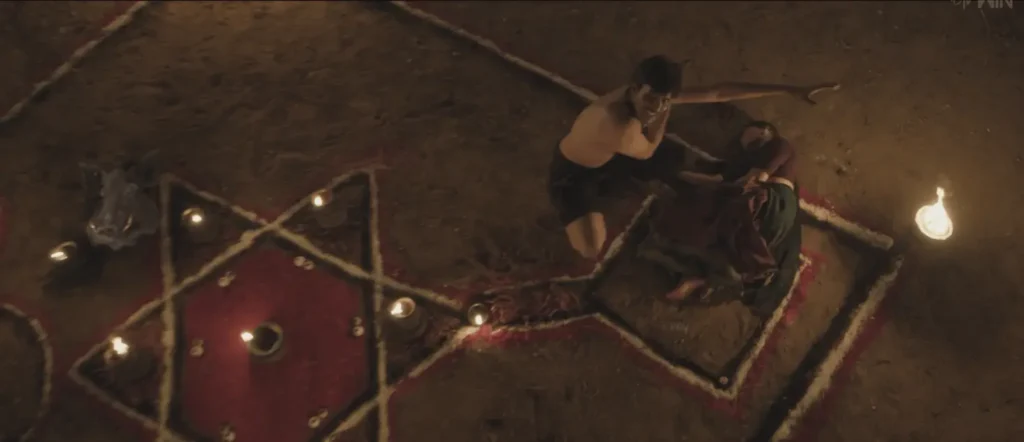
Before she can even react, the president attacks her. Kanakam is caught off guard and struggles to defend herself. Just then, Constable Sathi Babu jumps in, fighting to protect her. The fight turns rough inside the forest — Kanakam, still hurt, somehow gathers strength, grabs her belt, and lashes out at the president.

The strike throws him off balance. Memories of his abusive father beating him with a belt come rushing back, and he begins to hallucinate, seeing Kanakam as his father. In that moment of weakness, Kanakam pins him down. With Sathi Babu’s help, she finally arrests the president.

Why did the president kidnap girls? What’s the motive?

Under interrogation, the president’s childhood trauma spills out:

  • He had killed his own mother when he was young.
  • His uncle Mallibabu raised him, teaching him both sweet-making and black magic.
  • He later served as a military cook, learning more occult practices.
  • After becoming president and temple head, he exploited temple records to track girls born under his mother’s birth star, Bharani Nakshatra.
  • On full moon nights, he kidnapped them for rituals to bring his mother’s soul back. But the mantras only made the girls faint, never succeeding. To cover his tracks, he murdered and buried them in a farm.

Ending & Season 2 Hook

The final shock comes when the president reveals that Kanakam’s birth star is Bharani Nakshatra — making her his true target. On the night Chandrika went missing, his plan had been to kidnap Kanakam. But a villager named Babji interfered, saving her unknowingly. Since Chandrika didn’t share the birth star, she was never meant to be a victim.

The president is arrested, but the bigger mystery remains unsolved — if Chandrika wasn’t kidnapped by him, then where is she? This unanswered question sets the stage for Season 2. So season 1 is not giving clues about Chandrika; for that, we need to wait till season 2.

Final Thoughts

Overall, Constable Kanakam Season 1 is an average series. The core story is strong, the mystery holds till the end, and the village backdrop works.

But the poor production values, forced messaging, and predictable character arcs stop it from being memorable. Worth a watch if you’re curious about small-town thrillers, but don’t expect high standards.
Read More Reviews and Analysis Here.

Mayasabha Web Series Review: Great Performances, Weak Writing

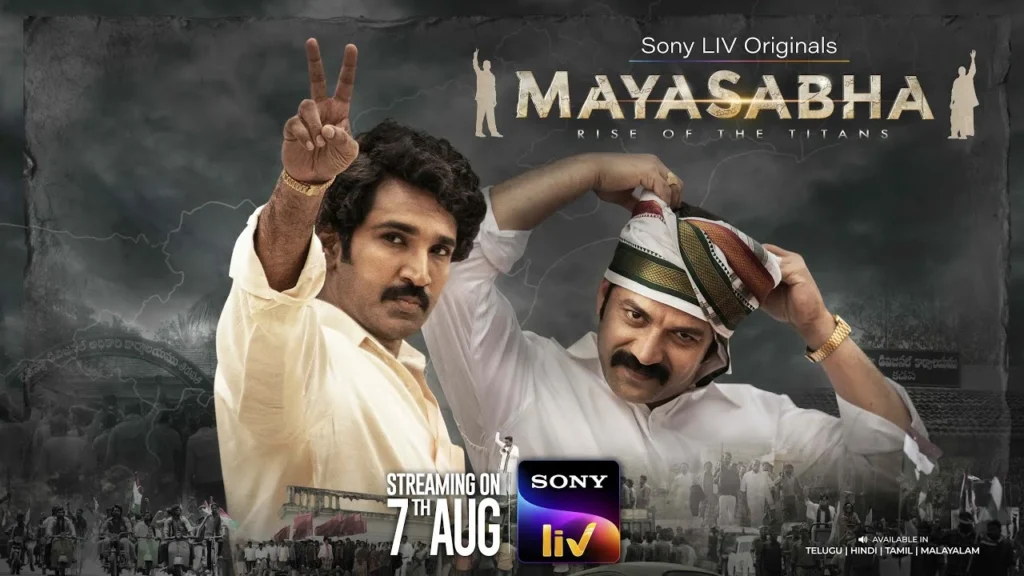
Created by Deva Katta, known for Prasthanam and Vennela, Mayasabha from SonyLiv follows the rise of two fictional leaders — Krishnama Naidu (played by Aadhi Pinisetty) and Rami Reddy (played by Chaitanya Rao Madadi) — and how they grow from students to state leaders. The show also stars Sai Kumar as RCR, Divya Dutta as Prime Minister Iravathi Basu, Ravindra Vijay as Pothineni Ramesh, and Tanya Ravichandran as actress Anu Harika. Here is my detailed Mayasabha Review.

Mayasabha Trailer Poster

But let’s not kid ourselves. This isn’t fiction.

Based on True Political Events in Andhra Pradesh

Who are the real characters in Mayasabha?  If you know Andhra Pradesh politics, you’ll spot the references instantly:

  • RCR (Sai Kumar) is clearly inspired by NTR.
  • Krishnama Naidu mirrors Chandrababu Naidu.
  • Rami Reddy is the show’s take on YS Rajasekhar Reddy.
  • Iravathi Basu and her son Sandeep Basu resemble Indira Gandhi and Sanjay Gandhi.
  • Anu Harika’s arc feels like a nod to actress Jayaprada, including her early dance career and political ties. When she was a teenager, she performed a dance at her school’s annual function. A film director in the audience offered her a three-minute dance number in the Telugu film Bhoomi Kosam (1974).
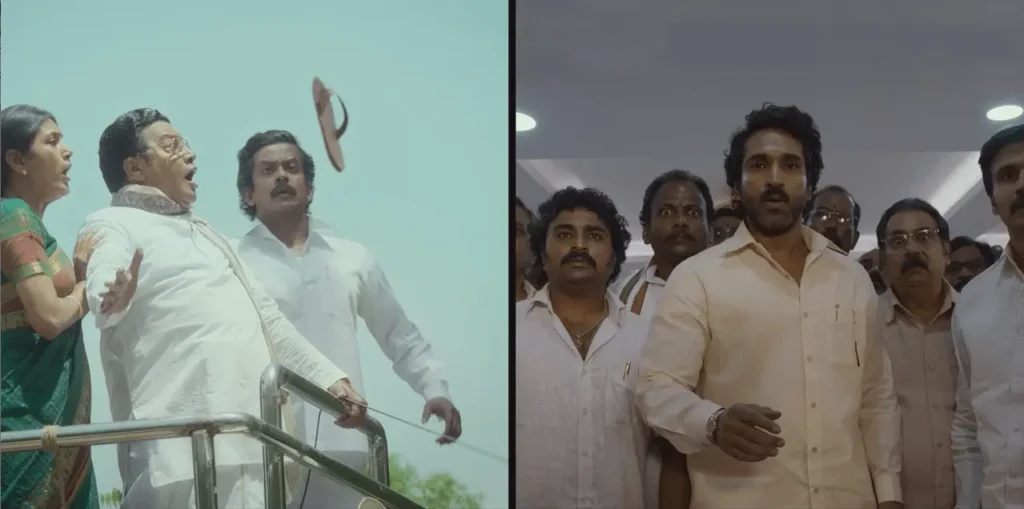
A shot from Mayasabha

The series ends with an event which exactly resembles the Viceroy Hotel episode , where slippers were thrown at Lakshmi Parvathi and NTR was ousted from his own party, are recreated almost frame by frame — though names are changed.

Mayasabha Plot: The Rise of Naidu and Rami Reddy

The story begins with Krishnama Naidu, a PhD student from Narsipalli, helping farmers in his hometown by threatening middlemen — in a diplomatic way, of course. Meanwhile, Rami Reddy, the son of faction leader Shiva Reddy, is disgusted by his father’s violent politics and leaves Pulicherla to study in Bellary.

From there, we follow:

  • Student politics, where Krishnama plans to contest elections using strategic caste alliances — and a cabaret dance show (yes, really).
  • Rami Reddy’s fan wars in college, defending Telugu film stars, leading to cow dung being thrown on posters and eventual expulsion.
  • Emergency declared in India, vasectomy drives led by Sandeep Basu, and public resistance led by Rami Reddy.
  • The alliance between Krishnama and Rami Reddy, their entry into politics under Sandeep Basu’s mentorship.
  • Friendship turning into rivalry, when Rami Reddy feels sidelined for being a goon’s son.

The series ends with the rise of RCR as a mass leader, his friction with Iravathi Basu, the betrayal by Krishnama Naidu, and the political fallout. The final few episodes closely resemble TDP’s internal war, NTR’s downfall, and the power shift to Chandrababu Naidu.

Performances & Technical Aspects

  • Aadhi Pinisetty as Krishnama Naidu brings seriousness and political sharpness.
  • Chaitanya Rao delivers an emotional and intense Rami Reddy.
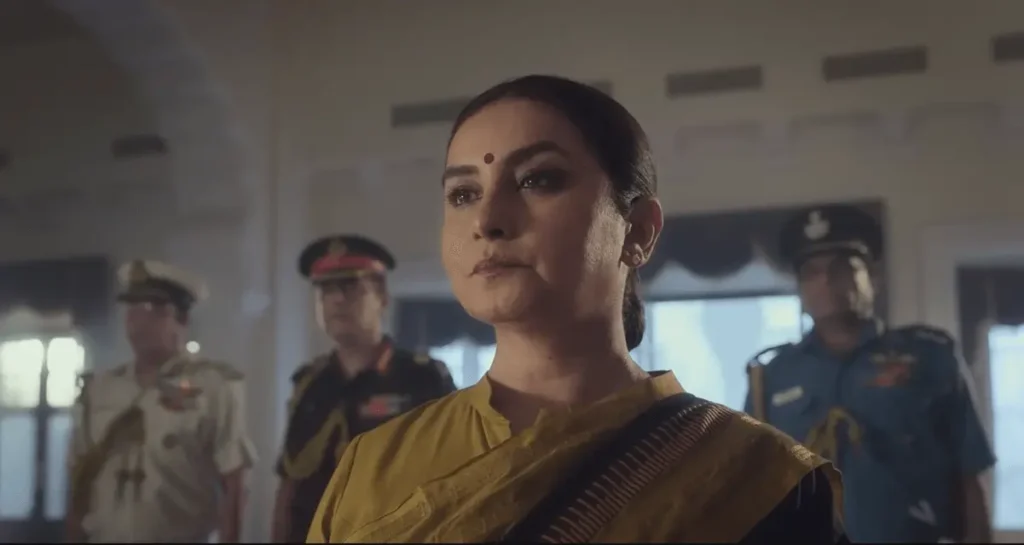
  • Divya Dutta shines as Iravathi Basu — probably the most believable character in the whole show. Her screen presence is 5/5
  • Sai Kumar as RCR fits the larger-than-life image but gets limited screen time.
  • The music by Shakthikanth Karthick is decent — helps set the mood without being intrusive.
  • The cinematography and period detailing (1975–1995) look polished.
  • Tanya Ravichandran did her part well with a song and some scenes here and there.

But Here’s the Problem: Everyone’s a Saint

The writing is where Mayasabha falls flat. For example, at one point, the hero tries to win a college election with a cabaret dance by heroine—because in Mayasabha, that’s peak political strategy. Democracy in Mayasabha runs on item numbers and glorifying scenes.

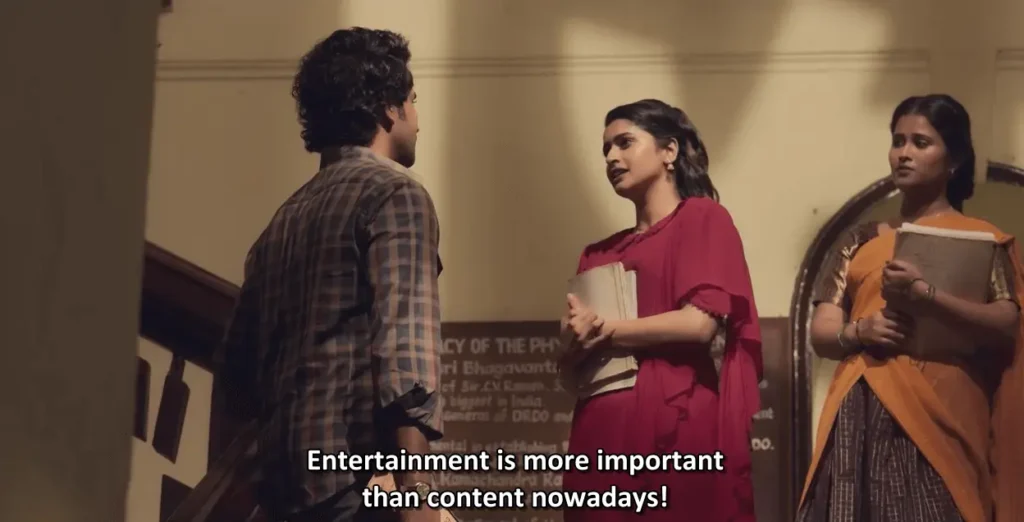
There’s a scene where the heroine says, “People value entertainment more than content. To sell content, the cover page is important.” I’m convinced Deva Katta believes in this too.

For a political series, it lacks grey characters. Krishnama Naidu is always clever and selfless. Rami Reddy is kind-hearted and community-driven. Every major character on the “hero” side acts like a noble soul who’s doing politics only for the people.

This kind of whitewashing feels awkward — especially in a show that clearly draws from real-life political betrayals, caste alignments, and power games.

Let’s be real: In politics, no one climbs the ladder without ambition. But Mayasabha shows its main men as idealists, while anyone who opposes them is either corrupt, emotional, or forgotten.


Divya Dutta as Ira Basu in Mayasabha

Final Verdict: Mayasabha(2025) Review

If you’re watching Mayasabha as a fictional drama, it may keep you engaged for a while. But if you know Telugu politics, you’ll likely find it one-sided, preachy, and borderline fan service. It looks like a fictional retelling, but walks and talks like a strategically polished biopic series.

Mayasabha Review Verdict: 2.5 out of 5

Watch it for the performances — but skip it if you’re expecting sharp, realistic political writing. At the end of the day, even great acting can’t save a story that refuses to show humans as humans — especially in politics, where no one’s a saint.

Read More Reviews Here

Kingdom Review – Great Visuals, But Emotionally Thin

Gowtam Tinnanuri’s Kingdom, starring Vijay Deverakonda, Bhagyashri Borse and Satyadev, arrives with the promise of a high-adrenaline action drama wrapped in stylish visuals. But overall, I felt it misses the one thing that holds it all together: emotional impact. Here’s my review of Kingdom (2025). Let’s break it down.

Kingdom 2025 Poster
Kingdom 2025 Poster

Plot Summary: A Spy Story Tied to Brotherhood

Soori (Vijay Deverakonda) is a rural police constable from Andhra, who finds himself caught in the middle of a high-stakes spy mission. As the mission unfolds, he learns it connects to his long-lost brother Siva (Satyadev). What starts as a spy mission is later becomes personal. And this brotherly bond — forms the core.

Sounds like it could be intense, right? It should’ve been.

A shot from Kingdom 2025

First Half: Stylish, But Emotionally Hollow

The film opens with a visually striking British-era setup. Within minutes, you know this is going to be a well-shot movie. Cinematographers Jomon T. John and Girish Gangadharan make every frame look polished and premium.

Once the plot gets going—especially in the first hour—the narration starts to feel flat. The issue, I felt, is in how the emotional beats are handled. There are scenes meant to establish Deverakonda’s Soori as a determined character, and later the director introduces his emotional trigger—his pain and desperation to find Siva. But the way it unfolds feels either too predictable or underwhelming. It’s the kind of moment where you go, “Oh… that’s it?”

Take, for instance, the scene where the brothers smuggle gold from the Navy. The setup feels too convenient. You’re left wondering, “Wait, was it really that easy?” Instead of clever plotting or tension, it comes across like the writer just went with the first idea that popped up.

I felt the film missed a major opportunity. If they had brought in a more impactful star or given Satyadev’s character (Siva) a stronger arc—maybe even played it like a subtle Godfather-style rise—the story could’ve had more gravity. It had the core ingredients, but it needed a little more time to simmer.

Even the villain angle, with a gang operating out of Sri Lanka, feels like a recycled subplot from a dozen action films. Some tension is there. But no freshness. You stay watching because the visuals are neat and the actors are giving it their all — but the writing doesn’t support them with the best.

A Scene from Kingdom 2025

Second Half: Better, But Still Familiar

The second half picks up a little, especially once Satyadev’s character gets more screen time. There’s one Gory scene that works better than expected. And the moment Satyadev got elevation in that scene. Pure Goosebumps guaranteed from then on. For a moment, it feels like the film’s about to enter beast mode.

And if you haven’t seen international cult films like City of God (The idea of “escaping the system” but still being trapped by it), Incendies, or Nolan’s Batman series — Kingdom might surprise you more. Some sequences, especially the prison fight and emotional twists, carry strong inspiration. For casual viewers, these moments land hard. For filmiholics, though, they’ll feel familiar — maybe too familiar.

The climax, though, sticks the landing. Neatly designed and emotionally tighter than the rest of the film. You finally feel that rush the genre promised.

Final Thoughts

Kingdom is a massy action flick, but not with the emotional depth or innovative thoughts that the story demands. It’s held together by two strong performances, first-rate visuals, Anirudh music and occasional goosebump moments.

Gowtam Tinnanuri keeps the core story focused, but the emotional payoffs don’t really hit like his previous film Jersey did.

Still, the sincerity shows. There’s no overstuffing; I can see that they trimmed down Bhagyashri’s scenes, love track, etc. Just a stylish attempt at telling a cliched story sprinkled with Myth, Crime & Guilt. You won’t feel bored, I believe.

Kingdom (2025) Review Rating: 3/5
Watch if you enjoy stylish dramas with moments that echo bigger films — even if they don’t go as deep.

Hari Hara Veera Mallu Review

Mandala Murders Review

Hari Hara Veera Mallu Review – Kalyan Fights, Fans Clap, But the Film Fumbles

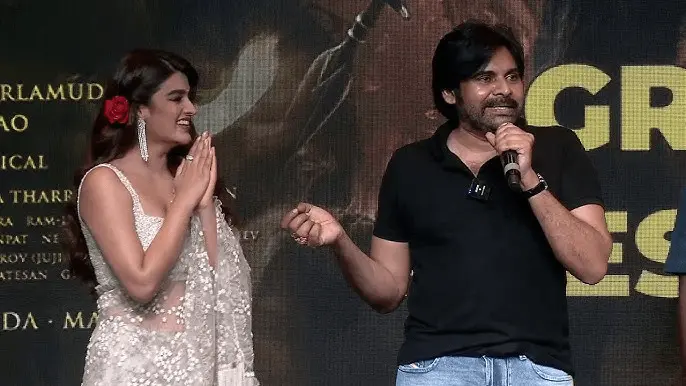
After years of delays and a lot of expectations, Hari Hara Veera Mallu, starring Pawan Kalyan, finally hits theatres. Directed by Krish Jagarlamudi (with A. M. Jyothi Krishna completing the later portions), this period action-adventure tries to blend myth, rebellion, and heist — but ends up somewhere in the middle. In short, this is my review for Hari Hara Veera Mallu. No spoiler detailed review ahead.

Pawan Kalyan & Nidhi Agerwal during HHVM Promotions

First Half: A Glimpse of Promise

For those searching for a quick Hari Hara Veera Mallu plot summary — the film is about Veera Mallu, a Robin Hood-like figure tasked with stealing the Koh-i-Noor diamond from Mughal emperor Aurangzeb. Sounds exciting, right? And for the first half, it is.

The first half carries the stamp of Krish Jagarlamudi’s storytelling. There’s decent world-building, with grand sets like the Kollur kingdom and Machilipatnam port. The Charminar fight sequence and other action set pieces hold up. MM Keeravani’s background score lifts several scenes, adding emotional weight even when the story itself takes its time to kick in.

Fans around me cheered ( even me 😉 ). There’s some pace, some mass moments and a lot of whistles— it works just enough.

Second Half: Where the Wheels Come Off

This is where the trouble begins — especially for those expecting consistent storytelling or strong visuals.

The VFX issues in Hari Hara Veera Mallu are hard to ignore. From visible green screens (even in hair strands!) to horse chases that look straight out of an old PC game — it’s rough. You can feel the change in direction too. The second half clearly shifts gears under A. M. Jyothi Krishna’s handling, and the patchwork shows.

The film begins to drag. Scenes feel like filler. Important dialogues feel rushed or oddly dubbed. Zero emotional pull. It’s mostly missing the aura of the first half.

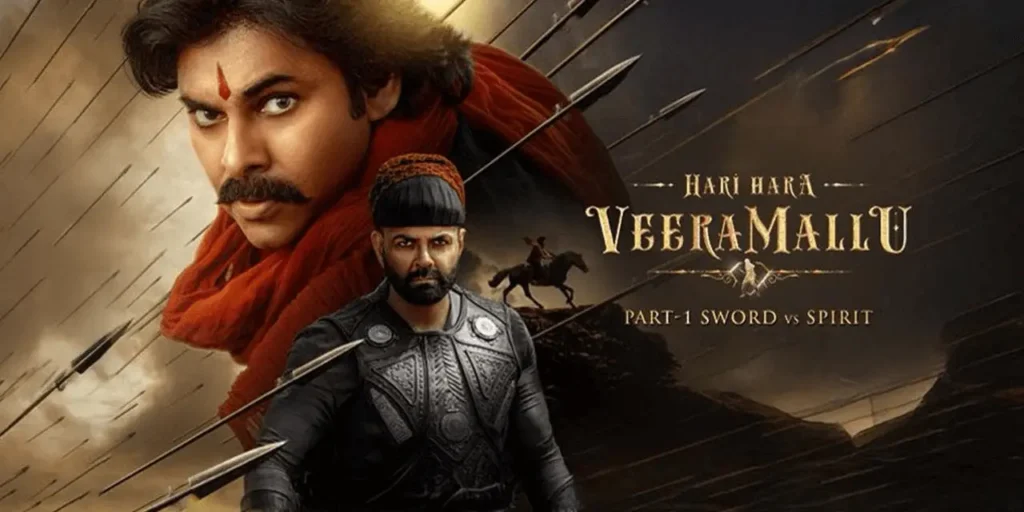
HHVM movie Poster
HHVM movie Poster

Characters & Technicals Review: HHVM

  • Pawan Kalyan’s new movie is carried by… well, Pawan Kalyan. His screen presence does a lot of heavy lifting, even when the material is uneven.
  • Bobby Deol is strong in his limited screen time. But a lot more is saved for Part 2.
  • Nidhhi Agerwal’s Panchami starts off promising with her adorable screen presence, but fades into the background.
  • Cinematography by Gnana Sekhar VS and Manoj Paramahamsa adds period texture, especially in the first half. But again, the visual effects drag it down.
  • MM Keeravani’s score is one of the film’s consistent strengths, especially during action sequences.

Final Thoughts

If you’re a Pawan Kalyan fan, this film has moments. If you’re looking for a tight period action film with emotional depth, this won’t fully satisfy.Despite its strong cast and bold ambition, Hari Hara Veera Mallu ends up as a scattered epic — visually grand in parts, but emotionally underwhelming. And no, it didn’t really need a Part 2 for this pacing.

Read more movie reviews and recommendations here.

From Seven Samurai to SALAAR: Ethical Combat Dramas

SALAAR is available on Netflix now. Before writing about Salaar, let me tell you: My all-time favourite Ethical Combat Dramas are Seven Samurai and ‘Crouching Tiger, Hidden Dragon’ (2000). By the way, it’s a new genre that I’ve discovered. 😃 Allow me to explain.

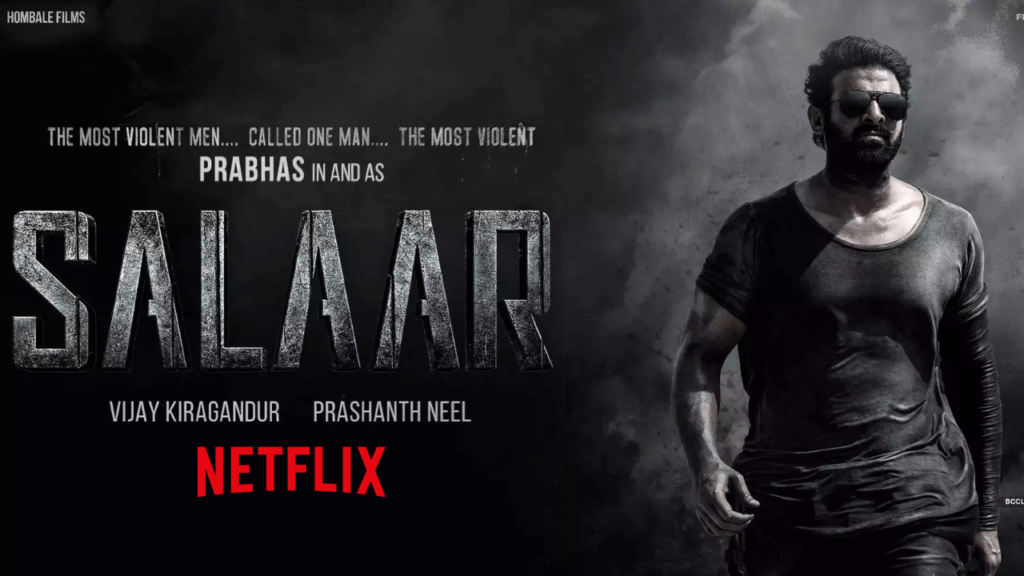
SALAAR poster from Netflix
Salaar on Netflix

What Are Ethical Combat Dramas

These kinds of movies explore complex ethical and moral questions, often set within a historical or cultural context. They dive into themes of honour, justice, and the human conditions.

Central to these movies is the element of combat, whether it’s the swordplay of samurai films or the martial arts in movies like ‘Crouching Tiger,’ or even the Gatling gun action seen in post-‘Kaithi’ Indian cinema. Each film employs intense drama to explore its themes and develop its characters.

The drama often unfolds in historical or fantastical settings, adding depth and a sense of grandeur. Another common feature is their epic scope, evident in their narrative scale, the depth of their themes, or their visual magnificence.

Now, SALAAR, knowingly or unknowingly, belongs to this category of Ethical Combat Drama.

Why Seven Samurai Is a Perfect Ethical Combat Drama

Before diving into SALAAR, let me share why Seven Samurai and Crouching Tiger, Hidden Dragon are my favourites in the Ethical Combat Drama genre.

Seven Samurai Title Card

I’ll focus on Seven Samurai, as it’s more widely recognised compared to Crouching Tiger. The portrayal of protagonists in this film goes beyond them being merely skilled warriors; they are depicted as complex characters, each with their own moral compass and emotional struggles. This depth elevates the film above a typical action drama.

Contrast and Juxtaposition

Akira Kurosawa, the director, masterfully uses contrast to highlight the heroes’ qualities. For example, the samurai’s skills and moral codes are often juxtaposed against the bandits’ brutality or the villagers’ fear and helplessness. This stark contrast not only showcases the samurai as protectors but also as warriors of virtue.

A Scene from Seven Samurai

Dynamic Action Sequences

Kurosawa’s dynamic and innovative action sequences, particularly in fight scenes, effectively showcase the samurai’s skills and bravery. The choreography, camera work, and pacing all contribute to portraying these characters as larger than life.

Heroic Actions in Introduction Scenes

A powerful narrative technique Kurosawa employs is introducing a character in a moment of heroism. This approach establishes their role and capabilities within the story efficiently, without relying heavily on dialogue or extensive backstory.

It leverages the psychological ‘halo effect,’ where our impression of a person in one aspect (like heroism) influences our overall perception of them.

Recall the memorable introduction of the first Samurai, heroically saving a child from a kidnapper. If you don’t check the scene here at 19:46

A Scene from Seven Samurai

Use of Close-ups to Convey Emotion and Tension

A close-up shot from Seven Samurai

Kurosawa’s frequent use of close-up shots is pivotal in capturing and conveying characters’ emotions. By focusing on their expressions, especially in moments of fear or awe, he magnifies the impact of the situation and the presence of the heroes. For instance, scenes where villagers express fear or reverence towards the samurai are made more poignant through tight shots. This technique effectively transmits the characters’ fear, awe, or respect to the audience.

Symbolic Imagery and Metaphors

Kurosawa also masterfully employed symbolism to deepen his storytelling. He used elements of nature, like rain or wind, to mirror the mood or internal state of the characters. This adds a rich layer to their portrayal.

A Rain Shot from Seven Samurai

Consider the scenes with gusty winds, which set a tone of unrest and turmoil. The natural landscape is another vital element. In Seven Samurai, the rugged, rural setting underscores the themes of the film: the harshness of life for the villagers and the simplicity and purity of their existence. This starkly contrasts with the life of the samurai, caught between their code of honour and the reality of a changing world.

Oh! Wait! Why am I writing all this while I intend to talk about SALAAR?

Because SALAAR tried all the elements that I have shared in a mediocre way without much conviction.

SALAAR falls short as an extraordinary Ethical Combat Drama, even though it had the potential to be one. As I said, it’s not extraordinary, but it’s still a decent film in this genre, albeit lacking a convincing central character.

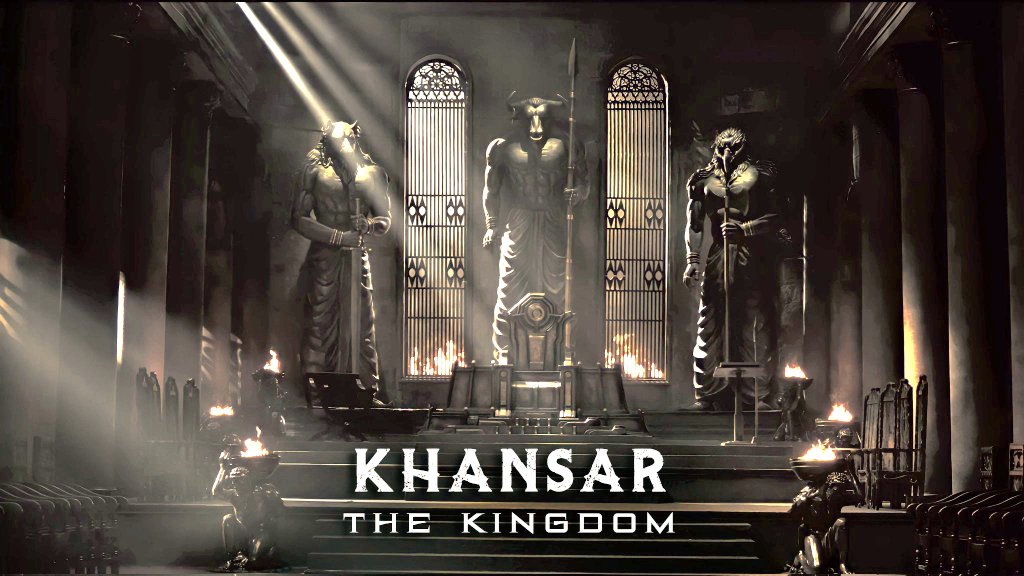
The World of Khansaar in ‘SALAAR’

A Poster from Salaar

Director Prashanth Neel’s strength is world-building. With Khansaar, he transports you to a new world and keeps you engaged with multiple storylines. However, for those who have seen Ugram, there may not be any surprises. They might not enjoy this ‘old Khansaar in a new bottle,’ apart from some grandiose action sequences and a lacklustre actor.

Prabhas With A Hangover & Neel With A Template

Prashanth Neel’s protagonists typically embody a machismo figure who abides by his mother’s words. However, in this film, the mother sentiment is overshadowed by the theme of friendship. I commend Neel for not overusing Prabhas in terms of dialogue or action.
Prithviraj & Prabhas from Salaar

Personally, I feel Prabhas hasn’t given his 100% in his recent movies, seemingly relying on his stardom and compromising his skills and effort. To be blunt, his performance appears as if he is acting with a hangover.

Prithviraj’s Mastery vs Neel’s Directorial Gambit

I want to recognise Neel again as a potential director because his efforts to make Salaar a comeback film for Prabhas are evident, even though Prabhas remains the same. Neel manages to extract the best from Prabhas with his slow-motion walking shots, dialogue delivery, and action sequences.
Prashant Neel
Prashant Neel

In every single frame, Prithviraj, as Varadha, excels, highlighting the contrast with Prabhas’ lacklustre performance. The difference is stark and makes it easy to understand why Neel shouldn’t have cast such a strong performer opposite Prabhas.

Prithviraj’s Game of Thrones Analogy and the Reality of SALAAR

It was Prithviraj’s words that initially drew me to watch SALAAR. Known for films like Lucifer, Ayaalum Njanum Thammil, and Ayyappanum Koshiyum, Prithviraj compared SALAAR to the American epic fantasy series Game of Thrones.

Trailer from Lucifer

However, let me clarify: SALAAR mainly revolves around Deva and Varadha, with other characters playing minor or just fancy roles in the screenplay. This fact alone challenges Prithviraj’s comparison.

When it comes to Ethical and Moral Dilemmas, Combat and Strategy, Cultural and Historical Elements, and especially intricate character dynamics – all hallmarks of Game of Thrones – SALAAR doesn’t quite measure up, except in visual grandeur.

In my opinion, PS-1 & PS-2 would be far more appropriate comparisons to Game of Thrones.

Last But Not Least

In summary, SALAAR presents a mediocre attempt at Ethical Combat Dramas because of its shallow characters and massy star obsessions. But I admit that it treads a fine line between potential greatness and missed opportunities.

While it may not fully live up to the towering expectations set by comparisons to epics like Game of Thrones, it still carves out its niche in a genre rich with few moral complexities and thrilling action.

For those who want to try Ethical Combat Dramas and are looking to explore further, I recommend trying classics like ‘Seven Samurai’ and ‘Crouching Tiger, Hidden Dragon’ which are masterclasses in this genre.

Why Only One Pandava Reached Heaven

The saga of the Pandava brothers and Draupadi, their final journey to heaven, unfolds the curtain of sin, love, compassion, and unwavering adherence to Dharma.Here we are looking at why the righteous Pandavas suffered.

The Pandavas anointed Parikshit as the crown prince of Hastinapura. They appointed Yuyutsu as the guardian of the young prince. Yuyutsu, born to Dhritarashtra and a Shudra woman, was a beloved figure among the Pandava brothers. He had shown courage to stand with them on the path of Dharma and was considered a son-like to them.

From Hastinapura, Pandava brothers and Draupadi set out walking in the northern direction. In one word, ‘Vanaprastham’

Pandava’s Maha Vanaprastham

Draupadi: The First Loss

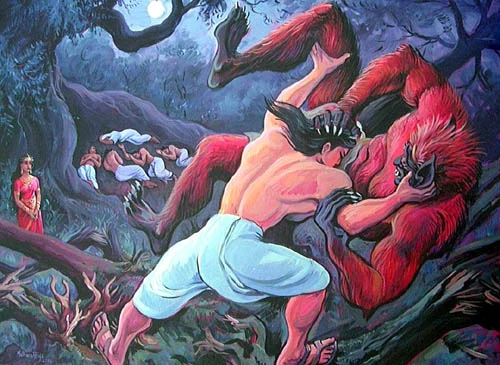
On their journey, the first to surrender to mortality was Draupadi. Bhima saw this first, and he couldn’t bear that. His love for Draupadi was profound; he was the one who loved her most.

He fiercely avenged her dishonour in the Kaurava court with blood. During their exile in the forest, Bhima diligently ensures Draupadi’s safety and comfort. How could we forget the Kichaka chapter from Mahabharatha? Even when Arjuna was hesitant, Bhima prioritised Draupadi. Even Bhima encountered Hanuman to fulfil Draupadi’s desire for a flower.


Bhima washing Draupadi's hair with blood (Image credit: insta/saptasarka)
Bhim washing Draupadi’s hair with blood (Image credit: insta/saptasarka)

Bhima collapsed, seeing Draupadi lying motionless on the earth. But the Pandava brothers knew they had to keep going. When others were walking, Bhima asked Yudhishthira, the wisest among all, ‘Why did Draupadi die? She did nothing wrong.’

Yudhishthira said, ‘Our journey is about more than just living and dying. We shouldn’t think too much about it. Draupadi was good, but she was only meant to come with us until here.’ Bhima said, ‘But she was our wife! She should always be with us!’ Yudhishthira calmly said, ‘It’s not up to us. What happened to Draupadi was because of what she did in her life.

Draupadi: Where Love meets Sin

Draupadi loved all five of us, but deep in her heart, she had a special place for Arjuna, the first one to win her heart. This natural inclination of her heart highlights the nuanced psychology of love and attachment in women. A woman, even if she is with many men, can deeply love only one. Maybe he was her first love, or maybe he was the one who made her wet for the first time or who offered her a shoulder in her darkest hours.

Yudishitra, Wisest among the Pandava Brothers
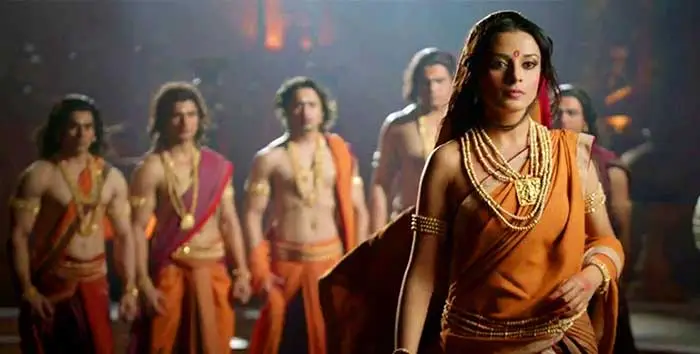
Draupadi with Pandava brothers (Image credit: Hotstar)

Bhima, Draupad’s sin was her lust towards Arjuna, but remember, she was noble and righteous, and that’s why she could travel with us this far. I understand your deep feelings for her. You have always protected her. Only Arjuna could truly win her heart, beyond her physical being. And for the four of us who came after, she never denied us fairness and love. She never showed dislike or boredom for our sake. Draupadi was like a goddess! let’s move on, Bhima.’ 

The Downfall of Sahadeva, Nakula, and Arjuna

During their ongoing journey, Sahadeva was the next to die, followed by Nakula. Yudhishthira explained to Bhima that Sahadeva’s pride in his wisdom and Nakula’s pride in his beauty were their downfalls.

Then, it was Arjuna’s turn. He also surrendered to Yama, the god of death. Bhima again asked Yudhishthira why. Yudhishthira said, ‘Arjuna once vowed to defeat all enemies by himself. This boastfulness and wrath, along with his envy, were his sins. That’s why he couldn’t continue the journey.‘ Then they continued walking

Losses Along the Way: Fall of a Gentle Giant

When Bhima was about to fall, he asked Yudhishthira, ‘Elder brother, I am about to fall. What’s my fault?’ Yudhishthira replied, ‘Bhima, you are dear to me. But your pride in your strength and your love for food (gluttony) were your downfalls.‘ Yudhishthira continued his journey alone, as his brothers’ deaths did not stop him.

Bhima Fighting against Asur

At Heaven’s Gate: Righteous Among Pandavas

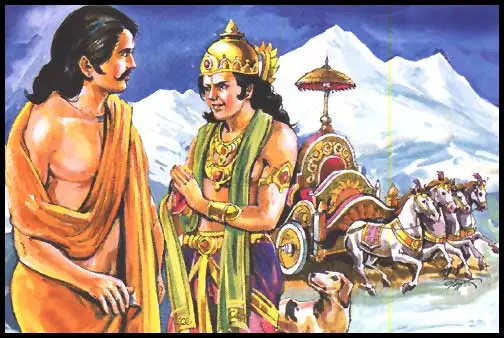
From the day they left Hastinapura, a dog had been following the Pandavas. Even as others fell during the long journey, the dog stayed with Yudhishthira. When Yudhishthira reached his destination, the gates of heaven were ready to welcome him. Indra arrived in his chariot and said to Yudhishthira, ‘Climb into the chariot! There is no one in heaven more worthy than you to join us. Don’t hesitate, Yudhishthira, come with me!

Yudishtira and Indra

Yudhishthira told Indra, ‘I’m not completely happy with this blessing you’ve given me.’ ‘What? You don’t want to go to heaven?’ asked Indra. Yudhishthira replied, ‘No, Lord! The Pandavas and Draupadi started this journey together. They all died on the way, and I don’t even know what happened to them. Going to heaven alone will bring me more pain than joy. My brothers are my life, and Draupadi is part of our soul. Please tell me where they are now.’Indra smiled and said, ‘Yudhishthira, the world has never seen a brother as loving as you. You often seemed weak because of your love for your family. Is this really commendable? Is it that hard to let go?‘ Yudhishthira, with a lifeless smile, replied, A person without love for his dependents doesn’t deserve to live on earth. My love for my brothers and Draupadi is beyond my senses. Please help me!

Indra told Yudhishthira, ‘Your brothers and Draupadi were good people. They have already reached heaven after leaving their bodies behind. But they did not have the greatness you have, so you are allowed to enter heaven while still alive. Climb into the chariot. You can trust my words.’ Yudhishthira responded, ‘I have one more request.’ Indra looked at Yudhishthira sceptically.

Yudhishthira’s Conflict of Heart and Duty

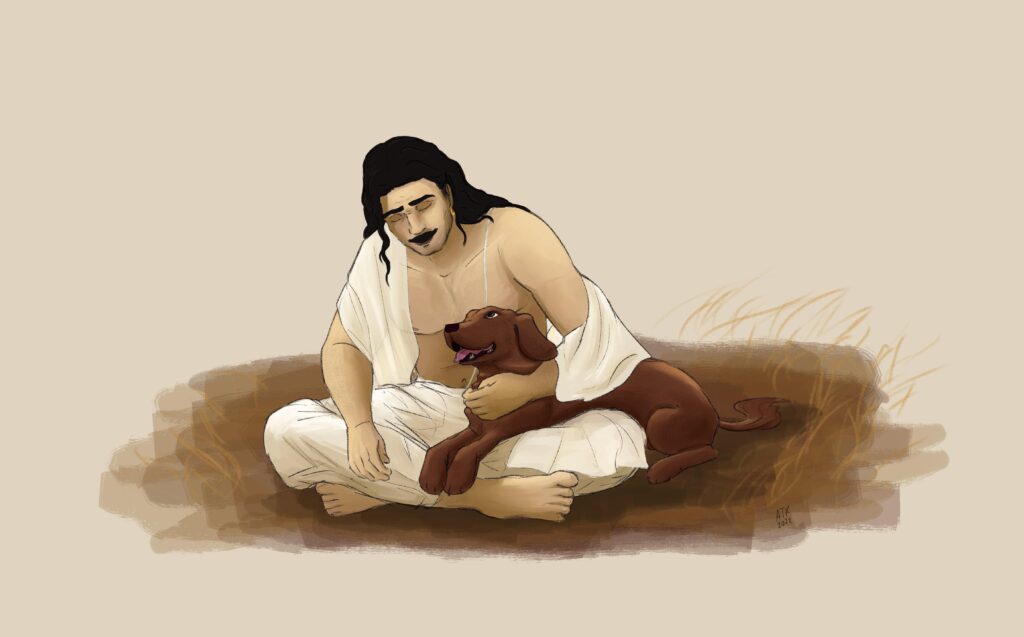
Yudhishthira said, ‘I cannot abandon this dog that has been with me until the end of my journey. Please let it come with me on the chariot.’ Indra laughed a little and said, ‘You know that dogs cannot enter heaven. Yet, you insist on this worthless animal.’

‘No! Lord Indra, go ahead without me. This dog will always be with me. If I leave this dog behind, all my good deeds for heaven will be worthless. I will never abandon those who depend on me!

Indra said, ‘You left your brothers and Draupadi on the way. Do you care more for this insignificant dog?’ Yudhishthira replied, ‘My brothers and Draupadi died along the way, and I couldn’t bring them back to life. But this poor animal is still alive and has been with me through this long journey. I cannot abandon it.’ As Indra looked at Yudhishthira with compassion, the dog transformed. It was Dharma Deva, the god of death, who had followed him in the form of a dog. He said, ‘Son, your compassion has filled me with pride. You have passed a test beyond ordinary trials. The world will praise you as Yudhishthira, a name synonymous with dharma. Your words and actions have always been rooted in righteousness, and you have never strayed from this path. Go with Indra.’

Yudhishthira boarded Indra’s chariot, and they soared through the sky, eventually reaching heaven.

The Celestial Reunion of Pandavas

He entered heaven and saw Krishna sitting on a majestic throne, with Arjuna beside him. They stood up and joyfully welcomed Yudhishthira. He found Karna among the twelve Adityas and bowed to him. Karna smiled and welcomed his brother. Bhima was among the Maruts, Nakula and Sahadeva were near the Ashwini Kumaras, and they all greeted Yudhishthira with respect. Draupadi, shining like a bright star, was there with their five sons. They all bowed to Yudhishthira. He saw Drona blessed by Brihaspati and Bhishma seated among the Vasus, to whom he bowed. Duryodhana, smiling on a special throne, stood up to honour Yudhishthira. In heaven, there is no enmity. Duryodhana, having died a heroic death and fulfilled his duties well, had earned a special place in heaven. (Even Yudishtira did a minor sin and he faced some challenges at Heaven, but we skipped that part since it’s too long for this)

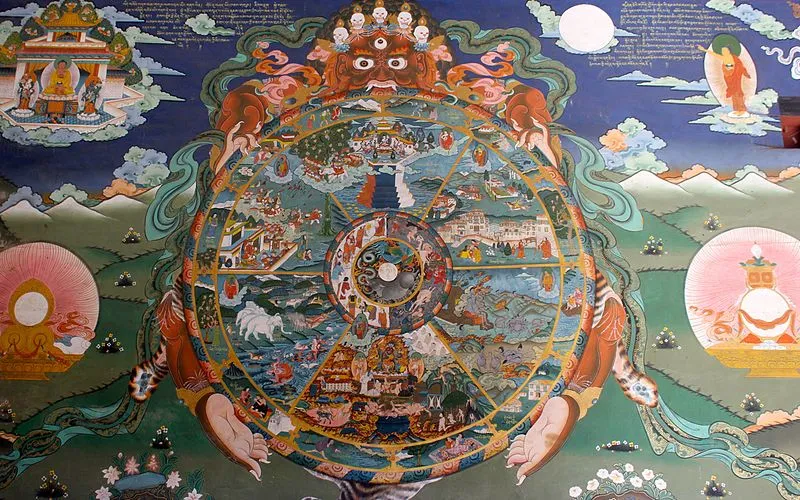
Bhavachakra describing the cycle of saṃsāra
Bhavachakra describing the cycle of saṃsāra

Beyond Myths: Love, Loss, and Life’s Eternal Lessons

The reunion with his brothers, Draupadi and Duryodhana, each radiant in their own right, symbolised the eternal cycle of life, death, and redemption. So, this story might be more than just a myth because it reveals a timeless truth: Draupadi’s quiet love for Arjuna, even as Bhima loves her deeply, shows us how complex our hearts can be. It tells us that even wise and strong people like Yudhishthira struggle with letting go of those they love. Finally, it tells us that, in the heart of forgiveness and empathy, lies the true path to liberation, the Moksha.

For more stories and articles. click here.

The Secret Of Happiness: Mitchell Marsh & World Cup

What’s the secret of happiness? Let’s learn from Mitchell Marsh and his super cool World Cup celebration.

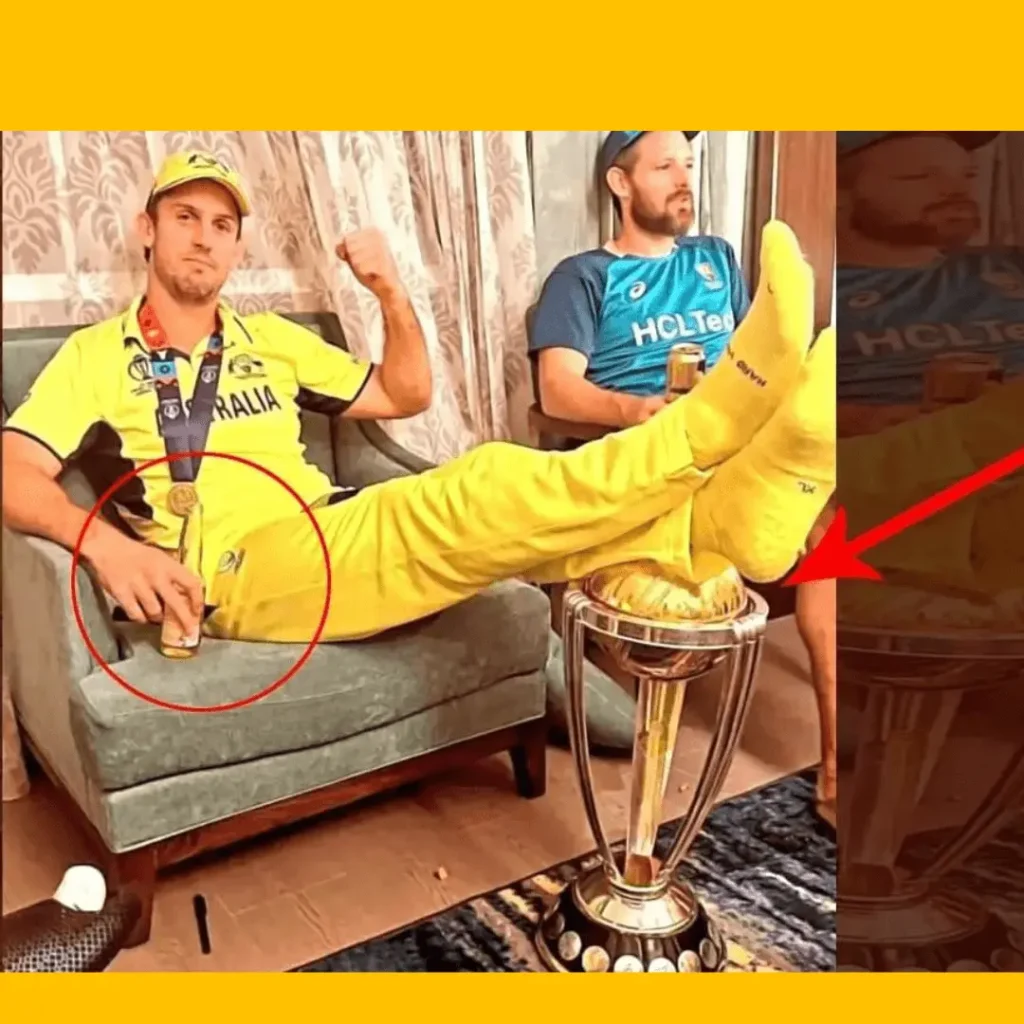
If I were to choose a single image that encapsulates the essence of this World Cup, my finger would point unhesitatingly to this particular scene. It’s the picture of the young Mitchell Marsh, his foot triumphantly planted atop the World Cup trophy. The fact that it was Pat Cummins who shared this moment with the world is far from coincidental 😉

Mitchell Marsh with the world cup trophy
Mitchell Marsh with the World Cup trophy

For many, it might be arrogance or direspect, but in my perspective, Mitchell brought a philosophy echoing the very thoughts and actions of Buddha himself. This philosophy, known in English as ‘Detachment’, embodies ideas of dispassion, disillusionment, and liberation from entanglements. The epitome of this concept, in its most tangible form, was achieved by Buddha in the name of Nirvana & Hindu saints and Jaina aints in the name of Moksha‘.

The Zen of Victory: Mitchell Marsh’s World Cup Philosophy

Osho Rajneesh, Ramana Maharshi, and various Jain saints have extensively spoken about this philosophy. However, Mitchell Marsh, through a single act, illuminated this principle in its most tangible form. Every achievement, whether it’s winning the World Cup or an election victory, is transient.

The essence here is the concept of detachment and the transient nature of events and achievements. Mitchell Marsh’s act is a powerful embodiment of this, showcasing that even significant victories like the World Cup are just fleeting moments in the grand scheme of life. I remember a Zen Buddhist story that may connect this better.

The Tale of Two Monks: A Lesson in Non-Attachment

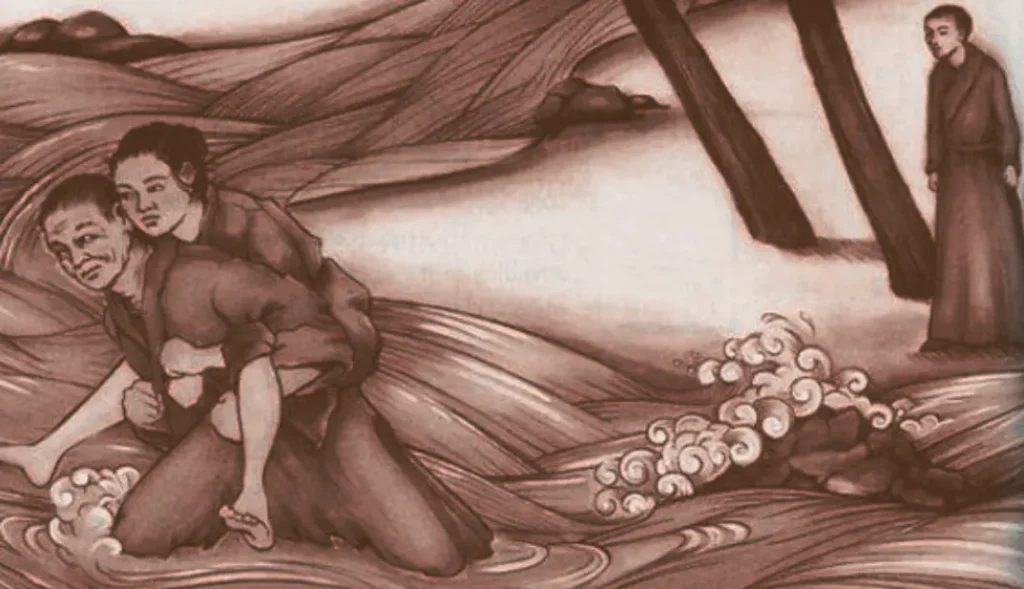
Two monks, one older and one younger, are travelling together. At one point, they come to a river with a strong current. As they prepare to cross, they meet a young woman who is unable to cross by herself. The older monk offers to carry her across on his back, and she gratefully accepts. After he safely delivers her to the other side, they part ways.

Image from a textbook

After some time, the younger monk questions the elder: ‘Was it right for you to carry that young woman on your shoulders?‘ To this, The older monk replies, “I put her down on the other side of the river. Why are you still carrying her?”.

Cultural Misinterpretations: Respect vs. Detachment

On Sunday, Mitchell Marsh was in the role of this older monk. By declaring the World Cup trophy merely a cup after the victory, he precisely and subtly communicated to us the impermanence of both triumph and defeat. It’s a profound lesson in how fleeting both success and failure are.

Image of Mitchell Marsh shared by cybersanskaris

There are those who criticise this scene. They see placing a foot on the World Cup as disrespectful. These are the same people who do not hesitate to remain silent in the face of blatant injustices. They forget that respect is a feudal value, heavily overshadowed by hierarchy. In their view, certain actions, even symbolic, are unacceptable breaches of decorum, ignoring the deeper symbolic messages such actions might convey.

Practising Detachment: Insights from Mitchell Marsh

You might be thinking that this sounds like actor Vijay fans decoding the brilliance behind the popular Tamil movie Leo. Let me tell you, the base of this interpretation is an interview from Mitchell Marsh.

Mitchell Marsh Interview

In it, Mitchell mentions that he has been training with a psychologist to navigate life, focusing on how to become detached from outcomes. ‘Detachment’ is the key concept Mitchell emphasises. This concept echoes Lord Krishna’s teachings in the Bhagavad Gita about acting without attachment to the results. I cannot recall another recent instance where the profound teachings of Buddha or lord Krsihna have been so effectively put into practise.

Feudal Mindset & The Philosophy of Detachment

Our leaders, superstars, and celebrities should all take a leaf out of Mitchell’s book. His approach is a guiding finger to those who revel in the shadows of egoism. Let’s take a closer look at Kerala.

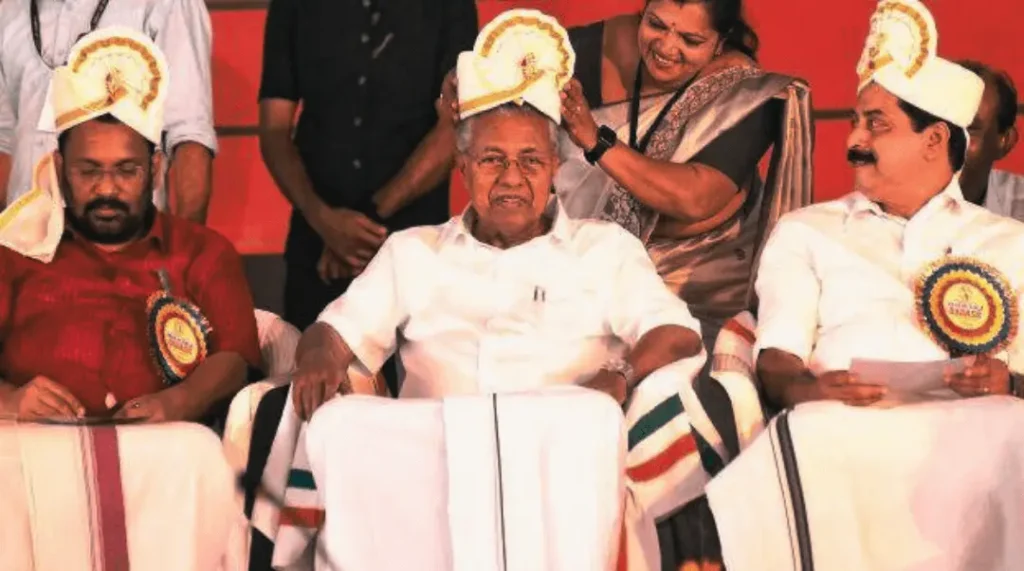
Here, politicians act like royalty, with only the VIPs having access to the Chief Minister and ministers. Bureaucrats often wield their power for personal ego and vendetta, rooted in their attachment to power.

Kerala Chief Minister in a public outreach programme

Look at our hon.PM Narendra Modi, If he goes to great lengths to maintain his power, it’s not surprising. He has been in power since 2000, and detachment from such a long-held position is no easy feat.

Reflecting on ourselves, can we detach from our past, from our achievements? If it were a yes, we wouldn’t have celebrated Arjun Reddy or Kabir Singh, and we wouldn’t have played so many Lofi songs. Letting Go is a skill that we all should gain.

Most of us bask in the glory of our past successes or failures, but true happiness and growth lie in moving on. Growth happens when you let go. This is especially relevant in a society where maintaining status and power often becomes an end in itself. If we can learn to detach, to let go of these attachments, we can find not just individual contentment but also create a more balanced and equitable society.

Live Love learn liberate
Live Love Learn Liberate

Detachment: Here lies the secret of happiness.
As I always say: Live to Love, Love to Learn, Learn to Liberate. This mission makes your life content.

Read more: Rohit Sharma: A Fiery Chapter in the Saga of Indian Cricket

Rohit Sharma: An Emotional Chapter of Indian Cricket

What makes someone a great leader? That’s the story of Rohit Sharma. How did he ace against the odds? Rohit’s journey is more than just about playing cricket.

It’s about never giving up and leading a team with heart. He was not a part of a winning team in 2011, from there to becoming a captain everyone looks up to, his story is full of feelings and hope. 

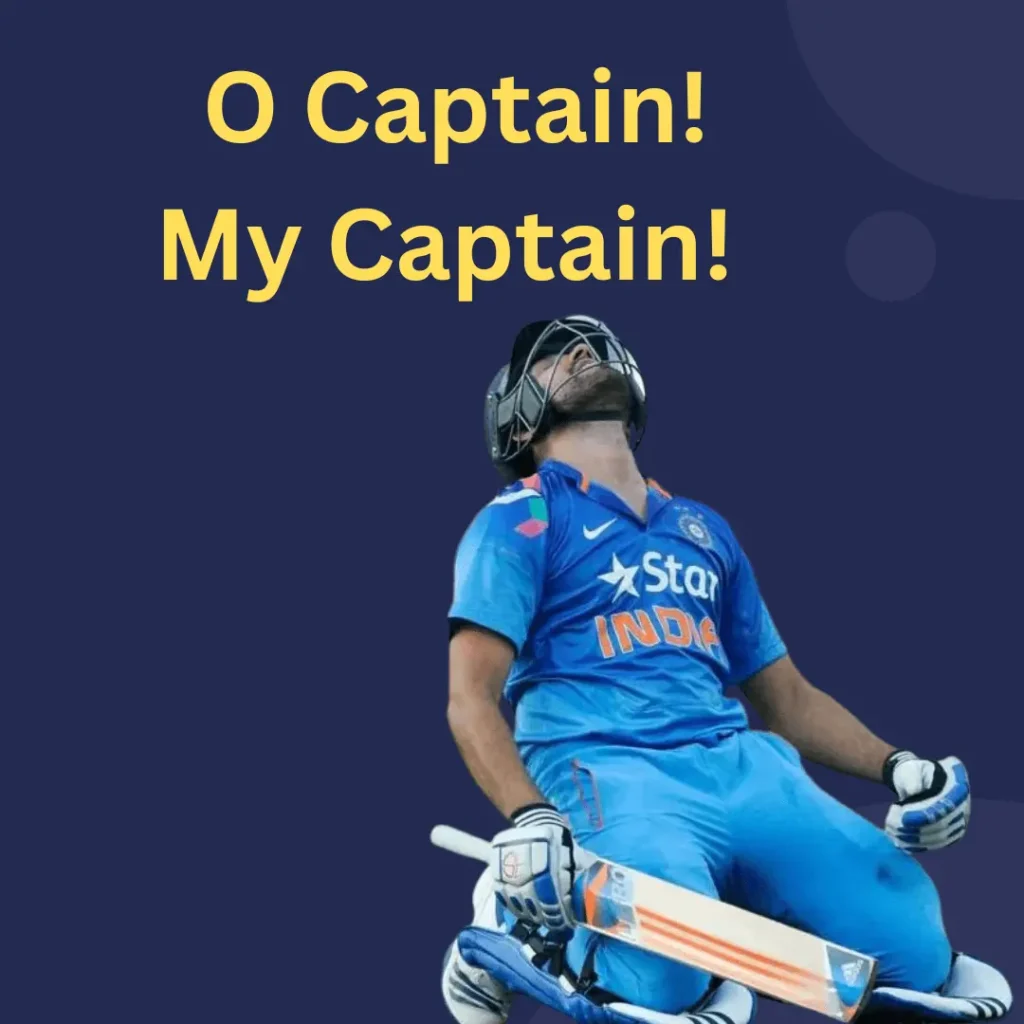
Rohit Sharma: (Quote: Dead Poet Society)

The Legacy

In the legacy of Indian cricket, two names have been etched in golden letters for their remarkable leadership in clinching the World Cup – Kapil Dev and Mahendra Singh Dhoni. 

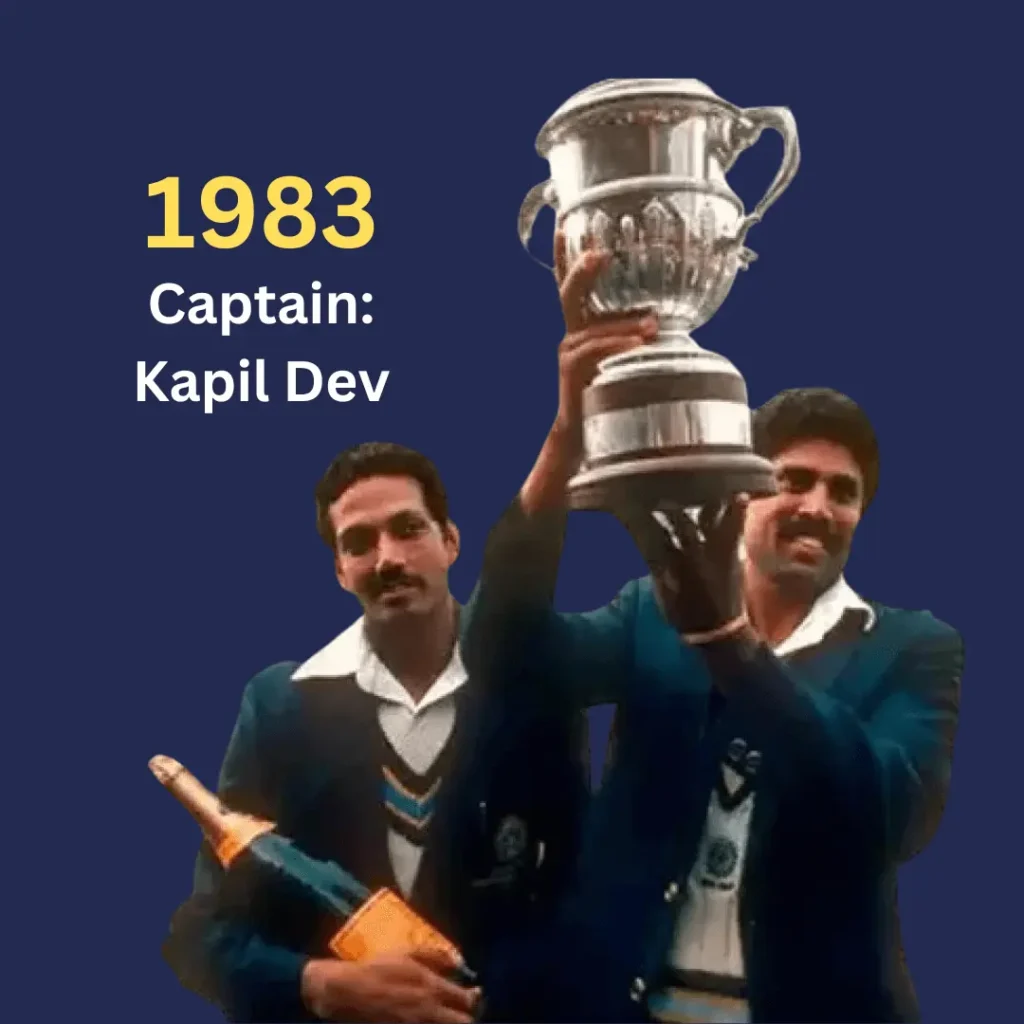
Kapil Dev, leading the charge in 1983, heralded the rise of the Indian cricket team on the world stage, marking a historic victory that was nothing short of a fairy tale. 

Kapil Dev

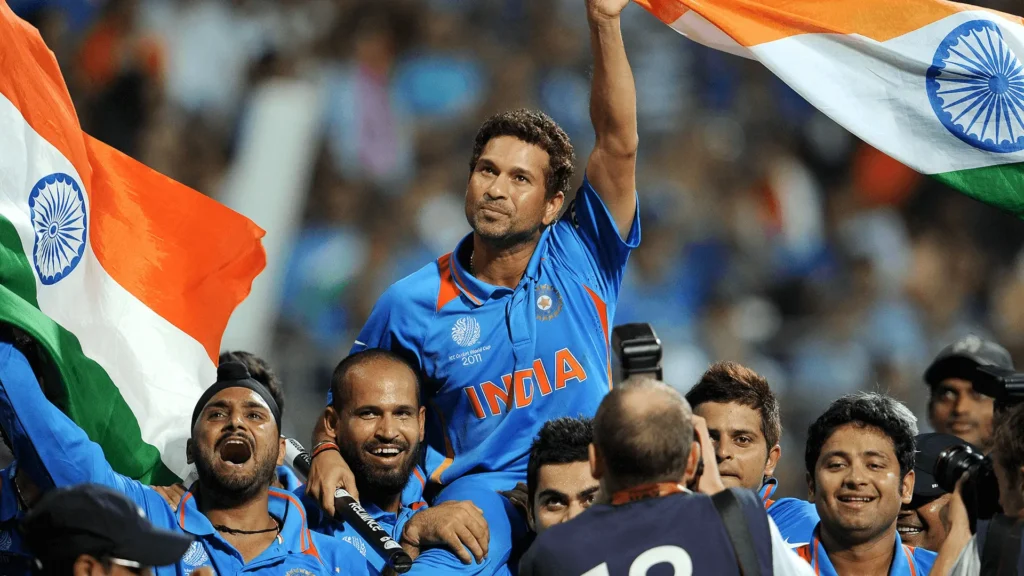
Then, the long wait for glory ended in 2011 under the cool captaincy of MS Dhoni, a man from Ranchi who redefined leadership and brought a new era of dominance in Indian cricket. It was a moment that completed the journey of a legend, the God of cricket- Sachin Tendulkar, fulfilling his lifelong dream of winning the World Cup.

Sachin Tendulkar
Sachin Tendulkar from 2011 World Cup Final

Setbacks to Stepping Stones

In 2011, Rohit had a burning desire to be part of the World Cup team, but fate had other plans. Despite his eagerness and potential, he was left out of India’s squad for the World Cup. How he endured that night as a 23-year-old, filled with dreams yet faced with rejection, is something only he knows.

At the peak of his disappointment, Rohit might have penned down his feelings, possibly as a way to process and overcome the deep sense of letdown.

“Forward, Always Forward, Forward with More Strength”

Rohit Sharma didn’t just stop there. His experience was not merely about deep sorrow from loss. It was also a declaration that he refused to accept himself as a loser. His comeback was as stunning as his performances on the cricket field. It was as if he had donned the armour of a warrior when he stepped back onto the field. His approach to the game changed entirely.

Beyond Boundaries: Rohit Sharma’s Hitman Saga

Once he was set on the crease, there was no one as dangerous as him.
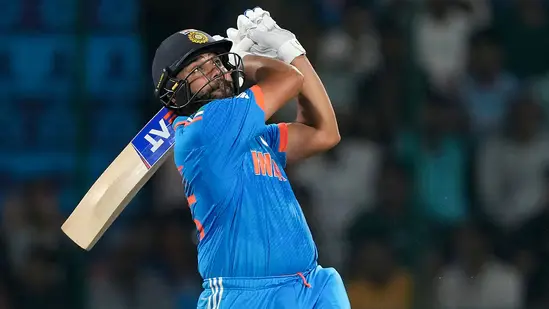
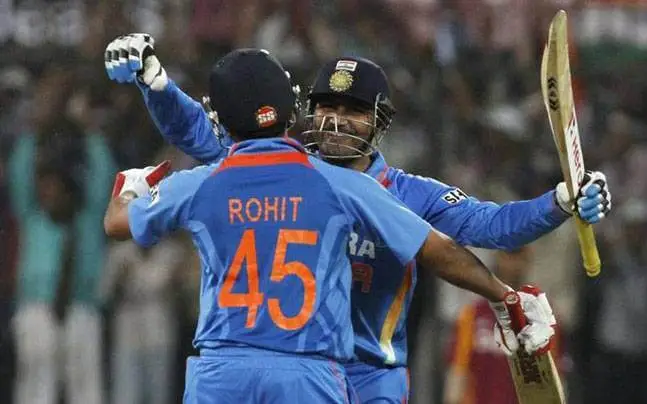
Rohit Sharma’s playing style always brings back memories of Virender Sehwag, especially his fearless approach. Like Sehwag, who would boldly go for a six even on 99, Rohit doesn’t seem to play it safe.

In today’s ICC World Cup Final 2023, Rohit’s innings of 47 runs echoed the same daring spirit as Sehwag’s. He plays like a selfless captain, focused on setting a strong foundation for the team rather than just chasing personal milestones. It’s this quality that sets him apart and reminds us of the fearless cricket that Viru played in the past.

Virendar Sehwag
Virendar Sehwag

But this doesn’t mean that he doesn’t have any milestones in his career, he rained records, including three double centuries, reshaping not just his career but also the history of cricket.

These years were not just significant for India but brought a change to the entire cricket world. Even in this World Cup, he set a record of sixes. He became the batter to hit the most sixes in ODI World Cups (54).

Leadership in Action: Rohit Sharma’s Defining Moments

In the 2019 World Cup, Rohit Sharma led the team with unparalleled valour, notching up five centuries. His leadership extended beyond the national team to the Mumbai Indians in the IPL, where he lifted the trophy multiple times. Rohit Sharma continued to rewrite history with each of these achievements.

Finally, his journey led him to captain the Indian team in all three formats of the game, a remarkable feat that speaks volumes of his leadership and skill. This story of determination and success found its latest chapter in the 2023 World Cup, showcasing Rohit Sharma as a figure of inspiration and resilience in the world of cricket.

Leading by Example: Rohit Sharma’s Captaincy Masterclass

In the 2023 World Cup, Rohit Sharma led from the front. From the very first ball, his strategy was clear: play aggressively. He ensured that the team got off to a strong start in the powerplay, setting up a good score early on.

Rohit’s leadership was evident in many matches, where his powerful beginnings energised the Indian team. What Rohit started, players like Kohli, Iyer, and Rahul completed, creating a spectacle of teamwork and skill.

Rohit Sharma aka Hitman

But Rohit’s contribution was not limited to his batting prowess. As a captain, he demonstrated remarkable decision-making skills. He skillfully rotated the bowlers, giving the team crucial breakthroughs.

His tactical fielding changes at critical moments were instrumental in swinging the momentum of the game. The 2023 World Cup was a testament to Rohit‘s deep understanding and effective leadership as the captain of the Indian cricket team.

Captaincy Beyond Batting: Inspirational Roots from Dhoni

The last time India reached the final before this was in 2011, a team Rohit Sharma couldn’t be a part of. That team, led by Mahendra Singh Dhoni, created history. Dhoni’s leadership fulfilled the hopes and dreams of a nation waiting for 28 years. Under Dhoni, India won its second World Cup. The final match against Sri Lanka is unforgettable for Indian fans.

The Winning Moment from 2011 World Cup Final

The iconic moment was in the 49th over, bowled by Nuwan Kulasekara. Dhoni’s six over the bowler’s head sealed the victory, a moment celebrated like no other in Indian sports history.

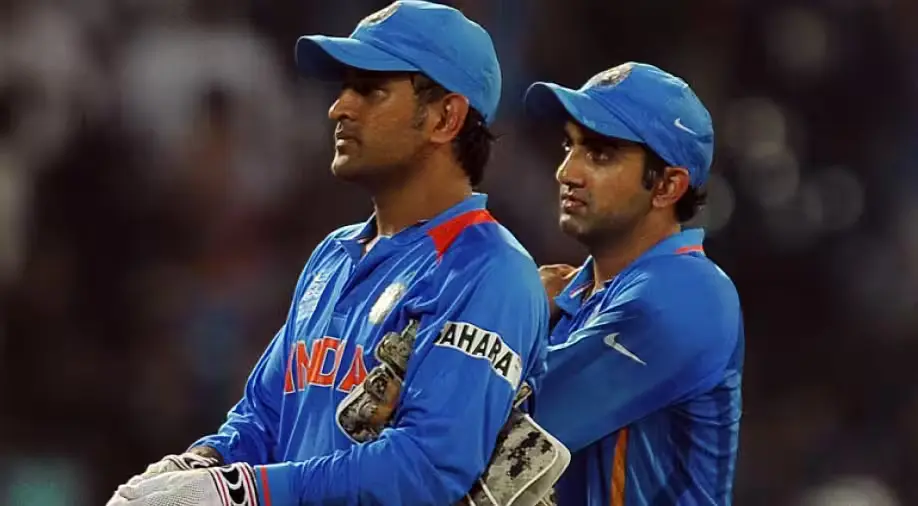
Gautam Gambhir &  M S Dhoni
Gautam Gambhir & M S Dhoni

At one point, the team faced a tough situation, but it was Gambhir and Dhoni who rescued India. Dhoni was not only the captain but also the star of the match. His leadership and performance under pressure were instrumental in bringing the World Cup home, creating an unforgettable chapter in Indian cricket history.

https://www.youtube.com/watch?v=W_yWeDBSuGg&ab_channel=CricketHit
Gautam Gambhir Innings

Even though Dhoni wasn’t in top form throughout the tournament, he made crucial decisions in the final and other key matches that saved the team. It’s always been like that with him. His reputation as one of India’s greatest captains isn’t unwarranted. Dhoni’s achievements are not limited to leading India to victory in the 2007 T20 World Cup and the 2011 ODI World Cup. He also led the team to win the 2013 Champions Trophy.

DaDa’s Legacy & The Unforgotten Dream

Before Dhoni, it was DaDa who paved a new path for Indian cricket. In 2000, when Indian cricket was shaken by betting scandals, Ganguly took up the challenge of leading the team. It was a time when even God of Cricket- Sachin Tendulkar, hesitated to take on the captaincy. The Prince of Kolkata stepped up to revive the Indian team, leading fearlessly and bringing back the lost faith of Indian cricket fans. For Ganguly, the team was always more important than individual achievements. He trained his players to fight for a common goal, giving them the necessary support and confidence.

Sourav Ganguly & M S Dhoni

Under his leadership, the team he built reached the final of the 2003 World Cup. However, fate had it that they would lose to Australia. But the journey to that final and the spirit Ganguly instilled in the team remain unforgettable. His legacy is marked by his ability to unite and inspire a group of players towards a collective dream.

Beyond the Trophy: Rohit Sharma, Beloved Captain

The latest hero of this destiny is Rohit Sharma. After the semi-final match against New Zealand, which witnessed Virat Kohli’s fiftieth century and Shami’s seven-wicket haul, former England cricketer Nasser Hussain commented on the game.

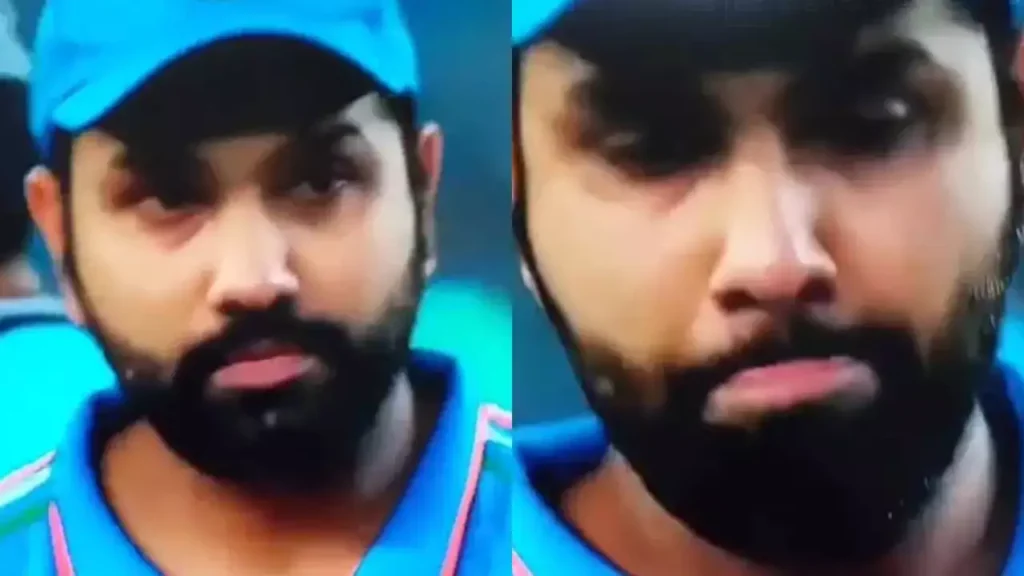
Rohit Sharma after 2023 ICC World Cup Finale

Tomorrow’s headlines will probably be about Kohli, Shreyas Iyer, and Shami. But the real hero of this Indian lineup, the man who has transformed the Indian style, is Rohit Sharma.‘’ –

Nasser Hussain (Former England Captain)

At this moment, watching Rohit Sharma, a line from the ‘Dead Poets Society’ resonates deeply within me: ‘O Captain! My Captain!’

For more stories and articles, click here.

Hostar’s Masterpeace: Symmetry and Satire

Sreejith N’s Malayalam web series ‘Masterpeace’ on Hotstar looks like a homage to Wes Anderson.

In the cinematic world, few directors have mastered the art of visual storytelling quite like Wes Anderson. With every frame crafted like a painted canvas and a color palette that capture your eyes.

Anderson’s films are a feast for the eyes and the heart. Don’t you remember ‘Amen’ by LJP filled with quirks, emotions, and political undertones. That’s another example of Wes Anderson style for those who are not aware of this brilliant maker.

This rich element of Wes Anderson’s visuals and narrative brilliance is the highlight in director Sreejith’s latest Malayalam web series, Masterpeace. Compared to Sreejith’s previous flick, ‘Oru Thekkan Thallu CaseMasterpeace is a different experiment inspired by Wes Anderson style of storytelling.

Brief About the ‘Materpiece’

‘Masterpeace’ is a story about a young married couple, Riya and Binoy. They live in Kochi and have problems in their marriage. When they fight, their parents come to their home to help. But, the parents have their own ideas and want to be in charge. The show is satirical sprinkled with some serious moments. Most of the story happens in one day, inside Riya and Binoy’s flat.

Masterpeace Trailer

Religion, feminism, Liberalism, Dowry, Gender Neutrality, Male chauvanism, Intolerance, LGBTQ+, stereotyping of people & even Nityananda swami 😉 . The list is long and never ending, I believe, you will find at least one one-liner from all these topics in a satirical way.

Why You Should Watch This:

A Masterpeace ‘Visual Treat’

As I said in the beginning, that Wes Anderson style is the biggest plus here. Masterpeace is beautiful to watch. The homes, the colours, and the objects in the series are chosen carefully. They make every scene look like a painting, and every artist on the screen looks like a caricature in that canvas.

The series has a special style, you can find a symmetry in every frame just like the way writer Praveen crafted ultra-dramatic characters and Understated or muted characters in every events.

A Unique Story

The series gives a close look at Indian families and how they deal with problems. It’s not just about a couple’s fight, but about how older family members try to solve things their way. This drama gave you some high hopes and entertainment value in the first three episodes.

Humour and Drama

There are many funny moments in the series. These moments feel like they are taken from real-life situations in many typical Mallu families. It will remind you of some family gatherings and personally I felt like it’s laughing riot especially for those who have some ultra orthodox family members.

Director Sreejith made a great comeback with this quirky satirical experiment.

What Could Have Been Better?

Length: While the series starts off exciting, it becomes long. There are five episodes, and each episode is more than 30 minutes. Some parts of the story feel repeated and could have been shorter or edited.

Repetitive Themes: The series with some frsh approaches on how older people behave and how their orthodox views contradict with the neo-liberals. But, after some time, it feels like the same things are shown again and again.

Narration Gaps: Sometimes the voice-over in the series was confusing and slow down the narration. I wondered why it was even there.

A Masterpeace Performance From Ashokan

The series centering around six characters and my biggest entertainment was Ashokan, he will makes you laugh a lot. He hasn’t acted in big roles for some time, but he made a comeback similar to what lalu Alex did in Bro Daddy. 

Maala Parvathi also acts very well as a mother who likes to be in control. These two artists make sure that you won’t abandon this show in midway.

Shanthi Krihna’s & Renji Panicker’s muted characters were overshadowed by the other ultra-dramataic characters in the movie.

The music and camera work in the series are also very good. The director, Sreejith, has made the series look beautiful and quriky. But, it would have been better if the episodes were shorter.

Read more movie reviews and stories here.

Human Interactions: Understanding the Lonely Wolf and the Social Butterfly

Today, I want to share a conversation I had with my good friend Venkat. He looked confused and asked me, “Akhil, how do you manage both networking and productivity together?” He made a good point: the most productive people—I call them “Lonely Wolves”—among us often work alone, while people who like to socialise a lot, “the social butterflies,” often focus more on taking breaks. Let’s understand the nuances behind human interactions here.

The Evolutionary Tale of the ‘Lonely Wolf’

Imagine the ‘Lonely Wolf’ as someone who’s skilled at their tasks, but deep down, there’s a fear that holds them back from social interactions. Think of it like being hesitant to jump into a pool. Most people want to try that, but they are scared of the consequences. Maybe they are scared of an accident.

Similarly, here the reason for this social distancing isn’t just that they’re shy or prefer being alone; it’s rooted in our ancient history.
In the old days, if you were excluded or rejected by your tribe or group, it was like being left out in the cold without a jacket. You were vulnerable to the elements and wild animals, making survival really tough.

So, being pushed out or ostracised was, in many ways, a death sentence. Our brains are always trying to protect us. Hence, our brain developed a mechanism that made social rejection hurt, almost as if it were physical pain.

Neurologically, when they think about initiating a conversation, their brain’s anterior cingulate cortex (responsible for detecting physical pain) activates, making the mere idea of a possible rejection daunting. This isn’t mere shyness; it’s a protective mechanism that’s years old.
Yet, once they establish a connection, their brain’s reward system gets activated intensely. The hormone oxytocin, responsible for bonding, is released in higher doses. It’s nature’s way of ensuring that once a connection is made, it’s deeply valued. Hence, they often form deeper attachments, valuing quality over quantity.

Historical Roots of the Social Butterflies

Throughout history, individuals who could quickly build rapport, create alliances, and foster relationships had advantages. They were the diplomats, the traders, and the village storytellers. Their strength wasn’t just in the number of their interactions but in the richness of the tales they carried and shared.

Neurologically, every interaction stimulates the release of oxytocin, promoting bonding, and serotonin, enhancing mood and self-esteem. But it’s not just about these chemicals. Their brains are wired to seek variety. Just as our tongue craves different flavours, their neural pathways relish diverse interactions.

Genes of: Social butterflies vs Lonely Wolves

For social butterflies, their brains have likely evolved to prioritise social feedback. The release of oxytocin and dopamine in response to social interactions is more pronounced, reinforcing their social behaviours. Just as some people have a sweet tooth and relish desserts due to evolutionary reasons (sweet usually meant nutritious and calorie-rich), the Social Butterflies have, metaphorically speaking, a ‘social tooth’. Their ancestors were likely those who thrived and survived due to their social adeptness, passing down these traits.

For Lonely Wolves: Their brain prioritises deep work and introspection. This might be due to a heightened activation of regions associated with focus and task-oriented behaviours. Their ancestors were likely the ones whose survival was ensured not by vast social networks but by their individual skills, deep thinking, or problem-solving prowess.

Nature vs. Nurture

While evolutionary and neurological factors play a significant role, one’s upbringing, personal experiences, and the environment can’t be ignored. A naturally sociable child, if repeatedly exposed to negative social feedback, might withdraw and exhibit ‘Lonely Wolf’ tendencies. Conversely, a naturally introverted child, when encouraged and provided positive social experiences, might develop more extroverted tendencies.

In essence, the disparity between ‘Social Butterflies’ and ‘Lonely Wolves’ can be viewed as nature’s way of ensuring that a tribe had both: individuals who could form quick social bonds and those who could delve deep into problem-solving. Both these traits had their unique evolutionary advantages, ensuring the survival and thriving of the group.

How do we bridge the gap?

For the Social Butterfly

  • The Art of Deep Conversations: Social Butterflies often flit from one topic to another. To add depth, they can practice active listening. It involves not just hearing words but understanding and interpreting them. Instead of preparing the next thing to say, truly listen. This leads to meaningful conversations that leave a lasting impact.
  • Scheduling ‘Me’ Time: A day, or even a few hours, reserved for self-reflection can work wonders. During this time, indulge in activities that promote inner growth – reading, journaling, or even a solitary walk. Embracing moments of silence and solitude can offer profound insights and a renewed sense of purpose.
  • Read: Books can be wonderful companions. They can offer the ‘Social Butterfly’ a world of knowledge while also teaching them the joy of solitude.

For the Lonely Wolf

  • Baby Steps: Social interactions don’t need to be grand gestures. Start small. Maybe a hello to a colleague, a smile to a stranger, or a compliment to a friend. Remember, every long journey begins with a single step.
  • Find Your Tribe: The ‘Lonely Wolf’ doesn’t need to fit in everywhere. They need to find their tribe – a group of like-minded individuals who share their passions, hobbies, or beliefs. When you share a common interest, initiating conversations becomes easier.
  • Seek Mentorship: One way to learn about the nuances of social interactions is to learn from someone who excels at it. A mentor can guide, providing insights into the art of communication and relationship-building.

In conclusion, the digital age, though complex, offers myriad opportunities for both the ‘Lonely Wolf’ and the ‘Social Butterfly’ to grow, learn, and bridge the chasm between them. While their innate natures are different, they can certainly borrow pages from each other’s books, creating a balanced narrative for their lives.

For more perspectives and thoughts, click here.