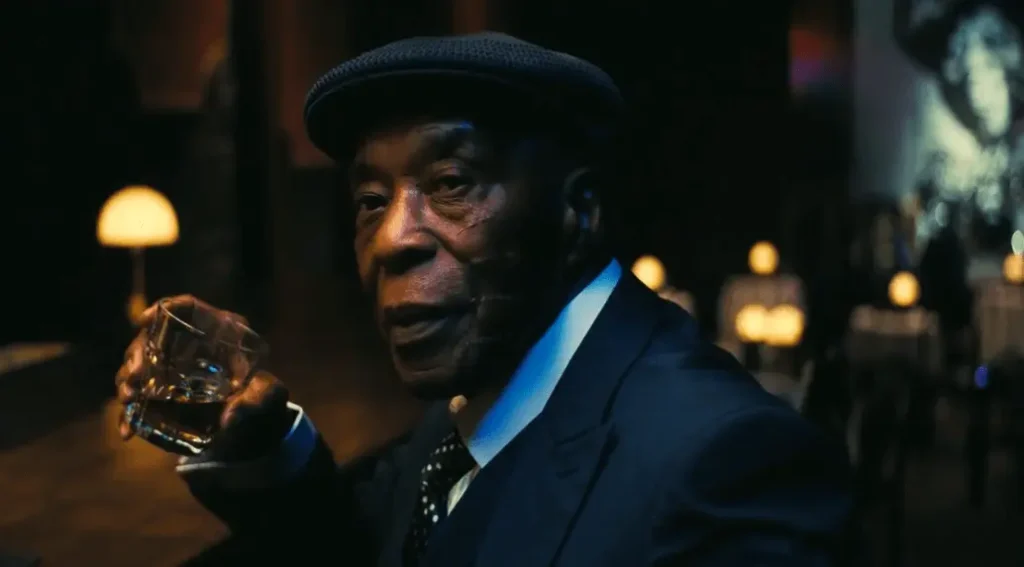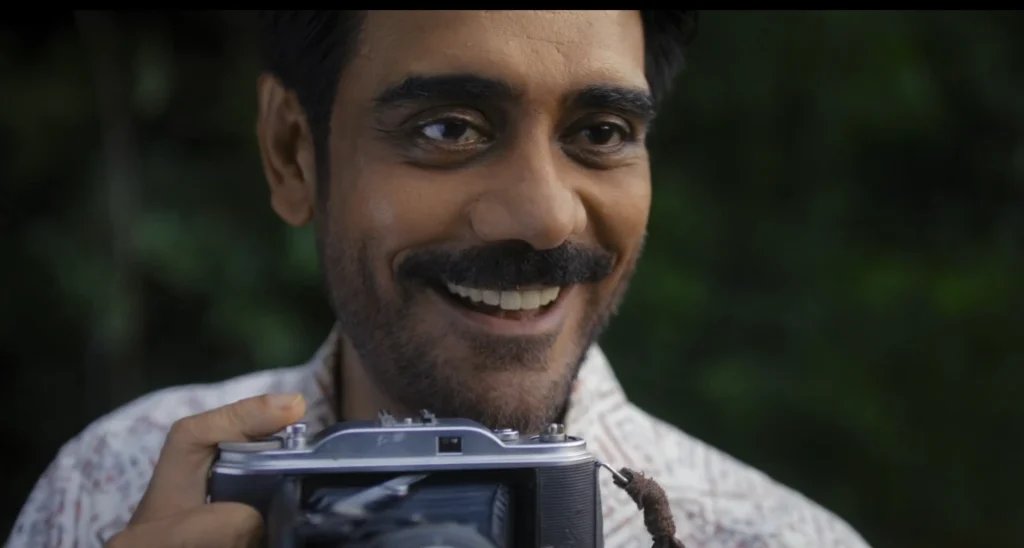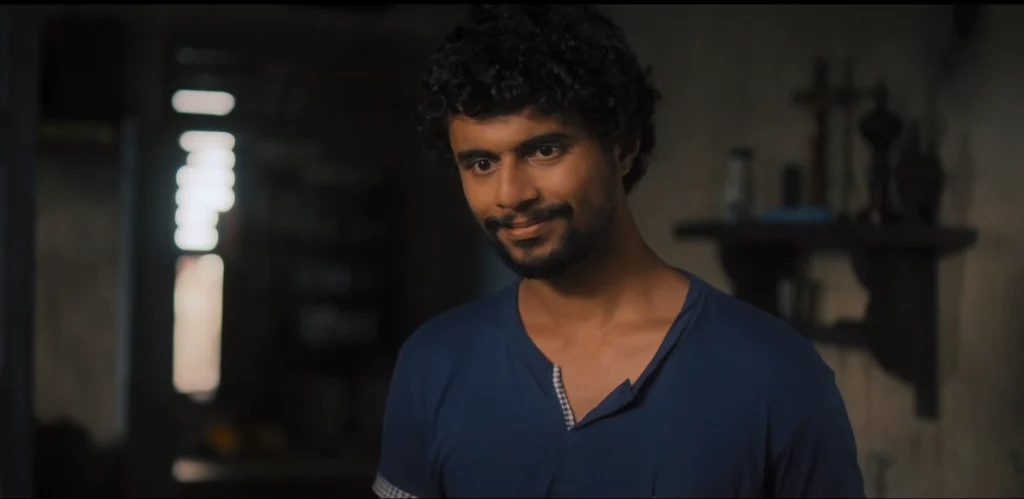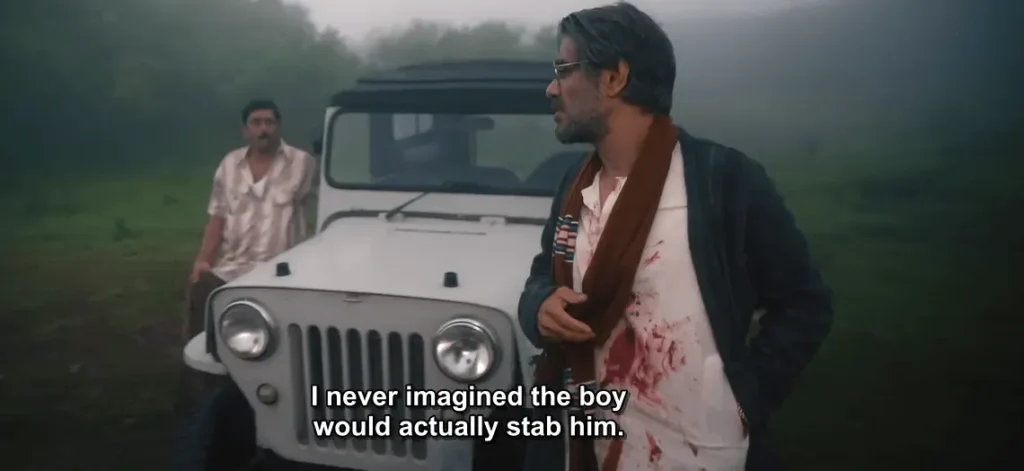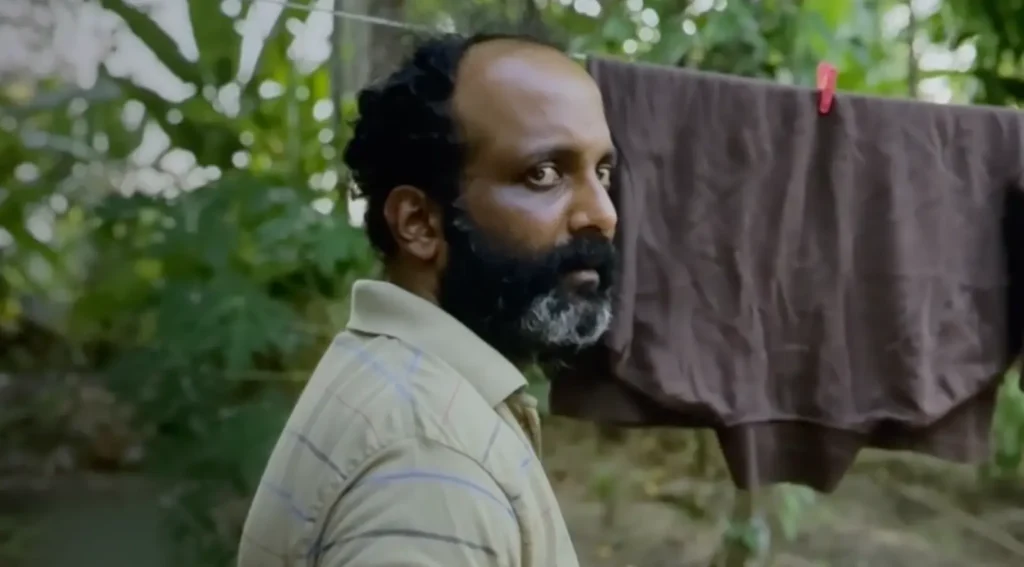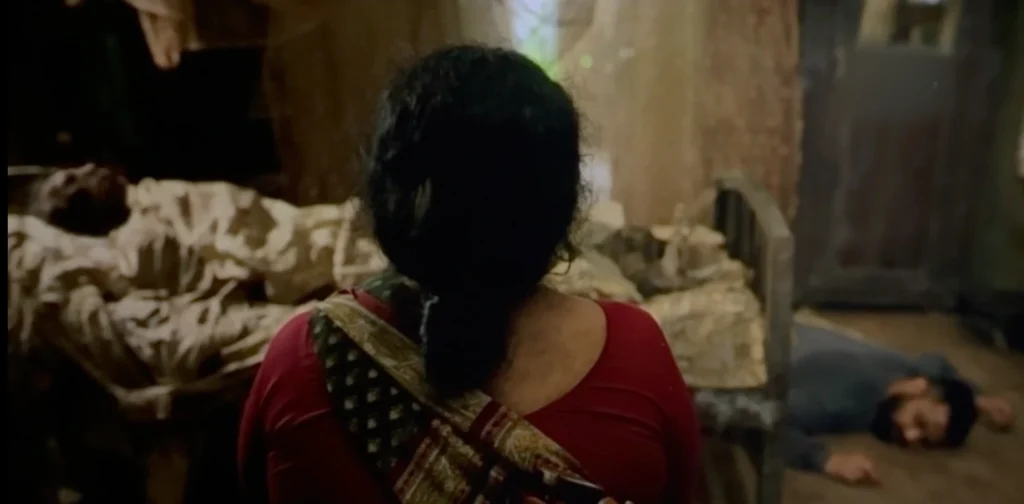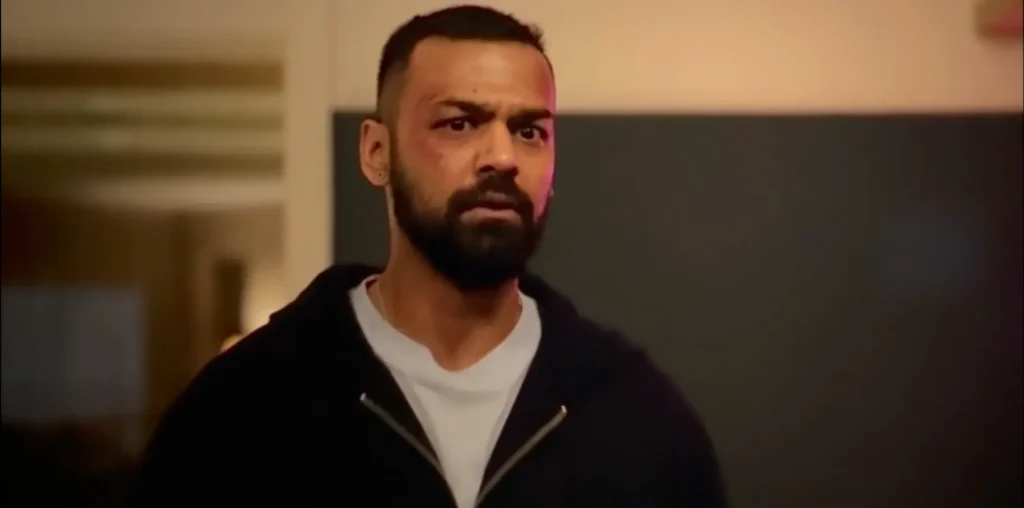
I’m in my early 30s. The age where life can look “fine” from outside, but still feel lonely inside. For me, all films are not for entertainment, some films entertain me. Some impress me. And then there are films that sit next to me—quietly—like a stranger on a morning metro, and somehow you end up telling them the truth about your life. That is what 8 A.M.Metro did to me. This is not a movie review, just sharing how I feel after watching 8 am metro directed by Raj Rachakonda, starring Gulshan Devaiah and Saiyami Kher based on Andamina Jeevitam by Malladi Venkata Krishna Murthy.

What the Film is Really About (not plot, the feeling)
Yes, the setup is simple: two married strangers meet on the Hyderabad Metro and build a bond through repeated, almost routine encounters. The film insists that not every man–woman connection must become romance, scandal, or tragedy—it can also become companionship with boundaries.
But emotionally, it’s about something more uncomfortable.
- It’s about how a life can look “settled” from outside… and still feel unsettled inside.
Job. Marriage. Babies. Routine.
Yet something feels slightly misaligned.
Like everyone is travelling daily.
But no one is really arriving.
- It’s about grief that never got closure.
Some grief doesn’t get a proper funeral. It’s half burned.
Like sudden morning rain — it ruins your mood and disappears before anyone notices. - Anxiety and trauma that hides inside ordinary things (like travel, crowds, noise)
You can be surrounded by hundreds of people and still feel like you are the only one there. That kind of loneliness is not easy. It is scary. - More than anything, the film is about the human need to be seen:
not desired or not judged, or not even looking for fixed. Just seen. Just see me and acknowledge it as it is.
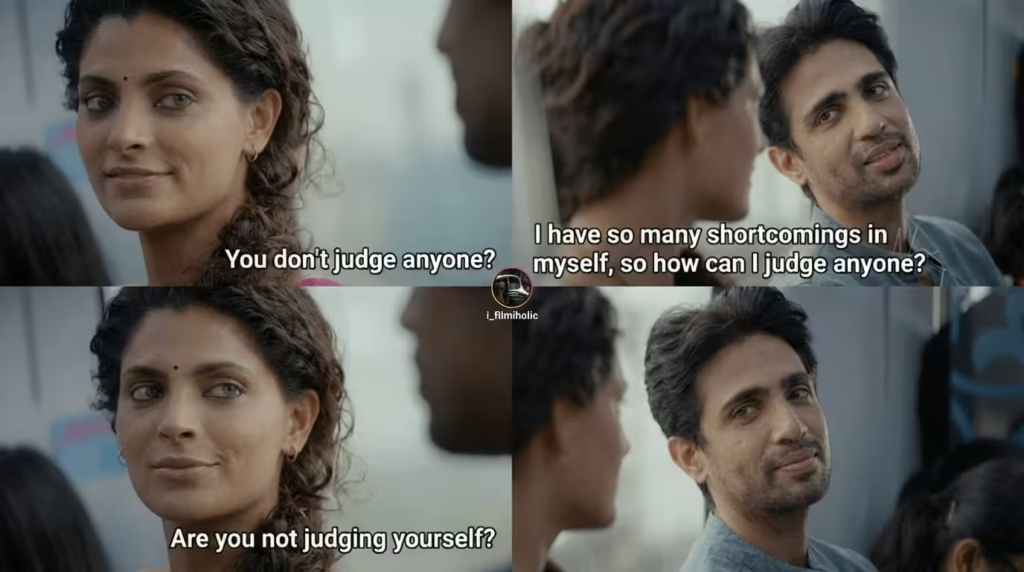
The film slows the metro down (symbolically) so two people can actually listen—not just talk, but listen to silences too. It’s asking you to stop scrolling and stay present, which is almost radical now.
Why It’s a Good Movie (but not a great one)
1) It treats “talking” as action.
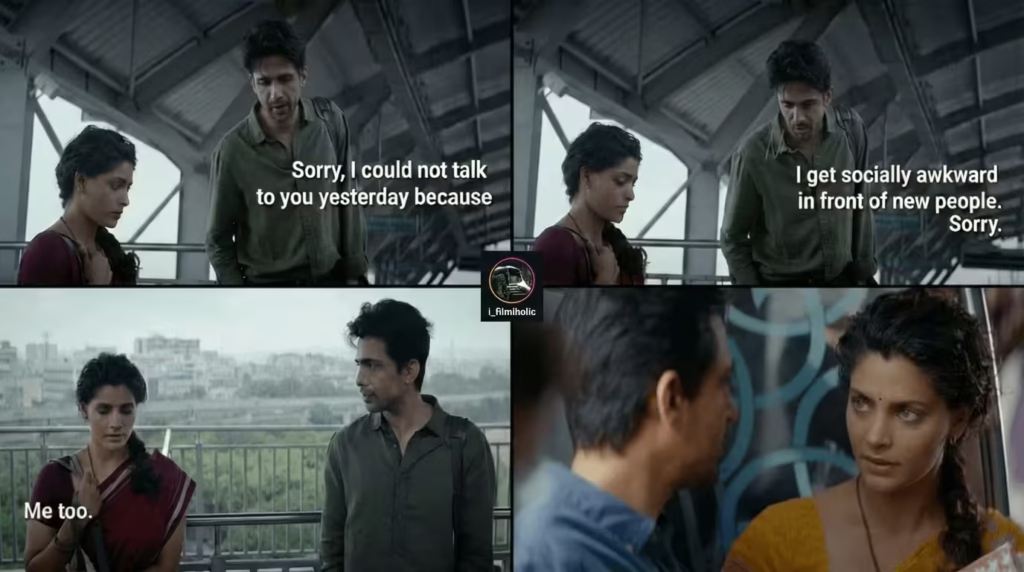
This is a dialogue-forward film where emotional movement happens through small revelations, not big twists. That’s why I felt the second half hits hard—the bond starts feeling earned, not forced
2) It makes poetry feel like therapy, not decoration.
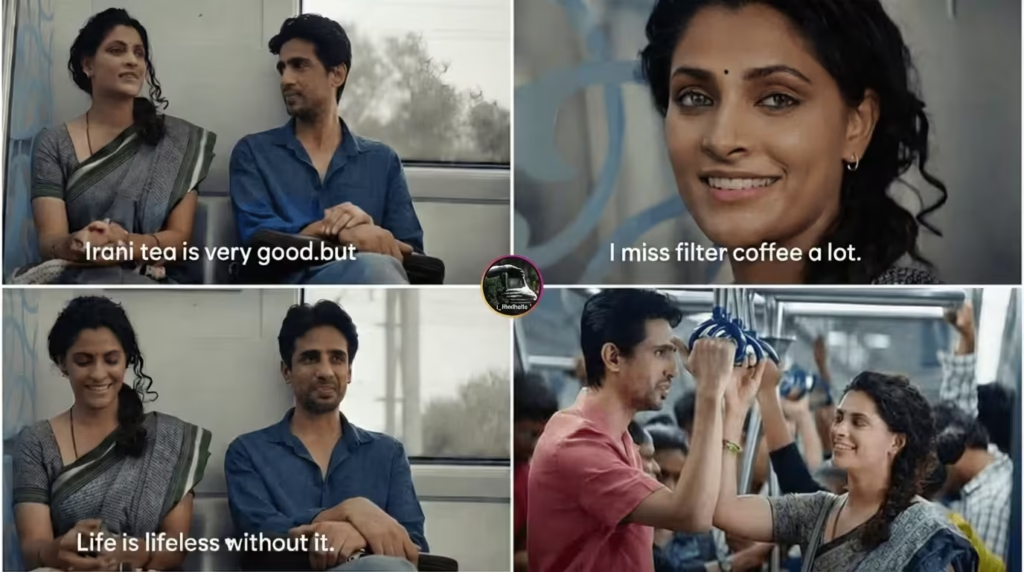
How do you feel when you listen to old Kathakali sangeetham?
Or read a Gulzar poem?You don’t fully understand it. But you feel something shift inside.
This film and its music gives the same feeling.
This can be considered as a homage to Gulzar’s poetry, with verse acting like a moodboard for the characters’ inner states—almost like the film is translating emotions into language when the characters can’t.
3) Gulshan Devaiah & Sayami carries real emotional complexity
There is an unevenness in the film, it may not be everyone’s cup of tea, but all might agree, Gulshan’s performance is pure lit.. Gulshan does much of the heavy lifting, giving Pritam a layered, emotionally complicated center. I couldn’t see Gulshan, I was watching Pritam.
Saiyami’s performance is the film’s second biggest strength. She plays Iravati like someone who has trained herself to stay “normal” in public, even when something inside is shaking. Her strength is not a type of that urban girl’s confidence—it’s control, restraint, and the slow way she lets that control crack.
What I liked most is how she makes small things feel big: the hesitation before stepping in, the way her eyes search for safety, the tiny relief when she realizes she won’t be judged. As the film goes on, she doesn’t suddenly transform—she returns to herself, piece by piece. That is hard to act without overdoing it, and she mostly gets it right.
Why It’s Good, Not Great (Where it falls short)
1) The craft is uneven (but the heart is solid)
Some scenes feel a bit staged. A few lines sound like they were written first and lived later. And the look can feel closer to a TV-drama than a cinematic world. But the film’s emotional idea is strong enough that you stay with it.
2) It runs longer than it needs to.
I can also see why some people may get impatient. The film moves slowly. Sometimes too slowly 😉 A slightly tighter runtime would have helped. A tighter runtime would have made the emotional beats hit cleaner, without repeating the same mood.
3) It pulls back when things get complicated.
The film hints at messy consequences—social, personal, moral—but it chooses softness over impact. That choice keeps the film gentle, but also stops it from becoming truly great.
So yes: good, not great. But what it achieves emotionally is rare enough that you forgive the rough edges.

The Deep Emotional Layers (The Psychology Under the Sweetness)
1) The Metro as a “Safe Middle Space”
A metro is neither private nor chaotic; it is structured, timed, predictable, and governed by rules, and that predictability quietly becomes the emotional container in which this connection can exist without collapsing into intensity or dissolving into confusion.
In real life, when everything feels unstable, marriage, grief, identity, expectations, our nervous system looks for rhythm, and something as ordinary as catching the 8 a.m. train from the same platform, entering the same coach, and standing in the same pocket of shared silence can become a regulating ritual.
Predictability, repeatability, and boring days give us safety. As you get old, the more you seek for that safety.
The film understands this deeply. It turns what is usually a mechanical commute into a psychological holding space, almost like therapy without calling it therapy, where repetition does not mean boredom but safety.
The metro, in that sense, is not just transport; it has rules, time limits, and exits, emotions don’t spill out uncontrollably. They stay held. And when emotions feel held, people can speak honestly without feeling exposed.
2) Why Strangers Are Sometimes Easier Than Family
With family, you rarely walk into a room as just yourself; you walk in as a role that has been assigned to you long ago — son, husband, responsible one, difficult one, silent one — and every conversation already carries old memories, past fights, unspoken expectations, and things that were never fully resolved but never fully forgotten either.
With a stranger, that weight is missing.
You are not defending your past or protecting your image; you are simply responding to the present moment, and that lightness makes honesty easier because there is nothing to lose and nothing to prove.
That is why their connection feels believable. It is not driven by attraction or drama, but by something quieter — the comfort of being heard without being evaluated.
Sometimes what heals us is not a medication or soulmate or science, but the steady presence of someone who listens without turning your vulnerability into a verdict.
And that steadiness is easier to give when you are not carrying someone’s entire history on your back.
3) Literature as a Lifeline, Not Elitism
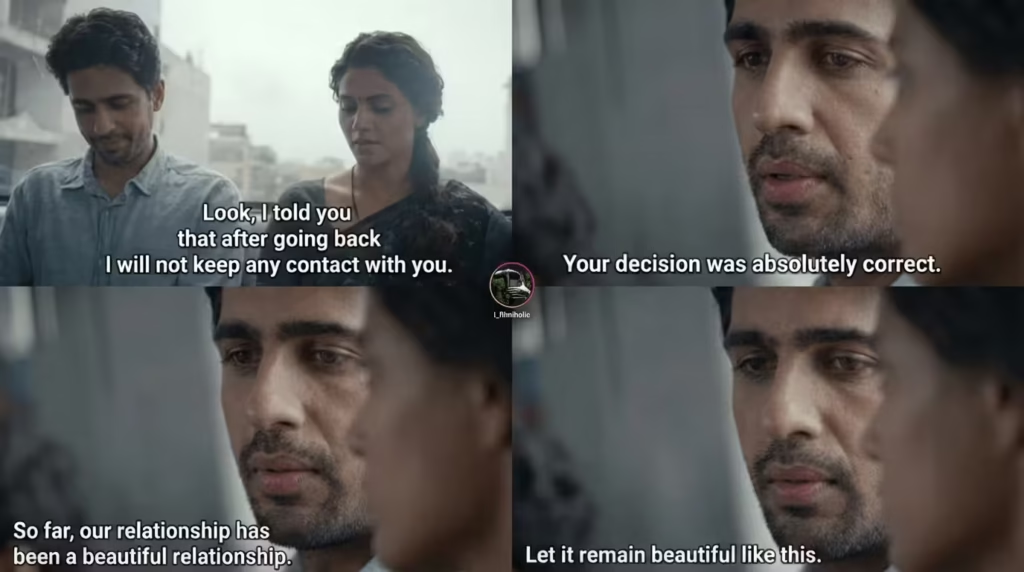
Pritam’s attachment to books and poetry could have easily felt like aesthetic posturing, but the film handles it with restraint, framing literature not as intellectual superiority but as emotional inheritance.
Pritam believes in books the way some people believe in prayers, while Iravati holds back, unsure whether words can really change anything, and slowly, through their conversations, the film begins to show how the loneliness of city life and the grief they never fully spoke about start surfacing in small, quiet ways instead of dramatic breakdowns.
What the film gently suggests is that sometimes words can do what even close relationships fail to do — they can sit with your pain without trying to correct it, argue with it, or turn it into advice.
A poem does not interrupt you.
A book does not tell you to “move on.”
It simply says, someone else has stood where you are standing now.
And sometimes, that is enough.
In that way, poetry is not decoration; it is scaffolding.
Why You Should Watch It
Watch 8 A.M. Metro if you want a film that:
- Treats kindness like something serious
- Shows adult loneliness without mocking it
- Makes friendship feel cinematic again
- Leaves you a little softer than before
Don’t watch it expecting speed, twists, or a tight “plot engine.” This is a slow-burning conversation movie. The reward is emotional, not narrative.