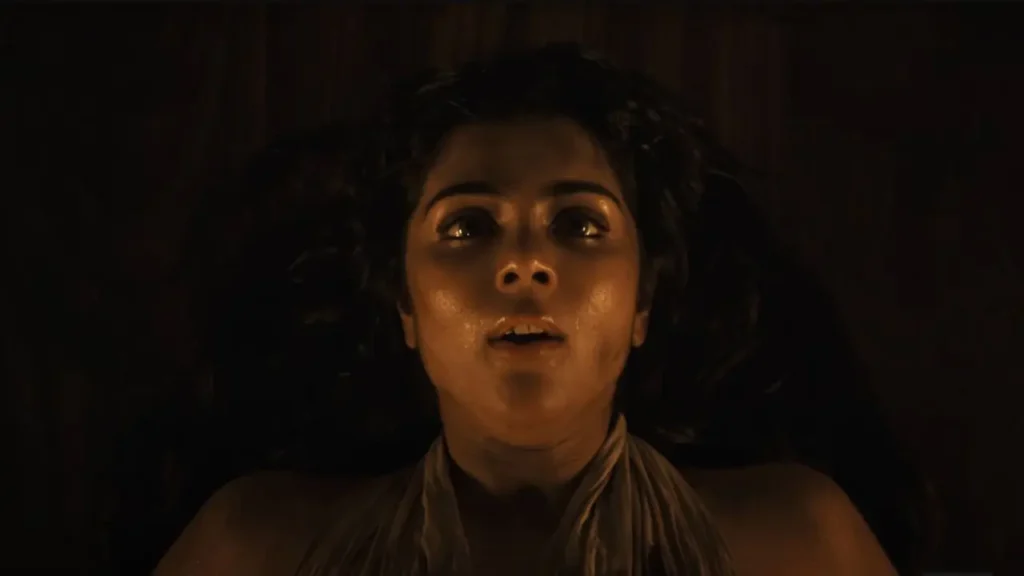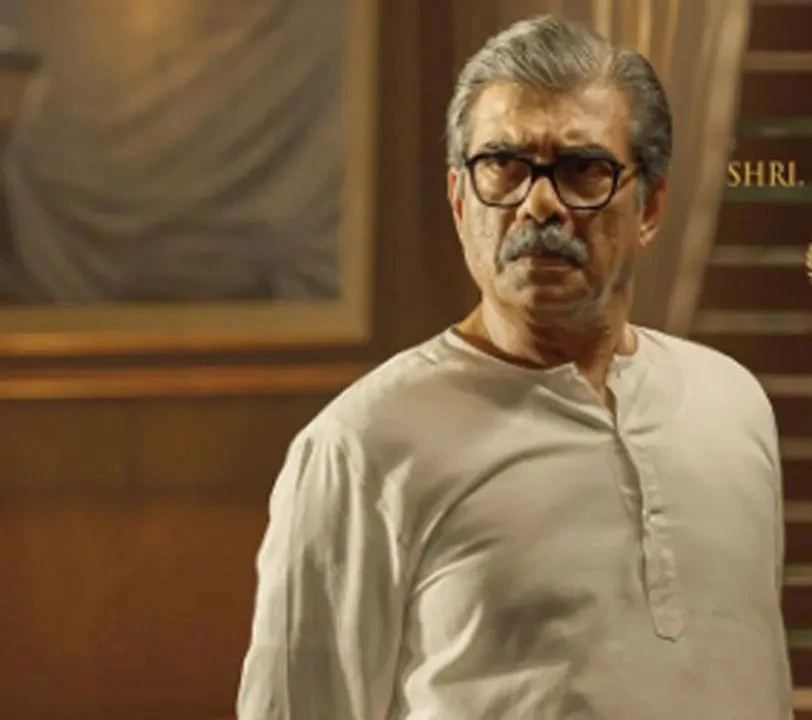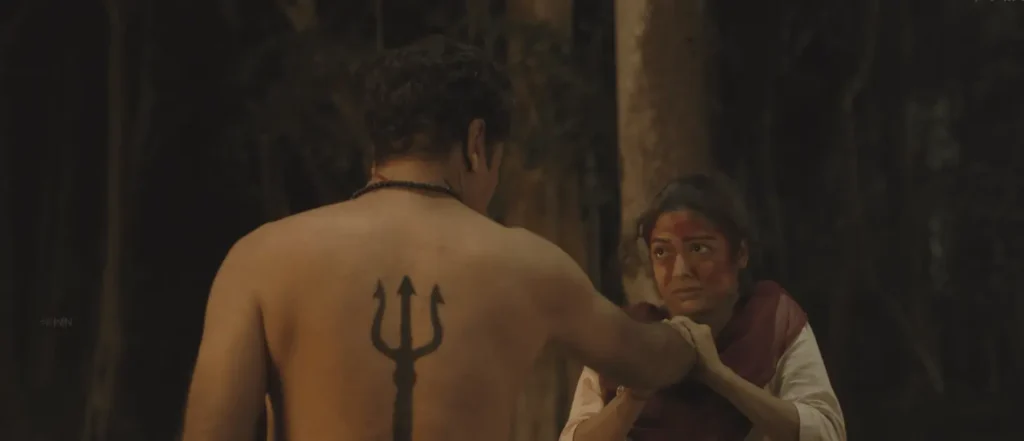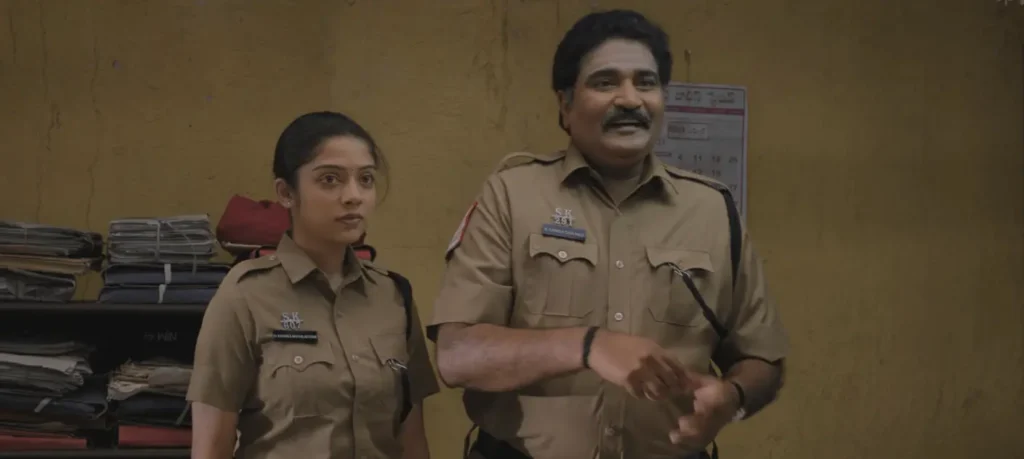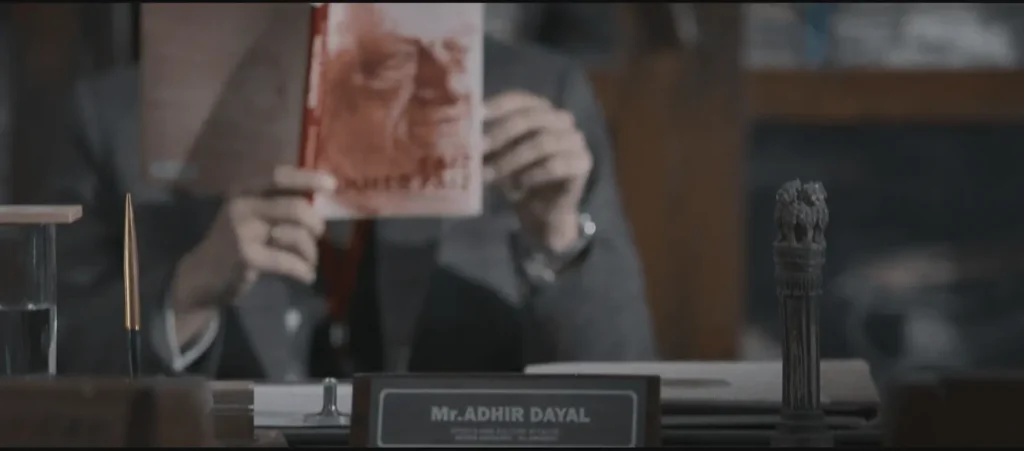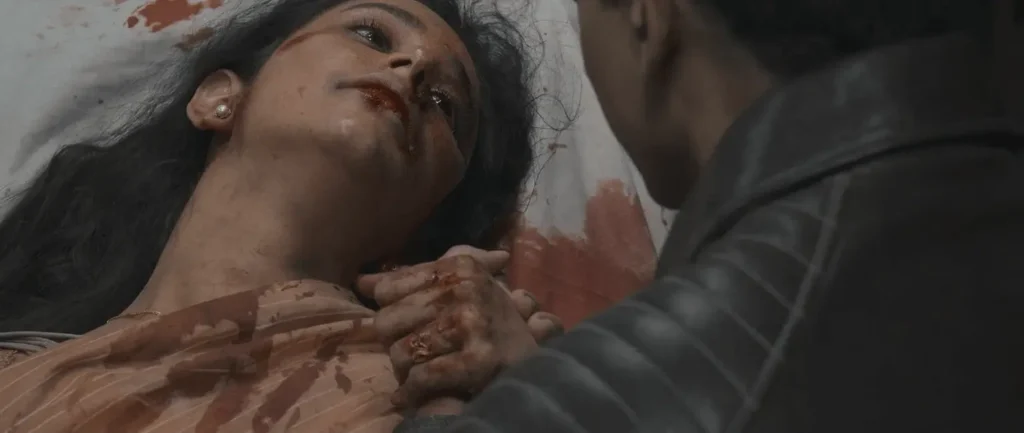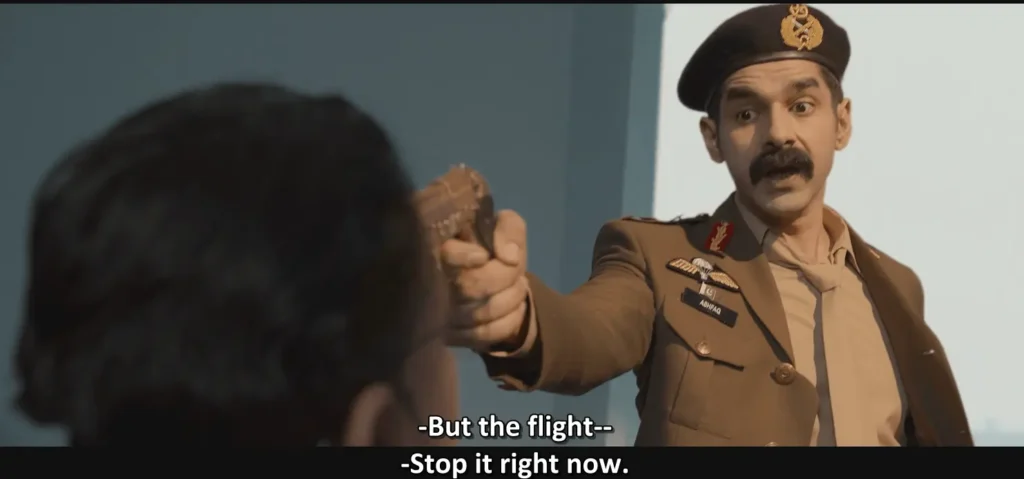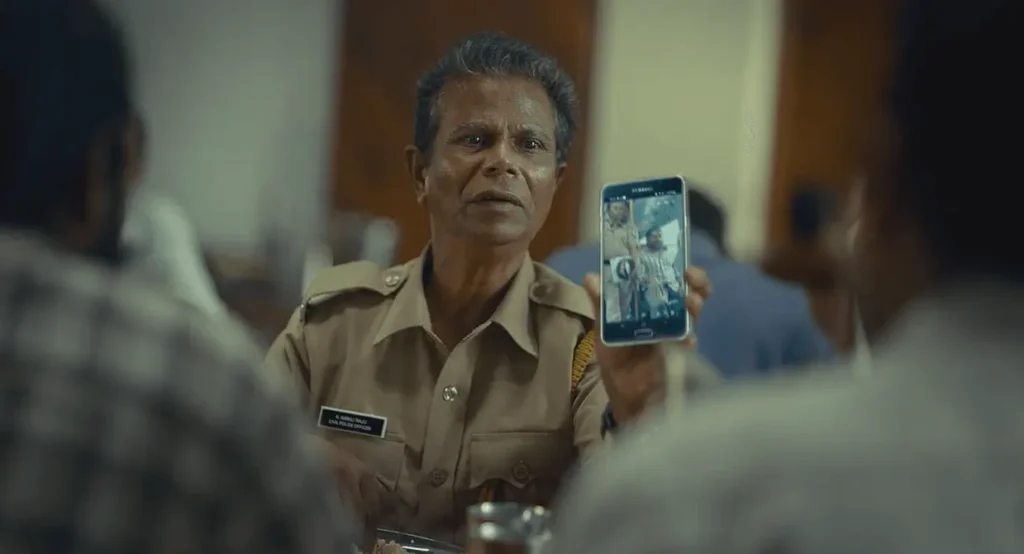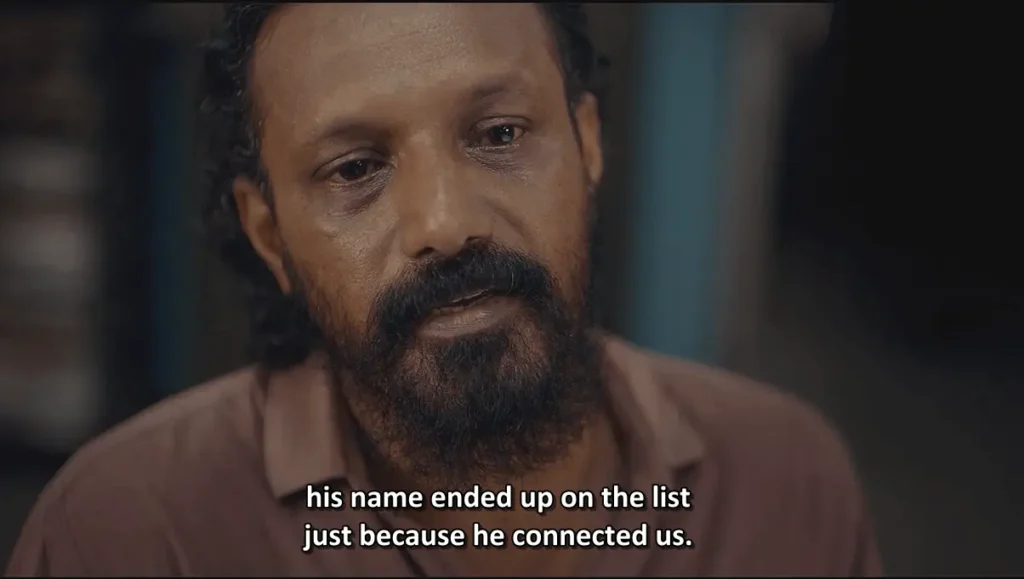
Mandala Murders 2025 Explained

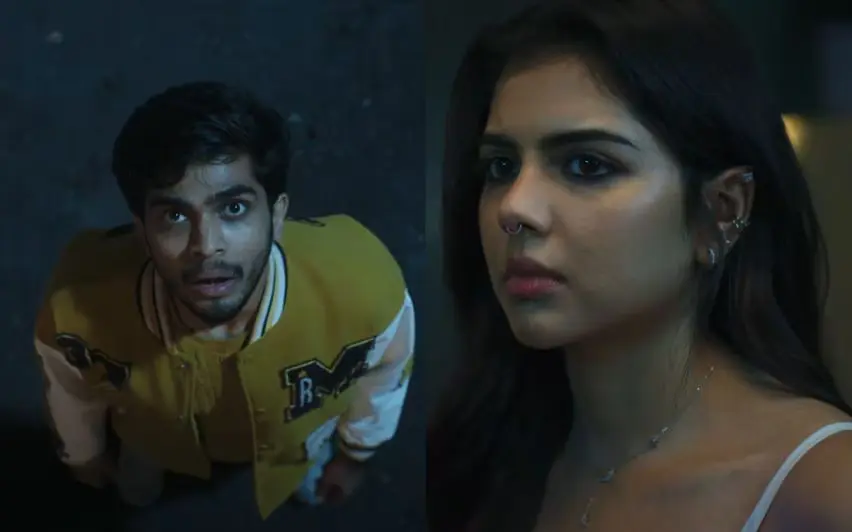
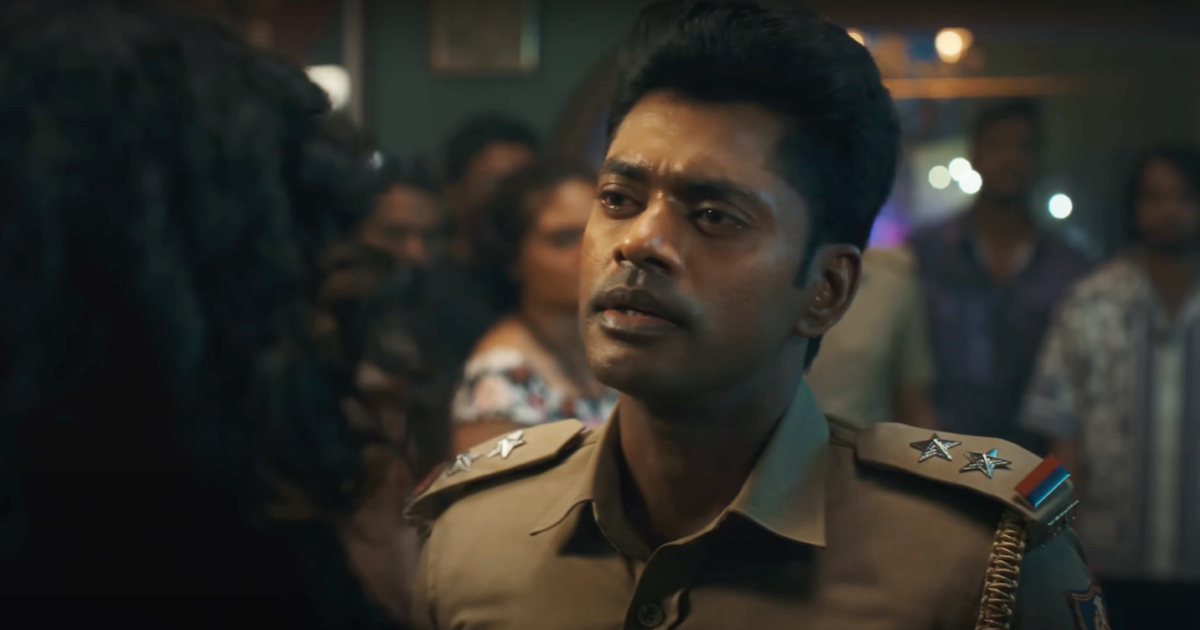
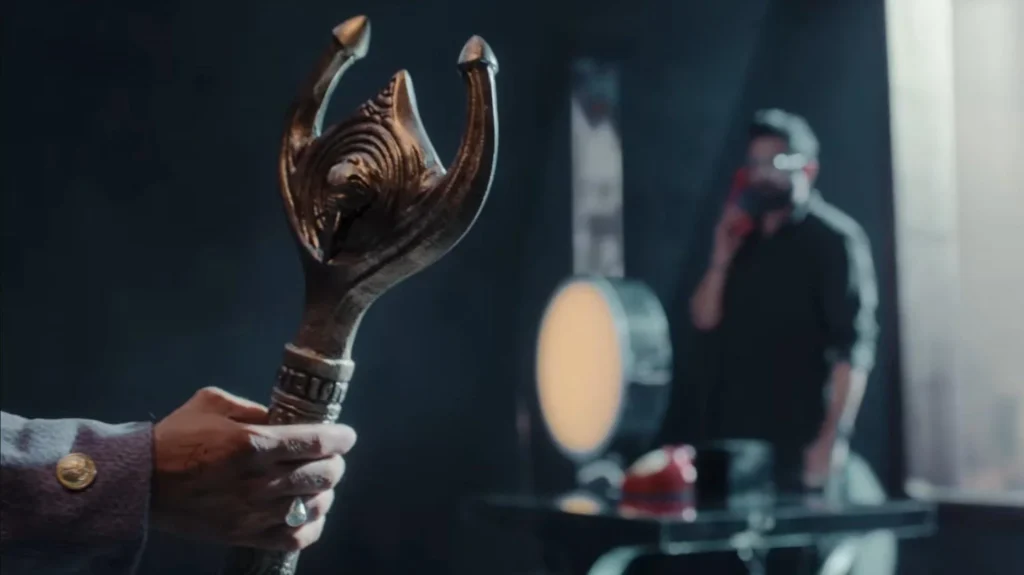
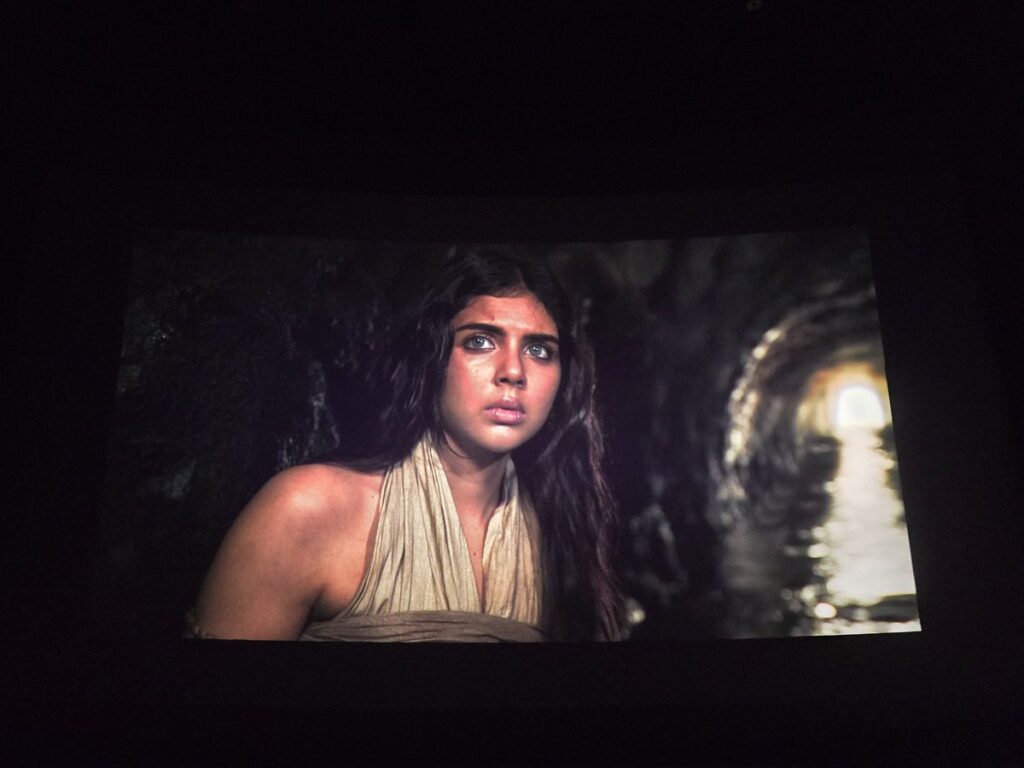
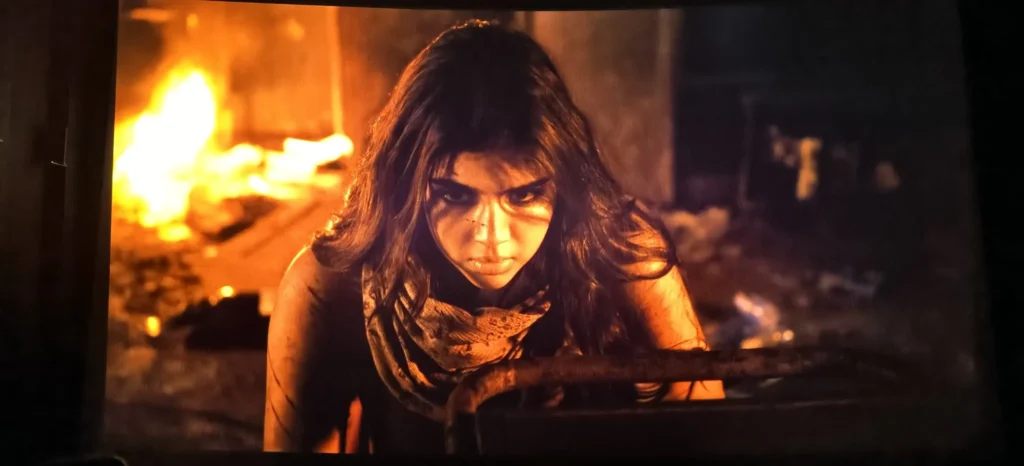
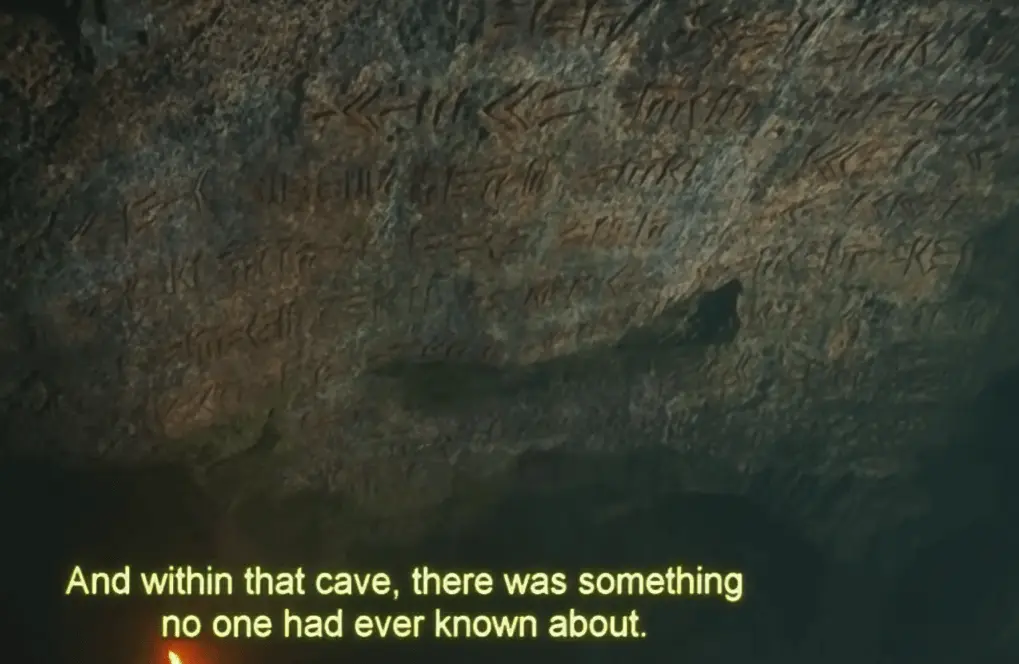
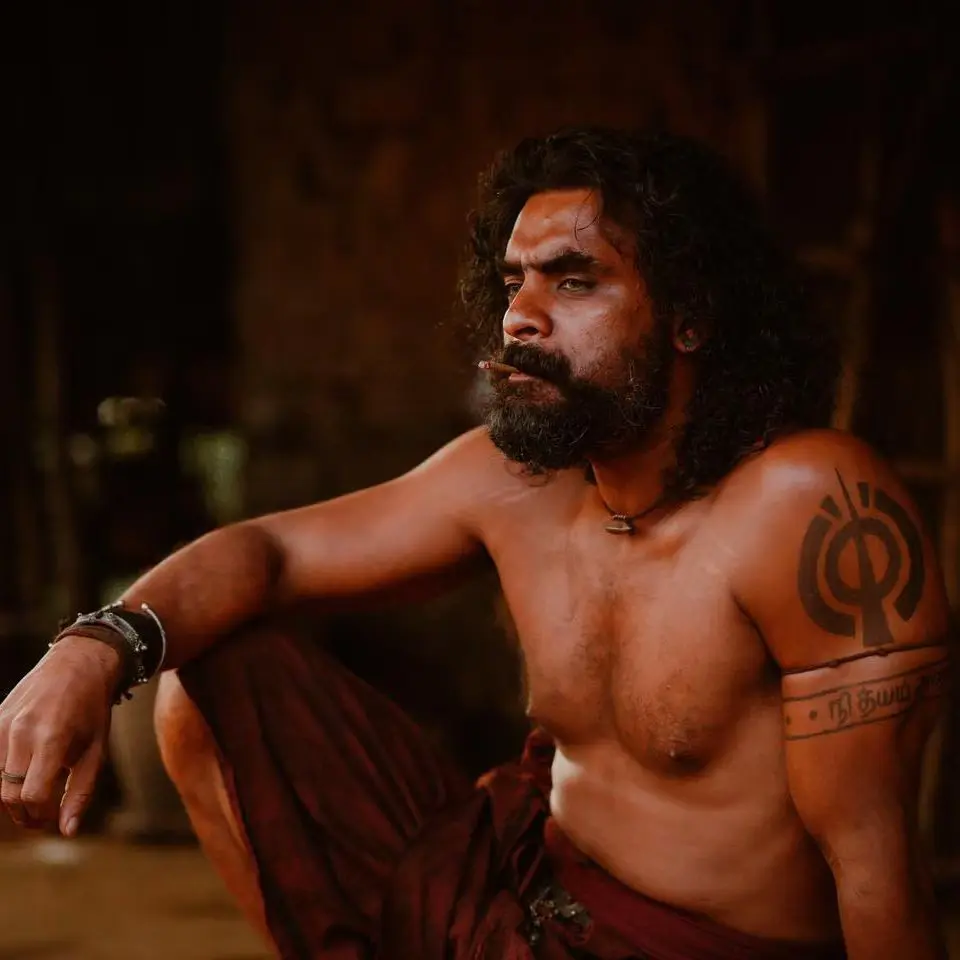
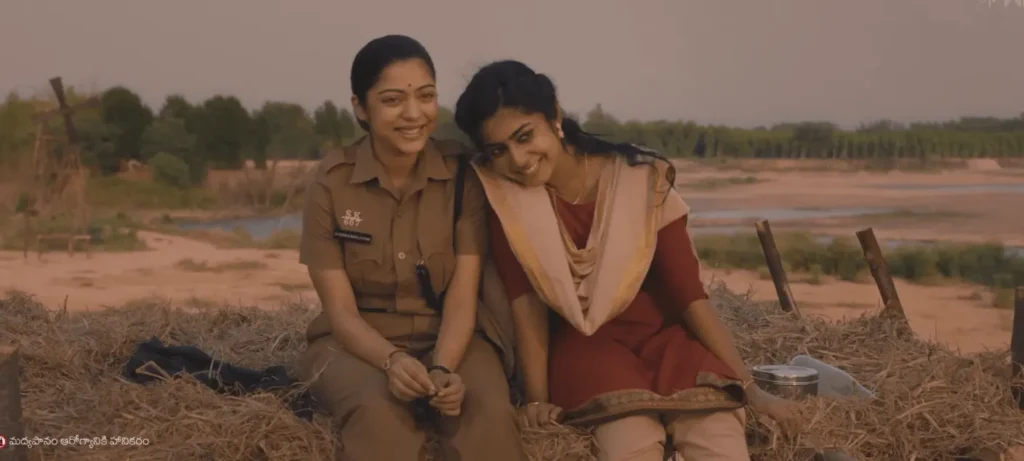
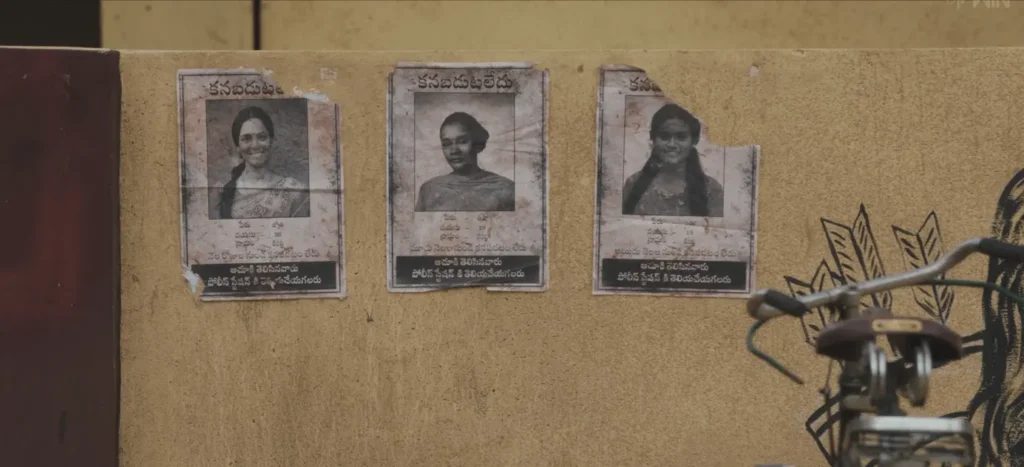
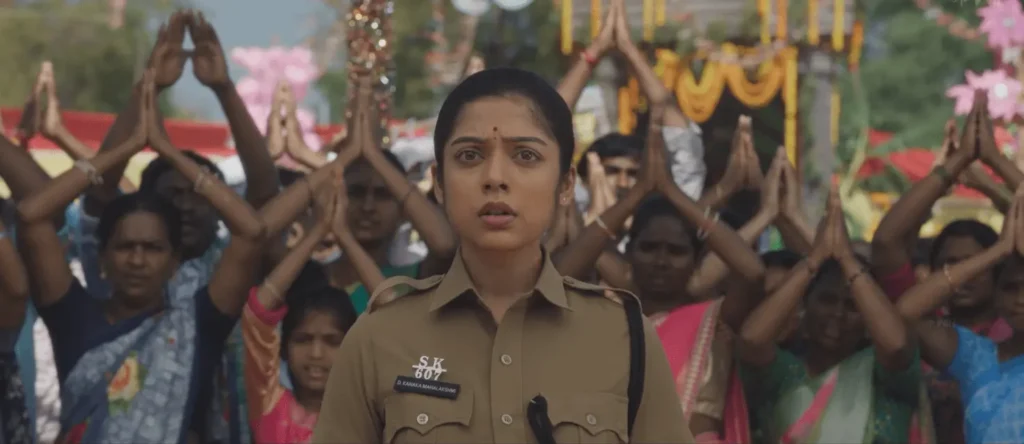
If your brain feels fried after finishing Mandala Murders, you’re not alone. But what makes us interested in this series is the Myth and Crime. The core concept is brilliant, unfortunately not the execution. So here I will explain what happened in Mandala Murders (2025).

We remember unfinished tasks more than completed ones. When shows leave questions dangling — “Who is Yasth?”, “What’s the real motive?” — our brain loops it until we find closure.

So here’s the explanation, what happened in Charandaspur? Who are Ayasthis? Are they real or fiction?

The World of Mandala Murders – Ayasthis, Energy, and the Cult of Yasth

Let’s start from the very beginning.

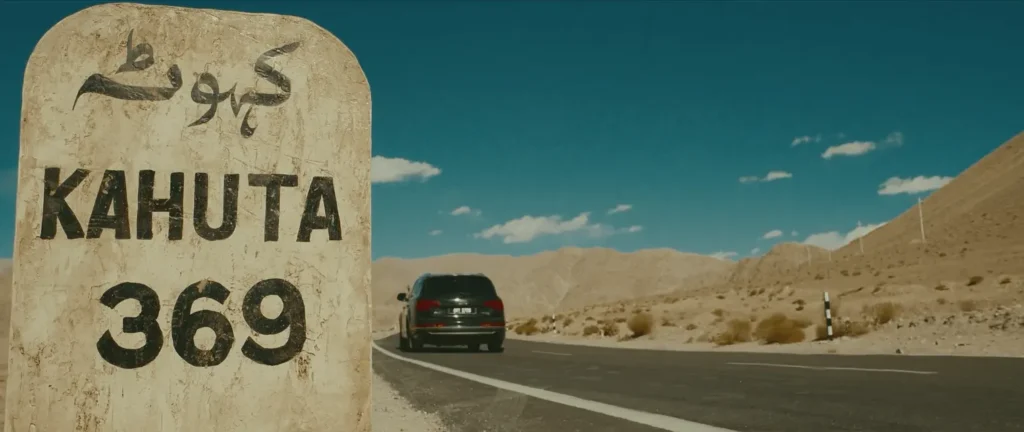
There’s a small, eerie town called Charandaspur — the kind of place where people still whisper about curses and disappearances. Somewhere deep in the Varuna forest nearby, a secretive group of women called the Ayasthis live in hiding. Locals see them as witches. But they see themselves as something else — the chosen ones of a mysterious energy god named Yasth.

Now here’s where it gets mad interesting.

The Ayasthis believe that energy can’t be created or destroyed, only redirected. So if someone dies… maybe their life energy can be pulled back. Revived. Rechanneled. They’ve built a strange machine that can supposedly do that — bring the dead back to life. Why they built it? Who Built that? We need to wait till Episode 7.

The Thumb Theory

Throughout the show, we see people placing their thumb on this mystical machine to ask for miracles. But here’s the catch:

Giving your thumb = asking Yasth for help.
But Yasth doesn’t just help out of kindness. He takes something in return.
Not from you directly — but someone close to you. A life. A body part. A price.

So if you asked for your son to return… maybe he ends up dead later.
You asked for political power… someone loses their legs.
You can’t track it logically — but someone, somewhere, pays.

Now imagine this happening for years. Quietly. One person at a time.
Until suddenly — a pattern emerges.

That’s where the show begins.

In the Past: Ayasthis & Their End

75 years before the murders began, a woman named Nandini (a scientist) arrived in Charandaspur with her husband, Anant, a corporate man trying to set up a nuclear plant in the forest area. Locals were uneasy — the forest wasn’t just green land, it was sacred to the hidden group known as the Ayasthis. The place is Ayasthal, which Rukmini and her cult believe Yasth made it himself years ago.

Ayasthis believe, if something happen to Ayasthal, they should revive Yasth.

One night, Rukmini went to Nandini’s home and warned her about the consequences of destroying their place.

Why Nandini Built The Device

Rukmini wasn’t an ordinary cult head. She was calm, sharp, and spoke in riddles that made dangerous sense. 

Rukmini told Nandini about Yasth, a powerful evil power. She showed her the Book of Prediction, and it was written by yasth during his first incarnation in the earth.

Then she dropped a chilling line:

“Book mentioned about Nandini”

If charandaspur seeks to destroy Ayast shrine, Yasth will be reincarnated, and Yast will be created by the very same woman who took part in destruction” of Ayast

Then came the real shocker.

Rukmini said Yasth also written, that woman has three traits, the traits are:

  1. She will be an Engineer or a Scientist.
  2. She will be pregnant.
  3. She will be a widow.

Nandini laughed. “I’m not a widow.”

Moments later, someone rushed in — Anant had died in an accident.

Now rattled, Nandini turned to the Ayasthi ideology for answers. She agreed to build the device Rukmini described. She thought she was creating something for humanity — a scientific invention to bring people back from death.

But she didn’t know Rukmini had a hidden agenda.

Rukmini never wanted the device for people. She wanted to use it to bring back Yasth — and unleash destruction across the world.

By the time Nandini realised the truth, it was too late. The body — stitched from various parts — was almost complete. The device was working.

Nandini made one last move.
She destroyed the body they had built. Burned it. Damaged the ritual. Then the villagers arrived, already stirred by fear and whispers of black magic. They torched the place, hoping to end it all.

But Rukmini escaped — and took the device with her.

The ritual failed. Yasth didn’t rise. But the blueprint survived.

Back to the Present – The Murders Begin

Now in the present day, ritualistic murders begin again in Charandaspur.

Bodies are turning up stitched, deformed, missing parts. First it’s Abhishek, a journalist. Then others — teachers, politicians, cult members. Each body seems to be missing something:

  • Torso
  • Hands
  • Legs
  • Head

CBI officer Rea Thomas is assigned to investigate. She’s sharp, emotionless on the outside, haunted by past trauma. But she has no idea she’s directly linked to everything.

Meanwhile, ex-cop Vikram Singh finds that his mother (Vasudha) and aunt (Urmila) disappeared years ago on the same night his brother Pawan died. All clues point back to Varuna Forest.

The Thumb Was Not The Price

As Rea and Vikram investigate, they uncover the miracle logic:

  • People used to visit Ayasthis and place their thumb on the machine, asking for miracles.
  • In return, someone close to them or themselves would suffer — die, disappear, lose something.
  • The thumb wasn’t the price. Life was.

For example:

  • Abhishek used the device to kill his mistress’s husband.
  • Birju asked for his lost son Awadesh to return.
  • Leela asked to save his sons — in return, a death followed.

Over time, a pattern forms. All current victims are linked to someone who made a wish in the past.

Sujay, Vijay, and Ananya’s Politics

Two gangsters, Sujay and Vijay, were suspected of killing Abhishek. But they’re being framed by their political rival Ananya Bhardwaj — Vikram’s sister-in-law, wife of the bedridden leader Jayaraj.

Turns out, Ananya is slowly clearing her path to power:

  • She frames Sujay and Vijay.
  • Hires a nurse to act as his mistress and gets Jayaraj paralysed with poison.
  • Removes all political threats in her way.

But behind her ambition is something much older and darker.

Kalindi, Jimmy Khan, and the Ritual Puzzle

Rea and Vikram uncover the truth about Kalindi, the murdered teacher — she was once close to the Ayasthi cult.

Kalindi wasn’t just the wife of a teacher — she had deep ties with the Ayasthi cult. Long ago, she was connected to Rukmini and the original belief system. She wasn’t a believer exactly, but she knew how the system worked. She knew the rituals, the symbols, the sacrifices.

Kalinidi and her assistant, Maithili, trapped all these people in Aysthi’s sacrifice. Ananya’s PA Vyankat, is Maithili’s adopted son, and Maithili helped him to survive.

Vyankat escaped from Killer by sacrificing Awadesh, Birju’s son.

In the end, Kalindi herself sacrificed her head for Yasth.

And before she died, Kalindi left behind clues.

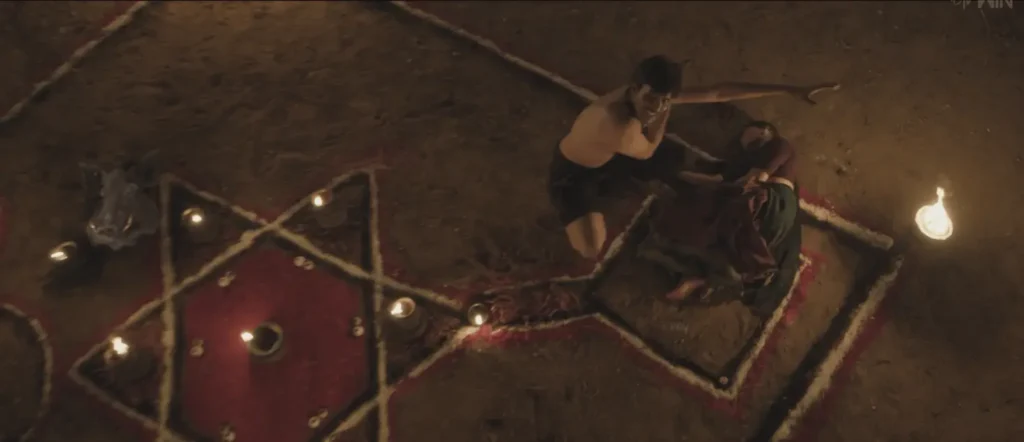
A set of eight metal circles — each representing a different part of the Mandala.

These weren’t just decoration. They were keys.

Hidden inside her wardrobe, each piece would later be used to unlock the Yasthal, the sanctum where Yasth could be resurrected.

Along with Jimmy Khan, a folklore researcher, they begin decoding the Mandala symbols found at every murder site.

Each murder Ayasthi cult is doing for a body part:

  • Head of a teacher (Kalindi)
  • Hands of sinners (Vijay – Sujay)
  • Legs of Servant’s Child (Awadesh – Son of Birju)
  • Face of a princess (Kavitha , wife of Vikram)
  • Torso of a voyeur (Abhishek, Cosuin of Vikram)
  • Blood of someone who escaped death (Vikram)

One by one, these pieces are being collected to recreate Yasth, just like before.

Jimmy’s grandfather, decades ago, had figured this out and led the mob attack on Ayasthis. That’s what we saw in Episode 1.

The Jimmy Khan Connection

Enter Jimmy Khan — a history researcher, symbol decoder, and grandson of the man who led the mob attack on Ayasthis 75 years ago.

Jimmy steps in to help Rea and Vikram understand what these symbols actually mean. He figures out:

  • The symbols aren’t random — they form a Mandala of Sacrifice.
  • Each murder is connected to a specific body part — and a specific sin or sacrifice tied to the Ayasthi machine.
  • His grandfather tried to stop this ritual decades ago, but it was never fully destroyed.

Rea’s True Identity

Rea begins having dreams — a mysterious woman, always repeating, “Save my son’s life.”

She later learns:
That woman isn’t her imagination.
It’s her grandmother.
Nandini.

Yes — Rea is Nandini’s granddaughter, she born after Nandini decided to help Rukmini.

Suddenly, everything makes sense.

The murders, the device, her connection to Charandaspur — this isn’t just a case. This is her family’s unfinished business.

Nandini was killed by Rukmini

Who is the Killer? Who is the New Rukmini?

In the final twist, it’s revealed that the new mastermind behind everything…
is Ananya Bhardwaj.

Yes — the politician.
She’s Rukmini’s granddaughter.

Ananya is not chasing power for elections.
She’s finishing what Rukmini started:
Resurrecting Yasth.

The killer — the one collecting the body parts — is Aaditi Pohankar, selected as the “ultimate warrior” of the Ayasthi legacy. 

She passed Kalindi’s test and is now fulfilling the prophecy.

Final Showdown: Rea vs Killer

Ananya brings Vikram to Yasthal — the ancient sanctum — to complete the ritual. Vikram’s blood is the final ingredient: someone who escaped death.

But Rea arrives, guided by Nandini’s visions.

She fights the ultimate warrior. Destroys the ritual.

The Real Miracle: Vikram’s Mother and Her Missing Case

In the middle of all the murder boards, occult symbols, political plotting, and scientific devices, there’s one quiet voice that never left the forest:

Save my son’s life…

That voice was Vasudha — Vikram’s mother.
A woman who once carried her dead son Pawan’s body into Varuna Forest, hoping for a miracle.

Let’s rewind.

The Night That Broke Her

20 years ago, Vikram’s younger brother Pawan died in a tragic accident. That same night, Vasudha, heartbroken and desperate, disappeared from home. She was last seen going into the forest with Pawan’s body.

And that was it.
She was gone, along with Urmila (Vikram’s aunt)— no one knew where, or why.

But now, through Birju and Urmila’s memories, we learn the truth.

Vasudha reached the Ayasthi machine. She placed her thumb, asked to Yasth “Save my son” And the Ayasthi logic kicked in — a desire was registered.

But Yasth couldn’t bring back Pawan — because, according to Rukmini, once a soul leaves the body fully, it cannot return. The request was technically impossible.

But they couldn’t reject the wish either.

So instead… they kept Vasudha alive under custody.

She became a “frozen prayer” — a living vessel of an unfulfilled desire.

Her constant chant — “save my son’s life” — echoed inside the forest for two decades, like a glitch in the Ayasthi system.

Why the Ritual Couldn’t Be Completed in the End: Climax Explained

Now here’s the most important bit.

Rukmini’s ritual to bring back Yasth needed:

  • The correct body parts.
  • The correct blood.
  • And clean karmic pathways — meaning all past sacrifices and desires had to be fully processed.

But Vasudha’s wish was still hanging.

She asked for Pawan’s life, and Yasth didn’t deliver.
So the cycle was incomplete.
That one loose end — that unfulfilled request — became the error in the code.

And when Rea arrived, she unintentionally fulfilled Vasudha’s wish — not by reviving Pawan, but by saving Vikram’s life in the final battle.

Suddenly, the wish was no longer unfulfilled.
The loop closed. The chant stopped.
Yasth no longer had the justification to rise.

Nandini was killed by Rukmini. Now, Nandini’s granddaughter, Rea, killed Ananya (Rukmini’s granddaughter) and took revenge.

No more miracles. No more deaths.
Just closure would have been better, they made a tailend showing Aditi Pohankar, that this might continue with a season 2.

So who is the killer in Mandala Murders?

It is Moksha (Ultimate Warrior from Ayasthi Community) played by Aditi Pohankar.

Who is that surprise Villain ?

That is Ananya Bharadwaj played Surveen Chawla

Is Varuna forest real? or Ayasthis real?

No, everything is fiction, and unfortunately couldn’t even build a great on screen world as well.

5 Must Watch Series If You Like the Mandala Murders Theme

The story of Mandala Murders — with its secret societies, mystical devices, body-part rituals, and hidden ancestry — may sound uniquely Indian. But this kind of genre-bending, brain-twisting, cult-infused mystery has global roots.

SeriesCountryCore Themes
DarkGermanyTime loops, generational trauma, secret cult
The OAUSAAlternate dimensions, experiments, prophecy
1899USA/GermanySymbolism, death, simulation, trauma
Sacred GamesIndiaMyth meets crime, religious cults, politics
AsurIndiaMythological symbolism, serial killings
Webseries List

Mandala Murders follows the same global formula — but gives it an Indian spine, layered with energy theory, cult worship, thumb sacrifices, and generational guilt.

Read more about Asur here.

Kerala Crime Files Season 2: Why, How, and Climax Explained

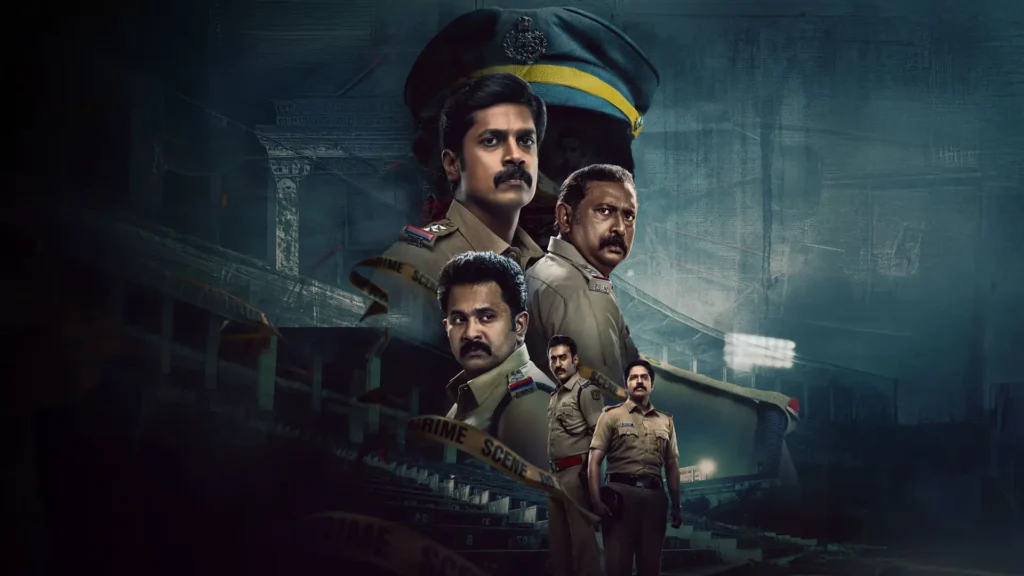
The best thing about Kerala Crime Files Season 2, written by Bahul Ramesh and directed by Ahammed Khabeer, is its subtle treatment. This blog breaks down the Kerala Crime Files Season 2 ending scene by scene and explains the climax sequence and the true motive behind Ambili’s missing case.

Unlike most detective thrillers that follow the clichéd template of a long lecture at the end by the detective (which often makes you feel like watching only the climax would’ve been enough), this series does the opposite. Watching just the final episode won’t help you understand the story or solution.

⚠️ If you haven’t seen the web series yet, please don’t continue reading.

The Setup: Ambili, Ayyappan, and the Ring

Ambili is a CPO at a Trivandrum local station. He is a shady, corrupted police officer, but people respect him—mainly because he doesn’t accept bribes directly. Instead, he involves and supports criminals to avoid larger chaos. This is established in an early scene where he’s escorting an accused to court. The accused keeps abusing him on the way, but Ambili remains silent. Minutes later, a few goons enter the bus and assault the accused—showing Ambili’s quiet power.

Even Ambili paid the restaurant bill, showing his character integrity.

Indrans as CPO Ambili (Episode 1, character establishment scene)

Ayyappan is a thief who loves animals. In the past, he met Ambili, who helped clear his charges and got him a job at a government dog shelter. Ambili even made him marry his own ex-wife.

But Ambili is a dominant personality. Though he helps people, he keeps them indebted. Ayyappan eventually realises this, and he even says that Ambili treats him like a chained dog—only unchaining him when he needs something done.

The Crime That Triggered It All

Ayyappan once mediated a quarrel between Mithilaj and Aji over a quarry issue. Mithilaj felt betrayed in the compromise. Seeing this, to compensate for that, Ambili connected him with two criminals from Kasaragod for a forgery attempt in Bengaluru.

Mithilaj explaining to CI KUrian (Lal)

When Bengaluru police began their investigation, they traced the crime back to Kasaragod and arrested the two. They revealed Ambili’s and Mithilaj’s names. Now Ambili was trapped. The Bengaluru police demanded a ₹20 lakh bribe to remove their names from the records.

Ambili turned to Ayyappan for help.

The Dog, the Ring, and Jaismon’s Trauma

If you’re wondering who killed Ambili in Kerala Crime Files Season 2 and why the climax felt ambiguous, here’s a detailed scene-by-scene explanation.

Jaismon, the antagonist, appears properly only in episodes 1 and 6. In the rest, we see his childhood snippets.

Jaismon’s childhood

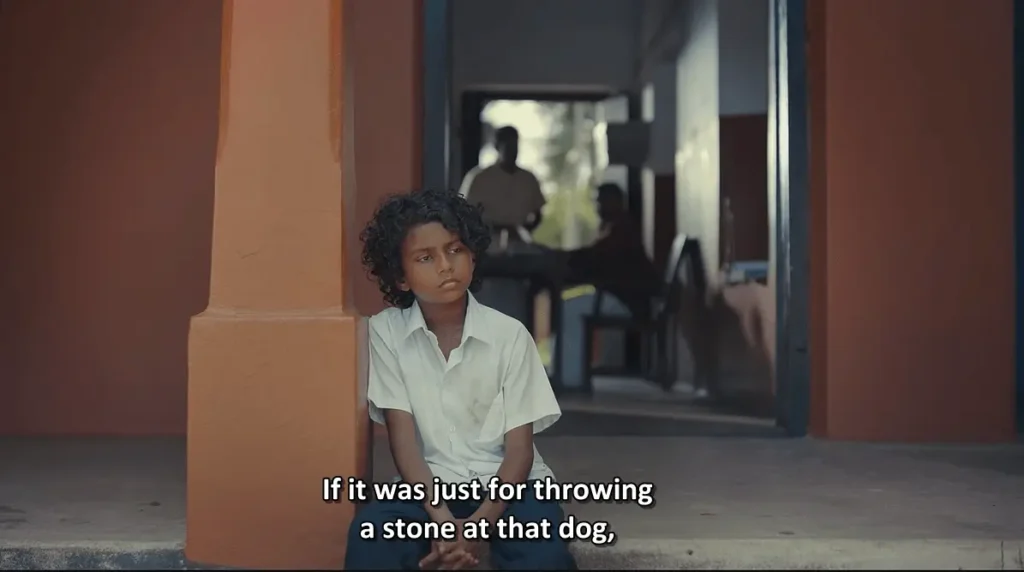
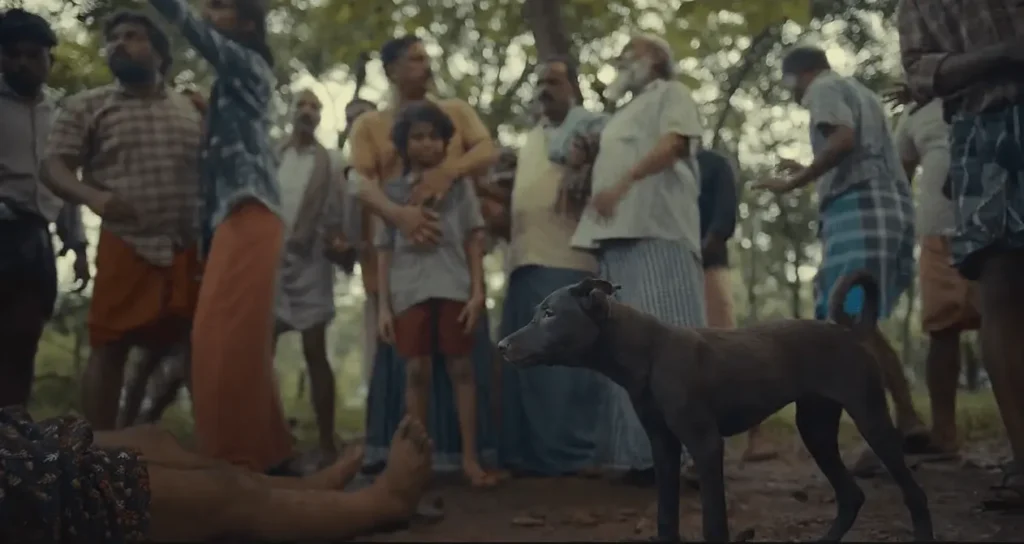
Jaismon’s father, a mentally unstable petty thief, was also an animal lover. He once brought home a black dog—this dog is shown in Jaismon’s childhood flashbacks. Jaismon formed a deep bond with it. In one instance, when his father was bitten by a snake and no one dared go near him, it was the dog that stayed by his side as he died. This emotional imprint shaped Jaismon’s attachment to dogs.

Jaismon’s pet dog

Years later, Jaismon becomes a dog trainer. In one episode, we see his dog, Terry, suffering from Alzheimer’s and cognitive decline. During a museum inspection related to a robbery, Terry goes out of control, bites Jaismon, and accidentally swallows a pin and an antique ring.

Terry englufing a pin from the museum

The vet, suspicious, takes an X-ray and finds something odd alongside the pin. She checks the museum’s CCTV footage and begins to piece things together. Ayyappan, now working as the vet’s driver, assists her.

X Ray showing pin & ring

The vet decides not to operate due to the risk, leaving the ring inside Terry. But Ayyappan learns about the ring from the Vet doctor and informs Ambili.

What Was Ambili’s and Ayyappan’s Plan?

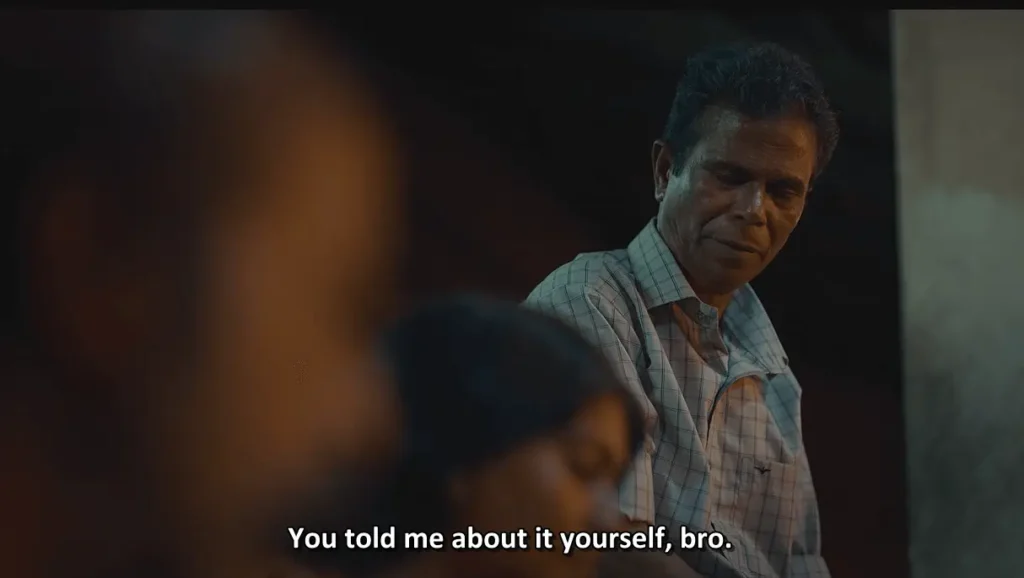
Ayyappan had already informed Ambili about Terry swallowing the ring. That’s why, in a key scene, when Ayyappan asks Ambili, “What should we do now?” Ambili responds, “You told me about it yourself.” It clearly shows that Ambili had already connected the dots and was counting on Ayyappan to do the job.

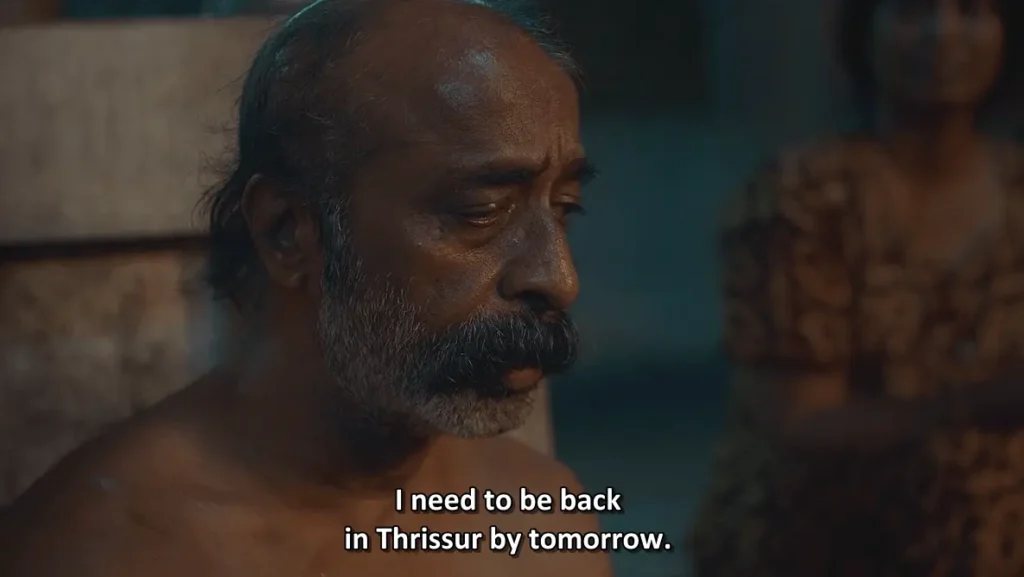
When Ayyappan mentions, “I have to go to Thrissur tomorrow,” Ambili immediately replies, “Exactly. Thrissur (Dog shelter) is where we need to do it.” — referring to the plan of killing Terry and retrieving the ring.

However, there’s a shift in Ayyappan’s tone. During their argument, Ayyappan says that everything he has done until now was out of will, but this time, he can’t — because he loves dogs.

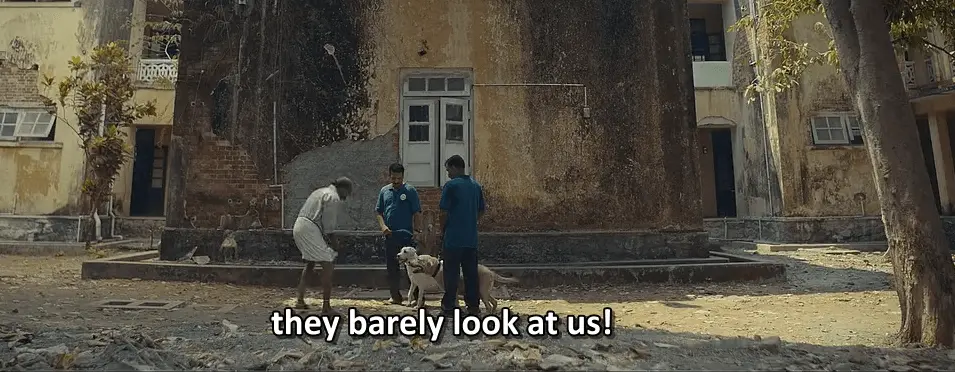
This emotional hesitation is not random. Earlier, the director had already established Ayyappan’s bond with the animals in a sequence where he’s seen feeding dogs with visible affection and care.

The Betrayal

Desperate for the money, Ambili forces Ayyappan to kill the dog and retrieve the ring. Meanwhile, Jaismon gets approval to adopt Terry from the dog shelter. But the night before the adoption, Ayyappan kills the dog and takes the ring.

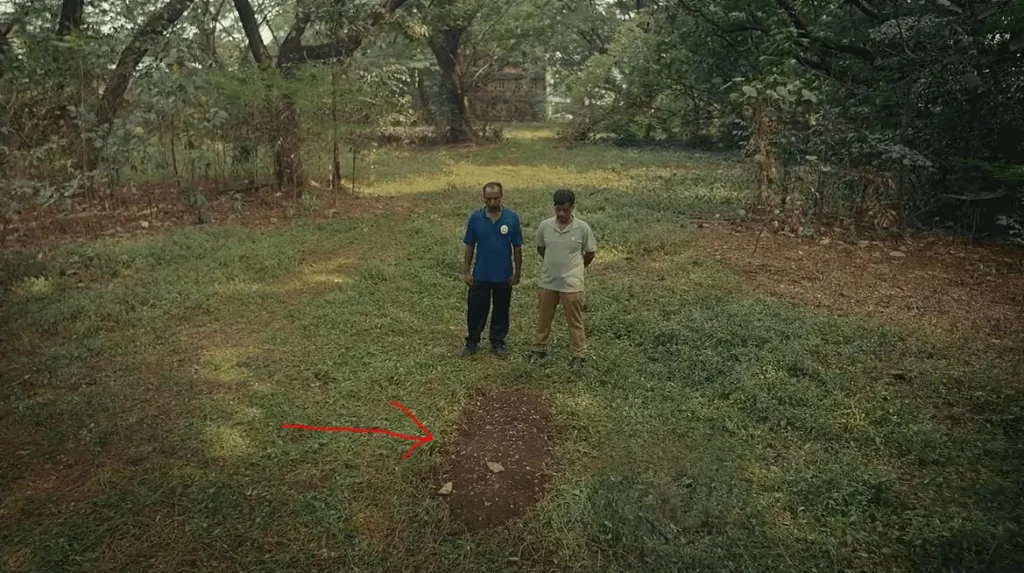
To cover it up, the authorities quietly bury the dog, listing it as a natural death. However, the vet reveals the truth to Jaismon.

Jaismon decides to take revenge.

The Disappearance and the Clues

Episode 6 opens with Aju Varghese (SI Manoj) narrating what happened next. Ayyappan sells the ring in Coimbatore and collects the money. On his way back to Kerala, he goes missing.

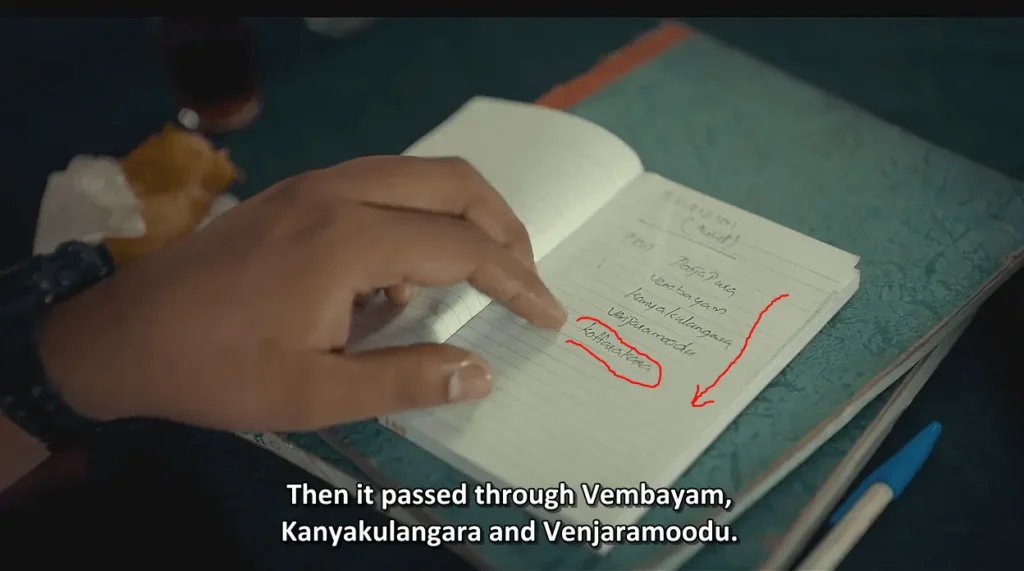
In Episode 1, Ambili’s visit to Kottarakara

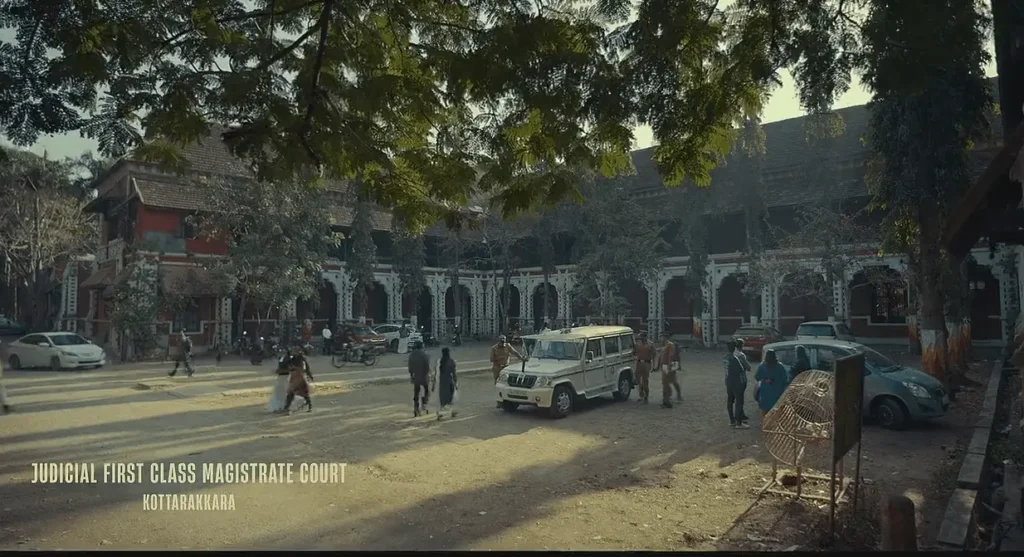
Ambili’s cybercell friend reveals that Ayyappan’s phone was active in Ernakulam between the 19th and 21st. On the morning of the 21st, the number was traced in Trivandrum—exactly when Ambili was there. Later that day, both Ambili and the phone signal moved to Kottarakkara, where Ambili had gone to escort an accused to court. After returning to Trivandrum, the phone’s location also shifted back. This matching travel pattern suggests that the kidnapper was closely tailing Ambili.

Ayyappan likely revealed Ambili’s name under pressure. Jaismon, posing as a friend of Ayyappan, might have handed over the money to Ambili to make the revenge plan believable. Ambili then passed the money to the Karnataka police, and that’s the same money recovered by Aju Varghese later during a patrol.

And from the Karnataka Police, Aju Varghese unveiled the motive behind Ambili and Ayyappan.

The Shocking Truth

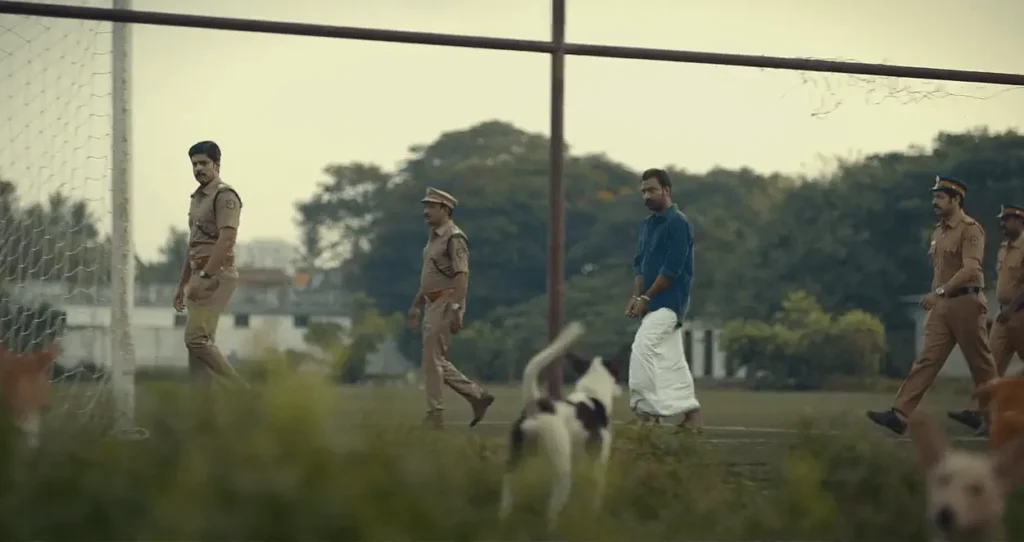
Jaismon killed both Ayyappan and Ambili and fed their bodies to stray dogs near Central Stadium. The case takes a turn when a dog vomits a human finger, leading the police to investigate the area.

This is foreshadowed in Episode 5, where Aju Varghese casually mentions to CI Kurian about cases where bodies were disposed of by feeding them to dogs.

DNA testing confirms that the flesh and blood samples belong to Ayyappan and Ambili.

From the vet doctor’s & Jeo Baby (Dog shelter in-charge) confession, police identified the missing piece, why Jaismon killed Ambili and Ayyappan.

Why Didn’t the Doctor Report the Ring to the Authorities After Her Research?

This is a common doubt, but the show actually addresses it subtly.

When CI Kurian (played by Lal) asks her about it, the vet clearly explains her reasoning. Her priority was the well-being of the dog, Terry. The dog was already in a fragile state, and performing surgery in that condition could have been life-threatening.

She feared that any official report might lead to the government approving euthanasia for the dog, considering its health and aggression issues. So, she chose silence — not out of negligence, but out of compassion.

Also, it’s important to clarify that neither Ayyappan nor Ambili were involved in the museum robbery itself. That incident was carried out by a Bihari gang.

Kerala Crime Files S2 Climax Explained

When the police reach Jaismon’s home, we can see that the power is gone; then they find him hanging from a ceiling fan, and the fan is static. It looks like suicide. But when the power returns, the fan starts rotating, revealing the body is still warm, and he could be alive.

SI Noble acts quickly and saves Jaismon.

Lacking solid evidence, the police later planted evidence at Jaismon’s home to close the case.

In the final moments, while police bring Jaismon to the stadium for evidence validation, the same stray dogs from the stadium area runs to him and shows clear affection. It’s a quiet but powerful visual cue—subtly confirming that Jaismon was indeed present there and had fed the bodies to the dogs. A show-don’t-tell approach, but enough to close the loop for attentive viewers.

Kerala Crime Files Season 2 Review

After watching Season 1 of Kerala Crime Files, I wrote, “Written poor, but executed well.” Season 2 flips that statement. Read the Kerala Crime Files Season 2 review for more, No Major Spoilers ahead.

Trailer Kerala Crime Files Season 2

This time, Bahul Ramesh takes charge of the writing, and similar to Season 1, the story pulls you in from the very first episode. But not through flashy twists or over-the-top reveals—rather, through carefully crafted character layers, subtle cues, and emotional hooks. It’s no longer about “what happens next” but more about “who they are?”

Writing That Respects Its Characters

Bahul who previously wrote Kishkindha Kaandam, doesn’t rush to shock you. He builds tension by slowly revealing the people behind the plot. Take Shyju Bhai, the police officer assisting SI Noble. He’s not loud or dramatic—his brilliance lies in small gestures and quiet observations. And it’s exactly this subtlety that makes the show more gripping than many fast-paced thrillers.

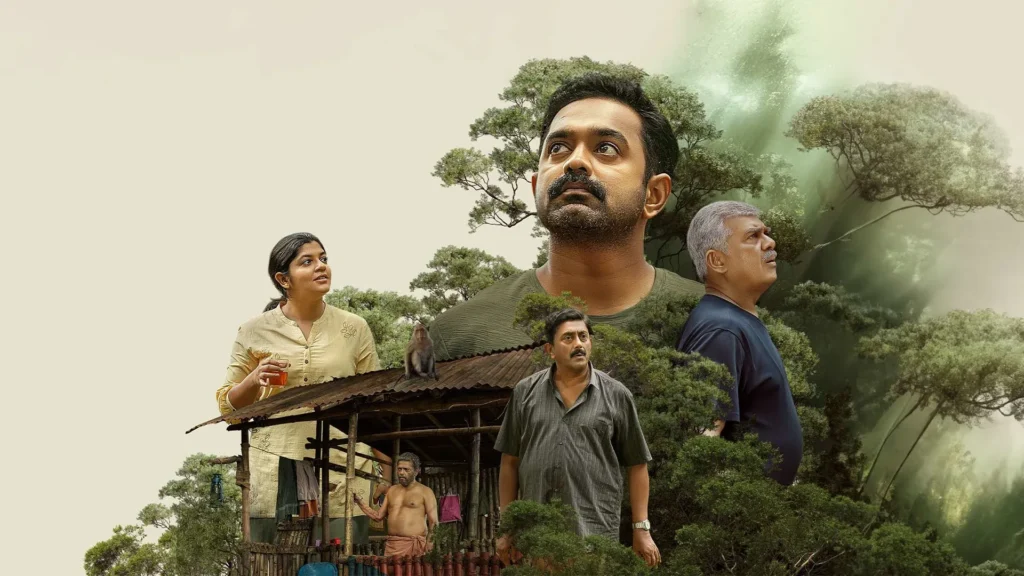
If you’ve seen Kishkindha Kaandam, you might’ve noticed—except Aparna Balamurali (who represents the viewer), every character is cryptic, with layers that slowly unfold. Bahul uses the same approach here.

Kishkindha Kaandam Poster

Though it may look like an event-driven thriller on the surface, I found it to be more of a character-driven mystery. That’s rare in Indian web series. What Bahul has done here is borrow the stillness of indie crime films and blend it with procedural drama, adding emotional recall through visual and narrative cues.

CPO Ambili Raju (Indrans) and Ayyappan (Harisree Ashokan), though they don’t get much screen time, leave a lasting impact. Their characters are mysterious, quiet, and reveal themselves gradually with each episode.

Dogs, Details, and a Thematic Echo

If Kishkindha Kaandam used monkeys as a narrative metaphor, here Bahul uses dogs. They aren’t just background elements—they walk silently through every episode, tied to the story, the characters, and the trauma. There’s a murder, an investigation, and a childhood memory—all connected to a dog. Every thread feels intentional.

The way Bahul uses this thematic echo—repeating visuals of dogs, loyalty, bonds, and betrayal—to create emotional undercurrents is brilliant. It reminded me of The Banshees of Inisherin, where animals act as emotional mirrors. It also brought to mind Parinamam by M.P. Narayana Pillai, where dogs are used throughout the novel in a similar metaphorical way. I wouldn’t be surprised if Bahul has read that novel.

Another detail I appreciated: whenever a viewer might develop a doubt, the next scene often features a character voicing that very same question. It’s thoughtful writing that respects the intelligence of its audience.

Same Frame, Better Picture

Despite the change in writers, the overall structure of Season 2 mirrors that of Season 1: a murder, an investigation, and a reveal in the final episode.

Cast: Kerala Crime Files Season 2

In terms of execution, the framework isn’t radically different if you’re a fan of thrillers. Past and present intercut, truth revealed at the end—a Memento-style approach is present here, like Mystic River or our own Malayalam thriller Memories, where a past trauma anchors a current crime mystery.

Instead of revealing everything linearly, the plot is broken into modules—glimpses of childhood, the current investigation, and side character arcs (like Ayyappan, Ambili, and a few other characters). Each piece seems unrelated until the final episode, where they all snap together.

In Season 1, I felt the villain’s motive lacked depth. Here, the antagonist’s motive is much stronger, rooted in emotion and personal pain. By Episode 5, seasoned viewers might start solving the “why” and “how.” Episode 6 completes the puzzle by revealing the “who.”

Abdul Wahab’s music plays gently in the background but rises at the right moments—it complements the scenes rather than dominating them. Jithin Stanislaus’ cinematography, especially in the night sequences, adds mood and shadow to the mystery. 

As for performances, Indrans and Harisree Ashokan deliver some of their best, despite their limited screen time. Aju Varghese and Lal maintain the same chemistry and tone from Season 1, adding consistency to the evolving story. Together, the team elevates this season beyond expectations.

Final Verdict

Kerala Crime Files Season 2 is still a slow burn, but this time, the fire feels intentional. The emotional weight is stronger. The characters are deeper. The motive is real. And the writing? It finally respects the audience.

In the Mood for Love: A Story I Keep Living, Even After It Ended

In the Mood for Love isn’t just a film—it’s a pain. We all have some memories that come and go, but never truly die. This film is a similar memory for me. But what makes In the Mood for Love so powerful? Why does it haunt us, even years after watching it?

This is my favourite movie ever, but I’ve never written a single line about it on any platform. Do you know why?

Because I can’t finish it.

Every time I try, it feels incomplete—like there’s always more to say.

In The Mood For Love DVD Pack

I first got this movie from a friend on DVD when I was a teenager. I watched a few scenes, got bored, struggled to read the subtitles while keeping up with the visuals, and then—I did what every impatient teenager would do—I fast-forwarded through it, searching for any love making scenes. Couldn’t find a single one. Not even a lip-lock scene. I felt completely disappointed and never looked back.

I Didn’t Move On, I Moved In

Then came my first breakup.

I was 21, scrolling for movies to watch, and somehow, this one came back to me. This time, I was older. More patient. No longer obsessed with love making scenes. Started falling in love with stories—where films don’t just tell stories, they flow like an autumn stream.

In The Mood For Love Trailer

Things changed—like a slow poison. I kept consuming it. Every time I felt low, I watched In the Mood for Love. I cried. Slept. I woke up. And then I watched it again. Movies like In the Mood for Love, 3-Iron, Spring, Summer, Fall, Winter… and Spring taught me something—how to escape reality and live inside a fantasy. Because that’s what the heroes in these films do. They build their own world. Find happiness there. They live inside it.

I fell in love again.

But this time, when she stepped back, I didn’t fall. Instead, I found myself slipping deeper into the world of In the Mood for Love. Every year, I went back to her city. I imagined she was still there, waiting for me at the airport. Stayed in the same hotels. I sat at the same temples we once prayed in together. Travelled again and again, not for closure, not for her—but for the world I had built inside my mind.

And now, after all these years, I think it’s finally time to write about this movie.

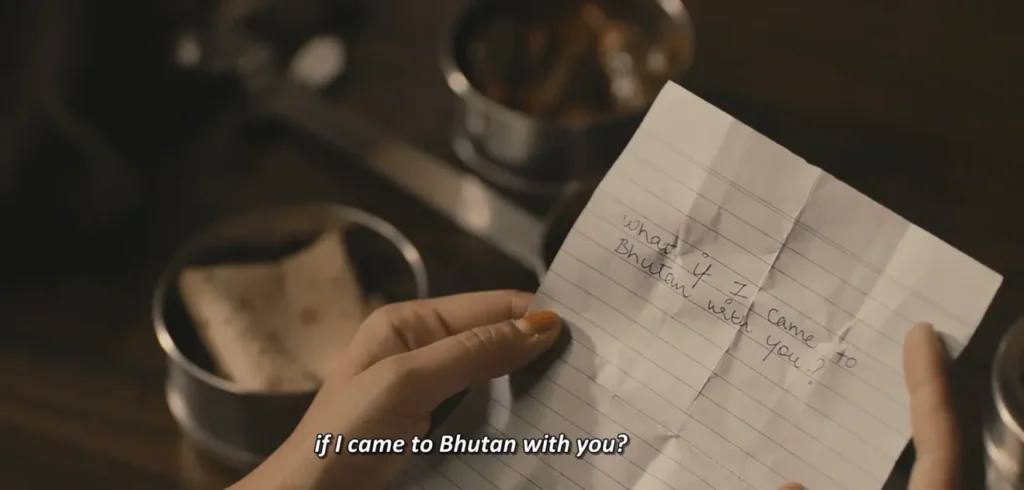
But a warning—don’t jump into this movie straight away. If you haven’t seen The Lunchbox or Photograph, don’t even think about starting In the Mood for Love yet. It’s injurious to health if you’re not ready.

A Shot from The Lunchbox

So this Valentine’s Day, start small. Watch Ritesh Batra’s The Lunchbox or Photograph. Or if you’re up for something different, go for Wong Kar-Wai’s Chungking Express.

And when you’re ready—when your heart has learned how to ache beautifully—then step into the world of In the Mood for Love.

And let it ruin you.

🔶 I. The Story: A Love That Could Have Been

1.1 Two Strangers, One Betrayal: A Love Story That Never Was

They met because of someone else’s betrayal.

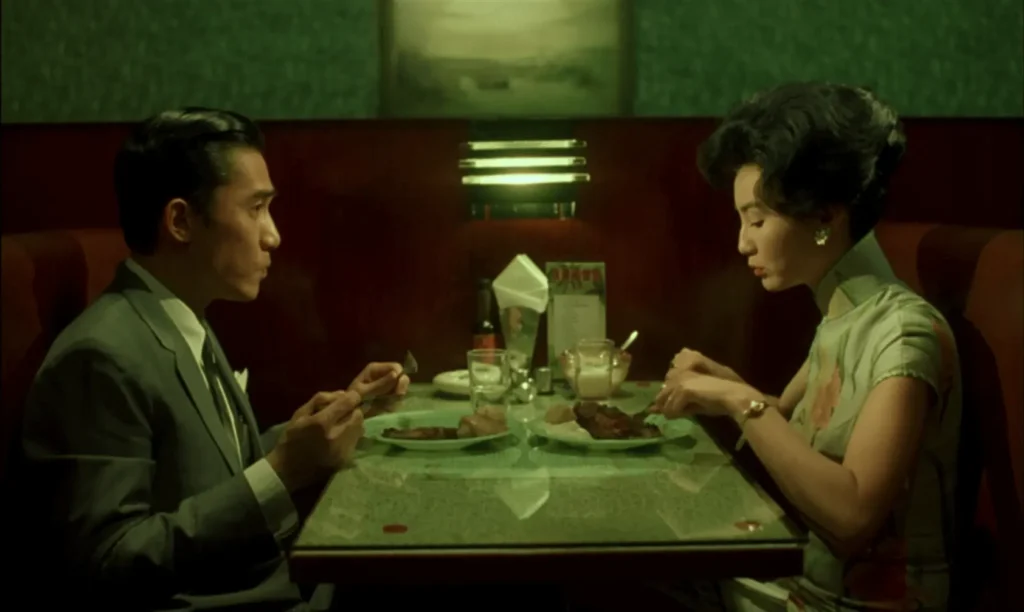
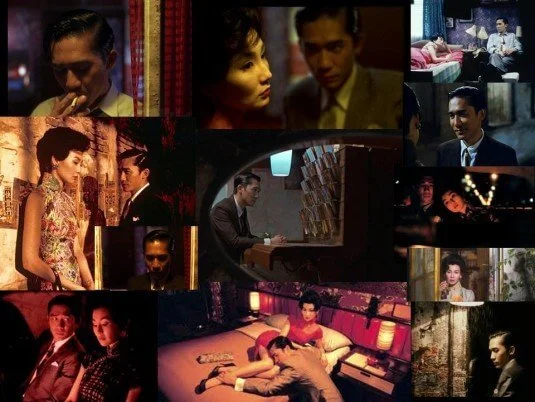
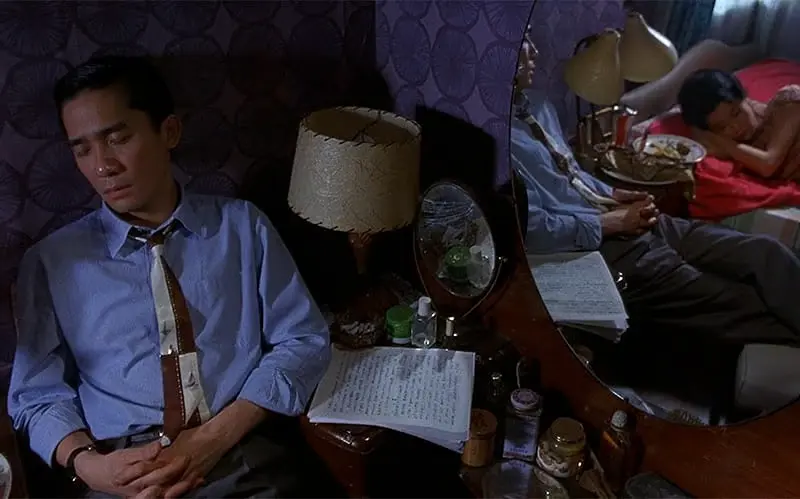
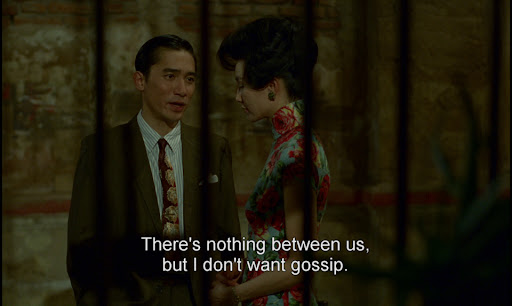
Hong Kong, 1962. A cramped apartment complex where walls are thin, and your privacy is protected by that thin wall. Mr. Chow (Tony Leung) and Mrs. Chan (Maggie Cheung) live in adjacent rooms, separated by nothing but a corridor and the weight of silence.

Their partners are having an affair. A cruel coincidence.

But instead of confrontation, instead of screaming accusations or bitter revenge, Mr. Chow and Mrs. Chan do something else—they try to understand.

They meet at a restaurant, recreate conversations their spouses might have had.

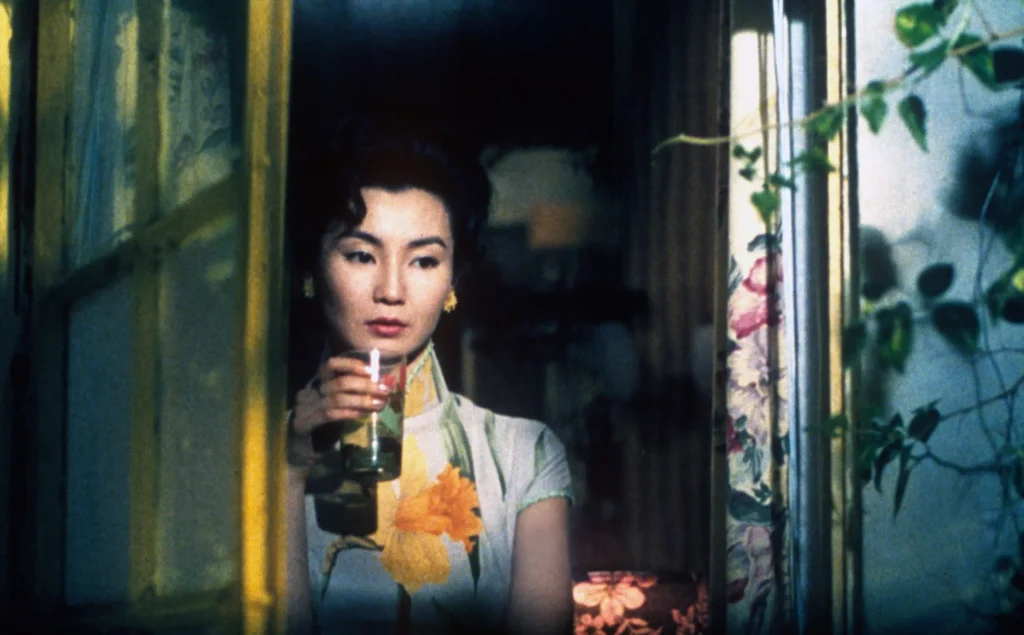
A shot from In The Mood For Love

They rehearse the affair like a scene from a play, they step into the shoes of their unfaithful partners, acting out heartbreak with careful, measured words.

I was genuinely shocked when I first watched it. What an approach. What’s the best way to empathize with someone? Step into their shoes.

It doesn’t just make you understand—it makes you calm. It doesn’t just soften the pain—it dissolves the grudge before it can consume you.

And maybe that’s the secret. Maybe that’s how we stop hurting. Not by fighting back, not by seeking closure—but by seeing through their eyes until we can finally let go.

And somewhere in the middle of all that pretending, they start to feel something real.

But they hold back. Because they don’t want to be like them—the ones who gave in too easily.

1.2 The Weight of Hold On: Why Don’t They Give In?

If you’ve ever wanted something so much it hurt, you’ll understand them.

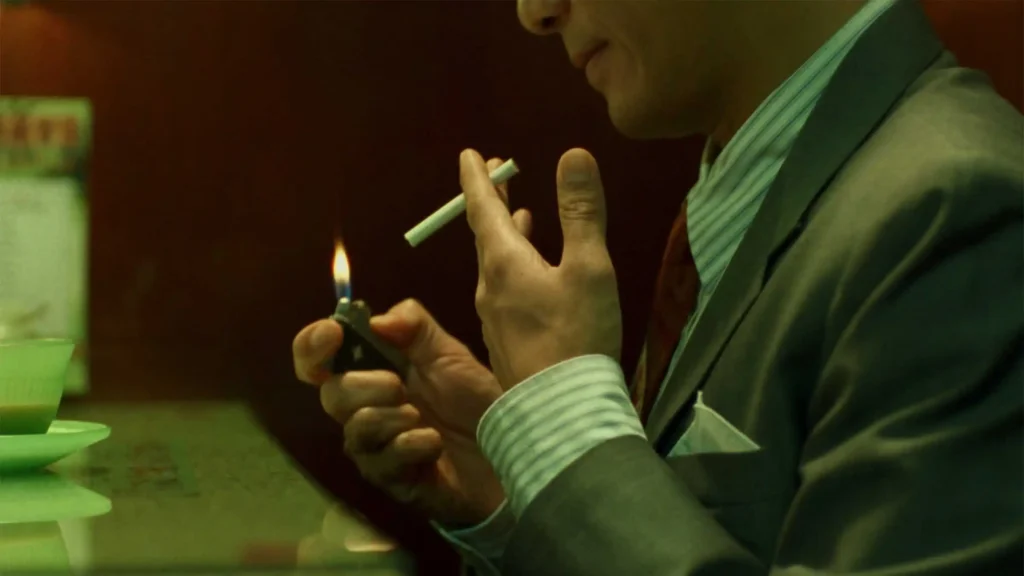
Smoking Scenes: Wong Kar Wai

Every glance between them feels like a confession, every pause between words feels like a decision not made. The way he lights a cigarette. Or the way she brushes her hair. The way they pretend they don’t want what they already know is there.

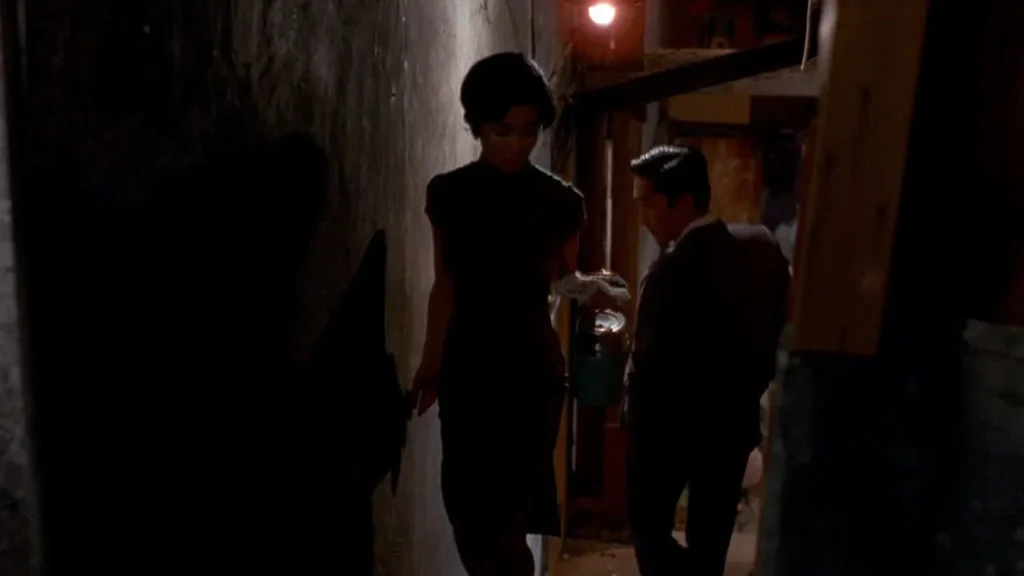
The Staircase scene

They meet in staircases, in dimly lit rooms, in spaces too small to breathe, but too vast to cross.

They never cross the line, but it’s not virtue—it’s fear.

Fear of becoming like their spouses.
A Fear of gossip.
Fear of what happens if they let go—because once you start, there’s no going back.

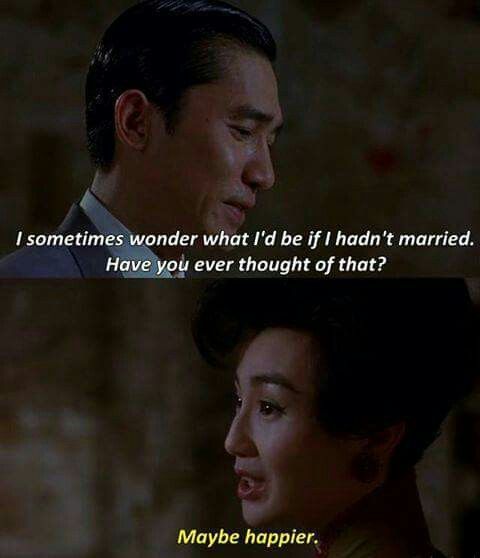
Mr. Chow once tells Mrs. Chan that when he was single, he was free to do anything. Now, his marriage defines his choices. Mrs. Chan wonders if she would have been happier alone.

They know what love could look like—but they are trapped in the lives they’ve already built.

And so, they hold back.

Not because they don’t love each other,
but because they don’t know how to love without consequence.

1.3 A Love Story Told in Missed Chances

Theirs is not a story of passion—it’s a story of hesitation.

She runs to his hotel room to say something—maybe everything—but she’s too late. He’s gone.

She secretly visits his apartment in Singapore, calls him—but says nothing.

And in the end, he walks past her home, never knowing she’s there.

Love doesn’t die in In the Mood for Love. It just never arrives on time.


🔶 II. The Language of the Film: Wong Kar-Wai’s Visual Poetry

If In the Mood for Love was just a love story, it would have been told in words. But words are too easy. This is where I recommend this movie to every film enthusiasts in the world. Learn the language of cinema with “In The Mood For Love”

Wong Kar-Wai tells it in glances, silences, colors, and reflections. He doesn’t just let you watch—he traps you inside it, making you feel what the characters feel. The longing. The hesitation. The unbearable restraint. Honestly speaking it’s like holding back an orgasm, you really want to burst out, you wish for that till the end, but won’t!!

This is not just storytelling.
This is visual poetry.

2.1 Watching Without Acting: Framing a Love That Stays Unspoken

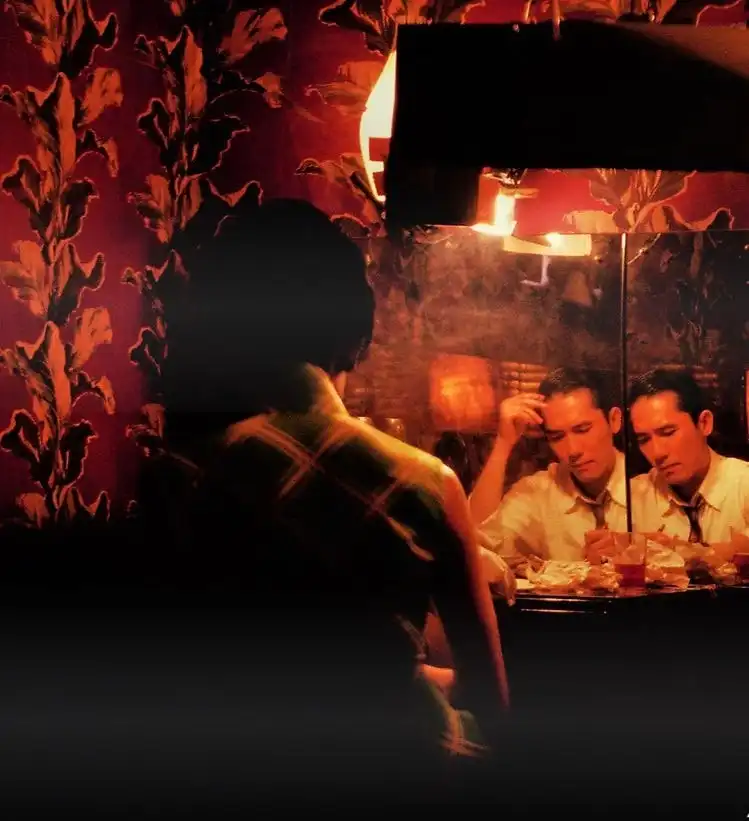
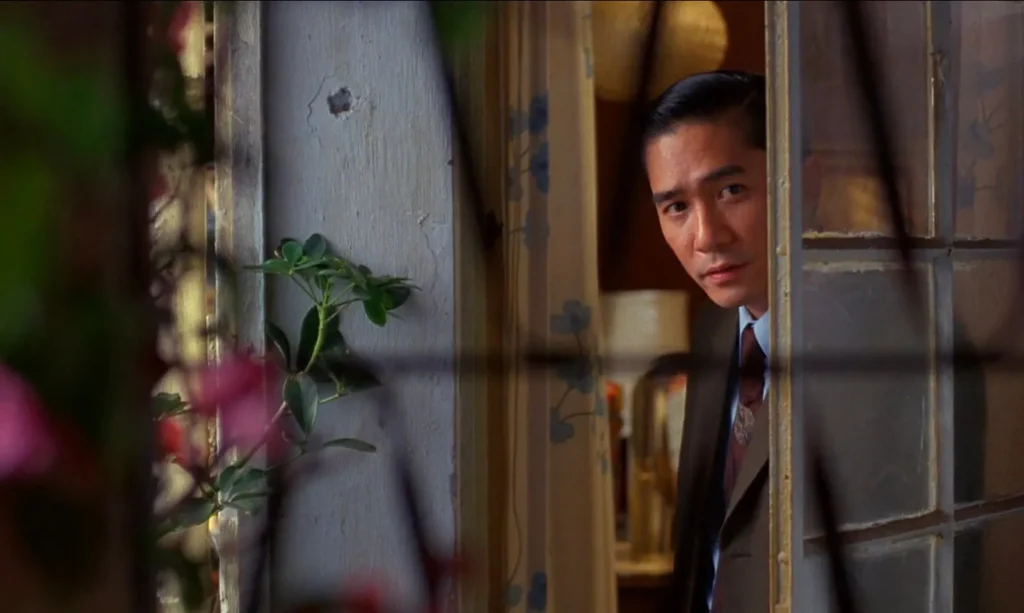
Have you ever looked at someone through a half-open door? Caught a reflection in a mirror?
That’s how we watch Mr. Chow and Mrs. Chan—never directly, always from a distance.

Every shot is framed within a frame.

They are seen through doorways, through windows, in narrow corridors.
They are boxed in, not just by the camera—but by the world, by society, by their own fear.

And we, the audience, are left watching them the way they watch each otherwanting something to happen, knowing it never will.

Wong Kar-Wai doesn’t just show their restraint—he makes us feel it. This is what I love most, see how Nolan did in Memento, you will experience what Shelby is going through. Think about Denis Villeneuve’s Incendies, you will experience rather than watching and sympathising.

Mr. Chow and Mrs. Chan are trapped. Not by walls, but by rules, by expectations, by a world that won’t let them choose differently.

Their love is not hide and seek kisses or passionate hugs
it’s a slow suffocation, a love held in place by invisible hands.

2.2 Costume: Speaking Without Words

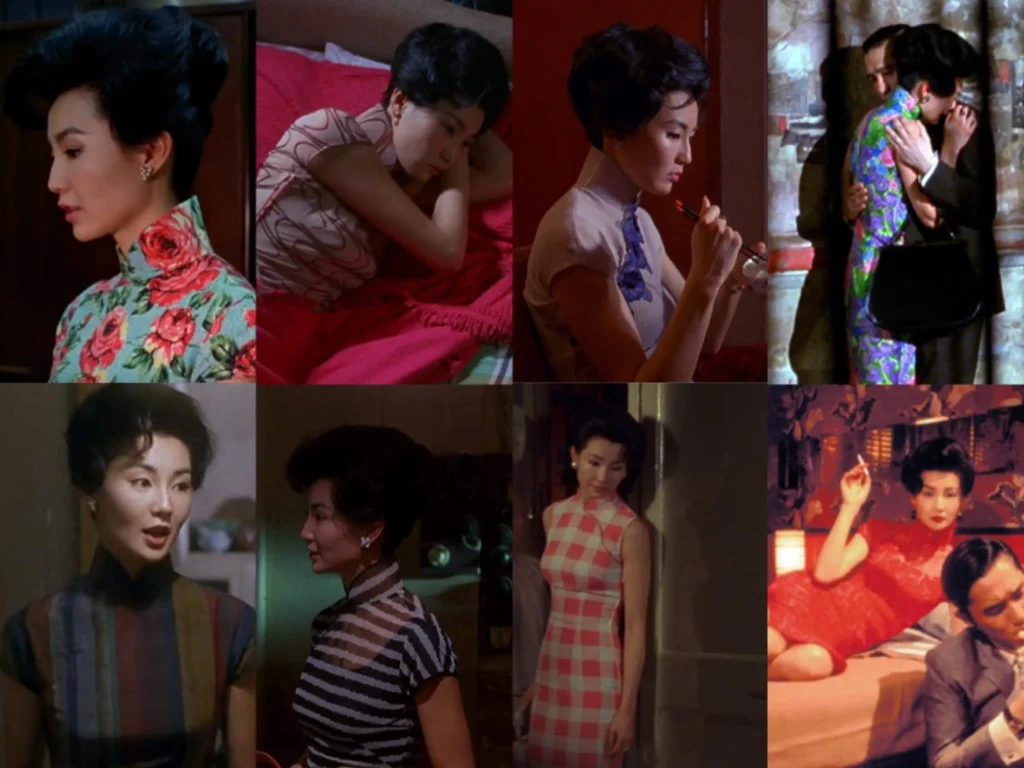
Mrs. Chan wears 46 different cheongsams throughout the film. Each one is a second skin, telling us what she cannot say.

Mr. Chow is always in his suit—pressed, polished, pristine.
Mrs. Chan wears cheongsams so flawless, they look like armour.

They never break character.

Society expects them to be dignified, so they are.
They live in a world where gossip can ruin lives, where respectability is everything.

So they dress like people who have it all together—when inside, they are coming apart thread by thread.

They only allow themselves to grieve in secret corners, dimly lit hallways, shared silences over dinner.

Not even once does their dress wrinkle. Not even once does her hair fall out of place.

Every cheongsam is pristine, every strand of hair perfectly pinned, every suit pressed as if it was just taken out of the dry cleaner’s.

Because that dress… that dress isn’t just clothing. It’s distance.

The tight collar, the stiff fabric, the way it clings but never embraces—
It’s a reminder that no matter how close they stand, they are always apart.

It mirrors them perfectly—close enough to feel each other’s warmth, never close enough to touch.

It’s about the way a dress can hold a woman together when her heart is trying to break.

They aren’t just pretending for society.

They are pretending for themselves.

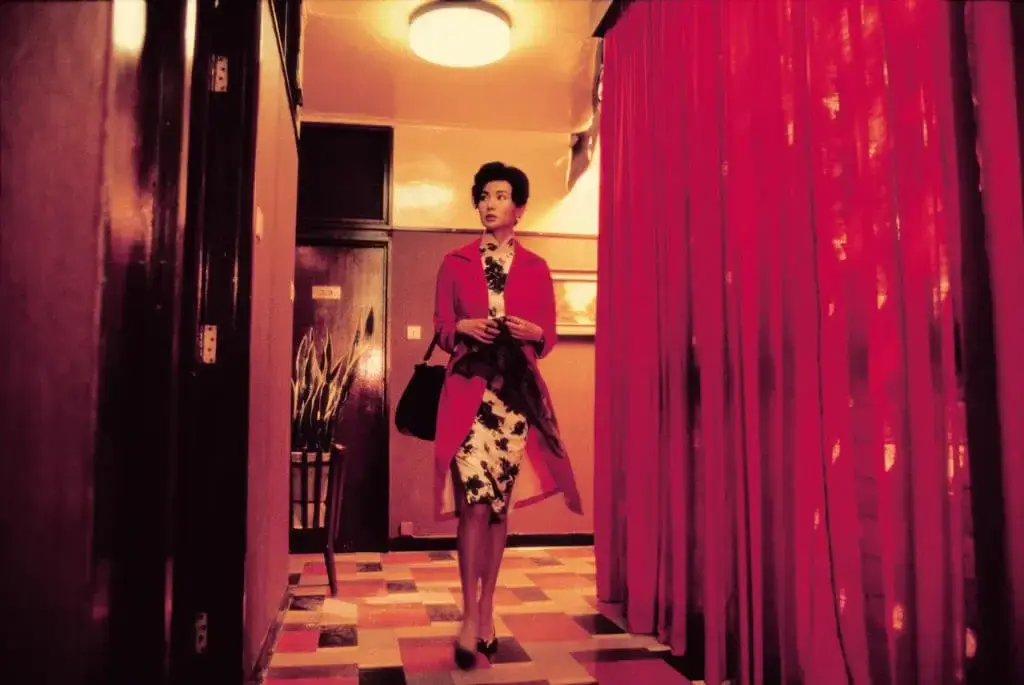
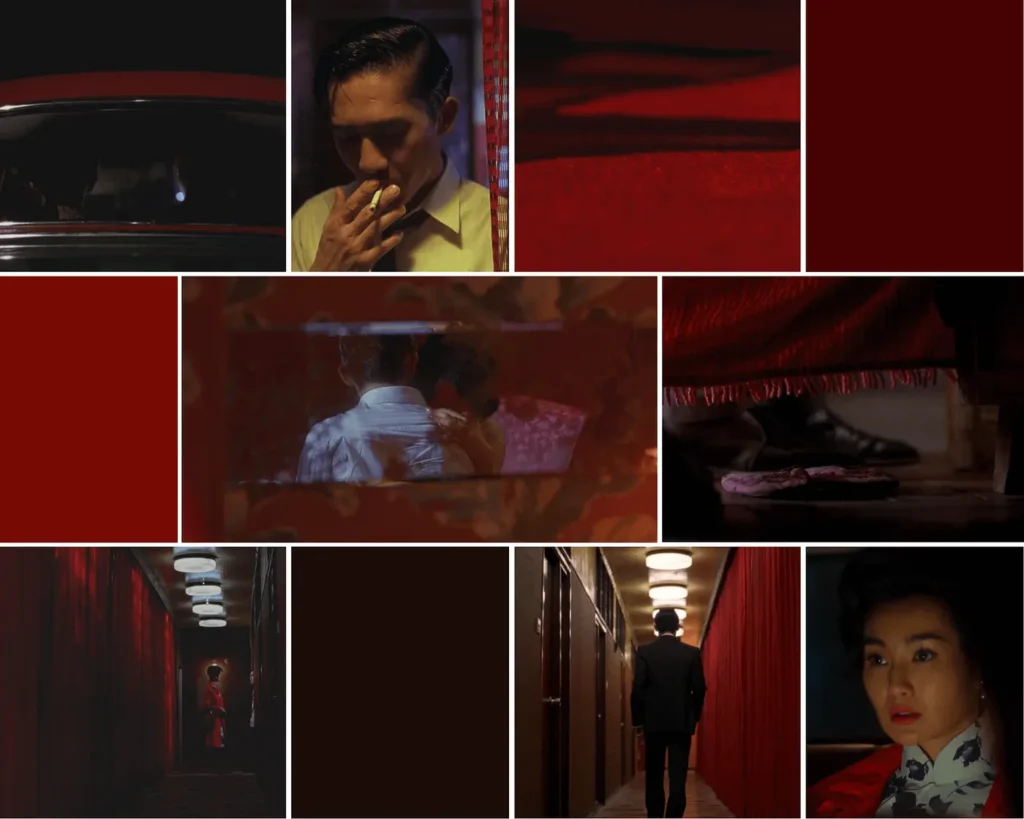
Some days, she blends into the red wallpaper, lost in the background.
Other days, she stands out like a flame, her red dress burning against the world that refuses to acknowledge her heartbreak.

2.3 The Colours of Pain and Loneliness

Red. Green. Blue. The colours of passion, longing, and restraint.

Because when the heart is in chaos, the only thing left to control is appearance. Wong Kar-Wai painted that appearance with colours—red for passion, green for longing, blue for restraint.

Anyone who watches only the frames of this film will fall in love, be hypnotized by its beauty.

Colour palette : In the Mood For Love

But when you look deeper—when you stop admiring and start feeling the characters—you’ll realise that beneath the colours, beneath the elegance, there is only pain.

And once you see it, you can never unsee it.

Because the beauty of this film is unbearable pain masked with colours.

2.4 Slow Motion & Repetition: The Mechanics of Memory

Love doesn’t move fast in In the Mood for Love.
It lingers. Repeats again. It slows down.

Wong Kar-Wai uses repetition, just like memory does.

Have you ever noticed how painful memories never ask for permission? They arrive uninvited, poke at your heart when you least expect it, linger just long enough to make you cry, and then fade away—only to return again when you think you’ve moved on.

It’s a process. A loop.

One moment, you’re fine. The next, a song, a scent, a familiar street pulls you back into a past you thought you had left behind.

That’s exactly how In the Mood for Love unfolds—moments repeat, emotions replay, each time with a little more weight, a little more ache.

A slow-motion walk down the corridor.
A brush of the sleeve.
A glance that lasts a second too long.

The film doesn’t just tell a story—it makes you feel like you are remembering it.

Because that’s what love like this becomes. Not something lived, but something remembered.


🔶 III. The Cinematic Techniques That Make It Timeless

Memory isn’t linear.
Neither is this film.

Scenes fade in and out, shifting in time without warning, without explanation. One moment, they’re meeting in a quiet alley. The next, weeks—or maybe months—have passed, and everything has changed without us even realizing it.

There is no clear timeline. No obvious markers. Just moments, disconnected yet intertwined—exactly the way we remember things.

This isn’t an accident. Wong Kar-Wai never had a complete script.

But think about it—if our life were a movie, how would it look?

Probably boring. Slow. Uneventful.

In a year, most things wouldn’t change much. No grand confessions. Not any thrilling confrontations. No perfect happy endings wrapped up in a final act.

Because real life isn’t a tight screenplay with a beginning, middle, and end. It’s messy, unfinished, and full of pauses that last longer than they should.

And that’s exactly why In the Mood for Love feels so real—because it doesn’t play by the rules of cinema. It plays by the rules of life.

Reflections

He didn’t direct a movie. He let it emerge.

That’s why watching In the Mood for Love feels less like witnessing a story and more like remembering a feeling you once had.

3.1 The Absence of the Spouses: Shadows Without Faces

You never see their spouses’ faces.
Not once.

You hear them. Sense them. You feel their presence.
But they are never shown—because they don’t matter.

What matters is how Mr. Chow and Mrs. Chan feel about them.

Their betrayal is a ghost, haunting every conversation, every hesitation, every missed opportunity.
But like all ghosts, it is intangible—a presence that shapes everything without ever being seen.

By keeping them faceless, Wong Kar-Wai ensures that the film isn’t about them.

It’s about the ones left behind.

3.2 The Role of Music: Love as an Echo

Some directors use music to support a film.
Wong Kar-Wai makes music the film itself.

Yumeji’s Theme plays again and again—a melody that drifts in, pulling you back into the same emotions, the same longing, the same sadness.

In the Mood For love: Original Sound Track

It doesn’t just set the mood.
It is the mood.

Like memory, it repeats, loops, reappears, each time carrying more weight, more unspoken pain.

Before you even understand what’s happening, you feel it.
That’s the power of Wong Kar-Wai’s music—it speaks before words do.


🔶 IV. The Ending: A Secret Buried in Stone

Love, when unspoken, doesn’t vanish. It doesn’t fade, it doesn’t die—it just finds new places to live.

That settles into the quiet spaces between your thoughts.
It becomes the lump in your throat when you hear a lyrics like I Love you 3000
And hides in the places you avoid, the streets you no longer walk, the cafe you can’t bring yourself to enter.

That’s why In the Mood for Love doesn’t end with a hug, or a goodbye, or even a glance exchanged across a crowded street.

It ends with a whisper.

A love so restrained, so contained, that it is never spoken aloud—not to the person it was meant for, not even to the wind pass by.

Instead, it is sealed inside an ancient ruin, lost to time.

4.1 The Angkor Wat Scene: Ending Explained

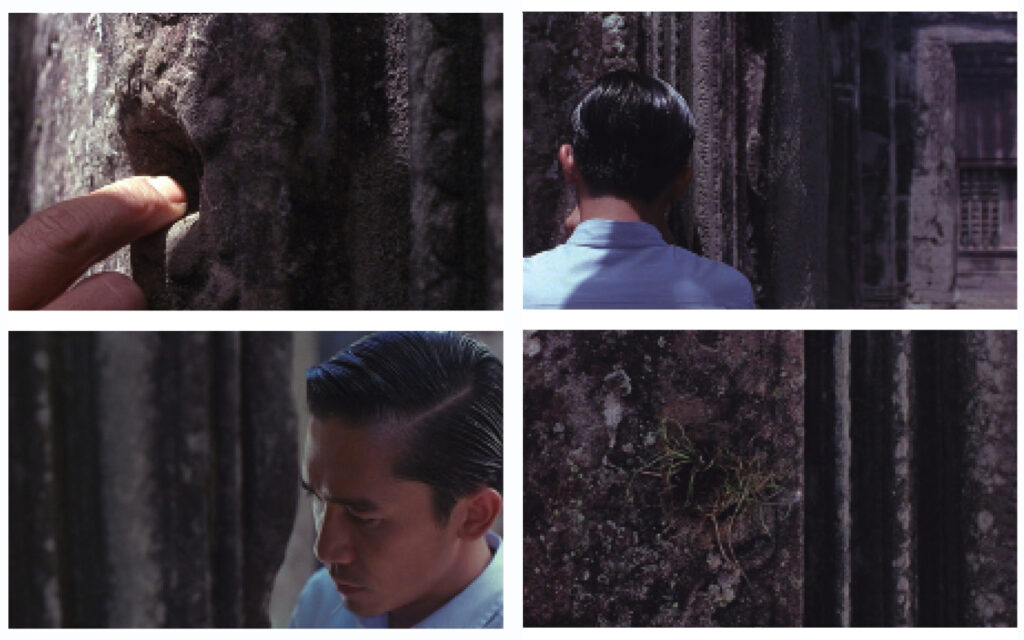
In the end, Mr. Chow travels to Cambodia, alone. He stands before the crumbling walls of Angkor Wat, an ancient temple where time has slowed, where the past still lingers like a faded memory.

Angkor Wat Temple & Red Lillies

Then he steps forward. He leans into a hollow in the stone.
And he whispers.

A secret.
A confession.
A love that will never be answered.

This isn’t just about letting go. It’s about preserving.

When you truly love someone, you preserve every memory—every moment, every touch, every object—like food sealed in a tin can, with no expiry date.

In an old legend, it’s said that people would whisper their deepest secrets into a tree, then seal it with mud—so that no one would ever hear, but the secret would always exist.

Mr. Chow does the same.

Climax: In The Mood For Love

He doesn’t write a letter. Or doesn’t send a message. He doesn’t seek closure.

Instead, he buries his love where no one will ever find it—not even himself.

Because some things are too sacred to be spoken aloud.


And as we watch him walk away, we know—
He will carry it with him, always.

But he will never speak of it again.


🔶 V. In the Mood for Love: A Legacy

I keep travelling.

We all have places we return to—not because we expect to find someone waiting, but because they once held something we can’t let go of.

Every year, I find myself in another Southeast Asian city, in another ancient temple, standing before another Buddha, whispering secrets into the silence. Maybe it’s a habit. Maybe it’s my own version of what Mr. Chow did.

Wat Pa Dong Rai

Every time my flight lands, my heart races. Maybe—just maybe—this time, I’ll see her again. Maybe she’ll be there, in that same cafe, where the sign on the wall reads:

From a restaurant at Nong Khai: {Once in a Lifetime You Be My Guest}

Like Mr. Chow whispering his love into an ancient ruin, we all have stories we keep alive—not in reality, but in memory. Not in words, but in the places we return to, hoping to feel what once was.

Tony Leung Chiu-wai, Maggie Cheung and Wong Kar-Wai

And so, I keep going back. I keep whispering into the void. I keep letting the past exist somewhere between memory and dream.

Because some love stories aren’t meant to be lived.

They’re meant to be remembered.

Get more movie updates and reviews via my instagram channel: I_Filmiholic

Read more untold stories and unwated write-ups here.

Sookshmadarshini: A Thriller That Almost Hits the Mark

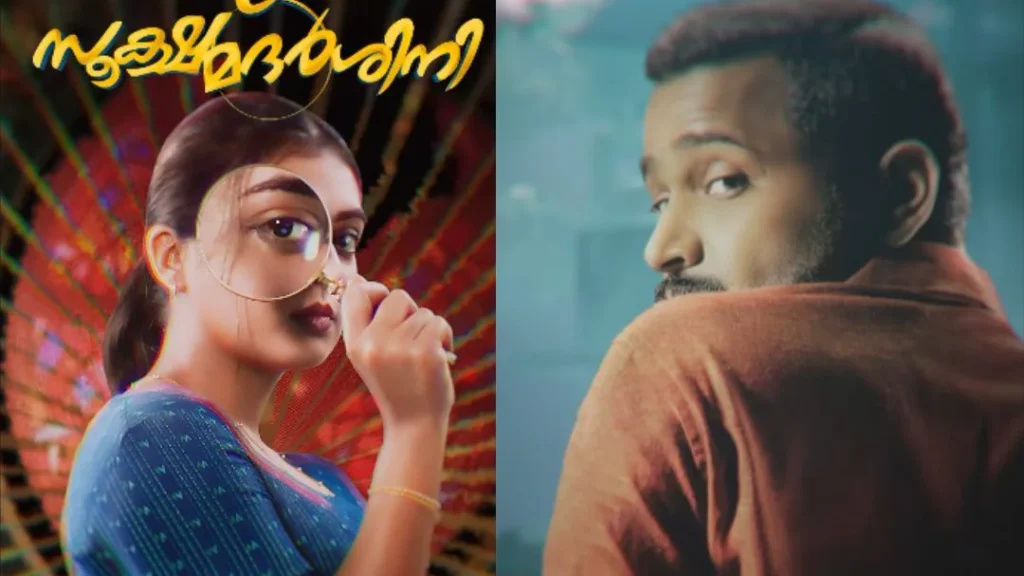
Sookshmadarshini might not feel entirely fresh, as it draws inspiration from various past works like Manhattan Murder Mystery (1993), In for a Murder (2021), and The Woman in the Window (2021), among others.

The story revolves around Priya, a microbiologist living happily with her husband and child. One day, her neighbour Manuel returns to his hometown with his mother, and from the very beginning, Priya senses something odd about him. The movie follows Priya’s observations and findings as she tries to uncover the mystery surrounding Manuel and his actions.

Trailer Sookshmadarshini

Sookshmadarshini sets out to be a compelling thriller, focusing on the “what” and “why” rather than the typical “whodunnit.” However, the lack of emotional depth and character development undermines its potential, leaving it a missed opportunity in the genre.

Priya’s Motivation: A Missed Opportunity for Emotional Depth

Priya’s skepticism toward her neighbour is established, but the why behind it isn’t developed well. She goes to extremes to uncover the truth, but the film struggles to make her motivations compelling. This disconnect diminishes the audience’s emotional engagement with her investigation.

In Manhattan Murder Mystery, Carol (played by Diane Keaton) is a housewife who becomes suspicious of her neighbour after the sudden death of his wife. The film builds Carol’s character through her curiosity, natural charm, and relentless energy.

Diane Keaton as Carol

Carol’s amateur sleuthing feels authentic because the narrative gives her relatable motivations: she’s bored with her life and eager to prove her intuition is right.

Another good example is character Anna Fox from The Woman in the Window (2021), the protagonist, is an agoraphobic psychologist who becomes obsessed with the lives of her neighbours. Anna’s character is layered: her psychological struggles, unreliable narration, and tragic backstory make her a flawed but relatable protagonist. The audience doesn’t just follow her investigation—they understand her pain and inner conflict, which adds emotional weight to her discoveries.

Writers should have added some emotional layers to Priya, like Anna’s struggles in The Woman in the Window, to create a stronger connection with the audience.

The Art of Distraction: Sookshmadarshini

Every mystery thriller works well when its distractions are crafted effectively. Writers often sprinkle events or characters to divert the audience’s attention from the actual clues. Take Kishkinda Kaandam as an example: the Maoism, the jungle, and Jagadeesh’s character—all serve as distractions. However, a clever writer always leaves the right hints, so when the truth is revealed, the audience can connect the dots they initially missed. That’s where the brilliance of a thriller writer truly shines.

Title Card: Sookshmadarshini

In Sookshmadarshini, the writers incorporated distractions and left clues for the audience. But by the end, you might wonder: was all this necessary? Was it exaggerated? The climax feels like a forced attempt to deliver a twist, making the payoff less satisfying.

A little more research could have made it better. For example, do you get notifications on Instagram when a random person (someone who doesn’t follow you or whom you don’t follow) sends you a message? I believe it mostly goes to message requests. That’s where the writers were in a rush to close the loop.

Casting and Tone Issues: Sookshmadarshini

While Basil does a commendable job portraying Manuel’s suspicious behaviour, his inherent charm works against the narrative. The audience doesn’t naturally hate or distrust him as they should.

Nightcrawler TRAILER

In contrast, performances like Jake Gyllenhaal’s eerie and unsettling portrayal of Louis Bloom in Nightcrawler (2014) or Vineeth Sreenivasan’s morally ambiguous Adv. Mukundan Unni in Mukundan Unni Associates ensure that the audience feels both repelled and fascinated. A similarly calculated casting choice for Manuel could have significantly amplified the tension.

Additionally, Nazriya is not entirely convincing as Priya—a super-observant, Lady Holmes-like housewife. Her portrayal feels more like her past characters, such as Jeena in Neram or Pooja in Om Shanthi Oshana. This lack of transformation dilutes the experience, especially in a genre where mood and atmosphere are critical.

Take, for example, Sharafudheen. In Bougainvillaea and Hello Mummy, his contrasting performances highlight how an actor can completely transform their mannerisms and attitude, creating a clear distinction between characters.

Even a static shot from either film would showcase the depth of his acting. This kind of immersion helps the audience bond with the character. Unfortunately, Priya’s character in Sookshmadarshini doesn’t achieve this, making it difficult to separate Nazriya’s performance from her previous roles.

Sookshmadarshini: Final Thoughts

Despite its flaws, Sookshmadarshini does manage to deliver a decent final act. The editing, especially in the climax, stands out, with smooth intercuts that effectively build tension and excitement while revealing the mystery. The background score complements these moments well, adding to the suspense.

While the screenplay takes some cinematic liberties, particularly in the second half, it might answer many of your WHY’s by the final twist. The seemingly distracting elements throughout the film make sense when viewed in hindsight, offering a sense of coherence to the overall narrative.

In the end, Sookshmadarshini succeeds in keeping the audience intrigued, even if it stumbles in emotional depth and character development. It’s a decent thriller that might not break new ground but manages to hold attention, especially in its well-executed final moments.

Share your thoughts as a comment.

Read about this week’s OTT Releases here.

9 Shades of Fahadh Faasil : Must Watch FaFa Movies

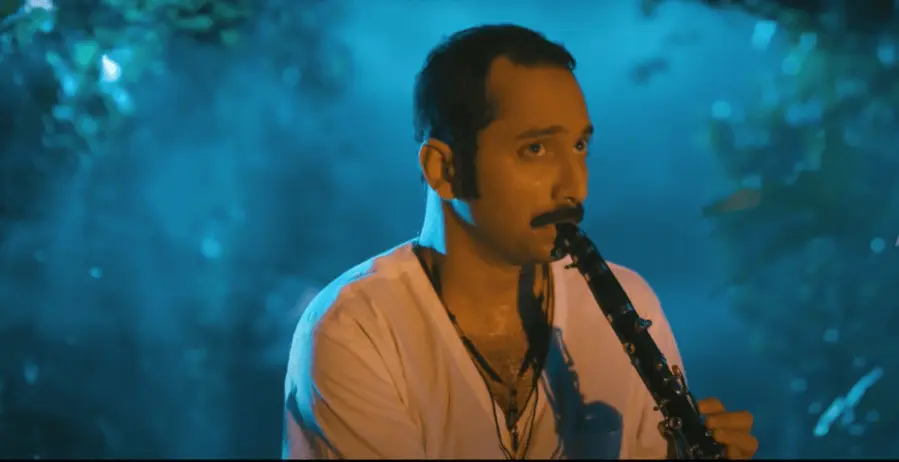
If you’ve watched movies like Pushpa, Vikram, Aavesham, or Maamannan, you’re likely a fan—or at least an admirer—of the incredibly talented Fahadh Faasil aka Fahad Fazil. Known for his devilish on-screen intensity, this Pushpa villain can steal the spotlight with just a subtle expression with his eyes.

Shades of Fahad Faasil

Here are my top 10 must-watch Fahadh Faasil (Fahad Fazil) movies, where he shines with outstanding performances and firmly establishes his place as one of Indian cinema’s finest actors.

I am not including popular OTT releases like Joji, C U Soon or blockbuster theatrical releases like Kumbalangi Nights or Malayankunju which are favourites of many Fahadh Faasil fans, available at Amazon Prime.

1. Amen: Hasyam (Humour)

Films with a strong sense of place and culture, like Gangs of Wasseypur or Aadukalam, offer an immersive experience, transporting you into their unique worlds.  Amen is one such experience, it’s a virtual ride to Kumarankari, a village in Alleppey.

Fahadh Faasil in Amen

True to its name, Amen is a divine rom-com with thrilling moments that capture the heart of its setting.

Watch Amen Now at Sun NXT

The story follows Solomon (Fahadh Faasil), a struggling musician in love with Shoshanna (Swathi Reddy), whose wealthy father disapproves. With the help of Father Vincent, they attempt to elope but get caught, leading to a band rivalry that will decide if Solomon can marry Shoshanna.

Amen trailer

In Amen, Fahadh Faasil brings an incredible range to his role. In the beginning, he embodies an insecure, immature youth; at the end, an ambitious musician driven by passion. Above all, he masterfully portrays humour. Few actors can convey vulnerability through humour without falling into melodrama, but Fahadh does it with ease

2. Trance: Adbhutam (Wonder)

Trance, directed by Anwar Rasheed, explores the dark side of corporate spirituality and the making of a “godman” figure. Fahadh Faasil plays Viju Prasad, a struggling motivational speaker who becomes the tool of two businessmen aiming to create a cult. As Viju transforms into Pastor Joshua, the film dives into themes of faith, control, and the thin line between sanity and madness.

Watch now TRANCE at Amazon Prime

Fahadh’s expressive eyes and subtle nuances bring depth to his character, making every scene riveting. From his early struggles as the insecure, self-doubting Viju to the almost maniacal conviction of Pastor Joshua, Fahadh commands the screen, carrying the film through its highs and lows.

A scene from Trance

Whether in loud, intense moments or quieter, more introspective scenes, his performance adds layers to the story, making Trance a remarkable, albeit imperfect, cinematic experience. It’s wonder is what we see in Viju’s eyes, which brings a feeling of amazingness in you.

3. Artist: Raudram (Anger)

Artist, directed by Shyamaprasad, explores the depths of love and sacrifice in an unconventional relationship. Based on Paritosh Uttam’s novel Dreams in Prussian Blue, the film examines what drives people into difficult relationships and why they stay, even when things go awry. Fahadh Faasil and Ann Augustine take the lead roles, giving life to characters whose bond is tested through profound emotional and physical challenges.

Watch now ARTIST at amazon prime

Fahadh’s portrayal of the troubled and often unkind Michael is striking, capturing the complexities of an artist consumed by his own ego and struggles.

Artist Full Movie at Youtube

Though Ann Augustine as Gayathri is the heart of the film, Fahad’s blind artist scored well. Fahadh’s performance reaches a peak in the climactic scene where he unleashes his anger on Gayathri. The intensity of his rage feels raw and real, capturing a deeply flawed side of his character, Michael.

4. Thondimuthalum Driksakshiyum: Shantam (Peace/Tranquility)

Thondimuthalum Driksakshiyum, directed by Dileesh Pothan, presents no heroes or villains, instead offering a layered narrative that forces viewers to question their judgments. The best thing about this Pothettan film is the way it uses geography & colour tone to set a shade for the film. The audience can experience the heat from the screen.

Watch now THONDIMUTHALUM DRIKSAKSHIYUM at Hotstar

Fahadh Faasil’s portrayal of the nameless thief is mesmerising, with his intense gaze and subtle movements revealing volumes about his character. In one of the film’s most iconic scenes—the chain-snatching sequence on the bus—Fahadh’s control over his body language and facial expressions makes the act appear both skillful and desperate.

Movie Trailer

With minimal dialogue, he captures the thief’s determination and slyness, transforming a simple theft into a gripping moment. Even in close-up shots that focus only on his eyes, Fahadh’s expressions convey the tension, urgency, and cunning of a character who will go to great lengths to survive.

Shades of Fahad Faasil/ Fazil

In Thondimuthalum Driksakshiyum, Fahadh’s calm, quiet nuanced performance shows life’s simple strength. His ability to say so much without words is a big reason he’s one of Indian cinema’s most loved actors. One word for this nameless thief: Tranquil.

5. Annayum Rasoolum: Karunam (Compassion/Sorrow)

Annayum Rasoolum, directed by Rajeev Ravi, tells a touching story about two people from different religions who fall in love. This was Rajeev’s first movie as a director, and he takes a close look at how a couple faces challenges from society and life in a small town.

Watch now ANNAYUM RASOOLUM at Hotstar / Manorama Max

The film shows real, sometimes tough moments, making it both sad and beautiful to watch. The way Rajeev tells the story and the way Madhu Neelakandan captures each scene make the film feel very real and special. Personally, my favourite movie from Andrea Jeremiah.

Annayum Rasoolum Trailer

Fahadh Faasil plays Rasool with warmth and quiet, yet he is filled with quiet compassion, showing his deep love and gentle care with every look and gesture. He makes Rasool’s love for Anna feel real and painful.

6. 22 Female Kottayam: Shringara (Flirty)

22 Female Kottayam, directed by Aashiq Abu, is a bold and uncompromising film that explores the themes of betrayal, abuse, and revenge through the eyes of a resilient woman. The film gained cult status for its unflinching portrayal of a woman reclaiming her strength and agency in the face of trauma, becoming a landmark film in Malayalam cinema for its powerful storytelling and fearless direction.

Watch 22 FK at SunNXT now

Fahadh Faasil takes on a daring role as Cyril, a character marked by deceit and manipulation. Fahadh’s performance shines as he brings out Cyril’s darker facets, particularly in moments of betrayal and confrontation with Tessa.

22FK Trailer

His flirting scenes in the movie introduce a fresh take on modern love to Mollywood—playful yet not cringe-worthy. His willingness to take on such a morally ambiguous role showcases his versatility and courage as an actor, proving why he is celebrated in Indian cinema.

7. Malik: Veeram (Courage/Heroism)

Malik, directed by Mahesh Narayanan, is a sweeping crime drama that follows the rise and fall of Sulaiman Ali, also known as Ali Ikka, a revolutionary leader of a coastal village in Kerala. Movie took a clear inspiration from classics like The Godfather and Gangs of Wasseypur.

Watch MALIK at Amazon Prime

Fahadh Faasil commands the screen as Ali Ikka, delivering a performance that brilliantly captures the character’s evolution—from a passionate revolutionary to a reflective, almost tragic figure.

His expressive face and intense screen presence elevate the character to near-mythic proportions, making Ali Ikka feel both grounded and larger than life heroism.

8. Carbon: Bhayanakam (Fear)

Carbon (2018), directed by Venu, is an adventure that mixes reality and fantasy. The story follows a young man named Siby, who goes to a mysterious forest called Cheenkannippara, hoping to make quick money. With stunning scenes, eerie sounds, and a surprising plot, Carbon makes viewers think about big questions like destiny, fear, and life’s purpose.

Watch CARBON at Zee5 now

Fahadh Faasil once again excels, bringing Siby’s character to life with an engaging mix of naivety and determination. His performance balances humor, thrill, and introspection, capturing the protagonist’s transformation as he faces both real and imagined challenges in the forest.

Fahadh’s expressive portrayal with fear keeps viewers intrigued, especially as he navigates the film’s more surreal and suspenseful moments.

9. Monsoon Mangoes: Bibhatsam (Disgust)

Monsoon Mangoes, directed by Abi Varghese, is a charming, quirky film that explores the journey of a dreamer with a passion that far exceeds his talent. This is not your typical Malayalam movie; rather, it’s a whimsical portrayal of a passionate film aspirant who doesn’t have the talent. His relentless pursuit of filmmaking, even when all odds are against him, is the hook.

Watch now: Monsoon Mangoes

Fahadh Faasil shines as D.P., bringing warmth and vulnerability to the role of a well-meaning yet misguided dreamer. His portrayal captures the innocence and single-minded determination of a man who, despite lacking talent, holds onto his passion.

Fahadh’s expressive range, from disgust and envy to frustration, makes D.P. relatable, even in his most misguided moments. D.P’s helplessness he vents out as disgust or contempt; I can’t imagine any other upcoming actor from Mollywood can pull off that classy disgust gesture with that ease.

10. Maheshinte Prathikaram: Fahadh Faasil A Complete Actor

Maheshinte Prathikaram, directed by Dileesh Pothan, beautifully captures the essence of life in a small village in Kerala’s scenic Idukki district. This film stands out as a slice-of-life narrative that doesn’t rely on exaggerated heroics or melodrama. Instead, it explores the simple, everyday moments that define its protagonist, Mahesh, a man whose story resonates with a sense of authenticity and realism.

Watch now MAHESHINTE PRATHIKARAM at Manorama Max

If you don’t have Manorama Max subscription, try dailymotion here.

Fahadh’s expressive eyes and restrained performance infuse Mahesh with authenticity, while his comedy timing and emotional depth make the character memorable.

Maheshinte Prathikaram Trailer

In Maheshinte Prathikaram, Fahadh brings all nine emotions to life through Mahesh’s journey. We see his playful love (Shringara) and quiet humour (Hasya) in small, everyday moments. When he faces heartbreak (Karuna) and humiliation (Raudra), his reactions feel real and relatable. There’s courage (Veera) as he stands up for himself, and even a bit of fear (Bhayanaka) when he’s uncertain. Disgust (Bibhatsa) shows up in his frustration, and wonder (Adbhuta) as he finds new purpose. Fahadh’s performance makes Mahesh’s story feel like a journey we all understand. This is where he truly became a complete actor!!

Comment your favourite Fahad Faasil movies or the one that I missed in this list.

Lucky Baskhar: Why it’s the Best From Venky Atluri

If I were to define Lucky Baskhar in one word, it would be “cathartic.”  Cathartic means nothing but that moment where you say, “My name is Maximus Decimus Meridius…” Lucky Baskhar follows the same path—the story of a middle-class bank employee who can’t even afford three pav bhajis from the streets of Mumbai, who becomes a billionaire in a couple of years. It’s not a one-man-show movie like Sivaji the Boss or Padayappa; rather, the credit must be shared between the team: Venky Atluri, Dulquer Salmaan, Nimish Ravi, and G.V. Prakash.

Title Card: Lucky Baskhar

A High Octane Narrative by Venky Atluri

Honestly speaking, I don’t like preachy movies, so I was a little hesitant about this Venky Atluri venture. I expected it to be a better version of Vijay Devarakonda and Parasuram’s Family Star.

Family Star Trailer

However, Venky surprised me with a well-balanced narrative filled with twists and turns. The thriller shade of the movie overpowered its middle-class hero glorification and preachy dialogues. Even the way he portrays some harsh truths is so classy and straight to the point—for example, dialogues like “I am not bad; I’m rich.”

Venky Atluri introduce his scenes like it’s from a pressure pump, building up tension in the audience and then with a twist, a sudden release—again, repeating this throughout the script until the climax. Normally, this pattern could make you bored, and by the climax, people might not feel the impact since they may start predicting things. But here, Venky shows brilliance in scripting; he covers up Baskhar’s cunningness with family drama and emotions so that the script ensures the audience won’t be skeptical about Baskhar’s actions. When Baskhar says, “It’s just begun,” he really means it. The second half shifts into top gear with family sentiments, thrills, emotions, and suspense.

A Con Thriller for Family Audience

So overall, Venky Atluri’s script is more like a Con thriller, with every other element acting as a cover-up. Another point I like about the script is that money laundering or stock market scams are not that easy to comprehend for a layman unless you are a fan of web series like Scam.

Scam 1992 Trailer

Here, Venky cleverly adds some overlapping shots where supporting characters explain things for you, so Baskhar’s sly moves become comprehensible even for those unfamiliar with the nuances of finance.

Dulquer Salmaan: Heart of the Film

It’s hard to imagine any other actor ( from Tollywood) pulling off this role with the ease Dulquer Salmaan does. His “boy-next-door” charm and physique make him a relatable character. DQ’s biggest plus is his “boy-next-door” look and physique.

Dulquer’s recent characters from TollyWood

His chest or arms aren’t like balloons, and he doesn’t have the headweight of a star. When he is humiliated, crying, we see a helpless middle-class family man, someone we know.

There’s a shot where he cries in the bathroom after almost losing everything—his dignity, his hope, his vehicle—and then switches with a smile. His ability to switch between helplessness and resilience ensures we empathise with his character. Venky’s objective of coating cunningness with innocence and justifying fraudulence with helplessness succeeds due to Dulquer’s screen presence and ease of acting.

Another big plus of Dulquer is he’s a great narrator. The movie progresses with DQ breaking the fourth wall and narrating, which is the icing on the cake.

Nimish Ravi’s Authentic Cinematic World

Cinematographer Nimish Ravi brilliantly captures the essence of 1990s Mumbai. Nowhere does the setting feel artificial, with the grey walls, crowded streets, and vada pav stalls giving an authentic backdrop.

Scene from Lucky Baskhar

In a period drama, the biggest challenge is making the setting believable. Nimish & Art team did a decent job here. It’s 1990s Mumbai, not because of some film posters but because of Nimish Ravi and art director Banglan (the art director of DQ’s Kurup).

G.V. Prakash Kumar’s Score – The Magic Touch

Pick any high or low moment in the film—when Baskhar faces an insult from a moneylender, or when he does a ₹6 million shopping spree and walks in slow motion—GVP makes sure you don’t have time to think about logic; just enjoy the magic on screen with your ears open. :). 

GVP’s music keeps viewers entranced, amplifying the emotional highs and lows without letting them pause to question or be a detective to predict what’s next.

A Strong Role for Meenakshi Chaudhary

When it comes to the beautiful Meenakshi Chaudhary, I’m personally so happy to see her in a prominent role rather than roles where she’s just serving coffee to the hero or dancing with some uncles. 

Ted talk: Dr Meenakshi Chaudhary

Her character, Sumathi, is strong, independent, and inspiring. It was well-written, and there are many scenes where she scores as an emotional anchor for Baskhar.

A Story That Resonates with the Middle-Class Dreams

Lucky Baskhar touches every middle-class man out there, and Venky successfully sells his dreams to that set audience. Overnight success with minimal consequence and a happy ending—what else does an average viewer want for satisfaction, at least for a day?

Image credits: @djmn_drawing

I appreciate how Venky shifts the perspective from “Fortune comes with risk” to “Fortune sustains when you know where to stop.” Most fortunes fall when people overestimate luck as skill.

Final Thoughts

In a world where only 2 million Indians (out of 1.428 Billion) belong to the high-income group (according to a 2021 Research report), Lucky Baskhar is bound to be a blockbuster.

It serves as a catharsis for everyone dreaming of overnight fortunes. Considering director Venky Atluri’s previous flicks like Vaathi or Rang De, in my opinion, Lucky Baskhar is the best.

Check out this week’s OTT releases here

Level Cross Explained: Breaking Down the Characters and Symbolism

Level Cross, 2024 Malyalam thriller directed by Arfaz Ayub, from Jeethu Joseph School, presents an intricate web of human emotions, twists, and symbolic visuals. If you walk away from the film with an open-ended climax or confusion, then you should read this; here I am explaining the ending of Level Cross along with the metaphors.

The film’s multi-layered story and subtle hints invite deeper exploration. This post might change how you see it, and you might play it again. If you’ve already decoded the hidden details, see if I’ve captured your observations as well.

1. The Opening and Setting as a Reflection of the Psyche

The film’s opening sets the tone, describing the setting as a space beyond time and reality. The film begins with a statement that the setting is “beyond time and space.”

The barren desert where Raghu (Asif Ali) serves as a gatekeeper is not just a remote landscape—it mirrors the emptiness and isolation within his psyche. The film asks viewers to question whether the events they see are real or delusions born from Raghu’s mind.

2. The Delusions and the Donkey: A Hint of False Narratives

In the initial phase, Raghu talks to a donkey, but we never see the animal from a shared point of view. The donkey seems to exist only in Raghu’s mind. Amala Paul’s character (Shikha) looks for with Asif Ali is talking but finds nothing, confirming it is imaginary. This suggests that Raghu is experiencing delusions.

Raghu claims he has goats and hens, but we never see them. The cages are empty, and the only trace of animals is a few feathers. 

However, we do glimpse a dead cattle, which might belong to the original Raghu. This creates further doubt about Raghu’s stories, hinting that the life he describes is not entirely his own.

Psychotic individuals often create alternate realities to escape guilt, trauma, or self-loathing. The audience is never sure if events are real, symbolic, or figments of Raghu’s imagination—reflecting how fractured his sense of reality has become.

3. Medals: A Grim Tally of Murders

The medals Raghu wears on his shirt and pins on the wall near the well represent the people he has killed. During the title credits and in the end while Shikha carry water, We can see many medals over the wall at the ghost village, that hints Raghu aka George might have killed many in that village.

Then there are five medals on his shirt. In the final scene, we can see 7 medals, that means seven victims by the end: his ex-girlfriend, her husband, their two children, Zincho, Chaithali (Shikha), and possibly the real Raghu (Indrans).

Two of the medals have new copper wires, suggesting recent additions to his list of victims. This visual clue hints that Raghu’s killing spree has continued over time and each medal represents a victim.

4. Chaithali and Zincho: Competing Narratives

Shikha tells Raghu that she is a psychiatrist and is escaping from her drug addict abusive husband Zincho. Later, Zincho claims that Shikha was his psychiatric patient, a dangerous psychopath, and a drug addict.

Both stories are suspicious, leaving the audience to wonder which version is true.

This narrative ambiguity makes it difficult to trust any character completely.

The Virtual image of Zincho while Shikha narrating her version

If you observe closely when Shikha narrates the story, we can see people in the frame, and it’s more lively. When Zincho narrates the story the frames are empty and dry.

5. The Real Raghu: A Stolen Identity

It is implied that Asif Ali’s character (George) killed the real Raghu (Indrans) and took over his life as a gatekeeper. The life he describes—living with his mother, farming, and rearing animals—might actually belong to the original Raghu.

This adds another layer of deception to the story, making it clear that George aka Raghu has been living a stolen life.

6. Upside-Down Monster: Raghu’s Transformation

Asif Ali tells Amala Paul about an upside-down monster that once terrified the nearby village, forcing the residents to flee. Later, when She sees Asif Ali at the well, the camera angle is upside down, hinting that Raghu himself might be the monster. 

This idea is reinforced in the post-credit scene, where the inverted camera perspective suggests that the monster now resides within Raghu.

The upside-down angles in these scenes hint at a dissociative mental state. Dissociation is a psychological defence mechanism where an individual detaches from reality to cope with trauma or guilt.

The monster that walks upside down could symbolise Raghu’s fractured self—his transformation from a man seeking redemption into a murderer. This shift suggests the collapse of identity under the weight of unresolved emotional trauma.

7. The Final Confrontation and Betrayal

When Zincho finds Shikha and tries to take her away, Raghu helps her escape by killing Zincho. However, Raghu later discovers a medical prescription in Zincho’s pocket, confirming that Shikha lied—she was the dangerous one. Enraged by her betrayal, Raghu kills Shikha and buries both her and Zincho.

Finally, he kept that prescription along with Raghu’s ID card. The next shot is the addition of two new medals. This act marks the completion of his transformation into a cold-blooded killer. And the movie ends with an inverted frame.

That final inverted perspective, suggests that Raghu (now revealed as George) has accepted the monster within. The monster is not an external being but the manifestation of his guilt, regret, and emotional scars.

This aligns with Carl Jung’s concept of the shadow self—the darker side of one’s personality that must be confronted and integrated to achieve wholeness. Raghu’s failure to confront his shadow leads to his full transformation into the very monster he feared.

The Psychopath and the Sociopath: Raghu and Shikha’s Psychological Profiles

The characters of Raghu and Shikha present traits of two distinct psychological conditions—psychopathy and sociopathy. Shikha (if Zincho’s version of events is true) exhibits traits of a psychopath: calculated, manipulative, and devoid of empathy.

On the other hand, Raghu’s emotional outbursts, impulsive killings, and need for emotional validation align more with sociopathic tendencies. Their relationship highlights the blurred lines between love and manipulation, sanity and madness.

The Real Story of Level Cross: My POV

George, begins his story with a series of brutal murders. He kills his ex-girlfriend, her husband, and their two children in a fit of rage. After committing these murders, he escapes and assumes a new identity. 

It is implied that he encounters the real Raghu, a gatekeeper working at a remote level crossing, and kills him to take over his life and role. After Raghu, he might have killed many in the village. 

At present, living in isolation as George, George hides from society, carrying the weight of his crimes and sinking into emotional emptiness.

Despite his psychological struggles, he maintains his monotonous existence as a gatekeeper in the barren desert, haunted by loneliness and regret.Then one day he met Shikha, and the rest is what we are seeing.

George’s desire for a normal life shines briefly when he meets Shikha aka Chaithali, but her betrayal leaves him with no hope, pulling him deeper into madness and violence.

Final Thoughts: The Thrill of Decoding the Layers

Level Cross may not offer the dramatic payoff of more conventional thrillers, but it delivers a uniquely unsettling experience. The film’s exploration of unreliable memories, emotional scars, and inner demons reflects the complex nature of the human psyche.

While the narrative oscillates between different perspectives, leaving some viewers frustrated, it also opens the door to deeper engagement.

So, was Raghu always the monster, or did circumstances turn him into one? Share your thoughts—perhaps, like the film itself, your interpretation will add another layer to this fascinating story.

Related Articles:

Merry Christmas: A Tale of Yadhoom, Love, and Mystery

Lust Stories 2 : Struggling to Keep the Lust Alive

Saripodhaa Sanivaaram: Vigilante or Vendetta?

What I like most about Trivikram Srinivas is how he connects mythological stories with mass masala movies. He often places his heroes in the roles of Vishnu, Rama, or Krishna, making them feel like incarnations of these divine figures. In Saripodhaa Sanivaaram, Vivek Athreya followed a similar approach.

Saripodhaa Sanivaaram Title card

Have you heard the story of Narakasura?

Narakasura was a powerful and evil demon king, the son of Bhudevi (Mother Earth) and Varaha, an avatar of Lord Vishnu. Despite his divine origins, Narakasura was notorious for his wickedness and cruelty. He ruled the kingdom of Pragjyotisha, where he terrorized people and killed many innocents.

His power and arrogance grew so immense that even the heavens were disturbed by his actions.

Finally, Lord Krishna decided to fight Narakasura. However, Narakasura had a boon that only his mother could kill him. Krishna, knowing this, allowed Satyabhama, who was an incarnation of Bhudevi, to take the lead in the battle.

Plot: Saripodhaa Sanivaaram

Saripodhaa Sanivaaram begins with this story, and throughout the movie, Naani keeps referring to it. In a way, S. J. Suriyah represents a modern-day Narakasura, Sokulapalam is a modern-day Pragjyotisha, and Surya and his girlfriend Charulatha can be seen as Krishna and Satyabhama.

Nani vs S J Suriyah Face Off from Sanivaaram

But there is one difference, Krishna empowers others to take action against injustice but Suriya is different, when he witnesses injustice, he does not let it go.

Why You Should Try This Movie

This movie is packed with all the elements that make for commercial success in Tollywood and Kollywood: mother sentiment, father sentiment, sister sentiment, and a hero saving a community from oppression or vigilantism. A hero introduction setup where he fights against injustice. You’ll experience intense cat-and-mouse games between the villain and the hero.

Nani & Priyanka Mohan

But what’s most impressive is that Vivek Athreya proves you don’t need to rely on showing the actress’s navel, a mass item song, or a foreign set song to create a mass action flick. Even though it’s a mass entertainer, Vivek Athreya keeps a minimalist approach, ensuring that you won’t get bored with cliches. In one line, Saripodhaa Sanivaaram is a middle-class Chathrapathi or a Vikramarkudu on a low budget.

A Domino Game and Athreya’s 6 Chapters

I feel like Vivek Athreya, as a writer, took inspiration from films like Tamil Maaveran and various Hollywood movies. He segmented Saripodhaa Sanivaaram into six chapters: the prologue, the turn, the knot, the crossroads, hide and seek, and redemption. It’s almost as if Vivek Athreya is trolling mass-action fans, sarcastically asking us, ee formula Saripodhaa? (Isn’t that enough?).

S J Suriyah as C I Daya

He established Suriyah (Nani) with subplots, Charulatha (Priyanka Mohan) with an open-ended past, and Daya (S J Suriyah) laced with dark humour and a dysfunctional family plot, all of which set the stage for a fire show.

The way Vivek wrote the script is like a domino effect—each event triggers the next, and each character drives an event. It’s beautiful to witness the script evolve so rhythmically.

Performances & Cast

When it comes to performances, Abhirami’s portrayal of the mother was deeply touching and reminded me of Simran in Kannathil Muthamittal, especially those moments at the beach, and some elements from  Bhanupriya of Chathrapathi.

Sai Kumar, the millennium’s angry young man, plays a father struggling to pacify his angry young son. There wasn’t much for a veteran like Sai Kumar to do, aside from a few bass voice narrations.

Nani as Suriyah

S. J. Suriyah and Nani played their characters brilliantly, convincingly portraying their utterly chaotic and distressed lives. Both are going through pain triggered by siblings—one suffering because of his brother, the other troubled by his sister.

Murli Sharma and Ajay Ghosh’s characters were icing on the cake with the perfect touch of humour to the film with their mannerisms and timing.

S J SUriyah speech at Saripodhaa Sanivaaram pre-release event

However, Priyanka Mohan’s character didn’t quite convince me. As S. J. Suriyah mentioned during the pre-release event of Saripodhaa Sanivaaram, Priyanka was too cute even as a constable. Her makeup, costume, and body language felt more like a hero’s pillion rider. I wish she had played a more prominent role, similar to what we see in the Narakasura story.

Jakes Bejoy: The Master of Elevation

Last but not least, Jakes Bejoy is the one who ensures you won’t dig too much on logic. Instead, you’re completely sucked into Athreya’s world, where no poor man uses social media or mobile cameras. For every question that pops into your head, Vivek’s writing will push you to another event, and Jakes Bejoy’s BGM will scream loud, and shut your curious mind, keeping you on track.

Saripodhu Ee Sanivaram

Finally, it’s technically a Vivek Athreya vigilante story, but I believe it’s actually a Vivek Athreya revenge story—a revenge against the Telugu audience who made his Ante Sundaraniki a flop. Now, he’s screaming loud to you: Saripodhaa Ee Sanivaram! (Is this Saturday enough??) I believe people are saying a big yes! Ee saari assalu bore kottaledhu.

Related Articles

Aattam, Who Is The Culprit: Ending Explained

Aattam Movie explained and find the culprit
Refer to this image for a better reading experience.

If you ask me, which is the brilliant Malayalam film from the 2024 first quarter, I would say it’s Aattam. Aattam is a 2024 Malayalam suspense chamber drama. Penned by debutant director Anand Ekarshi, Aattam navigates through the politics of gender dynamics, patriarchy, situational morality & selfishness in humans, within a theatrical setting. If you have seen this movie, most viewers ask a question: Who is the culprit in Aattam. Let me explain the layers of Aattam first, and if you are impatient, the answer is Sudheer.

Plot Overview

Aattam is a thriller of accusation and betrayal set against the backdrop of a theatre troupe. The plot circles around Anjali, the group’s only female actor, levelling charges of sexual harassment against a newly joined popular movie star in their team.

A scene from Aattam
A scene from Aattam

What starts as a straightforward allegation soon spirals into a complex web of deceit, manipulation, and shifting loyalties, especially when the proposal of a European tour throws the troupe into moral disarray.

The narrative cleverly employs a classic whodunit structure, yet the way it unveils the innate biases and hypocrisy of its characters is what makes it interesting.

How Aanand, wrote each character is truly admirable; for example, the character Aji (the eldest among them): Aanand constructed the character through micro interactions (mentioning phone calls, his mannerisms, etc).

A scene from Aattam
Transformation scenes of Aji from Aattam

At the same time, Aji’s transformation didn’t go well (someone who doesn’t care about dying suddenly willing to compromise on himself so that he can go to Europe is a bit forced, in my opinion). And all this was just so that he could say what he said at the end.

Finding The Culprit & Theme of Aattam #Whodunnit  

Aattam is not about Whodunnit; by the end of the film, if you are just curious to know Whodunnit, then I would say this film is not for you. This film is not about the sinner; rather, it’s about the sin.

It’s like wondering if Teddy Daniels in Shutter Island chooses to live in a lie or faces the truth in the end. The real question isn’t what reality he picks. It’s about Teddy reaching a point where he prefers peace over constant torment, regardless of whether his world is real or made up. So, he makes a choice that might lead him to a lobotomy, showing he’d rather forget than live with the pain.

A scene from Shutter Island

The movie is sprinkled with so many minor flaws in human interactions, be they judgmental, generalisation based on experience, selfishness, hypocrisy, vigilantism, patriarchal mindset, social influence, arrogance, or demeaning others.

A scene from Aattam
A scene from Aattam

Even in the way he shows patriarchal ideologies in all layers of society, for example, there is a scene where a politician requests Madan’s vote, saying, Come and vote for me with the same finger that you have voted for my father.

By the end, when Anjali says: “നീ ആരാണെന്ന് എനിക്കറിയണ്ട. നീയും ആ 11 പേരും തമ്മിൽ ഇന്നെനിക്ക് ഒരു വ്യത്യാസവുമില്ല”

Climax scene from Aattam

The director Anand Ekarshi summarises the movie there. But if you are curious to find the culprit from Aattam, I will help you. Scroll down straght to the last sub-heading.

12 Angry Men v/s Aattam

Aattam is very similar to the classic 12 Angry Men, be it the style, theme, and narration. It’s evident that Aanand Ekarshi is highly inspired by 12 Angry Men.

The film 12 Angry Men exemplifies many social psychology theories. This tense, compelling film, features a group of jurors who must decide the guilt or innocence of the accused.

12 Angry men scene
12 Angry Men

Initially, eleven of the twelve jurors vote guilty. Gradually, through heated discussion, the jurors are swayed to a not-guilty decision. Upon examination, the film highlights social psychology theories in areas of conformity, attitude change, and group processes.

Don’t you think it’s the same structure that Anand is following here?

When the inverter stops working, everyone leaves the house and steps outside due to the heat. Later, when it starts to rain, everyone rushes inside the house. These 2 scenes are one of the few scenes in which background music can be heard.

I think the director Anand Ekarshi wants to emphasise these 2 scenes, to show how we change our stance depending on the situation. The whole team was sure about throwing out Shajon’s character initially, but when the London Trip was introduced, everyone changed their stance.

Climax scene from 12 angry men movie
A scene from 12 Angry Men

A similar scene you can see from 12 Angry Men, where they open the windows because it’s too hot inside, and they open up the windows.

This shows that we humans change our stands as per our needs. This is where, I thought it would have been great if there were a couple of women who initially stood with Anjali and then turned their backs after the European trip offer came, It would better show that most people are hypocrites, not just men.

Attitude Change and Persuasion in the First Half

The central route to persuasion is all about logic and reason. It’s where you convince someone by using strong arguments, evidence, and facts to back up your position.

In the first half, you can see that Madan, Sijin, Jolly and Santosh are doing this.

For example, Sijin asks Madan: “What exactly did she tell you”, or Jolly asks: “So it happened not when she was awake”

Peripheral v/s Central persuasion from AATTAM
Peripheral v/s Central persuasion

The peripheral route of persuasion is the opposite of the central route. It’s a shortcut to influencing someone, relying on indirect cues and associations rather than strong arguments.

It targets our emotions and biases, and doesn’t require much effort from the audience to process. Vinay, Aji, Nandan, Sudheer, and Selvan are following this route.

For example when Nandan says: “He will do it, he always shares bawdy jokes”. or Selvan says: ” A sober mind wouldn’t do such things, it happened becuase they were drunk”. Through the use of non-factual, environmental cues, the sick gentleman utilises the peripheral route to persuasion.

Another important factor is Social loafing. It describes a situation where people exert less effort when working in a group compared to working alone. It’s like slacking off a bit because you think others will pick up the slack.

Prashanth and Jolly are in that stage, where they are slacking off with excuses.

And by the end of the first half, you can see group polarisation.

Imagine you and your friends are discussing a movie. Some might initially like it a little, some might be neutral, and a few might dislike it. Through discussion, those who liked it a little might become more enthusiastic, and those who disliked it might become even more critical. This is group polarisation.

Vinay brilliantly polarised everyone in one direction, by the end of the first half.

Moral Disengagement in The Second Half

Throughout Aattam, you are going to witness a few complexities in human behaviours like Moral Disengagement and Hypocrisy.

What is moral disengagement?

Moral disengagement is basically a fancy way of saying someone talks themselves into believing ethical rules don’t apply to them in a specific situation. It’s a psychological process that lets people act unethically without feeling bad about it.

Moral Disengagement from AATTAM
Moral Disengagement

Moral justification: Coming up with reasons why their actions are good, even if they aren’t. In Aattam, how conveniently the characters brought different reasons after they got to know about the European trip.

Observe how Selvan, Madan, Aji and Jolly. For instance, Jolly, the silent guy in the first half is aggressive and says “Just swallow the story in the whole”.

Moral Disengagement from AATTAM

Euphemistic labelling: Using nicer words to downplay the seriousness of their actions. For example when Madan talks about “Tactile Halluccination” he is trying to nullify her arguments in a sweeter way compared to Santhosh and Sijin.

Discrediting the victim: This involves downplaying the harm caused to the victim or portraying them as deserving of the negative consequences.

For example, Selvan saying about Anjali’s drinking habit, Prashant talking about her relationship with a married man, Sijin talking about her relationship, even addressing her as “Set-up”.

Disregarding or minimising consequences: This involves downplaying the negative outcomes of the action. For example, Vinay saying Anjali ” No one did anything to you, let’s believe it like that.”

I really love that scene where Anjali asked the question to vinay: “If it’s not Hari, who was it? , no one raised this question”. this is where the brilliance of the script, in the beginning, everyone was talking about the punishments, but when they realised it’s not Hari and one among them, they conviniently went through the moral disengagement and forgot the whodunnit part.

Who Is The Actual Culprit: Aattam Ending Explained

If you really want a culprit, let me share some thoughts:

In the final scene of the movie, in Anjali’s drama, the culprit confesses while Anjali is holding a yellow cloth. There is only one character in the whole movie who is wearing a yellow dress. Is that the culprit? 

That’s not a rational finding, right?

Okay, one more theory:

Anjali said, there was an intense perfume smell. Guys who fell in the pool won’t have that intense smell.

Jolly, Sudheer, Prashanth and Vinay were the people who didn’t fall in the pool.

Let’s eliminate Vinay, since, he is her lover. Jolly was busy with his video call and was disturbed, so let’s eliminate him.

Now either it should be Prashanth or Sudheer. Sudheer and Prashanth are the ones who got disturbed while hearing this, and went out for smoking.

I believe it’s Sudheer. WHY?

During that party, Sudheer was disturbed by seeing Anjali’s cleavage, that disturbance can be an arousal as well. Sudheer tried to hide the evidence in the first half, without any rationality. Near to the climax, while Jolly is showing the screenshot to others, Sudheer acts like he is seeing the first time. He was in a hurry to establish Hari as the culprit. He consistently avoided involving the police.

Sudheer's key scenes from Aattam which proves that he is the culprit of Aattam
Sudheer’s key scenes from Aattam

Being a smoker, Sudheer knew that Hari kept cigarettes in his car. He likely stole the car keys before the other person retrieved them.

Additionally, Sudheer watched pornography just before the incident. that was revealed later. Madan is asking why Nandhan went to Shajitha’s room, if we place Sudheer in Nandhan’s place, we have an answer: Sudheer might have gone there to see his wife and might have seen Anjali.

So, I believe it’s Sudheer. But let me remind you that the essence of film is not #Whodunnit

“നീ ആരാണെന്ന് എനിക്കറിയണ്ട. നീയും ആ 11 പേരും തമ്മിൽ ഇന്നെനിക്ക് ഒരു വ്യത്യാസവുമില്ല” 👌 { “I don’t need to know who you are. You and those 11 people are all the same to me today.” – Anjali }

Read more movie reviews and analysis here.