Welcome to our “Latest Movie Reviews” category, where you’ll find comprehensive and up-to-date insights on the most recent releases. Are you wondering what to watch? Don’t worry, we’ve got you covered. Our reviewers analyze the latest films, ensuring that you make informed decisions before spending your precious time.
Get ready to explore our collection of film reviews, covering a wide range of genres and languages. Whether you’re interested in Telugu movies (Tollywood releases) Tamil movies(Kollywood releases), Malayalam movies (Mollywood releases), Hindi movies (Bollywood releases), we provide in-depth assessments of each film.
We understand the importance of staying up-to-date with OTT releases, including movies, web series, and shows. Our reviews encompass popular platforms such as Netflix, Amazon Prime, Zee5, Jio Cinema, and more. You’ll discover where to watch the latest releases and gain valuable insights into their quality and storyline.
Finding the perfect movie or web series to suit your taste has never been easier. Explore our “Latest Movie Reviews” category today, and let us help you navigate the vast world of entertainment. Stay informed, make informed choices, and enjoy the best of cinema!
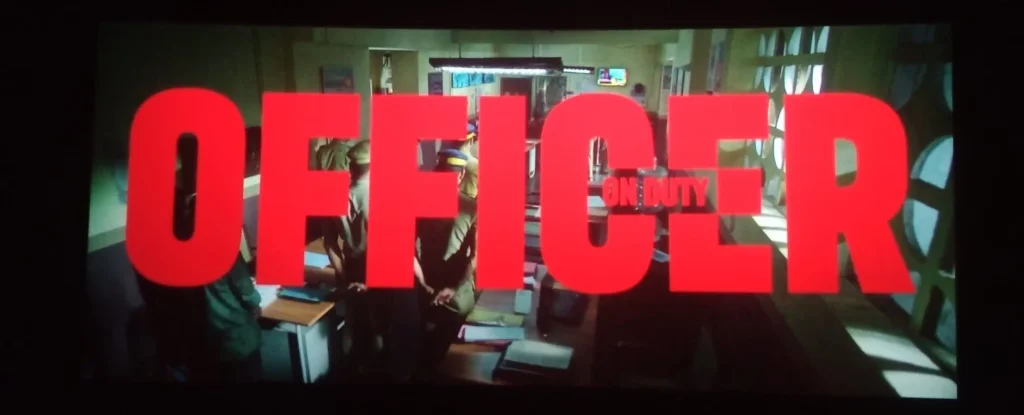
Directed by Jithu Ashraf, Officer On Duty is built on writer Shahi Kabir’s signature investigative thriller framework. If you’ve seen Joseph or Ela Veezha Poonchira, you know what to expect—meticulously crafted police procedural scenes, morally grey officers, and layered storytelling. That was my only reason for watching Officer On Duty, hoping for another gripping police procedural. But this time, there’s a shift.
OFFICER on Duty Title Card
No Nonsense, Straight to the Case
As expected, there’s no unnecessary drama. Within five minutes, the film is on track. It kicks off with a chilling prologue before shifting to the introduction of CI Harishankar (Kunchacko Boban). I have to appreciate Kunchacko for approving an intro scene where his character harasses a pregnant woman—not something most stars would dare to do. Mollywood continues to stand apart in its willingness to portray morally grey characters, even with leading actors.
The story follows DYSP Harishankar, who is demoted to CI after physically assaulting his senior officer. He’s battling psychological trauma, and on his first day as CI, he gets assigned a counterfeit gold case. But this small case unexpectedly leads him to something much bigger—something connected to his own past. The way Shahi Kabir sets up these connections using the plant and payoff technique is brilliant.
First Half – Packed with Suspense & Character Depth
A major strength of the first half is how it establishes Harishankar’s character. We get to see his shades—his flaws, his aggression, and his vulnerabilities. Sure, there are a few unnecessary moments like Muthumani’s ‘chocolate hero’ commentary or Priyamani’s repetitive domestic scenes, but overall, the first half keeps us engaged, slowly building curiosity for what’s next. Foreshadowing in the writing plays a big role in keeping us hooked.
Second Half – Too Much Drama, Too Many Compromises
Shahi Kabir has a pattern. His second halves usually shift into family drama or emotional conflicts (Joseph, Ela Veezha Poonchira). So, I was expecting that. But in Officer On Duty, the shift felt too drastic. There’s a lot of cinematic drama, and while that might help at the box office, it also dilutes the soul of the film.
The biggest issue? Character inconsistency. Harishankar in the first half and Harishankar in the second half feel like two different people. It’s as if the film forgets its grounded realism and switches into a supercop action thriller. Thankfully, Kunchacko Boban’s performance smooths over some of the rough edges. He carries the weight of the transformation with conviction, but it’s still hard to ignore how much the tone changes.
Repetitive Writing –Fridging and the Same Old Cop Tropes
I have to ask—why are writers so obsessed with ‘fridging’ female characters in investigative thrillers? The idea that a woman must suffer to motivate the hero is overused and outdated. And why is every troubled police officer a failed family man dealing with a divorce? We’ve seen this formula so many times—an emotionally broken cop, a family crisis, and in the end, a personal stake in the case. It’s predictable if you watch thrillers often.
Officer On Duty Trailer
What Worked – Technical Brilliance & Performances
If Kunchacko Boban is the emotional anchor of the film, Jakes Bejoy is the soul. His background score elevates the tension and keeps the narrative gripping. In fact, it was Bejoy and Kunchacko who made this film worth watching for me, not the screenplay.
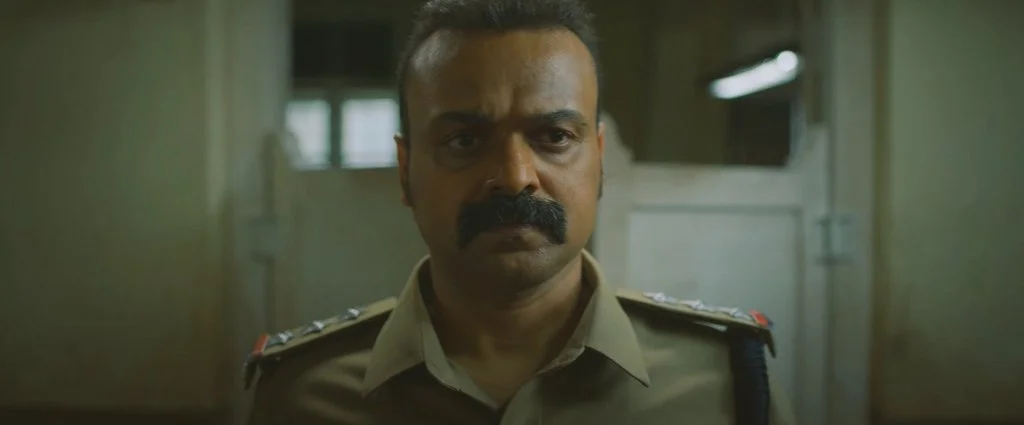
Kunchacko, as Harishankar, is completely convincing. His haunted eyes, his rough exterior, and the visible trauma in his body language make the character believable. He put in the effort, and it shows.
Kunchako Boban CI Harishankar
Technically, the film shines. Roby Varghese Raj’s cinematography and Chaman Chacko’s editing set the perfect dark, intense tone. The action sequences are well-executed, especially considering the film’s production scale. The mortuary fight and climax sequences were particularly well-shot, making the brutality feel raw but not excessive.
Final Opinion – From ‘What’s Next?’ to ‘Here We Go Again’
Officer On Duty starts off as an exciting investigative thriller, making us wonder, “What’s next?” But by the end, it turns into a supercop action film, filled with predictable twists, overused tropes, and cinematic hero moments for the whistles and cheers.
Does it deserve to be a super-hit? Yes. Does it work as a solid thriller? Not for me. I had high expectations from Shahi Kabir, but this time, it felt like he chose commercial appeal over storytelling depth.
Watch it for Kunchacko Boban and Jakes Bejoy. Just lower your expectations if you’re looking for a realistic thriller.
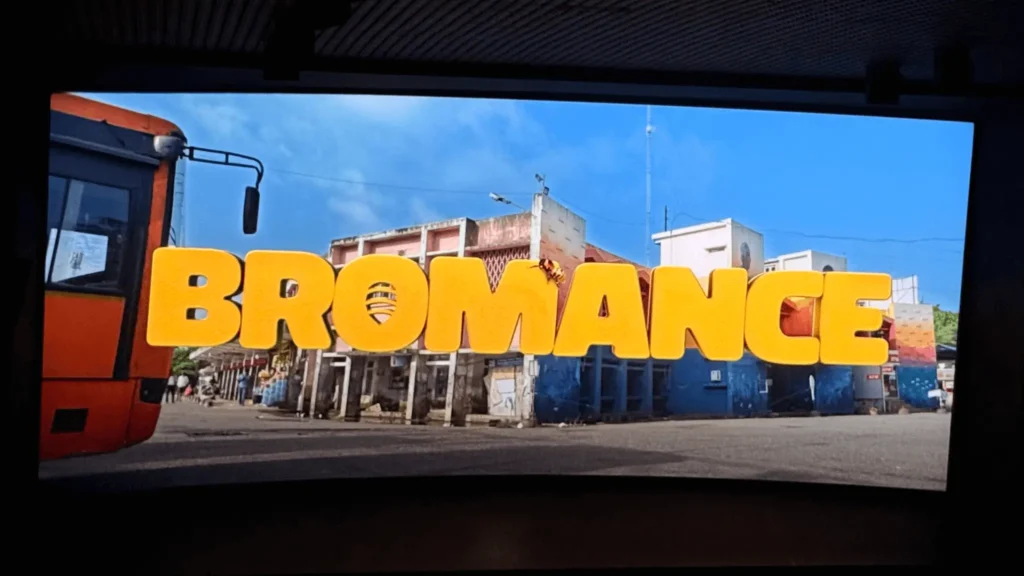
Directed by Arun D Jose, Bromance follows his familiar formula of making youth-centric films, as seen in Jo & Jo and 18+. Here there is a slight shift.
How do you make a comedy film? There are many ways, but in Malayalam cinema, the popular ones are Priyadarshan-style slapstick, dark humour, everyday observational comedy like Premalu, or deadpan delivery, where the humour comes from an actor’s serious and emotionless reactions—like Biju Menon’s humour characters.
Bromance Movie Title Card
Written by Thomas P. Sebastian and Raveesh Nath, Bromance (2025) tries to blend all these styles here and there. But does it work? Only in the second half.
A Cliché Bromance Setup with a Predictable Plot
The movie begins with a cliche Setup. The elder brother, Shinto, is the responsible one, while the younger brother, Binto, is the reckless slacker. As expected, Shinto takes care of Binto, even funding his rave parties.
Then comes The Inciting Incident—Shinto goes missing. This leads to the introduction of characters from Shinto’s world: his ex-girlfriend (Mahima Nambiar), his best friend (Arjun Ashokan), a rowdy (Kalabhavan Shajon), and an ethical hacker (Sangeeth Prathap).
The rest of the movie is about how this mismatched gang tries to solve the case.
Weak Emotional Depth and Character Motivations
The writers attempt to create comedy through contrast—placing Arjun Ashokan’s calm, timid character alongside Mathew’s hot-headed young man. But it doesn’t work.
Over-the-top humour isn’t everyone’s cup of tea, and it’s tough to pull off. When we see Manavalan or Dasamoolam Dhamu, we don’t think about logic—we just enjoy the humour because their caricatured personalities are established from the beginning. Here, when Mathew and Sangeeth Prathap go over the top, it feels annoying, clichéd, or like forced cringe comedy.
Another issue is the forced emotional beats. The bond between the brothers isn’t developed organically. Some scenes, like a social media bullying victim taking revenge and saying, “I will share this video with my daughter,” felt completely out of place.
The way the team comes together for the mission also feels unconvincing—why are they all risking it? The writing could have been sharper, with better confrontations to make this an exciting screwball comedy thriller. Instead, it ends up feeling like a missed opportunity. Some side characters also feel force-fitted into the story.
Does that mean the film isn’t entertaining? A big No!!!
Second Half Brings the Laughs
Despite all the friction in the first half, the second half is decent. There are genuinely funny moments, especially with Arjun Ashokan, Mahima Nambiar, and Kalabhavan Shajon. They bring energy, presence, and great comic timing.
Since the climax and story are predictable, what surprised me was Arjun Ashokan’s over-the-top performance in the second half.
After Romancham, he proves once again that he can handle humour as well as serious roles—he is a perfect actor to create comedic incongruity. I hope more directors explore this side of him. Similarly, Kalabhavan Shajon’s one-liners and Mahima’s screen presence made the second half more enjoyable.
Bromance Movie Poster
Cinematography & Music: Stylish And Matches the Vibe
Cinematographer Akhil George does a decent job in maintaining the vibrant, youthful visual style, it helped us matching the vibe. The night scenes and party sequences are well-shot, adding a stylish touch, and elevated the film beyond its script’s limitations.
Music by Govind Vasantha follows a familiar template—while it complements the film’s mood, there are no memorable tracks that stand out. The background score does help in setting the comedic tone, but it lacks freshness.
Bromance had the potential to be a great comedy thriller but ends up being just an okay entertainer.
The humour is hit-or-miss, the writing could have been tighter, and some characters feel unnecessary. However, if you can sit through the uneven first half, the second half has enough fun moments to make it worth a watch.
Which are the OTT releases this week? With so many releases across platforms, here are 3 picks that I think are worth checking out. Family (Malyalam), Amaran and Lightshop are my suggestions. Why I pick those; scroll down to read more.
Satya (Alia Bhatt) is an orphan fighting against time to save her brother Ankur (Vedang Raina) from a wrongful death sentence in a foreign prison. She teams up with a retired gangster (Manoj Pahwa) and an ex-cop (Rahul Ravindran) for a high-stakes jailbreak.
❤️ Alia Bhatt shines in a fierce and emotional role. ❌ Complicated storytelling with overlapping perspectives weakens the impact. ❌ Overblown climax overshadows moments of quiet brilliance.
Vicky Vidya Ka Voh Wala Video: Some Laugh Here and There
Plot & Review: Vicky Vidya Ka Voh Wala Video (2024)
Set in 1997, the film follows Vicky (Rajkummar Rao) and Vidya (Triptii Dimri) as their ‘voh wala video’ from their first night goes missing, triggering chaos.
❤️ Rajkummar Rao brings his signature charm to a familiar small-town character. ❌ Sluggish writing and outdated jokes fail to deliver consistent laughs. ❌ Wasted performances by a talented supporting cast, including Vijay Raaz and Mallika Sherawat.
Set between the 50s and 80s, Matka tells the rags-to-riches story of Vasu (Varun Tej). Starting from juvenile prison, Vasu’s journey involves underground fights, criminal schemes, and national-level scandals, culminating in a confrontation with the system.
❤️ Authentic period details in sets, costumes, and music elevate the experience. ❌ The narrative feels rushed, sidelining key characters and the titular gambling theme. ❌ Predictable arcs and repetitive storytelling reduce emotional engagement.
While Matka has its moments of mass and rage, overall it struggles to deliver a compelling and cohesive tale of gambling and power.
Amaran showing us the life of Major Mukund Varadarajan (Sivakarthikeyan), balancing his journey as a soldier with a romantic storyline involving Indhu (Sai Pallavi).
❤️ Sivakarthikeyan delivers one of his career-best performances with restraint and depth. ❤️ A thoughtful narrative avoids jingoism, focusing on the sacrifices of soldiers and their families. ❌ Sai Pallavi’s accent occasionally detracts from her otherwise stellar portrayal.
With a decent screenplay, awesome performances, and GV Prakash’s evocative score, Amaran beautifully honours the unsung heroes and their families.
Light Shop: A Supernatural Mystery Worth Your Attention
Platform: Disney+ Hotstar Director: Kim Hiewon Cast: Ju Jihoon, Park Boyoung, Bae Seongwoo, Lee Jungeun, Kim Minha
Plot & Review: Light Shop (2024)
Set in a dark, mysterious neighbourhood, Light Shop follows six strangers struggling with traumatic pasts who stumble upon a glowing shop offering answers to their lives’ mysteries. With intertwined stories and a chilling atmosphere, the series explores life, death, and redemption.
❤️ The world-building and haunting visuals immerse viewers in the mysterious setting. ❤️ Park Boyoung delivers an emotional performance as a nurse grappling with her near-death experience. ❌ Multiple storylines may feel overwhelming without close attention.
With its mind-bending narrative and haunting visuals, Light Shop demands full focus but rewards viewers with suspense, emotion, and intrigue. A must-watch for fans of supernatural mysteries.
Sir: A Cliched Script With Some Highs
Platform: Aha Director: Bose Venkat Cast: Vemal, Saravanan, Chaya Devi
Plot & Review: Sir (2024)
Set in the 1980s, Sir follows Sivanyanam (Vemal) as he inherits his family’s mission to uplift a rural village through education. Battling caste oppression, superstitions, and societal resistance, he must overcome his own indifference to fulfill his father’s dream of turning their school into a higher secondary institution.
❤️ Vemal delivers a balanced performance, excelling in both light-hearted and serious moments. ❌ Repetitive storytelling and dated execution dilute the impact. ❌ Overstretched runtime and heavy-handed symbolism feel excessive.
While Sir has noble intentions but predictable narrative make it more of a lecture than a compelling drama.
Murphy: A Time-Travel Drama That Struggles to Connect
Murphy revolves around David (Prabhu Mundkur), who communicates with Janani (Roshini Prakash) from the past through a mysterious Murphy radio. The radio, tied to the tragic death of David’s father, stirs conflicts in his relationship with his grandfather Richie (Dattanna) while exploring themes of loss and love across timelines.
❤️ A fresh premise blending time travel with emotional storytelling rather than a cliched thriller narrative style. ❤️ Strong performances by Roshini Prakash and Prabhu Mundkur elevate the narrative. ❌ Weakly developed relationships and rushed subplots limit emotional impact.
While Murphy offers intriguing moments and quality performances, its lack of emotional depth holds it back from becoming a standout in the time-travel genre.
Family: A Subtle Narration That Questions Society
Platform: ManoramaMax Director: Don Palathara Cast: Vinay Forrt, Divya Prabha, Nilja K Baby, Mathew Thomas
Plot & Review: Family (2024)
Sony (Vinay Forrt), a well-regarded teacher in a conservative Christian village, is a seemingly upright figure protected by his family and community. Through a series of events, the film peels back layers to reveal unsettling truths about family dynamics and societal complicity.
❤️ Vinay Forrt delivers a nuanced performance, balancing the character’s deceptive warmth and underlying menace. ❤️ The metaphorical subplot involving a tiger cleverly mirrors the protagonist’s duality. ❌ Side characters, while believable, are underdeveloped with minimal screen time.
Family is a thought-provoking film that critiques societal and familial constructs. Worth watching for its layered storytelling and eerie undertones.
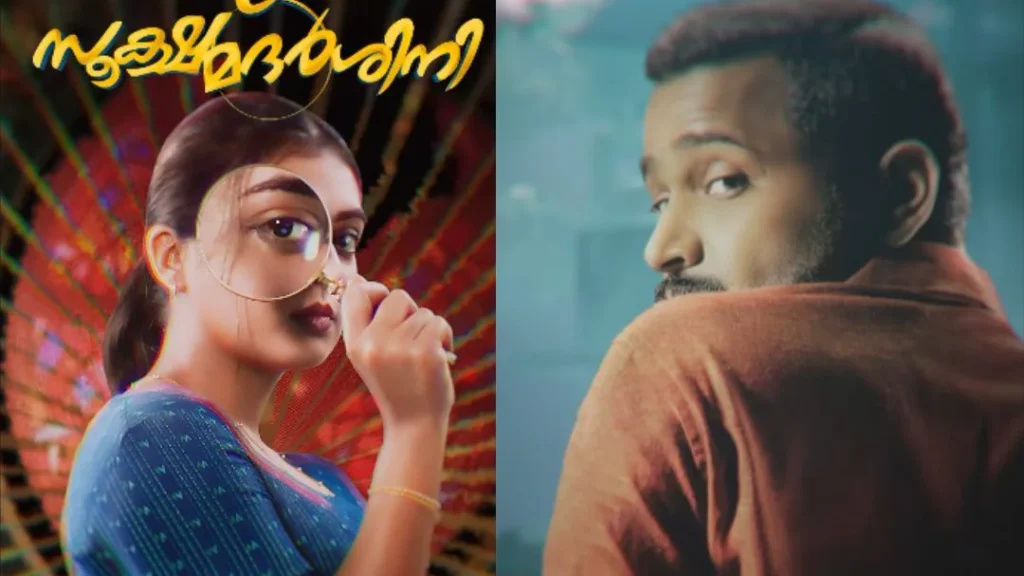
The story revolves around Priya, a microbiologist living happily with her husband and child. One day, her neighbour Manuel returns to his hometown with his mother, and from the very beginning, Priya senses something odd about him. The movie follows Priya’s observations and findings as she tries to uncover the mystery surrounding Manuel and his actions.
Trailer Sookshmadarshini
Sookshmadarshini sets out to be a compelling thriller, focusing on the “what” and “why” rather than the typical “whodunnit.” However, the lack of emotional depth and character development undermines its potential, leaving it a missed opportunity in the genre.
Priya’s Motivation: A Missed Opportunity for Emotional Depth
Priya’s skepticism toward her neighbour is established, but the why behind it isn’t developed well. She goes to extremes to uncover the truth, but the film struggles to make her motivations compelling. This disconnect diminishes the audience’s emotional engagement with her investigation.
In Manhattan Murder Mystery, Carol (played by Diane Keaton) is a housewife who becomes suspicious of her neighbour after the sudden death of his wife. The film builds Carol’s character through her curiosity, natural charm, and relentless energy.
Diane Keaton as Carol
Carol’s amateur sleuthing feels authentic because the narrative gives her relatable motivations: she’s bored with her life and eager to prove her intuition is right.
Another good example is character Anna Fox from The Woman in the Window (2021), the protagonist, is an agoraphobic psychologist who becomes obsessed with the lives of her neighbours. Anna’s character is layered: her psychological struggles, unreliable narration, and tragic backstory make her a flawed but relatable protagonist. The audience doesn’t just follow her investigation—they understand her pain and inner conflict, which adds emotional weight to her discoveries.
Writers should have added some emotional layers to Priya, like Anna’s struggles in The Woman in the Window, to create a stronger connection with the audience.
The Art of Distraction: Sookshmadarshini
Every mystery thriller works well when its distractions are crafted effectively. Writers often sprinkle events or characters to divert the audience’s attention from the actual clues. Take Kishkinda Kaandam as an example: the Maoism, the jungle, and Jagadeesh’s character—all serve as distractions. However, a clever writer always leaves the right hints, so when the truth is revealed, the audience can connect the dots they initially missed. That’s where the brilliance of a thriller writer truly shines.
Title Card: Sookshmadarshini
In Sookshmadarshini, the writers incorporated distractions and left clues for the audience. But by the end, you might wonder:was all this necessary? Was it exaggerated? The climax feels like a forced attempt to deliver a twist, making the payoff less satisfying.
A little more research could have made it better. For example, do you get notifications on Instagram when a random person (someone who doesn’t follow you or whom you don’t follow) sends you a message? I believe it mostly goes to message requests. That’s where the writers were in a rush to close the loop.
Casting and Tone Issues: Sookshmadarshini
While Basil does a commendable job portraying Manuel’s suspicious behaviour, his inherent charm works against the narrative. The audience doesn’t naturally hate or distrust him as they should.
Nightcrawler TRAILER
In contrast, performances like Jake Gyllenhaal’s eerie and unsettling portrayal of Louis Bloom in Nightcrawler (2014) or Vineeth Sreenivasan’s morally ambiguous Adv. Mukundan Unni in Mukundan Unni Associates ensure that the audience feels both repelled and fascinated. A similarly calculated casting choice for Manuel could have significantly amplified the tension.
Additionally, Nazriya is not entirely convincing as Priya—a super-observant, Lady Holmes-like housewife. Her portrayal feels more like her past characters, such as Jeena in Neram or Pooja in Om Shanthi Oshana. This lack of transformation dilutes the experience, especially in a genre where mood and atmosphere are critical.
Take, for example, Sharafudheen. In Bougainvillaea and Hello Mummy, his contrasting performances highlight how an actor can completely transform their mannerisms and attitude, creating a clear distinction between characters.
Even a static shot from either film would showcase the depth of his acting. This kind of immersion helps the audience bond with the character. Unfortunately, Priya’s character in Sookshmadarshini doesn’t achieve this, making it difficult to separate Nazriya’s performance from her previous roles.
Sookshmadarshini: Final Thoughts
Despite its flaws, Sookshmadarshini does manage to deliver a decent final act. The editing, especially in the climax, stands out, with smooth intercuts that effectively build tension and excitement while revealing the mystery. The background score complements these moments well, adding to the suspense.
While the screenplay takes some cinematic liberties, particularly in the second half, it might answer many of your WHY’s by the final twist. The seemingly distracting elements throughout the film make sense when viewed in hindsight, offering a sense of coherence to the overall narrative.
In the end, Sookshmadarshini succeeds in keeping the audience intrigued, even if it stumbles in emotional depth and character development. It’s a decent thriller that might not break new ground but manages to hold attention, especially in its well-executed final moments.
What are the OTT releases, on this Friday (Nov 1, 2024)? With so many releases across platforms, here are 3 picks that I think are worth checking out. Lubber Pandhu, Agathokakological & Sattam En Kayil: are my suggestions. Why I pick those; scroll down to read more.
Lubber Pandhu: A Fresh Take on Cricket and Rivalries
Lubber Pandhu dives into the world of rubber-ball cricket in small-town Tamil Nadu, where Anbu (Harish Kalyan), a talented bowler, meets Gethu (Attakathi Dinesh), a highly respected batsman. Their rivalry on the field quickly extends into personal life when Anbu’s relationship with Gethu’s daughter, Durga (Sanjana Krishnamoorthy), is revealed. The film explores the ego-fueled rivalry between Anbu and Gethu, both players who are passionate about cricket and loyal to their friends and family.
As the story unfolds, we see how their conflicts also bring in themes of caste and family struggles. Interestingly, the women, including Gethu’s wife Yashoda (Swasika), emerge as the voices of reason, balancing the impulsive nature of their male counterparts.
Highlights
❤️ The film brings a fresh look at caste issues, weaving them into the story in a subtle yet powerful way.
❤️ The cricket scenes are exciting and feel authentic, with details like star-player songs and quirky cricket rituals adding charm.
❌ Some parts, like a forced empowerment angle, feel a bit out of place.
Lubber Pandhu is a feel-good sports drama with a unique twist, blending family rivalry, romance, and cricket. If you love sports films with heart, stream it on Disney+ Hotstar now!
Agathokakological: A Crime Thriller with Mixed Results
Platform: Manorama Max Director: Venkatesh CD Cast: Leona Lishoy, Prashant Murali, Maqbool Salman, Vasudevan Unni
Plot Synopsis: Agathokakological
Agathokakological tells the story of Nisha (Leona Lishoy), an architect who lives peacefully with her husband Vineeth (Prashant Murali) and son. Her life takes a dark turn when she receives a threatening call from a stranger who knows a hidden secret from her past. As she starts seeing the blackmailer around, Nisha’s husband decides to report the case to the police, leading Sub Inspector Ajith (Maqbool Salman) to take on the investigation. With each twist, secrets from Nisha’s past and present come to light, connecting the pieces of a dark mystery.
Highlights: Agathokakological
❤️ Leona Lishoy shines in her role, delivering a powerful performance that adds depth to her character’s journey. ❤️ Maqbool Salman impresses as the intense, dedicated cop, adding strength to the film’s emotional undertone. ❌ The story becomes predictable, with twists that lack suspense, leaving thriller fans wanting more. ❌ Weak direction and sluggish pacing reduce the movie’s impact, making some scenes feel unnecessarily stretched.
Viswam: An Outdated Attempt at Action and Comedy
Platform: Amazon Prime Video Director: Sreenu Vaitla Cast: Gopichand, Kavya Thapar, Jishu Sengupta, Sunil, Vennela Kishore
Plot Synopsis: Viswam
Viswam follows Gopi (Gopichand), a fierce and loyal man determined to defend his father’s name, who soon finds himself caught up in a web of terrorism, political schemes, and random comedy. The film starts with a terrorist threat but quickly shifts gears, introducing a flood of subplots involving political corruption, romantic tropes, and slapstick humour. Meanwhile, Gopi forms a romantic connection with Samaira (Kavya Thapar), a stylist with dubious motives who eventually turns good after he saves her.
Amidst the chaos, the terror threat resurfaces only occasionally, adding confusion rather than suspense. The film tries to balance humour, action, and emotion, but the blend falls short, feeling scattered and outdated.
Highlights: Viswam
❤️ Vennela Kishore shines in parts with his comic timing, despite limited support from the script. ❌ Overloaded with subplots, the narrative becomes tedious and difficult to follow. ❌ Predictable character arcs and dated tropes make the movie feel stretched and redundant.
Viswam tries to deliver an entertaining mix but fails to keep the viewer engaged with its meandering storyline and worn-out humour. For those who prefer something fresh, it might be best to skip this one. Now streaming on Amazon Prime Video.
Yudhra:No Thrills, Only Kills
Platform: Amazon Prime Video Director: Ravi Udyawar Cast: Siddhant Chaturvedi, Malavika Mohanan, Gajraj Rao, Ram Kapoor, Raghav Juyal
Plot Synopsis: Yudhra
Yudhra follows a young, battle-ready hero (Siddhant Chaturvedi), shaped by violence from birth. Raised without parents, he grows up fighting anger issues and is trained by his father’s allies, Kartik (Gajraj Rao) and Rahman (Ram Kapoor), to complete his father’s mission. Alongside Rahman’s daughter, Nikhat (Malavika Mohanan), Yudhra sets out to infiltrate a drug cartel led by the ruthless Firoz (Raj Arjun) and his erratic son (Raghav Juyal).
As secrets emerge, Yudhra’s battle intensifies, but the emotional connections fail to resonate.
Highlights: Yudhra
❤️ Siddhant Chaturvedi impresses with his intense performance, bringing both physicality and style to his role. ❌ The story relies heavily on predictable action scenes, lacking suspense and depth. ❌ The romance and emotional elements feel shallow, reducing the impact of the characters’ journey.
Yudhra is a stylish actioner with potential but falls short on emotional depth and originality. If you’re in the mood for action without expecting too much plot, it’s streaming now on Amazon Prime Video (Rent).
Sattam En Kayil: A One-Night Thriller with Unbelievable Twists
Platform: Amazon Prime Video Director: Chachhi Cast: Sathish, Pavel Navageethan, Ajay Raj, Venba, Vidya Pradeep
Plot Synopsis: Sattam En Kayil
In Sattam En Kayil, a suspenseful thriller unfolds over a single foggy night in Yercaud. Gowtham (Sathish), a timid man with a stammer, accidentally kills a motorcyclist and hides the body in his car trunk. When he gets stopped at a police checkpoint, he pretends to be drunk to avoid suspicion.
Things spiral out of control as Gowtham is taken into custody, only to discover that the motorcyclist was already a wanted man. Now he must navigate between two power-hungry cops, Inspector Basha (Pavel Navageethan) and Nagaraj (Ajay Raj), to keep his deadly secret under wraps.
Highlights: Sattam En Kayil
❤️ Sathish impresses as Gowtham, portraying nervousness and gradual confidence with skill. ❤️ Pavel Navageethan and Ajay Raj’s characters bring depth with their intense rivalry, adding excitement to the narrative. ❌ The first half feels slow and somewhat scattered, though the film gains pace in the second half. ❌ Logical flaws, like questionable decisions by Gowtham, weaken the plot’s believability.
In Sattam En Kayil, a strong second half with unexpected twists makes up for a slow start and some predictable elements. If you’re up for a suspense-filled ride, give it a watch on Amazon Prime Video!
If I were to define Lucky Baskhar in one word, it would be “cathartic.” Cathartic means nothing but that moment where you say, “My name is Maximus Decimus Meridius…” Lucky Baskhar follows the same path—the story of a middle-class bank employee who can’t even afford three pav bhajis from the streets of Mumbai, who becomes a billionaire in a couple of years. It’s not a one-man-show movie like Sivaji the Bossor Padayappa; rather, the credit must be shared between the team: Venky Atluri, Dulquer Salmaan, Nimish Ravi, and G.V. Prakash.
Title Card: Lucky Baskhar
A High Octane Narrative by Venky Atluri
Honestly speaking, I don’t like preachy movies, so I was a little hesitant about this Venky Atluri venture. I expected it to be a better version of Vijay Devarakonda and Parasuram’s Family Star.
Family Star Trailer
However, Venky surprised me with a well-balanced narrative filled with twists and turns. The thriller shade of the movie overpowered its middle-class hero glorification and preachy dialogues. Even the way he portrays some harsh truths is so classy and straight to the point—for example, dialogues like “I am not bad; I’m rich.”
Venky Atluri introduce his scenes like it’s from a pressure pump, building up tension in the audience and then with a twist, a sudden release—again, repeating this throughout the script until the climax. Normally, this pattern could make you bored, and by the climax, people might not feel the impact since they may start predicting things. But here, Venky shows brilliance in scripting; he covers up Baskhar’s cunningness with family drama and emotions so that the script ensures the audience won’t be skeptical about Baskhar’s actions. When Baskhar says, “It’s just begun,” he really means it. The second half shifts into top gear with family sentiments, thrills, emotions, and suspense.
A Con Thriller for Family Audience
So overall, Venky Atluri’s script is more like a Con thriller, with every other element acting as a cover-up. Another point I like about the script is that money laundering or stock market scams are not that easy to comprehend for a layman unless you are a fan of web series like Scam.
Scam 1992 Trailer
Here, Venky cleverly adds some overlapping shots where supporting characters explain things for you, so Baskhar’s sly moves become comprehensible even for those unfamiliar with the nuances of finance.
Dulquer Salmaan: Heart of the Film
It’s hard to imagine any other actor ( from Tollywood) pulling off this role with the ease Dulquer Salmaan does. His “boy-next-door” charm and physique make him a relatable character. DQ’s biggest plus is his “boy-next-door” look and physique.
Dulquer’s recent characters from TollyWood
His chest or arms aren’t like balloons, and he doesn’t have the headweight of a star. When he is humiliated, crying, we see a helpless middle-class family man, someone we know.
There’s a shot where he cries in the bathroom after almost losing everything—his dignity, his hope, his vehicle—and then switches with a smile. His ability to switch between helplessness and resilience ensures we empathise with his character. Venky’s objective of coating cunningness with innocence and justifying fraudulence with helplessness succeeds due to Dulquer’s screen presence and ease of acting.
Another big plus of Dulquer is he’s a great narrator. The movie progresses with DQ breaking the fourth wall and narrating, which is the icing on the cake.
Nimish Ravi’s Authentic Cinematic World
Cinematographer Nimish Ravi brilliantly captures the essence of 1990s Mumbai. Nowhere does the setting feel artificial, with the grey walls, crowded streets, and vada pav stalls giving an authentic backdrop.
Scene from Lucky Baskhar
In a period drama, the biggest challenge is making the setting believable. Nimish & Art team did a decent job here. It’s 1990s Mumbai, not because of some film posters but because of Nimish Ravi and art director Banglan (the art director of DQ’s Kurup).
G.V. Prakash Kumar’s Score – The Magic Touch
Pick any high or low moment in the film—when Baskhar faces an insult from a moneylender, or when he does a ₹6 million shopping spree and walks in slow motion—GVP makes sure you don’t have time to think about logic; just enjoy the magic on screen with your ears open. :).
GVP’s music keeps viewers entranced, amplifying the emotional highs and lows without letting them pause to question or be a detective to predict what’s next.
A Strong Role for Meenakshi Chaudhary
When it comes to the beautiful Meenakshi Chaudhary, I’m personally so happy to see her in a prominent role rather than roles where she’s just serving coffee to the hero or dancing with some uncles.
Ted talk: Dr Meenakshi Chaudhary
Her character, Sumathi, is strong, independent, and inspiring. It was well-written, and there are many scenes where she scores as an emotional anchor for Baskhar.
A Story That Resonates with the Middle-Class Dreams
Lucky Baskhar touches every middle-class man out there, and Venky successfully sells his dreams to that set audience. Overnight success with minimal consequence and a happy ending—what else does an average viewer want for satisfaction, at least for a day?
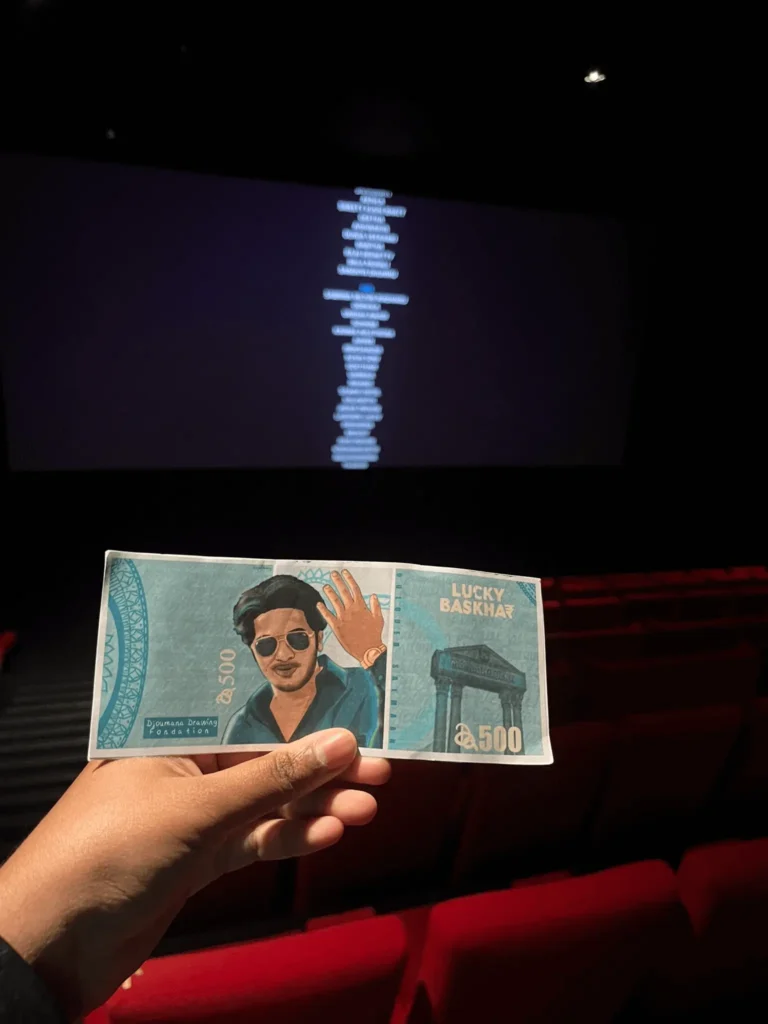
Image credits: @djmn_drawing
I appreciate how Venky shifts the perspective from “Fortune comes with risk” to “Fortune sustains when you know where to stop.”Most fortunes fall when people overestimate luck as skill.
Final Thoughts
In a world where only 2 million Indians (out of 1.428 Billion) belong to the high-income group (according to a 2021 Research report), Lucky Baskhar is bound to be a blockbuster.
It serves as a catharsis for everyone dreaming of overnight fortunes. Considering director Venky Atluri’s previous flicks like Vaathi or Rang De, in my opinion, Lucky Baskhar is the best.
What I like most about Trivikram Srinivas is how he connects mythological stories with mass masala movies. He often places his heroes in the roles of Vishnu, Rama, or Krishna, making them feel like incarnations of these divine figures. In Saripodhaa Sanivaaram, Vivek Athreya followed a similar approach.
Saripodhaa Sanivaaram Title card
Have you heard the story of Narakasura?
Narakasura was a powerful and evil demon king, the son of Bhudevi (Mother Earth) and Varaha, an avatar of Lord Vishnu. Despite his divine origins, Narakasura was notorious for his wickedness and cruelty. He ruled the kingdom of Pragjyotisha, where he terrorized people and killed many innocents.
His power and arrogance grew so immense that even the heavens were disturbed by his actions.
Finally, Lord Krishna decided to fight Narakasura. However, Narakasura had a boon that only his mother could kill him. Krishna, knowing this, allowed Satyabhama, who was an incarnation of Bhudevi, to take the lead in the battle.
Plot: Saripodhaa Sanivaaram
Saripodhaa Sanivaaram begins with this story, and throughout the movie, Naani keeps referring to it. In a way, S. J. Suriyah represents a modern-day Narakasura, Sokulapalam is a modern-day Pragjyotisha, and Surya and his girlfriend Charulatha can be seen as Krishna and Satyabhama.
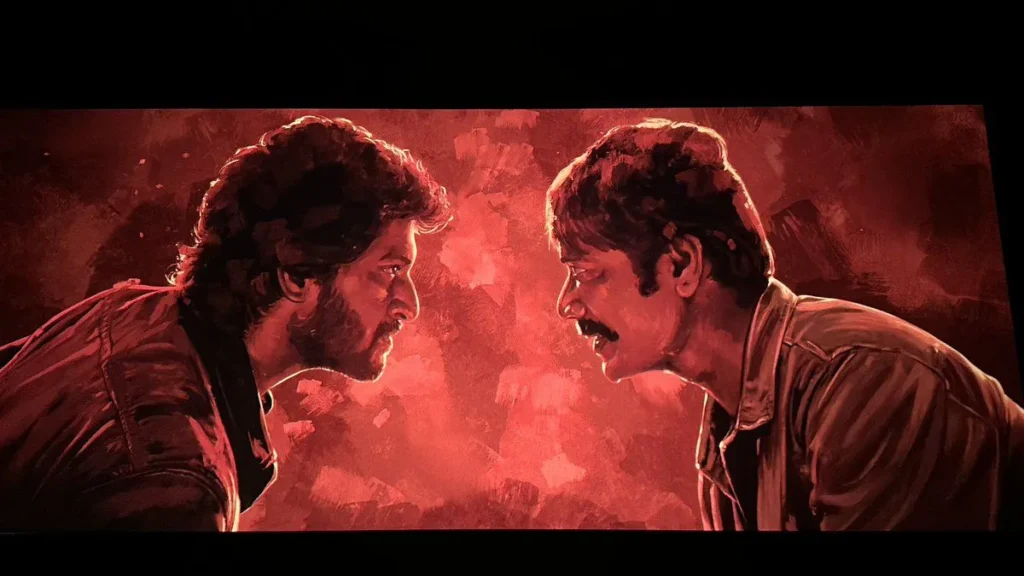
Nani vs S J Suriyah Face Off from Sanivaaram
But there is one difference, Krishna empowers others to take action against injustice but Suriya is different, when he witnesses injustice, he does not let it go.
Why You Should Try This Movie
This movie is packed with all the elements that make for commercial success in Tollywood and Kollywood: mother sentiment, father sentiment, sister sentiment, and a hero saving a community from oppression or vigilantism. A hero introduction setup where he fights against injustice. You’ll experience intense cat-and-mouse games between the villain and the hero.
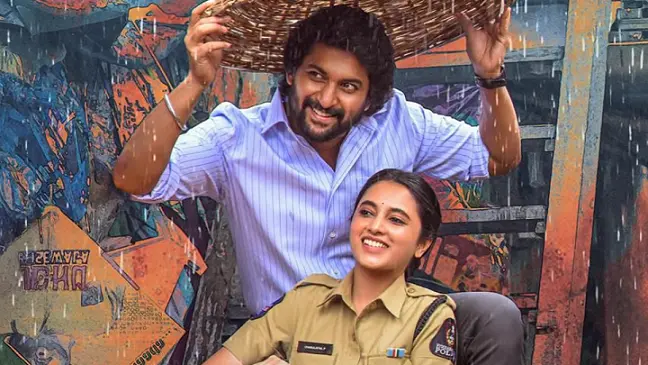
Nani & Priyanka Mohan
But what’s most impressive is that Vivek Athreya proves you don’t need to rely on showing the actress’s navel, a mass item song, or a foreign set song to create a mass action flick. Even though it’s a mass entertainer, Vivek Athreya keeps a minimalist approach, ensuring that you won’t get bored with cliches. In one line, Saripodhaa Sanivaaram is a middle-class Chathrapathi or a Vikramarkudu on a low budget.
A Domino Game and Athreya’s 6 Chapters
I feel like Vivek Athreya, as a writer, took inspiration from films like Tamil Maaveran and various Hollywood movies. He segmented Saripodhaa Sanivaaram into six chapters: the prologue, the turn, the knot, the crossroads, hide and seek, and redemption. It’s almost as if Vivek Athreya is trolling mass-action fans, sarcastically asking us, ee formula Saripodhaa? (Isn’t that enough?).
S J Suriyah as C I Daya
He established Suriyah (Nani) with subplots, Charulatha (Priyanka Mohan) with an open-ended past, and Daya (S J Suriyah) laced with dark humour and a dysfunctional family plot, all of which set the stage for a fire show.
The way Vivek wrote the script is like a domino effect—each event triggers the next, and each character drives an event. It’s beautiful to witness the script evolve so rhythmically.
Performances & Cast
When it comes to performances, Abhirami’s portrayal of the mother was deeply touching and reminded me of Simran in Kannathil Muthamittal, especially those moments at the beach, and some elements from Bhanupriya of Chathrapathi.
Sai Kumar, the millennium’s angry young man, plays a father struggling to pacify his angry young son. There wasn’t much for a veteran like Sai Kumar to do, aside from a few bass voice narrations.
Nani as Suriyah
S. J. Suriyah and Nani played their characters brilliantly, convincingly portraying their utterly chaotic and distressed lives. Both are going through pain triggered by siblings—one suffering because of his brother, the other troubled by his sister.
Murli Sharma and Ajay Ghosh’s characters were icing on the cake with the perfect touch of humour to the film with their mannerisms and timing.
S J SUriyah speech at Saripodhaa Sanivaaram pre-release event
However, Priyanka Mohan’s character didn’t quite convince me. As S. J. Suriyah mentioned during the pre-release event of Saripodhaa Sanivaaram, Priyanka was too cute even as a constable. Her makeup, costume, and body language felt more like a hero’s pillion rider. I wish she had played a more prominent role, similar to what we see in the Narakasura story.
Jakes Bejoy: The Master of Elevation
Last but not least, Jakes Bejoy is the one who ensures you won’t dig too much on logic. Instead, you’re completely sucked into Athreya’s world, where no poor man uses social media or mobile cameras. For every question that pops into your head, Vivek’s writing will push you to another event, and Jakes Bejoy’s BGM will scream loud, and shut your curious mind, keeping you on track.
Saripodhu Ee Sanivaram
Finally, it’s technically a Vivek Athreya vigilante story, but I believe it’s actually a Vivek Athreya revenge story—a revenge against the Telugu audience who made his Ante Sundaraniki a flop. Now, he’s screaming loud to you: Saripodhaa Ee Sanivaram! (Is this Saturday enough??) I believe people are saying a big yes! Ee saari assalu bore kottaledhu.
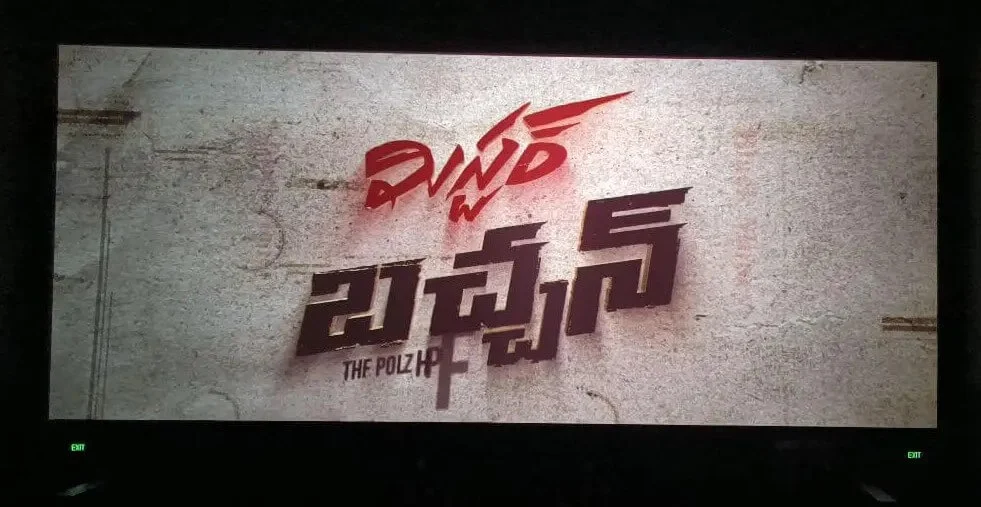
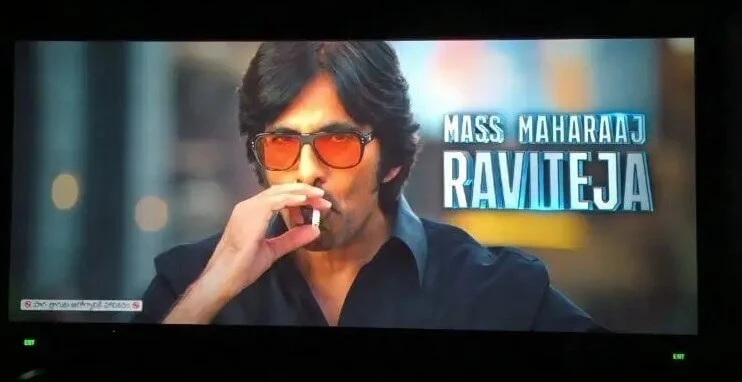
In one of his interviews, Ravi Teja mentioned that some directors had already approached him for the Raid remake, but he declined since it doesn’t fit within his comfort zone (mass-masala-glamour). However, when Harish Shankar proposedMr.Bachchan, he readily agreed because Harish Shankar’s remakes are different. I completely agree with this, and that’s exactly what I felt when I watched Gaddalakonda Ganesh and Mr. Bachchan. Harish Shankar will go to any extent to entertain with his masala-action dramas.
Mr.Bachchan Title Card
The thing with a remake movie is, when you know what’s coming yet still find yourself drawn to the narrative, then it’s a successful remake. And that’s the Harish Shankar formula. Let’s take the example of Dabangg and Pawan Kalyan’s Gabbar Singh. Who would have expected that Antakshari event with rowdies at the police station?
Gabbar Singh Antakshari Scene
The Grandeur Plot
In Mr. Bachchan, Ravi Teja plays a tax official who raids the house of a powerful and wealthy man and gets suspended from the department. The entire first half has him romancing the heroine and enjoying his suspension period. In the second half, his suspension is repealed, and he’s assigned to conduct a raid at another ruthless, powerful man’s home.
Ravi teja Title Card: Mr. bachchan
Raid (2018) vs. Mr.Bachchan (2024)
In the original movie Raid by Rajkumar Gupta, there’s minimal setup before the raid. We learn that Ajay Devgn has been receiving information from an anonymous source about hidden wealth, and he keeps it all secret, even from his staff, because he (correctly) doesn’t trust them.
Raid Trailer
What I like most about Raid is that it manages to be thrilling without being stressful. But in Mr. Bachchan, everything is grand—4-5 songs, tonnes of junior artists and their melodrama, comedians popping up like those random pineapple pieces in a spicy biryani.
Bhagyashri, Harish Shankar’s Lucky Star
Despite its niggles, clichéd templates, and outdated comedy of nearly two and a half hours, Mr. Bachan might entertain the regular Telugu movie audience, who doesn’t have much in the way of expectations or deep thoughts.
For example, you shouldn’t ask questions like how a 1980s couple from a village dreams up a song in Switzerland, or why the camera angles focus more on the heroine’s curves than her face, or why the ruthless villain and his entire gang are helpless against an average man without even a gun.
It’s a director’s film that draws steamy performances from both Bhagyashri Borse and Ravi Teja, and that’s the biggest highlight of the film. Honestly, it’s more Bhagyashri’s film than Ravi Teja’s.
Ravi Teja – Harish Shankar Mass Elements
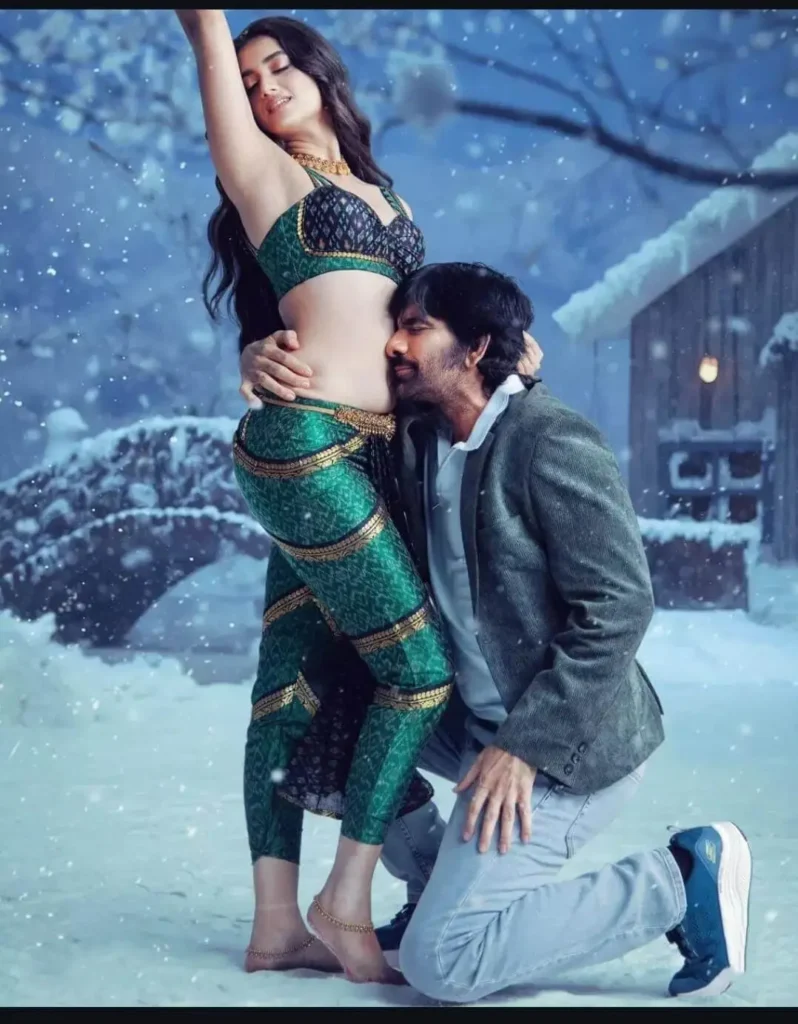
What makes the difference in such an old-type story is the spicy cooking by Harish Shankar. He knows the recipe well. More than Ravi Teja, it’s Bhagyashri Borse who got the whistles. There are certain antics of Ravi Teja—like wrapping his arms around belly curves, clasping fat tissues, cuddling earlobes and neck—which could appear like ‘overacting’ if not handled well by the director. But Harish Shankar managed those areas really well with his camera angles and aesthetic direction skills.
Song Shot from Mr.Bachchan
He used them excellently to bring out hilariously entertaining episodes from the central characters, and even threw in retro Bollywood songs in the first half.
Why you should try Mr.Bachchan
Sathya and his comedy track with Sachin Khedekar
A surprise cameo in the second half
The climax twists and fights
Bhagyashri and her cuteness-overloaded songs
Retro song recording sections—probably the best comedy track of the film
Reference episodes to Amitabh Bachchan movies
The only hope for Ravi Teja, he badly needs a hit, let’s support 🙂
“Mr. Bachan, the only hope”—I believe this title fits Ravi Teja perfectly. After multiple flops, his only hope is in Harish Shankar, and I believe this will end up as an average grosser. One thing is sure: Bhagyashri is going to be the next Sreeleela of Tollywood.
Refer to this image for a better reading experience.
If you ask me, which is the brilliant Malayalam film from the 2024 first quarter, I would say it’s Aattam. Aattam is a 2024 Malayalam suspense chamber drama. Penned by debutant director Anand Ekarshi, Aattam navigates through the politics of gender dynamics, patriarchy, situational morality & selfishness in humans, within a theatrical setting. If you have seen this movie, most viewers ask a question: Who is the culprit in Aattam. Let me explain the layers of Aattam first, and if you are impatient, the answer is Sudheer.
Plot Overview
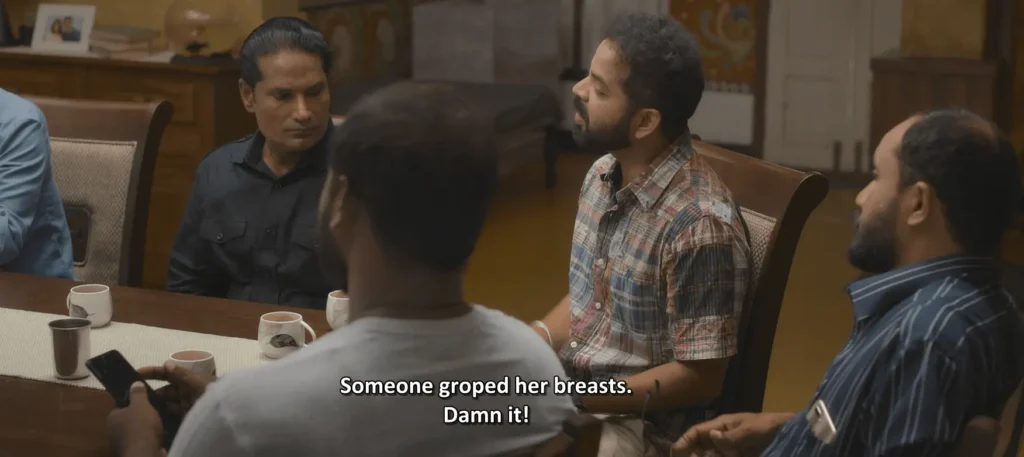
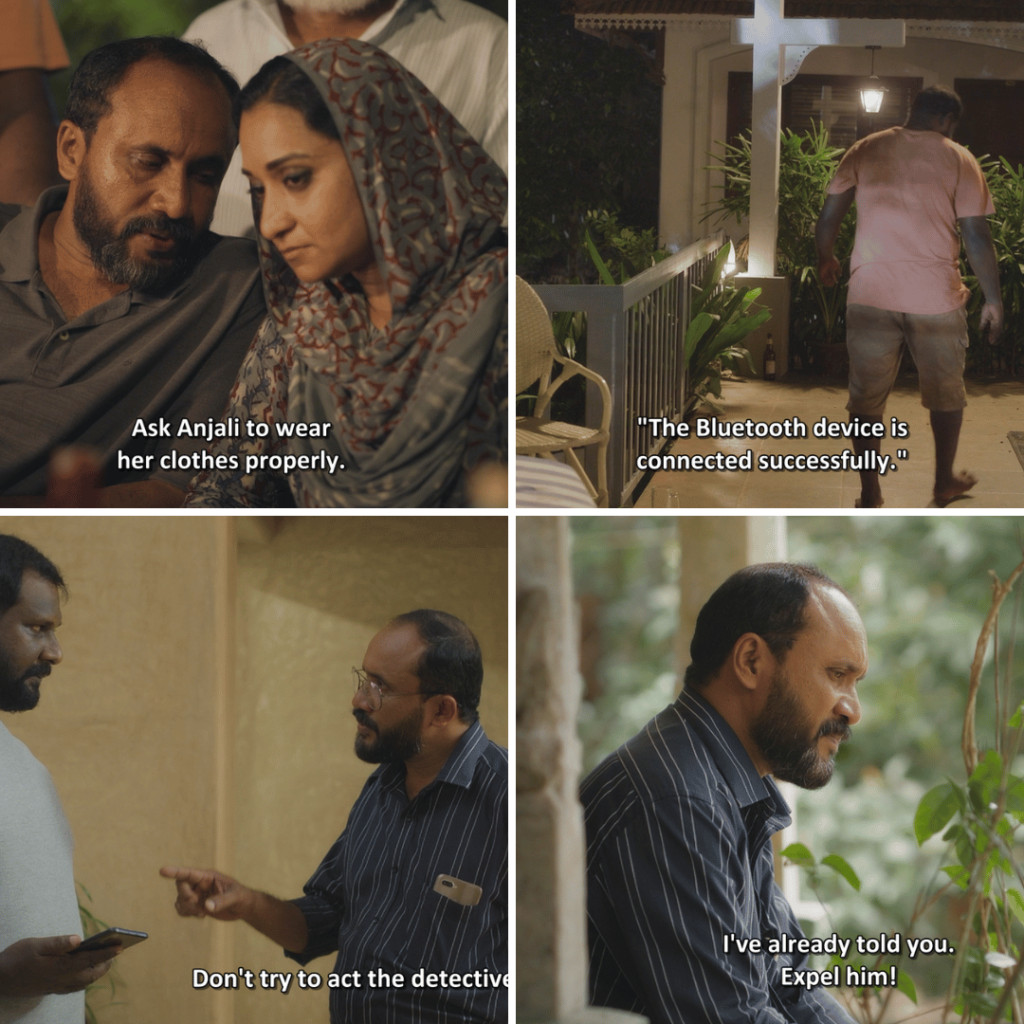
Aattam is a thriller of accusation and betrayal set against the backdrop of a theatre troupe. The plot circles around Anjali, the group’s only female actor, levelling charges of sexual harassment against a newly joined popular movie star in their team.
A scene from Aattam
What starts as a straightforward allegation soon spirals into a complex web of deceit, manipulation, and shifting loyalties, especially when the proposal of a European tour throws the troupe into moral disarray.
The narrative cleverly employs a classic whodunit structure, yet the way it unveils the innate biases and hypocrisy of its characters is what makes it interesting.
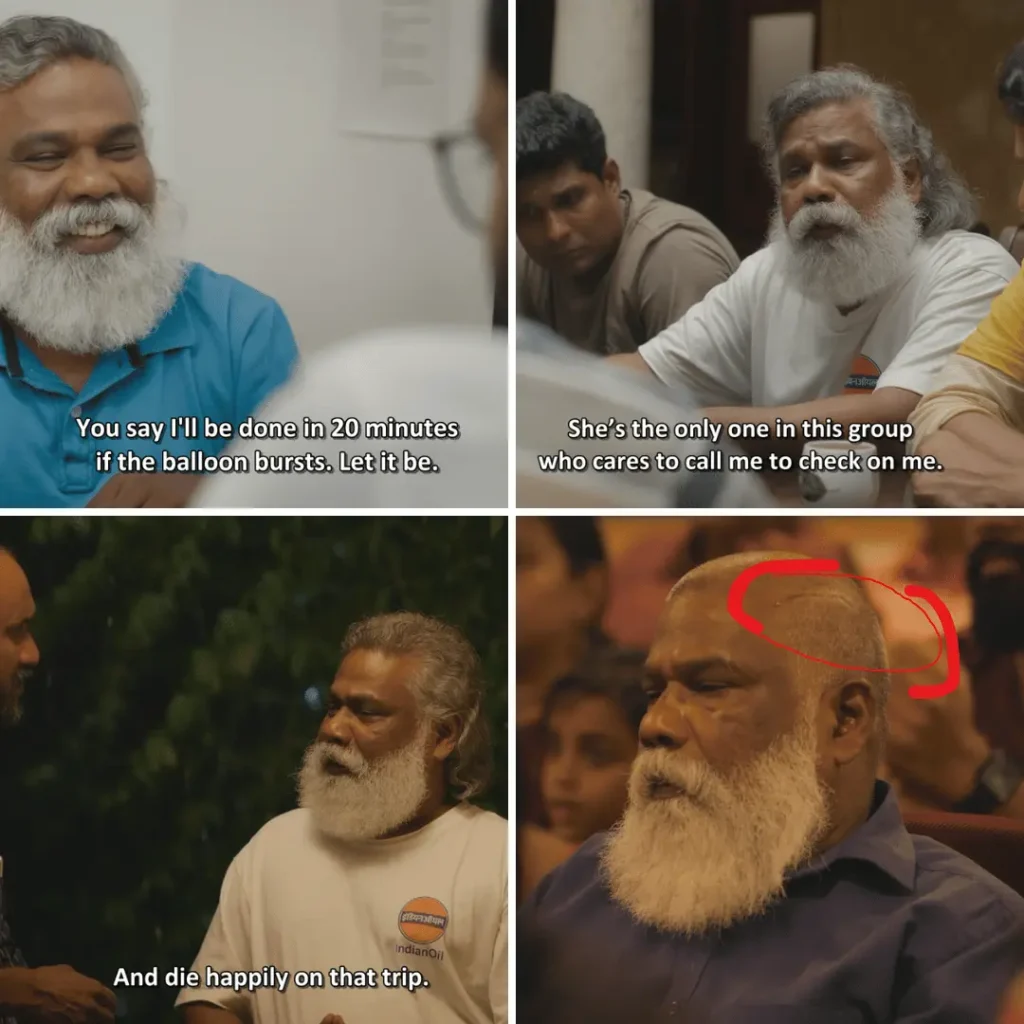
How Aanand, wrote each character is truly admirable; for example, the character Aji (the eldest among them): Aanand constructed the character through micro interactions (mentioning phone calls, his mannerisms, etc).
Transformation scenes of Aji from Aattam
At the same time, Aji’s transformation didn’t go well (someone who doesn’t care about dying suddenly willing to compromise on himself so that he can go to Europe is a bit forced, in my opinion). And all this was just so that he could say what he said at the end.
Finding The Culprit & Theme of Aattam #Whodunnit
Aattam is not about Whodunnit; by the end of the film, if you are just curious to know Whodunnit, then I would say this film is not for you. This film is not about the sinner; rather, it’s about the sin.
It’s like wondering if Teddy Daniels in Shutter Island chooses to live in a lie or faces the truth in the end. The real question isn’t what reality he picks. It’s about Teddy reaching a point where he prefers peace over constant torment, regardless of whether his world is real or made up. So, he makes a choice that might lead him to a lobotomy, showing he’d rather forget than live with the pain.
A scene from Shutter Island
The movie is sprinkled with so many minor flaws in human interactions, be they judgmental, generalisation based on experience, selfishness, hypocrisy, vigilantism, patriarchal mindset, social influence, arrogance, or demeaning others.
A scene from Aattam
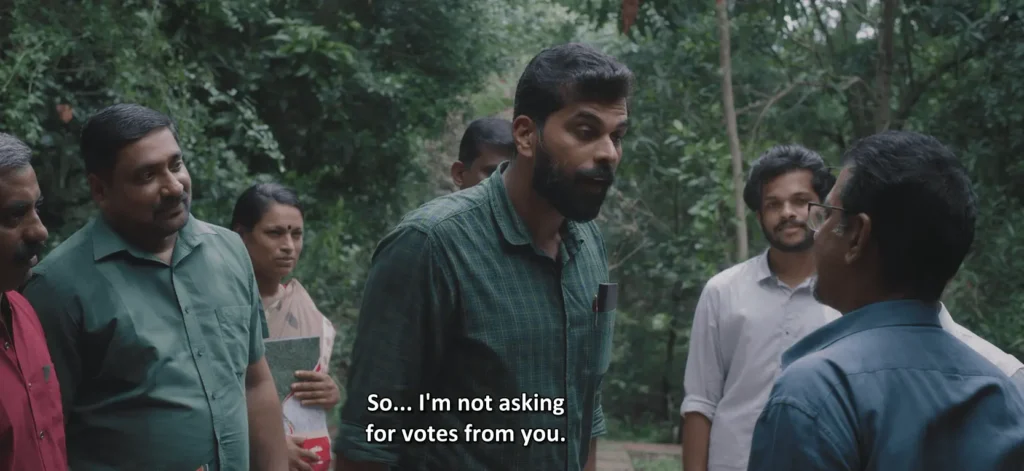
Even in the way he shows patriarchal ideologies in all layers of society, for example, there is a scene where a politician requests Madan’s vote, saying, Come and vote for me with the same finger that you have voted for my father.
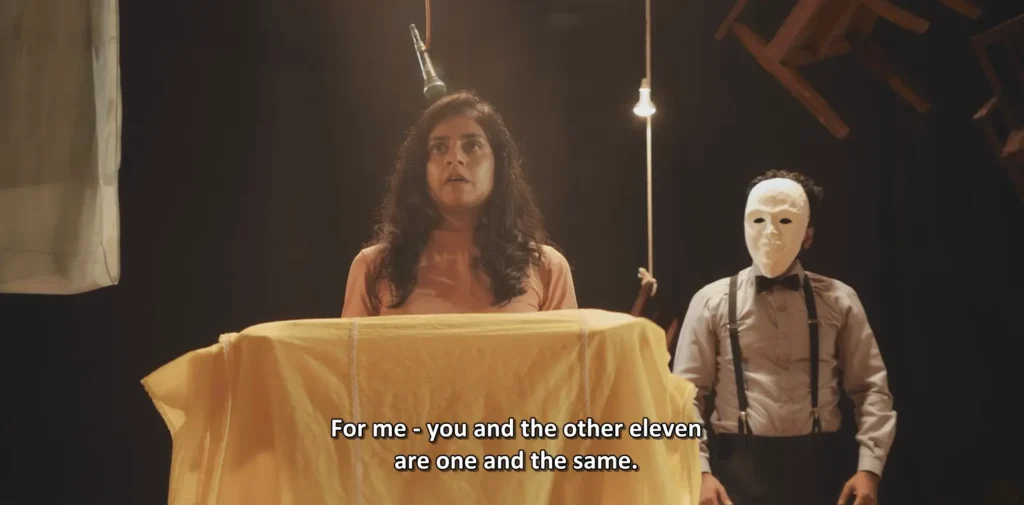
By the end, when Anjali says: “നീ ആരാണെന്ന് എനിക്കറിയണ്ട. നീയും ആ 11 പേരും തമ്മിൽ ഇന്നെനിക്ക് ഒരു വ്യത്യാസവുമില്ല”
Climax scene from Aattam
The director Anand Ekarshi summarises the movie there. But if you are curious to find the culprit from Aattam, I will help you. Scroll down straght to the last sub-heading.
12 Angry Men v/s Aattam
Aattam is very similar to the classic 12 Angry Men, be it the style, theme, and narration. It’s evident that Aanand Ekarshi is highly inspired by 12 Angry Men.
The film 12 Angry Men exemplifies many social psychology theories. This tense, compelling film, features a group of jurors who must decide the guilt or innocence of the accused.
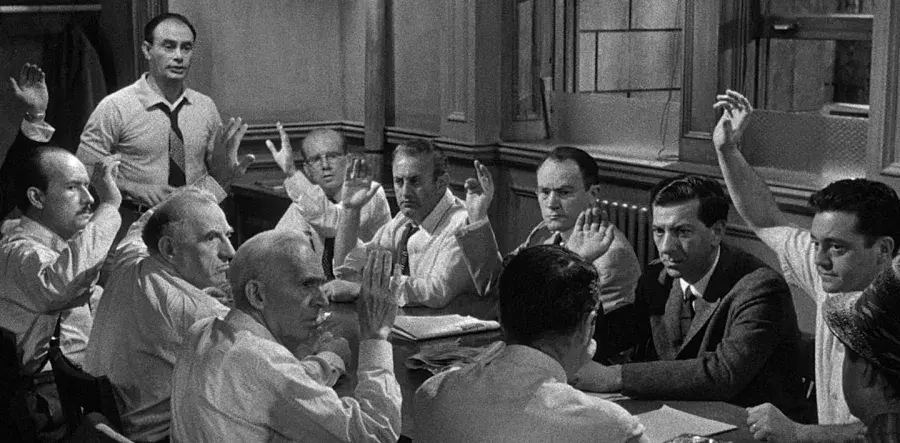
12 Angry Men
Initially, eleven of the twelve jurors vote guilty. Gradually, through heated discussion, the jurors are swayed to a not-guilty decision. Upon examination, the film highlights social psychology theories in areas of conformity, attitude change, and group processes.
Don’t you think it’s the same structure that Anand is following here?
When the inverter stops working, everyone leaves the house and steps outside due to the heat. Later, when it starts to rain, everyone rushes inside the house. These 2 scenes are one of the few scenes in which background music can be heard.
I think the director Anand Ekarshi wants to emphasise these 2 scenes, to show how we change our stance depending on the situation. The whole team was sure about throwing out Shajon’s character initially, but when the London Trip was introduced, everyone changed their stance.
A scene from 12 Angry Men
A similar scene you can see from 12 Angry Men, where they open the windows because it’s too hot inside, and they open up the windows.
This shows that we humans change our stands as per our needs. This is where, I thought it would have been great if there were a couple of women who initially stood with Anjali and then turned their backs after the European trip offer came, It would better show that most people are hypocrites, not just men.
Attitude Change and Persuasion in the First Half
The central route to persuasion is all about logic and reason. It’s where you convince someone by using strong arguments, evidence, and facts to back up your position.
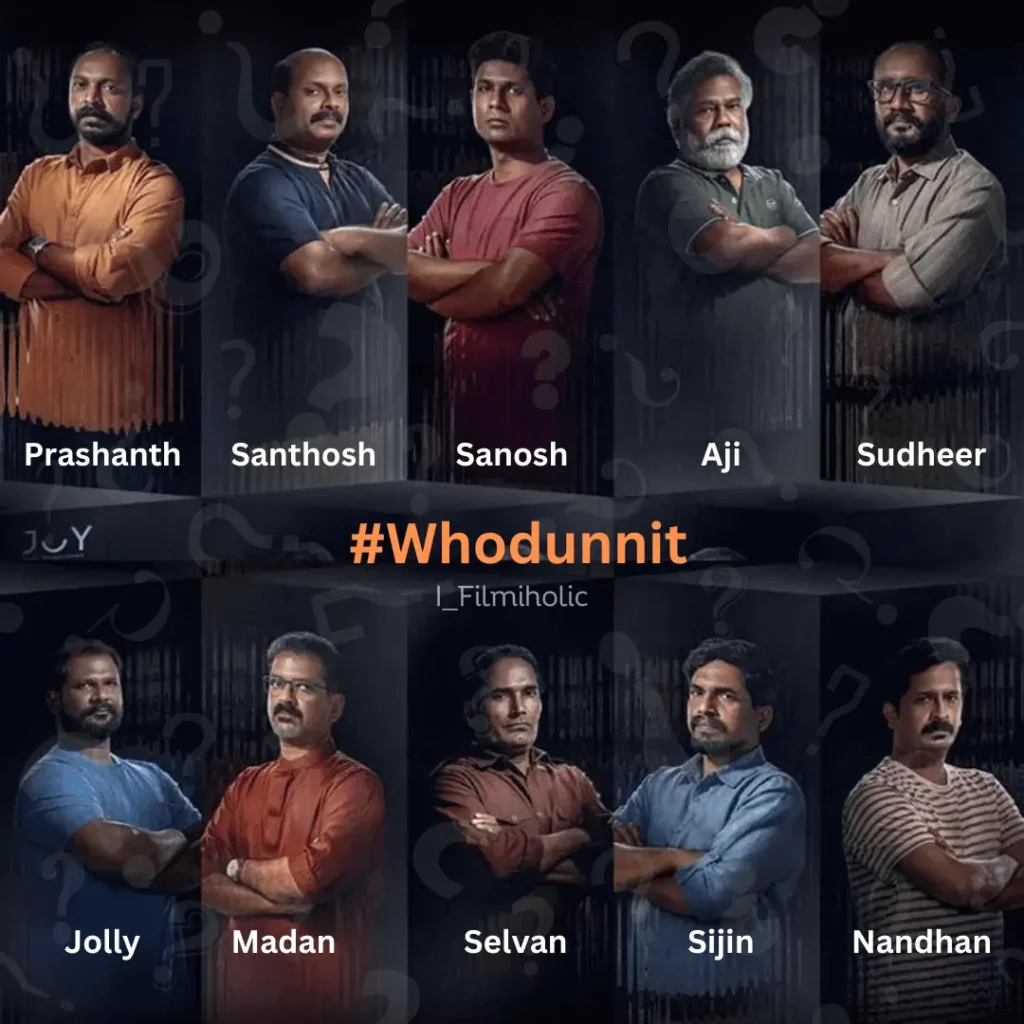
In the first half, you can see that Madan, Sijin, Jolly and Santosh are doing this.
For example, Sijin asks Madan: “What exactly did she tell you”, or Jolly asks: “So it happened not when she was awake”
Peripheral v/s Central persuasion
The peripheral route of persuasion is the opposite of the central route. It’s a shortcut to influencing someone, relying on indirect cues and associations rather than strong arguments.
It targets our emotions and biases, and doesn’t require much effort from the audience to process. Vinay, Aji, Nandan, Sudheer, and Selvan are following this route.
For example when Nandan says: “He will do it, he always shares bawdy jokes”. or Selvan says: ” A sober mind wouldn’t do such things, it happened becuase they were drunk”. Through the use of non-factual, environmental cues, the sick gentleman utilises the peripheral route to persuasion.
Another important factor is Social loafing. It describes a situation where people exert less effort when working in a group compared to working alone. It’s like slacking off a bit because you think others will pick up the slack.
Prashanth and Jolly are in that stage, where they are slacking off with excuses.
Imagine you and your friends are discussing a movie. Some might initially like it a little, some might be neutral, and a few might dislike it. Through discussion, those who liked it a little might become more enthusiastic, and those who disliked it might become even more critical. This is group polarisation.
Vinay brilliantly polarised everyone in one direction, by the end of the first half.
Moral Disengagement in The Second Half
Throughout Aattam, you are going to witness a few complexities in human behaviours like Moral Disengagement and Hypocrisy.
What is moral disengagement?
Moral disengagement is basically a fancy way of saying someone talks themselves into believing ethical rules don’t apply to them in a specific situation. It’s a psychological process that lets people act unethically without feeling bad about it.
Moral Disengagement
Moral justification: Coming up with reasons why their actions are good, even if they aren’t. In Aattam, how conveniently the characters brought different reasons after they got to know about the European trip.
Observe how Selvan, Madan, Aji and Jolly. For instance, Jolly, the silent guy in the first half is aggressive and says “Just swallow the story in the whole”.
Euphemistic labelling: Using nicer words to downplay the seriousness of their actions. For example when Madan talks about “Tactile Halluccination” he is trying to nullify her arguments in a sweeter way compared to Santhosh and Sijin.
Discrediting the victim: This involves downplaying the harm caused to the victim or portraying them as deserving of the negative consequences.
For example, Selvan saying about Anjali’s drinking habit, Prashant talking about her relationship with a married man, Sijin talking about her relationship, even addressing her as “Set-up”.
Disregarding or minimising consequences: This involves downplaying the negative outcomes of the action. For example, Vinay saying Anjali ” No one did anything to you, let’s believe it like that.”
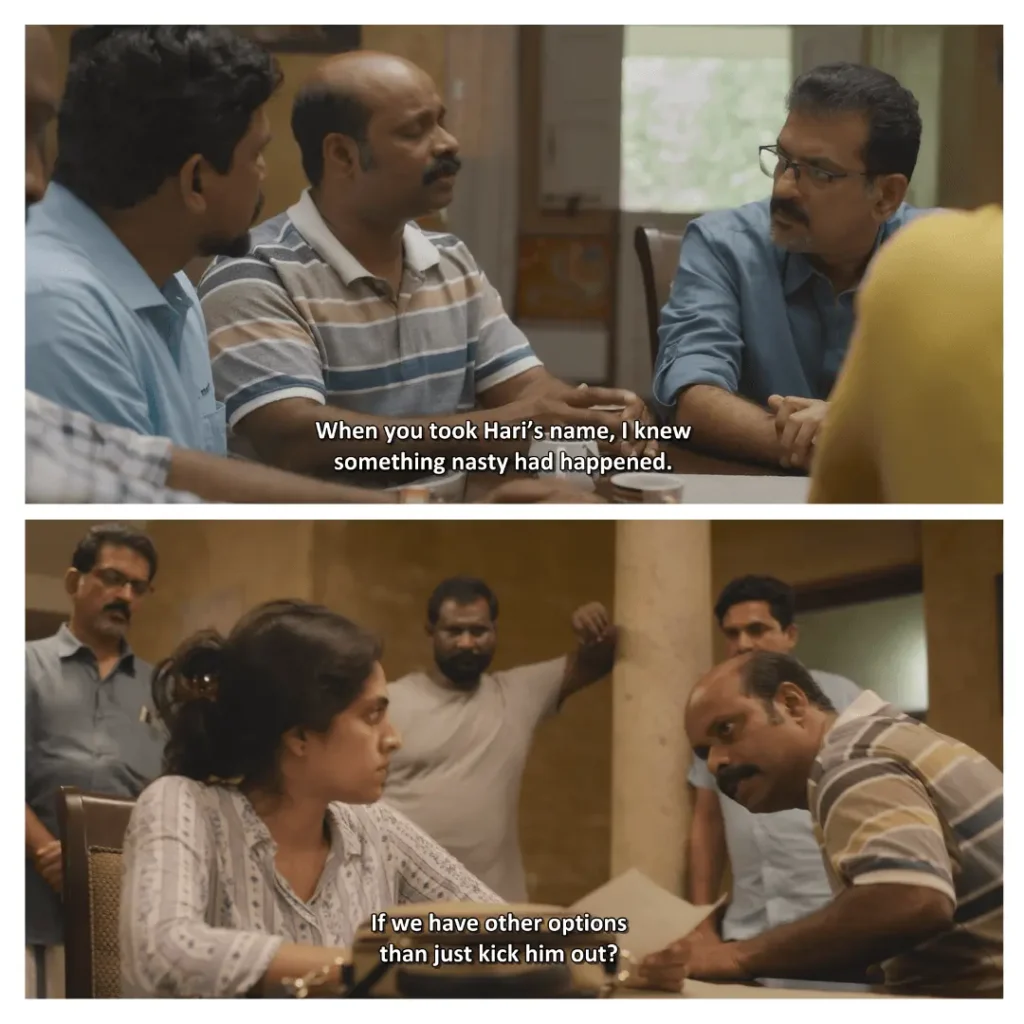
I really love that scene where Anjali asked the question to vinay: “If it’s not Hari, who was it? , no one raised this question”. this is where the brilliance of the script, in the beginning, everyone was talking about the punishments, but when they realised it’s not Hari and one among them, they conviniently went through the moral disengagement and forgot the whodunnit part.
Who Is The Actual Culprit: Aattam Ending Explained
If you really want a culprit, let me share some thoughts:
In the final scene of the movie, in Anjali’s drama, the culprit confesses while Anjali is holding a yellow cloth. There is only one character in the whole movie who is wearing a yellow dress. Is that the culprit?
That’s not a rational finding, right?
Okay, one more theory:
Anjali said, there was an intense perfume smell. Guys who fell in the pool won’t have that intense smell.
Jolly, Sudheer, Prashanth and Vinay were the people who didn’t fall in the pool.
Let’s eliminate Vinay, since, he is her lover. Jolly was busy with his video call and was disturbed, so let’s eliminate him.
Now either it should be Prashanth or Sudheer. Sudheer and Prashanth are the ones who got disturbed while hearing this, and went out for smoking.
I believe it’s Sudheer. WHY?
During that party, Sudheer was disturbed by seeing Anjali’s cleavage, that disturbance can be an arousal as well. Sudheer tried to hide the evidence in the first half, without any rationality. Near to the climax, while Jolly is showing the screenshot to others, Sudheer acts like he is seeing the first time. He was in a hurry to establish Hari as the culprit. He consistently avoided involving the police.
Sudheer’s key scenes from Aattam
Being a smoker, Sudheer knew that Hari kept cigarettes in his car. He likely stole the car keys before the other person retrieved them.
Additionally, Sudheer watched pornography just before the incident. that was revealed later. Madan is asking why Nandhan went to Shajitha’s room, if we place Sudheer in Nandhan’s place, we have an answer: Sudheer might have gone there to see his wife and might have seen Anjali.
So, I believe it’s Sudheer. But let me remind you that the essence of film is not #Whodunnit
“നീ ആരാണെന്ന് എനിക്കറിയണ്ട. നീയും ആ 11 പേരും തമ്മിൽ ഇന്നെനിക്ക് ഒരു വ്യത്യാസവുമില്ല” 👌 { “I don’t need to know who you are. You and those 11 people are all the same to me today.” – Anjali }
Sandeep Reddy Vanga’s Animal is streaming on Netflix with 3 hours and 24 minutes of adrenaline pumps. This is not a review, but rather an analysis of the propaganda art and politics of Animal. So, this blog contains spoilers, and if you haven’t watched it yet, skip this.
After Arjun Reddy (2017)andKabir Singh (2019), two films about a sexually desperate misogynistic doctor with anger issues and Preeti obsession, director Sandeep Reddy Vanga returns with Animal. This time, it’s about a toxic patriarchal chain-smoking engineer obsessed with his father.
Animal Movie Poster
The crux of the story is a son protecting his father from animals in an animal park. Despite the script being imbued with his palaeolithic view of human instincts, Sandeep Reddy Vanga managed to infuse it with high adrenaline action, music, and a bloodbath. In essence, the hero is a carnivorous animal in human form, devoid of sin, vision, or empathy, driven only by instincts.
I thoroughly enjoyed the film, although I disagree with a few of Sandeep Reddy Vanga’s perspectives. This film is a commendable mass entertainer.
How Sandeep Ignites the Adrenaline Rush With Animal
Sandeep Reddy Vanga brilliantly incorporates elements that have recently succeeded in commercial movies. Bringing in a weapon dealer, adding a massive gunfight scene, and retro songs like Roja,Punjabi DJ songs & Jamal Jamaloo, created high moments in theatres and on Instagram as well.
The cold-blooded revenge arc, fatherly sentiments, and nationalism (the weapons are made in India scenes) are well-placed. Surprises, such as the bystander-turned-traitor twists and the double climax, the 2-hour (so-called) street fight in the end (a reminiscent of Thallumala)the list is long. The high-adrenaline music is another highlight. Kudos to the long list of music directors from Harshavardhan Rameshwar, Jaani, Vishal Mishra, Shreyas Puranik, Manan Bhardwaj to last but not least: A. R. Rahman.
Forgot to add, the climax scene, inspired by Rolex, is particularly notable. Fans of Leo, Jawan, Pathan, and Arjun Reddy will find Animal a high-adrenaline theatre experience.
Animal’s Anthropology Class & Thrills from the Start
The movie begins with a narration, swiftly moving to a school episode of Ranvijay (Ranbir Kapoor) showcasing his love for his father. One of my favourite scenes follows, filled with A.R. Rahman’s Roja background score,where Ranvijay is now a college boy. The film transitions seamlessly to love at first sight.
Sandeep Reddy Vanga acts like an anthropologist, sharing perspectives on the evolution of poetry. These insights could be used to promote a whey protein brand or a fitness centre. He then progresses Ranvijay’s character arc to highlight his prejudiced and narcissistic nature.
Sandeep Reddy & His Art of Crafting a Predatory Protagonist
Sandeep Reddy Vanga meticulously wrote this character. Ranvijay cries only once in the entire movie. He never shows his vulnerabilities; even when he informs his sister about her husband’s death, he immediately consoles her by suggesting a remarriage. He consoles his wife by stating that happiness is a choice, and there’s a scene where he enjoys biryani made from human flesh (though Sandeep Reddy Vanga doesn’t explicitly show this). With all these elements, Sandeep tells you how umpathetic Ranjvijay is.
I appreciate Sandeep Reddy Vanga’s meticulous crafting of dialogues for Ranbir Kapoor. Ranbir’s dialogues always reflect an animal mindset, like his comments on business expansion or his various lectures. When Ranbir talks about patience and his fights with schoolmates, it reminds me of predators on Animal Planet. Sandeep Reddy Vanga’s portrayal of his hero as a tiger is contrasted with a more dog-like loyalty, treating others as subservient. Sandeep Reddy Vanga has a knack for highlighting character flaws, like Ranvijay’s.
The Subservient Female Roles in Animal Explained
Sandeep Reddy Vanga doesn’t give much importance to female characters like Geethanali, Zoya, or even Reet. They are portrayed as subservient to their male counterparts. Geethanali’s quick fall in love with Ranvijay, perhaps influenced by watching Arjun Reddy, is an example of this. Similarly, Zoya is depicted as submissive to Ranbir’s character. What is most disturbing is that Zoya is even ready to lick his feet for his love.
Rashmika Mandanna & Ranbir Kapoor from Animal
Unfortunately, Sandeep Reddy Vanga’s skill seems solely invested in building the character of Ranvijay. When it comes to the character arc, it only moves in one direction, continually ascending. I believe actions should have consequences, but nothing Ranvijay does in Animal seems to have any.
Sandeep’s Reply for Concerns Around Sexuality, Violence, and Gender Equality
Sandeep Reddy Vanga also tries to counter criticisms of male chauvinism. He addresses consent by having Ranvijay touch Geethanali’s feet and give a lecture on the importance of women in the Paleolithic era.
Ranbir kapoor and Rashmika Mandanna from Animal
If there’s a problem with him slapping her, this time let her slap him. If there are issues with domination and masculinity, let her come to his home, kiss him in front of everyone, and let him praise her physique. He addresses body shaming by giving a spiritual lesson on pubic hair.
If there’s a problem with adult content and gory scenes, let’s have a three-hour blood bath with nudity and discussions of sexual fantasies.
What I really like is the idea of recording the moanings of their first lovemaking and using it to calm his angry wife, that was truly a wow! what an idea moment 🙂 .
So, in simple words, this movie entertains the majority with ease. I was expecting a Tarantino style but got an ultra-mode RGV style. Raw violence, sex, and obsession await you in this movie, sprinkled with a few good father-son sentiments.
The climax scene, with two sons fighting for their father’s honour and love, battling with emotions, and a background song echoing their family connection, made the whole theatre dark and silent without any mobile screen light or murmurs. That’s the power of bringing raw emotions to the screen.
From Ranbir to Tripti Dimri: Explaining Performances from Animal
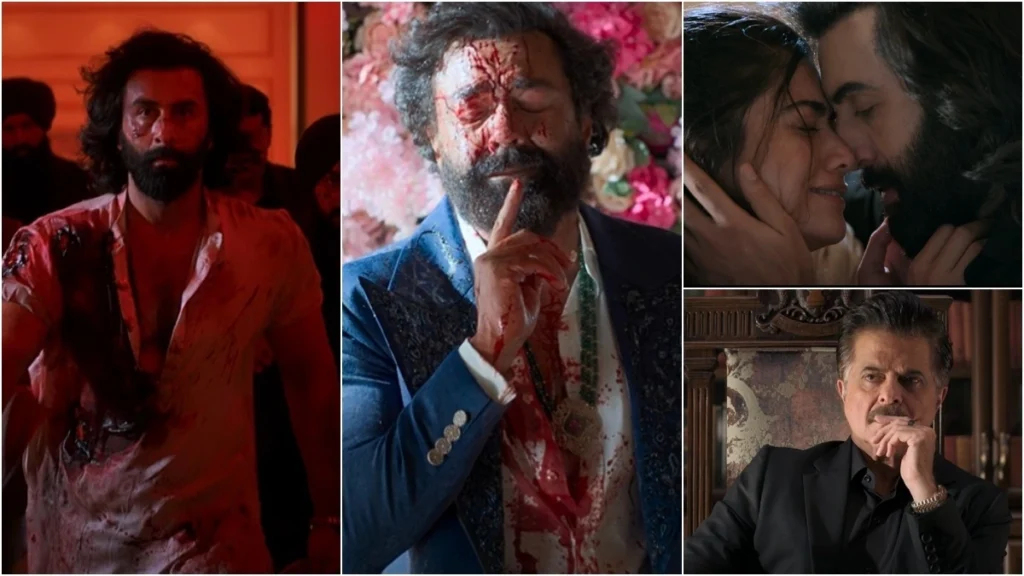
Ranbir Kapoor, Bobby Deol, Rashmika Mandanna and Anil Kapoor from the Animal movie.
Regarding performances, Ranbir Kapoor establishes himself as a superstar with Animal. Sandeep Reddy Vanga did justice to Bobby Deol fans, though I expected more from Bobby Deol. My surprise was Tripti Dimri, whose screen presence was mind-blowing despite limited screen time. Charu Singh and Anil Kapoor did their parts as Ranbir’s parents with ease. Saurabh Sachdeva delivered a killing performance as Bobby Deol’s brother, especially in the climax. Rashmika gave a decent performance, possibly her best since Kirik Party
Why is it Animal ? Animal Explained
Let me explain my views on why the film is called Animal by Sandeep Reddy.
The film explores the more primal, instinctual aspects of human nature, as shown in how Ranbir celebrates his heart surgery and how Abrar releases his pain of loss. In Sandeep Reddy Vanga’s Animal park, the lead male characters operate based on the pleasure principle, seeking immediate gratification. The climax fight is reminiscent of the survival of the fittest theory, living in a world where the law of nature prevails.
In this movie, after Papa,SWASTIK is the most highlighted word. It’s their family business, indicating a blend of traditional values and a darker quest for power (Nazi approach).
The tagline of Swastik, “Power, Progress & Victory”, is repeated by Ranvijay during his oath of vengeance. As per psychologist Carl Jung’s concept of the shadow,this tagline could be seen as manifestations of Ranvijay’s shadow, where his animalistic traits (aggression, dominance, the pursuit of power) are embraced and externalised as his personal and corporate ethos.
Animal & Sandeep Reddy Vanga’s Propaganda Art
Regarding opinions, my friend argued,
“How conveniently do we forget that Scorsese used slow-motion and rousing soundtracks for despicable characters in ‘Goodfellas’ and ‘Casino’, and when Sandeep Reddy Vanga does an extreme Indian version of that, it’s suddenly ‘glorification’?”
Robert De Niro & Martin Scorsese
As a die-hard fan of Scorses, I feel Martin Scorsese never portrayed Travis Bickle or Jimmy Conway as heroes, nor did he justify their actions. His characters dealt with consequences, unlike in Sandeep Reddy Vanga’s Ranvijay. This is where Sandeep Reddy Vanga falls short as a responsible artist. I believe he is obsessed with certain ideologies and celebrates and promotes them through his movies. Scorsese’sRaging Bull highlighted male insecurity in 1980.Can we expect such a film from Sandeep Reddy Vanga?
Toxic masculinity is a propaganda tool for promoting patriarchal beliefs. Ranvijay’s words to his sister about killing any of her choices he dislikes, and his actions as a school kid stepping in with a gun to protect his sister, and delivering a lecture to his father suggest a patriarchal mindset. That’s where he fails to responsibly handle his craft.