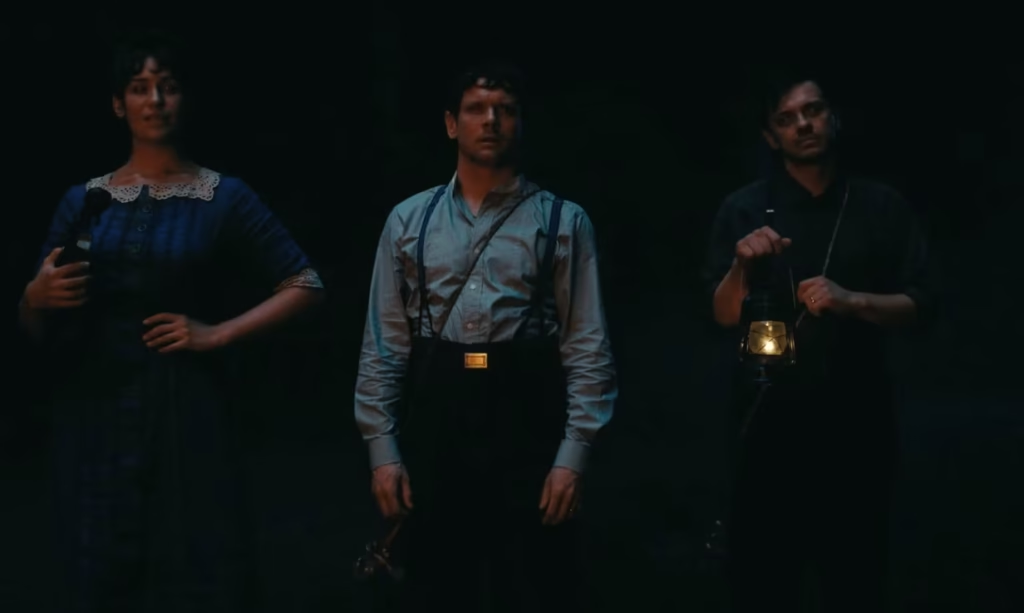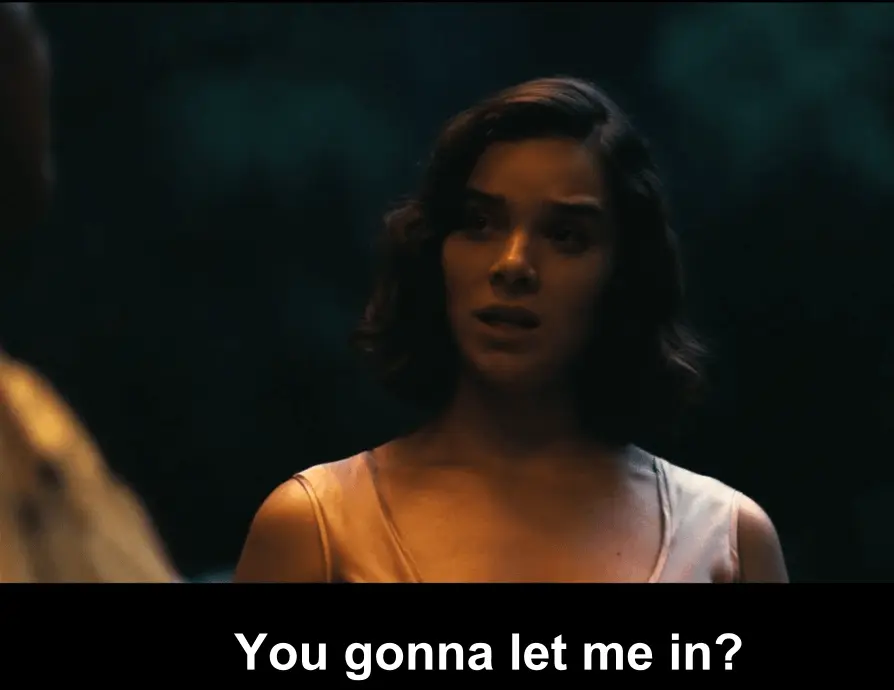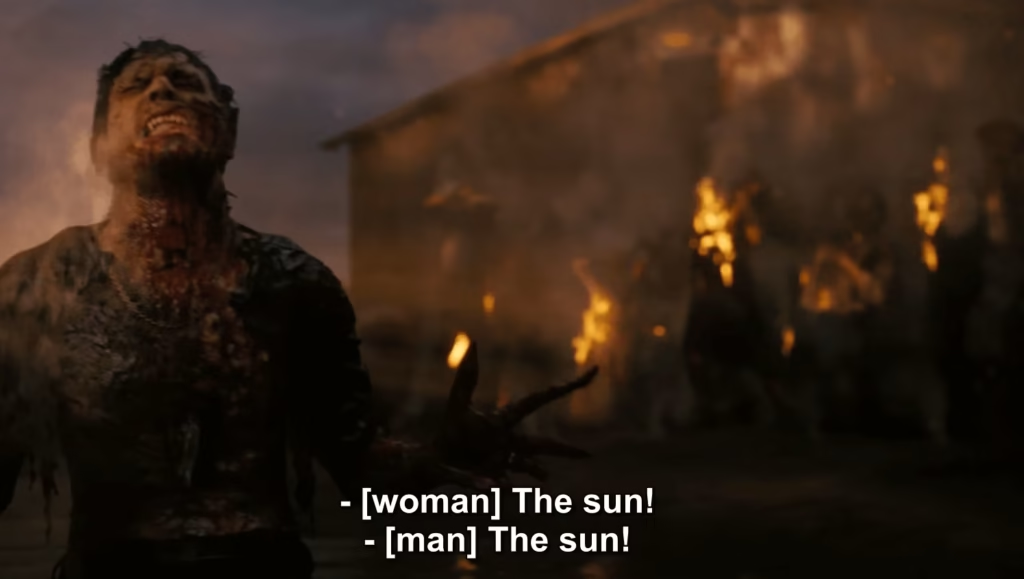
Dies Irae Explained: The Ghosts We Create From Guilt

If you’ve seen Rahul Sadasivan’s Dies Irae, you know it’s not your usual horror movie. It doesn’t give you answers, it asks you to question. You come home, and the silence feels a little heavier. Here we are decoding the unanswered questions and symbols from Dies Irae..

Dies Irae is a story built on guilt, obsession, and the ghosts we create inside our own heads. Spoiler Alert: We will be explaining the entire movie, including the ending.

The Story: A Rich Brat, a Ghosted Girl, and a Stolen Hair Clip

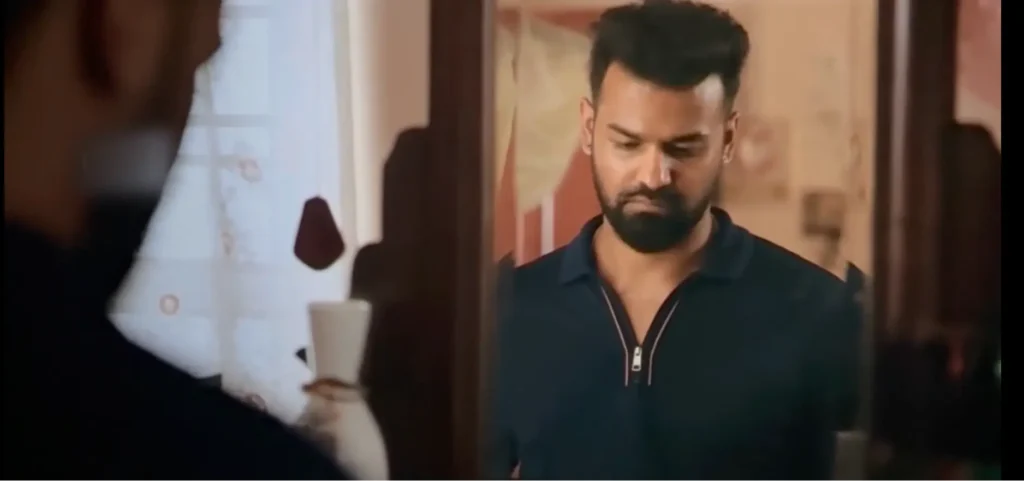
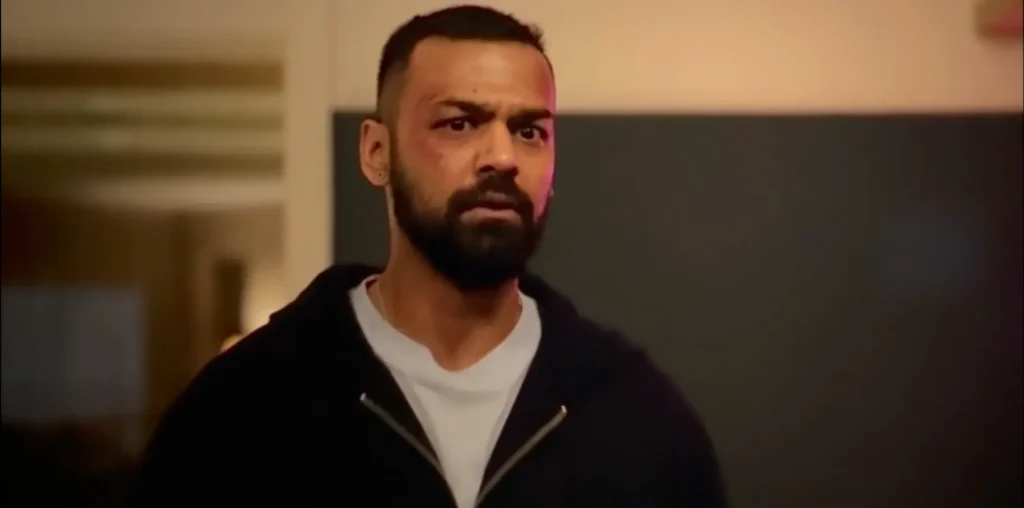
We meet Rohan (Pranav Mohanlal), a rich, self-absorbed guy living in a huge, empty mansion. He has everything — money, parties, friends — but cares about very little. His life is easy.

Then he hears about Kani (Sushmitha Bhat), a former classmate who has died by suicide. They had a brief fling, and he ghosted her. He gets a little worried. Did she leave a note? Could he be in trouble?

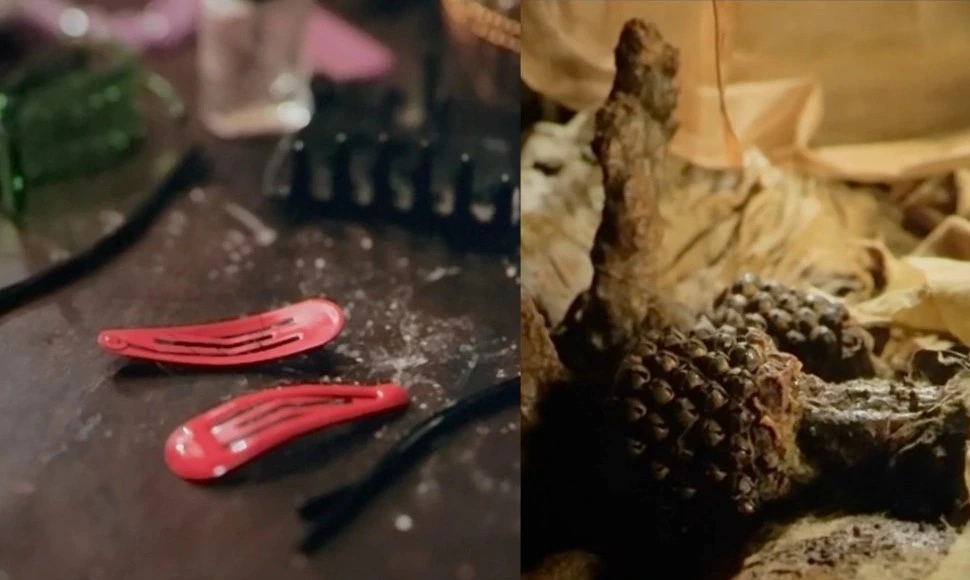
He goes to her house, not really to pay respects, but to check for anything that might incriminate him. While there, he sees her hair clips. He picks one up and takes it home.

 It’s a small, thoughtless act. But it’s the mistake that unleashes hell.

The Haunting: Who is the Real Ghost?

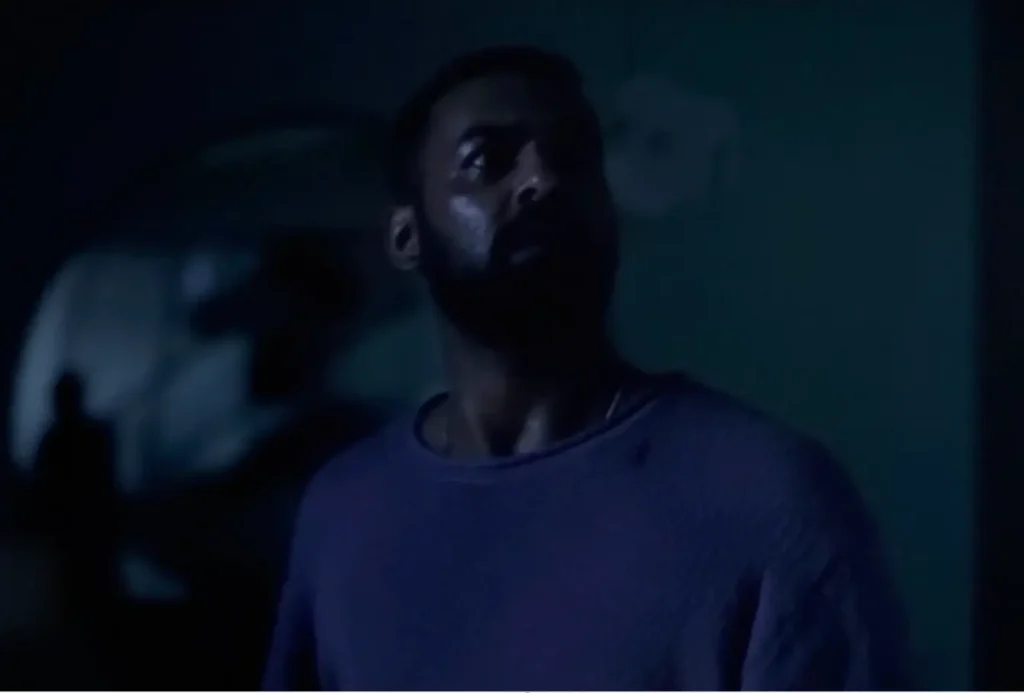
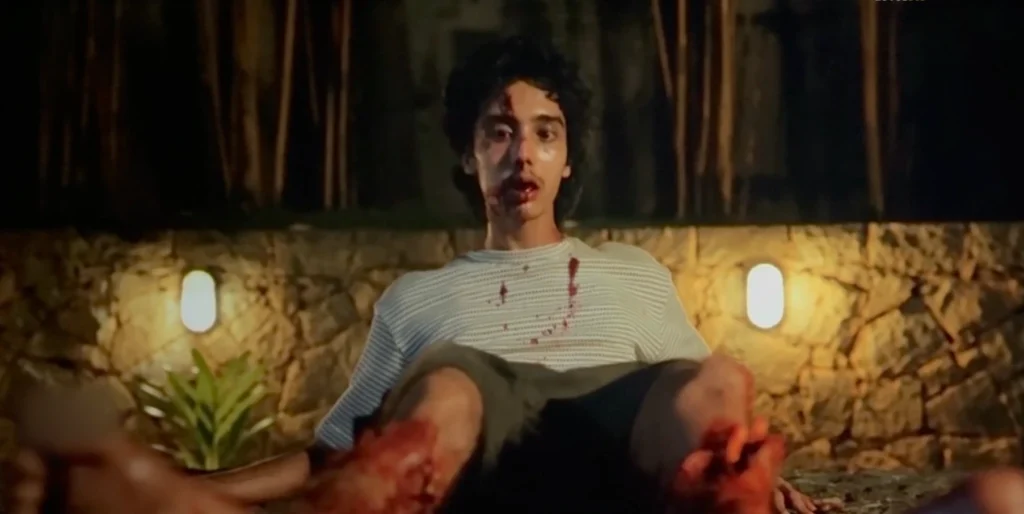
Back in his mansion, strange things start happening. Rohan feels someone in his bed. He sees a dent in the mattress next to him. His hair is gently caressed, just like Kani used to do. And then there’s the sound — the faint, chilling jingle of anklets (chilanka).

At first, Rohan thinks it’s Kani. It makes sense, right? He wronged her, and now she’s back for revenge. But the haunting gets more violent. He is dragged, thrown, and attacked. This doesn’t feel like Kani.

This is where the film plays its first trick on you. As many fans on Reddit correctly pointed out, there isn’t one ghost in this story. There are two.

1      The Gentle Ghost: The one that caresses his hair. The one that feels like a sad memory. That’s Kani.

2      The Violent Ghost: The one that attacks him and Kani’s brother, Kiran. This is someone else entirely.

Rohan finally sees this violent spirit — a thin, terrifying man wearing the anklets. The mystery deepens. If it’s not Kani, then who is it? And why is he here?

The Investigation: Uncovering a Story of Obsession and Black Magic

Rohan, terrified, seeks help from Madhusudhanan (Gibin Gopinath), a contractor who has prophetic visions. Together, they dig into the mystery. They learn that Kani’s anklets are also missing. The ghost must be connected to both the hair clip and the anklets.

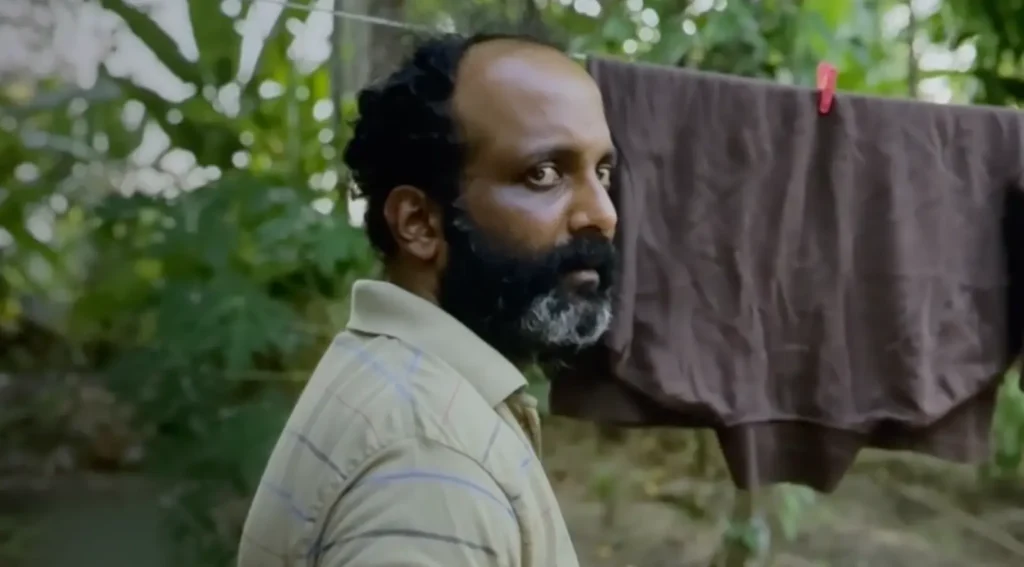
Their search leads them to a man named Philip — a quiet, strange man who was obsessed with Kani. He used to stare at her from a distance, but never had the courage to speak.

But the final piece of the puzzle is the most disturbing. Philip is the son of Elsamma (Jaya Kurup), the old woman who used to work as a domestic help in Kani’s house. And Philip is dead.

The Horrifying Truth: A Mother’s Love Turned Monstrous

Here is the full, dark story that Rohan and Madhusudhanan uncover:

Philip was dying of cancer. His mother, Elsamma, was heartbroken. Her prayers to God went unanswered, so she turned to a darker path. She decided that death would not be the end for her son.

Using her access to Kani’s home, she stole Kani’s belongings — her hair clip, her anklets. She performed black magic rituals to tie her son’s spirit to these objects. Her twisted idea was that if Philip couldn’t have Kani in life, he would be bound to her in death.

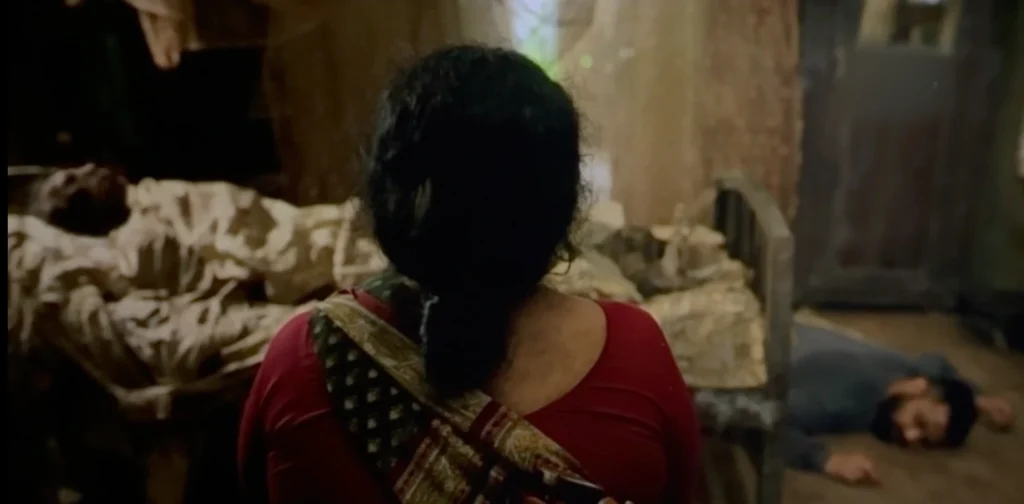
When Philip died, his mother didn’t bury him. She kept his decomposing body in a hidden room in her tiny, old house, with Kani’s anklets fused to his decaying feet. She was feeding a demon born from a mother’s desperate, monstrous love.

When Rohan took that hair clip, he didn’t just take an object. He took a cursed anchor, inviting Philip’s violent, obsessive spirit into his home.

The Climax: Fire, Wrath, and a Severed Leg

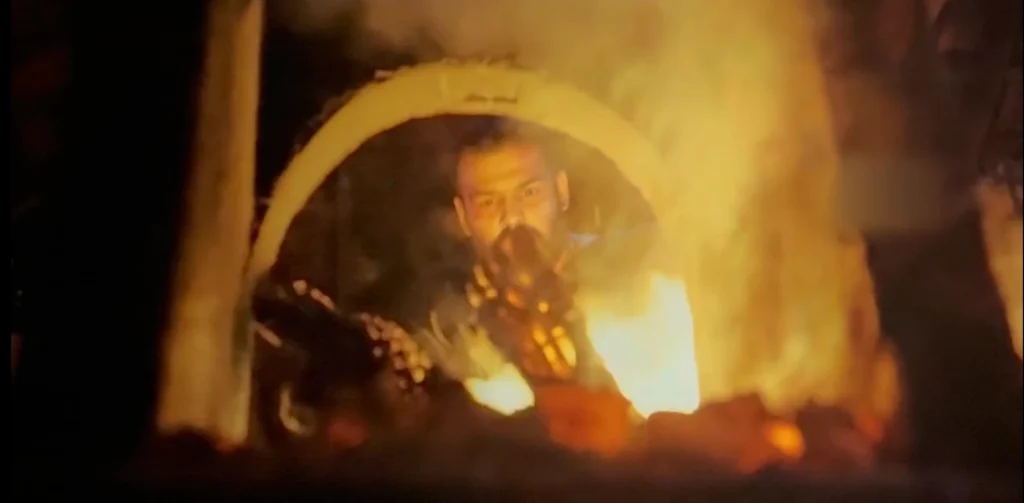
The final confrontation is pure chaos. Rohan and Madhusudhanan find Philip’s corpse. Elsamma, completely unhinged, attacks them with an axe. The corpse itself seems to come alive.

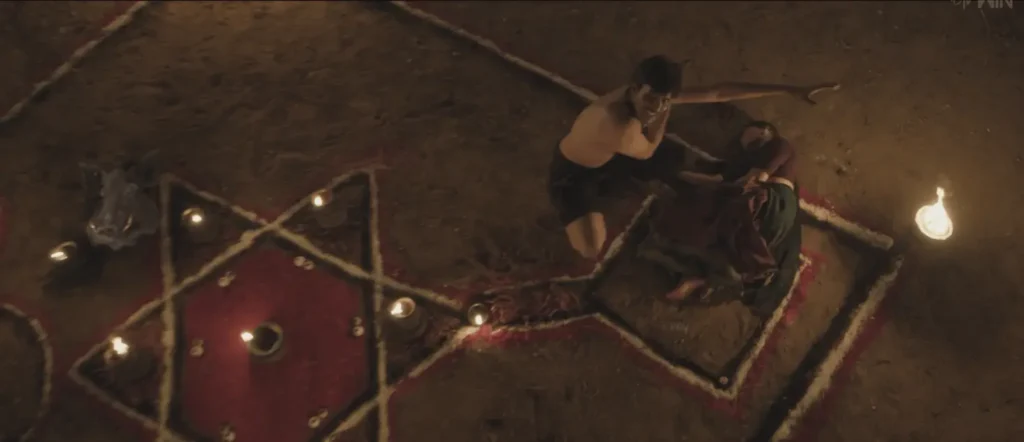
They realize they need to destroy the anklets to break the curse. But the anklets won’t come off the decomposed body. In a moment of desperation, Rohan cuts off the corpse’s leg, anklets and all, and throws it into a fire.

The spirit of Philip is banished in a blaze of fire and rage. The house burns down. It seems over.

The Ending Explained: You Can’t Escape Your Ghosts

The film is not just a simple revenge story. It’s a story of two very different kinds of hauntings happening at the same time.

Why Rohan Helped Elsamma?

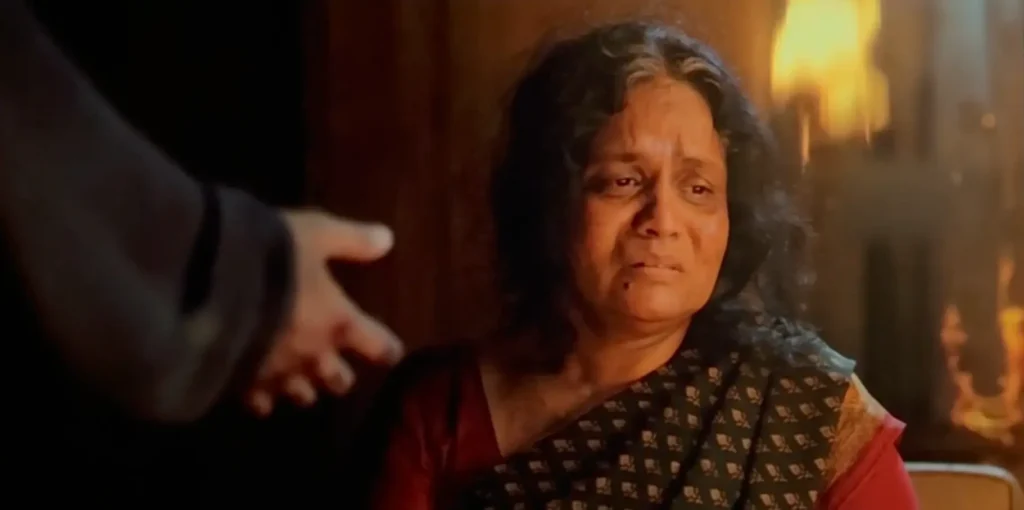
Look at Elsamma (Jaya Kurup), Philip’s mother. She was a mother broken by grief. Her actions weren’t driven by logic, but by a desperate, maddening love for her dying son. She performed black magic and hid a corpse not because she was a monster, but because she couldn’t let her son go.

This is what makes her character so terrifying. She is both a villain and a victim. Her love is what creates the monster. She is a perfect example of how the film uses human emotion — not supernatural evil — as the true source of its horror.

This understanding is what makes Rohan help her in the end. There we see a helpless mother, and a matured Rohan.

Is Kani’s Ghost Still haunting Rohan?

This is the final, chilling twist of Dies Irae. Rohan escaped Philip, the ghost of obsession. But he can’t escape Kani, the ghost of his own guilt. He abandoned her, and that is a debt he now has to pay. The film ends with his scream of terror, realizing his haunting has only just begun.

Dies Irae means “Day of Wrath” in Latin. It’s about a final judgment. But in this film, the judgment doesn’t come from God. It comes from the people we hurt.

The true horror of Dies Irae is not the supernatural. It’s the idea that our actions create their own ghosts. And some ghosts don’t want to hurt you. They just want to sit with you, forever, to make sure you never forget.

So in the end, the film doesn’t ask us to forgive Rohan. It asks us to watch him face the consequences of his actions. And that’s what makes the horror so effective. We’ve all been Rohan at some point. We’ve all hurt someone and moved on without looking back. Dies Irae forces us to imagine what it would be like if we couldn’t move on. If the person we hurt came back and sat with us, forever.

The Unanswered Question: Why Was Kiran Attacked?

The movie never tells us why Philip’s ghost violently attacks Kani’s brother, Kiran..

Was Kiran secretly involved in Kani’s death? Did he do something to her? The film gives us no proof, but the attack feels too personal to be random. Philip’s ghost is focused. He attacks Rohan, the man who had a relationship with Kani. So why Kiran?

One theory is that Philip’s obsessive spirit was jealous of everyone in Kani’s life, including her own family. He wanted to possess her completely, and anyone who was close to her was a threat.

Another, darker theory can be that Kiran’s grief was complicated. Maybe he felt guilty about not protecting his sister, or maybe there was a family secret we never learn about. The ghost’s attack could be a punishment for something we, the audience, are not allowed to see.

The film’s refusal to answer this question is what makes it so brilliant. It leaves a space for us to wonder, to debate, and to feel uneasy. The horror isn’t in the answer; it’s in the not knowing.

The Chilanka and the Hair Clip: Cursed Objects or Emotional Anchors?

Small details often hold the biggest clues. If you listen to the chilanka (anklet) sound, it wasn’t the sound of someone walking or running. It was the sound of someone tapping their foot, like a dancer but not a dancer (no proper rhythm). This was Philip, a non-dancer, wearing the anklets of Kani, the dancer. It’s a creepy, perfect detail that shows how he is trying to become a part of her, even in death. 

And then there’s the hair clip. Rohan steals it, and that’s what starts the haunting. He thinks if he returns it, the curse will break. But it doesn’t.

Because in the final scene, the hair clip is back on his bed. Kani’s ghost brought it back to him.

This confirms that these objects are not just cursed items from a typical horror movie. They are emotional anchors. They are physical representations of guilt and obsession. You can’t get rid of them by simply throwing them away. Because the feeling they represent is still inside you.

What Dies Irae Gets Right About Modern Horror

Most horror films today rely on jump scares, loud music, and CGI monsters. Dies Irae does the opposite. It uses silence, shadows, and human emotion. Dies Irae doesn’t try to shock you every five minutes. It tries to make you feel something deeper — guilt, regret, fear of your own actions.

This is what Rahul Sadasivan understands. Horror is not about the monster. It’s about the person running from the monster. And sometimes, the person and the monster are the same.

Dies Irae is not a film you watch for fun. It’s a film you watch to feel something uncomfortable, something real. And that’s why it works.

How Rahul Sadasivan Redefined Malayalam Horror — Explained

If you enjoy breaking down hidden clues, twisted endings, and unanswered questions, you’ll love these analyse of Rahul Sadasivan’s narrating style.

Constable Kanakam: Season 1 Review & Explained

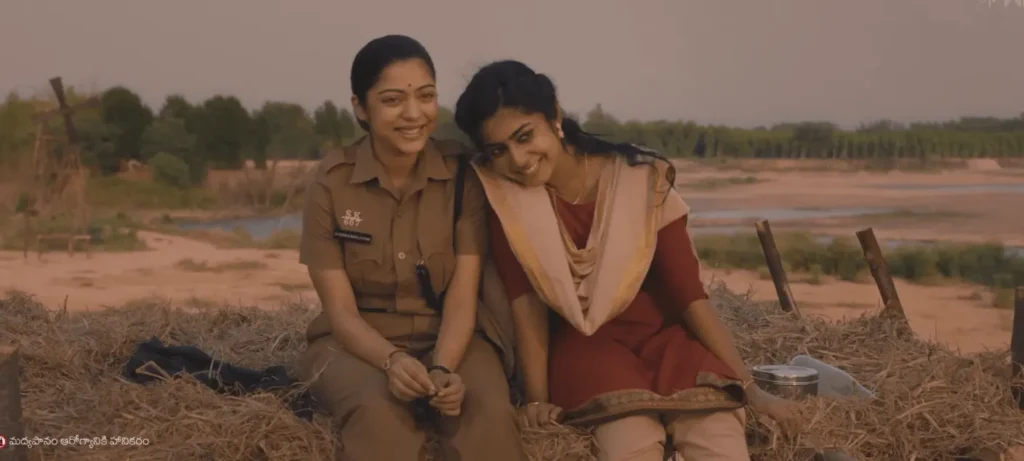
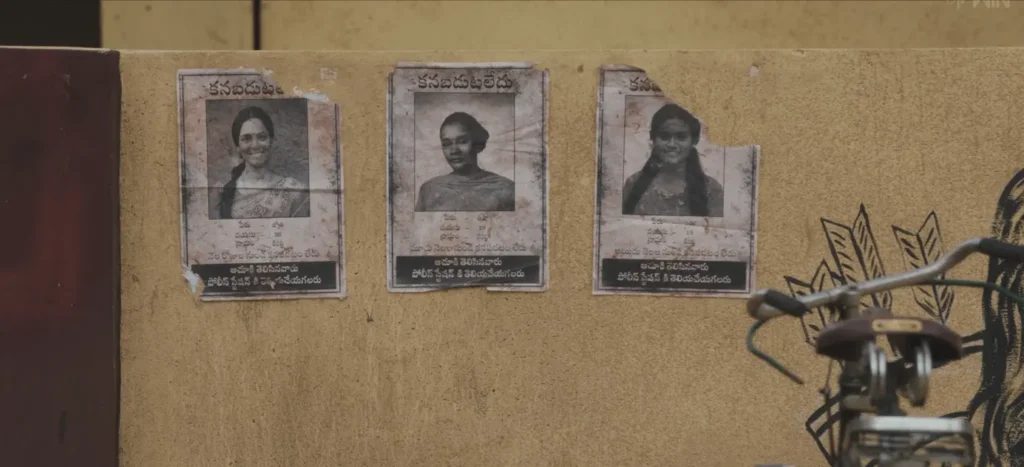
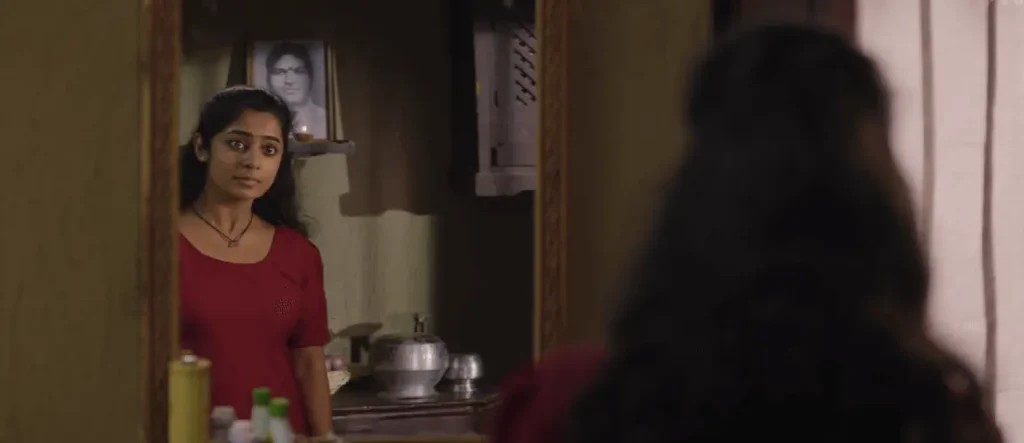
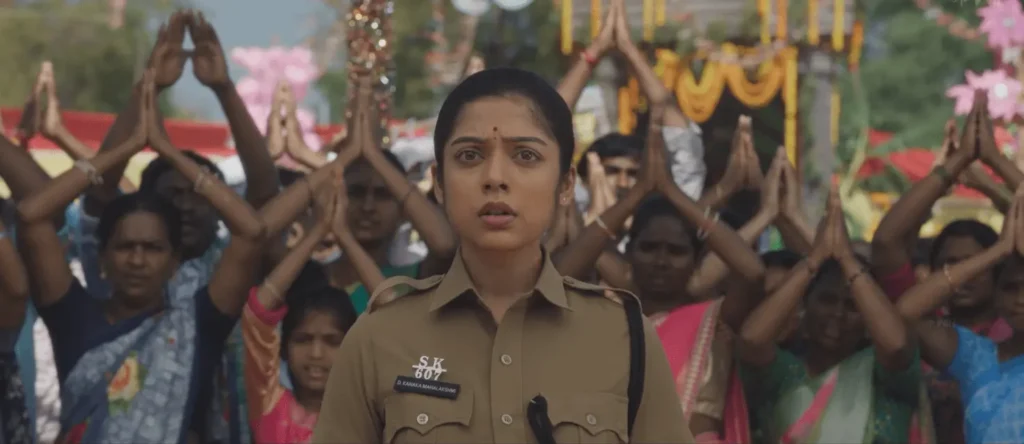
Constable Kanakam streaming on ETV Win, directed by Prasanth Kumar Dimmala starts with a promising idea — a rural village near a mysterious forest, a series of missing girls, and a constable (Varsha Bollamma) trying to connect the dots. The story thread is genuinely gripping, with the right mix of folklore, temple traditions, and a murder mystery that builds well towards a solid ending. Here is my detailed review of Constable Kanakam starring Varsha Bollamma.

title card of constable kanakam

Overused Templates & Poor Execution

“A serial killer with a childhood trauma” – oh, not again!!!! Unfortunately, that’s what waiting for you in Constable Kanakam.

The making is below average, with poor CGI & cliched lazy writing that breaks the immersion. Character establishments feel cliched, and the psycho backstory with childhood trauma is something we’ve seen too many times before. The attempts at showing women empowerment are there, but instead of feeling natural, they look force-fitted and artificial.

climax scene constable kanakam

Technicals & Performances

Cinematography (Sriram Mukkapati)
The camera work is neat, especially in capturing the rural landscapes, temple shots, and forest sequences. The visuals create the right mood for a village mystery, even when the making elsewhere feels average.

Editing (Madhav Kumar Gullapalli)
One of the strongest aspects of the series. The pacing is sharp, transitions are smooth, and even the reveal sequences are stitched well. Without this editing, the show could have felt much slower.

Music (Suresh Bobbili)
The background score feels familiar, often reminding us of Saripodhaa Sanivaaram OST. Instead of bringing originality, the music leans heavily on cinematic tropes. It supports the scenes but no freshness.

Performances

Varsha Bollamma is impressive, balancing innocence and determination in her role as Kanakamahalakshmi.

varsha bollamma & Rajiv Kanakal in a  scene constable kanakam

Srinivas Avasarala plays the president with controlled menace, good presentations at the climax portions.

Rajeev Kanakala once again slips into the zone of a helpless man, but his overused expressions make it feel repetitive.

The supporting cast — Ramana Bhargava, Megha Lekha, Sunny Naveen — are serviceable but don’t leave a lasting mark.

Constable Kanakam Explained (Spoilers Ahead)

For those who want the full breakdown — here’s the story in detail:

Adavigutta, Constable Kanakam and Missing Cases

Kanakamahalakshmi (Varsha Bollamma) works as a constable in a small village that sits on the edge of the dense Adavigutta forest.

The place is steeped in old beliefs and is watched over by a centuries-old temple, where the respected village president also holds authority. But beneath the quiet rural life — young girls keep going missing, villagers believe there is something wrong with Adavigutta.

When Kanakam’s best friend Chandrika disappears, Kanakam realises this is no ordinary case. She decides to dig deeper, uncovering secrets buried in both the forest and the faith that governs the village.

What do crows and Sanjeevani sticks have to do with it?

On her night duty at the Adavigutta checkpost, Kanakam notices an unusual number of crows circling the area. She learns that their nests hide Sanjeevani sticks, rare items linked to old rituals. Someone has been cutting down these nests, collecting the sticks, and using them for tantrik practices.

The deeper she looks, the clearer the pattern becomes. Every time a girl disappears from the village, it’s a full moon day. The time when such tantrik is believed to be most powerful.

This realisation shifts the case completely. It’s no longer just about missing girls — Kanakam is staring at a connection between black magic, missing case of Chandrika, and Adavigutta’s secrets.

Who is the man with the Trishul tattoo?

A witness says he saw a man doing black magic in Adavigutta forest, and on his back was a Trishul tattoo. Kanakam starts chasing this lead. First, she meets the old tattoo artist Bakthuraalamma, asking if she ever drew such a tattoo. The old woman denies it straight away.

Next, Kanakam checks a villager covered in tattoos from head to toe — but he doesn’t have the Trishul either. Still restless, she goes to the jatra festival, because that’s when most men walk shirtless. She scans the crowd, but again finds nothing.

Just when it feels like a dead end, something catches her eye — a snake coiled around a Trishul. The image rings a bell. She remembers seeing the exact same picture once in a doctor’s file back in the village.

Who Is Vikram Singh? Is he the Killer?

The file belongs to Dr.Hanumanth Rao, who redirects her to Vikram Singh, an ex-military man in Delhi.

Vikram explains that after surviving a terrorist attack at Kedarnath, his 25-member unit all got Trishul tattoos as a tribute to Lord Siva.

But in the group photos, one man is missing — the cook. He was from the South and known for making Mandasa Kova sweets. That one missing soldier’s description connects back to Mallibabu, a village chef who also practices tantrik rituals.

The Final Act: Adavigutta Mystery

Kanakam goes back to Adavigutta, following her trail of clues. She doesn’t expect to meet the president there, but suddenly he appears in front of her. For a moment she is shocked — because a temple priest had once said the sweets Mandasa Kova for rituals came from the president himself. That link makes everything fall into place.

Before she can even react, the president attacks her. Kanakam is caught off guard and struggles to defend herself. Just then, Constable Sathi Babu jumps in, fighting to protect her. The fight turns rough inside the forest — Kanakam, still hurt, somehow gathers strength, grabs her belt, and lashes out at the president.

The strike throws him off balance. Memories of his abusive father beating him with a belt come rushing back, and he begins to hallucinate, seeing Kanakam as his father. In that moment of weakness, Kanakam pins him down. With Sathi Babu’s help, she finally arrests the president.

Why did the president kidnap girls? What’s the motive?

Under interrogation, the president’s childhood trauma spills out:

  • He had killed his own mother when he was young.
  • His uncle Mallibabu raised him, teaching him both sweet-making and black magic.
  • He later served as a military cook, learning more occult practices.
  • After becoming president and temple head, he exploited temple records to track girls born under his mother’s birth star, Bharani Nakshatra.
  • On full moon nights, he kidnapped them for rituals to bring his mother’s soul back. But the mantras only made the girls faint, never succeeding. To cover his tracks, he murdered and buried them in a farm.

Ending & Season 2 Hook

The final shock comes when the president reveals that Kanakam’s birth star is Bharani Nakshatra — making her his true target. On the night Chandrika went missing, his plan had been to kidnap Kanakam. But a villager named Babji interfered, saving her unknowingly. Since Chandrika didn’t share the birth star, she was never meant to be a victim.

The president is arrested, but the bigger mystery remains unsolved — if Chandrika wasn’t kidnapped by him, then where is she? This unanswered question sets the stage for Season 2. So season 1 is not giving clues about Chandrika; for that, we need to wait till season 2.

Final Thoughts

Overall, Constable Kanakam Season 1 is an average series. The core story is strong, the mystery holds till the end, and the village backdrop works.

But the poor production values, forced messaging, and predictable character arcs stop it from being memorable. Worth a watch if you’re curious about small-town thrillers, but don’t expect high standards.

Read More Reviews and Analysis Here.

Mayasabha Web Series Review: Great Performances, Weak Writing

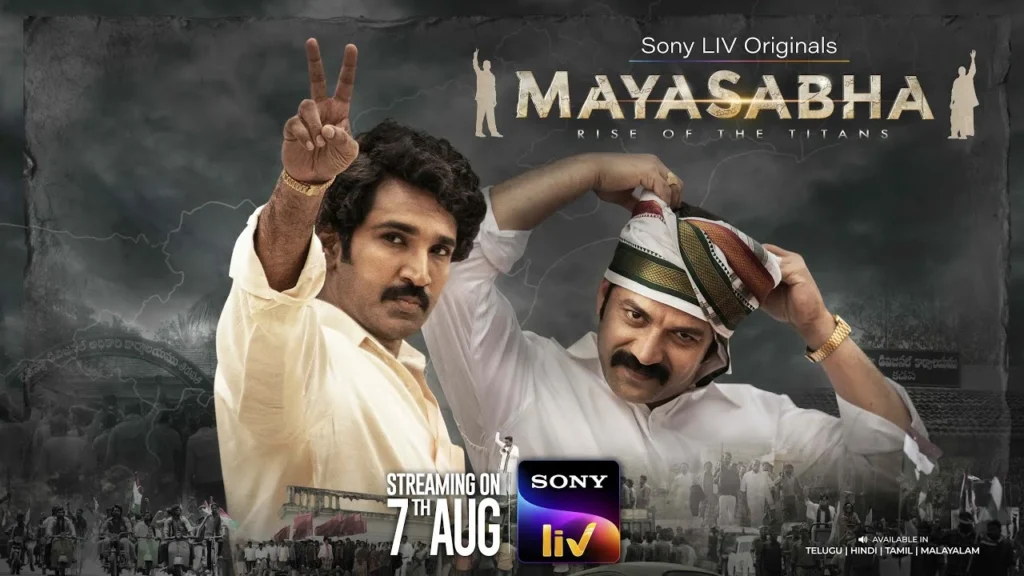
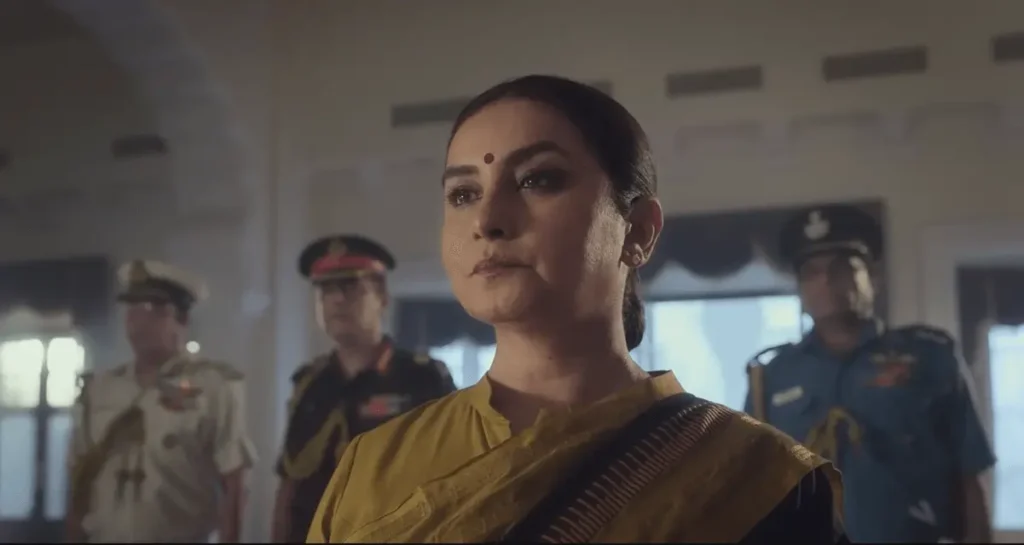
Created by Deva Katta, known for Prasthanam and Vennela, Mayasabha from SonyLiv follows the rise of two fictional leaders — Krishnama Naidu (played by Aadhi Pinisetty) and Rami Reddy (played by Chaitanya Rao Madadi) — and how they grow from students to state leaders. The show also stars Sai Kumar as RCR, Divya Dutta as Prime Minister Iravathi Basu, Ravindra Vijay as Pothineni Ramesh, and Tanya Ravichandran as actress Anu Harika. Here is my detailed Mayasabha Review.

Mayasabha Trailer Poster

But let’s not kid ourselves. This isn’t fiction.

Based on True Political Events in Andhra Pradesh

Who are the real characters in Mayasabha?  If you know Andhra Pradesh politics, you’ll spot the references instantly:

  • RCR (Sai Kumar) is clearly inspired by NTR.
  • Krishnama Naidu mirrors Chandrababu Naidu.
  • Rami Reddy is the show’s take on YS Rajasekhar Reddy.
  • Iravathi Basu and her son Sandeep Basu resemble Indira Gandhi and Sanjay Gandhi.
  • Anu Harika’s arc feels like a nod to actress Jayaprada, including her early dance career and political ties. When she was a teenager, she performed a dance at her school’s annual function. A film director in the audience offered her a three-minute dance number in the Telugu film Bhoomi Kosam (1974).
A shot from Mayasabha

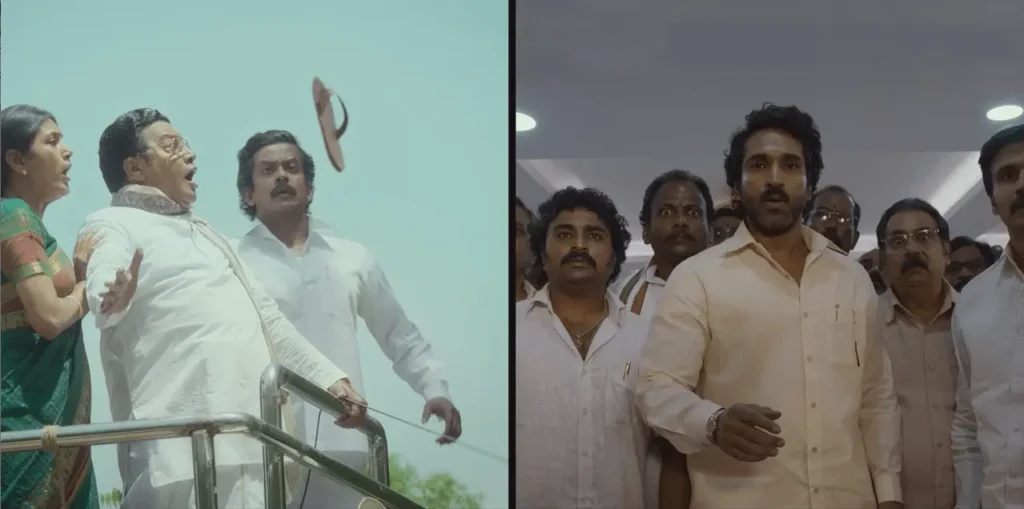
The series ends with an event which exactly resembles the Viceroy Hotel episode , where slippers were thrown at Lakshmi Parvathi and NTR was ousted from his own party, are recreated almost frame by frame — though names are changed.

Mayasabha Plot: The Rise of Naidu and Rami Reddy

The story begins with Krishnama Naidu, a PhD student from Narsipalli, helping farmers in his hometown by threatening middlemen — in a diplomatic way, of course. Meanwhile, Rami Reddy, the son of faction leader Shiva Reddy, is disgusted by his father’s violent politics and leaves Pulicherla to study in Bellary.

From there, we follow:

  • Student politics, where Krishnama plans to contest elections using strategic caste alliances — and a cabaret dance show (yes, really).
  • Rami Reddy’s fan wars in college, defending Telugu film stars, leading to cow dung being thrown on posters and eventual expulsion.
  • Emergency declared in India, vasectomy drives led by Sandeep Basu, and public resistance led by Rami Reddy.
  • The alliance between Krishnama and Rami Reddy, their entry into politics under Sandeep Basu’s mentorship.
  • Friendship turning into rivalry, when Rami Reddy feels sidelined for being a goon’s son.

The series ends with the rise of RCR as a mass leader, his friction with Iravathi Basu, the betrayal by Krishnama Naidu, and the political fallout. The final few episodes closely resemble TDP’s internal war, NTR’s downfall, and the power shift to Chandrababu Naidu.

Performances & Technical Aspects

  • Aadhi Pinisetty as Krishnama Naidu brings seriousness and political sharpness.
  • Chaitanya Rao delivers an emotional and intense Rami Reddy.
  • Divya Dutta shines as Iravathi Basu — probably the most believable character in the whole show. Her screen presence is 5/5
  • Sai Kumar as RCR fits the larger-than-life image but gets limited screen time.
  • The music by Shakthikanth Karthick is decent — helps set the mood without being intrusive.
  • The cinematography and period detailing (1975–1995) look polished.
  • Tanya Ravichandran did her part well with a song and some scenes here and there.

But Here’s the Problem: Everyone’s a Saint

The writing is where Mayasabha falls flat. For example, at one point, the hero tries to win a college election with a cabaret dance by heroine—because in Mayasabha, that’s peak political strategy. Democracy in Mayasabha runs on item numbers and glorifying scenes.

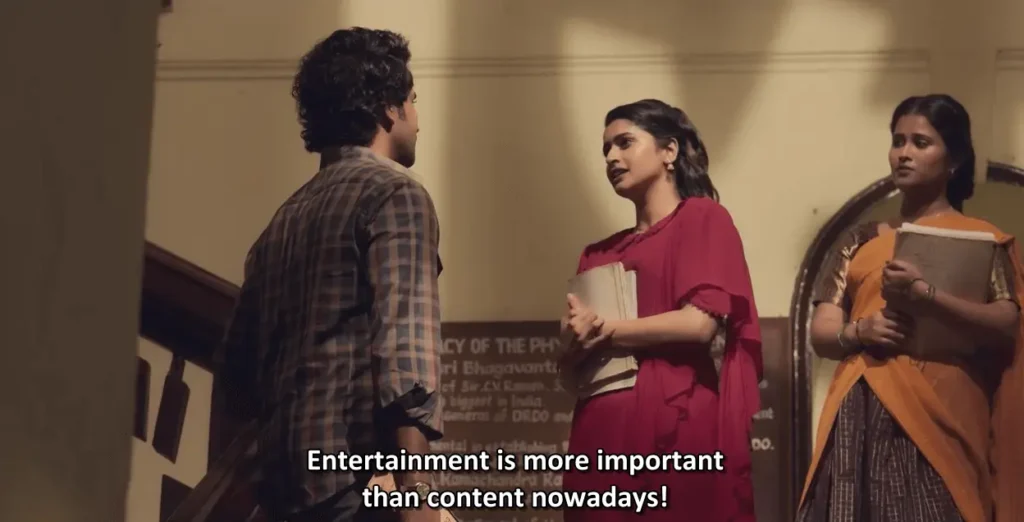
There’s a scene where the heroine says, “People value entertainment more than content. To sell content, the cover page is important.” I’m convinced Deva Katta believes in this too.

For a political series, it lacks grey characters. Krishnama Naidu is always clever and selfless. Rami Reddy is kind-hearted and community-driven. Every major character on the “hero” side acts like a noble soul who’s doing politics only for the people.

This kind of whitewashing feels awkward — especially in a show that clearly draws from real-life political betrayals, caste alignments, and power games.

Let’s be real: In politics, no one climbs the ladder without ambition. But Mayasabha shows its main men as idealists, while anyone who opposes them is either corrupt, emotional, or forgotten.


Divya Dutta as Ira Basu in Mayasabha

Final Verdict: Mayasabha(2025) Review

If you’re watching Mayasabha as a fictional drama, it may keep you engaged for a while. But if you know Telugu politics, you’ll likely find it one-sided, preachy, and borderline fan service. It looks like a fictional retelling, but walks and talks like a strategically polished biopic series.

Mayasabha Review Verdict: 2.5 out of 5

Watch it for the performances — but skip it if you’re expecting sharp, realistic political writing. At the end of the day, even great acting can’t save a story that refuses to show humans as humans — especially in politics, where no one’s a saint.

Read More Reviews Here

Su From So (2025) review: A 5-Star Film From Kannada

Su From So, directed by debutant J. P. Thuminad, is my favourite film of 2025 so far. Entertainment, art, aesthetics, writing, music, performances — I don’t even know which topic to start with. Every part of the film is top-notch.

I went to Sumathi Valavu expecting a clean horror-comedy but was disappointed by its cringe-fest. For Su From So, I walked in without even watching a trailer — and what a refreshing, fun ride it turned out to be!

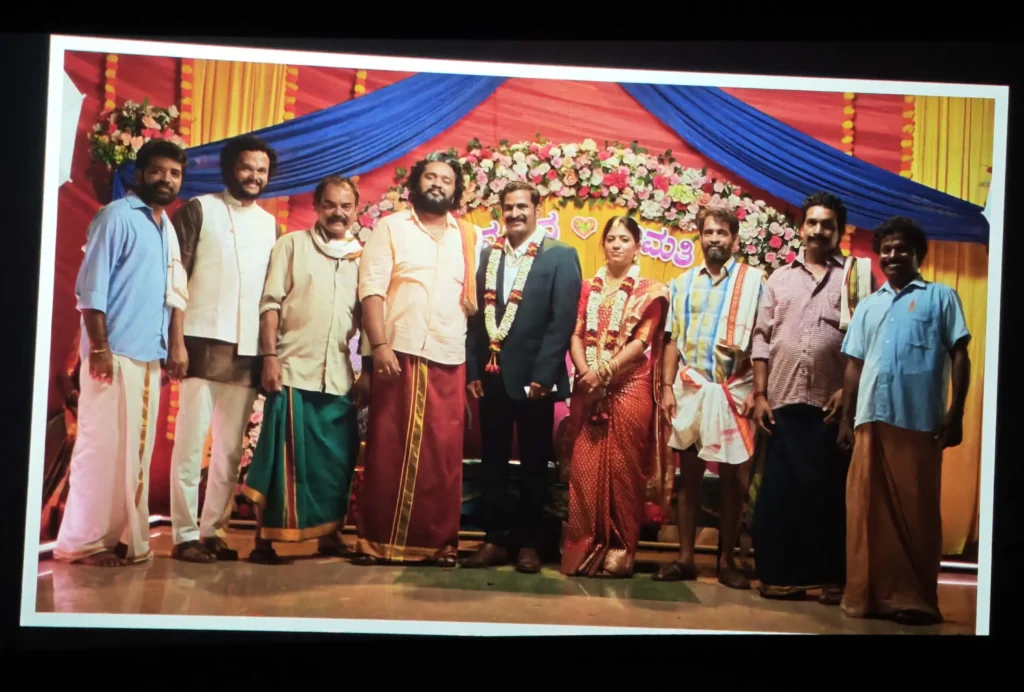
A shot from Su From So - marriage scene
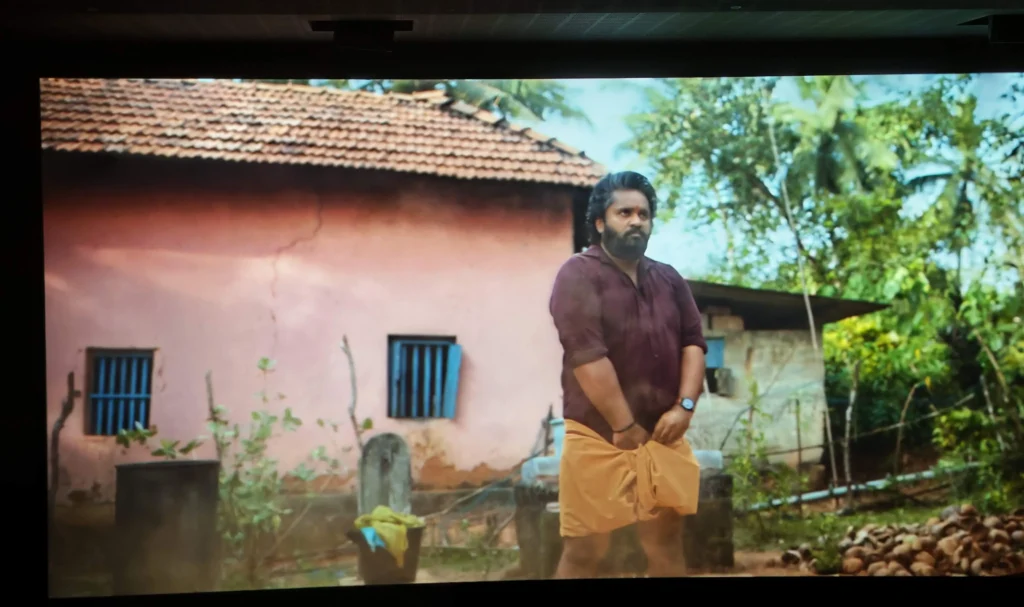
A shot from Su From So

The story takes place in a rural Karnataka village. Ravi Anna, a bachelor in his 40s, is the go-to person in the village, like our Lalettan in Balettan— even 50-year-olds respectfully call him Ravi Anna. Everyone looks up to him. Then there’s Ashoka, a painter who spends more time flirting and indulging in voyeurism. The film introduces a colourful range of characters surrounding these two.

The village believes that Ashoka is possessed by a ghost named Sulochana from Someshwara. What follows is a series of chaotic events, and the movie explores how the village reacts and tries to deal with it.

What stood out for me: The Writing

The most brilliant part of the film is its writing. It follows a cascading structure — chaos leading to more chaos — but everything is beautifully interconnected.

The director introduces all the characters through two village functions. The first function helps establish the cultural and spiritual beliefs of the village. A death is announced, the entire village community gathers for the rituals. That’s where the first spark flies — a subtle friction between Ravi Anna and Ashoka.

 Shaneel Gautham as Ravi Anna
Shaneel Gautham as Ravi Anna

In the second function, more characters are introduced. Then comes the big moment — Ashoka gets possessed. Once again, the director cleverly plants another trigger between Ravi and Ashoka, further deepening the chaos around the ghost and the possession.

Each event naturally flows into the next. Nothing feels forced. Every scene, every character matters. For example, there’s a dream sequence involving Ashoka’s sister. At first, it seemed like a typical horror filler, but later, it became crucial to another chain of events. That kind of thoughtful storytelling is rare. That’s what I like the most: everything & everyone is there for a reason.

Character Consistency & Detailing

One thing every screenwriter should learn from this film is how to write side characters with depth. Most films use them as fillers, but in Su From So, each character has a clear signature, a pattern of behaviour.

Take Prakash Thuminad’s character, Chandra, for example. He’s someone who enjoys the little things in life. He’s excited by experiences. In one scene, he carefully unties a chip packet because he doesn’t want to break it, he wants to enjoy it as it is. In another, he insists on having his glass filled to the brim, so he can sip it properly. He chooses orange soda over regular ones. These moments are funny, but they also make you feel like you’re watching a real person, not a character in the film. This is how films make you believe that you are seeing Auto Driver Chandra from a rural village in Karnataka, not an actor Prakash Thuminad.

Whether it’s Deepak Rai Panaje as Sathisha, Pushparaj Bolar as Bhaava, or especially Shaneel Gautham as Ravi Anna, each actor fully owns their character. Writing of Su From So helped them to leave a signature with his crafting.

Emotional Core without Melodrama

With a horror-comedy like this, it’s easy to turn the film into a series of laughs or scares. But what makes Su From So special is the emotional thread running through it. Without this layer, it would’ve felt like just another horror-comedy skit. But J. P. Thuminad ties the chaos to a meaningful message at the end — and that’s what makes the story stay with you.

The film makes you laugh, it startles you, it makes you whistle — and yes, maybe even shed a tear.

Sandhya Arakere and Raj B Shetty

Initially, I felt the women in the film were just filling space. But halfway through, Sandhya Arakere enters with a powerful character, and from that point, the film shifts its lens. Just like K. G. George explored the dark realities of village life in Kolangal (1981), Thuminad breaks the myth of “village innocence” and sheds light on domestic violence, abuses and privacy violations. That layer of social commentary is handled with subtlety and class.

Music & Sound: Elevations at its Peak

The music and sound mixing are another highlight. Whether it’s a celebration, a scare, or a fight — the score enhances every mood. Sumedh K and Sandeep Thulasidas (who composed the background score) deserve a standing ovation. Right from the opening frame, the audio experience pulls you into the world of Su From So.

Poster Su From So
Poster Su From So

Final Thoughts

I don’t even know how to describe the performances. Every actor, including Raj B. Shetty (who also co-produced the film), delivers with soul. Whatever J. P. Thuminad wrote, the actors brought to life with depth and honesty. The whole film feels fresh — a new kind of cinema that’s both intelligent and entertaining.

Even the poster design is beautiful and innovative. That sense of originality and detail continues till the final frame.

Su From So — 5/5.
Must-watch.

Kingdom Review – Great Visuals, But Emotionally Thin

Gowtam Tinnanuri’s Kingdom, starring Vijay Deverakonda, Bhagyashri Borse and Satyadev, arrives with the promise of a high-adrenaline action drama wrapped in stylish visuals. But overall, I felt it misses the one thing that holds it all together: emotional impact. Here’s my review of Kingdom (2025). Let’s break it down.

Kingdom 2025 Poster
Kingdom 2025 Poster

Plot Summary: A Spy Story Tied to Brotherhood

Soori (Vijay Deverakonda) is a rural police constable from Andhra, who finds himself caught in the middle of a high-stakes spy mission. As the mission unfolds, he learns it connects to his long-lost brother Siva (Satyadev). What starts as a spy mission is later becomes personal. And this brotherly bond — forms the core.

Sounds like it could be intense, right? It should’ve been.

A shot from Kingdom 2025

First Half: Stylish, But Emotionally Hollow

The film opens with a visually striking British-era setup. Within minutes, you know this is going to be a well-shot movie. Cinematographers Jomon T. John and Girish Gangadharan make every frame look polished and premium.

Once the plot gets going—especially in the first hour—the narration starts to feel flat. The issue, I felt, is in how the emotional beats are handled. There are scenes meant to establish Deverakonda’s Soori as a determined character, and later the director introduces his emotional trigger—his pain and desperation to find Siva. But the way it unfolds feels either too predictable or underwhelming. It’s the kind of moment where you go, “Oh… that’s it?”

Take, for instance, the scene where the brothers smuggle gold from the Navy. The setup feels too convenient. You’re left wondering, “Wait, was it really that easy?” Instead of clever plotting or tension, it comes across like the writer just went with the first idea that popped up.

I felt the film missed a major opportunity. If they had brought in a more impactful star or given Satyadev’s character (Siva) a stronger arc—maybe even played it like a subtle Godfather-style rise—the story could’ve had more gravity. It had the core ingredients, but it needed a little more time to simmer.

Even the villain angle, with a gang operating out of Sri Lanka, feels like a recycled subplot from a dozen action films. Some tension is there. But no freshness. You stay watching because the visuals are neat and the actors are giving it their all — but the writing doesn’t support them with the best.

A Scene from Kingdom 2025

Second Half: Better, But Still Familiar

The second half picks up a little, especially once Satyadev’s character gets more screen time. There’s one Gory scene that works better than expected. And the moment Satyadev got elevation in that scene. Pure Goosebumps guaranteed from then on. For a moment, it feels like the film’s about to enter beast mode.

And if you haven’t seen international cult films like City of God (The idea of “escaping the system” but still being trapped by it), Incendies, or Nolan’s Batman series — Kingdom might surprise you more. Some sequences, especially the prison fight and emotional twists, carry strong inspiration. For casual viewers, these moments land hard. For filmiholics, though, they’ll feel familiar — maybe too familiar.

The climax, though, sticks the landing. Neatly designed and emotionally tighter than the rest of the film. You finally feel that rush the genre promised.

Final Thoughts

Kingdom is a massy action flick, but not with the emotional depth or innovative thoughts that the story demands. It’s held together by two strong performances, first-rate visuals, Anirudh music and occasional goosebump moments.

Gowtam Tinnanuri keeps the core story focused, but the emotional payoffs don’t really hit like his previous film Jersey did.

Still, the sincerity shows. There’s no overstuffing; I can see that they trimmed down Bhagyashri’s scenes, love track, etc. Just a stylish attempt at telling a cliched story sprinkled with Myth, Crime & Guilt. You won’t feel bored, I believe.

Kingdom (2025) Review Rating: 3/5
Watch if you enjoy stylish dramas with moments that echo bigger films — even if they don’t go as deep.

Hari Hara Veera Mallu Review

Mandala Murders Review

Mandala Murders 2025 Explained

If your brain feels fried after finishing Mandala Murders, you’re not alone. But what makes us interested in this series is the Myth and Crime. The core concept is brilliant, unfortunately not the execution. So here I will explain what happened in Mandala Murders (2025).

We remember unfinished tasks more than completed ones. When shows leave questions dangling — “Who is Yasth?”, “What’s the real motive?” — our brain loops it until we find closure.

So here’s the explanation, what happened in Charandaspur? Who are Ayasthis? Are they real or fiction?

The World of Mandala Murders – Ayasthis, Energy, and the Cult of Yasth

Let’s start from the very beginning.

There’s a small, eerie town called Charandaspur — the kind of place where people still whisper about curses and disappearances. Somewhere deep in the Varuna forest nearby, a secretive group of women called the Ayasthis live in hiding. Locals see them as witches. But they see themselves as something else — the chosen ones of a mysterious energy god named Yasth.

Now here’s where it gets mad interesting.

The Ayasthis believe that energy can’t be created or destroyed, only redirected. So if someone dies… maybe their life energy can be pulled back. Revived. Rechanneled. They’ve built a strange machine that can supposedly do that — bring the dead back to life. Why they built it? Who Built that? We need to wait till Episode 7.

The Thumb Theory

Throughout the show, we see people placing their thumb on this mystical machine to ask for miracles. But here’s the catch:

Giving your thumb = asking Yasth for help.
But Yasth doesn’t just help out of kindness. He takes something in return.
Not from you directly — but someone close to you. A life. A body part. A price.

So if you asked for your son to return… maybe he ends up dead later.
You asked for political power… someone loses their legs.
You can’t track it logically — but someone, somewhere, pays.

Now imagine this happening for years. Quietly. One person at a time.
Until suddenly — a pattern emerges.

That’s where the show begins.

In the Past: Ayasthis & Their End

75 years before the murders began, a woman named Nandini (a scientist) arrived in Charandaspur with her husband, Anant, a corporate man trying to set up a nuclear plant in the forest area. Locals were uneasy — the forest wasn’t just green land, it was sacred to the hidden group known as the Ayasthis. The place is Ayasthal, which Rukmini and her cult believe Yasth made it himself years ago.

Ayasthis believe, if something happen to Ayasthal, they should revive Yasth.

One night, Rukmini went to Nandini’s home and warned her about the consequences of destroying their place.

Why Nandini Built The Device

Rukmini wasn’t an ordinary cult head. She was calm, sharp, and spoke in riddles that made dangerous sense. 

Rukmini told Nandini about Yasth, a powerful evil power. She showed her the Book of Prediction, and it was written by yasth during his first incarnation in the earth.

Then she dropped a chilling line:

“Book mentioned about Nandini”

If charandaspur seeks to destroy Ayast shrine, Yasth will be reincarnated, and Yast will be created by the very same woman who took part in destruction” of Ayast

Then came the real shocker.

Rukmini said Yasth also written, that woman has three traits, the traits are:

  1. She will be an Engineer or a Scientist.
  2. She will be pregnant.
  3. She will be a widow.

Nandini laughed. “I’m not a widow.”

Moments later, someone rushed in — Anant had died in an accident.

Now rattled, Nandini turned to the Ayasthi ideology for answers. She agreed to build the device Rukmini described. She thought she was creating something for humanity — a scientific invention to bring people back from death.

But she didn’t know Rukmini had a hidden agenda.

Rukmini never wanted the device for people. She wanted to use it to bring back Yasth — and unleash destruction across the world.

By the time Nandini realised the truth, it was too late. The body — stitched from various parts — was almost complete. The device was working.

Nandini made one last move.
She destroyed the body they had built. Burned it. Damaged the ritual. Then the villagers arrived, already stirred by fear and whispers of black magic. They torched the place, hoping to end it all.

But Rukmini escaped — and took the device with her.

The ritual failed. Yasth didn’t rise. But the blueprint survived.

Back to the Present – The Murders Begin

Now in the present day, ritualistic murders begin again in Charandaspur.

Bodies are turning up stitched, deformed, missing parts. First it’s Abhishek, a journalist. Then others — teachers, politicians, cult members. Each body seems to be missing something:

  • Torso
  • Hands
  • Legs
  • Head

CBI officer Rea Thomas is assigned to investigate. She’s sharp, emotionless on the outside, haunted by past trauma. But she has no idea she’s directly linked to everything.

Meanwhile, ex-cop Vikram Singh finds that his mother (Vasudha) and aunt (Urmila) disappeared years ago on the same night his brother Pawan died. All clues point back to Varuna Forest.

The Thumb Was Not The Price

As Rea and Vikram investigate, they uncover the miracle logic:

  • People used to visit Ayasthis and place their thumb on the machine, asking for miracles.
  • In return, someone close to them or themselves would suffer — die, disappear, lose something.
  • The thumb wasn’t the price. Life was.

For example:

  • Abhishek used the device to kill his mistress’s husband.
  • Birju asked for his lost son Awadesh to return.
  • Leela asked to save his sons — in return, a death followed.

Over time, a pattern forms. All current victims are linked to someone who made a wish in the past.

Sujay, Vijay, and Ananya’s Politics

Two gangsters, Sujay and Vijay, were suspected of killing Abhishek. But they’re being framed by their political rival Ananya Bhardwaj — Vikram’s sister-in-law, wife of the bedridden leader Jayaraj.

Turns out, Ananya is slowly clearing her path to power:

  • She frames Sujay and Vijay.
  • Hires a nurse to act as his mistress and gets Jayaraj paralysed with poison.
  • Removes all political threats in her way.

But behind her ambition is something much older and darker.

Kalindi, Jimmy Khan, and the Ritual Puzzle

Rea and Vikram uncover the truth about Kalindi, the murdered teacher — she was once close to the Ayasthi cult.

Kalindi wasn’t just the wife of a teacher — she had deep ties with the Ayasthi cult. Long ago, she was connected to Rukmini and the original belief system. She wasn’t a believer exactly, but she knew how the system worked. She knew the rituals, the symbols, the sacrifices.

Kalinidi and her assistant, Maithili, trapped all these people in Aysthi’s sacrifice. Ananya’s PA Vyankat, is Maithili’s adopted son, and Maithili helped him to survive.

Vyankat escaped from Killer by sacrificing Awadesh, Birju’s son.

In the end, Kalindi herself sacrificed her head for Yasth.

And before she died, Kalindi left behind clues.

A set of eight metal circles — each representing a different part of the Mandala.

These weren’t just decoration. They were keys.

Hidden inside her wardrobe, each piece would later be used to unlock the Yasthal, the sanctum where Yasth could be resurrected.

Along with Jimmy Khan, a folklore researcher, they begin decoding the Mandala symbols found at every murder site.

Each murder Ayasthi cult is doing for a body part:

  • Head of a teacher (Kalindi)
  • Hands of sinners (Vijay – Sujay)
  • Legs of Servant’s Child (Awadesh – Son of Birju)
  • Face of a princess (Kavitha , wife of Vikram)
  • Torso of a voyeur (Abhishek, Cosuin of Vikram)
  • Blood of someone who escaped death (Vikram)

One by one, these pieces are being collected to recreate Yasth, just like before.

Jimmy’s grandfather, decades ago, had figured this out and led the mob attack on Ayasthis. That’s what we saw in Episode 1.

The Jimmy Khan Connection

Enter Jimmy Khan — a history researcher, symbol decoder, and grandson of the man who led the mob attack on Ayasthis 75 years ago.

Jimmy steps in to help Rea and Vikram understand what these symbols actually mean. He figures out:

  • The symbols aren’t random — they form a Mandala of Sacrifice.
  • Each murder is connected to a specific body part — and a specific sin or sacrifice tied to the Ayasthi machine.
  • His grandfather tried to stop this ritual decades ago, but it was never fully destroyed.

Rea’s True Identity

Rea begins having dreams — a mysterious woman, always repeating, “Save my son’s life.”

She later learns:
That woman isn’t her imagination.
It’s her grandmother.
Nandini.

Yes — Rea is Nandini’s granddaughter, she born after Nandini decided to help Rukmini.

Suddenly, everything makes sense.

The murders, the device, her connection to Charandaspur — this isn’t just a case. This is her family’s unfinished business.

Nandini was killed by Rukmini

Who is the Killer? Who is the New Rukmini?

In the final twist, it’s revealed that the new mastermind behind everything…
is Ananya Bhardwaj.

Yes — the politician.
She’s Rukmini’s granddaughter.

Ananya is not chasing power for elections.
She’s finishing what Rukmini started:
Resurrecting Yasth.

The killer — the one collecting the body parts — is Aaditi Pohankar, selected as the “ultimate warrior” of the Ayasthi legacy. 

She passed Kalindi’s test and is now fulfilling the prophecy.

Final Showdown: Rea vs Killer

Ananya brings Vikram to Yasthal — the ancient sanctum — to complete the ritual. Vikram’s blood is the final ingredient: someone who escaped death.

But Rea arrives, guided by Nandini’s visions.

She fights the ultimate warrior. Destroys the ritual.

The Real Miracle: Vikram’s Mother and Her Missing Case

In the middle of all the murder boards, occult symbols, political plotting, and scientific devices, there’s one quiet voice that never left the forest:

Save my son’s life…

That voice was Vasudha — Vikram’s mother.
A woman who once carried her dead son Pawan’s body into Varuna Forest, hoping for a miracle.

Let’s rewind.

The Night That Broke Her

20 years ago, Vikram’s younger brother Pawan died in a tragic accident. That same night, Vasudha, heartbroken and desperate, disappeared from home. She was last seen going into the forest with Pawan’s body.

And that was it.
She was gone, along with Urmila (Vikram’s aunt)— no one knew where, or why.

But now, through Birju and Urmila’s memories, we learn the truth.

Vasudha reached the Ayasthi machine. She placed her thumb, asked to Yasth “Save my son” And the Ayasthi logic kicked in — a desire was registered.

But Yasth couldn’t bring back Pawan — because, according to Rukmini, once a soul leaves the body fully, it cannot return. The request was technically impossible.

But they couldn’t reject the wish either.

So instead… they kept Vasudha alive under custody.

She became a “frozen prayer” — a living vessel of an unfulfilled desire.

Her constant chant — “save my son’s life” — echoed inside the forest for two decades, like a glitch in the Ayasthi system.

Why the Ritual Couldn’t Be Completed in the End: Climax Explained

Now here’s the most important bit.

Rukmini’s ritual to bring back Yasth needed:

  • The correct body parts.
  • The correct blood.
  • And clean karmic pathways — meaning all past sacrifices and desires had to be fully processed.

But Vasudha’s wish was still hanging.

She asked for Pawan’s life, and Yasth didn’t deliver.
So the cycle was incomplete.
That one loose end — that unfulfilled request — became the error in the code.

And when Rea arrived, she unintentionally fulfilled Vasudha’s wish — not by reviving Pawan, but by saving Vikram’s life in the final battle.

Suddenly, the wish was no longer unfulfilled.
The loop closed. The chant stopped.
Yasth no longer had the justification to rise.

Nandini was killed by Rukmini. Now, Nandini’s granddaughter, Rea, killed Ananya (Rukmini’s granddaughter) and took revenge.

No more miracles. No more deaths.
Just closure would have been better, they made a tailend showing Aditi Pohankar, that this might continue with a season 2.

So who is the killer in Mandala Murders?

It is Moksha (Ultimate Warrior from Ayasthi Community) played by Aditi Pohankar.

Who is that surprise Villain ?

That is Ananya Bharadwaj played Surveen Chawla

Is Varuna forest real? or Ayasthis real?

No, everything is fiction, and unfortunately couldn’t even build a great on screen world as well.

5 Must Watch Series If You Like the Mandala Murders Theme

The story of Mandala Murders — with its secret societies, mystical devices, body-part rituals, and hidden ancestry — may sound uniquely Indian. But this kind of genre-bending, brain-twisting, cult-infused mystery has global roots.

SeriesCountryCore Themes
DarkGermanyTime loops, generational trauma, secret cult
The OAUSAAlternate dimensions, experiments, prophecy
1899USA/GermanySymbolism, death, simulation, trauma
Sacred GamesIndiaMyth meets crime, religious cults, politics
AsurIndiaMythological symbolism, serial killings
Webseries List

Mandala Murders follows the same global formula — but gives it an Indian spine, layered with energy theory, cult worship, thumb sacrifices, and generational guilt.

Read more about Asur here.

Mandala Murders Review: Myth, Madness, and Murder

After Asur, Paatal Lok, and a dozen dark-toned “let’s-explain-symbolism-in-flashbacks” series, Mandala Murders created by Gopi Puthran is the new entry. Set in the fictional town of Charandaspur, we follow detectives Rea Thomas (Vaani Kapoor) and Vikram Singh (Vaibhav Raj Gupta) as they peel back layers of ritualistic killings, ancient secret societies, and Vikram’s mother’s 20 years old missing case.

Mandala Murders Review Poster
Mandala Murders Poster

On paper, it sounds spicy: a mix of mythology, crime, and occult. But the real question is — does it land, or does it just pretend to be deep?

Direction, Tone, and Storytelling

Gopi Puthran (Mardaani 2) co-directs with Manan Rawat, and The concept is BRILLIANT.
Ayasthis, Mandala sacrifices, energy-as-currency, and ancient tech to revive a god? That’s like Dan Brown meets Asur meets Sacred Games — with a female-led cult.

At first glance, Mandala Murders promises a unique blend: a serial killer thriller wrapped inside a mythological conspiracy. The idea is bold, no doubt. But when it comes to execution—direction, scripting, and pacing—it often struggles to hold the weight of its own ambition.

You’ll keep waiting for that one twist that justifies the build-up — whether it arrives, we’ll see. In my opinion, there are many twists, but everything is predictable for someone who watches thrillers.

The tone sometimes gel with Asur’s vibe, but doesn’t fully commit. — technically correct, emotionally meh. What should feel like high-stakes investigation often ends up looking like disconnected scenes stitched together.

Performances Review: Mandala Murders

The cast does its job partially. Vaani Kapoor as Rea brings sincerity to a layered character, but the writing doesn’t offer enough depth. Eventually, her screen presence falls flat. At no point did I feel convinced she was a brilliant investigative officer.

Vaibhav Raj Gupta (Vikram)’s arc starts strong but ends up confused and falls flat.

Surveen Chawla as a cunning Lady Macbeth looks good on screen, but she couldn’t make an impact in the end.

Too many characters are introduced without space to breathe.

Shriya Pilgaonkar, dressed in a red sari and walking through flames, gets more emotion across in one still frame than some leads do in the whole episode.

Mandala Murders Performances Review
Scene from Mandala Murders

The myth angle — Mandala, rituals, prophecies — is interesting if you like symbolic stories. But if you’re expecting a fast-paced crime thriller with sharp writing and clever twists, you might be disappointed. This isn’t that kind of show. It leans more on mystery and mood than tight investigation or smart reveals.

What Works in Mandala Murders

  • The core idea of Ayasthis, rituals, and body-part-based resurrection is genuinely original.
  • There are occasional moments of brilliance—especially when the show reflects on grief, belief, and sacrifice.
  • The female-driven power structure in the cult is a refreshing take, rarely seen in Indian thrillers.

What Doesn’t

  • World-building falls flat.
    The Ayasthi lore is interesting, but it’s not built with enough clarity. We’re told a lot, but shown very little.
    For example, how Jimmy decodes the Mandala symbols is never explained properly—it feels like magic, not intelligence.
  • No real investigative hook.
    This is supposed to be a murder mystery, but there’s no standout moment of detective brilliance. The CBI investigation moves more like a background commentary than the central driver.
  • Pacing is thin and stretched.
    Instead of unfolding gradually with suspense, the plot throws twist after twist—making it hard to stay emotionally connected. It often feels like a series of “what’s next” moments, not “why did this happen?”

Final Verdict

Mandala Murders had the potential to be a genre-defining series—blending Indian myth with modern crime. But in trying to do too much, it ends up delivering less than it could. It’s not a bad show—it just needed sharper writing, better world-building, and a stronger spine to hold its wild ideas together.

Mandala Murders is streaming now on Netflix.

Hari Hara Veera Mallu Review : This Week’s Biggest theatrical release

Kerala Crime Files Season 2 Review

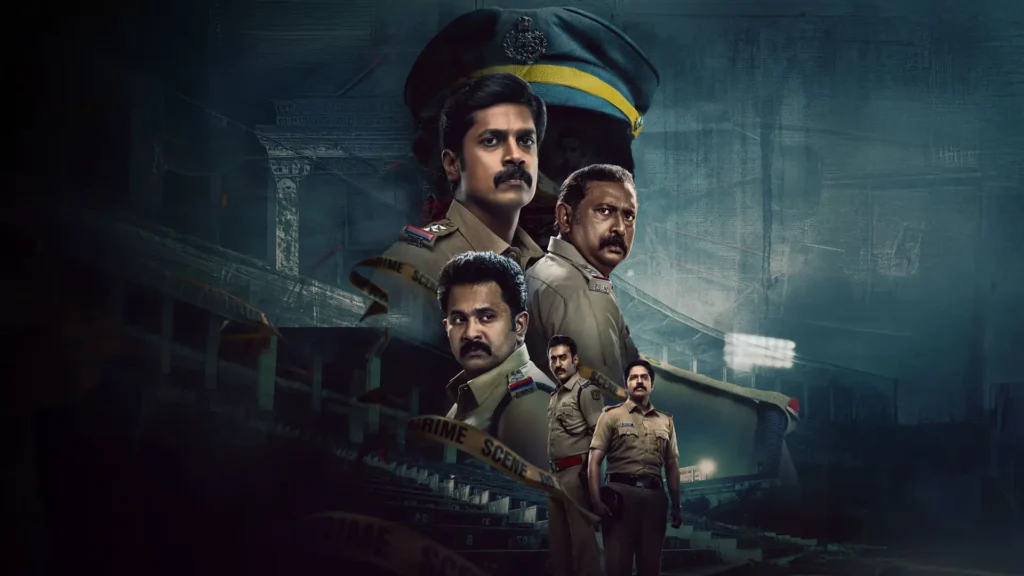
After watching Season 1 of Kerala Crime Files, I wrote, “Written poor, but executed well.” Season 2 flips that statement. Read the Kerala Crime Files Season 2 review for more, No Major Spoilers ahead.

Trailer Kerala Crime Files Season 2

This time, Bahul Ramesh takes charge of the writing, and similar to Season 1, the story pulls you in from the very first episode. But not through flashy twists or over-the-top reveals—rather, through carefully crafted character layers, subtle cues, and emotional hooks. It’s no longer about “what happens next” but more about “who they are?”

Writing That Respects Its Characters

Bahul who previously wrote Kishkindha Kaandam, doesn’t rush to shock you. He builds tension by slowly revealing the people behind the plot. Take Shyju Bhai, the police officer assisting SI Noble. He’s not loud or dramatic—his brilliance lies in small gestures and quiet observations. And it’s exactly this subtlety that makes the show more gripping than many fast-paced thrillers.

If you’ve seen Kishkindha Kaandam, you might’ve noticed—except Aparna Balamurali (who represents the viewer), every character is cryptic, with layers that slowly unfold. Bahul uses the same approach here.

Kishkindha Kaandam Poster

Though it may look like an event-driven thriller on the surface, I found it to be more of a character-driven mystery. That’s rare in Indian web series. What Bahul has done here is borrow the stillness of indie crime films and blend it with procedural drama, adding emotional recall through visual and narrative cues.

CPO Ambili Raju (Indrans) and Ayyappan (Harisree Ashokan), though they don’t get much screen time, leave a lasting impact. Their characters are mysterious, quiet, and reveal themselves gradually with each episode.

Dogs, Details, and a Thematic Echo

If Kishkindha Kaandam used monkeys as a narrative metaphor, here Bahul uses dogs. They aren’t just background elements—they walk silently through every episode, tied to the story, the characters, and the trauma. There’s a murder, an investigation, and a childhood memory—all connected to a dog. Every thread feels intentional.

The way Bahul uses this thematic echo—repeating visuals of dogs, loyalty, bonds, and betrayal—to create emotional undercurrents is brilliant. It reminded me of The Banshees of Inisherin, where animals act as emotional mirrors. It also brought to mind Parinamam by M.P. Narayana Pillai, where dogs are used throughout the novel in a similar metaphorical way. I wouldn’t be surprised if Bahul has read that novel.

Another detail I appreciated: whenever a viewer might develop a doubt, the next scene often features a character voicing that very same question. It’s thoughtful writing that respects the intelligence of its audience.

Same Frame, Better Picture

Despite the change in writers, the overall structure of Season 2 mirrors that of Season 1: a murder, an investigation, and a reveal in the final episode.

Cast: Kerala Crime Files Season 2

In terms of execution, the framework isn’t radically different if you’re a fan of thrillers. Past and present intercut, truth revealed at the end—a Memento-style approach is present here, like Mystic River or our own Malayalam thriller Memories, where a past trauma anchors a current crime mystery.

Instead of revealing everything linearly, the plot is broken into modules—glimpses of childhood, the current investigation, and side character arcs (like Ayyappan, Ambili, and a few other characters). Each piece seems unrelated until the final episode, where they all snap together.

In Season 1, I felt the villain’s motive lacked depth. Here, the antagonist’s motive is much stronger, rooted in emotion and personal pain. By Episode 5, seasoned viewers might start solving the “why” and “how.” Episode 6 completes the puzzle by revealing the “who.”

Abdul Wahab’s music plays gently in the background but rises at the right moments—it complements the scenes rather than dominating them. Jithin Stanislaus’ cinematography, especially in the night sequences, adds mood and shadow to the mystery. 

As for performances, Indrans and Harisree Ashokan deliver some of their best, despite their limited screen time. Aju Varghese and Lal maintain the same chemistry and tone from Season 1, adding consistency to the evolving story. Together, the team elevates this season beyond expectations.

Final Verdict

Kerala Crime Files Season 2 is still a slow burn, but this time, the fire feels intentional. The emotional weight is stronger. The characters are deeper. The motive is real. And the writing? It finally respects the audience.

What To Watch on OTT: March 07, 2025

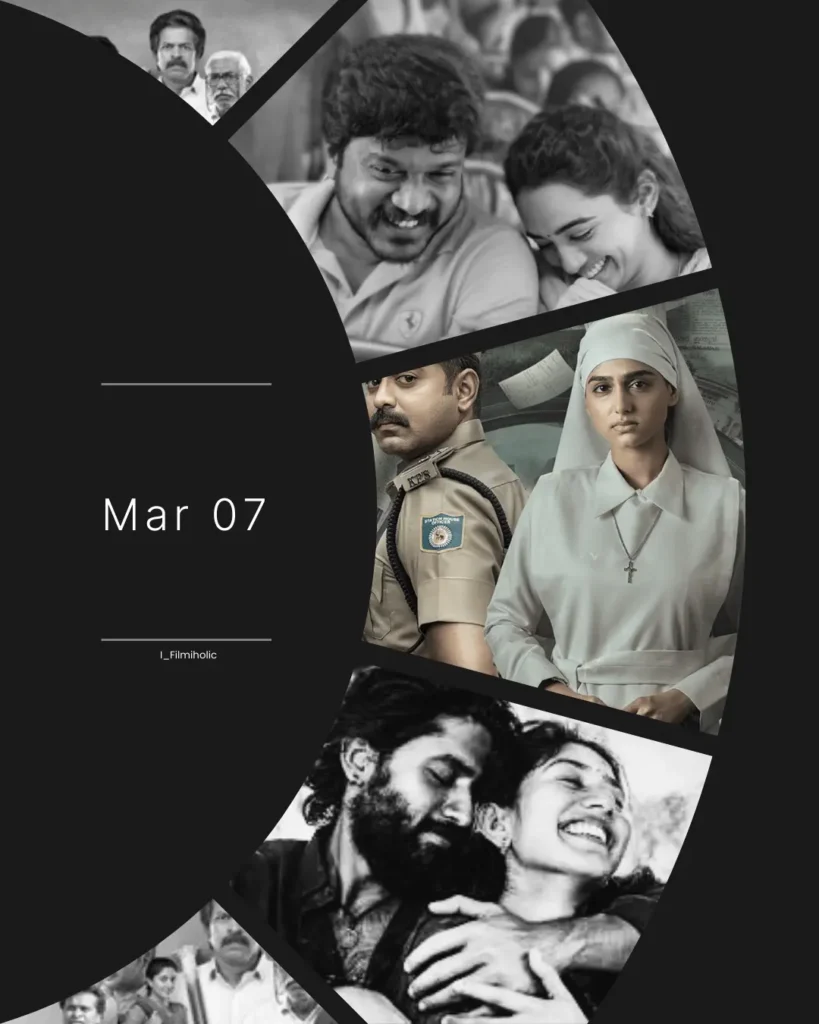
What are the OTT releases this week? With so many releases across platforms, unfortunately, I couldn’t find many great options for you this week, since most releases are average; if you have time, try Rekhachithram (Malayalam), Kudumbasthan (Tamil) or Baapu( Telugu). Why I pick that; scroll down to read more.

OTT Releases 07, March 2025

Rekhachithram (2025): A Smart Thriller That Blends Mystery with Cinema Nostalgia

 📺 Streaming on: Sony LIV
🎬 Director: Jofin T Chacko
Cast: Asif Ali, Anaswara Rajan, Indrans, Saikumar, Manoj K Jayan

#Rekhachithram Trailer 

Plot & Highlights

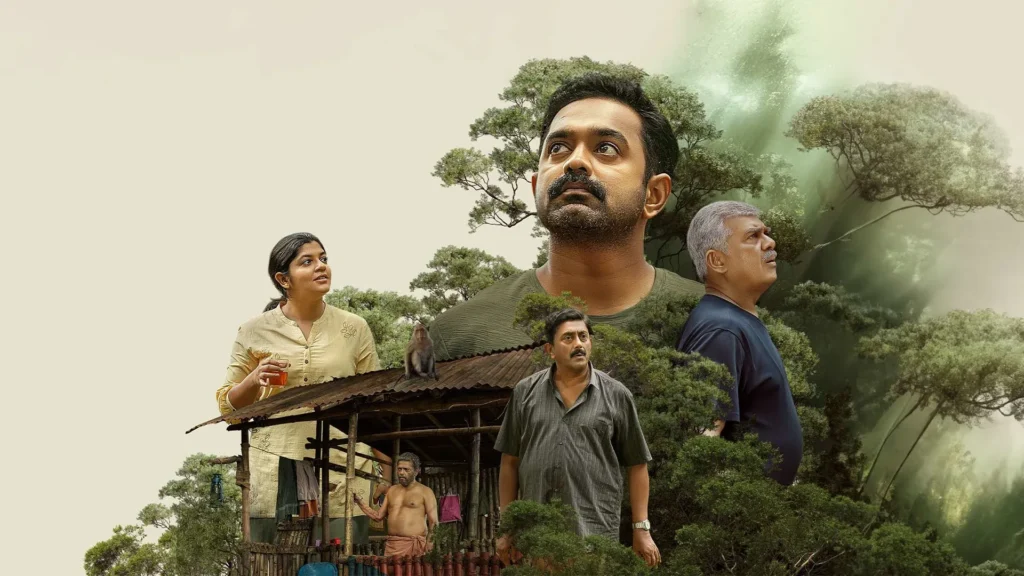
Rekhachithram is a gripping investigative thriller. The film follows Vivek Gopinath (Asif Ali), a cop trying to redeem himself, as he investigates a 40-year-old skeleton linked to an 80s film set. As Vivek pieces together clues from a time when technology was limited, the case becomes a thrilling.

❤️ A refreshing take on crime thrillers with a unique premise
❤️ Anaswara Rajan shines as Rekha, adding depth to her character
❤️ A treat for cinephiles with nods to 80s Malayalam cinema

❌ The film’s slow-burn pace may not work for everyone
❌ Manoj K Jayan feels underutilised

My Opinion: Rekhachithram isn’t just a mystery—it’s a love letter to Malayalam cinema.Though it takes its time to build up, the final twist is worth the wait. If you love thrillers with a nostalgic touch, this one is a must-watch!

Kudumbasthan (2025): A Fun Family Comedy with Manikandan’s Winning Touch

📺 Streaming on: ZEE5
🎬 Director: Rajeshwar Kalisamy
Cast: Manikandan, Guru Somasundaram, Saanve Megghana, R Sundarrajan

Kudumbasthan Trailer

Plot & Highlights

Being the sole breadwinner of a middle-class family is no joke—literally! Kudumbasthan follows Naveen (Manikandan), a newly married man juggling endless financial responsibilities, from funding his mother’s pilgrimage to paying for his wife’s Civil Service exam. Adding to his stress is his brother-in-law Rajendran (Guru Somasundaram), who constantly undermines him. As Kudumbasthan—surviving it is the real challenge.

❤️ Manikandan nails another relatable underdog role
❤️ Hilarious moments keep the film lighthearted and engaging

❌ Some jokes may not work for everyone
❌ The film feels slightly stretched at 155 minutes

My Opinion: Kudumbasthan blends classic family drama with modern humour, making it funny and relatable. Strong performances from Manikandan and Guru Somasundaram keep it engaging. A good watch for those who enjoy heartwarming comedies.

Nadaaniyan (2025): A Glossy but Shallow High-School Rom-Com

📺 Streaming on: Netflix
🎬 Director: Shauna Gautam
Cast: Ibrahim Ali Khan, Khushi Kapoor, Suniel Shetty, Dia Mirza

Nadaaniyan | Official Trailer 

Plot & Highlights

Fake relationships, social class struggles, and high school drama—Nadaaniyan brings them all together in a lighthearted rom-com. Pia (Khushi Kapoor) is a rich girl who needs a boyfriend to keep her friendships intact. Arjun (Ibrahim Ali Khan), a scholarship student with big career dreams, becomes the perfect candidate. But as their fake relationship unfolds, they must navigate class differences, family expectations, and their own changing feelings.

❤️ Khushi Kapoor and Ibrahim Ali Khan bring youthful charm
❤️ Fun, breezy moments make it watchable
❤️ Nods to classic Karan Johar films add nostalgia

❌ A predictable, surface-level story
❌ Social themes feel forced rather than impactful
❌ Characters and settings don’t feel real or relatable

My Opinion: Nadaaniyan is a glossy, high-school rom-com that feels superficial despite its attempts at depth. The lead actors try their best, but the film remains predictable. Skip if you watched movies like Love Today (Tamil) or Perfect Date.

Manamey (2024): A Lighthearted Rom-Com That Plays It Safe

📺 Streaming on: Amazon Prime Video
🎬 Director: Sriram Adittya
Cast: Sharwanand, Krithi Shetty, Vennela Kishore, Rahul Ravindran

Manamey Trailer 

Plot & Highlights

What happens when a carefree man is forced to take responsibility? Manamey follows Vikram (Sharwanand), a happy-go-lucky guy who avoids commitments—until his best friend’s sudden passing leaves him as a temporary guardian for their two-year-old son. Subhadra (Krithi Shetty), a responsible and practical woman, also steps in as the child’s caretaker. As they clash over parenting styles, love slowly blossoms between them.

❤️ Sharwanand shines in a fun, laid-back role
❤️ A few genuinely funny moments keep it entertaining
❤️ Hesham Abdul Wahab’s music adds charm

❌ Predictable story with familiar rom-com tropes
❌ Supporting characters feel underused
❌ Antagonist subplot feels unnecessary and weak

My Opinion: Manamey is a breezy, feel-good rom-com that plays it safe. Sharwanand’s playful performance adds charm, but the film remains predictable. Worth a casual watch, but nothing fresh or surprising.

Thandel (2025): A Beautiful Love Story That Loses Focus in Its Second Half

📺 Streaming on: Netflix
🎬 Director: Chandoo Mondeti
Cast: Naga Chaitanya, Sai Pallavi, Karunakaran, Divya Pillai

Plot & Highlights

Thandel is about the longing and devotion (melo-drama medium) in a romance shaped by distance. Raju (Naga Chaitanya), a fisherman from Srikakulam, spends most of the year away at sea. Sathya (Sai Pallavi), his love, accepts this way of life with patience and pride. When Raju is caught in a tragic twist of fate and lands in a Pakistani prison, their love is put to the ultimate test.

❤️ Naga Chaitanya deliver heartfelt performances
❤️ Devi Sri Prasad’s music adds emotional depth
❤️ Stunning cinematography captures the vast sea and emotions beautifully

❌ The Pakistan prison subplot lacks depth
❌ Side characters feel underdeveloped
Misses the opportunity to explore the real struggles of the 22 fishermen

My Opinion: Thandel is an average love story but loses its emotional depth when it shifts to the Pakistan prison subplot. The political drama feels rushed, but the romance and music keep it engaging. It works for fans of poetic (chocolate) love stories.

Narayaneente Moonnaanmakkal (2025): A Thoughtful, Restrained Family Drama

📺 Streaming on: Amazon Prime Video
🎬 Director: Sharan Venugopal
Cast: Joju George, Suraj Venjaramood, Alencier Lay Lopez, Garggi Ananthan, Shelly Kishore

Plot & Highlights

When three estranged brothers reunite at their ancestral home as their mother lies on her deathbed, old wounds resurface, and buried conflicts return. Vishwanathan (Alencier Lay Lopez) still carries the weight of past casteist insults, Bhaskar (Suraj Venjaramood) is an outsider in his own home, and Sethu (Joju George) finds himself stuck between them. Meanwhile, the younger generation—Athira (Garggi Ananthan) and Nikhil (Thomas Mathew)—try to make sense of the tensions while dealing with their own unresolved emotions.

❤️ A subtle, character-driven story without melodrama
❤️ Joju George and Garggi Ananthan deliver deeply layered performances
❤️ A realistic portrayal of family conflicts and generational differences

❌ The slow, quiet storytelling may not work for everyone
❌ Lacks big dramatic moments, making it feel subdued

My Opinion: Narayaneente Moonnaanmakkal is a nuanced, slow-burning family drama that avoids melodrama. A worthwhile watch for those who enjoy subtle, character-driven narratives.

Baapu (2025): A Family Drama with Moments of Brilliance but an Uneven Narrative

Baapu (2025) trailer

📺 Streaming on: JioHotstar
🎬 Director: Dayakar Reddy
Cast: Brahmaji, Aamani, Srinivas Avasarala, Sudhakar Reddy, Dhanya Balakrishna

Plot & Highlights

Set in rural Telangana, Baapu follows a struggling farmer’s family burdened by debt. Mallanna (Brahmaji) and his wife Saroja (Aamani) are trying to make ends meet through cotton farming, while their children battle their own hardships. Meanwhile, a subplot involving a hidden golden idol adds another layer of intrigue.

❤️ Brahmaji delivers a strong lead performance
❤️ Authentic rural setting and black comedy elements work well
❤️ A few engaging moments, especially around the family’s moral dilemma

❌ Predictable and lacks depth in emotional moments
❌ Romance subplots feel unnecessary and underdeveloped
Feels like a short film stretched into a feature-length movie

My Opinion: Baapu has an interesting premise with its dark comedy and performances. However, weak character arcs and a predictable story hold it back. Watch it for the performances, but don’t expect a deeply engaging family drama.

For more updates on movies and theatrical releases, click here.

Sookshmadarshini: A Thriller That Almost Hits the Mark

Sookshmadarshini might not feel entirely fresh, as it draws inspiration from various past works like Manhattan Murder Mystery (1993), In for a Murder (2021), and The Woman in the Window (2021), among others.

The story revolves around Priya, a microbiologist living happily with her husband and child. One day, her neighbour Manuel returns to his hometown with his mother, and from the very beginning, Priya senses something odd about him. The movie follows Priya’s observations and findings as she tries to uncover the mystery surrounding Manuel and his actions.

Trailer Sookshmadarshini

Sookshmadarshini sets out to be a compelling thriller, focusing on the “what” and “why” rather than the typical “whodunnit.” However, the lack of emotional depth and character development undermines its potential, leaving it a missed opportunity in the genre.

Priya’s Motivation: A Missed Opportunity for Emotional Depth

Priya’s skepticism toward her neighbour is established, but the why behind it isn’t developed well. She goes to extremes to uncover the truth, but the film struggles to make her motivations compelling. This disconnect diminishes the audience’s emotional engagement with her investigation.

In Manhattan Murder Mystery, Carol (played by Diane Keaton) is a housewife who becomes suspicious of her neighbour after the sudden death of his wife. The film builds Carol’s character through her curiosity, natural charm, and relentless energy.

Diane Keaton as Carol

Carol’s amateur sleuthing feels authentic because the narrative gives her relatable motivations: she’s bored with her life and eager to prove her intuition is right.

Another good example is character Anna Fox from The Woman in the Window (2021), the protagonist, is an agoraphobic psychologist who becomes obsessed with the lives of her neighbours. Anna’s character is layered: her psychological struggles, unreliable narration, and tragic backstory make her a flawed but relatable protagonist. The audience doesn’t just follow her investigation—they understand her pain and inner conflict, which adds emotional weight to her discoveries.

Writers should have added some emotional layers to Priya, like Anna’s struggles in The Woman in the Window, to create a stronger connection with the audience.

The Art of Distraction: Sookshmadarshini

Every mystery thriller works well when its distractions are crafted effectively. Writers often sprinkle events or characters to divert the audience’s attention from the actual clues. Take Kishkinda Kaandam as an example: the Maoism, the jungle, and Jagadeesh’s character—all serve as distractions. However, a clever writer always leaves the right hints, so when the truth is revealed, the audience can connect the dots they initially missed. That’s where the brilliance of a thriller writer truly shines.

Title Card: Sookshmadarshini

In Sookshmadarshini, the writers incorporated distractions and left clues for the audience. But by the end, you might wonder: was all this necessary? Was it exaggerated? The climax feels like a forced attempt to deliver a twist, making the payoff less satisfying.

A little more research could have made it better. For example, do you get notifications on Instagram when a random person (someone who doesn’t follow you or whom you don’t follow) sends you a message? I believe it mostly goes to message requests. That’s where the writers were in a rush to close the loop.

Casting and Tone Issues: Sookshmadarshini

While Basil does a commendable job portraying Manuel’s suspicious behaviour, his inherent charm works against the narrative. The audience doesn’t naturally hate or distrust him as they should.

Nightcrawler TRAILER

In contrast, performances like Jake Gyllenhaal’s eerie and unsettling portrayal of Louis Bloom in Nightcrawler (2014) or Vineeth Sreenivasan’s morally ambiguous Adv. Mukundan Unni in Mukundan Unni Associates ensure that the audience feels both repelled and fascinated. A similarly calculated casting choice for Manuel could have significantly amplified the tension.

Additionally, Nazriya is not entirely convincing as Priya—a super-observant, Lady Holmes-like housewife. Her portrayal feels more like her past characters, such as Jeena in Neram or Pooja in Om Shanthi Oshana. This lack of transformation dilutes the experience, especially in a genre where mood and atmosphere are critical.

Take, for example, Sharafudheen. In Bougainvillaea and Hello Mummy, his contrasting performances highlight how an actor can completely transform their mannerisms and attitude, creating a clear distinction between characters.

Even a static shot from either film would showcase the depth of his acting. This kind of immersion helps the audience bond with the character. Unfortunately, Priya’s character in Sookshmadarshini doesn’t achieve this, making it difficult to separate Nazriya’s performance from her previous roles.

Sookshmadarshini: Final Thoughts

Despite its flaws, Sookshmadarshini does manage to deliver a decent final act. The editing, especially in the climax, stands out, with smooth intercuts that effectively build tension and excitement while revealing the mystery. The background score complements these moments well, adding to the suspense.

While the screenplay takes some cinematic liberties, particularly in the second half, it might answer many of your WHY’s by the final twist. The seemingly distracting elements throughout the film make sense when viewed in hindsight, offering a sense of coherence to the overall narrative.

In the end, Sookshmadarshini succeeds in keeping the audience intrigued, even if it stumbles in emotional depth and character development. It’s a decent thriller that might not break new ground but manages to hold attention, especially in its well-executed final moments.

Share your thoughts as a comment.

Read about this week’s OTT Releases here.